
35,000+ smart investors are already getting financial news, market signals, and macro shifts in the economy that could impact their money next with our FREE weekly newsletter. Get ahead of what the crowd finds out too late. Click Here to Subscribe for FREE.
Renovation bills have a way of turning optimism into arithmetic. A wall comes down, a hidden problem appears, a “small upgrade” becomes a chain reaction, and the final invoice starts to look very different from the first estimate. Across Canada, higher material costs, tight contractor availability, older housing stock, and changing energy-efficiency expectations have made planning more important than ever. These 17 home renovation mistakes show where regret often begins: not with one dramatic error, but with overlooked permits, vague contracts, rushed choices, and assumptions that seemed harmless at the start.
Skipping the Permit Conversation
17 Home Renovation Mistakes Canadians Regret After the Bill Arrives
- Skipping the Permit Conversation
- Choosing the Cheapest Contractor Without Checking Credentials
- Accepting a Vague Contract
- Forgetting a Real Contingency Fund
- Changing the Scope Mid-Project
- Underestimating Kitchen and Bathroom Costs
- Ignoring Electrical Requirements
- Treating Asbestos Testing as Optional
- Forgetting Radon When Finishing a Basement
- Not Telling the Home Insurer
- Overlooking Energy Rebates and Financing Rules
- Assuming Every Renovation Adds Resale Value
- Paying Too Much Upfront
- Forgetting About Holdbacks and Liens
- Choosing Trendy Materials That Age Quickly
- Ignoring Ventilation and Moisture Control
- Trying to Live Through Too Much Construction
- 19 Things Canadians Don’t Realize the CRA Can See About Their Online Income

Many renovation regrets begin before the first tool comes out. A homeowner may assume that interior work is “cosmetic,” only to learn later that moving a wall, altering plumbing, changing windows, or finishing a basement can trigger municipal permit requirements. The bill then grows through redesign fees, inspection delays, or the cost of reopening finished work.
Permits can feel like paperwork, but they are often tied to building-code compliance, safety, and resale confidence. In Canadian municipalities, buyers, insurers, and inspectors may ask whether major work was completed properly. A kitchen island with new plumbing or a basement bedroom without proper egress can become more than an inconvenience; it can become a costly correction after the renovation already looks finished.
Choosing the Cheapest Contractor Without Checking Credentials

A low quote can feel like a win, especially when several estimates come back higher than expected. The problem is that a bargain price may leave out permits, disposal, licensed trades, warranty coverage, or proper insurance. Once work begins, the homeowner may discover that the “savings” were simply costs shifted to later invoices.
A careful contractor comparison should go beyond price. Written references, proof of insurance, trade qualifications, business history, and detailed scope matter because renovation disputes often come down to what was promised versus what was actually included. A family replacing a bathroom may regret choosing the lowest bid when tile waterproofing, ventilation, and electrical work become separate charges that were included in a better competitor’s quote.
Accepting a Vague Contract

A renovation contract that says “update kitchen” may sound clear in conversation, but it leaves too much room for disagreement. Cabinets, counters, flooring, demolition, haul-away, fixture models, permits, cleanup, timelines, and warranty terms should not be left to memory. When details are missing, the homeowner often pays through change orders or accepts cheaper substitutions.
Good contracts reduce awkward arguments because they turn assumptions into written expectations. If the agreement lists exact materials, allowances, payment stages, start dates, completion targets, and dispute steps, both sides have a shared reference point. Without that paper trail, a homeowner may believe quartz counters were included while the contractor priced laminate, creating a painful surprise when the invoice arrives.
Forgetting a Real Contingency Fund

A renovation budget with no cushion is fragile. Older Canadian homes can hide knob-and-tube wiring, undersized plumbing, uneven floors, poor insulation, mould, asbestos-containing materials, or structural surprises. Even newer homes can reveal shortcuts from previous work. Once a crew opens walls or floors, the project may stop until the hidden problem is fixed.
A contingency fund is not pessimism; it is a practical recognition that renovation pricing is rarely perfect. Many homeowners regret spending every dollar on visible finishes and leaving nothing for behind-the-wall realities. The emotional sting is worse when an upgrade such as designer lighting must be cancelled because the budget was swallowed by subfloor repair or electrical corrections.
Changing the Scope Mid-Project
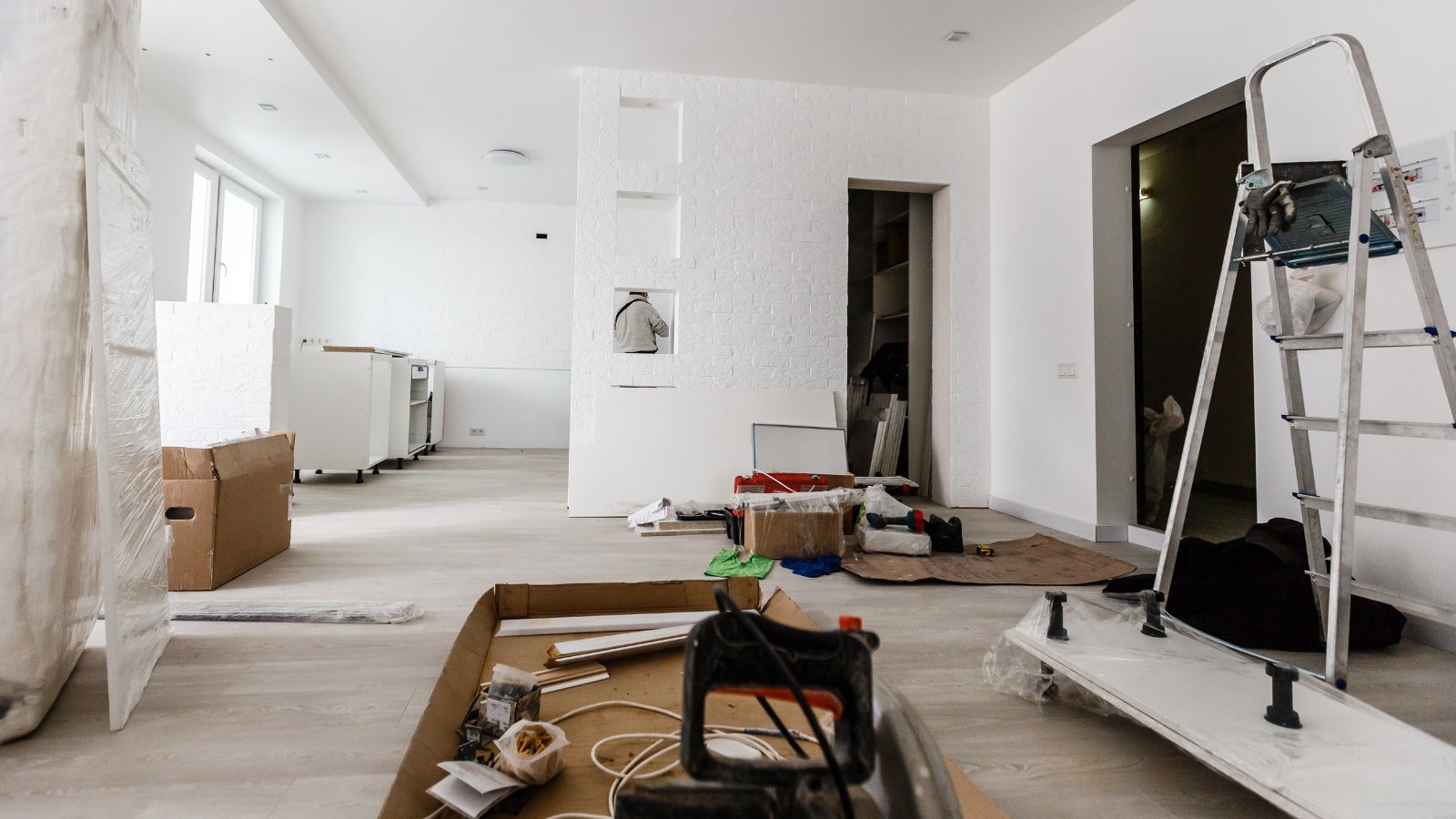
Scope creep often arrives disguised as convenience. Since the wall is open, why not add pot lights? Since the bathroom is gutted, why not move the vanity? Since the contractor is already there, why not replace the hallway flooring too? Each decision may seem reasonable, but together they can stretch timelines, labour, materials, and permit needs.
Change orders are one of the most common ways renovation bills climb. A proper change should be priced, written, and approved before work proceeds. Without that discipline, homeowners may only see the total after several casual “while we’re at it” requests. The regret is not always the upgrade itself; it is discovering too late that small decisions were never small on the invoice.
Underestimating Kitchen and Bathroom Costs

Kitchens and bathrooms are often treated as style projects, but they are really system-heavy spaces. Cabinets, counters, waterproofing, plumbing, electrical, ventilation, tile, fixtures, and appliances all overlap. A homeowner may budget for visible surfaces while forgetting that trades, inspections, and demolition can consume a large share of the total.
These rooms also create daily-life pressure. A delayed kitchen can mean weeks of takeout; a delayed bathroom can disrupt an entire household. Regret often appears when homeowners splurge on finishes before pricing the mechanical work underneath. A beautiful faucet matters less when moving the drain line, upgrading wiring, or repairing hidden water damage pushes the bill past the original comfort zone.
Ignoring Electrical Requirements

Electrical work is easy to underestimate because many upgrades look simple from the outside. Adding outlets, installing heated floors, moving switches, upgrading panels, or adding dedicated circuits for appliances may require licensed work and formal notification or inspection, depending on the province. Problems arise when work is hidden behind drywall before approval.
The bill can grow quickly if finished walls must be opened to correct unsafe or undocumented wiring. Insurance and resale questions may also surface if electrical improvements were completed informally. A homeowner may not notice a problem immediately, but the regret can arrive years later during a sale, claim, or inspection when missing records become expensive to explain.
Treating Asbestos Testing as Optional

In older Canadian homes, the most expensive renovation surprise may be something no one can see at first glance. Asbestos may be present in insulation, floor tiles, pipe wrap, ceiling texture, cement products, or other materials, especially in homes built or renovated before modern restrictions. Disturbing it during demolition can turn a simple project into a hazardous cleanup.
Testing before demolition can feel like an annoying delay, but skipping it can be far more expensive. Once suspect material is disturbed, professional abatement, containment, disposal, and air clearance may be needed. Homeowners often regret letting a demolition day begin without knowing what is inside the walls, attic, or old flooring layers.
Forgetting Radon When Finishing a Basement

A finished basement can add living space, rental potential, or a family room, but it can also lock in a problem if radon is ignored. Radon is a naturally occurring radioactive gas that enters homes through foundations and can accumulate indoors, especially in lower levels. Renovating a basement without testing may cover cracks and access points without solving the underlying issue.
The frustrating part is that radon mitigation is often easier to plan before flooring, drywall, and built-ins are complete. Once the space is finished, installing a mitigation system can mean cutting into new materials or working around cabinetry and finished ceilings. Homeowners may regret spending heavily on comfort while missing an invisible health and safety concern.
Not Telling the Home Insurer

Renovations can change a home’s risk profile. Adding a rental suite, removing structural walls, installing a wood stove, upgrading electrical, adding a pool, or leaving a home partially vacant during construction can affect coverage. Some homeowners only learn this after damage, theft, fire, or water loss occurs during the project.
Insurance conversations are easy to postpone because they feel separate from design decisions. Yet a short call before construction can clarify whether extra coverage, builder’s risk insurance, vacancy conditions, or liability changes are needed. The regret comes when a homeowner assumes the existing policy automatically covers everything happening on site, only to face a claim dispute after the bill has already arrived.
Overlooking Energy Rebates and Financing Rules

Energy upgrades can be smart, but the paperwork matters. Heat pumps, insulation, windows, air sealing, and solar systems may be eligible for certain federal, provincial, utility, or municipal programs, but many require approved products, registered contractors, pre-retrofit evaluations, or specific application timing. Missing one step can turn an expected rebate into a vanished discount.
The same applies to renovation loans and efficiency financing. A homeowner might choose a system first and research incentives later, only to discover that the model, installer, or timing does not qualify. Regret is especially sharp when the upgrade itself was sensible, but the project lost thousands of dollars in support because the administrative sequence was ignored.
Assuming Every Renovation Adds Resale Value

Not every renovation pays back in the market. Highly personal design choices, luxury finishes in modest neighbourhoods, removing bedrooms, converting garages, or overbuilding a basement can make sense for lifestyle but may not translate into resale value. The mistake is treating every invoice as an investment rather than a consumption choice.
Canadian buyers often value function, safety, storage, energy efficiency, and quality workmanship, but they may discount renovations that feel too taste-specific. A homeowner may love a dramatic feature wall or premium imported tile, while a future buyer sees replacement work. Regret arrives when the sale price does not reflect the money poured into upgrades that were enjoyable but not broadly valuable.
Paying Too Much Upfront

Large upfront payments can leave homeowners exposed. Contractors need deposits to schedule work and order materials, but paying too much before progress is visible reduces leverage if timelines slip or quality concerns appear. The risk is greater when payment terms are not tied to clear milestones.
A healthier payment schedule connects money to completed stages, delivered materials, inspections, or defined project phases. Homeowners regret paying early when communication slows, crews disappear, or unfinished work requires hiring someone else. A deposit may be normal, but an oversized payment made under pressure can turn a renovation from stressful to financially painful.
Forgetting About Holdbacks and Liens

Construction lien rules can surprise homeowners who assume paying the contractor in full ends their responsibility. In some provinces, owners may need to retain a holdback for a set period to protect against claims by subcontractors or suppliers who were not paid. The rules vary, but ignoring them can create financial exposure.
The nightmare version is paying the general contractor completely, then discovering a supplier or subcontractor has filed a lien. The homeowner may feel they paid once already, but the legal process may still involve time, money, and stress. Before final payment, it is wise to understand local holdback rules, lien deadlines, and proof that downstream parties have been paid.
Choosing Trendy Materials That Age Quickly

Trends can make a renovation feel current, but they can also make it feel dated sooner than expected. Ultra-specific tile patterns, unusual cabinet colours, delicate surfaces, or low-durability flooring may look appealing in photos but perform poorly under pets, snow, salt, children, or heavy everyday use. Canadian homes work hard across seasons.
The regret often appears after the first winter. Entry floors scratch, matte finishes show every mark, cheap laminate swells, and pale grout darkens near high-traffic areas. Durable, maintainable materials may not create the flashiest reveal, but they often prevent the second bill: replacing a fashionable choice that could not handle real life.
Ignoring Ventilation and Moisture Control
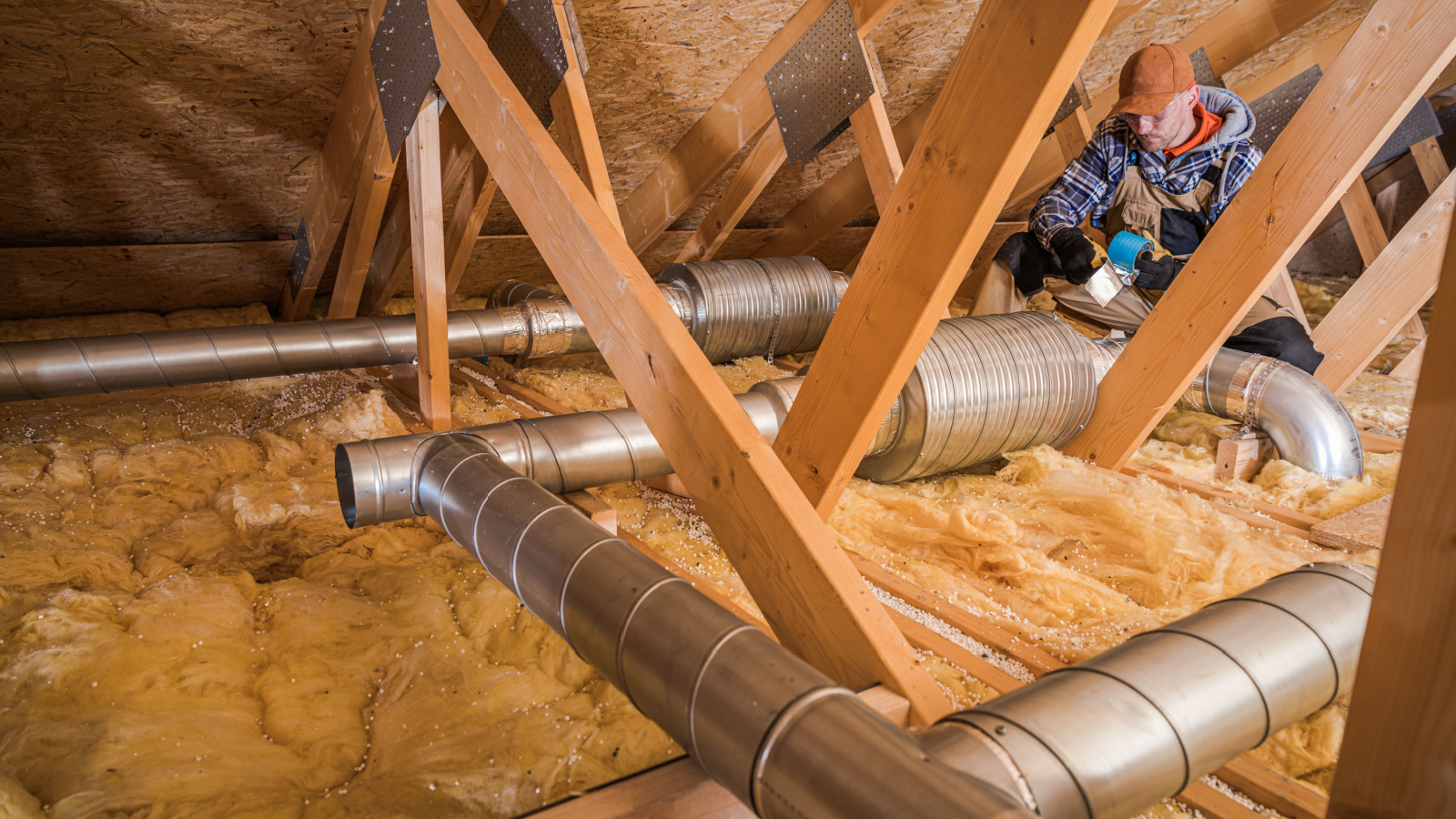
Moisture mistakes are expensive because they usually grow quietly. Bathrooms without proper ventilation, kitchens with weak range hoods, basements without moisture planning, and poorly sealed windows can lead to condensation, mould, peeling paint, or damaged finishes. A room can look complete while the building science behind it is weak.
Good renovation planning considers airflow, humidity, drainage, insulation, vapour control, and exterior water management. A homeowner may regret spending on tile and cabinetry while treating fans, ducts, sump systems, and waterproofing as optional extras. In cold Canadian climates, where temperature differences can drive condensation, comfort and durability often depend on the invisible parts of the project.
Trying to Live Through Too Much Construction

Living inside a renovation can save on temporary accommodation, but it can also create hidden costs. Dust, noise, blocked kitchens, limited bathrooms, pet stress, child safety concerns, and constant decisions can wear down a household. Productivity drops, takeout spending rises, and rushed choices become more likely.
Some projects are manageable while occupied; others are not. A major kitchen, main-floor gut, asbestos abatement, flooring throughout the house, or one-bathroom renovation may justify temporary relocation or a phased schedule. Homeowners regret assuming they can “make it work” when the disruption pushes them into expensive last-minute hotel stays, storage rentals, or rushed decisions simply to get life back to normal.
19 Things Canadians Don’t Realize the CRA Can See About Their Online Income

Earning money online feels simple and informal for many Canadians. Freelancing, selling products, and digital services often start as side projects. The problem appears at tax time. Many people underestimate how much information the CRA can access. Online platforms, banks, and payment processors create detailed records automatically. These records do not disappear once money hits an account. Small gaps in reporting add up quickly.
Here are 19 things Canadians don’t realize the CRA can see about their online income.
This Options Discord Chat is The Real Deal
While the internet is scoured with trading chat rooms, many of which even charge upwards of thousands of dollars to join, this smaller options trading discord chatroom is the real deal and actually providing valuable trade setups, education, and community without the noise and spam of the larger more expensive rooms. With a incredibly low-cost monthly fee, Options Trading Club (click here to see their reviews) requires an application to join ensuring that every member is dedicated and serious about taking their trading to the next level. If you are looking for a change in your trading strategies, then click here to apply for a membership.