
35,000+ smart investors are already getting financial news, market signals, and macro shifts in the economy that could impact their money next with our FREE weekly newsletter. Get ahead of what the crowd finds out too late. Click Here to Subscribe for FREE.
Car insurance renewal has become one of those routine household moments that can suddenly feel expensive, confusing, or surprisingly consequential. A policy that looked reasonable last year may no longer fit the vehicle, household, driving pattern, or provincial rules attached to it. Across Canada, repair costs, theft risks, weather losses, and regulatory changes are reshaping what renewal season means. These 18 things Canadian drivers should know before their next car insurance renewal can help make the decision less automatic and more informed.
Shopping Around Is Not Just for New Policies
18 Things Canadian Drivers Should Know Before Their Next Car Insurance Renewal
- Shopping Around Is Not Just for New Policies
- The Renewal Package Deserves a Line-by-Line Read
- Discounts Often Need to Be Asked About
- Raising a Deductible Can Save Money, but It Transfers Risk
- Ontario Drivers Face a Major Accident Benefits Change in 2026
- Minimum Liability May Not Feel Like Enough After a Serious Crash
- Collision and Comprehensive Coverage Should Match the Vehicle’s Value
- Theft Risk Can Follow the Vehicle, Not Just the Driver
- The Vehicle Model Can Matter as Much as the Driver
- Kilometres, Commute, and Vehicle Use Should Be Accurate
- Listed Drivers Can Quietly Change the Premium
- Claims History Should Be Checked for Accuracy
- Tickets and At-Fault Collisions Can Matter for Years
- Telematics Can Help, but Privacy Deserves Attention
- Payment Plans, Missed Payments, and Lapses Can Create Bigger Problems
- Weather Losses Are Now Part of the Insurance Conversation
- Rental Car and Transportation Coverage Can Run Out Quickly
- Fraud and Fake Insurance Offers Can Cost More Than They Save
- 19 Things Canadians Don’t Realize the CRA Can See About Their Online Income

Many drivers treat renewal papers as a formality, especially if the increase looks small enough to tolerate. That habit can be costly. Insurers price risk differently, and a driver who looks expensive to one company may look ordinary to another. A household in Mississauga, Calgary, Halifax, or Winnipeg could receive noticeably different quotes depending on claims history, vehicle model, location, bundled policies, and available discounts.
Renewal is the cleanest time to compare because there is usually no mid-policy cancellation fee to worry about. It also gives enough time to ask detailed questions instead of rushing into another year of the same coverage. The goal is not automatically choosing the cheapest premium, but checking whether the price, deductible, liability limit, accident benefits, and optional coverage still make sense together.
The Renewal Package Deserves a Line-by-Line Read

A renewal notice can look repetitive, but small changes buried in the declarations page may matter. The listed drivers, commute distance, vehicle use, deductibles, endorsements, and coverage limits should all match real life. A person who now works from home three days a week, added a young driver, moved postal codes, or stopped using a vehicle for commuting may be carrying outdated information.
Mistakes can cut both ways. An old commute could mean overpaying, while an undisclosed driver or business use could create trouble during a claim. A family that lets a university student drive only during holidays may need a different discussion than a household where that student now drives daily. Renewal is the moment to correct the record before a claim turns a paperwork detail into a financial problem.
Discounts Often Need to Be Asked About

Discounts are not always obvious on a renewal notice. Safe-driver records, winter tires, anti-theft devices, low annual mileage, multi-vehicle policies, home-and-auto bundles, alumni memberships, professional associations, and usage-based programs may all affect pricing depending on the insurer and province. Some discounts apply automatically, while others require proof or a specific conversation with a broker or agent.
This matters because Canadian insurance systems vary widely. In Manitoba and Saskatchewan, safe-driving rating systems can directly affect premiums. In British Columbia, low-mileage drivers may qualify for distance-based discounts on certain optional coverages. In private insurance provinces, the menu can differ by insurer. A driver who quietly installed winter tires, reduced driving, or improved a safety rating may miss savings if renewal happens on autopilot.
Raising a Deductible Can Save Money, but It Transfers Risk

A higher deductible often lowers the premium because the driver agrees to absorb more of a future claim. That can work well for someone with emergency savings and a claim-free history. For example, moving from a lower deductible to a higher one may make sense when a household rarely claims small damage and can comfortably cover the out-of-pocket cost after a collision or comprehensive loss.
The trade-off becomes painful when the deductible is chosen only for the monthly savings. A driver already stretched by rent, fuel, groceries, and repairs may find that a high deductible makes a legitimate claim hard to use. Renewal is a good time to ask a practical question: if a cracked bumper, hail-damaged hood, or parking-lot scrape happened next month, would the deductible be manageable without borrowing?
Ontario Drivers Face a Major Accident Benefits Change in 2026

Ontario drivers renewing around mid-2026 need to pay special attention to accident benefits. As of July 1, 2026, Ontario is changing how statutory accident benefits are structured. Medical, rehabilitation, and attendant care benefits remain mandatory, while several other accident benefits become optional. That gives drivers more choice, but it also places more responsibility on them to understand what is being included.
This is not just a technical change. Income replacement, caregiver needs, dependants, and long recovery periods can matter deeply after a serious crash. A self-employed contractor, a parent caring for children, or a worker without generous employer benefits may have different needs than a retiree with fewer income obligations. Renewal should involve a plain-language review of what would happen after an injury, not just what lowers the premium today.
Minimum Liability May Not Feel Like Enough After a Serious Crash

Third-party liability coverage protects against claims when a driver injures someone or damages property. In Ontario and several other jurisdictions, minimum required limits can be far below what many drivers choose in practice. The legal minimum may keep a vehicle on the road, but it may not feel reassuring if a crash leads to a lawsuit, major injuries, or damage involving several vehicles.
This is especially important for drivers who regularly cross provincial or U.S. borders, tow trailers, drive in dense urban traffic, or have significant assets to protect. Increasing liability limits often costs less than many people expect compared with the potential consequences of being underinsured. Renewal is the right moment to ask what the current liability limit is and what it would cost to raise it.
Collision and Comprehensive Coverage Should Match the Vehicle’s Value

A vehicle’s age changes the insurance conversation. Collision coverage helps with crash damage to the insured vehicle, while comprehensive coverage usually deals with risks such as theft, vandalism, fire, falling objects, or certain weather damage. On a newer financed SUV, both may feel essential. On an older sedan with modest resale value, the cost-benefit calculation can look very different.
The decision should not be based on age alone. A low-value vehicle may still be essential for getting to work, caring for family, or living in a place with limited transit. Dropping coverage could lower the premium but leave the owner unable to replace the vehicle after a major loss. Renewal is a chance to compare the annual cost of coverage with the vehicle’s actual market value and the household’s ability to replace it.
Theft Risk Can Follow the Vehicle, Not Just the Driver

Auto theft remains a major insurance issue in Canada, even when theft rates improve in some regions. Certain models, neighbourhoods, and parking situations carry higher risk. A driver with a clean record may still face a premium increase because the vehicle itself is expensive to steal, difficult to recover, or commonly targeted for export or parts.
Anti-theft devices, secure parking, steering-wheel locks, tracking systems, and manufacturer updates may help in some cases, but they are not all treated equally by insurers. A driver renewing insurance on a commonly stolen SUV should ask whether any anti-theft discount applies, whether an endorsement or surcharge has been added, and whether proof of a device is required. Theft risk is no longer just a big-city headline; it can show up directly on renewal pricing.
The Vehicle Model Can Matter as Much as the Driver

Two drivers with identical records can pay different premiums because their vehicles produce different claim patterns. Insurers look at repair costs, theft experience, safety performance, parts availability, and how often a model is involved in costly claims. A vehicle loaded with sensors and cameras may prevent some crashes, but even a minor fender-bender can require expensive calibration and specialized repairs.
This explains why a modest-looking vehicle is not always cheap to insure. A cracked bumper with embedded radar, a damaged headlight assembly, or a windshield tied to driver-assistance systems can push repair costs higher than expected. Before renewing, drivers should ask whether the vehicle’s make, model, year, and loss history are contributing to the premium. The answer may help when deciding whether to keep, sell, or replace a vehicle.
Kilometres, Commute, and Vehicle Use Should Be Accurate

Annual kilometres and vehicle use are not throwaway details. A car used for occasional errands presents a different risk than one driven daily through rush-hour traffic. A vehicle used for delivery, rideshare, client visits, or business errands may also need different coverage than a standard personal-use policy. Renewal is the time to make sure the description matches reality.
This became more important as hybrid work changed driving habits. Some households now drive far less than they did before, while others added weekend road trips or gig-work driving. A driver who reduced commuting may qualify for a better classification or discount. On the other hand, failing to disclose business or delivery use can create claim complications. Honest, current information is usually better than guessing and hoping it will not matter.
Listed Drivers Can Quietly Change the Premium

A renewal should show who is insured to drive the vehicle. Adding a newly licensed teenager, a partner with a recent conviction, or a relative who regularly borrows the car can affect the premium. Removing a driver who no longer lives in the household or no longer uses the vehicle may also change the cost, depending on the insurer’s rules.
This is where family life often collides with insurance paperwork. A parent may think a child away at college is still an occasional driver, while the insurer may classify the situation differently depending on access to the car, address, and frequency of use. The safest approach is to describe the real arrangement. A premium surprise at renewal is frustrating; a coverage dispute after a crash is much worse.
Claims History Should Be Checked for Accuracy

Claims history can follow drivers and vehicles for years, and errors can affect pricing. In Quebec, automobile claims information is centralized through the Fichier central des sinistres automobiles, which tracks losses reported by insurers over a six-year period. Drivers can request and review their claims history and ask for corrections if something is wrong.
The same general lesson applies across Canada: renewal is easier when the record is clean and accurate. A driver who was listed incorrectly as at fault, had a claim duplicated, or never understood how a past incident was coded may be paying more than necessary. Before accepting a steep increase, it is worth asking the insurer or broker what claims are affecting the quote and whether any information can be reviewed.
Tickets and At-Fault Collisions Can Matter for Years

Traffic convictions, distracted driving, impaired driving, and at-fault claims can affect premiums long after the event itself. The exact impact depends on province, insurer, severity, and the driver’s previous record. Public insurance systems such as Manitoba and Saskatchewan use safety rating structures that reward safer drivers and penalize higher-risk records, while private markets also weigh driving history heavily.
This is why a “small” ticket can feel larger at renewal. A driver may pay the fine once but face higher insurance costs later. In Alberta, eligibility for the good-driver rate cap depends partly on a clean record under government rules. Renewal is a reminder that safe driving is not only about avoiding crashes; it also protects future insurability and pricing.
Telematics Can Help, but Privacy Deserves Attention

Usage-based insurance programs use telematics to price or discount coverage based on driving behaviour. Depending on the program, data may come from a mobile app, plug-in device, or connected vehicle system. It can include mileage, hard braking, acceleration, speed patterns, time of day, and sometimes phone-related behaviour. For careful low-mileage drivers, the savings can be appealing.
The trade-off is data. Drivers should ask what is collected, who receives it, how long it is stored, whether it can increase premiums, and how cancellation works. Participation should be informed rather than impulsive. A driver who mostly drives at night for shift work may not score the same way as someone who drives short daytime errands. Renewal is the right time to compare the possible discount with the privacy and scoring rules attached to the program.
Payment Plans, Missed Payments, and Lapses Can Create Bigger Problems
The annual premium is not the only number that matters. Monthly payment plans may include fees or finance charges, and missed payments can lead to cancellation. A cancelled policy or insurance lapse can make renewal harder and may push a driver toward more expensive coverage. Even a short gap can raise questions when applying elsewhere.
Drivers who are under financial pressure should contact the insurer before a missed payment becomes a cancellation notice. Adjusting deductibles, changing optional coverages, reviewing discounts, or changing payment timing may help. The worst option is ignoring the bill until coverage ends. Renewal is a useful time to choose a payment structure that is realistic for the household budget, not just attractive on paper.
Weather Losses Are Now Part of the Insurance Conversation
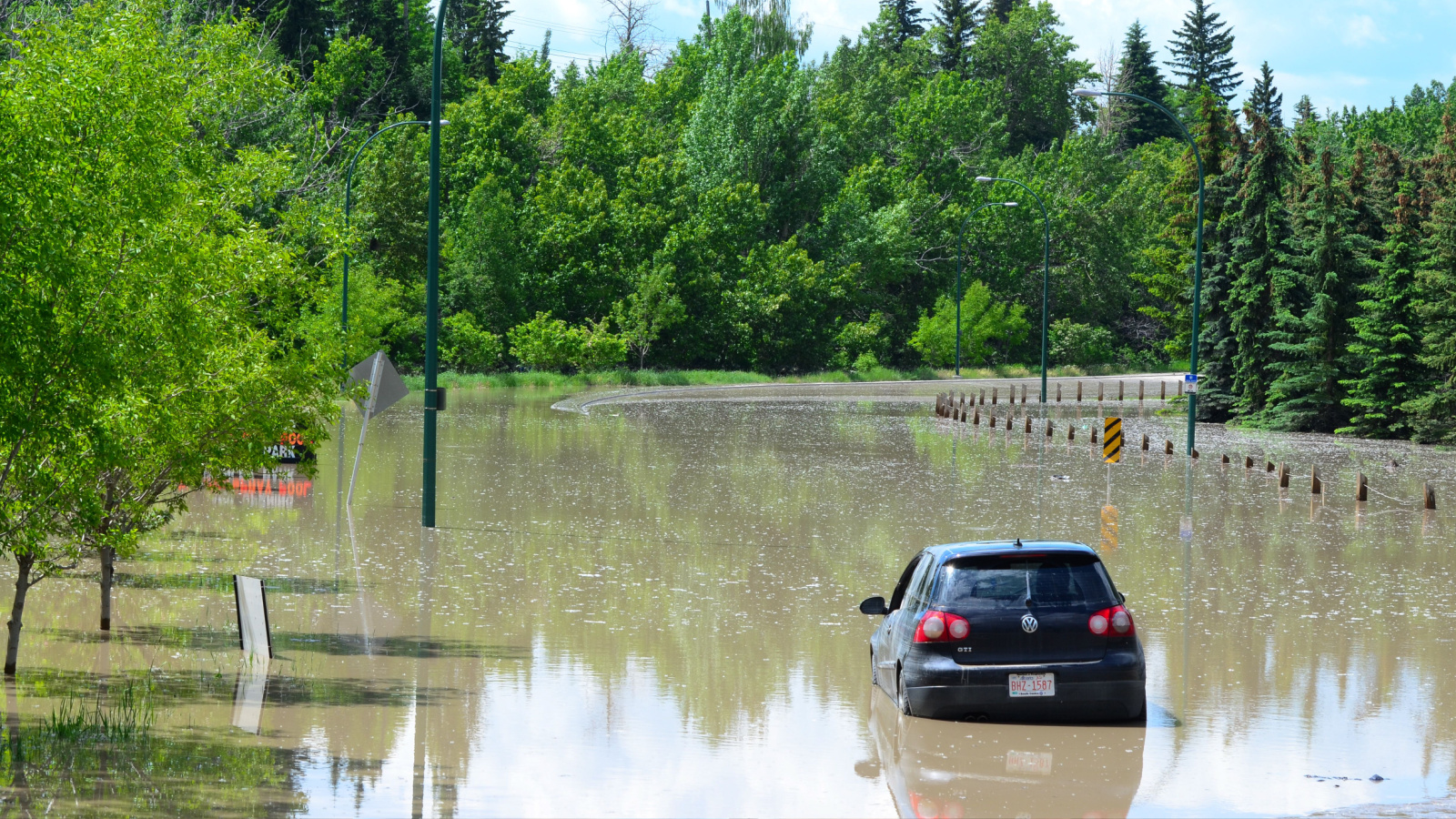
Severe weather is increasingly relevant to auto insurance. Hail, flooding, wildfires, falling trees, and storm debris can damage vehicles even when the driver did nothing wrong. Comprehensive coverage is often the part of a policy that responds to many non-collision weather-related losses, but deductibles, exclusions, and claim rules still matter.
This is no longer only an Alberta hailstorm issue or a coastal flooding issue. Canadian insurers have faced record-breaking severe weather losses, and those costs can influence pricing across broader markets. A driver parking outside in a hail-prone area, near large trees, or in a flood-sensitive neighbourhood should understand what is covered. Renewal is a chance to ask how weather damage would be handled before the next storm season arrives.
Rental Car and Transportation Coverage Can Run Out Quickly

A claim does not end when the tow truck leaves. If a vehicle needs parts, calibration, or specialized repair work, the driver may need alternate transportation for days or weeks. Optional rental car or loss-of-use coverage can be valuable, but limits matter. A small daily cap or short maximum period may not cover a long repair delay.
This has become more noticeable as repair networks deal with parts shortages, technician constraints, and increasingly complex vehicles. A family with one car may feel the gap immediately if rental coverage is too low. A driver who can borrow a second vehicle may need less. Renewal is the time to ask what the policy pays per day, how long it lasts, and whether the limit reflects current rental prices.
Fraud and Fake Insurance Offers Can Cost More Than They Save

When premiums rise, cheap insurance offers become tempting. Unfortunately, fraud can target drivers through fake brokers, staged collisions, questionable repair shops, towing scams, and misleading online ads. A bargain policy is worthless if it was never real, and a fraudulent claim environment can raise costs for honest customers.
Drivers should confirm that a broker, agent, or insurer is licensed and that payment is going through legitimate channels. Pressure tactics, cash-only requests, vague documents, or promises that seem too good for the driver’s record are warning signs. Renewal should involve comparison, not desperation. A slightly higher legitimate premium is far safer than discovering after a crash that the supposed coverage does not exist.
19 Things Canadians Don’t Realize the CRA Can See About Their Online Income

Earning money online feels simple and informal for many Canadians. Freelancing, selling products, and digital services often start as side projects. The problem appears at tax time. Many people underestimate how much information the CRA can access. Online platforms, banks, and payment processors create detailed records automatically. These records do not disappear once money hits an account. Small gaps in reporting add up quickly.
Here are 19 things Canadians don’t realize the CRA can see about their online income.
This Options Discord Chat is The Real Deal
While the internet is scoured with trading chat rooms, many of which even charge upwards of thousands of dollars to join, this smaller options trading discord chatroom is the real deal and actually providing valuable trade setups, education, and community without the noise and spam of the larger more expensive rooms. With a incredibly low-cost monthly fee, Options Trading Club (click here to see their reviews) requires an application to join ensuring that every member is dedicated and serious about taking their trading to the next level. If you are looking for a change in your trading strategies, then click here to apply for a membership.