
35,000+ smart investors are already getting financial news, market signals, and macro shifts in the economy that could impact their money next with our FREE weekly newsletter. Get ahead of what the crowd finds out too late. Click Here to Subscribe for FREE.
Travel budgets often look manageable at the planning stage, when the big numbers are limited to airfare, hotels, and a few major activities. The trouble usually starts later, when small charges appear in places travellers did not fully price in: at the airport counter, on the hotel bill, inside a phone plan, or after a return through customs.
For Canadians, these costs can feel especially frustrating because many are technically disclosed but easy to miss during booking. This piece covers 17 hidden travel costs that can quietly turn a well-priced trip into a more expensive one, especially when timing, exchange rates, baggage rules, and last-minute decisions collide.
Checked Baggage That Wasn’t in the Original Fare
17 Hidden Travel Costs Canadians Don’t Notice Until It’s Too Late
- Checked Baggage That Wasn’t in the Original Fare
- Carry-On Fees on the Cheapest Tickets
- Seat Selection Fees That Split Up Families
- Airport Improvement and Security Charges
- Airport Parking That Quietly Becomes a Hotel-Sized Bill
- Roaming Fees That Start Before the First Photo Upload
- Foreign Transaction Fees on Everyday Purchases
- Dynamic Currency Conversion at Payment Terminals
- Hotel Resort Fees and Destination Fees
- Accommodation Taxes That Vary by City
- Travel Insurance Gaps and Medical Bills Abroad
- Rental Car Insurance, Deposits, and Add-Ons
- Tolls, Transponders, and Administrative Charges
- Customs Duties, Taxes, and Undeclared Purchases
- Food, Plant, and Animal Product Restrictions
- Security Rules That Force Airport Replacements
- Flight Disruptions That Create Out-of-Pocket Spending
- 19 Things Canadians Don’t Realize the CRA Can See About Their Online Income

A low fare can lose its charm the moment baggage is added. Many Canadian travellers still compare flights by headline price, even though baggage rules now vary sharply by fare class, destination, airline, and purchase timing. A family of four that assumes one checked bag per person is included can easily face a much larger bill at check-in, especially when paying at the airport instead of online.
The sting is not just the first bag. Second bags, overweight bags, sports gear, and oversized luggage can multiply the cost quickly. A traveller flying out for a wedding, ski trip, cruise, or extended family visit may not realize the suitcase itself has become part of the fare strategy. The cheapest ticket can still be the wrong ticket when luggage is unavoidable, turning a bargain into a lesson in fine print.
Carry-On Fees on the Cheapest Tickets
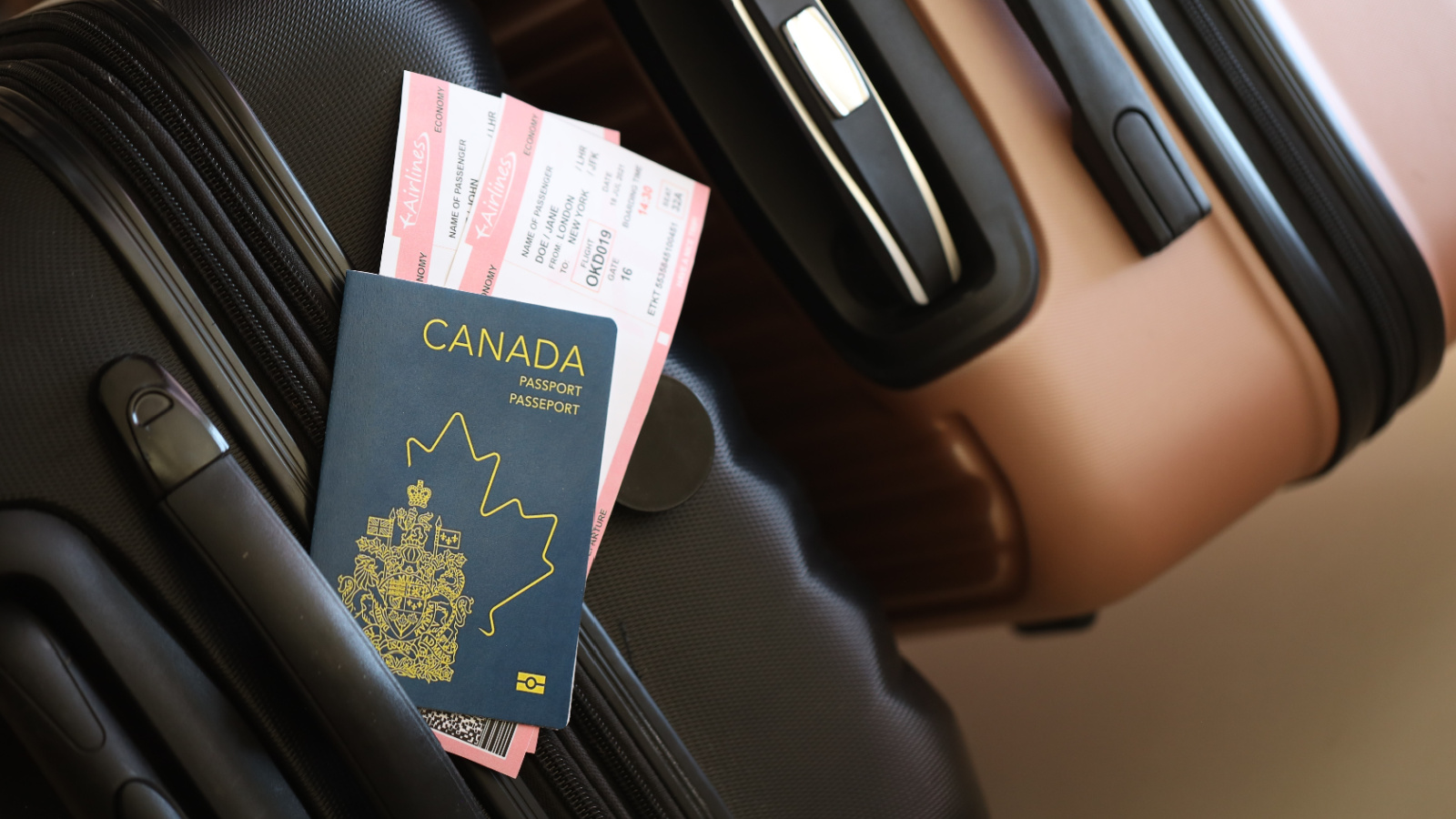
Carry-on baggage used to feel like the safe workaround for avoiding checked-bag fees. That assumption is becoming less reliable. Some basic fares now restrict larger carry-on items, leaving travellers with only a small personal item unless they pay more or choose a higher fare type. This can catch people off guard when a backpack fits under the seat but a roller bag does not qualify.
The real cost often appears after the traveller has already packed. Repacking at the airport, checking a bag unexpectedly, or paying a last-minute fee can erase the savings from booking the basic fare. Students, weekend travellers, and budget-conscious families are especially vulnerable because they may choose the lowest price first and study baggage rules later. In practice, carry-on policy has become part of the ticket price, not a minor detail.
Seat Selection Fees That Split Up Families

Seat selection fees are easy to dismiss until the boarding passes appear. Travellers may assume that companions booked on the same reservation will sit together, but basic and lowest-tier fares often make seat choice conditional or paid. For couples, the inconvenience may be manageable. For families with children, elderly relatives, or nervous flyers, it can create pressure to pay more just to sit together.
This cost is hidden because it feels emotional rather than optional. A parent may not want to risk a child being seated rows away, even if airline systems try to manage family seating where possible. The fee can become part of the trip’s comfort budget, especially on long flights. What looked like a cheap fare for four people can grow once every seat assignment is added before check-in.
Airport Improvement and Security Charges

Airline tickets are rarely just airfare. In Canada, passengers often pay government and airport-related charges that appear in the final ticket total, including security charges and airport improvement fees. These costs may be shown during checkout, but they are easy to overlook because travellers tend to focus on the total fare rather than the breakdown of taxes, fees, and surcharges.
The issue becomes more noticeable on short domestic or transborder flights, where fixed charges can feel large compared with the base fare. A quick weekend flight may look inexpensive at first, then jump once mandatory fees are included. Travellers comparing Canadian airports with nearby U.S. airports may also notice that the fee structure changes the math. The hidden cost is not always a surprise line item; sometimes it is buried inside the “final” price people accept too quickly.
Airport Parking That Quietly Becomes a Hotel-Sized Bill

Airport parking is one of the easiest costs to underestimate because it is often left until departure day. A traveller driving to the terminal for convenience may think in terms of one daily rate, not the full week. At major airports, daily maximums and weekly rates can turn a simple parking decision into a major add-on, especially during family trips when public transit or rideshare feels inconvenient.
The cost also grows when flights are delayed, return dates shift, or a trip stretches by one extra day. A long weekend can become four paid parking days depending on flight timing. Many Canadians carefully compare airfares, then spend the savings by leaving a vehicle at the most convenient terminal lot. The parking charge does not feel like travel spending at the time, but it lands firmly in the final trip cost.
Roaming Fees That Start Before the First Photo Upload

Mobile roaming is a classic “small daily cost” that becomes expensive through repetition. Many Canadian phone plans charge a daily roaming rate when a phone connects abroad, and accidental use can happen through background apps, maps, messaging, or automatic email syncing. Even travellers who plan to rely on hotel Wi-Fi may trigger charges before realizing mobile data is active.
The danger is that roaming feels invisible. A phone works normally, so the cost does not feel real until the bill arrives. Regulations require notifications and cap certain roaming charges unless customers agree to continue, but that does not make daily travel-pass fees disappear. For a two-week trip, the total can rival a nice dinner or museum package. The phone becomes a travel essential, but unmanaged connectivity can become one of the most annoying post-trip expenses.
Foreign Transaction Fees on Everyday Purchases
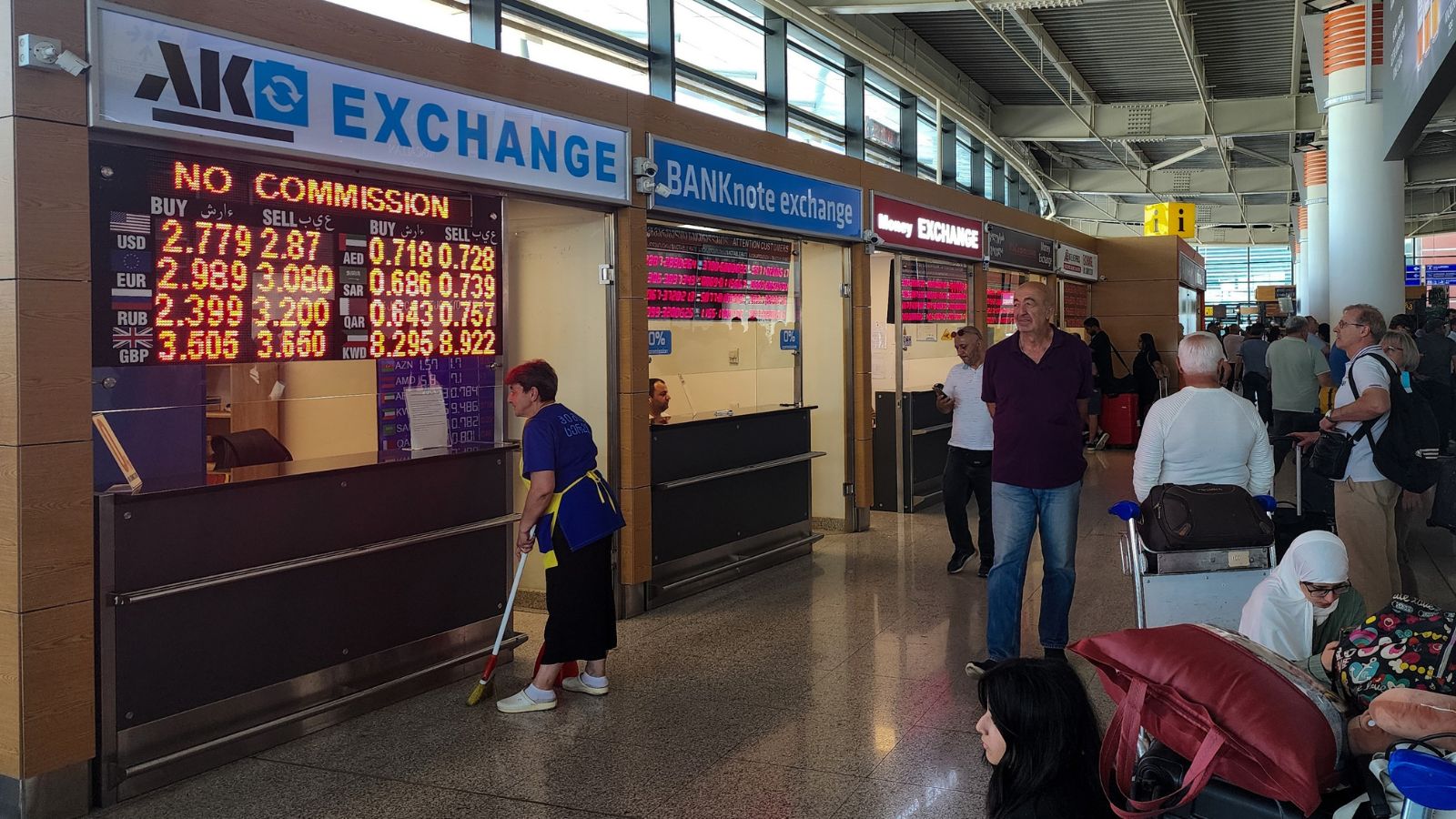
A coffee, train ticket, museum pass, or pharmacy stop may look harmless in local currency. The problem comes later, when foreign transaction fees are layered onto card purchases. Many Canadian credit cards charge a percentage on foreign-currency transactions, and the fee can apply to everything from hotel deposits to online bookings made through international merchants.
This cost is especially easy to miss because no cashier announces it. The receipt may show the local amount, while the credit card statement later shows the Canadian-dollar conversion and added fee. On a short trip, it may be modest. On a longer vacation with meals, tours, transit, and shopping, the percentage quietly compounds. Travellers who use one card for convenience may not realize that every tap is slightly more expensive than the exchange rate suggests.
Dynamic Currency Conversion at Payment Terminals

Dynamic currency conversion often appears as a friendly choice: pay in Canadian dollars or in the local currency. Many travellers pick Canadian dollars because it feels familiar and predictable. The catch is that the offered conversion rate can include a markup, making the purchase more expensive than letting the card network process the local-currency transaction.
This is one of the most psychologically effective hidden costs because it looks like clarity. A traveller standing at a restaurant terminal in Lisbon, Tokyo, or Cancún may choose the Canadian-dollar option to avoid mental math. Later, that convenience can cost more than expected. The better-known rule among frequent travellers is to pay in local currency and let the card handle conversion. Missing that detail once may be minor; doing it for an entire trip can become costly.
Hotel Resort Fees and Destination Fees

A hotel rate can look competitive until mandatory resort, facility, amenity, or destination fees appear. These charges may cover items such as Wi-Fi, pools, fitness centres, bottled water, local calls, beach access, or general property services. The frustrating part is that travellers may pay them even if they never use the amenities.
This cost is especially common in tourist-heavy markets, where the advertised nightly rate may not tell the whole story. A hotel that seems cheaper by $25 a night can lose that advantage after mandatory fees are added. Canadians booking through third-party platforms may notice the difference only at the final checkout page or upon arrival. The hidden cost is not merely the fee itself; it is the way it distorts price comparison during the planning stage.
Accommodation Taxes That Vary by City

Hotel taxes are not uniform, and that makes them easy to misjudge. In addition to sales taxes, many destinations apply municipal accommodation taxes, tourism levies, or city-specific charges. In Canada, some municipalities use accommodation taxes to fund tourism promotion and local infrastructure, while international destinations may add nightly visitor fees or room-based taxes.
The surprise comes when travellers budget using the room rate alone. A four-night stay quoted at one price can end up meaning a noticeably higher checkout total once local taxes and tourism charges are included. These fees are usually legitimate and disclosed, but they can still feel hidden when scattered across booking pages. Travellers moving between cities on the same trip may face different rules at each stop, making the final lodging budget harder to predict.
Travel Insurance Gaps and Medical Bills Abroad

Travel insurance is often treated as an optional add-on, especially by healthy travellers or those taking short trips. That confidence can be expensive. Canadian provincial or territorial health coverage may provide limited or no meaningful protection outside Canada, and foreign hospitals can require immediate payment. A minor injury, infection, or emergency room visit abroad can become financially serious.
The hidden cost is not always the premium; it is the gap. Some travellers buy insurance without checking exclusions, pre-existing condition rules, alcohol-related clauses, adventure-sport limits, or whether government travel advisories affect coverage. Others assume credit card insurance automatically covers every trip length and traveller. A policy that looks adequate at booking can fail under real conditions. Insurance is rarely exciting to purchase, but misunderstanding it can be the costliest travel mistake on the list.
Rental Car Insurance, Deposits, and Add-Ons

Rental cars often begin with a reasonable daily rate and end with a longer receipt. Collision damage waivers, liability upgrades, additional driver fees, young-driver surcharges, GPS rentals, child seats, roadside assistance, fuel service options, and deposits can change the total quickly. Airport rental locations may also include concession or facility-related charges that do not stand out during comparison shopping.
The confusion usually starts at the counter. Travellers may not know whether their credit card covers rental damage, whether coverage excludes certain vehicle types, or whether travel outside a province, state, or country changes the rules. A tired arrival after a delayed flight is not the ideal time to read insurance terms. Many people pay for peace of mind simply because the alternative feels risky, turning a cheap rental into a much more expensive part of the trip.
Tolls, Transponders, and Administrative Charges
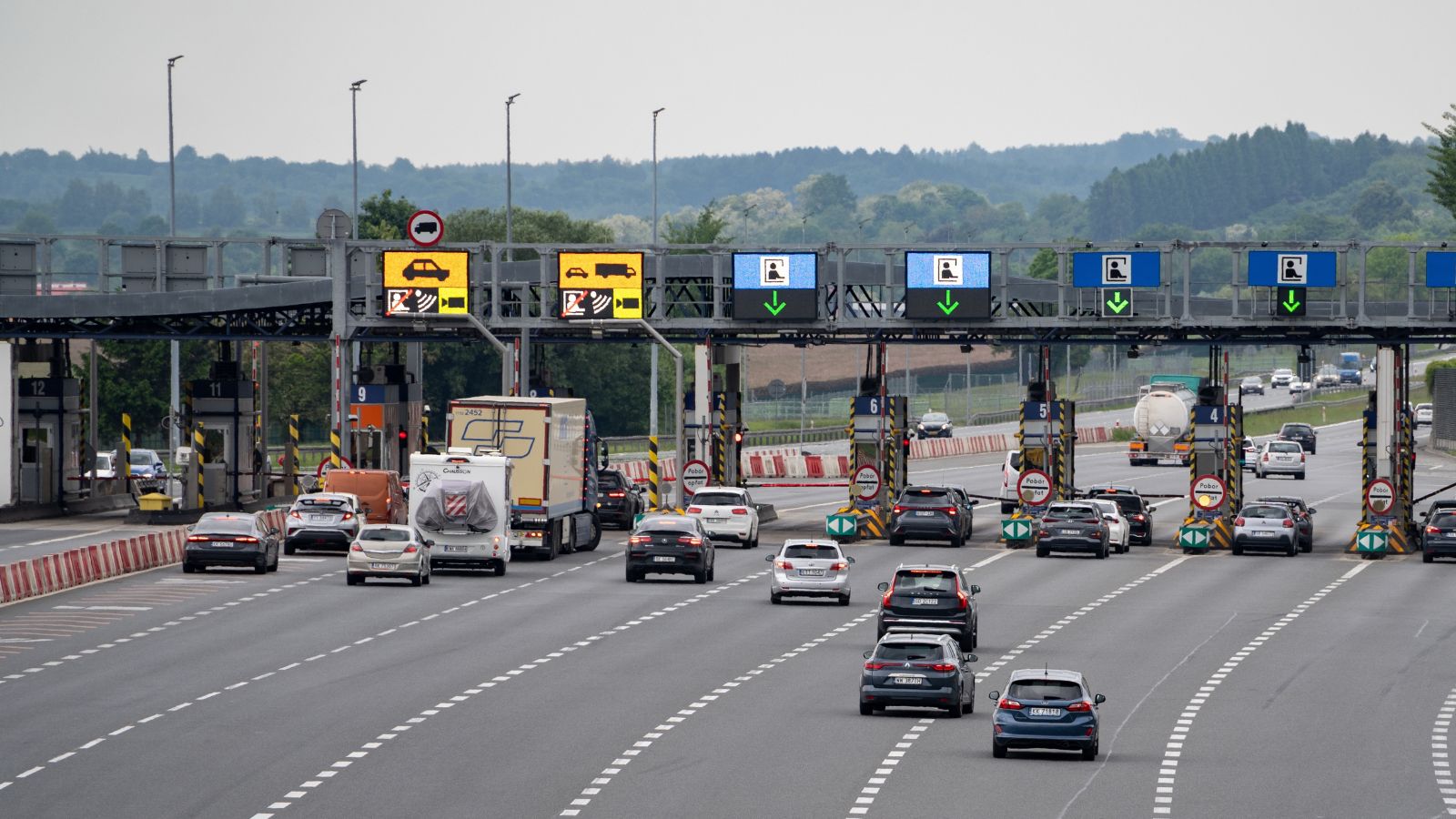
Road tolls can be manageable when paid directly, but rental-car toll systems may add administrative fees on top. Some companies offer electronic toll programs, while others bill later for tolls, violations, or processing. Travellers who miss a small toll road sign may be surprised weeks after returning home, when the toll itself is accompanied by service charges.
This cost is particularly common on road trips in the United States, Europe, and parts of Canada where cashless tolling is common. A Canadian driver may assume the rental plate will be billed fairly and simply, but the processing structure can differ by company. The fee is hidden because it arrives after the vacation glow has faded. A few dollars in tolls can become a much larger nuisance if administrative charges are triggered repeatedly.
Customs Duties, Taxes, and Undeclared Purchases

Shopping abroad can feel cheaper until the return to Canada. Travellers have personal exemption limits depending on how long they were away, but purchases beyond those limits may be subject to duties and taxes. The mistake is assuming that a sale price overseas remains the final price once brought home.
The bigger risk is failing to declare goods properly. Undeclared items can be seized, and penalties can be based on the value of the goods. This matters for more than luxury purchases; electronics, clothing, alcohol, tobacco, and gifts can all create questions at the border. A traveller who saves receipts and declares accurately may face a manageable bill. A traveller who guesses, forgets, or hides purchases can turn a shopping deal into a costly border problem.
Food, Plant, and Animal Product Restrictions

Bringing home food gifts can feel harmless: fruit from a market, meat snacks, seeds, spices, cheese, or homemade items from relatives. Canada has strict rules because food, plant, and animal products can carry invasive species, plant pests, or animal diseases. Even a single restricted item can create delays, inspection, seizure, or penalties if not declared.
This cost is hidden because the item may be inexpensive. The problem is not the price of the snack; it is the enforcement risk and inconvenience. Travellers returning from family visits may pack cultural foods with sentimental value and assume personal use is allowed. The safer approach is to declare all such items and check rules before packing. A small souvenir should not become the most memorable expense of the trip.
Security Rules That Force Airport Replacements

Airport security restrictions can turn ordinary toiletries, drinks, sunscreen, cosmetics, or specialty foods into wasted money. In Canadian carry-on bags, liquids, aerosols, and gels generally must be in containers of 100 millilitres or less and fit within a one-litre clear resealable bag. Larger items may need to be checked or surrendered.
The replacement cost can be irritating because airports charge convenience prices. A traveller who loses sunscreen, contact lens solution, lotion, or a full-size shampoo at screening may buy the same product again after security or at the destination. Families can feel this more sharply because they pack more shared essentials. The rule itself is familiar, but rushed packing still creates mistakes. The hidden cost is not only the discarded item; it is paying airport prices for something already owned.
Flight Disruptions That Create Out-of-Pocket Spending

Delays and cancellations can trigger meals, extra hotel nights, ground transportation, pet care, missed tours, and lost prepaid reservations. Passenger protection rules may provide standards of treatment, refunds, reimbursements, or compensation in certain situations, but eligibility depends on the circumstances. Travellers often pay first and sort out claims later.
The hidden cost is the cash-flow gap. A family stranded overnight may need to cover dinner, taxis, medication, diapers, or a last-minute hotel room before any reimbursement is approved. Even when compensation is possible, keeping receipts and filing claims takes time. Not every disruption produces a payout, and some expenses fall outside coverage. A cheap connection with a narrow layover can therefore carry a financial risk that does not appear in the original fare.
19 Things Canadians Don’t Realize the CRA Can See About Their Online Income

Earning money online feels simple and informal for many Canadians. Freelancing, selling products, and digital services often start as side projects. The problem appears at tax time. Many people underestimate how much information the CRA can access. Online platforms, banks, and payment processors create detailed records automatically. These records do not disappear once money hits an account. Small gaps in reporting add up quickly.
Here are 19 things Canadians don’t realize the CRA can see about their online income.
This Options Discord Chat is The Real Deal
While the internet is scoured with trading chat rooms, many of which even charge upwards of thousands of dollars to join, this smaller options trading discord chatroom is the real deal and actually providing valuable trade setups, education, and community without the noise and spam of the larger more expensive rooms. With a incredibly low-cost monthly fee, Options Trading Club (click here to see their reviews) requires an application to join ensuring that every member is dedicated and serious about taking their trading to the next level. If you are looking for a change in your trading strategies, then click here to apply for a membership.