
35,000+ smart investors are already getting financial news, market signals, and macro shifts in the economy that could impact their money next with our FREE weekly newsletter. Get ahead of what the crowd finds out too late. Click Here to Subscribe for FREE.
Spring often feels like a financial reset in Canada: longer days, warmer weather, open patios, garden centres, travel ads, and the first serious conversations about summer plans. But the same season that brings optimism can also quietly stretch household budgets before July even arrives.
These 13 spring spending mistakes show how ordinary decisions—booking trips too late, underestimating fuel, ignoring taxes, refreshing wardrobes, or leaning on credit—can pile up quickly. The problem is rarely one dramatic purchase. More often, it is a chain of small, seasonal choices that collide with higher food, transportation, housing, and borrowing costs just as summer begins.
Treating the First Warm Weekend Like a Free Pass
13 Spring Spending Mistakes That Leave Canadians Struggling by July
- Treating the First Warm Weekend Like a Free Pass
- Forgetting That Summer Travel Prices Start Moving in Spring
- Underestimating Gas and Road-Trip Costs
- Putting Spring Home Projects on Credit
- Ignoring the Tax Bill Until It Becomes a Summer Problem
- Letting Garden-Centre Spending Grow Too Quickly
- Refreshing the Whole Wardrobe at Once
- Saying Yes to Every School and Kids’ Activity Cost
- Treating Buy-Now-Pay-Later as Budgeting
- Forgetting About Insurance, Weather, and Emergency Repairs
- Mistaking Subscription Pauses for Real Savings
- Spending the Refund Before Confirming the Bigger Picture
- Letting Grocery Habits Drift as Social Plans Increase
- Assuming July Will Be Easier Than It Usually Is
- 19 Things Canadians Don’t Realize the CRA Can See About Their Online Income

The first mild weekend after a long Canadian winter can feel like a reward. Restaurant patios fill, garden centres get busy, and families suddenly start saying yes to day trips, brunches, ice cream stops, and small “we deserve this” purchases. None of these expenses feels unreasonable on its own, which is exactly why they can be dangerous.
By July, the problem is not one patio bill or one tank of gas. It is the pattern. A few unplanned weekends can turn into hundreds of dollars in restaurant meals, parking, entertainment, and convenience purchases. With consumer prices still elevated in key categories such as food and transportation, spring spontaneity can crowd out summer essentials before households notice the shift.
Forgetting That Summer Travel Prices Start Moving in Spring

Many Canadians think of summer travel as a June or July expense, but the most expensive decisions often happen months earlier. Flights, cottage rentals, hotel rooms, campsites, ferries, rental cars, and attraction passes can all become pricier or harder to secure as demand builds. Waiting too long can leave families choosing between worse options and higher prices.
The mistake is assuming “planning later” means “paying later.” A household may delay booking in April, only to face premium prices in June. A family heading to Vancouver Island, Muskoka, Banff, or Prince Edward County may also face add-ons such as cancellation insurance, resort fees, parking, and fuel. Spring hesitation can therefore turn a manageable summer plan into a July credit-card balance.
Underestimating Gas and Road-Trip Costs

Road trips are often treated as the affordable alternative to flying, but spring planning can miss the full cost of getting there and back. Fuel is the obvious expense, yet it is only part of the picture. Longer drives can also mean meals on the road, parking, toll routes, ferry fees, roadside attractions, car washes, and last-minute supplies.
The pressure grows when gasoline prices rise into the travel season. A family may budget for lodging but not for two or three full tanks, especially if they drive an SUV, minivan, or pickup. Add in a detour, construction delays, or a second weekend away, and the July budget begins to feel tight. The cheaper trip can still become expensive when mileage is treated as an afterthought.
Putting Spring Home Projects on Credit

Spring is prime season for decks, fences, paint, garden beds, landscaping, patio furniture, tools, and small renovations. The purchases feel practical because they improve daily life and often happen around the home rather than on luxury items. That makes it easier to justify a bigger cart at the hardware store than originally planned.
The trouble comes when these projects are funded with revolving credit. A $600 patio refresh, $900 garden upgrade, or $1,500 repair can linger for months if only minimum payments are made. By July, the project may be finished, but the balance remains. Since credit-card interest can make unpaid balances grow quickly, a spring improvement meant to make summer easier can instead reduce summer flexibility.
Ignoring the Tax Bill Until It Becomes a Summer Problem

Spring and taxes are tied together in Canada, yet many households treat tax season as paperwork rather than cash-flow planning. A refund may be mentally spent before it arrives, while a balance owing may be pushed aside until after the deadline. Self-employed workers can be especially vulnerable if they focus on filing dates but forget payment timing.
The July problem often begins with optimism in April. A household might assume the refund will cover summer costs, then receive less than expected. Others may owe taxes and use savings or credit to cover the balance. When tax payments, instalments, or late interest collide with summer travel and child-care costs, spring procrastination becomes a midyear squeeze.
Letting Garden-Centre Spending Grow Too Quickly

A few plants rarely feel like a budget threat. But spring gardening has a way of multiplying: soil, mulch, planters, fertilizer, tools, hanging baskets, herbs, seeds, patio décor, and replacement items after a cold snap. In many parts of Canada, impatient planting can also mean buying twice if frost damages early purchases.
The emotional pull is understandable. After months of snow, rain, or grey weather, a full cart of flowers feels like a fresh start. But garden spending can become a seasonal leak when households buy before making a plan. By July, the initial plants may be only part of the cost, followed by watering tools, pest control, replacements, and outdoor entertaining supplies.
Refreshing the Whole Wardrobe at Once

Spring clothing purchases often feel necessary, especially when children have outgrown last year’s shoes, jackets, sports gear, or warm-weather clothes. Adults may also add work outfits, wedding-season clothing, rain gear, sandals, or fitness apparel. The mistake is treating the seasonal change as permission to replace everything at once.
Clothing and footwear can be particularly tempting because spring sales create a sense of urgency. But buying early, buying duplicates, or shopping for imagined summer plans can leave households short by July. A more expensive problem appears when purchases are split across several retailers, apps, and “small” transactions. The closet looks ready for summer, while the card statement tells a different story.
Saying Yes to Every School and Kids’ Activity Cost

Spring can be one of the busiest spending seasons for families. Field trips, graduation events, sports registration, tournament fees, dance recitals, photos, teacher gifts, class parties, summer camp deposits, and equipment purchases can arrive in rapid succession. Each request may be reasonable, but the combined total can surprise even careful parents.
The challenge is that many of these costs are time-sensitive. A parent may pay quickly to secure a camp spot or avoid a child missing out. By July, however, those spring decisions may have already used money needed for summer child care, groceries, or travel. Families can feel financially squeezed not because they were careless, but because school-year endings and summer beginnings overlap.
Treating Buy-Now-Pay-Later as Budgeting

Buy-now-pay-later offers can make spring purchases feel painless. Patio furniture, clothing, electronics, sports equipment, travel accessories, and home décor may appear easier to manage when split into smaller instalments. The monthly amount looks harmless, especially when compared with the full price at checkout.
The risk is that instalments from several purchases can stack up just as summer spending begins. A household may not feel the impact in April, then face multiple automatic payments in June and July. Missed payments, confusion about terms, and unclear dispute processes can also create stress. BNPL is still credit, not a discount, and treating it as a budgeting tool can hide the real cost of spring purchases.
Forgetting About Insurance, Weather, and Emergency Repairs

Spring brings a different kind of financial risk: water in basements, damaged roofs, pothole-related car repairs, broken air conditioners, storm cleanup, and early wildfire or flood concerns in some regions. Many Canadians budget for visible purchases but not for the seasonal repairs that arrive without warning.
This is where a thin emergency fund becomes a July problem. A household may spend confidently on travel deposits or outdoor furniture, then face a deductible, repair bill, or urgent service call. Severe weather has become a larger financial issue for insurers and homeowners, and even smaller events can be expensive. Spring budgets that ignore maintenance and emergencies leave little room when the season turns unpredictable.
Mistaking Subscription Pauses for Real Savings

Spring often inspires people to “cut back” before summer, but the cuts are not always meaningful. Pausing one streaming service while adding a fitness app, meal kit, sports package, cloud storage plan, or travel subscription does not necessarily reduce spending. The household feels disciplined, yet the monthly total barely moves.
The mistake is tracking individual subscriptions instead of the full recurring-cost picture. By July, several $8, $14, or $29 charges can quietly drain money needed for groceries, fuel, or summer outings. Free trials are another trap when they convert during a busy month. Real savings require reviewing all recurring payments together, not simply swapping one spring habit for another.
Spending the Refund Before Confirming the Bigger Picture
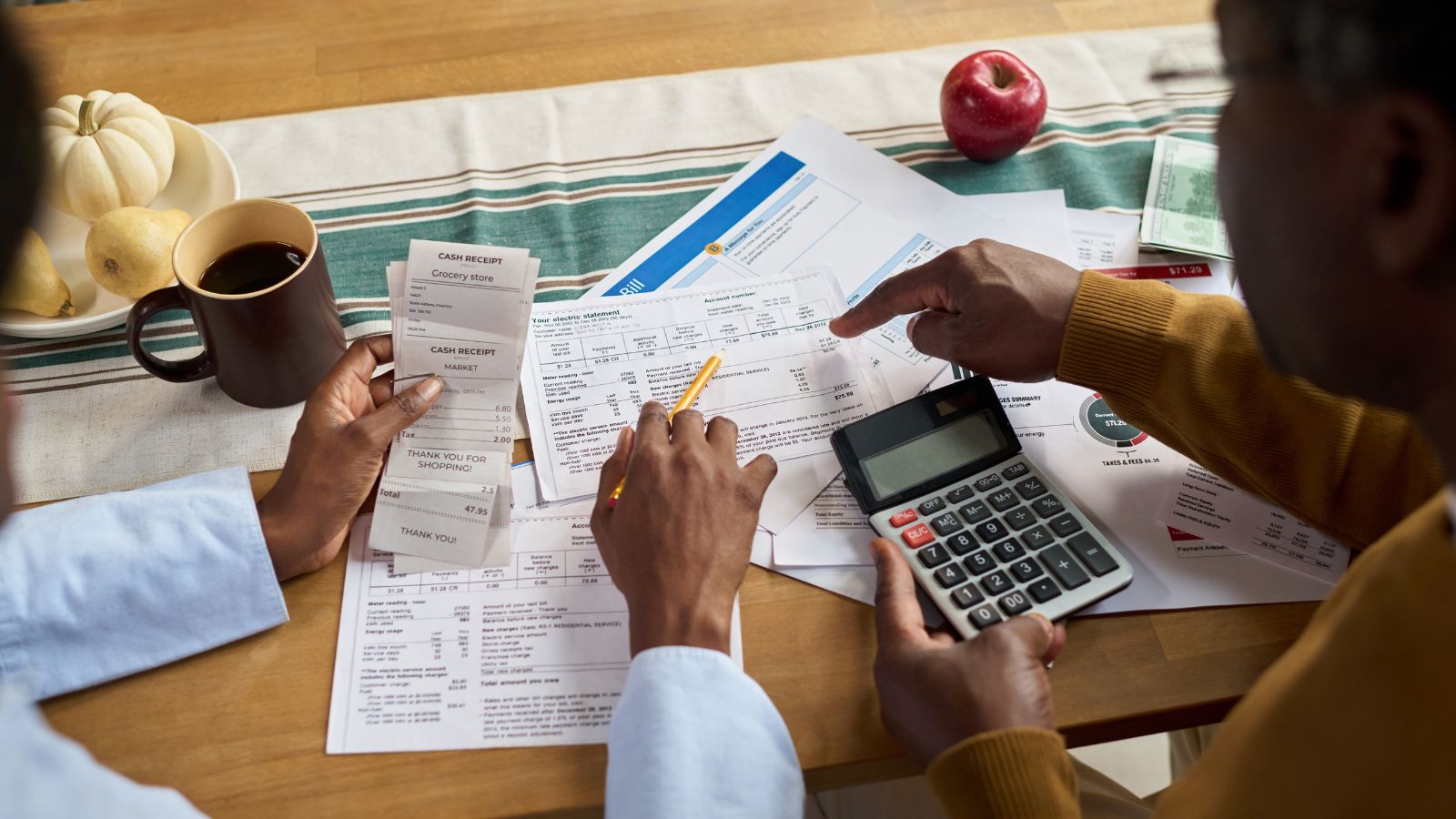
A tax refund can feel like found money, especially after a costly winter. Many Canadians use it for travel, debt repayment, home projects, clothing, or a summer cushion. The mistake is spending it immediately without checking upcoming bills, interest charges, insurance renewals, camp balances, or variable mortgage and rent pressures.
A refund is not a bonus in the same way a work gift card might be. It is often money that was overpaid earlier, and it may be needed to stabilize the months ahead. When the refund disappears into spring upgrades, households can still end up short by July. The better move is to assign it before it arrives, especially when debt, taxes, or summer care costs are already waiting.
Letting Grocery Habits Drift as Social Plans Increase

Spring changes food spending in subtle ways. More barbecues, picnics, sports nights, long-weekend gatherings, and “quick stop” grocery trips can raise costs without feeling like a major lifestyle change. A household that cooked steadily through winter may suddenly buy convenience foods, prepared trays, snacks, drinks, and extra meat for guests.
Food inflation makes this drift more noticeable. Even a modest gathering can cost more than expected once paper goods, condiments, ice, beverages, and extra produce are included. By July, the grocery budget may be strained not by wasteful behaviour, but by repeated seasonal hosting and convenience choices. Spring social spending often hides inside the grocery bill rather than showing up as entertainment.
Assuming July Will Be Easier Than It Usually Is

The biggest spring mistake is believing July will somehow absorb everything. Many households promise themselves they will catch up later, after the tax deadline, after school ends, after a busy work stretch, or after the first summer trip. But July often brings its own expenses: child care, vacations, higher electricity use, fuel, weddings, festivals, birthdays, and back-to-school planning that starts early.
This optimism can be costly. Spring spending feels manageable when each purchase is separated from the next, but July collects the consequences. A stronger approach is to treat spring and summer as one connected financial season. When Canadians budget for May, June, and July together, fewer expenses feel like surprises, and fewer summer plans need to be financed after the fact.
19 Things Canadians Don’t Realize the CRA Can See About Their Online Income

Earning money online feels simple and informal for many Canadians. Freelancing, selling products, and digital services often start as side projects. The problem appears at tax time. Many people underestimate how much information the CRA can access. Online platforms, banks, and payment processors create detailed records automatically. These records do not disappear once money hits an account. Small gaps in reporting add up quickly.
Here are 19 things Canadians don’t realize the CRA can see about their online income.
This Options Discord Chat is The Real Deal
While the internet is scoured with trading chat rooms, many of which even charge upwards of thousands of dollars to join, this smaller options trading discord chatroom is the real deal and actually providing valuable trade setups, education, and community without the noise and spam of the larger more expensive rooms. With a incredibly low-cost monthly fee, Options Trading Club (click here to see their reviews) requires an application to join ensuring that every member is dedicated and serious about taking their trading to the next level. If you are looking for a change in your trading strategies, then click here to apply for a membership.