35,000+ smart investors are already getting financial news, market signals, and macro shifts in the economy that could impact their money next with our FREE weekly newsletter. Get ahead of what the crowd finds out too late. Click Here to Subscribe for FREE.
Grocery prices have become one of the most closely watched household pressures in Canada, and the sticker price is only part of the story. A shopper may notice a higher total at checkout, but the real confusion often happens earlier: smaller packages, complicated loyalty offers, unclear unit prices, “temporary” deals, and signs that make comparison shopping harder than it should be.
These 15 grocery pricing tricks deserve more attention because they shape how Canadians judge value in the aisle. Some are legal marketing tactics, some reflect supply-chain realities, and others raise concerns about transparency. Together, they explain why a cart can feel more expensive even when shoppers believe they are choosing carefully.
The Unit Price That Is Too Easy to Miss
15 Grocery Pricing Tricks Canadians Say Need More Attention
- The Unit Price That Is Too Easy to Miss
- Shrinkflation Hidden Behind Familiar Packaging
- “Sale” Prices Compared With Questionable Regular Prices
- Loyalty Prices That Turn Basic Savings Into a Membership Test
- Multi-Buy Deals That Reward Bigger Spending
- App-Only Discounts That Leave Some Shoppers Behind
- Price-Matching That Sounds Simpler Than It Is
- “Limit” Signs That Create Artificial Urgency
- End-Cap Displays That Look Like Deals but Are Really Placement
- Private-Label “Value” That Is Not Always the Cheapest
- Bonus Points That Distract From the Cash Price
- Small “Price Freeze” Claims That Still Allow Other Costs to Move
- Confusing Package Comparisons Across Similar Products
- Produce Pricing That Switches Between Per Pound and Per Kilogram
- Online Grocery Substitutions That Change the Real Cost
- Checkout Errors That Shoppers Often Notice Too Late
- 19 Things Canadians Don’t Realize the CRA Can See About Their Online Income
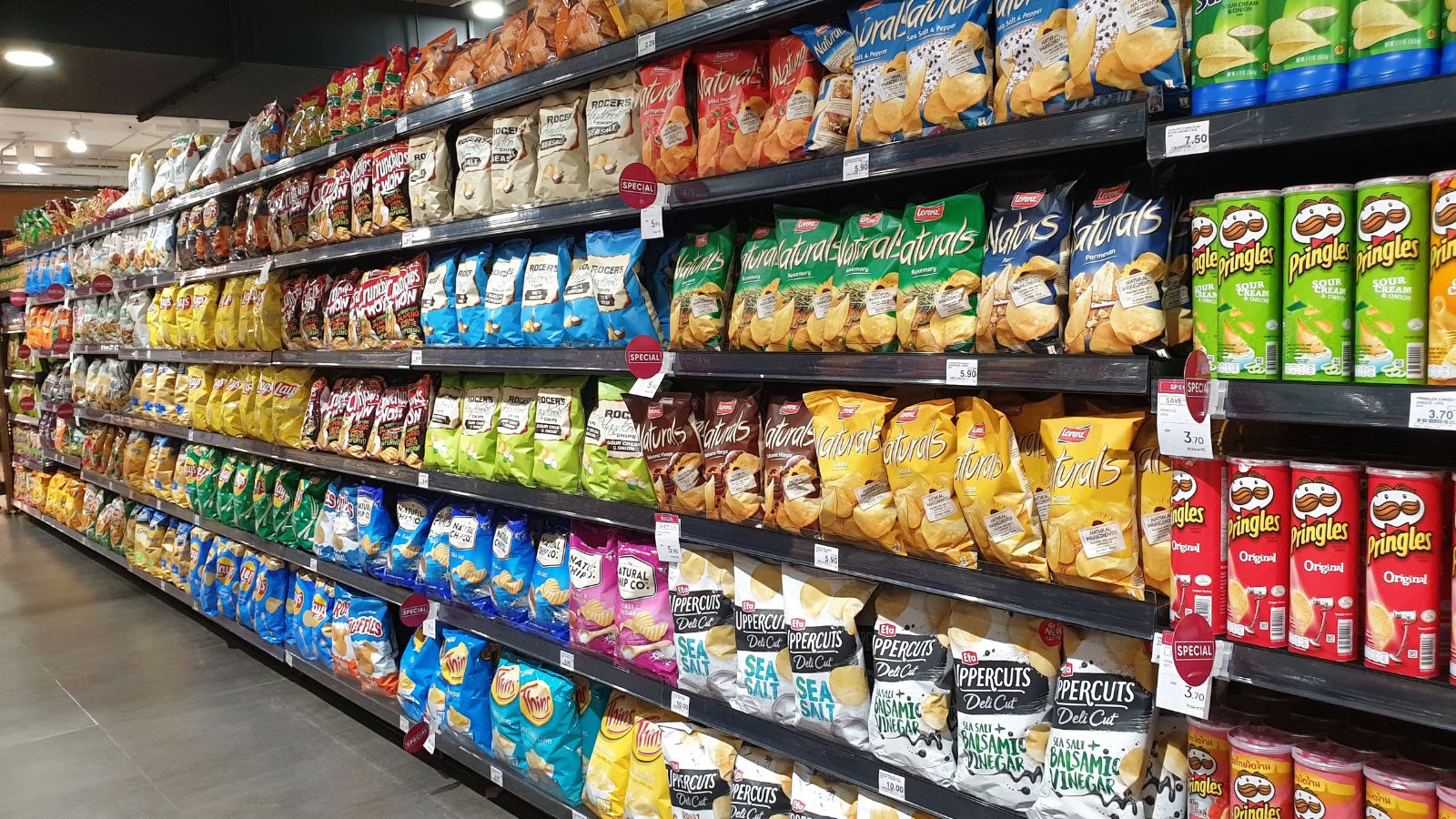
Unit pricing should make grocery shopping simpler because it shows the cost per 100 grams, kilogram, litre, or other standard measure. In practice, Canadians often face tiny shelf labels, inconsistent units, or no unit price at all. That makes it harder to compare two cereal boxes, two jars of peanut butter, or two sizes of detergent without doing math in the aisle.
The issue matters because larger packages are not always cheaper. A family-size box may look like the best value, while the smaller package beside it has a lower price per gram during a promotion. Canada’s federal consumer information notes that unit pricing is not mandatory across most of the country, except in Quebec. That leaves many shoppers depending on voluntary retailer practices, which can vary widely from one store to another.
Shrinkflation Hidden Behind Familiar Packaging
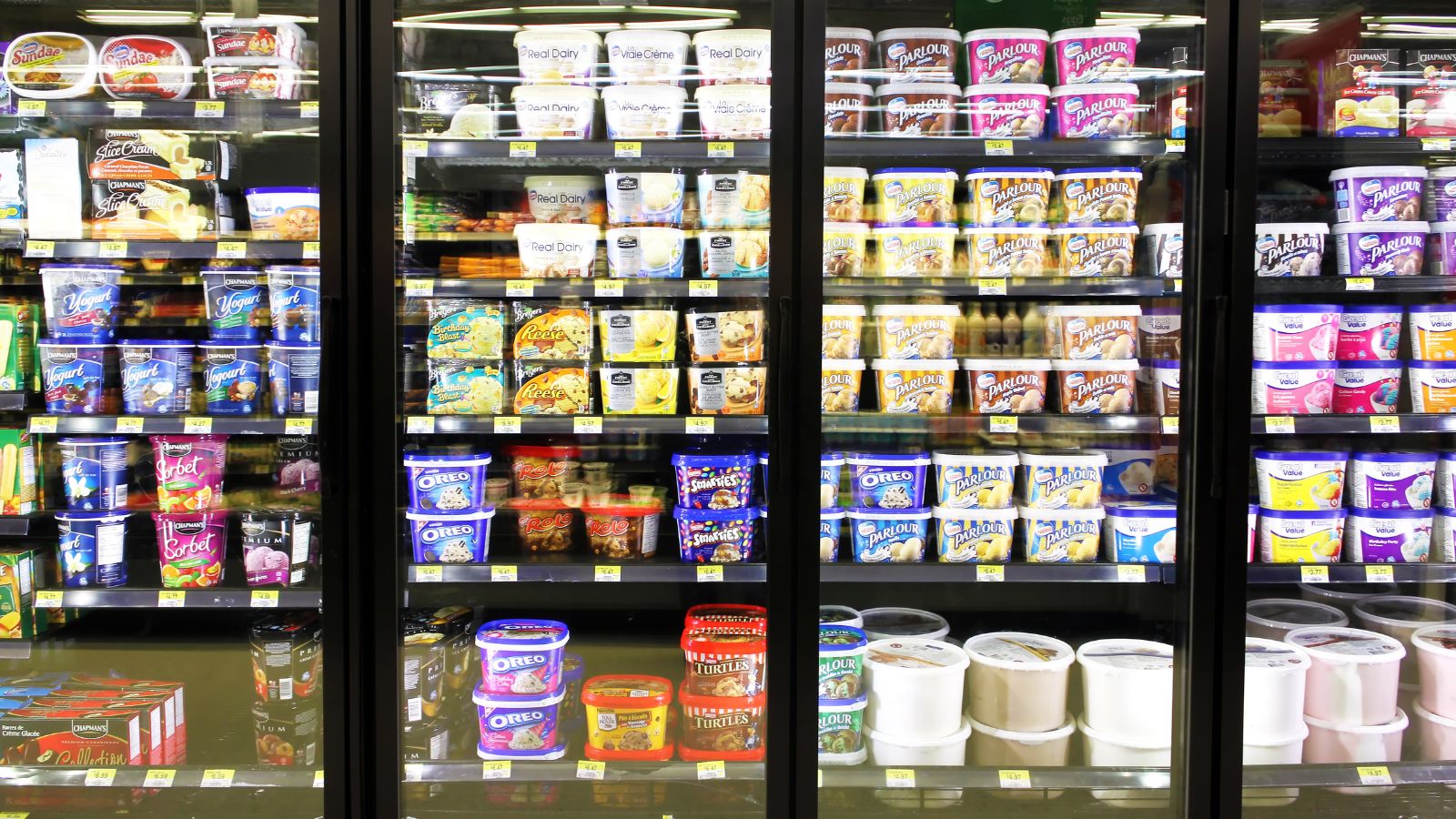
Shrinkflation is one of the most frustrating grocery pricing changes because the package can look almost unchanged while the amount inside quietly falls. A bag of chips, box of crackers, or tub of yogurt may keep a familiar price point, yet contain fewer grams than before. For households buying the same staples every week, the change may only become obvious after several trips.
Statistics Canada has tracked quantity adjustments in food products used in the Consumer Price Index, showing that shrinkflation is not just a social-media complaint. From 2021 to 2023, a significant share of eligible grocery items experienced smaller package quantities. That does not always mean a retailer is setting the strategy; manufacturers often control package sizes. Still, the effect at the shelf is the same: shoppers pay attention to the price, while the real increase hides in the reduced quantity.
“Sale” Prices Compared With Questionable Regular Prices
A bright red sale tag can make a product feel urgent, especially when it shows a dramatic discount from a regular price. The problem is that shoppers may not know whether the regular price is meaningful. If a product rarely sold at the higher price, the discount can create a stronger impression of savings than the facts support.
Canadian competition law addresses this issue through rules on ordinary selling price claims. Businesses cannot simply invent a higher regular price to make a deal look better. In grocery settings, this concern matters because many products rotate through promotions so often that shoppers may struggle to identify the real baseline price. A pasta sauce listed as “$2 off” may still be more expensive than a competing brand’s everyday price, especially when the comparison depends on a temporary or inflated-looking regular price.
Loyalty Prices That Turn Basic Savings Into a Membership Test
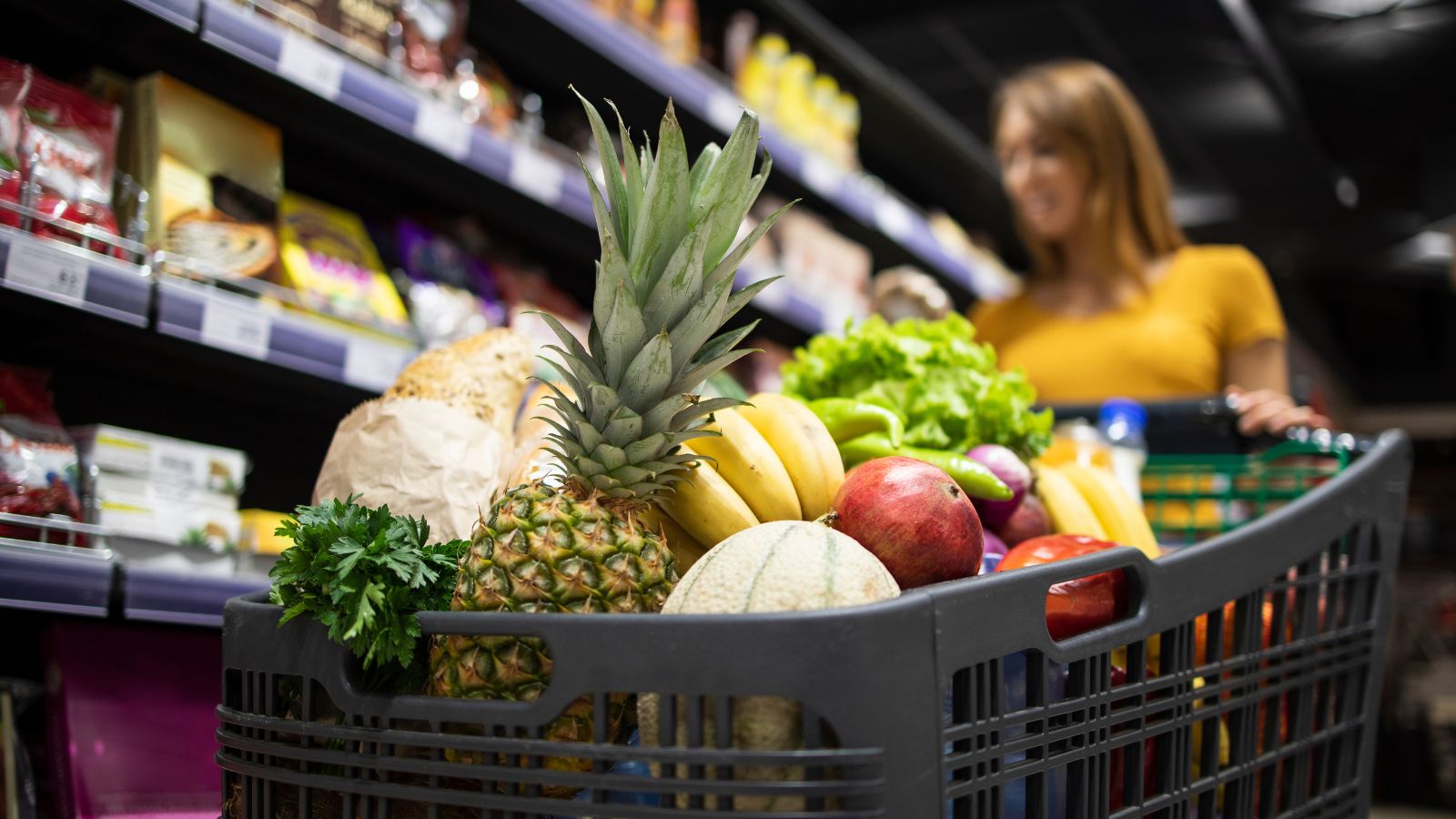
Loyalty programs can offer genuine savings, but they also make grocery prices more complicated. A shelf may show one price for members and a higher price for everyone else, turning an ordinary purchase into a decision about data, apps, cards, and household habits. Shoppers without the card may feel penalized even when the product is widely promoted.
The pricing challenge is not only the membership requirement. Loyalty offers can make comparisons harder because the best price may depend on personalized coupons, app-only deals, points events, or weekly thresholds. A shopper buying milk, fruit, and pantry staples may need to compare the cash price, the member price, and the future value of points. That extra layer of calculation makes the grocery aisle feel less transparent, particularly for seniors, newcomers, or anyone shopping without a smartphone.
Multi-Buy Deals That Reward Bigger Spending
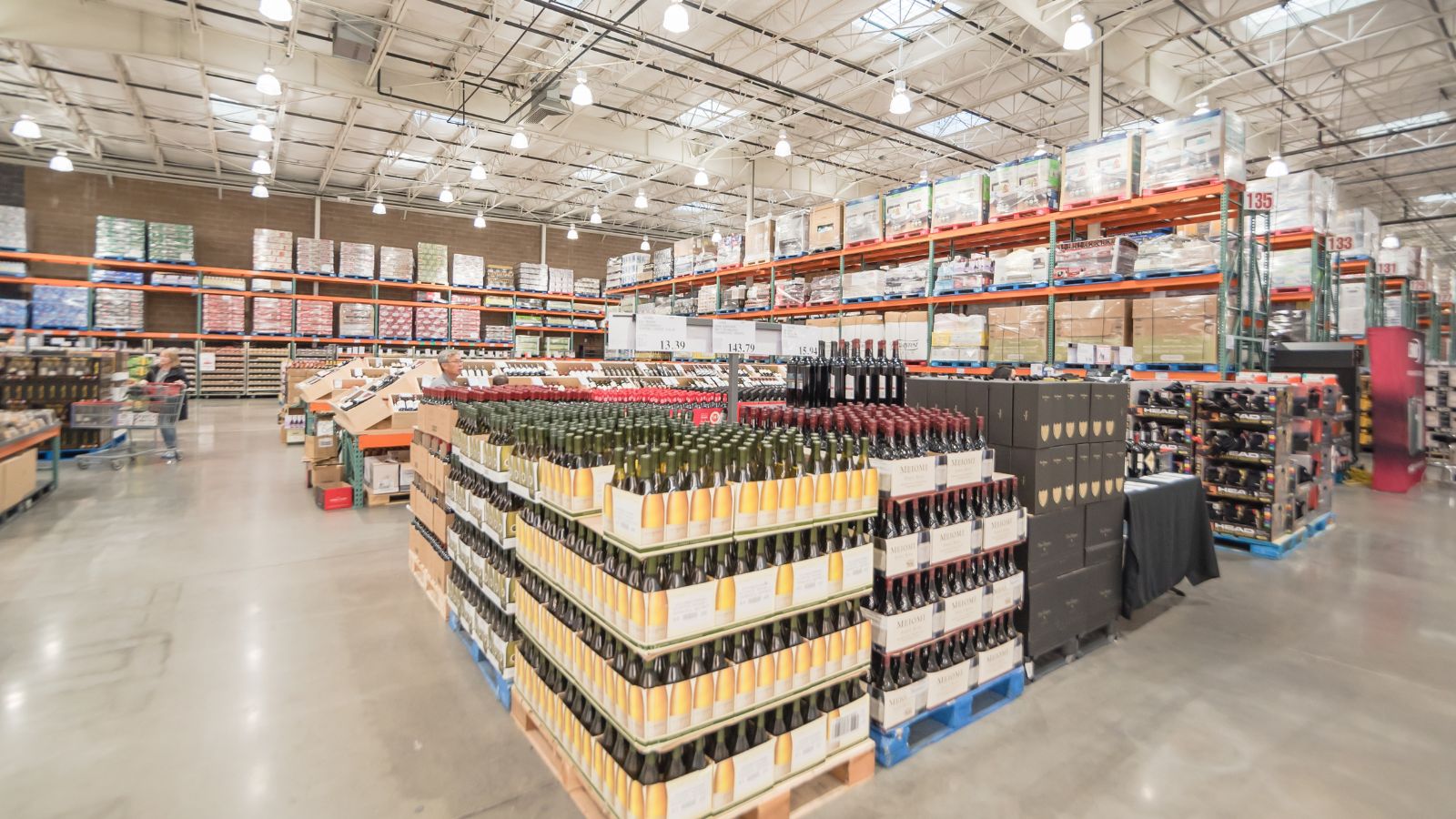
“Two for $7” or “Buy three, save $2” promotions can be useful when the product is already on the shopping list. The trick is that multi-buy pricing often pushes shoppers to buy more than they planned. A single item may still be available at a fair price, but the sign nudges attention toward the bundle instead of the actual need.
This matters most for perishable foods. Buying three bags of salad, two tubs of dip, or a large pack of baked goods may reduce the unit cost only if the household uses everything before it spoils. Research on in-store offers has found that promotions can encourage over-purchasing and contribute to household food waste. For Canadians trying to control grocery bills, a multi-buy deal is only a bargain when the extra quantity replaces a future purchase rather than becoming wasted food.
App-Only Discounts That Leave Some Shoppers Behind

Digital coupons have become a major part of grocery pricing. A product may appear affordable only after loading an offer in an app, scanning a membership card, or activating a personalized discount before checkout. For shoppers who are comfortable with grocery apps, these savings can be useful. For others, they create another barrier between the shelf price and the real best price.
The concern is practical as much as technological. Not everyone has reliable mobile data in a store, enough phone storage for multiple retail apps, or the patience to search digital flyers while managing children, transit schedules, or limited time. App-only pricing can also make receipts harder to audit because the discount may depend on whether the offer was properly loaded. A missed tap can turn an expected deal into a full-price purchase.
Price-Matching That Sounds Simpler Than It Is
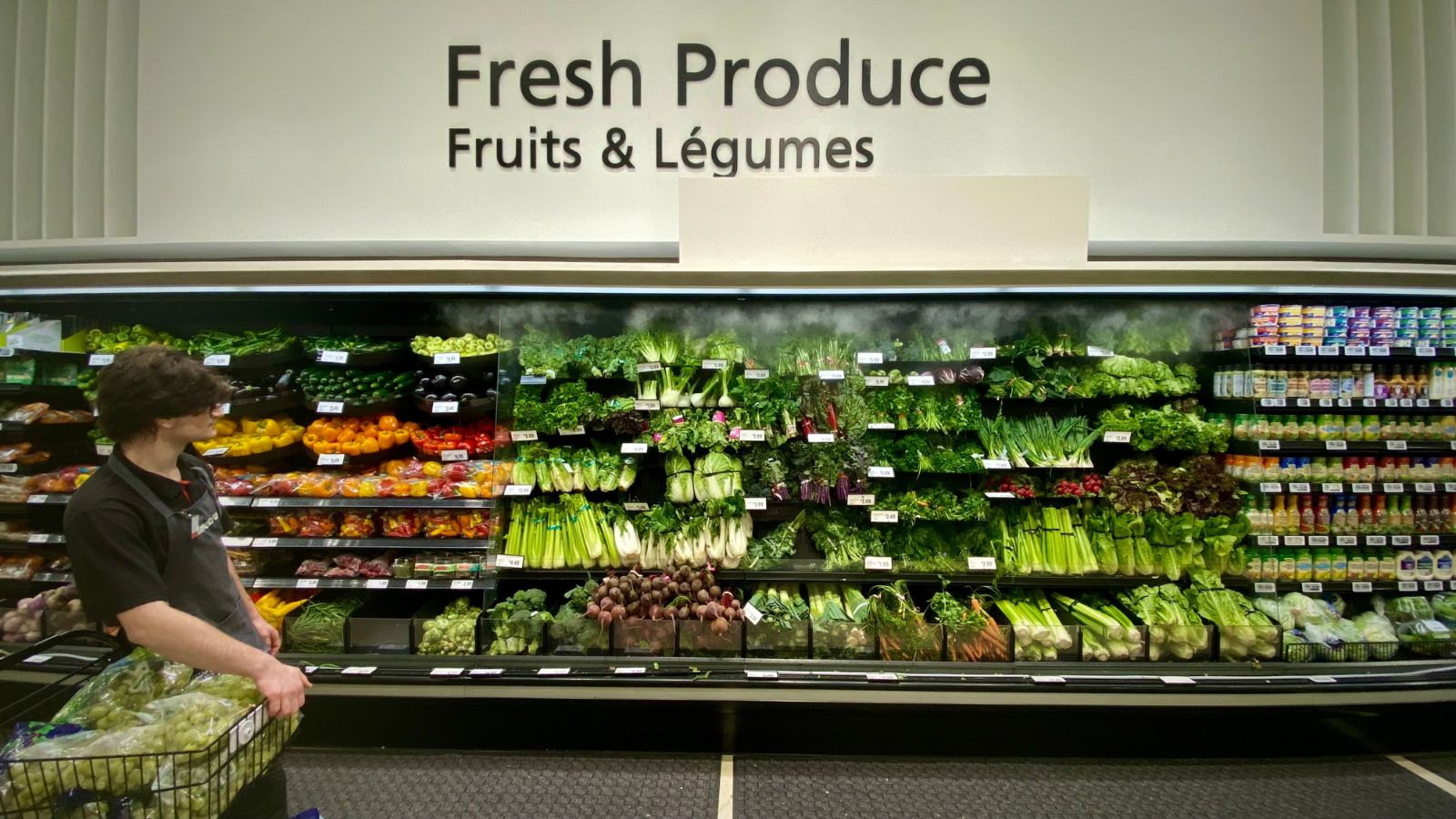
Price-matching policies can help shoppers, but they often require time, attention, and fine print. A store may match competitors only within a certain area, only from approved flyers, only for identical sizes, or only before checkout. The headline promise sounds simple; the actual process can feel like a negotiation at the register.
This trick deserves attention because price matching shifts work onto the customer. A shopper must find the lower price, confirm the exact product match, check the date, and sometimes advocate for the adjustment while a line forms behind them. For people shopping after work or managing a tight budget, that friction matters. The policy may technically offer savings, but the effort required means only the most organized or determined shoppers consistently benefit from it.
“Limit” Signs That Create Artificial Urgency
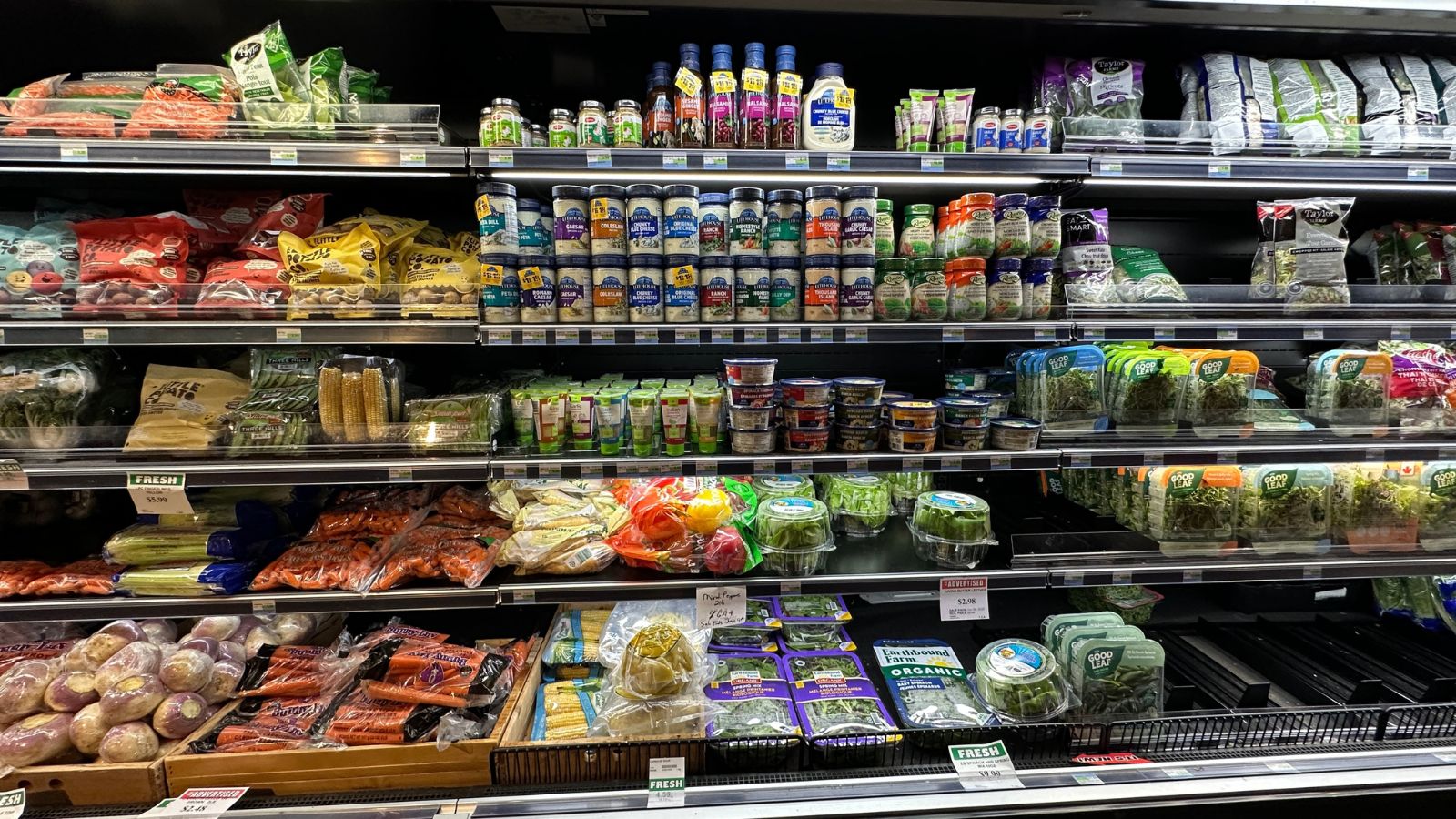
A sign that says “limit 4” can make a deal feel scarce, even when the product is not truly hard to find. Limits can serve legitimate purposes, especially during supply disruptions or major promotions. But they can also create urgency by suggesting that other shoppers will quickly clear the shelf.
That urgency can change behaviour. Someone who planned to buy one jar of coffee may buy four because the sign implies a rare opportunity. In a period when Canadians have watched food prices climb quickly, fear of missing out can be powerful. The risk is that limits encourage stockpiling without a clear household need. A product that sits in the cupboard for months ties up grocery money that could have gone toward fresh food or other essentials that week.
End-Cap Displays That Look Like Deals but Are Really Placement
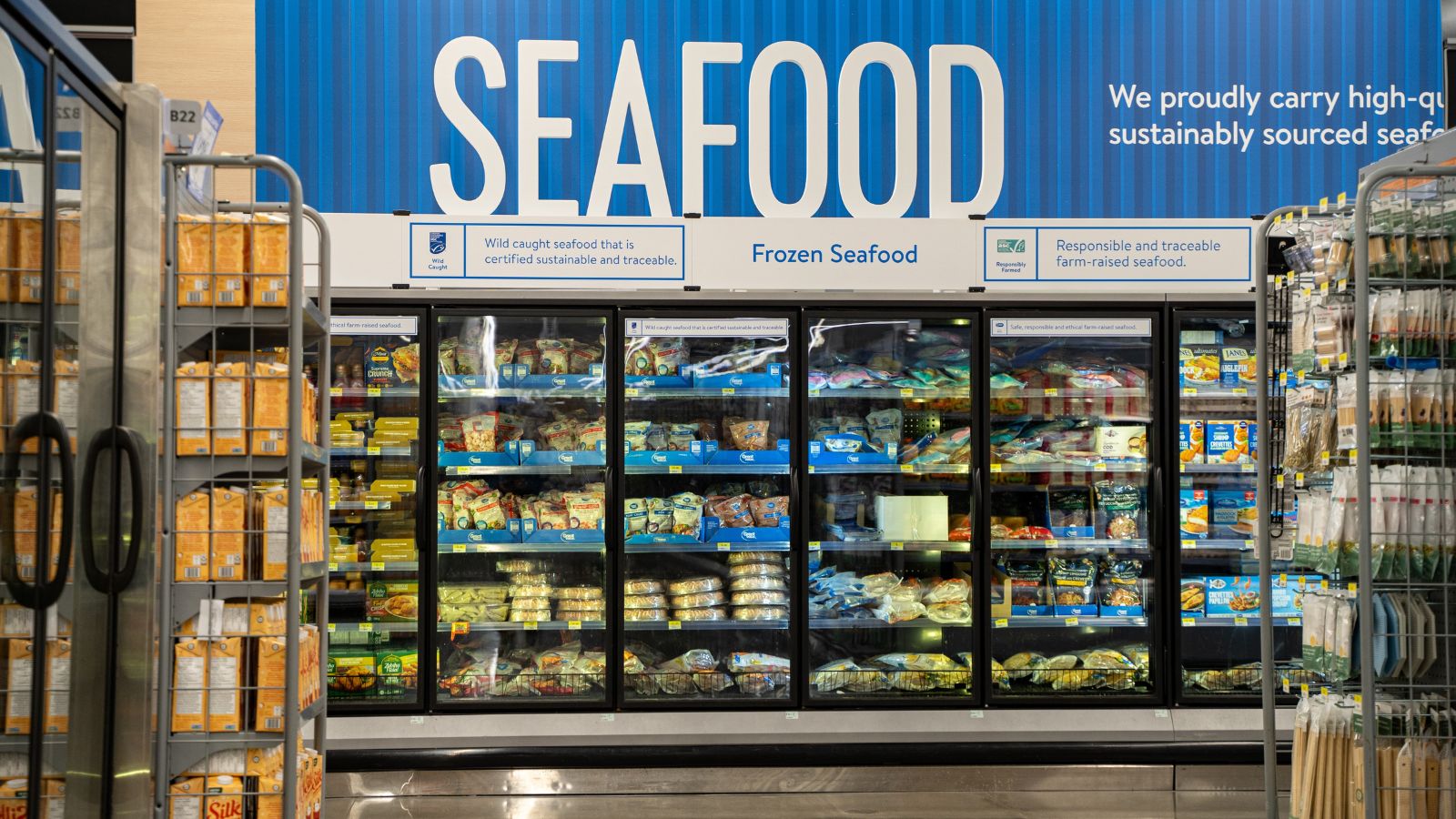
Products placed at the end of aisles often feel like featured bargains, but prominent placement does not always mean the lowest price. End caps are valuable retail space because shoppers see them while moving through main paths. A cereal, drink, snack, or seasonal item displayed there can appear more important or more discounted than the same item sitting in its normal aisle.
Research on in-store displays shows that location can influence purchase behaviour, especially when products are placed in high-visibility areas. That does not make every end-cap item misleading. It does mean shoppers should treat placement as advertising, not proof of value. A familiar brand on a large display may still cost more per unit than a private-label option or a competing product one aisle over.
Private-Label “Value” That Is Not Always the Cheapest
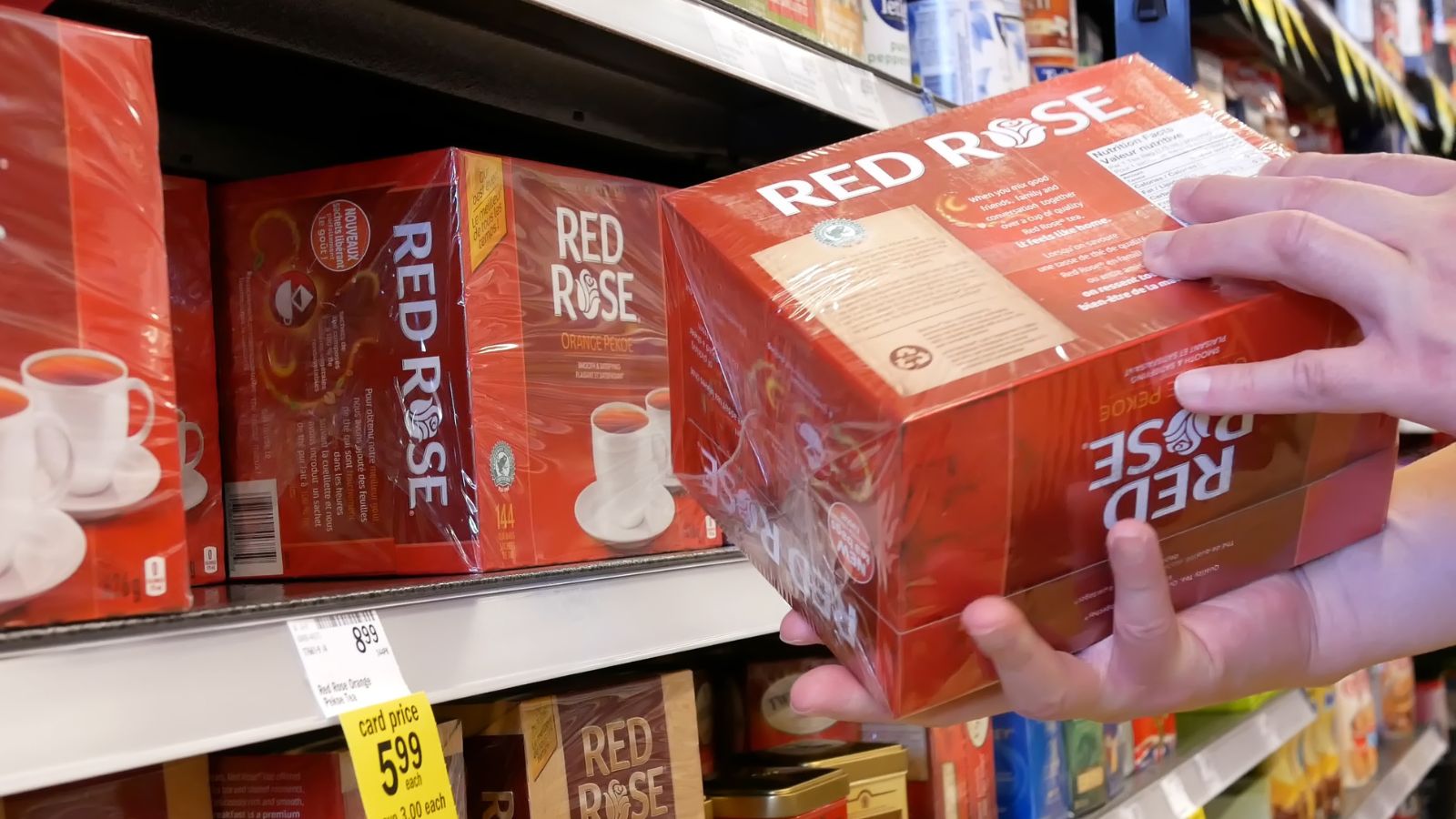
Private-label grocery brands often help Canadians save money, especially when national brands have increased prices. However, the value image can become a pricing shortcut. Shoppers may assume the store brand is automatically the cheapest, even when the national brand is on sale or a different package size has a better unit price.
This is especially noticeable in categories with many sizes and tiers, such as pasta, canned tomatoes, cheese, coffee, and frozen vegetables. A premium private-label line may sit beside a basic national brand, making the comparison less obvious. Private labels can be excellent buys, but the label alone should not replace price checking. When a retailer controls both the shelf space and its own brand lineup, shoppers need clear unit pricing to know whether the “value” cue is doing real work.
Bonus Points That Distract From the Cash Price

Reward points can make a grocery trip feel more rewarding, but they also complicate the meaning of a deal. A product may offer thousands of points, yet the shelf price may be higher than a similar item without points. The shopper has to decide whether the future reward offsets the higher cash cost today.
The challenge is that points are not always intuitive. Their value may depend on redemption rules, thresholds, special events, or whether the household shops at the same banner regularly. A $6 product with bonus points may be worse than a $4.99 competitor if the points are small or unlikely to be redeemed soon. For households watching weekly cash flow, the immediate price matters more than a future benefit that may require another purchase to unlock.
Small “Price Freeze” Claims That Still Allow Other Costs to Move

Price-freeze campaigns can sound reassuring, especially when grocery inflation is high. A retailer may promise that selected products will hold steady for a period, giving shoppers a sense of stability. The catch is that a freeze usually applies only to specific items, sizes, brands, or private-label products, not the whole basket.
That distinction matters because households do not buy only the frozen-price items. Meat, produce, dairy, and imported foods can still move with weather, supply chains, currency shifts, and commodity costs. A frozen price on one pantry staple may be offset by higher prices elsewhere in the cart. Price freezes can be helpful, but they should be read narrowly. They are a marketing promise on selected goods, not a guarantee that the total grocery bill will stop rising.
Confusing Package Comparisons Across Similar Products

Grocery shelves often place similar products side by side in different weights, formats, or concentrations. One orange juice may be 1.36 litres, another 1.54 litres, and another sold as frozen concentrate. One detergent may advertise more loads, while another bottle has more liquid. These differences make simple price comparison difficult.
The trick is not always intentional deception; product formats genuinely differ. But the result can still confuse shoppers. A cereal box may be taller but lighter. A coffee package may look familiar while changing from 454 grams to 400 grams. A detergent bottle may shrink while claiming concentrated performance. Without consistent unit pricing and careful label reading, shoppers can end up comparing package shapes instead of usable quantity. That is exactly where perceived value and real value can split.
Produce Pricing That Switches Between Per Pound and Per Kilogram

Fresh produce can create confusion when prices are shown in one unit on signs and another unit on scales or receipts. Canadians commonly encounter produce priced per pound in large print, while Canada’s metric system means the checkout calculation may also show kilograms. A price that looks low at first glance can feel different once converted.
This is especially noticeable with grapes, cherries, peppers, apples, and bulk vegetables. A shopper may see $3.99 per pound and underestimate the total for a heavy bag. The issue is not that per-pound pricing is automatically wrong; it is that the mental math can be inconvenient in a busy store. Clear signage matters because produce is one of the most flexible parts of the grocery basket, and confusion can discourage people from buying fresh foods confidently.
Online Grocery Substitutions That Change the Real Cost
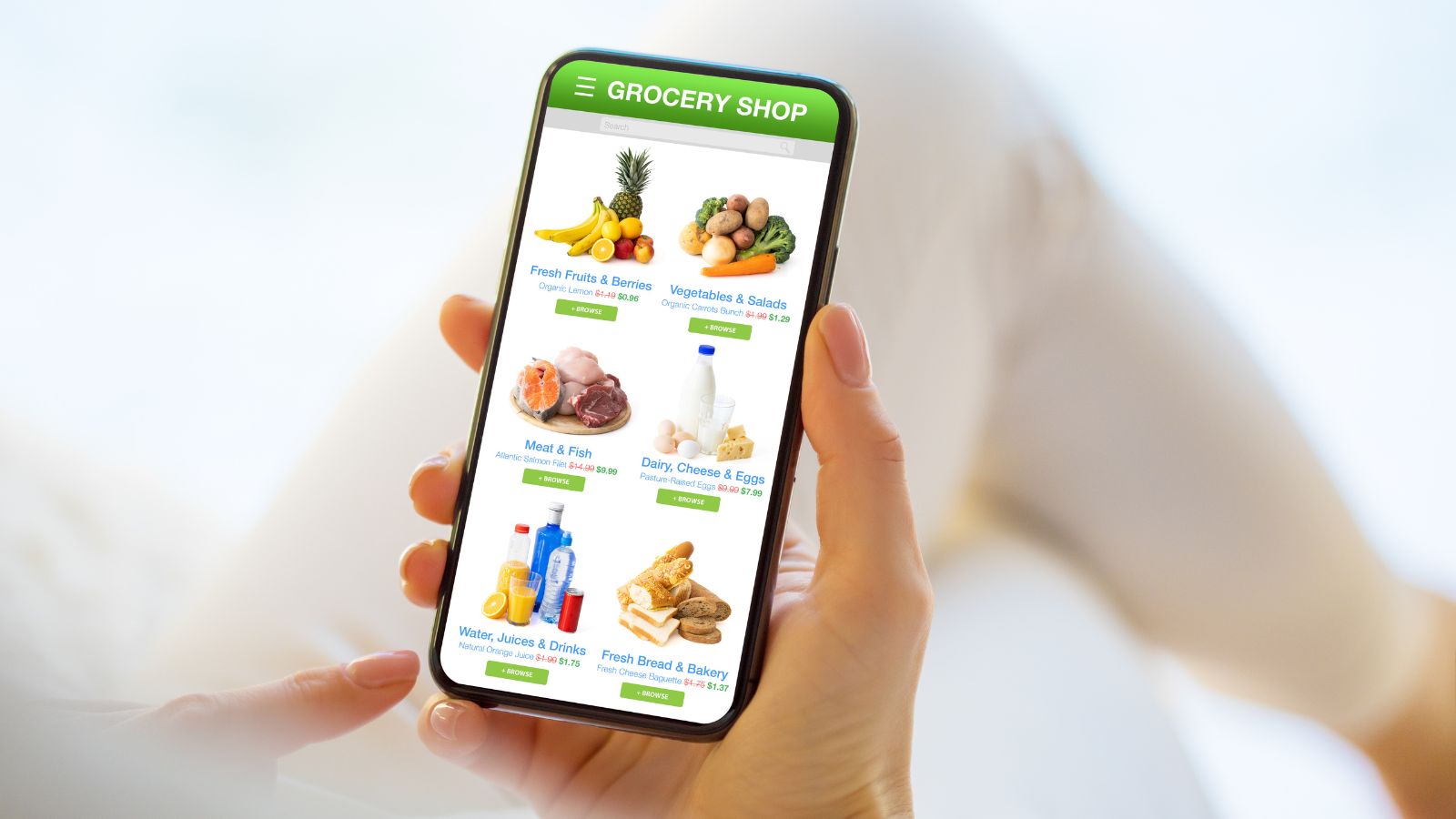
Online grocery shopping adds convenience, but substitutions can change the final bill. If an ordered product is unavailable, the retailer may replace it with a different size, brand, or price. A shopper who chose the lowest-cost pasta, yogurt, or frozen vegetable may receive a substitute that is more expensive or less efficient per unit.
The issue becomes more important when families shop online to control spending. Digital carts make it easier to track totals before checkout, but substitutions can weaken that control. Some retailers allow customers to reject substitutions or set preferences, yet the process still requires attention. A slightly larger size may look harmless, while several substitutions across a weekly order can add dollars to the total. The best protection is clear substitution settings and a careful receipt check after delivery or pickup.
Checkout Errors That Shoppers Often Notice Too Late
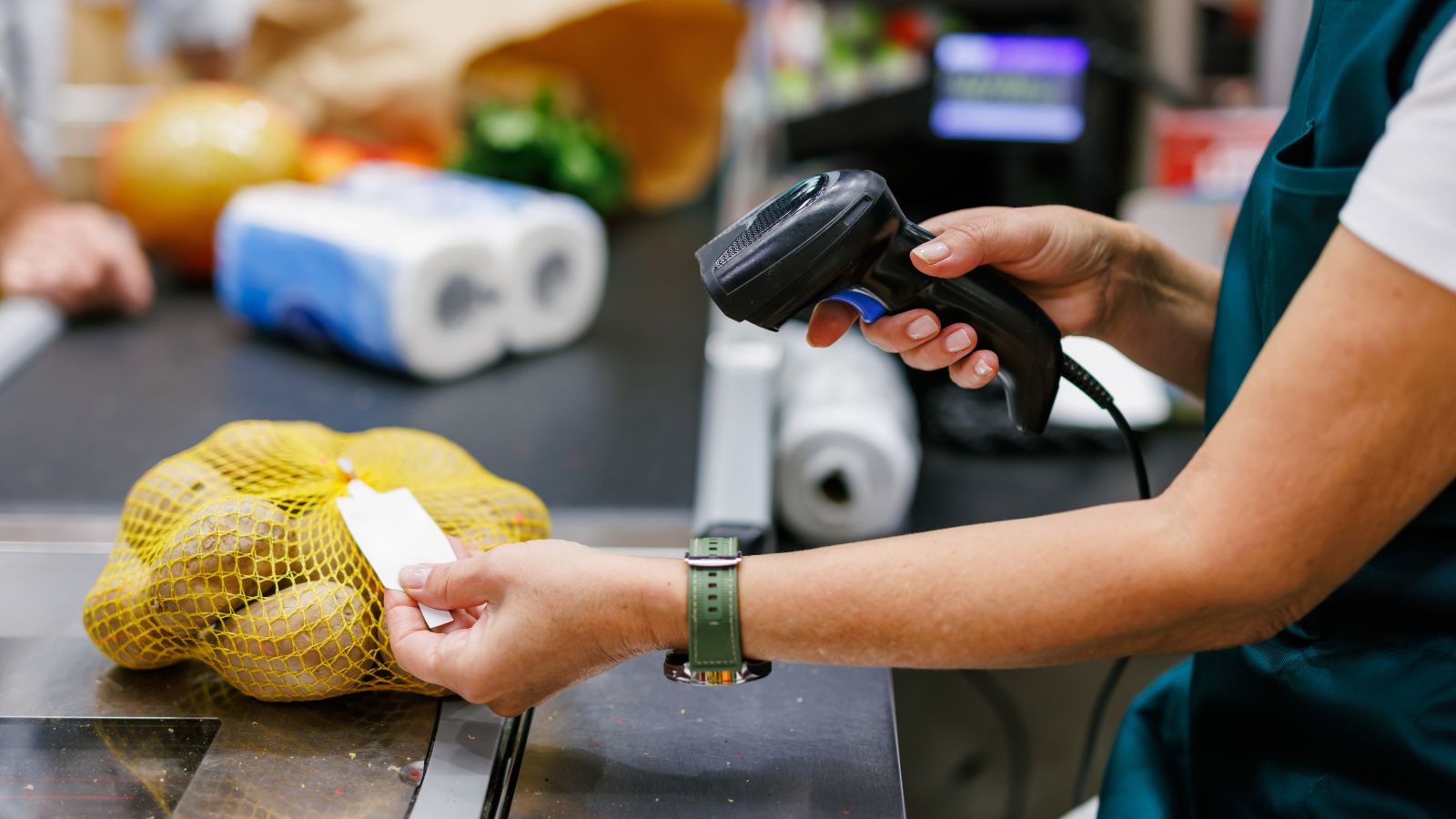
Even when shelf prices are clear, mistakes can happen at checkout. A sale tag may not scan properly, a digital coupon may fail to apply, or a produce code may be entered incorrectly. The difference might be small on one item, but grocery receipts contain enough lines that errors can hide easily.
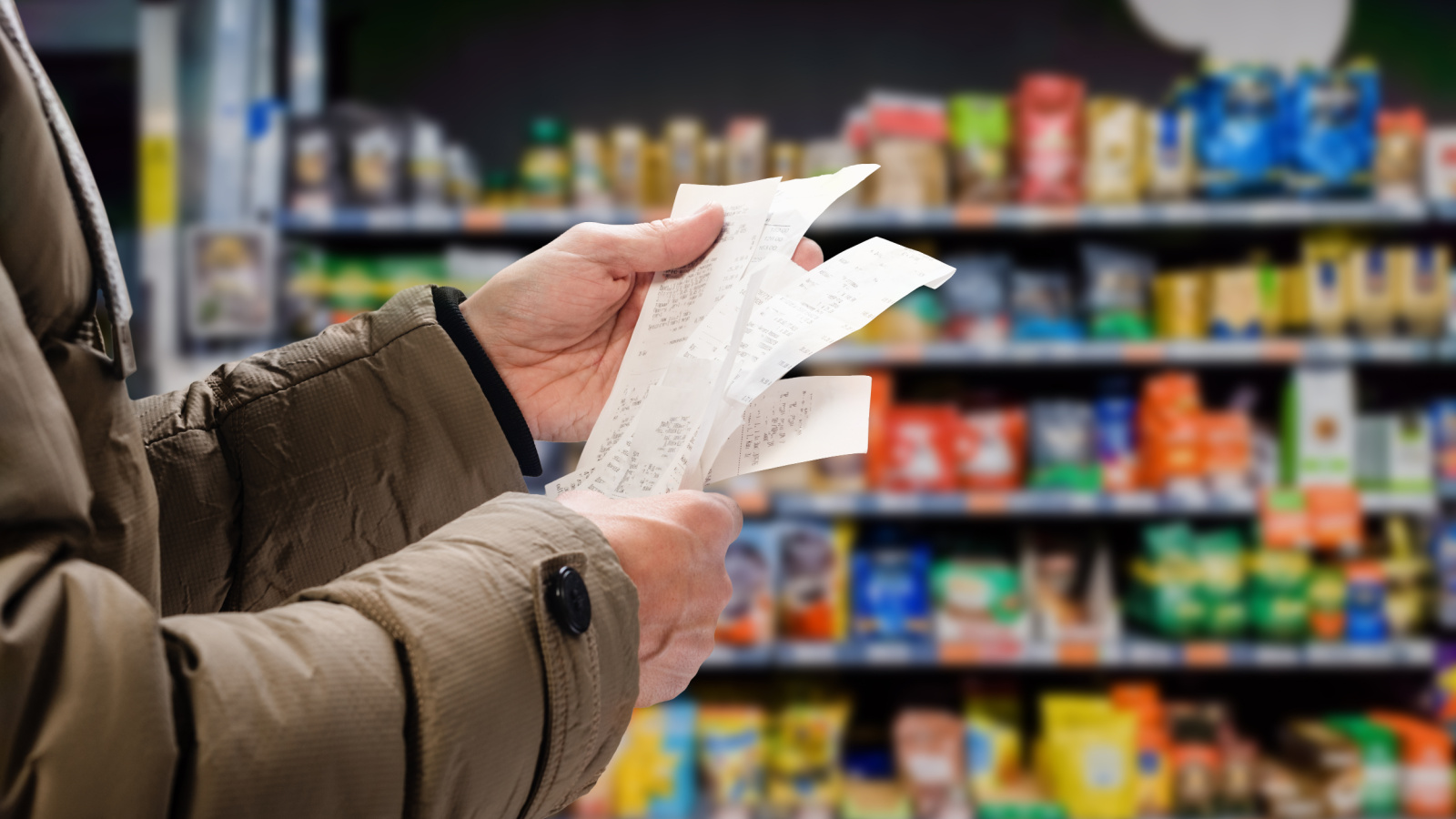
Canada has a voluntary Scanner Price Accuracy Code followed by many major retailers, offering remedies when scanned prices are higher than displayed prices. However, shoppers must usually notice the error and raise it. That creates a practical problem: many people check receipts only after leaving the store, and some do not check at all. In a high-price environment, receipt review has become less of a picky habit and more of a household budgeting tool.
19 Things Canadians Don’t Realize the CRA Can See About Their Online Income

Earning money online feels simple and informal for many Canadians. Freelancing, selling products, and digital services often start as side projects. The problem appears at tax time. Many people underestimate how much information the CRA can access. Online platforms, banks, and payment processors create detailed records automatically. These records do not disappear once money hits an account. Small gaps in reporting add up quickly.
Here are 19 things Canadians don’t realize the CRA can see about their online income.
This Options Discord Chat is The Real Deal
While the internet is scoured with trading chat rooms, many of which even charge upwards of thousands of dollars to join, this smaller options trading discord chatroom is the real deal and actually providing valuable trade setups, education, and community without the noise and spam of the larger more expensive rooms. With a incredibly low-cost monthly fee, Options Trading Club (click here to see their reviews) requires an application to join ensuring that every member is dedicated and serious about taking their trading to the next level. If you are looking for a change in your trading strategies, then click here to apply for a membership.