
35,000+ smart investors are already getting financial news, market signals, and macro shifts in the economy that could impact their money next with our FREE weekly newsletter. Get ahead of what the crowd finds out too late. Click Here to Subscribe for FREE.
The cost of living in Canada has moved beyond a familiar complaint and become a force reshaping daily decisions, family planning, career choices, and even where people believe they can build a stable future. Shelter, food, transportation, debt, insurance, child care, and other essentials are no longer separate budget lines; together, they form a pressure system that can make ordinary life feel financially fragile.
These 14 costs of living in Canada show why many households are rethinking everything from homeownership to commuting, education, parenting, and retirement expectations.
Rent That Still Eats the First Paycheque
14 Costs of Living in Canada That Are Pushing People to Rethink Everything
- Rent That Still Eats the First Paycheque
- Mortgage Renewals That Change the Household Mood
- Grocery Bills That Make Small Trips Feel Expensive
- Gasoline and Commuting Costs That Reshape Where People Work
- Car Ownership Costs Beyond the Sticker Price
- Child Care Costs and Waitlists That Shape Careers
- Utilities That Make Housing Feel More Expensive Than Advertised
- Internet and Phone Bills That Feel Non-Negotiable
- Debt Payments That Shrink the Feeling of a Paycheque
- Post-Secondary Costs That Change Education Plans
- Dental and Out-of-Pocket Health Costs That Catch Families Off Guard
- Insurance Premiums That Keep Climbing in the Background
- Taxes and Payroll Deductions That Make Gross Income Misleading
- Saving for Retirement While Paying for the Present
- Moving, Relocation, and “Starting Over” Costs
- 19 Things Canadians Don’t Realize the CRA Can See About Their Online Income

Rent remains one of the most visible affordability pressures because it lands every month before almost anything else can be planned. Even as Canada’s rental market has shown signs of loosening in some cities, asking rents and renewal costs remain far above what many long-time renters once considered normal. A household that used to stretch for a one-bedroom may now be weighing roommates, smaller spaces, longer commutes, or leaving a major city altogether.
The emotional weight is just as real as the math. Renters often describe feeling stuck between paying more to stay near work and paying less to live somewhere less convenient. CMHC has reported rising vacancy rates in purpose-built rentals, but that does not automatically mean affordability has returned. In many communities, the “cheaper” option is still expensive enough to delay savings, relationships, and plans for a first home.
Mortgage Renewals That Change the Household Mood

For homeowners, the biggest shock often arrives quietly in a renewal notice. Many Canadians who bought or refinanced when rates were lower are now adjusting to payments that can reshape the entire household budget. A mortgage renewal can turn a manageable home into a source of weekly anxiety, especially when property taxes, insurance, condo fees, repairs, and utilities are rising at the same time.
The Bank of Canada has warned that many mortgage holders renewing in 2025 and 2026 are likely to see higher payments, even after some rate relief. That creates a strange affordability trap: selling may not be appealing, renting may not be cheaper, and staying put may require cutting back everywhere else. For some families, homeownership has shifted from a symbol of progress to a monthly test of endurance.
Grocery Bills That Make Small Trips Feel Expensive

Food costs have become one of the most personal signs of inflation because they show up in ordinary moments: a quick stop for milk, a lunchbox refill, a package of meat, or fruit that suddenly feels optional. Many shoppers have changed habits without making a formal budget, switching brands, buying fewer snacks, stretching leftovers, or visiting multiple stores to chase discounts.
Canada’s Food Price Report projected another increase in food costs for 2026, with the average family of four expected to spend thousands more than just a few years ago. That matters because food is not a luxury category households can simply delete. When grocery inflation stacks on top of rent and transportation, even careful families can feel as if they are making responsible choices and still falling behind.
Gasoline and Commuting Costs That Reshape Where People Work

Transportation has become a major affordability divider between Canadians who can live close to work and those who cannot. Gasoline prices can swing quickly, and those swings hit hardest in suburbs, rural communities, and smaller cities where driving is not optional. A person may accept a job with a better salary, only to discover the commute takes back a surprising share of the raise.
Statistics Canada reported strong transportation price pressure in April 2026, with gasoline playing a major role in the overall inflation jump. For households with two vehicles, long school runs, or shift work outside transit hours, fuel is not just a price at the pump; it is the cost of staying employed. That is why many Canadians are reconsidering remote work, carpooling, relocation, or whether a second vehicle is still worth it.
Car Ownership Costs Beyond the Sticker Price

Buying the vehicle is only the opening move. Insurance, repairs, tires, maintenance, financing, fuel, parking, registration, depreciation, and occasional towing can turn car ownership into a rolling subscription. A used vehicle that looked affordable on a lot can become expensive once the first repair estimate arrives, especially with newer vehicles carrying more sensors, electronics, and specialized parts.
Statistics Canada has linked rising auto insurance pressure to repair costs, claims costs, vehicle prices, and location-based risk factors. That means two drivers with similar incomes can face very different ownership costs depending on province, postal code, vehicle type, and driving history. For many households, the old advice to “just buy used” no longer feels complete. The real question is whether the total cost of keeping the car on the road still fits.
Child Care Costs and Waitlists That Shape Careers

Child care affordability has improved in many parts of Canada, but the story is uneven. Lower fees help, yet parents still face waitlists, availability gaps, and difficult trade-offs when care is not located near home or work. A reduced daily fee does not solve much if a family cannot actually secure a space when parental leave ends or a new job begins.
Statistics Canada reported that 58% of children aged 0 to 5 were in child care in 2025, while nearly one-third of parents not using child care said their child was on a waitlist. That creates a hidden cost beyond fees: missed promotions, delayed returns to work, reduced hours, or one parent stepping back from the labour force. For young families, child care is not just a service. It is infrastructure for earning a living.
Utilities That Make Housing Feel More Expensive Than Advertised
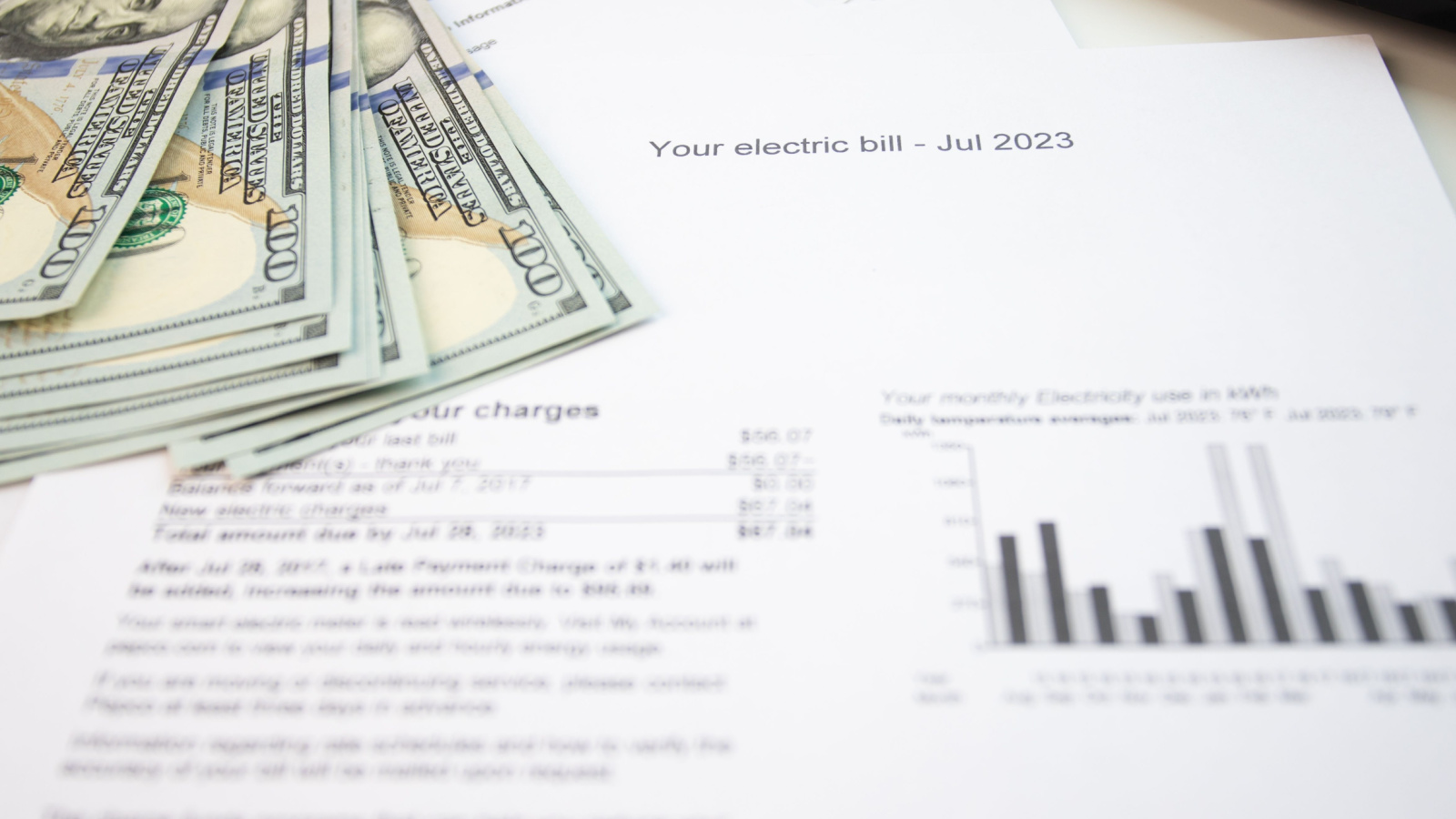
A rent or mortgage payment rarely tells the full story of shelter costs. Electricity, heating, water, delivery charges, account fees, and seasonal spikes can make a home far more expensive than it looked on paper. In colder provinces, winter heating bills can feel like a second rent increase; in hotter stretches, air conditioning adds another layer of strain.
Energy prices are also vulnerable to global shocks, infrastructure demands, and regional differences. Canada’s electricity system is facing long-term investment pressure as demand grows from population, industry, electric vehicles, and data centres. For households, that bigger transition shows up in smaller decisions: turning down the thermostat, delaying appliance upgrades, or avoiding a larger home because monthly operating costs are too unpredictable.
Internet and Phone Bills That Feel Non-Negotiable

Telecom costs sit in a strange place in Canadian budgets: they are often treated as flexible spending, yet modern life makes them close to essential. Work, school, banking, job applications, health appointments, government services, and family communication all depend on reliable internet or mobile service. Cutting the bill too aggressively can mean giving up speed, data, coverage, or dependability.
The CRTC’s telecommunications market reporting tracks affordability, competition, coverage, and consumer outcomes because these services are now part of everyday participation in the economy. Many households respond by cycling promotions, negotiating with providers, using family plans, or delaying device upgrades. Still, the monthly combination of home internet, mobile plans, streaming add-ons, and hardware financing can quietly become one of the most stubborn recurring costs.
Debt Payments That Shrink the Feeling of a Paycheque

Debt has become one of the most powerful reasons a decent income can feel smaller than expected. Credit cards, lines of credit, student loans, vehicle financing, buy-now-pay-later balances, and mortgages all compete for the same dollars. When interest rates rise or promotional periods end, the payment can increase even if the original purchase happened months or years earlier.
Canadian households have carried high debt relative to disposable income, leaving many sensitive to changes in borrowing costs. The problem is not only the size of the balance; it is the way minimum payments reduce flexibility. A surprise dental bill, car repair, or rent increase can force more borrowing, creating a loop that makes long-term goals feel distant. For many people, financial planning now begins with damage control.
Post-Secondary Costs That Change Education Plans

Education is still widely viewed as a path to opportunity, but the cost of getting there has become harder to absorb. Tuition, books, housing, food, transit, technology, and lost work hours can make a degree or diploma feel financially risky, especially for students who cannot live at home. International students face even steeper costs, making Canada’s education promise more complicated than it once appeared.
Statistics Canada reported modest tuition increases for Canadian undergraduate and graduate students in 2025/2026, while international tuition remained much higher. The pressure does not end at graduation. Students may enter the workforce carrying debt into a rental market with high deposits and rising living expenses. That has pushed more families to rethink programs, schools, gap years, part-time study, and whether the expected return still justifies the upfront burden.
Dental and Out-of-Pocket Health Costs That Catch Families Off Guard

Canada’s health-care system protects households from many major medical bills, but it does not erase every health cost. Dental care, prescriptions, vision care, mental-health supports, physiotherapy, mobility devices, and private assessments can still land heavily on family budgets. For people without workplace benefits, the difference between getting care and delaying it can come down to available cash.
Statistics Canada has found that lack of dental insurance is closely tied to avoiding dental visits because of cost. That matters because skipped care can turn small problems into larger and more expensive ones. A parent may delay a cleaning, a senior may postpone treatment, or a worker may ignore pain because the bill is not manageable. Health costs become even more stressful when they are urgent, unpredictable, and difficult to comparison shop.
Insurance Premiums That Keep Climbing in the Background

Insurance is easy to overlook until renewal season arrives. Auto, tenant, home, condo, life, disability, and sometimes pet insurance can collectively take a meaningful slice of income. Even households that never make a claim can see premiums rise because of broader industry pressures, including repair costs, severe weather, theft, replacement values, and regional risk.
Auto insurance has become especially frustrating because drivers often feel they are paying more for the same vehicle and the same commute. Home insurance also reflects bigger climate and rebuilding-cost pressures that individuals cannot control. The result is a recurring bill that feels both necessary and unsatisfying. Dropping coverage can be risky, but absorbing higher premiums can force cuts elsewhere. That tension makes insurance one of the least celebrated but most persistent affordability pressures.
Taxes and Payroll Deductions That Make Gross Income Misleading

A salary can look comfortable on paper and feel far tighter after deductions. Income tax, Canada Pension Plan contributions, Employment Insurance premiums, benefit premiums, union dues, pension contributions, and other workplace deductions all shape take-home pay. None of these are automatically bad; many fund important protections. But they can make the gap between advertised salary and actual spending power feel surprisingly wide.
The effect is especially noticeable for workers who receive a raise and then discover that rent, food, transit, debt payments, and deductions absorb most of it. CRA rules for CPP, EI, and federal tax brackets show how payroll deductions are built into the Canadian income system. For households budgeting month to month, gross income is almost theoretical. The number that matters is what remains after every mandatory line has already taken its share.
Saving for Retirement While Paying for the Present

Retirement saving has become harder to prioritize when the present is so expensive. RRSPs, TFSAs, workplace pensions, emergency funds, and long-term investing all compete with today’s bills. Many Canadians understand the importance of compound growth, but understanding it does not make it easier to save after rent, groceries, transportation, debt, and child care have taken priority.
This creates a quiet generational shift. Some workers are contributing less than planned, pausing savings, dipping into emergency funds, or relying more heavily on home equity and public pensions than they expected. The concern is not only whether people can retire comfortably, but whether they can handle financial shocks along the way. When the cost of living rises faster than the ability to save, the future starts to feel negotiable.
Moving, Relocation, and “Starting Over” Costs

Many Canadians are rethinking where they live, but moving is not free. Truck rentals, deposits, real-estate commissions, land transfer taxes, utility hookups, storage, temporary housing, new furniture, school changes, job-search costs, and travel back to family networks can make relocation expensive before any savings appear. A cheaper city may still require thousands of dollars upfront.
There is also a social cost that rarely appears in spreadsheets. Moving away from grandparents, friends, doctors, familiar schools, or established careers can make affordability feel like a trade-off rather than a victory. Some households leave major cities and gain space but lose support systems; others stay and sacrifice savings for stability. In today’s Canada, even the decision to reduce living costs can carry its own costly price tag.
19 Things Canadians Don’t Realize the CRA Can See About Their Online Income

Earning money online feels simple and informal for many Canadians. Freelancing, selling products, and digital services often start as side projects. The problem appears at tax time. Many people underestimate how much information the CRA can access. Online platforms, banks, and payment processors create detailed records automatically. These records do not disappear once money hits an account. Small gaps in reporting add up quickly.
Here are 19 things Canadians don’t realize the CRA can see about their online income.
This Options Discord Chat is The Real Deal
While the internet is scoured with trading chat rooms, many of which even charge upwards of thousands of dollars to join, this smaller options trading discord chatroom is the real deal and actually providing valuable trade setups, education, and community without the noise and spam of the larger more expensive rooms. With a incredibly low-cost monthly fee, Options Trading Club (click here to see their reviews) requires an application to join ensuring that every member is dedicated and serious about taking their trading to the next level. If you are looking for a change in your trading strategies, then click here to apply for a membership.