35,000+ smart investors are already getting financial news, market signals, and macro shifts in the economy that could impact their money next with our FREE weekly newsletter. Get ahead of what the crowd finds out too late. Click Here to Subscribe for FREE.
Canadian household budgets rarely collapse from one dramatic bill. More often, the damage comes from ordinary costs that rise a few dollars at a time until the monthly total feels unfamiliar. Over the past year, the pressure has been especially noticeable because the biggest increases have landed in places people touch constantly: food, rent, insurance, transportation, utilities, and everyday services.
This breakdown looks at 19 Canadian expenses that became meaningfully harder to absorb, even when headline inflation looked relatively moderate. Some rose because of supply problems, some because of interest rates or insurance losses, and others because businesses quietly passed along higher operating costs. Together, they help explain why many Canadians feel squeezed even when official inflation appears calmer than it did during the peak of the cost-of-living shock.
Rent
19 Canadian Expenses That Quietly Exploded Over the Past Year
- Rent
- Mortgage Renewals
- Property Taxes
- Home Insurance
- Auto Insurance
- Gasoline
- Vehicle Purchases
- Vehicle Repairs and Maintenance
- Groceries
- Beef and Meat
- Coffee
- Fresh Vegetables
- Restaurant Meals
- Electricity, Water, and Household Utilities
- Postage and Mailing
- Tuition
- Personal Care
- Pet Care
- Travel and Holiday Transportation
- Household Services
- 19 Things Canadians Don’t Realize the CRA Can See About Their Online Income

Rent remained one of the clearest examples of a cost that kept climbing even as some advertised rents softened in major markets. Statistics Canada reported that rent prices rose in 2025, though more slowly than in 2024, and were still dramatically higher than they were five years earlier. For households that moved, renewed a lease, or entered the market after a breakup, job change, or school move, the slowdown often did not feel like relief.
The pressure was especially visible because rent is not a flexible expense. A grocery cart can be trimmed, a trip can be delayed, and a subscription can be cancelled, but rent arrives every month at full size. Even in cities where vacancy improved, many tenants were comparing today’s payment with what similar units cost before the pandemic. That gap made rent feel less like normal inflation and more like a permanent reset.
Mortgage Renewals

Mortgage renewals became a quiet shock for homeowners who originally locked in lower rates. While the sharpest rate hikes were not new, many households only felt the full effect when their term ended and the bank presented a new payment schedule. A family that had built its budget around pandemic-era rates could suddenly face hundreds of dollars more per month without having bought a larger home or taken on a new lifestyle.
This kind of increase is easy to underestimate because it does not show up all at once across the country. It moves household by household, renewal by renewal. Even as mortgage interest cost growth slowed from earlier peaks, the level of payments remained painful for borrowers rolling into higher-rate terms. For some owners, the “explosion” was not the interest-rate announcement itself, but the first automatic withdrawal after renewal day.
Property Taxes

Property taxes became another line item that felt heavier, especially in municipalities trying to fund infrastructure, transit, policing, water systems, and climate-related repairs. Statistics Canada reported that the property taxes and other special charges index rose again in 2025, with some provinces seeing much larger increases than the national average. These bills often arrive as annual or semi-annual notices, which makes the jump feel more abrupt than a monthly CPI figure suggests.
The pain is broader than homeowners sometimes realize. Landlords also face higher municipal costs, and those can eventually feed into rent decisions, especially when buildings need repairs or insurance is rising at the same time. A homeowner in a modest house may not feel wealthy, but the tax bill can still move like the property is a luxury asset. That disconnect made property taxes one of the more frustrating increases of the year.
Home Insurance

Home insurance quietly became one of the most unnerving household expenses because it combined premium increases with stricter coverage questions. Statistics Canada noted year-over-year increases in homeowners’ home and mortgage insurance in 2025, while the Insurance Bureau of Canada reported another costly year for severe-weather insured losses. Even households far from a recent wildfire or flood zone often saw the broader risk environment reflected in renewal pricing.
The increase felt especially sharp because insurance is purchased for disasters most people hope never happen. A family may never file a claim, yet still face a higher premium because rebuilding materials, labour, weather risk, and insurer loss experience have all changed. In some communities, homeowners also faced bigger deductibles or more detailed questions about roofs, plumbing, basements, and proximity to water. The result was a bill that felt less optional and more unpredictable.
Auto Insurance

Auto insurance continued to rise in a way many drivers noticed immediately at renewal. Statistics Canada listed passenger vehicle insurance premiums as one of the main upward contributors to CPI in March 2026, with a year-over-year increase of 7.0%. Earlier data also showed sizable increases in October 2025, with Alberta standing out for especially steep gains. For commuters, parents, tradespeople, and rural drivers, the cost was hard to avoid.
Several forces made the increase feel bigger than the percentage alone. Modern vehicles are more expensive to repair, parts can be slower to source, theft remains a concern in some regions, and claims costs have not returned to a low-cost era. Even careful drivers with clean records sometimes saw increases that felt detached from personal behaviour. That made auto insurance one of the most resented bills: necessary, regulated, and still surprisingly fast-moving.
Gasoline
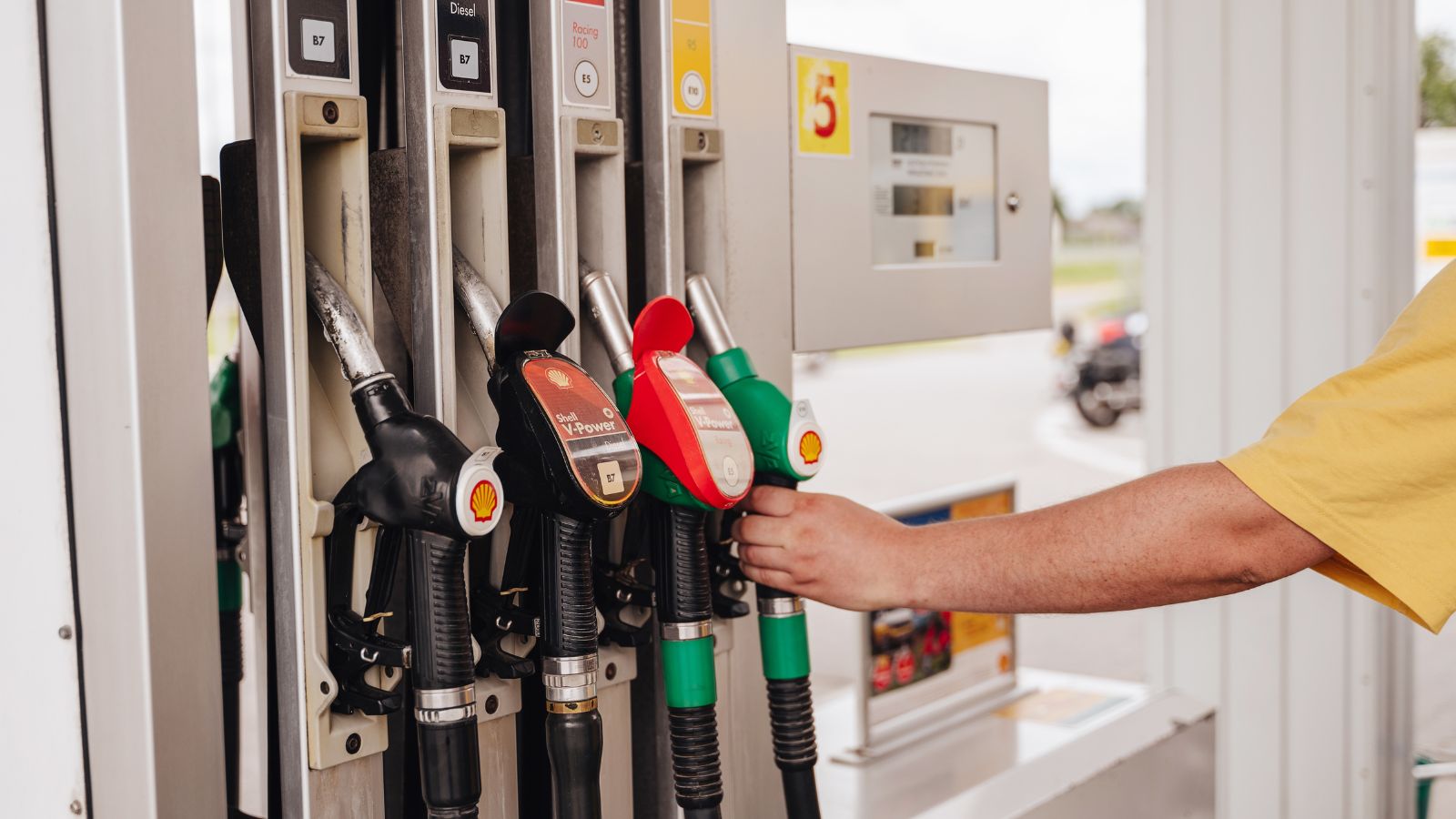
Gasoline returned as a budget wild card after a period of relief. In March 2026, Statistics Canada reported that gasoline prices were up 5.9% year over year and surged 21.2% month over month, helping push headline inflation higher. That kind of monthly move was especially noticeable because fuel prices are displayed in public every day, turning inflation into something drivers can watch change by the litre.
The effect spread beyond commuters. Families planning spring road trips, small businesses with delivery routes, and workers who drive between job sites all felt the squeeze quickly. A few cents per litre may not seem dramatic, but a full tank turns it into a real number. When fuel rises at the same time as insurance, maintenance, and food, the car starts to feel less like transportation and more like a rolling collection of inflation pressures.
Vehicle Purchases

Buying a vehicle remained expensive, even for Canadians who were not shopping for luxury models. Statistics Canada listed the purchase of passenger vehicles as one of the main upward contributors to the 12-month CPI change in March 2026, with prices up 2.9% year over year. That increase came after several years in which shortages, higher financing costs, and strong demand had already changed expectations around what “affordable” meant.
The sticker price was only part of the problem. A buyer looking at a compact SUV or used sedan also had to consider financing, trade-in value, insurance, winter tires, taxes, and dealer fees. Monthly payments could be stretched over longer terms, making the purchase look manageable on paper, but the total cost often told a different story. For many households, the shock was not simply that vehicles rose again; it was that there were fewer genuinely cheap paths left.
Vehicle Repairs and Maintenance

Vehicle maintenance became harder to shrug off because ordinary repairs increasingly carried extraordinary invoices. Modern cars contain more sensors, cameras, software-linked parts, and integrated systems than older models, which means even a small collision or warning light can lead to a complicated repair. The CPI category for passenger vehicle parts, maintenance, and repairs has been sitting near record-high index levels, reflecting how persistent the pressure has become.
This is the kind of expense that often arrives at the worst time. A driver may delay brake work, ignore a suspension noise, or stretch winter tires one more season, only to face a larger bill later. Shops also deal with wage costs, parts pricing, and diagnostic equipment investments. That means a repair that once felt routine can now compete with rent or groceries for budget space. For older vehicles, “paid off” no longer means cheap.
Groceries

Groceries remained one of the most emotionally charged expenses because Canadians see the increase item by item. Statistics Canada reported that grocery prices rose faster in 2025 than in 2024, and food purchased from stores was up 4.4% year over year in March 2026. Canada’s Food Price Report also projected another 4% to 6% increase in overall food prices for 2026, keeping food inflation firmly in household conversations.
The frustration comes from the fact that grocery inflation is cumulative. A carton of eggs, a loaf of bread, berries, meat, cereal, and cooking oil may each rise by a small amount, but a weekly shop can end up far above what families remember paying. Shoppers adapted by switching stores, buying private labels, using loyalty points, and planning meals around flyers. Still, the checkout total often felt like proof that “normal” prices had not really returned.
Beef and Meat

Meat was one of the grocery categories where the increase was especially visible. Statistics Canada reported that meat prices rose 5.8% on an annual average basis in 2025, with fresh or frozen beef up 13.5%. Low cattle inventories in North America were cited as a key pressure, making beef one of the clearest examples of supply conditions landing directly on Canadian dinner plates.
The change altered everyday meals. Families that once bought steak for the barbecue, roast beef for Sunday dinner, or ground beef for easy weeknight cooking increasingly treated those items as occasional purchases. Some switched to pork, chicken, lentils, eggs, or smaller package sizes. Restaurants also faced the same input costs, which helped explain why burgers, sandwiches, and casual meals felt pricier. Meat inflation was not just a grocery-store issue; it reshaped menus at home and outside the home.
Coffee

Coffee became a small daily habit with a surprisingly large inflation story behind it. Statistics Canada reported that Canadians paid 20.3% more for coffee in 2025, with adverse weather in growing regions and trade-related pressures contributing to higher costs for refined coffee. For a household that buys beans, pods, or takeout coffee regularly, the increase was easy to notice even before the monthly budget was reviewed.
The psychology of coffee inflation matters because the purchase is repetitive. A bag at the grocery store, a drive-thru cup, or a café latte may not feel like a major expense in isolation. Multiply it across workdays, two adults, and a year, and the increase becomes real money. Coffee also sits at the intersection of global agriculture, currency movement, shipping, packaging, and retail margins. That made it one of the most relatable examples of how distant supply shocks show up in ordinary routines.
Fresh Vegetables

Fresh vegetables delivered another grocery-store surprise, especially early in 2026. Statistics Canada reported that prices for fresh vegetables were up 7.8% year over year in March 2026, the largest increase since August 2023. Cucumbers, peppers, and celery were highlighted as items with notable price growth, partly tied to tighter supplies from adverse growing conditions in producing countries.
This kind of increase is difficult because vegetables are the foods households are encouraged to buy more often. When the healthy choice becomes more expensive, families may shift toward frozen options, canned goods, or cheaper starches. The impact is also uneven across the country, because remote and northern communities already face high food transportation costs. A few dollars more for produce may look minor on a national chart, but for families trying to keep meals fresh and balanced, it quickly becomes a daily compromise.
Restaurant Meals

Restaurant meals kept rising even as Canadians became more selective about dining out. Statistics Canada reported that food purchased from restaurants rose 3.2% year over year in March 2026, and restaurant food prices also increased on an annual average basis in 2025. The increase reflected more than menu ambition. Restaurants faced higher wages, rent, utilities, insurance, ingredients, payment processing costs, and delivery-platform pressures.
For customers, the bill often grew in layers: higher menu prices, taxes, tips, delivery fees, service charges, and smaller promotions. A casual meal that once felt like an easy Friday decision increasingly became a planned treat. Families noticed it most when a simple order of burgers, pizza, or brunch crossed a psychological threshold. Dining out did not disappear, but it became more deliberate. That shift made restaurant inflation feel like a lifestyle change, not just a price adjustment.
Electricity, Water, and Household Utilities

Utilities became a quieter strain because they are often paid automatically and reviewed only when a bill looks unusually high. Statistics Canada’s CPI product-group data showed water, fuel, and electricity up 10.4% year over year in March 2026. That category can include different pressures depending on the province, but the household result is familiar: more money going to keep the lights on, the home heated, and basic services running.
The increase was especially challenging for people in older homes, larger rental units, or regions with extreme weather. A cold snap, heat wave, inefficient appliance, or higher local rate can push a bill beyond expectations. Unlike discretionary spending, utilities are difficult to cut without affecting comfort or safety. Canadians can lower thermostats, seal drafts, use efficient bulbs, and compare plans where available, but the fixed nature of the expense makes the increase feel stubborn.
Postage and Mailing
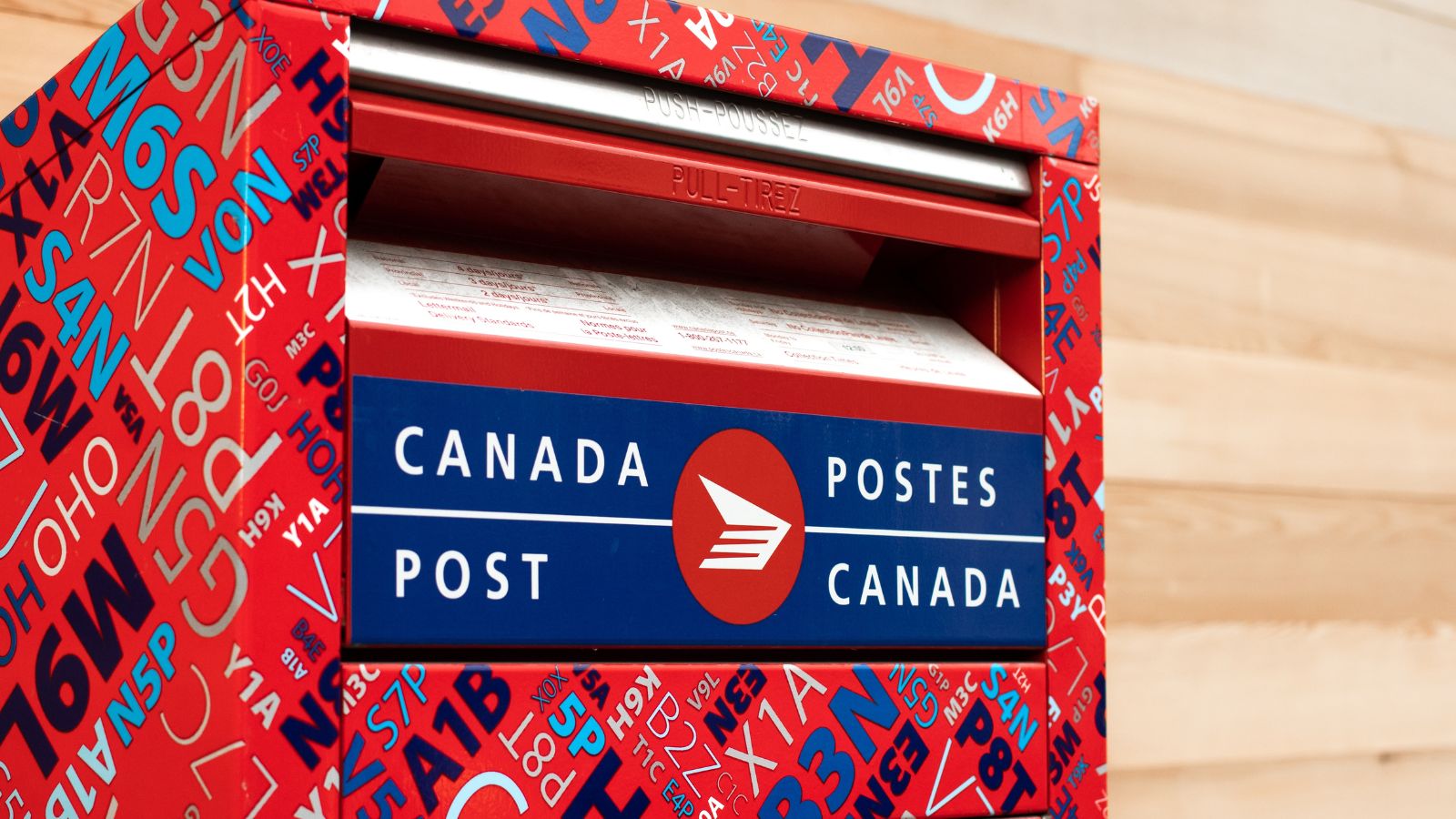
Postage is not a daily expense for every household, but the increase was striking for anyone mailing cards, documents, small business orders, or community notices. Canada Post raised the price of a single domestic stamp to $1.44 in January 2025, up from $1.15, while booklet stamps rose to $1.24. Canada Post described the move as a one-time increase of roughly 25%, needed to better align rates with the rising cost of letter mail service.
This was a classic quiet explosion: small enough to miss, large enough to matter when repeated. Seniors mailing cheques or cards, charities sending donor letters, small sellers shipping invoices, and local organizations distributing notices all felt it. The increase also highlighted a broader problem with shrinking mail volume. As fewer letters are delivered to more addresses, the cost of maintaining the network becomes harder to hide in old stamp prices.
Tuition

Tuition continued its slow upward climb, especially for international students. Statistics Canada reported that Canadian undergraduate tuition fees for 2025/2026 were expected to rise by an average of 1.4% to $7,734, while international undergraduate fees were expected to rise 2.5% to $41,746. Those percentages may look modest compared with grocery or insurance spikes, but the starting amounts are large enough that even small increases create meaningful dollar changes.
The burden rarely stops at tuition. Students also face rent, transit, textbooks, technology, food, health coverage, and fees that vary by institution and program. International students face the steepest headline costs, but domestic students also experience the squeeze when family support, part-time work, or savings do not keep pace. For households with more than one child in school, tuition inflation can feel like a multi-year commitment to absorb increases before graduation even arrives.
Personal Care

Personal care costs rose in the background, showing up in haircuts, grooming, toiletries, salon visits, and basic hygiene products. Statistics Canada data for personal care showed the index higher in March 2026 than a year earlier, reflecting a category that rarely makes headlines but appears regularly in household spending. For many Canadians, these costs are not luxuries; they are tied to work, health, confidence, and routine.
The increases often arrived in small increments. A haircut goes up by a few dollars, shampoo sizes shrink, a skin-care product moves into a higher price tier, or a local barber adds a card surcharge. None of these changes alone breaks a budget, but they combine with groceries and rent to reduce breathing room. Personal care inflation is especially noticeable for families with teenagers, workers in customer-facing jobs, and anyone managing recurring grooming or hygiene needs.
Pet Care

Pet care became more expensive for households that adopted animals during or after the pandemic and are now facing mature pet costs. Veterinary services, food, grooming, medications, boarding, and insurance all became harder to absorb. Industry reporting showed veterinary and other pet services rising faster than general inflation in 2025, while many pet owners also noticed higher prices for specialized food and routine appointments.
The emotional side makes this expense different. Owners are reluctant to delay care when an animal is sick, and emergency vet visits can quickly become financial shocks. Even routine care—vaccines, dental cleaning, flea prevention, nail trimming, annual exams—adds up over a year. A dog that once seemed like a manageable monthly expense can become a major budget category once insurance, food allergies, dental issues, or age-related care enter the picture. Pet inflation often feels personal because the alternative is not simply buying less.
Travel and Holiday Transportation

Travel costs remained unpredictable, especially around holidays and peak seasons. Statistics Canada reported that air transportation prices fell less year over year in December 2025 than in November, while airfares rose sharply month over month during the holiday season. Travel tours also rose month over month in December, partly because of higher prices for U.S. destinations. Even when some travel categories declined over longer stretches, timing mattered enormously.
That volatility made planning difficult. A family visiting relatives, students flying home, or workers booking last-minute flights could face prices far above what a yearly average suggests. Hotels, baggage fees, airport food, parking, ride-hailing, exchange rates, and travel insurance also added layers. Canadians who waited for deals sometimes found that the cheap fare disappeared once add-ons were included. Travel did not necessarily rise evenly, but when it rose, it often did so at exactly the moment people needed to book.
Household Services

Household services quietly became more expensive as labour, fuel, insurance, and materials fed into the cost of keeping a home functional. Cleaning, snow removal, lawn care, appliance repair, moving help, pest control, and small contractor visits all reflected higher operating costs. Statistics Canada reported that service prices remained elevated in 2025, rising 3.1% on an annual average basis, even as goods and services trends became less divergent than in 2024.
The increase was most noticeable when households needed help immediately. A broken washer, a leaking pipe, a move across town, or a furnace issue does not wait for a discount season. Many service providers also faced their own rising vehicle costs, insurance premiums, rent, and wages, which pushed hourly rates higher. For aging homeowners and busy families, doing everything personally was not always realistic. That made household services one of the less visible but more persistent budget pressures.
19 Things Canadians Don’t Realize the CRA Can See About Their Online Income

Earning money online feels simple and informal for many Canadians. Freelancing, selling products, and digital services often start as side projects. The problem appears at tax time. Many people underestimate how much information the CRA can access. Online platforms, banks, and payment processors create detailed records automatically. These records do not disappear once money hits an account. Small gaps in reporting add up quickly.
Here are 19 things Canadians don’t realize the CRA can see about their online income.
This Options Discord Chat is The Real Deal
While the internet is scoured with trading chat rooms, many of which even charge upwards of thousands of dollars to join, this smaller options trading discord chatroom is the real deal and actually providing valuable trade setups, education, and community without the noise and spam of the larger more expensive rooms. With a incredibly low-cost monthly fee, Options Trading Club (click here to see their reviews) requires an application to join ensuring that every member is dedicated and serious about taking their trading to the next level. If you are looking for a change in your trading strategies, then click here to apply for a membership.