
35,000+ smart investors are already getting financial news, market signals, and macro shifts in the economy that could impact their money next with our FREE weekly newsletter. Get ahead of what the crowd finds out too late. Click Here to Subscribe for FREE.
Everyday spending in Canada has changed from routine to reconsidered. Small purchases that once felt harmless now compete with higher grocery bills, rent, insurance, transportation, and subscription costs. Even when inflation cools on paper, many households still feel the cumulative weight of prices that rose sharply over the past several years and never fully came back down.
These 15 everyday purchases stand out because they are familiar, frequent, and emotionally easy to justify — until the total shows up on a bank statement. From takeout coffee to delivery fees, premium groceries, streaming bundles, and basic convenience buys, Canadians are increasingly asking whether the momentary comfort is still worth the price.
Restaurant Meals
15 Everyday Purchases Canadians Say No Longer Feel Worth It
- Restaurant Meals
- Takeout Coffee
- Food Delivery App Orders
- Premium Grocery Snacks
- Beef and Premium Meat Cuts
- Fresh Produce That Spoils Quickly
- Streaming Bundles
- Cellphone Plan Upgrades
- Convenience Store Drinks and Snacks
- Bottled Water
- Paper Towels and Disposable Cleaning Products
- Fast Fashion Basics
- Beauty and Personal Care Extras
- Event Tickets With Extra Fees
- Parking and Short Urban Car Trips
- 19 Things Canadians Don’t Realize the CRA Can See About Their Online Income

Dining out has become one of the clearest examples of a purchase that still feels enjoyable but no longer feels casual. A family dinner that once fit comfortably into a weekly routine can now feel like a planned event once entrées, drinks, taxes, and tips are added. Many Canadians have not stopped going out altogether, but they are becoming more selective — choosing lunch over dinner, splitting appetizers, skipping alcohol, or saving restaurants for birthdays and visits.
The value question has become sharper because restaurant prices rose while household budgets were already stretched by shelter, groceries, and transportation. Restaurants Canada reported that three in four Canadians were eating out less often because of the rising cost of living, with younger adults even more likely to cut back. That does not mean restaurants have lost their appeal; it means the bill now has to justify itself in a way it did not before.
Takeout Coffee

The daily coffee run has always been more emotional than mathematical. It is a morning ritual, a small reward, and sometimes the only quiet moment before work. But when a latte or cold brew creeps toward the price of a light grocery item, the habit starts to feel less harmless. Many Canadians are replacing weekday café stops with home brewing and saving specialty drinks for weekends.
Coffee also stands out because prices rose dramatically at the grocery level, which made both café drinks and at-home beans feel more expensive. Statistics Canada noted that Canadians paid far more for coffee in 2025, with roasted and ground coffee seeing particularly steep increases. The result is a strange squeeze: café coffee feels too expensive, yet even the bag used at home no longer feels like the bargain it once was.
Food Delivery App Orders
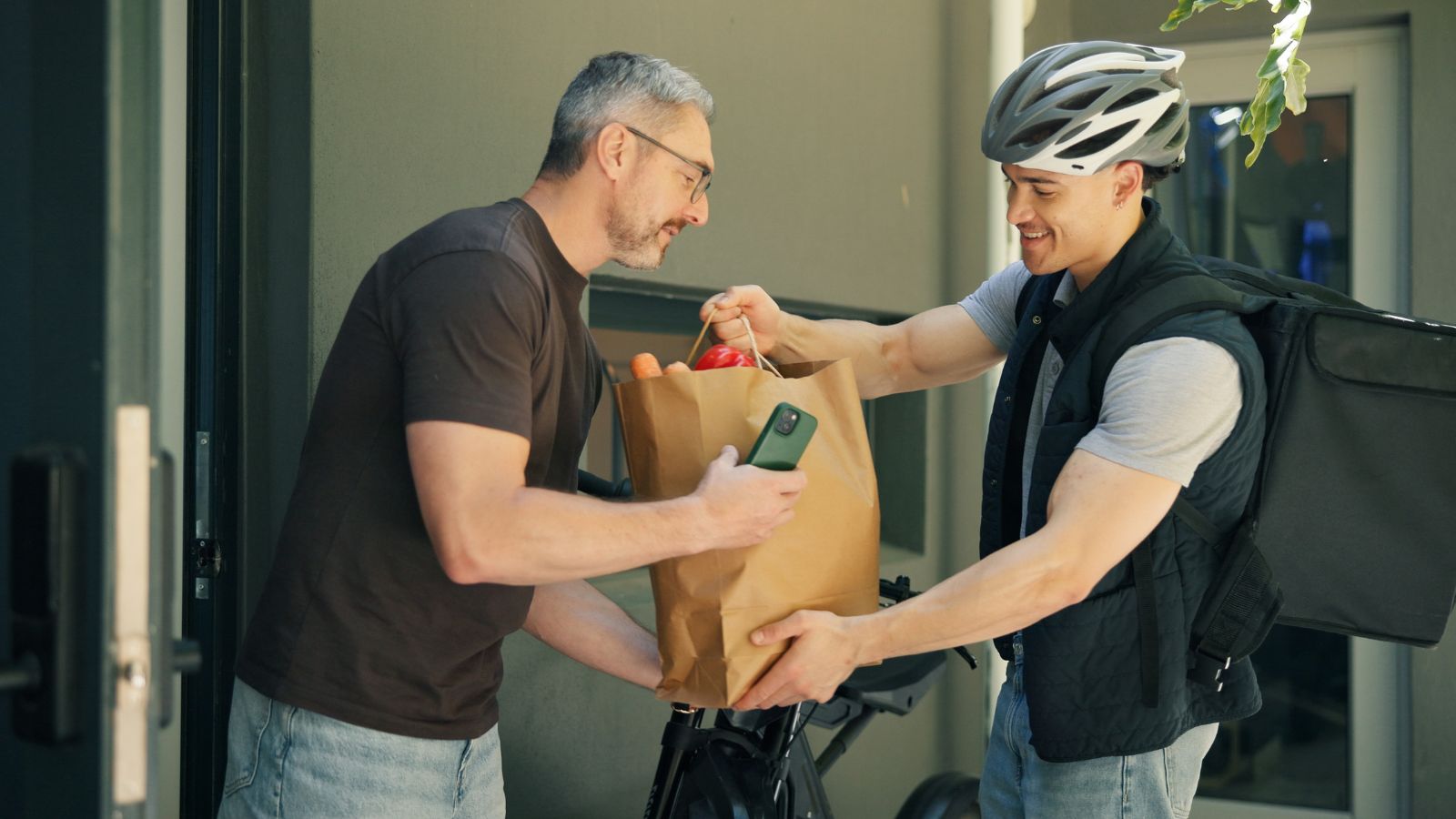
Food delivery apps turned convenience into a normal part of urban life, especially during busy workweeks. The problem is that the menu price is only the beginning. Delivery fees, service charges, small-order fees, higher in-app prices, taxes, and tips can turn a basic burger or noodle bowl into a surprisingly large expense. Canadians who compare the app total with the restaurant pickup price often find the gap hard to ignore.
This purchase feels less worth it because the value disappears fastest when the food arrives lukewarm, late, or smaller than expected. Delivery still makes sense for illness, bad weather, or packed schedules, but many households are returning to pickup, freezer meals, or quick pantry dinners. The convenience remains real, yet the premium increasingly feels like a luxury charge attached to an ordinary meal.
Premium Grocery Snacks

Chips, chocolate, protein bars, bakery treats, and “better-for-you” snacks are small enough to toss into a cart without much thought. The trouble is that snack prices have become more noticeable, especially when package sizes shrink or promotional pricing disappears. A few extras added to a weekly grocery run can quietly push the receipt far above expectations.
The disappointment often comes from how quickly these items vanish. A $6 bag of chips or $4 single-serve bar does not stretch like rice, eggs, oats, lentils, or frozen vegetables. Statistics Canada’s 2025 CPI review found grocery prices accelerated, while confectionery and coffee rose sharply. That kind of price movement makes indulgent grocery extras feel more like budget leaks than treats, especially for families trying to keep weekly food costs predictable.
Beef and Premium Meat Cuts

A steak dinner at home used to be the cheaper alternative to a steakhouse. For many Canadians, that comparison is no longer simple. Beef, premium roasts, specialty sausages, and prepared meat items can dominate a grocery bill, especially when feeding a family. Even shoppers who still buy meat are often shifting toward smaller portions, sale-only purchases, ground options, or more chicken, eggs, beans, and lentils.
This is not only about sticker shock. It is also about expectations. When a package of beef takes up a large share of the food budget, the meal has to feel special. Canada’s Food Price Report projected continued food-price pressure into 2026, and industry sources have pointed to tight North American cattle supplies as a factor behind high retail beef prices. That makes premium meat less of an everyday default and more of an occasional choice.
Fresh Produce That Spoils Quickly
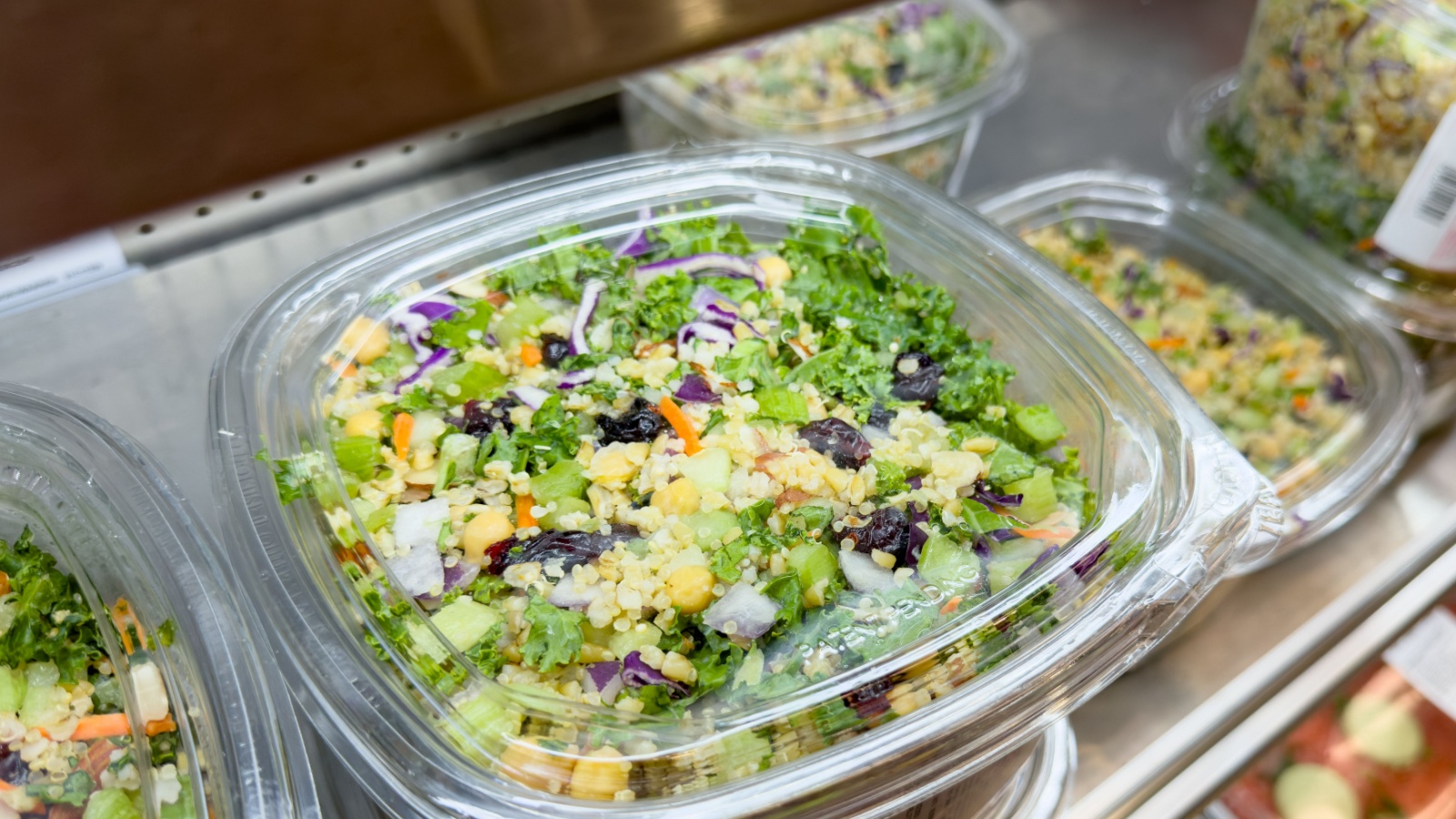
Fresh berries, salad kits, herbs, avocados, and delicate greens still look appealing in the grocery aisle, but many Canadians now pause before buying them. The issue is not only price; it is waste. If a clamshell of berries softens in two days or a bag of salad turns slimy before dinner plans happen, the purchase feels like money thrown away.
This is why frozen fruit, frozen vegetables, cabbage, carrots, apples, potatoes, and longer-lasting produce have gained practical appeal. They may not feel as exciting, but they reduce the risk of spoilage. Statistics Canada’s recent CPI reporting showed food prices continuing to pressure households, with fresh produce among categories that can swing noticeably. In a tighter budget, perishability matters more. The best value is no longer the prettiest item in the cart; it is the one that actually gets eaten.
Streaming Bundles

One streaming service can still feel affordable. Five or six subscriptions do not. Canadians who once treated streaming as the cheaper alternative to cable are now facing a bundle of monthly charges that looks increasingly familiar. Price increases, ad-supported tiers, password-sharing restrictions, sports add-ons, and platform fragmentation have made entertainment feel more complicated and less economical.
The frustration comes from paying more while watching less. A household may subscribe for one show, forget to cancel, then repeat the pattern across several platforms. Netflix increased Canadian prices in 2025, and similar industry moves have trained viewers to expect periodic hikes. Many Canadians are responding by rotating services: subscribing for a month, catching up, cancelling, and moving on. Streaming still offers convenience, but the “set it and forget it” era is losing its charm.
Cellphone Plan Upgrades

Canada’s wireless market has become more competitive in some ways, but many consumers still feel trapped by complicated plans and upgrade cycles. A phone plan may appear cheaper per gigabyte, yet the actual monthly bill can rise when a customer adds more data, device financing, roaming features, or premium plan tiers. The advertised deal and the real bill do not always feel like the same thing.
This purchase feels less worth it because many people do not use everything they pay for. A plan built around huge data allowances may be unnecessary for someone who spends most of the day on Wi-Fi. CRTC reporting showed mobile wireless prices for certain data plans falling between 2023 and 2024, but that does not automatically mean every household bill feels lower. Canadians are increasingly learning to audit plans rather than accepting upgrades as progress.
Convenience Store Drinks and Snacks

A bottled drink, candy bar, or single-serve snack from a gas station or corner store is rarely bought for value. It is bought because someone is tired, thirsty, late, or travelling. The problem is that convenience pricing has become harder to shrug off. A few impulse items can cost as much as several servings of the same product bought at a grocery store.
The emotional math has changed. Canadians may still make these purchases on road trips or during long shifts, but the habit feels weaker when grocery bills are already high. Convenience stores charge for location and speed, not just the product. That premium becomes more visible in a cost-of-living squeeze. Many households now keep water bottles, granola bars, or bulk snacks in cars and work bags — not because it is glamorous, but because the alternative feels wasteful.
Bottled Water

Bottled water is one of the simplest purchases to question. In many Canadian communities, tap water is safe, widely available, and far cheaper than buying disposable bottles. Yet bottled water remains common at events, gas stations, airports, gyms, and office lunches. The value problem becomes obvious when a single bottle costs more than an entire day’s worth of tap water.
The environmental concern adds another layer. Even when bottles are recyclable, the purchase involves packaging, transportation, and repeated disposal. For budget-conscious Canadians, reusable bottles have become both a cost saver and a practical habit. Bottled water still has a place during emergencies, boil-water advisories, travel disruptions, or remote work sites. As an everyday purchase, though, it increasingly feels like paying a premium for something many households already have at home.
Paper Towels and Disposable Cleaning Products

Paper towels, disinfecting wipes, disposable mop pads, and single-use cleaning products became especially common during the pandemic years. Many households kept the habit because these products are convenient. But once the price of household basics rose, disposable cleaning supplies began to look like an expensive way to throw money in the trash.
The value issue is repetition. A roll disappears, a wipes container empties, and the same purchase returns to the shopping list almost immediately. Reusable cloths, washable mop heads, concentrated cleaners, and old towels do not eliminate every need for disposables, but they reduce the frequency. For families trying to control recurring costs, the shift is practical rather than ideological. Disposable products still save time, but Canadians are increasingly asking whether that saved time is worth the steady drain.
Fast Fashion Basics

A cheap T-shirt or trendy sweater can still look like a bargain at checkout. The problem appears after a few washes, when seams twist, fabric pills, or the item loses shape. Canadians who are tired of replacing the same basics are starting to question whether low upfront prices really mean good value. A $15 shirt that lasts one season can be more expensive than a $35 one worn for years.
Clothing prices have not risen as dramatically as groceries in some recent CPI readings, but the value concern is about durability as much as inflation. Fast fashion also competes with thrift stores, resale platforms, and fewer-but-better wardrobes. The everyday purchase no longer feels worth it when it creates clutter, wears out quickly, or fails to match real life. More shoppers are learning that the cheapest item is not always the least expensive choice.
Beauty and Personal Care Extras

Basic personal care is not optional, but the category has expanded far beyond shampoo, soap, razors, and moisturizer. Serums, masks, salon treatments, premium deodorants, specialty hair products, and influencer-driven cosmetics can turn a routine into a recurring bill. Canadians are not necessarily abandoning these purchases; many are narrowing them down to what actually works.
The fatigue comes from disappointment. A product may promise smoother skin, stronger hair, or a cleaner routine, then sit half-used in a bathroom drawer. When grocery and housing costs rise, experimental beauty spending becomes easier to cut. Personal care still matters, but the era of buying every new product “just to try it” feels less defensible. Practical shoppers are comparing unit prices, waiting for sales, using fewer products, and sticking with reliable basics instead of chasing constant upgrades.
Event Tickets With Extra Fees

Concerts, sports games, comedy nights, and festivals still matter because experiences are memorable. But the checkout process has become a major source of irritation. The listed ticket price often looks manageable until service fees, facility charges, delivery fees, taxes, parking, transit, food, and drinks are added. A night out can double in cost before it even begins.
This is why many Canadians are becoming more selective about events. Instead of buying tickets casually, they weigh the full cost against free festivals, local performances, community events, or streaming the game at home. The purchase still feels worth it for a favourite artist or once-in-a-year experience. It feels less worth it when the fees make ordinary seats feel premium. The issue is not only affordability; it is the sense that the final price arrives too late.
Parking and Short Urban Car Trips
Driving a few kilometres across town can feel convenient until parking, fuel, insurance, maintenance, and traffic are considered together. In many Canadian cities, a short errand by car now carries hidden costs that go beyond gasoline. Paid parking, event pricing, residential permit limits, and downtown congestion can make a quick trip feel surprisingly inefficient.
Vehicle-related costs are especially sensitive because they are both frequent and unavoidable for many households. Statistics Canada’s March 2026 CPI data showed transportation prices rising year over year, and passenger vehicle insurance premiums were also higher. That makes discretionary car trips easier to question. Walking, transit, cycling, carpooling, or combining errands into one outing may not work everywhere, but where they do, Canadians are increasingly treating them as financial choices rather than lifestyle statements.
19 Things Canadians Don’t Realize the CRA Can See About Their Online Income

Earning money online feels simple and informal for many Canadians. Freelancing, selling products, and digital services often start as side projects. The problem appears at tax time. Many people underestimate how much information the CRA can access. Online platforms, banks, and payment processors create detailed records automatically. These records do not disappear once money hits an account. Small gaps in reporting add up quickly.
Here are 19 things Canadians don’t realize the CRA can see about their online income.
This Options Discord Chat is The Real Deal
While the internet is scoured with trading chat rooms, many of which even charge upwards of thousands of dollars to join, this smaller options trading discord chatroom is the real deal and actually providing valuable trade setups, education, and community without the noise and spam of the larger more expensive rooms. With a incredibly low-cost monthly fee, Options Trading Club (click here to see their reviews) requires an application to join ensuring that every member is dedicated and serious about taking their trading to the next level. If you are looking for a change in your trading strategies, then click here to apply for a membership.