
35,000+ smart investors are already getting financial news, market signals, and macro shifts in the economy that could impact their money next with our FREE weekly newsletter. Get ahead of what the crowd finds out too late. Click Here to Subscribe for FREE.
In a country where the national average home price was still about $663,828 in February 2026, affordability has become a moving target. Yet it has not disappeared. There are still places where housing feels tied to local reality instead of pure scarcity, speculation, or spillover from a bigger city down the highway.
These 16 Canadian towns stand out because they still combine relatively manageable housing with real economic substance. Some are industrial hubs. Some are regional service centres. Some are quietly benefiting from logistics, education, tourism, or resource-sector money. None feel “cheap” in the old sense anymore, and that is exactly the point. In markets like these, once more buyers notice the value, the gap usually closes faster than expected.
1. Chatham, Ontario
16 Canadian Towns That Still Feel Affordable — for Now
- 1. Chatham, Ontario
- 2. Sault Ste. Marie, Ontario
- 3. Timmins, Ontario
- 4. Cornwall, Ontario
- 5. North Bay, Ontario
- 6. Thunder Bay, Ontario
- 7. Trois-Rivières, Quebec
- 8. Drummondville, Quebec
- 9. Saguenay, Quebec
- 10. Moose Jaw, Saskatchewan
- 11. Prince Albert, Saskatchewan
- 12. Medicine Hat, Alberta
- 13. Lethbridge, Alberta
- 14. Prince George, British Columbia
- 15. Quesnel, British Columbia
- 16. Port Alberni, British Columbia
- 19 Things Canadians Don’t Realize the CRA Can See About Their Online Income

Chatham still feels like one of those Ontario markets that should cost more than it does. In February 2026, the average home price in Chatham-Kent was about $371,338, which is striking in a province where the average resale home price was just over $802,000. That kind of gap instantly puts it on the radar for buyers who have given up on Southern Ontario’s bigger centres but still want practical access to jobs, schools, and everyday services. The appeal is not fantasy either. Chatham-Kent has a serious agricultural and agri-food base, with more than 2,400 farms and a greenhouse footprint large enough to matter province-wide.
That economic backbone is what makes the town feel sturdier than a bargain market built on hope. Chatham is not selling a lifestyle dream first and figuring out the jobs later. It already has an industry story, and that matters. The risk for late buyers is that “still affordable” in Ontario tends to attract attention all at once. When a town offers detached-home math that is less painful, plus a real local economy, it rarely stays ignored forever. Chatham still has that overlooked, useful-town quality. Markets usually do not stay overlooked once usefulness starts looking like value.
2. Sault Ste. Marie, Ontario

Sault Ste. Marie remains one of the clearest examples of a town that still feels buyable in a province that increasingly does not. The local benchmark price was about $315,100 in September 2025, and the average sale price that month was roughly $310,811. Even more telling, CREA’s local data showed the tightest detached-home demand in early 2026 was concentrated in the $250,000 to $350,000 range. That says a lot about where real buyers still see value. In Ontario, that price band now feels almost historical, yet in the Soo it is still a live part of the market.
The town also has more economic substance than outsiders sometimes assume. Its economy still rests on steel, forestry, renewable energy, and manufacturing, while newer growth efforts are aimed at digital and advanced sectors. That mix gives Sault Ste. Marie a floor many cheaper places do not have. It is not a flashy market, and that may be part of the opportunity. Buyers often realize late that an affordable place with heavy industry, waterfront geography, and established employers can reprice faster than expected once confidence returns. It still feels accessible, but it does not feel stagnant.
3. Timmins, Ontario
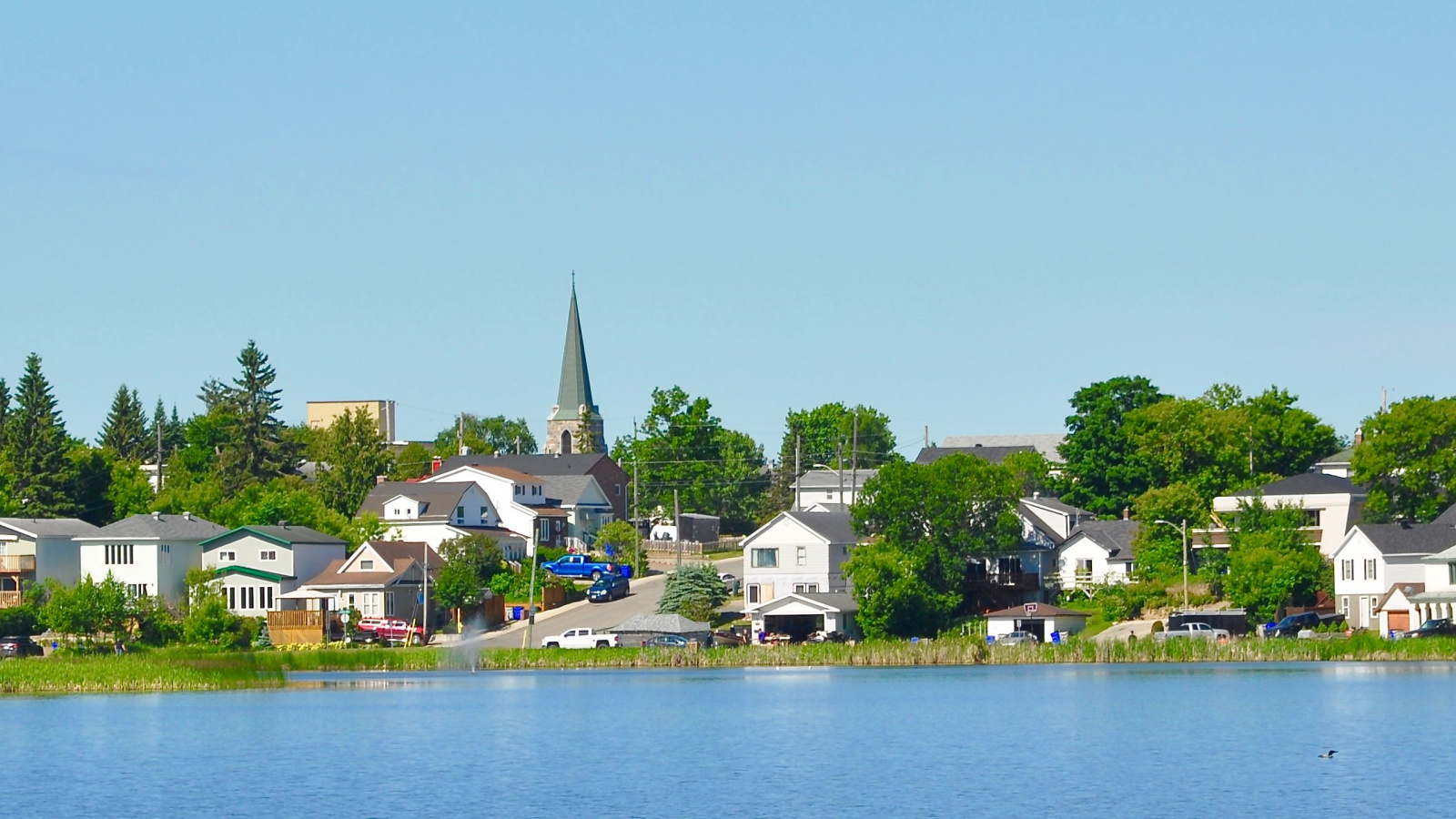
Timmins still offers something that has become rare in Canada: a town where homeownership can look possible without resorting to fantasy budgeting. In February 2026, the average home price was about $304,435. That number stands out not just because it is low by Ontario standards, but because it sits inside a city whose economy is tied to real production. Timmins openly describes itself as a resource-based economy, with mining and forestry as core drivers and service and tourism sectors adding breadth. That matters because affordability tends to be more durable when local income has an industrial base underneath it.
The “for now” angle is easy to understand here. Timmins is still inexpensive enough to be dismissed by buyers focused only on the south, but that kind of indifference is exactly what keeps value intact until it suddenly disappears. Places tied to mining and northern services are never completely sleepy; they move in cycles, and when sentiment improves, buyers rediscover them fast. Timmins does not offer polished marketing first. It offers wages, utility, and a housing market that still makes practical sense. In 2026, that combination is stronger than it sounds and rarer than many buyers realize.
4. Cornwall, Ontario

Cornwall is no longer the kind of place people mention only as a compromise. In February 2026, the average home price was about $513,713. That is not ultra-cheap, but it is still meaningfully below broader Ontario levels, and that gap matters in a province where affordability has become scarce. Cornwall also benefits from being a functional, well-established community rather than a speculative frontier. It has enough scale to feel complete, but it has not been repriced into absurdity. That creates a strange middle ground: affordable enough to tempt value-minded buyers, but established enough to avoid feeling like a gamble.
What gives Cornwall staying power is that it has long treated economic development as a serious local priority. Towns with organized business attraction, industrial land, and a logistics orientation often get re-evaluated once higher-priced nearby markets become exhausting. Cornwall fits that pattern. It is practical rather than glamorous, and that can be an advantage. The next wave of demand in Canada is not only chasing postcard towns. It is also chasing places where the numbers work and daily life is manageable. Cornwall still offers that balance, which is exactly why its affordability may prove temporary rather than permanent.
5. North Bay, Ontario

North Bay is one of those towns that quietly makes a strong case on fundamentals. In February 2026, the average home price was about $475,757, while the benchmark price was roughly $411,400. In Ontario, that still reads as refreshingly grounded. North Bay does not depend on a single story either. Its economic-development materials emphasize a diversified base that includes advanced manufacturing, mining supply and services, aviation and aerospace, education, health sciences, and information technology. When buyers look for smaller markets that can hold value without one employer determining everything, diversification like that becomes a real advantage.
It also helps that North Bay feels like a place with institutional depth. Aviation training, post-secondary presence, and health services all give it a steadier identity than many purely cyclical markets. The town’s affordability is not accidental; it is partly a result of being somewhat outside the loudest speculative spotlight. But that can change. Once a market offers a lower purchase price, decent services, and an economy that looks broader than expected, it tends to move from “underrated” to “noticed.” North Bay still has some room before that shift fully happens, but the window looks more open than unlimited.
6. Thunder Bay, Ontario

Thunder Bay still looks unusually affordable for a city that serves such a large regional role. In February 2026, the median sale price for a single-detached home was $377,500, and homes were moving faster than a year earlier. That is the kind of number that can make southern buyers do a double take. But Thunder Bay is not simply cheap because it is isolated. It is a real economic node. The Port of Thunder Bay remains a major trade asset, with world-class facilities, a large grain business, and hundreds of direct jobs tied to marine commerce. The city’s development focus also points to mining, forestry, manufacturing, and tourism.
That layered identity is what makes the market interesting. Thunder Bay can still feel affordable because it sits outside the emotional frenzy that drives southern pricing, yet it does not lack economic gravity. It anchors services, trade, and outdoor tourism in a way that gives it resilience. Markets with that kind of regional importance do not always stay discounted once more people begin comparing price to function. Thunder Bay still offers that mismatch. It can feel rugged, practical, and honest in a way that appeals to buyers who are tired of paying premium prices for less utility. That is usually how a re-rating begins.
7. Trois-Rivières, Quebec

Trois-Rivières keeps showing up in affordability conversations for good reason. Mid-2025 QPAREB data put the single-family median in the CMA at about $380,000, far below the Quebec provincial single-family median of $493,000. That alone makes it stand out. But the town is not surviving on low prices alone. It sits in a strategic corridor between Montréal and Québec City, and the Port of Trois-Rivières handles roughly 4 million metric tonnes of traffic annually while supporting thousands of jobs directly and indirectly. UQTR adds another stabilizing layer, giving the city a student, research, and institutional presence that many smaller markets would love to have.
That is why Trois-Rivières feels affordable rather than cheap. It has enough infrastructure and economic function to justify more attention than its prices have historically received. In Quebec, that kind of mismatch rarely stays in place forever, especially when the broader provincial market is still expected to remain under price pressure. Buyers priced out of larger centres tend to move outward in waves, and towns with ports, universities, and transport links are usually among the first to be re-evaluated. Trois-Rivières still offers room on the spreadsheet, but the ingredients for that room to shrink are already there.
8. Drummondville, Quebec

Drummondville may be one of the best examples in Quebec of a place whose value is rooted in geography and function. Mid-2025 QPAREB data put the CMA’s single-family median at about $390,000, still well below the provincial figure. That price is easier to understand once buyers look past the surface and notice the town’s logistics appeal. Drummondville sits at the junction of Highway 20 and Highway 55, with direct access toward Montréal, Québec City, the Mauricie region, the Eastern Townships, and the U.S. border. Local economic-development materials openly emphasize that transport advantage and the export activity it supports.
Towns like this rarely become fashionable first. They become expensive only after more buyers admit they are efficient. Drummondville has that efficient quality. It is a place where the housing market still feels connected to work, warehousing, manufacturing, and day-to-day livability instead of pure scarcity branding. That is exactly what can make it dangerous for procrastinators. Once a market has strong road links, a serious business base, and a price point well below the province’s most intense zones, it tends to attract buyers looking for rationality. Drummondville still feels rational. In 2026, rational is often the first stage before repricing.
9. Saguenay, Quebec

Saguenay still looks like a bargain when stacked against the economic importance sitting underneath it. Mid-2025 QPAREB data put the Saguenay CMA single-family median at about $339,000. That is remarkably low for a place with a genuine industrial identity. Promotion Saguenay describes the region as a major aluminum centre, with four smelters, almost one million metric tonnes of yearly output, and roughly 32 per cent of Canadian production. It is one of those markets where the affordability story makes more sense once it is seen less as a remote outlier and more as a specialized regional economy with serious productive capacity.
The reason it still feels affordable is partly psychological. Many buyers in Canada still have a narrow definition of what counts as a “destination” market, and Saguenay often sits outside it. But affordability does not last forever in towns with real industry, stable housing stock, and enough civic scale to function as self-contained places. Quebec’s broader affordability squeeze only adds to that possibility. Saguenay is still cheap enough to surprise people, but that surprise is part of the opportunity. Once more buyers notice the gap between its industrial heft and its housing prices, the market may stop feeling like a secret.
10. Moose Jaw, Saskatchewan
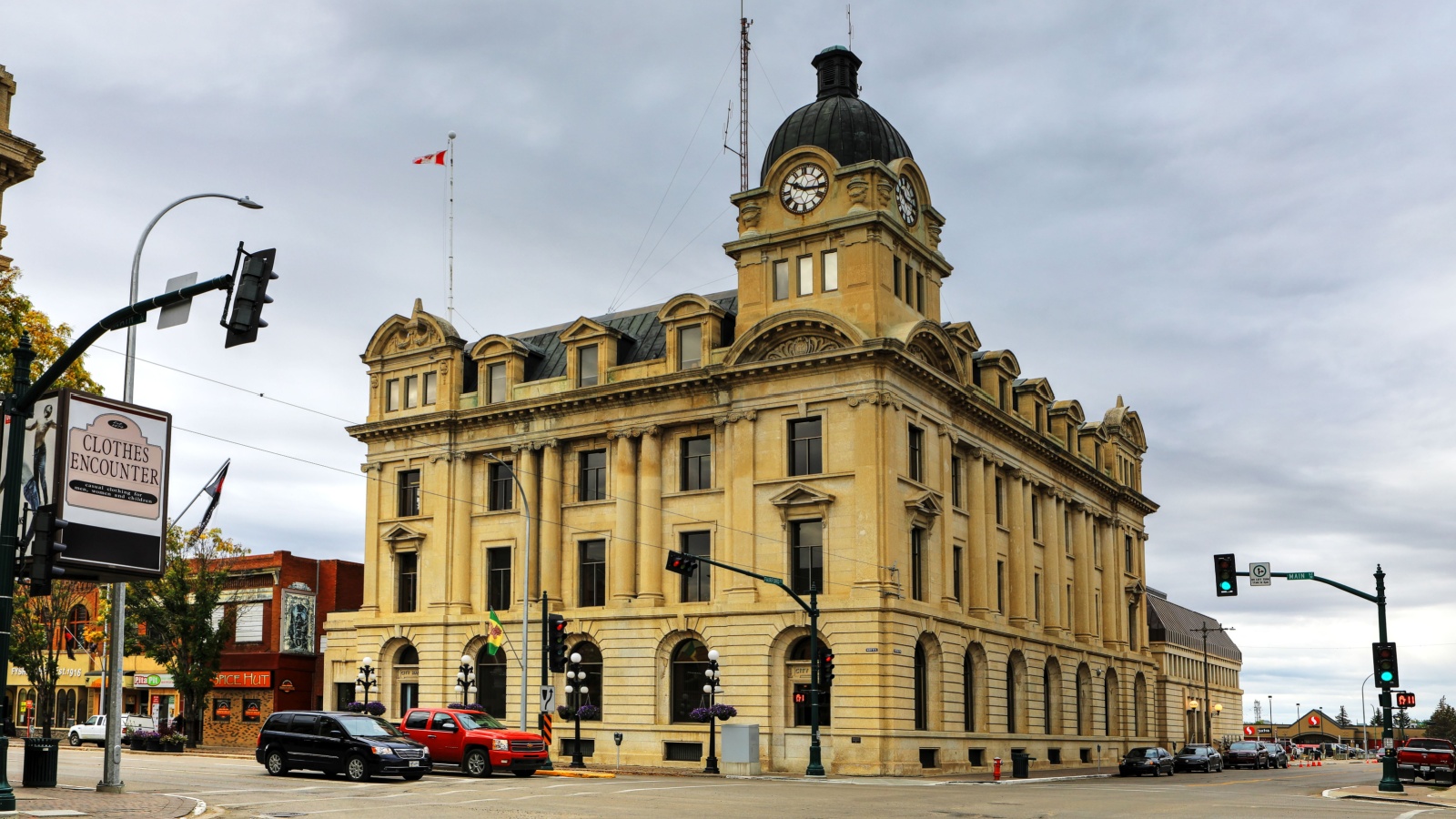
Moose Jaw still has the sort of pricing that makes the rest of the country pause. In February 2026, the residential benchmark price was about $284,300. That is the kind of number many Canadians now associate with a down payment, not a whole property market. Yet Moose Jaw is not just surviving on low costs. The city’s own economic-development materials say tourism contributes more than $77 million a year locally, and that gives the place a broader economic identity than its size might suggest. Its personality helps too: heritage streets, a known tourism brand, and a scale that still feels human.
That combination is why Moose Jaw feels affordable in a way that is emotionally appealing rather than merely mathematical. People are not only buying square footage; they are buying a version of life that feels slower and more legible. In Saskatchewan, though, low inventory has kept pushing pressure into markets that once felt permanently cheap. That matters. A town with sub-$300,000 pricing, recognizable character, and a functioning local economy does not have to become trendy to get materially more expensive. It just has to become visible. Moose Jaw still feels early enough for buyers to notice the value before the market fully absorbs it.
11. Prince Albert, Saskatchewan
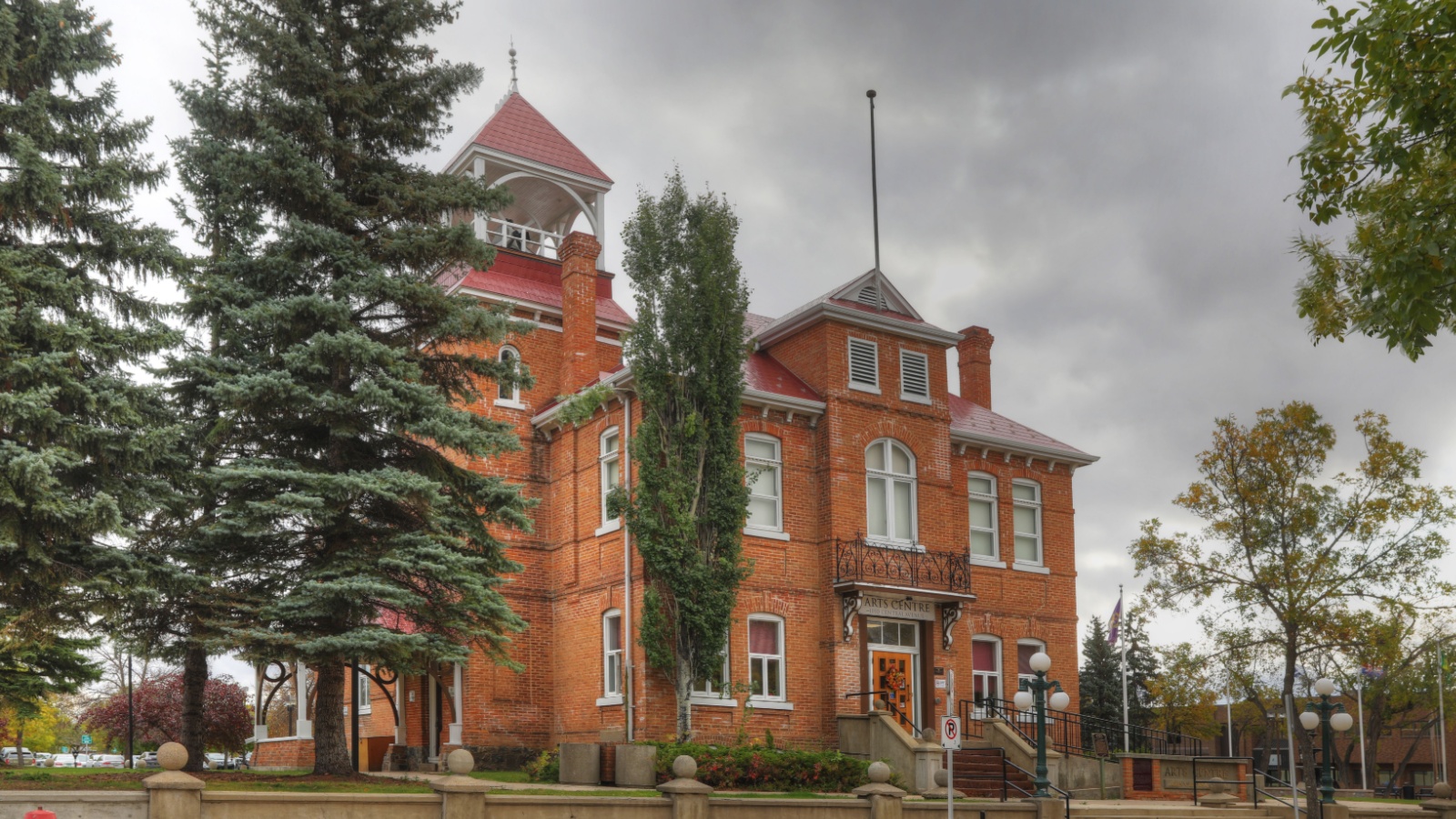
Prince Albert still looks unusually accessible given the amount of development talk surrounding it. In February 2026, the benchmark price was about $272,500, a year-over-year increase of 4.9 per cent. That is still very low by national standards, but the more interesting part is the city’s growth narrative. Official local materials point to more than $1 billion in upcoming development projects, including major civic and district investments. The city is also leaning harder into its identity as the northern hub of Saskatchewan, which matters because service-centre towns often hold more economic weight than their home prices initially suggest.
That makes Prince Albert the kind of market that can stay affordable longer than expected and then move faster than expected. Its price point still feels approachable, but the direction of travel is no longer ambiguous. When a community combines low benchmark pricing with major project spending and a strong regional role in health, education, transport, and government services, it stops being easy to dismiss. Prince Albert still has a “value market” label attached to it, but value markets tend to reprice once enough buyers recognize that they are also infrastructure markets. That recognition seems to be arriving more quickly now.
12. Medicine Hat, Alberta

Medicine Hat has long had a reputation for being practical, and the housing numbers still support that image. In January 2026, the city’s total residential average price was about $416,556, with detached homes averaging roughly $457,324. That remains a far more digestible entry point than what many Albertans now expect in larger markets. The city also has an unusually distinctive utility-and-industry identity. Medicine Hat’s economic-development messaging continues to stress manufacturing and industrial opportunity, while the city’s own history with natural gas reminds buyers that this is a place where energy, infrastructure, and business have been intertwined for generations.
That history gives the town a grounded feeling that many newer-growth markets lack. Medicine Hat does not rely on buzzwords to make the numbers work. It still offers comparatively attainable housing in a province that has been repricing fast, and it does so in a city with industrial depth instead of pure sprawl appeal. That is why the “for now” warning matters. Alberta buyers looking for relative value are already being forced farther down the map, and towns with real services and lower ticket prices tend to get discovered in sequence. Medicine Hat still feels like value. It no longer feels invisible.
13. Lethbridge, Alberta

Lethbridge is not the cheapest place on this list, but it still feels affordable relative to what it offers. Early-2026 reporting showed detached homes pushing toward the $500,000 mark, yet the city was still being described as more affordable than the provincial average. That matters because Lethbridge is not a fringe settlement. It has higher education, logistics relevance, and enough commercial weight to function as a real regional centre. Economic Development Lethbridge has been leaning into goods movement and growth opportunities, while the city’s ties to the University of Lethbridge reinforce the sense that it has more long-term institutional depth than the average mid-sized market.
The town’s appeal is that it already feels like a complete place. Buyers are not making a pure lifestyle bet or a raw land bet; they are buying into a city with services, employment anchors, and a broader southern-Alberta role. That usually puts a floor under values even when affordability starts to fade. Lethbridge may still feel reasonable compared with Calgary, but that relativity can narrow quickly. Once a market has a university, logistics relevance, and sub-big-city pricing, it tends to attract both end users and investors looking for the next obvious step down the ladder. Lethbridge increasingly fits that description.
14. Prince George, British Columbia

Prince George is one of the more compelling affordability stories in B.C. because it still combines relative value with real strategic importance. February 2026 reporting showed the city portion posting 72 unit sales with an average price of about $453,549. That is not cheap in an absolute sense, but in British Columbia it still looks surprisingly workable. The city itself describes Prince George as the catalyst for a thriving northern economy, and its economic-development materials frame it as a hub for roughly 70 per cent of B.C.’s land mass, with highway and rail connections that support transportation, logistics, industry, and resource-linked activity.
That kind of hub status matters because it changes how affordability should be read. Prince George is not just cheaper than the south because it is farther away. It is cheaper while still carrying disproportionate regional importance. Markets like that can stay underpriced for a long time, then suddenly catch up once enough buyers widen their search. In a province where affordability usually collapses first and explanation comes later, Prince George still offers a version of B.C. homeownership that feels grounded. The warning sign is simple: once “northern hub” and “still attainable” appear in the same sentence often enough, prices usually respond.
15. Quesnel, British Columbia
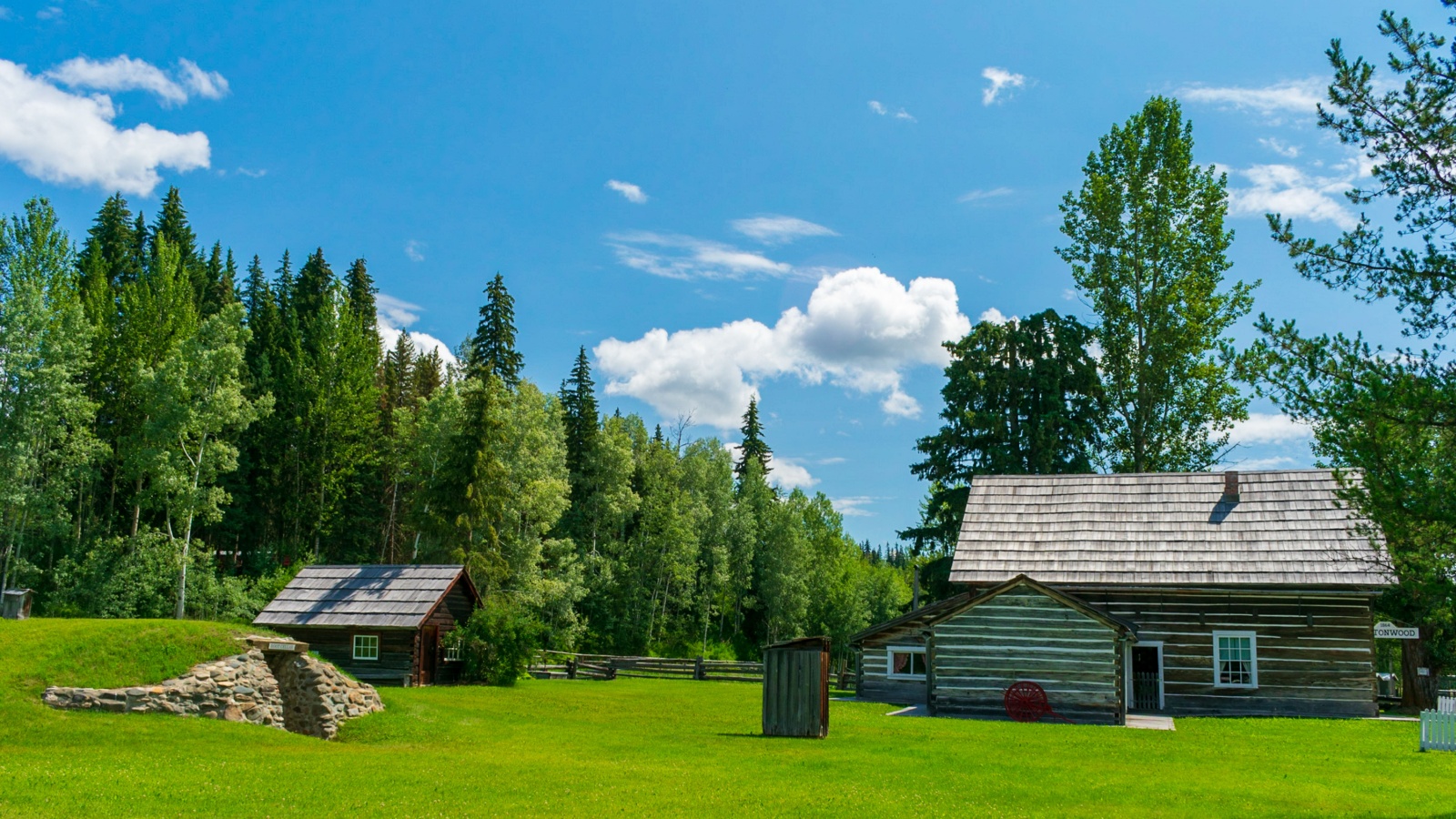
Quesnel still feels like one of those B.C. places where the affordability story is obvious before the market fully reflects it. BC Assessment figures reported locally at the start of 2026 showed a typical residential value of about $352,000 in the city, up 4 per cent from a year earlier. That is meaningful because Quesnel is not pretending to be something it is not. The city openly talks about forestry transition, local resilience, and home-grown solutions through its forestry initiatives and economic-development work. In other words, the value here is not built on hype. It is built on a town trying to strengthen itself while still offering prices many B.C. buyers can no longer find.
That combination makes Quesnel more interesting than a quick glance suggests. Buyers often overlook transition stories, but transition can create opportunity when the housing base is still relatively low and the community already has economic identity. Quesnel is still affordable enough to feel overlooked, yet not so fragile that it reads as purely speculative. It has the kind of pricing that invites first-time buyers, downsizers, and practical households who care more about ownership than cachet. Once that buyer pool expands, especially in a province starved for attainable options, even modest markets can tighten faster than expected. Quesnel still looks early in that process.
16. Port Alberni, British Columbia

Port Alberni may be one of the clearest “for now” markets on Vancouver Island. In January 2026, the benchmark price for a single-family home was about $504,400, down 3 per cent from a year earlier. On its own, that is not dirt cheap, but the comparison matters: at the same time, the VIREB board-wide benchmark for a single-family home was roughly $768,900. That gap is enormous on an island where affordability has been eroded almost everywhere. Port Alberni also has a proper economic-development push behind it, plus a community forest and an investment hub that frames the town as a place of projects rather than just scenery.
What makes Port Alberni feel especially time-sensitive is that it combines Island appeal with a discount that still looks visible on paper. Buyers priced out of east-coast Island markets do not need a perfect town; they need a plausible one. Port Alberni is more than plausible. It has industry, a working identity, and enough momentum that the value case is no longer hidden. Once a market offers Island geography at a materially lower entry price, the “discovery” phase can accelerate. Port Alberni still feels like one of the last places where buyers can talk themselves into waiting. That is usually when waiting starts getting expensive.
19 Things Canadians Don’t Realize the CRA Can See About Their Online Income

Earning money online feels simple and informal for many Canadians. Freelancing, selling products, and digital services often start as side projects. The problem appears at tax time. Many people underestimate how much information the CRA can access. Online platforms, banks, and payment processors create detailed records automatically. These records do not disappear once money hits an account. Small gaps in reporting add up quickly.
Here are 19 things Canadians don’t realize the CRA can see about their online income.
This Options Discord Chat is The Real Deal
While the internet is scoured with trading chat rooms, many of which even charge upwards of thousands of dollars to join, this smaller options trading discord chatroom is the real deal and actually providing valuable trade setups, education, and community without the noise and spam of the larger more expensive rooms. With a incredibly low-cost monthly fee, Options Trading Club (click here to see their reviews) requires an application to join ensuring that every member is dedicated and serious about taking their trading to the next level. If you are looking for a change in your trading strategies, then click here to apply for a membership.