
35,000+ smart investors are already getting financial news, market signals, and macro shifts in the economy that could impact their money next with our FREE weekly newsletter. Get ahead of what the crowd finds out too late. Click Here to Subscribe for FREE.
Oil shocks rarely stay confined to the gas pump. They travel through freight networks, food supply chains, petrochemical plants, delivery platforms, and airline balance sheets, quietly reshaping the price of ordinary habits. On March 18, 2026, the Bank of Canada warned that the Iran war was pushing oil prices sharply higher and would lift inflation in the short term. Even after a ceasefire-driven pullback on April 8, volatility remained the real story.
That is what makes this moment different from a normal cost-of-living squeeze. A purchase that seems small on its own can carry hidden exposure to fuel, plastics, shipping, packaging, fertilizer, or imported inputs. These 20 everyday purchases stand out because they are easy to normalize, easy to repeat, and much more vulnerable to an oil shock than they first appear.
1. Premium Gasoline for a Car That Only Needs Regular
20 Everyday Purchases Canadians Should Rethink During an Oil Shock
- 1. Premium Gasoline for a Car That Only Needs Regular
- 2. Drive-Thru Coffee Runs and Single-Errand Car Trips
- 3. Ride-Hail Trips That Replace a Short Walk or Quick Transit Ride
- 4. App-Delivered Takeout
- 5. Small-Basket Grocery Delivery Orders
- 6. One-Item Online Orders with Same-Day or Express Shipping
- 7. Weekend Bargain Flights
- 8. Bottled Water
- 9. Disposable Cups, Plates, Cutlery, and Other Single-Use Tableware
- 10. Individually Wrapped Snacks
- 11. Fast-Fashion Polyester Basics
- 12. Synthetic Activewear and Fleece Refreshes
- 13. Out-of-Season Berries, Citrus, and Other Imported Produce
- 14. Winter Greenhouse Vegetables
- 15. Lawn Fertilizer and “Just Because” Garden Feed
- 16. Disposable Cleaning Wipes
- 17. Disposable Diapers and Baby Wipes Bought on Autopilot
- 18. Plastic Storage Bins and Organization Hauls
- 19. Coffee Pods and Single-Serve Beverage Systems
- 20. Heavily Packaged Ready-Made Meals
- 19 Things Canadians Don’t Realize the CRA Can See About Their Online Income
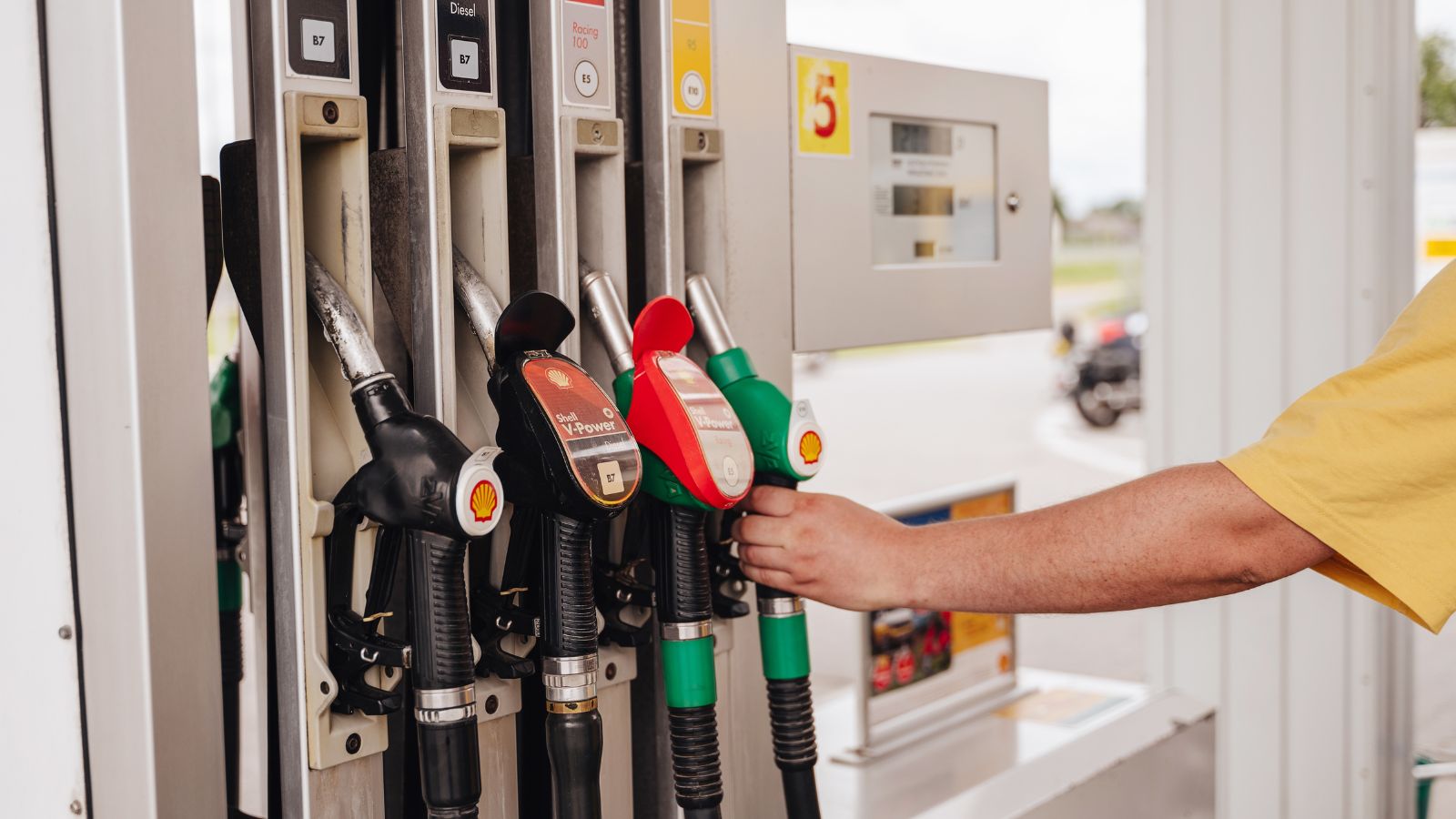
The easiest money leak during an oil shock is often sitting right at the pump. Many Canadians still reach for premium as if it were a general “better” fuel, even when their vehicle was built for regular. In reality, octane is about resisting engine knock, not delivering magical extra value to an engine that does not need it. When oil spikes, that misunderstanding becomes more expensive because the gap between fuel grades is no longer just annoying; it compounds every fill-up, every commute, and every weekend errand.
This is why owner’s manuals matter more than brand loyalty or pump marketing. For drivers of regular-fuel vehicles, paying extra for premium can become a quiet monthly penalty disguised as caution. During a shock, the smarter move is not to cheap out recklessly, but to be precise. If the vehicle requires premium, use it. If it merely recommends it, weigh the trade-off honestly. If it was designed for regular, there is usually no point turning a routine fill-up into a luxury purchase.
2. Drive-Thru Coffee Runs and Single-Errand Car Trips
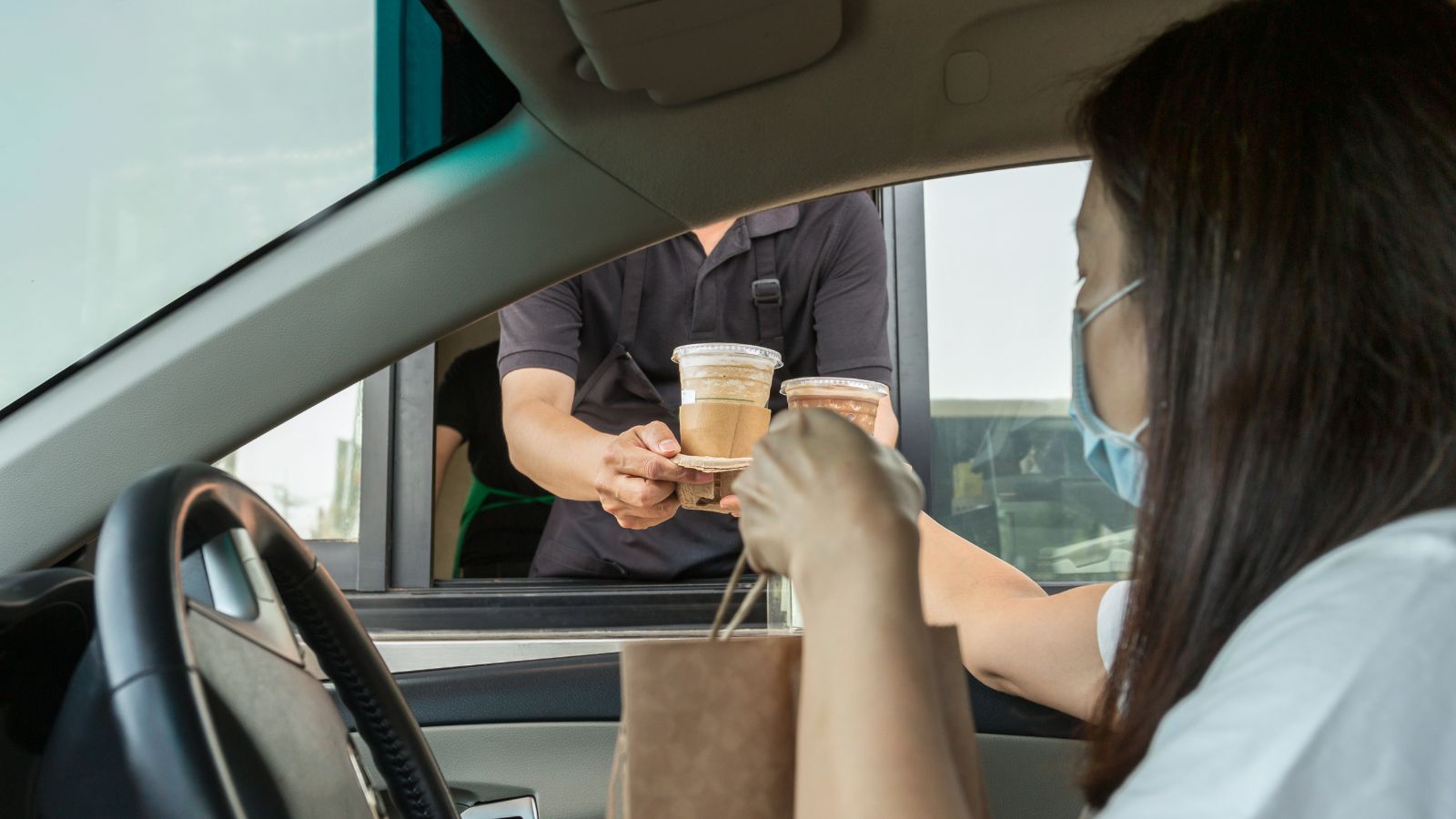
A cheap coffee can become a surprisingly expensive ritual when it is attached to a cold engine, an idling line, and a dedicated car trip. The drink itself may cost a few dollars, but the real bill includes fuel burned getting there, fuel wasted waiting, and the habit of repeating the loop day after day. That matters more in Canada because short trips are exactly the kind of driving pattern that squeezes the least efficiency out of a vehicle. During an oil shock, the coffee is not the biggest problem; the routine built around it is.
There is also a second hit: the drink itself may already be getting pricier. Coffee prices in Canada climbed sharply in 2025, which means the “little treat” is being pressured from both ends—commodity costs and transportation costs. One practical rethink is not giving it up entirely, but bundling it into a trip that was happening anyway, or switching some weekday runs to home brew. That feels less dramatic than a budget cleanse, but in a volatile oil market, boring efficiency is often what saves the most money.
3. Ride-Hail Trips That Replace a Short Walk or Quick Transit Ride

Ride-hailing is built on convenience, which makes it especially easy to underestimate during a fuel shock. A short trip across town can feel harmless when it is booked in seconds, but the underlying cost structure is deeply tied to gasoline, driver economics, and platform pricing. Canadians have already seen the playbook before: when fuel spikes hard enough, ride-share companies can add surcharges or adjust incentives to keep drivers on the road. That makes the casual five-minute ride more vulnerable than it looks.
The issue is not that every ride should disappear. A late-night trip, airport run, or safety-driven booking can still make perfect sense. The rethink is about all the trips that quietly moved from occasional to automatic: hopping two kilometres because it is raining, ordering a ride because parking feels annoying, or using an app for distance that would once have been walked. During an oil shock, those habits become less like convenience and more like premium-priced mobility. The shortest trips often deserve the hardest second look.
4. App-Delivered Takeout
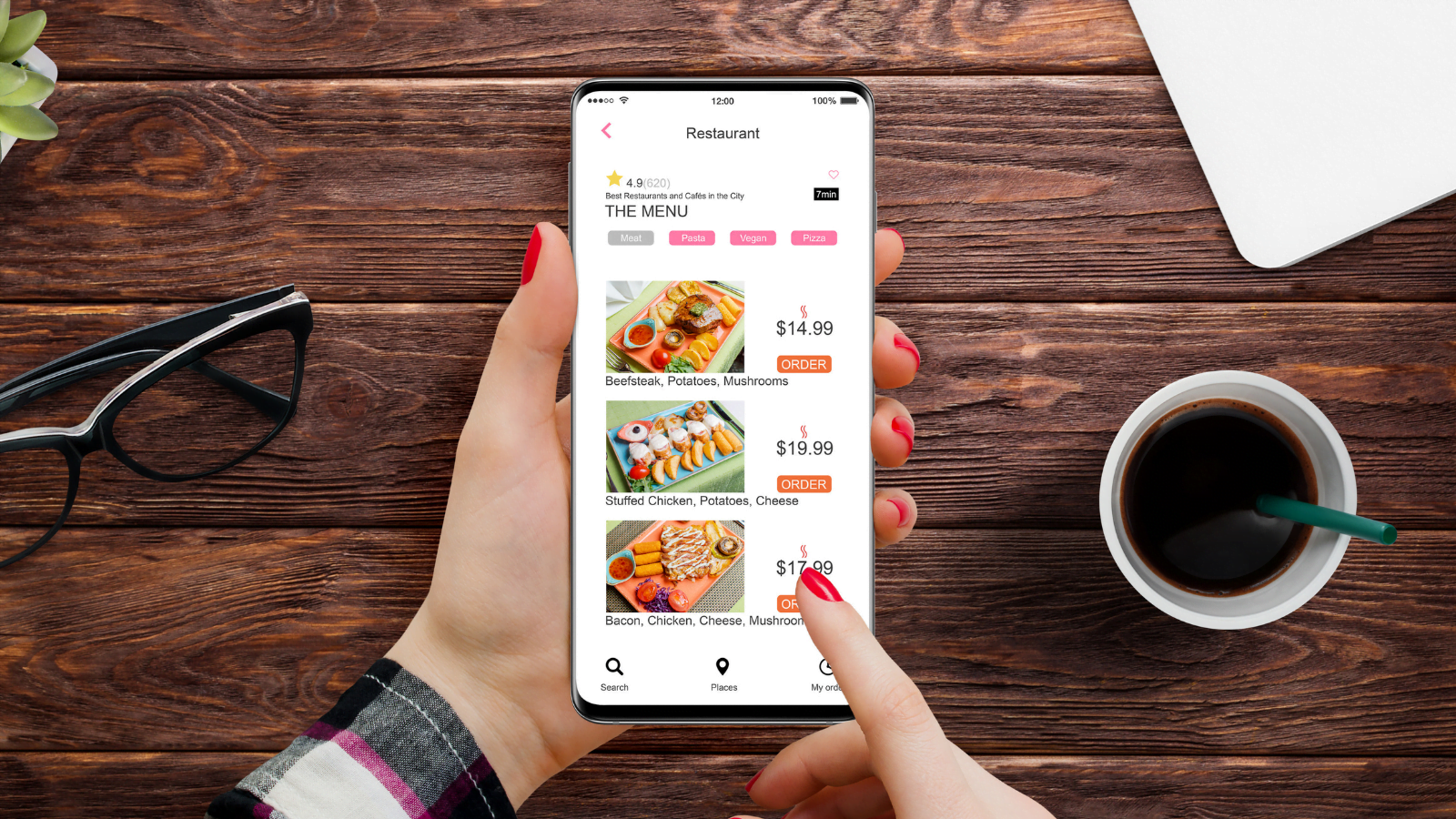
Food delivery apps shine when time is tight, but they become much less charming when oil is expensive. A delivered meal is not just dinner. It is restaurant preparation, app commission, packaging, courier time, and transportation layered into one transaction. Fuel is not the only variable, but it is one of the most sensitive. Delivery companies have responded to high gas prices before with rider-facing surcharges or driver relief programs, which is a reminder that somebody in the chain must absorb the extra cost eventually.
That is why a delivered burger can feel strangely extravagant during an oil shock even if the menu price looks manageable. The food may still be worth it for a busy Friday or a chaotic family evening, but routine use is where the numbers become slippery. A household that replaces two or three app orders a week with pickup, planned leftovers, or one larger family order often cuts more cost than expected without feeling deprived. In periods of energy stress, paying for cooked food is one thing; paying separately for convenience, distance, and fragmentation is another.
5. Small-Basket Grocery Delivery Orders
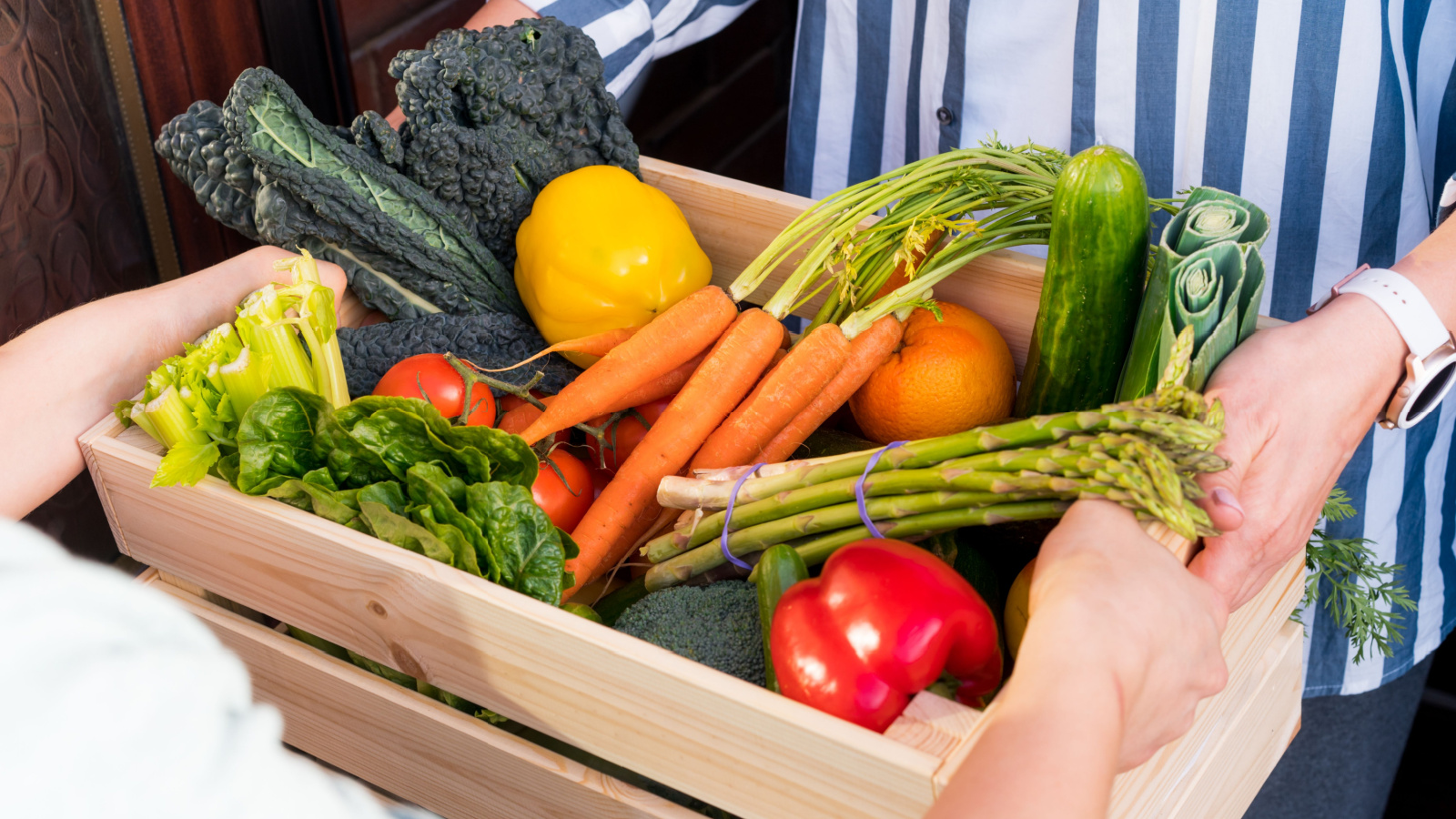
Grocery delivery feels efficient on paper, but tiny orders can become one of the worst-value purchases in a volatile fuel environment. The reason is simple: fixed costs do not shrink just because the basket does. A dozen items, one forgotten ingredient, or a late-night refill still requires a vehicle, a picker, a route, and often temperature-controlled handling for perishables. When fuel costs rise, those logistics become more expensive whether the order is worth $30 or $130.
This does not mean grocery delivery is always a bad call. It can be genuinely useful for new parents, seniors, households without easy car access, or people trying to avoid impulse buying. The rethink is about the order pattern. One larger, intentional weekly order is very different from multiple convenience-driven top-ups. Canadians are already contending with a food bill that remains a major affordability pressure, so letting logistics fees piggyback onto every missing carton of milk is a costly habit. During an oil shock, the best grocery delivery order is usually the one big enough to justify the trip.
6. One-Item Online Orders with Same-Day or Express Shipping

Express shipping feels invisible because it is marketed as effortless. In reality, it is one of the clearest ways fuel stress works its way into household spending. Couriers in Canada openly adjust fuel surcharges based on diesel prices, and large logistics networks have already moved to pass rising fuel costs through the system. That means the random charger cable, replacement dish brush, or low-cost kitchen gadget bought on impulse can carry a delivery structure that is suddenly much more expensive behind the scenes.
This is where people confuse price with value. An item can be cheap and still be inefficient to buy. During an oil shock, the smarter habit is consolidation: fewer boxes, fewer rushed shipments, and fewer purchases that are worth less than the logistics wrapped around them. The era of treating every small household need like an emergency tends to look less rational when delivery networks are adding fuel-related costs. Convenience still has value, but buying a $12 item as if it deserves a mini supply chain of its own is the kind of habit that ages badly in a volatile energy market.
7. Weekend Bargain Flights

Cheap flights are often the first travel purchase people defend and the first one that becomes less cheap when fuel moves sharply. Airlines can sometimes shield passengers for a while, but jet fuel is too large a cost line to ignore for long. When fuel prices surge, carriers tend to react through higher fares, baggage fees, route cuts, or lower promotional intensity. In other words, the weekend escape that looked like a steal can get repriced in ways that make the headline fare misleading.
That does not make all air travel irresponsible or unnecessary. It means short, discretionary trips deserve a different lens when oil is unstable. The more optional the trip, the more reasonable it is to ask whether the same money would go further on a closer destination, a longer stay, or a trip booked once markets calm down. Fuel shocks punish spontaneity first. The household that treats air travel as a planned experience rather than an impulsive add-on usually protects its budget better, especially when airlines are clearly searching for ways to recover higher fuel costs.
8. Bottled Water

Bottled water looks harmless because it is so familiar. But during an oil shock, it becomes a classic example of paying repeatedly for packaging, transport, and habit. The bottle itself is petrochemical-heavy, the product is bulky to move relative to its value, and the convenience premium can feel absurd once fuel and freight costs start rippling through prices. For something that is often available from the tap or through a reusable bottle system, the hidden exposure is hard to justify.
This is one reason reusable bottles became so mainstream in Canada. They are not a fringe sustainability gesture anymore; they are basic household efficiency. In a fuel-sensitive economy, that matters. A case of bottled water is easy to toss into a cart without thinking, but repeated purchases can add up fast while offering little extra utility for most households. For families, commuters, and parents packing school bags, the smarter move is often not a dramatic lifestyle overhaul, just fewer emergency packs and a better refill routine. Oil shocks have a way of revealing which “small” purchases were never that sensible to begin with.
9. Disposable Cups, Plates, Cutlery, and Other Single-Use Tableware

Single-use tableware is one of those categories that feels cheap until the full pattern becomes visible. Each purchase combines plastic or coated materials, manufacturing, shipping, and a product life that may last only minutes. During an oil shock, that short life cycle becomes harder to defend because the item was always a convenience product, not a durable one. When households keep rebuying the same throwaway supplies for casual meals, kids’ snacks, quick office lunches, or low-effort entertaining, they are effectively paying a premium for repetition.
Canada has already been moving against some single-use plastic categories, which says something important about where this spending pattern sits in the broader economy. Even without a moral lecture, the budget case is strong. Real plates, travel mugs, and basic cutlery sets do not look exciting, but they get cheaper with every reuse while single-use options get more expensive every time oil, freight, or packaging costs jump. During an oil shock, disposable tableware stops looking like convenience and starts looking like paying retail for avoidable waste.
10. Individually Wrapped Snacks

Individually wrapped snacks can be a stealth budget killer in calm times and an even worse one during an oil shock. The reason is not just the food inside. It is the packaging density, the processing, the branding, and the transport cost spread across lots of tiny units. A family may not notice much difference between a value box of snack packs and a larger-format alternative until fuel and freight start biting. Then the premium for portioned convenience becomes much easier to spot.
This category matters because packaged food is enormous in Canada, and convenience has become a business model of its own. Snack packs appeal to busy households, school lunches, and people trying to stay organized, but they often cost more per serving even before energy volatility enters the picture. During an oil shock, that mark-up is tougher to ignore. A larger bag, a refillable container, or simple home-portioned snacks often do more for a budget than the usual coupon hunting. What looks like a modest pantry decision is often really a decision about how much to pay for packaging and distribution.
11. Fast-Fashion Polyester Basics
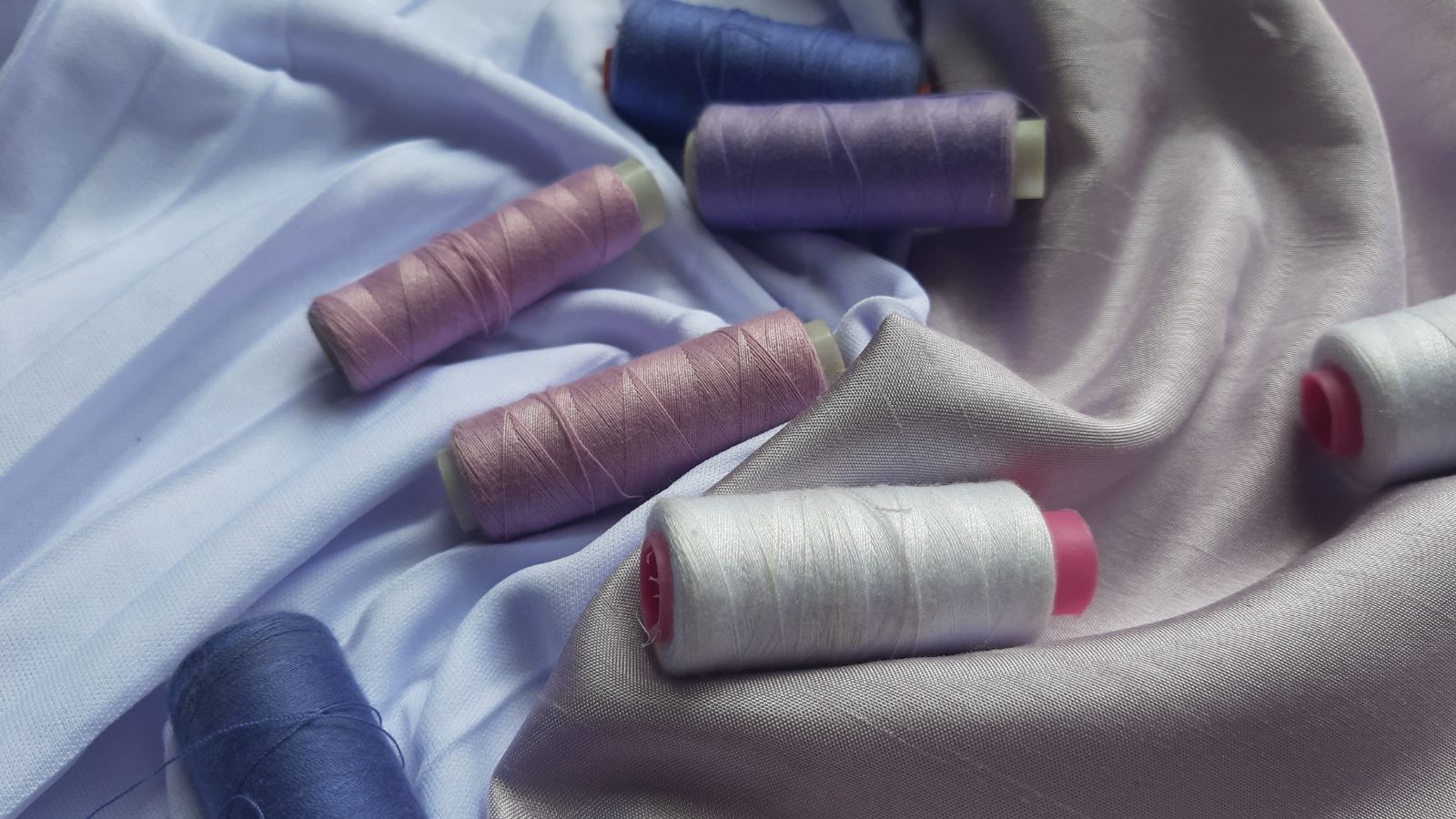
Fast fashion is especially vulnerable during oil shocks because so much of modern clothing is tied directly to petrochemicals. Polyester, acrylic, and nylon helped make fashion cheaper and more disposable, but that affordability rests on raw materials and supply chains that become more fragile when energy prices jump. The problem is not only environmental; it is financial. A $19 shirt that pills quickly, loses shape, and needs replacing in a few months becomes a poor buy when production and shipping costs are rising at the same time.
That is why oil shocks tend to expose the weakness of “cheap enough” wardrobes. Canadians do not need to dress like minimalists to spend better. They simply need to be more selective about what is actually worth bringing home. A smaller number of durable, repeat-wear items often performs far better than a stream of trend-led pieces that feel affordable only at checkout. When more than half of clothing material is plastic, a disruption in energy markets does not stay abstract for long. It eventually shows up in the closet as lower value and faster regret.
12. Synthetic Activewear and Fleece Refreshes

Athleisure has become an everyday uniform in Canada, which makes it easy to forget how exposed the category is to both petrochemical inputs and replacement culture. Leggings, training tops, fleece layers, and performance jackets often rely on synthetic fibres prized for stretch, moisture management, and softness. During an oil shock, that means the category is vulnerable not just because of shipping and retail markups, but because its core materials are linked to the same energy system under stress.
The better approach is not abandoning synthetic performance gear altogether. Good outerwear and technical basics can earn their place. The rethink is about frequency. Refreshing an already functional activewear drawer because a new colour dropped or a discount appeared is very different from replacing genuinely worn-out essentials. This is also a category where cost-per-wear matters more than trend appeal. In an oil shock, the smart shopper usually becomes slightly less experimental and slightly more boring: fewer impulse fleece pulls, fewer duplicate black leggings, and a stronger bias toward pieces that will still make sense next winter.
13. Out-of-Season Berries, Citrus, and Other Imported Produce

Fresh produce is one of the hardest categories to resist because it carries a health halo and feels non-negotiable. But not all produce is equally exposed during an oil shock. Out-of-season berries, imported citrus, avocados, and fragile leafy items often depend on long transport chains, refrigerated handling, and international supply links that become more expensive when fuel markets get shaky. In Canada, that matters a lot because a large share of fruit and a substantial share of vegetables are imported.
This is where rethinking does not mean deprivation; it means timing. Swapping imported raspberries for frozen berries, leaning into in-season apples and root vegetables, or buying Canadian greenhouse alternatives when sensible can reduce the sting without turning meals bleak. It also protects households from the emotional frustration of paying top dollar for produce that travelled far and still spoils quickly. During an oil shock, imported produce often becomes a category where shoppers feel price increases immediately but still buy out of habit. A little flexibility here can deliver outsized savings.
14. Winter Greenhouse Vegetables
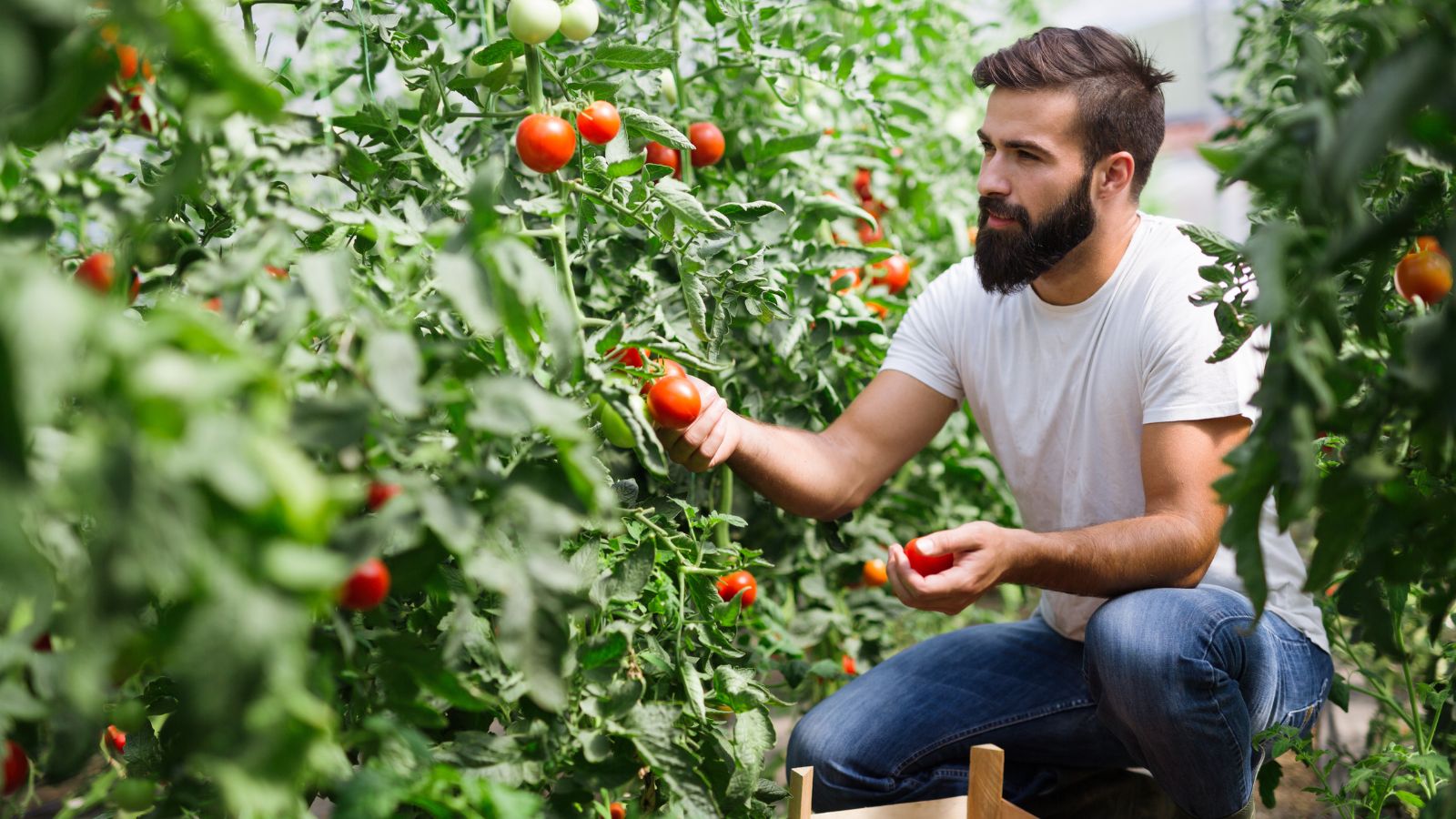
Greenhouse vegetables sound like the perfect compromise: fresh, often domestic, and available even when Canadian weather is not cooperating. But winter greenhouse production carries meaningful energy exposure, especially where lighting, heating, and climate control are involved. That does not make greenhouse cucumbers or tomatoes a bad purchase. It simply means they are not automatically the low-cost choice people assume, particularly during an energy shock that pushes up natural gas and electricity-related pressures.
For Canadians, this category is worth watching because year-round growing has expanded dramatically and brought real benefits to food supply. Still, the economics are complex. Lit greenhouses consume far more electricity than unlit ones, and energy costs for operators have risen meaningfully over time. In a normal market, households may shrug and pay for the convenience of summer-style salads in February. During an oil shock, though, it becomes reasonable to rotate toward less energy-intensive seasonal produce more often. Freshness still matters, but so does understanding what it took to produce that January tomato.
15. Lawn Fertilizer and “Just Because” Garden Feed

Lawn fertilizer often feels like a tiny seasonal buy, but it sits closer to the energy complex than most consumers realize. Nitrogen fertilizer begins with ammonia, and ammonia production depends heavily on fossil-fuel-based inputs. That is one reason fertilizer pricing can become more sensitive when the broader energy system is stressed. For households, the point is not that all fertilizer should vanish. It is that purely cosmetic or over-frequent applications start to look less sensible when the product itself is tied to energy-intensive chemistry.
This is especially true for suburban spending habits where “keeping the lawn perfect” can quietly absorb far more money than expected. During an oil shock, a more deliberate approach tends to win: fertilize when there is a real agronomic reason, skip the vanity application, and avoid buying oversized bags just because they are on sale. Gardens that produce food may justify inputs differently than front lawns do. When energy prices are noisy, purchases tied to aesthetics rather than necessity deserve sharper scrutiny, and lawn care is one of the clearest examples.
16. Disposable Cleaning Wipes
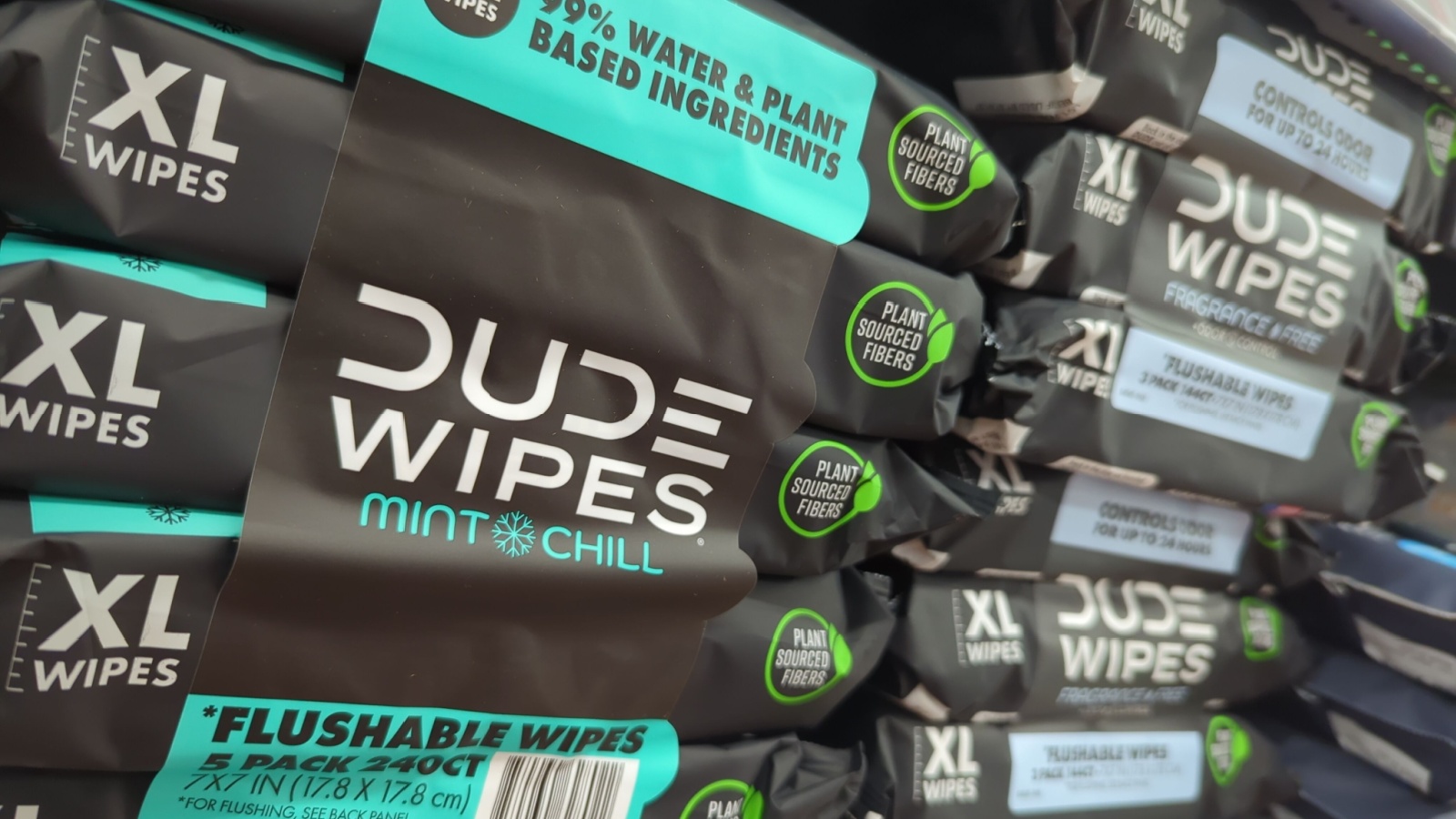
Disposable wipes promise speed, which is exactly why they multiply in household budgets. A canister on the counter, one in the car, one in the diaper bag, one under the sink—it all feels practical until the category becomes permanent. During an oil shock, wipes become an easy place to save because they combine petrochemical materials, single-use design, and repeated repurchasing. They are also a weak-value substitute for many jobs a cloth and cleaner can handle just as well.
There is also a hidden downside beyond price: many wipes contain plastics that can become part of the waste and pollution problem after use. That makes them doubly inefficient in a volatile energy environment. The better strategy is not purity, but triage. Keep wipes for genuinely messy, time-sensitive, or travel-heavy situations. Use refills, rags, spray bottles, and washable cloths for the rest. Households that do this usually do not feel any major sacrifice. What they notice instead is that convenience had been charging a premium all along.
17. Disposable Diapers and Baby Wipes Bought on Autopilot

Parents of young children do not need lectures about diapers; they need realism. Disposable diapers and wipes are often essential for convenience, hygiene, sleep, and sanity. But during an oil shock, they are still worth rethinking because they are heavily recurring purchases that rely on polymer-based materials and packaging. The issue is not whether families should suddenly switch everything. It is whether the category is being bought thoughtfully or just restocked reflexively in whatever format is easiest.
That distinction matters. Bulk timing, sale cycles, mixed-use routines, and avoiding unnecessary wipe use can all reduce the hit without making life harder. Some families also find that reserving premium-brand diapers for nights and using more economical options during the day improves overall value. In a category this repetitive, small changes matter. Oil shocks do not only punish luxuries. They also magnify recurring essentials, which is why a practical family budget often improves more from better diaper strategy than from obsessing over occasional splurges.
18. Plastic Storage Bins and Organization Hauls

Organization shopping feels productive, which is why it can become oddly resistant to scrutiny. But a haul of matching storage bins, drawer inserts, plastic caddies, labels, hooks, and acrylic organizers is still a haul of petrochemical-heavy goods, many of which solve problems that were never truly urgent. During an oil shock, this category deserves a harder look because it sits at the intersection of plastics, retail markup, and shipping-heavy household goods.
What often happens is that people mistake organizing for simplifying. A pantry reset or garage refresh can generate a cart full of new plastic instead of a cleaner system built from what is already on hand. During stable times, that might just be mildly wasteful. During an oil shock, it becomes expensive theatre. The smarter version of organizing is slower and less aesthetic: declutter first, buy only the missing pieces, and choose sturdier items that will survive several moves or seasons. The goal is not to reject tidy homes; it is to stop treating every storage project like a shopping event.
19. Coffee Pods and Single-Serve Beverage Systems

Single-serve coffee systems win on speed, but they often lose on cost once the full picture is considered. Pods combine convenience with packaging complexity, and municipal systems have long struggled with how to manage them cleanly. During an oil shock, that friction becomes even harder to justify because Canadians are not just paying for the coffee; they are paying for the pod, the materials mix, the distribution, and a format built around individual servings.
This category is even more exposed right now because coffee itself has already become more expensive. That means the pod premium lands on top of a beverage that is already under price pressure. For heavy coffee drinkers, the difference between a pod habit and ground coffee can become meaningful over a month, not just a year. The pragmatic rethink is not necessarily throwing out the machine. It is using it more selectively—busy mornings, guest visits, travel use—while shifting more routine cups to methods that generate less packaging cost and less waste.
20. Heavily Packaged Ready-Made Meals

Prepared meals thrive when people are tired, stretched, and willing to pay for saved time. That is why they can become so sticky in household spending. But during an oil shock, ready-made meals often carry multiple cost pressures at once: packaging, processing, refrigeration, trucking, and in some cases imported ingredients. A chilled soup, frozen entrée, or heat-and-eat bowl may still be useful, but it is also one of the clearest examples of paying a premium for a fully assembled supply chain.
This category is easiest to overspend on when households feel too busy to plan. Ironically, that is also when the bills start mounting the fastest. The better answer is rarely to ban convenience meals outright. It is to become choosier: use them as backup, not default; buy the ones that genuinely replace a restaurant order; and avoid treating every tired evening as a reason to outsource cooking entirely. During an oil shock, the households that stay flexible—simple ingredients most days, convenience when it truly earns its keep—usually come through with the strongest budgets and the least resentment.
19 Things Canadians Don’t Realize the CRA Can See About Their Online Income

Earning money online feels simple and informal for many Canadians. Freelancing, selling products, and digital services often start as side projects. The problem appears at tax time. Many people underestimate how much information the CRA can access. Online platforms, banks, and payment processors create detailed records automatically. These records do not disappear once money hits an account. Small gaps in reporting add up quickly.
Here are 19 things Canadians don’t realize the CRA can see about their online income.
This Options Discord Chat is The Real Deal
While the internet is scoured with trading chat rooms, many of which even charge upwards of thousands of dollars to join, this smaller options trading discord chatroom is the real deal and actually providing valuable trade setups, education, and community without the noise and spam of the larger more expensive rooms. With a incredibly low-cost monthly fee, Options Trading Club (click here to see their reviews) requires an application to join ensuring that every member is dedicated and serious about taking their trading to the next level. If you are looking for a change in your trading strategies, then click here to apply for a membership.