
35,000+ smart investors are already getting financial news, market signals, and macro shifts in the economy that could impact their money next with our FREE weekly newsletter. Get ahead of what the crowd finds out too late. Click Here to Subscribe for FREE.
Oil does not stay neatly inside the gas pump. When crude climbs, it starts pushing on household budgets through commuting, grocery runs, flights, delivery fees, and even some home-heating bills. In early April 2026, global oil markets were jolted higher by supply fears tied to conflict around the Strait of Hormuz, adding fresh pressure to fuel-sensitive spending across Canada.
That makes this less about panic and more about discipline. The smartest response is not to slash essentials blindly, but to trim the habits and purchases that quietly become expensive when energy costs rise. Here are 20 practical places Canadians can cut back without making daily life feel stripped down.
1. Non-Essential Driving
20 Smart Things Canadians Should Cut Back on If Oil Prices Keep Rising
- 1. Non-Essential Driving
- 2. Solo Commuting Every Single Day
- 3. Running Errands One by One
- 4. Very Short Car Trips
- 5. Drive-Thru Runs and Curbside Waiting
- 6. Long Idling and Overusing Remote Start
- 7. Speeding and Hard Acceleration
- 8. Premium Fuel for Cars That Do Not Need It
- 9. Running the Car’s A/C Harder Than Necessary
- 10. Leaving Roof Racks and Cargo Boxes On Full-Time
- 11. Carrying Extra Weight in the Vehicle
- 12. Ignoring Tire Pressure
- 13. Delaying Basic Maintenance
- 14. Using the Largest Household Vehicle for Every Errand
- 15. Peak-Hour Commuting When the Schedule Is Flexible
- 16. Spontaneous Long Road Trips
- 17. Food Delivery and Frequent Restaurant Pickup
- 18. Short-Haul Flights for Quick Getaways
- 19. Wasting Heat at Home in Oil- or Propane-Heated Households
- 20. Propane Patio Heaters, Fire Tables, and Other Outdoor Gas Extras
- 19 Things Canadians Don’t Realize the CRA Can See About Their Online Income

One of the fastest ways to feel an oil shock is through casual driving that never looks expensive in the moment. A quick spin to “get out of the house,” an extra stop for one item, or a detour that feels harmless can quietly compound over a month. Transportation remains one of the biggest spending categories for Canadian households, which means even small driving habits matter more than many people think. When fuel prices rise, the least important kilometres are usually the easiest to trim.
A practical shift is to treat driving the way households treat streaming subscriptions during tighter times: keep what adds real value and cut what does not. A family that normally makes three unplanned weekday drives for coffee, errands, or boredom relief may find that combining two of them into a walk, bike ride, or at-home substitute changes very little about quality of life. The savings tend to feel small day to day, but they stack up surprisingly fast when every litre costs more.
2. Solo Commuting Every Single Day

For many Canadians, the work commute is the most stubborn fuel expense in the monthly budget. Statistics Canada continues to show that four in five commuters mainly travel to work by car, truck, or van. That makes solo commuting the default, not the exception. When oil prices rise, however, default habits deserve another look, especially for workers who have even limited flexibility around transit, hybrid schedules, or carpooling.
This does not mean every commuter should suddenly abandon the car. In many places, that is unrealistic. But cutting back from five solo driving days to four, or even arranging one shared ride a week, can lower fuel use without disrupting routine. In larger cities, the economics get even clearer because long commutes already eat up time before they eat up cash. A commuter in the GTA who shaves off one or two driving days a week may feel the gain twice: less money burned and less time spent inching through traffic.
3. Running Errands One by One

Separate errands are one of the classic budget leaks during periods of higher fuel prices. A pharmacy trip at lunch, a grocery stop after work, and a late-evening run for household basics might feel organized, but the car treats them as three cold starts, three sets of traffic lights, and three parking-lot loops. Natural Resources Canada has long recommended combining trips because the fuel penalty from fragmented driving is larger than most households assume.
The smarter approach is boring in the best possible way: bundle the week. One carefully planned route often beats three scattered ones, especially in suburban Canada where each stop may be several kilometres apart. A parent who maps groceries, a pharmacy pickup, and a return drop-off into a single circuit can reduce both fuel use and mental clutter. When oil is expensive, “trip discipline” starts behaving like a real money skill rather than a minor organizational habit.
4. Very Short Car Trips

Some of the most expensive driving, litre for litre, happens close to home. Short trips are hard on fuel economy because the engine often does not reach peak operating temperature before the trip ends. That is why the drive for coffee, a two-minute school drop-off, or a fast run to grab milk can cost more than people expect when viewed on a per-kilometre basis. These are exactly the kinds of habits that become worth rethinking in a rising-oil environment.
This is where walking suddenly becomes financially relevant, not just healthy. The same goes for biking, using an e-bike, or simply delaying a tiny errand until it can be attached to a larger outing. In many neighbourhoods, the biggest savings are not created by heroic lifestyle changes but by cutting the shortest, least efficient drives. It is the automotive version of unplugging energy vampires at home: each one seems trivial, until the bill arrives.
5. Drive-Thru Runs and Curbside Waiting

Drive-thrus feel efficient because the line is visible and the transaction is fast. From a fuel standpoint, they are often the opposite. Idling while inching forward, waiting for food, or sitting in a curbside pickup zone turns a simple purchase into a small but repeated energy cost. When oil prices rise, one of the easiest spending habits to question is not the coffee or meal itself, but the way it is being collected.
A pattern that looks cheap on paper can become surprisingly pricey in practice. Five drive-thru visits a week may not seem serious until the household is also paying more for gasoline, more for restaurant food, and more for delivery logistics across the economy. Walking in, parking once for multiple stops, or making that coffee at home more often can all soften the blow. The point is not austerity for its own sake. It is refusing to pay premium fuel prices for convenience that barely feels convenient anymore.
6. Long Idling and Overusing Remote Start

Idling is one of the rare habits that burns money while going nowhere. Natural Resources Canada says stopping for more than 10 seconds generally makes shutting the engine off the better choice, except in traffic. It also notes that even 10 minutes of idling can waste a meaningful amount of fuel, especially in larger engines. That matters in Canada, where remote starts and winter warm-up routines can quietly become part of daily life.
Plenty of drivers still treat long warm-ups as normal, even though modern vehicles usually do not need them. A more disciplined routine is often enough: start the car, clear what is necessary, and drive gently until the engine warms. In winter, that change feels small but can add up across a season. In milder weather, it is even easier to make. When oil stays elevated, idling becomes less of a comfort habit and more of a visible line item households can control.
7. Speeding and Hard Acceleration

Rising oil prices punish impatient driving more than careful driving. Rapid acceleration, hard braking, and cruising at unnecessarily high speeds all raise fuel use. Natural Resources Canada’s fuel-efficiency guidance is remarkably consistent on this point: smooth acceleration, a steady pace, and anticipating traffic can meaningfully lower consumption. The worst part is that aggressive driving rarely saves much time in real traffic, especially on crowded urban roads.
There is also a lifestyle mismatch here. Many Canadians speed to feel productive, but congestion often neutralizes the advantage. The result is extra fuel burned for a gain that barely exists. A calmer driving style tends to make the car feel quieter, the trip feel less tense, and the fuel bill a little less punishing. When gas is cheap, people often ignore that tradeoff. When oil prices rise, the household budget starts noticing every impatient squeeze of the accelerator long before the driver does.
8. Premium Fuel for Cars That Do Not Need It
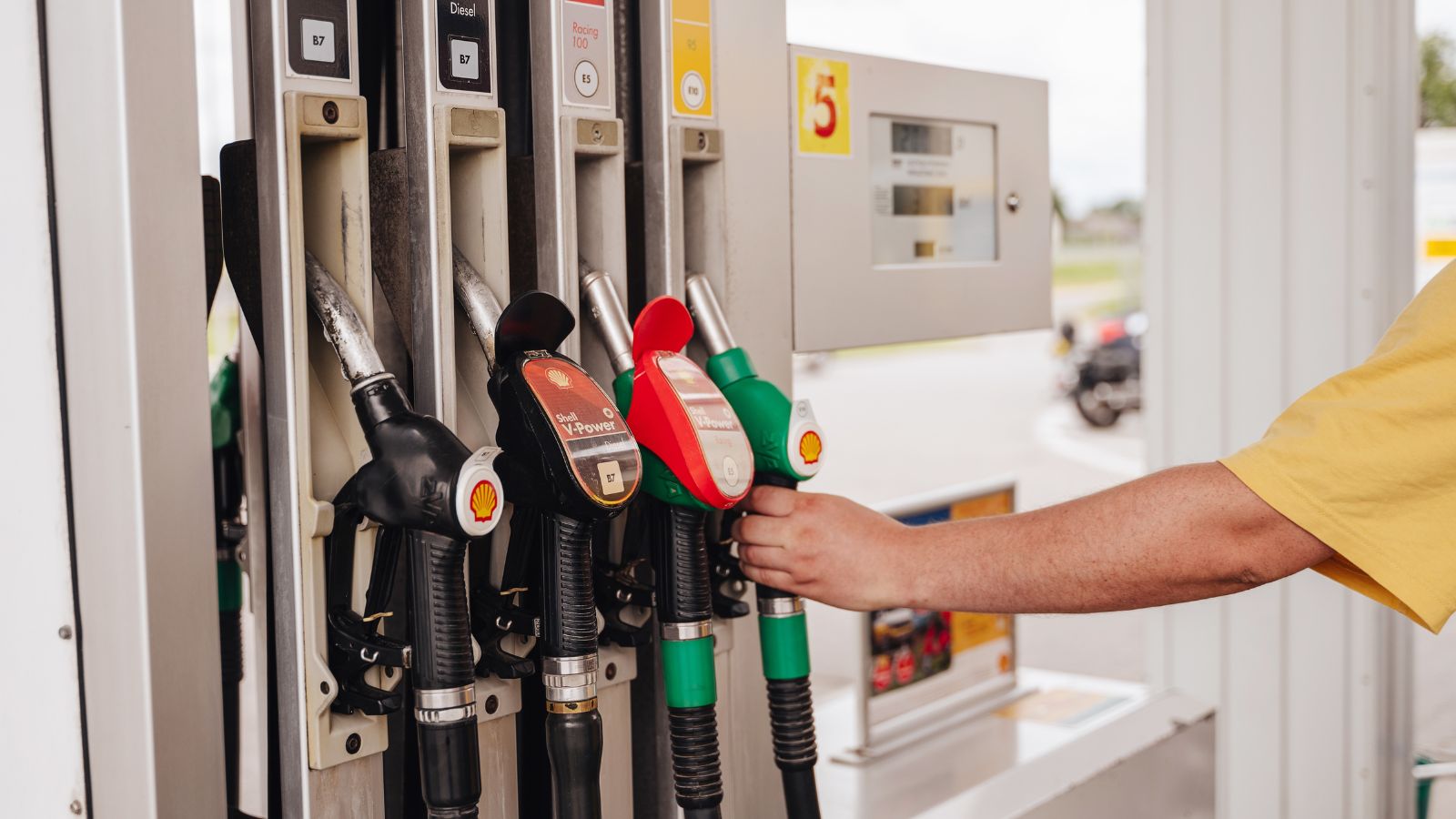
Premium gasoline has a place, but many drivers buy it out of habit, assumption, or the vague belief that pricier fuel must automatically be better. In reality, the key question is what the automaker requires. If a vehicle is designed for regular fuel, paying extra for premium usually does not deliver a worthwhile financial return. When oil prices rise, this becomes one of the easiest pump-level decisions to tighten up without changing the vehicle at all.
This is especially relevant for households trying to feel “responsible” at the gas station while actually overspending. The smarter move is to follow the manufacturer’s recommendation exactly, not emotionally. There are cars where premium is required, and that is a separate calculation. But for vehicles where regular is fine, cutting back on unnecessary premium can feel like an immediate rebate. In a high-oil environment, disciplined fueling beats aspirational fueling every time.
9. Running the Car’s A/C Harder Than Necessary
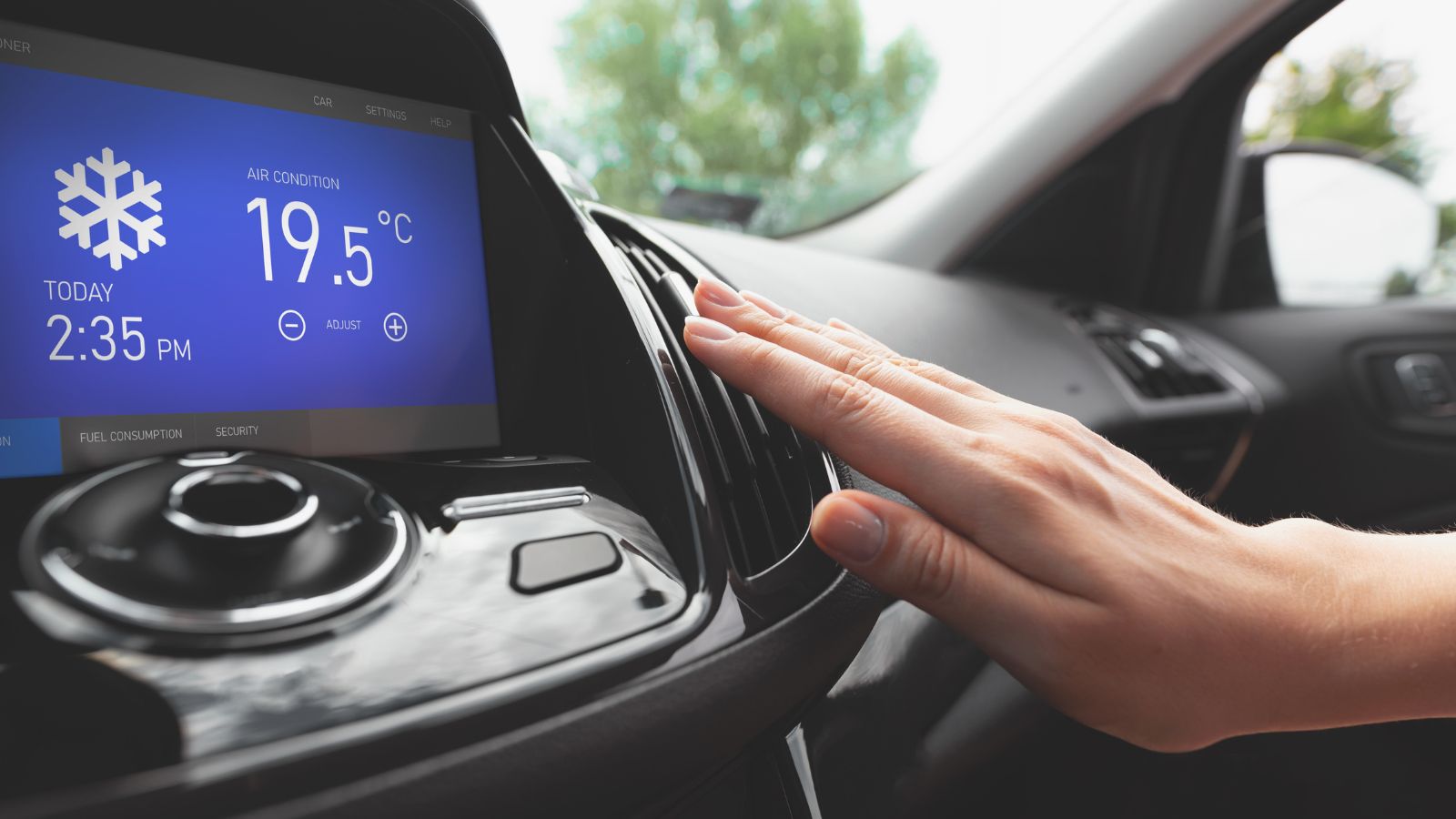
Air conditioning is one of those features drivers stop noticing until prices rise. Natural Resources Canada notes that A/C use can increase a vehicle’s fuel consumption by as much as 20%, depending on conditions. That does not mean Canadians should suffer through summer traffic with the windows down at all costs. It does mean the habit of blasting the system at every opportunity becomes more expensive when oil is climbing.
The middle ground is usually enough. Use the ventilation setting when the day is mild, crack the windows at city speeds, and save the heavier A/C use for real heat or longer highway stretches. It is the same logic households use with thermostats indoors: comfort matters, but not every setting needs to be maxed out. In a period of high fuel prices, the best savings often come from reducing wasteful intensity, not giving up comfort altogether.
10. Leaving Roof Racks and Cargo Boxes On Full-Time

A surprising number of vehicles spend months carrying empty roof racks, ski carriers, or cargo boxes that are no longer doing any actual work. Natural Resources Canada warns that even an empty permanent roof rack adds aerodynamic drag, which means the engine has to burn more fuel. This is one of the easiest examples of a hidden cost because the accessory becomes visually normal long after it stops being useful.
In high-oil periods, convenience accessories deserve a harder audit. If the cargo box is only needed for a cottage weekend or a ski trip, it should come off afterward. The same goes for bike trays or other add-ons that live on the roof year-round out of habit. The payoff is not glamorous, but it is real. A cleaner, less drag-heavy vehicle is one of the rare ways to lower fuel use without reducing driving distance at all.
11. Carrying Extra Weight in the Vehicle
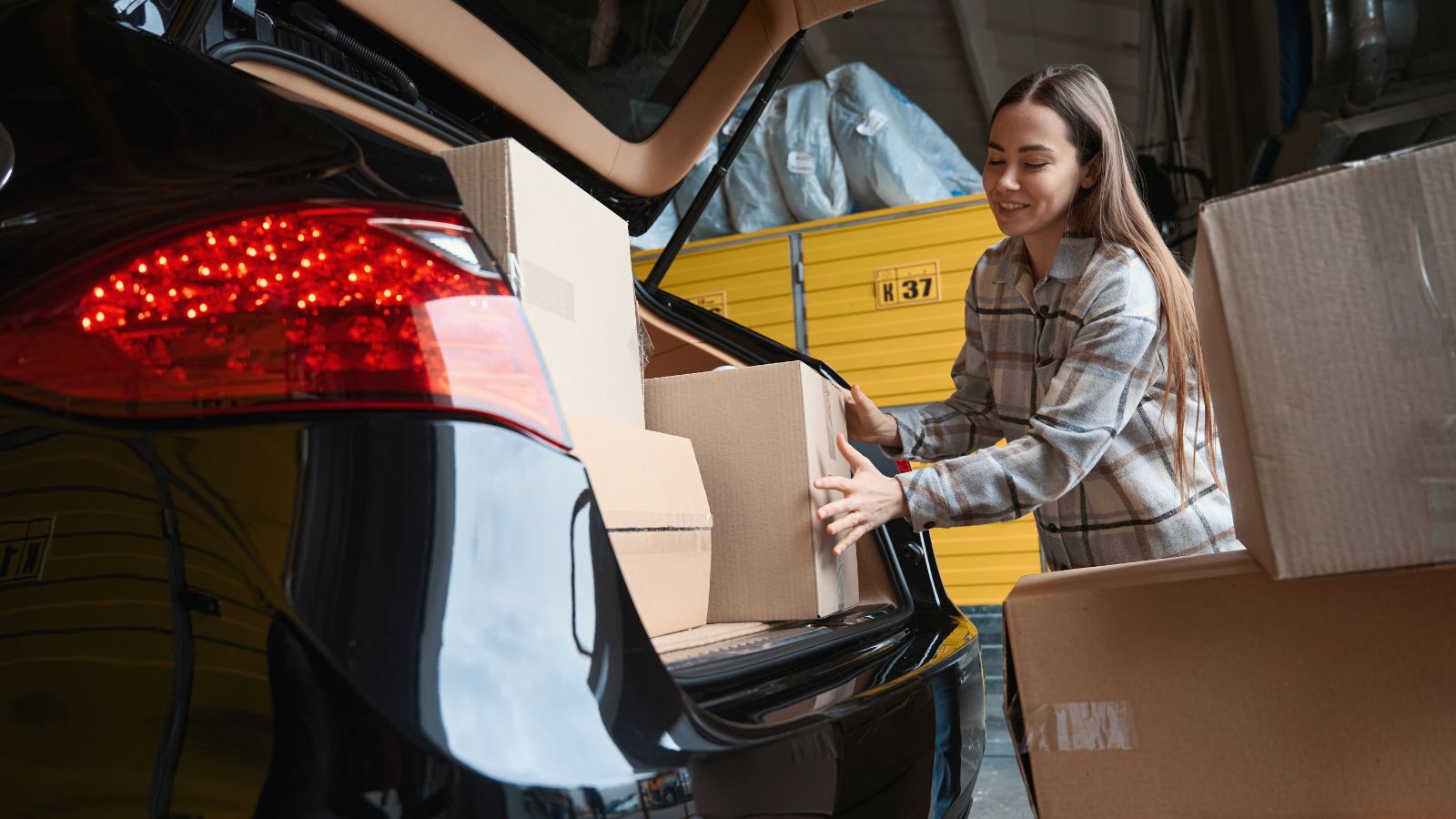
Canadian drivers often use their trunks like storage lockers. Sports gear from two seasons ago, a stroller that is no longer needed daily, tools that never get used, and bulk items that were meant to be unloaded last weekend all add weight. Natural Resources Canada has repeatedly pointed out that unnecessary load raises fuel consumption. The effect may not be dramatic from one bag, but many cars carry far more dead weight than drivers realize.
This is one of the more satisfying cutbacks because it costs nothing and creates instant order. Clearing out the trunk, removing unused cargo from the cabin, and treating the vehicle like transportation instead of backup storage can sharpen fuel economy at the margins. In an era of pricier oil, margins matter. It also improves the ownership experience: lighter cars feel tidier, less cluttered, and more intentional. That may sound small, but so do most of the habits that slowly inflate a fuel budget.
12. Ignoring Tire Pressure
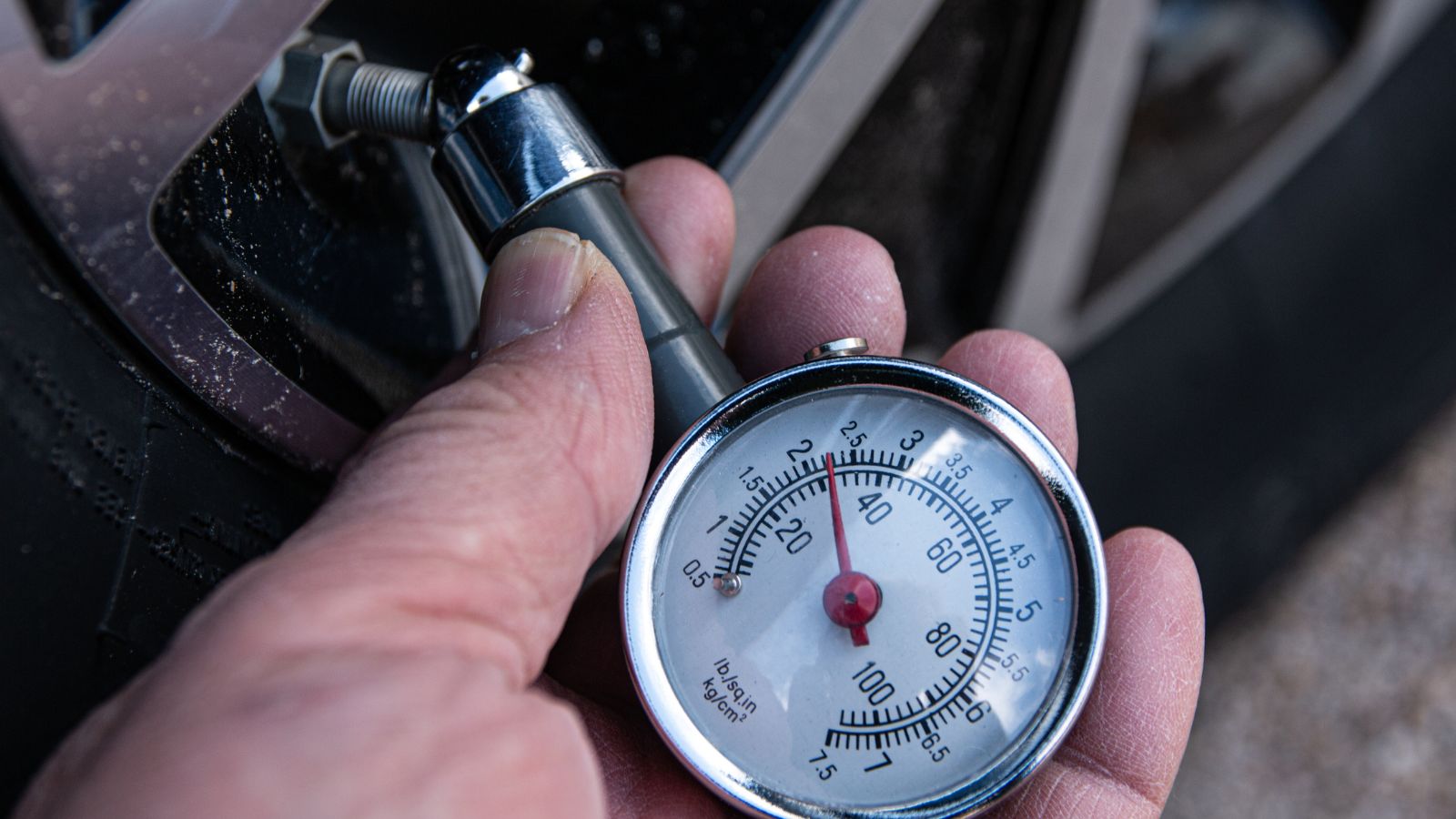
Underinflated tires are a classic example of avoidable waste. Natural Resources Canada says tires underinflated by 56 kilopascals, or 8 psi, can increase fuel consumption by up to 4% and shorten tire life by more than 10,000 kilometres. That is not just a maintenance issue; it is a double financial hit. The household pays more at the pump and then pays sooner for replacement tires.
This makes tire pressure one of the simplest “high return, low effort” checks during an oil-price run-up. A few minutes once a month can do more for efficiency than many people get from obsessing over which gas station is cheapest that day. It is also an unusually clean win because it improves safety, ride quality, and tread life at the same time. In a rising-energy environment, households often search for some dramatic solution. Sometimes the answer is just air.
13. Delaying Basic Maintenance

When budgets get tighter, maintenance is often one of the first things households postpone. That is understandable, but with fuel prices rising, deferred upkeep can become a false economy. Natural Resources Canada’s fuel-consumption guidance emphasizes that how well a vehicle is maintained affects the fuel efficiency drivers actually get on the road. A neglected car can quietly burn more fuel while also raising the risk of a larger repair later.
The smartest version of cutting back is not “spend nothing on the car.” It is cutting back on avoidable waste while protecting the basics that keep the vehicle efficient. Clean filters, proper fluids, timely servicing, and fixing obvious issues early tend to cost less than letting a small inefficiency turn into a bigger one. Canadian households that handle maintenance this way are usually not the ones making flashy savings claims, but they are often the ones who come out ahead over a full year.
14. Using the Largest Household Vehicle for Every Errand

Vehicle choice becomes much more visible when oil rises. Natural Resources Canada’s fuel guidance is blunt: generally, the smaller the vehicle, the less fuel it consumes. Its fuel-consumption guides show a wide range between highly efficient models and large SUVs. That means households with two vehicles, or even households planning their next vehicle purchase, have a clear decision to make when fuel gets expensive: match the trip to the machine.
The family SUV may be perfect for road trips, hockey gear, or a full load of passengers. It is rarely the cheapest tool for a solo grocery pickup or school errand. When households start defaulting to the smaller car, hybrid, transit option, or occasional car share for lighter-duty trips, the savings can become meaningful without any dramatic lifestyle sacrifice. High oil prices expose a simple truth: using a large vehicle for small tasks feels normal only when fuel is not commanding attention.
15. Peak-Hour Commuting When the Schedule Is Flexible
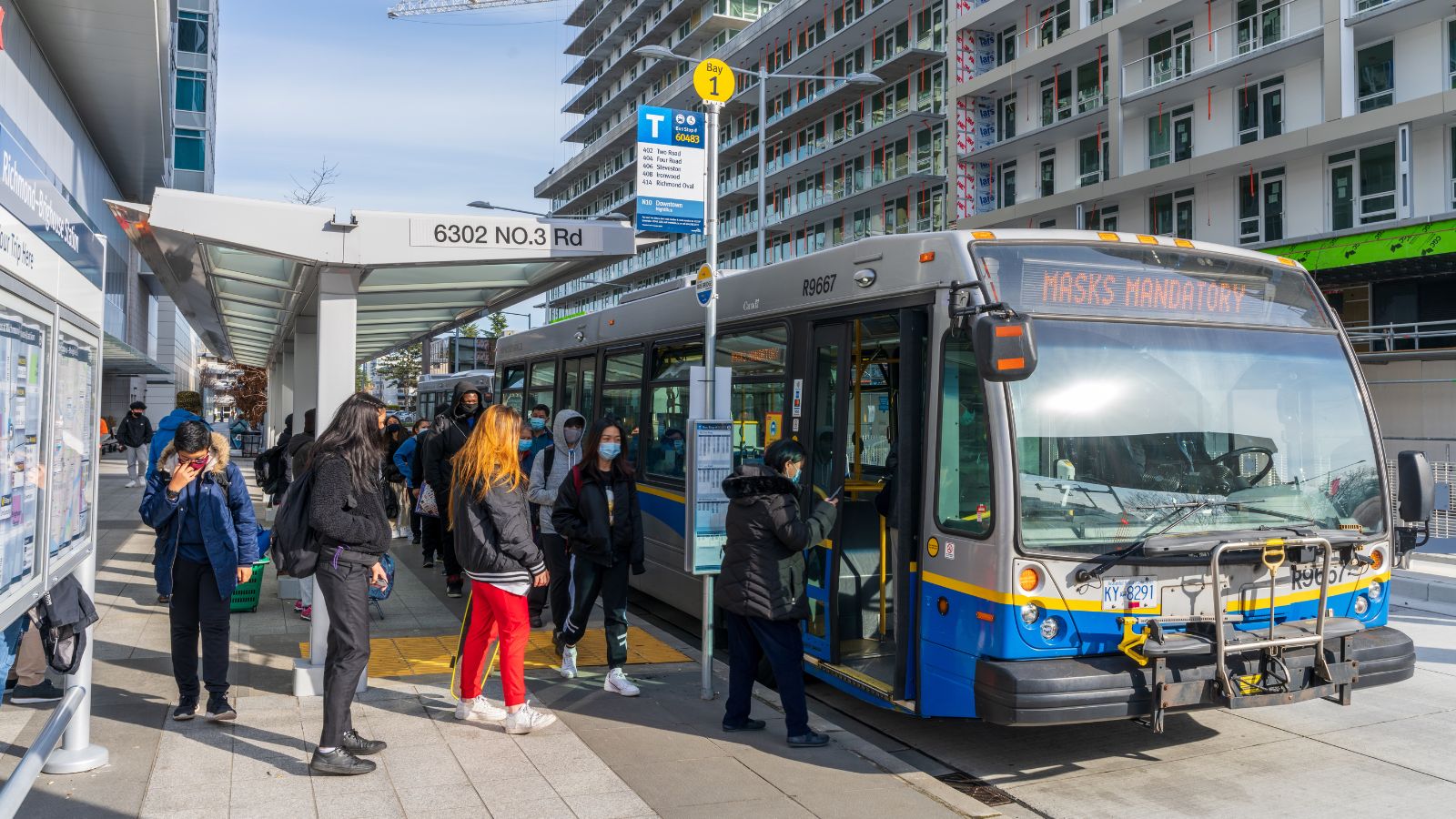
Not everyone can choose when to work, but many workers now have more flexibility than they did a few years ago. Statistics Canada reported that the average Canadian commute in May 2025 was 26.7 minutes, while Toronto remained the longest among major CMAs at 34.9 minutes. Long, congested commutes do more than drain patience. They amplify the stop-and-go conditions that punish fuel economy and turn a normal workday into a pricier one when oil climbs.
For people with flexible start times, even a modest adjustment can matter. Leaving earlier, leaving later, or working from home one extra morning may reduce the number of minutes spent crawling through traffic. It is a practical form of cutting back because it targets wasted fuel rather than necessary travel. During oil-price spikes, households often think only in terms of how far they drive. When congestion is bad enough, when they drive can be nearly as important.
16. Spontaneous Long Road Trips

Road trips are part of the Canadian rhythm, especially when families want a break without paying resort prices. But when oil stays high, the carefree weekend drive becomes more financially demanding than it first appears. Fuel costs rise first, then the ripple effects follow through food, accommodation, and general travel spending. Even if the trip still makes sense, the margin for “let’s just go and figure it out later” gets thinner.
That does not mean cutting out travel entirely. It means trimming the least valuable road trips: the ones booked impulsively, driven without route planning, or built around too many kilometres for too little payoff. A tighter approach might mean fewer but better trips, one extra night instead of two separate weekends, or choosing destinations that offer more value closer to home. When oil prices stay elevated, disciplined travel planning starts looking less restrictive and more like common sense.
17. Food Delivery and Frequent Restaurant Pickup

When households feel squeezed by energy costs, restaurant spending deserves a fresh look. Statistics Canada has reported that Canadians devote a meaningful share of their food budgets to meals and snacks bought away from home, and restaurant-related spending has rebounded strongly since the pandemic years. Delivery adds another layer: the 2025 Survey of Household Spending explicitly includes online food-ordering services such as Uber Eats and SkipTheDishes in the restaurant category.
The issue is not that restaurant meals suddenly become irresponsible. It is that delivery and frequent pickup stack transport costs on top of already expensive food. A household can often preserve the pleasure while cutting the waste by turning three convenience meals into one, shifting toward planned takeout instead of impulse delivery, or using groceries for simpler weeknight meals. In a higher-oil environment, the real luxury is not convenience at any price. It is avoiding the kind of convenience that leaves almost no value behind.
18. Short-Haul Flights for Quick Getaways

Air travel feels separate from oil prices until airlines start repricing around fuel. IATA has said fuel is set to account for roughly a quarter of total airline operating expenses in 2026, which helps explain why airfare can become more sensitive when energy markets tighten. That does not mean every ticket instantly becomes unaffordable, but it does mean quick, low-value flights are worth examining more carefully when oil remains elevated.
This is where households can cut back strategically rather than emotionally. A short-haul trip that can be replaced by one better-planned trip later in the year may be the smarter trade. Some travellers will still choose to fly, and fairly so. But during oil-price spikes, the casual “why not?” flight tends to be the weak link. The households that handle these periods best are often the ones that keep the travel that really matters and quietly trim the trips that were mostly habit.
19. Wasting Heat at Home in Oil- or Propane-Heated Households
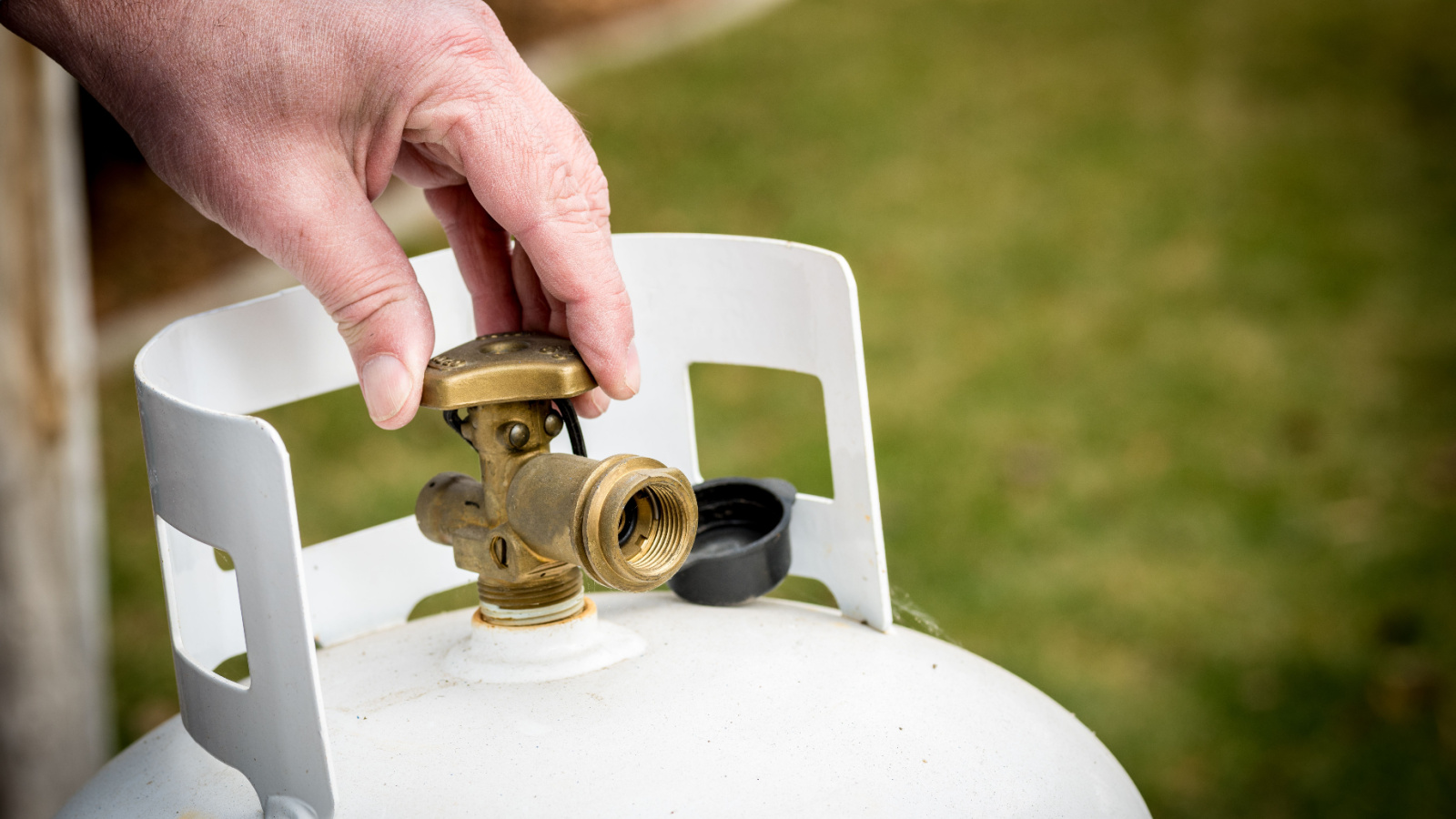
Not every oil shock shows up through the car. For some Canadians, especially in parts of Atlantic Canada and in homes using oil or propane systems, energy waste indoors matters too. Statistics Canada has reported that heating oil is a small share nationally but much more common in certain eastern provinces, while Natural Resources Canada has noted that most home energy use goes to space and water heating. In those households, careless heat loss becomes more expensive when energy markets tighten.
The smartest cutback is not “be cold.” It is to tighten the parts of the home routine that offer poor value: overheating empty rooms, ignoring drafts, or leaving water-heating habits unchecked. Small changes such as lowering the thermostat modestly, sealing obvious leaks, and being more deliberate with hot water use can matter more than people expect. These are not dramatic lifestyle shifts. They are quiet efficiency upgrades that become especially worthwhile when the cost of oil-linked home energy moves higher.
20. Propane Patio Heaters, Fire Tables, and Other Outdoor Gas Extras
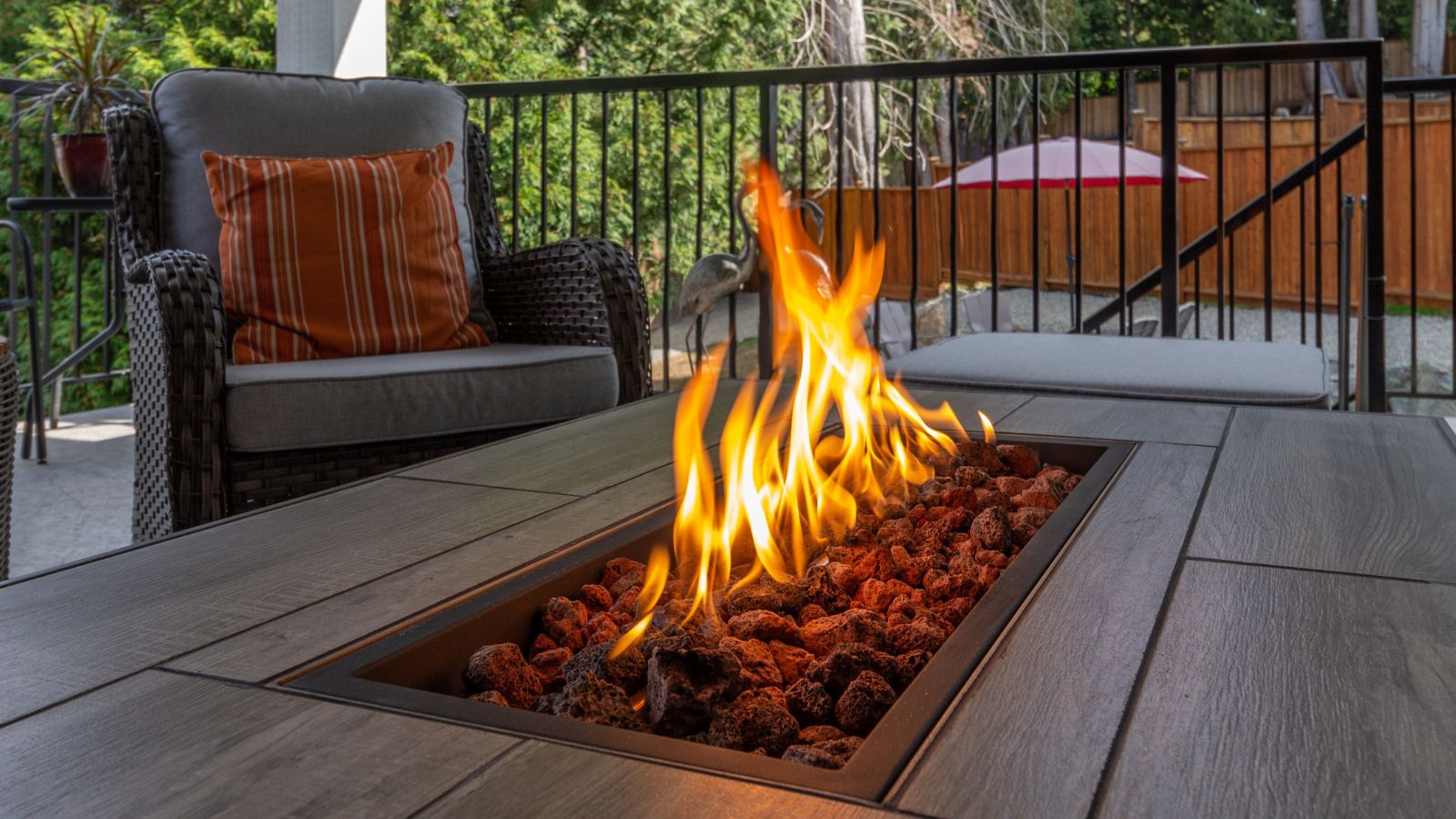
Outdoor comfort items often escape scrutiny because they feel occasional and recreational. But propane is still an energy commodity, and global disruptions can hit it hard. Reuters reported that official selling prices for LPG from major exporters jumped sharply for April 2026, while Natural Resources Canada continues to track consumer propane prices across Canadian cities. That makes outdoor gas extras a clear candidate for trimming if households want a painless place to start.
This is one of the more elegant cutbacks because it usually does not touch anything essential. A patio heater on every cool evening, a decorative fire table running for ambience, or a habit of using propane simply because it feels upscale can become easy to question when broader energy costs are rising. Blankets, layered clothing, and more selective use often preserve the atmosphere without preserving the full cost. When oil-related prices stay high, trimming non-essential flames is one of the simplest smart moves on the list.
19 Things Canadians Don’t Realize the CRA Can See About Their Online Income

Earning money online feels simple and informal for many Canadians. Freelancing, selling products, and digital services often start as side projects. The problem appears at tax time. Many people underestimate how much information the CRA can access. Online platforms, banks, and payment processors create detailed records automatically. These records do not disappear once money hits an account. Small gaps in reporting add up quickly.
Here are 19 things Canadians don’t realize the CRA can see about their online income.
This Options Discord Chat is The Real Deal
While the internet is scoured with trading chat rooms, many of which even charge upwards of thousands of dollars to join, this smaller options trading discord chatroom is the real deal and actually providing valuable trade setups, education, and community without the noise and spam of the larger more expensive rooms. With a incredibly low-cost monthly fee, Options Trading Club (click here to see their reviews) requires an application to join ensuring that every member is dedicated and serious about taking their trading to the next level. If you are looking for a change in your trading strategies, then click here to apply for a membership.