
35,000+ smart investors are already getting financial news, market signals, and macro shifts in the economy that could impact their money next with our FREE weekly newsletter. Get ahead of what the crowd finds out too late. Click Here to Subscribe for FREE.
Oil shocks do not stay neatly inside the energy sector for long. They move through gasoline, diesel, airline tickets, freight, heating bills, and even some building materials. With Middle East tensions already pushing crude sharply higher and economists warning about a broader inflation hit, the real question for Canadian households is not only what becomes more expensive, but which purchases suddenly look less smart after the excitement wears off.
That is what these 18 items capture. Some are obvious, like thirsty vehicles and flights. Others are easier to miss, including oil-heated homes, propane-heavy backyard upgrades, and petroleum-linked renovation jobs. In each case, the common thread is the same: a purchase that feels manageable at the moment of sale can become much harder to justify when high oil keeps showing up in the monthly budget.
1. Full-Size Gasoline SUVs
18 Purchases Canadians May Regret Making If the Iran War Keeps Oil High
- 1. Full-Size Gasoline SUVs
- 2. Half-Ton Pickups Used Mostly for Commuting
- 3. Older Luxury SUVs That Look Like Bargains
- 4. Used Diesel Trucks and SUVs
- 5. RVs and Motorhomes
- 6. Boats
- 7. Personal Watercraft
- 8. Snowmobiles and Side-by-Sides
- 9. Houses in Far-Flung Suburbs
- 10. Cottages or Cabins Hours Away
- 11. A Second Household Vehicle
- 12. Frequent Short-Haul Flights
- 13. All-Inclusive Vacation Packages
- 14. Homes Heated With Oil
- 15. Gasoline Backup Generators
- 16. Propane Patio Heaters and Fire Features
- 17. New Asphalt Driveways
- 18. Asphalt-Shingle or Vinyl-Heavy Exterior Renovations
- 19 Things Canadians Don’t Realize the CRA Can See About Their Online Income

A full-size SUV can feel like a sensible all-in-one answer for Canadian life. It handles winter, swallows strollers, and makes cottage weekends look easy. The problem is what happens when a useful family hauler becomes a permanently expensive one. Natural Resources Canada data show light trucks consume notably more fuel than cars on average, and that gap matters much more when crude stays elevated for months instead of days. A vehicle that seemed merely “a bit worse on gas” at purchase can become the line item a household notices every single week.
The regret tends to build slowly. One tank does not ruin a budget, but years of bigger fill-ups can. That is especially true for drivers who bought more size than they truly need. In an oil shock, the extra space in the cargo area starts competing with very real money at the pump. For families that mostly commute, do school drop-offs, and make occasional weekend trips, a large SUV can begin to feel like a luxury disguised as practicality.
2. Half-Ton Pickups Used Mostly for Commuting

Pickups remain deeply popular in Canada for good reason. Many owners tow, haul tools, or work in trades where a truck is genuinely the right answer. But when a half-ton pickup is used primarily as a daily commuter, the economics can turn fast. Statistics Canada has shown how much Canadians continue spending on trucks, vans, and SUVs, and higher oil changes the math after the purchase. A truck bought for capability can become an expensive way to carry one person to an office parking lot.
That is where buyer’s remorse tends to creep in. The cabin may be roomy and the ride better than older pickups, but none of that changes the fact that a large, heavy vehicle usually burns more fuel than a smaller alternative. If oil stays high, drivers who rarely use the bed, rarely tow, and rarely leave paved roads may start seeing the truck less as freedom and more as a recurring bill. In that environment, unused capability becomes one of the costliest features on the vehicle.
3. Older Luxury SUVs That Look Like Bargains
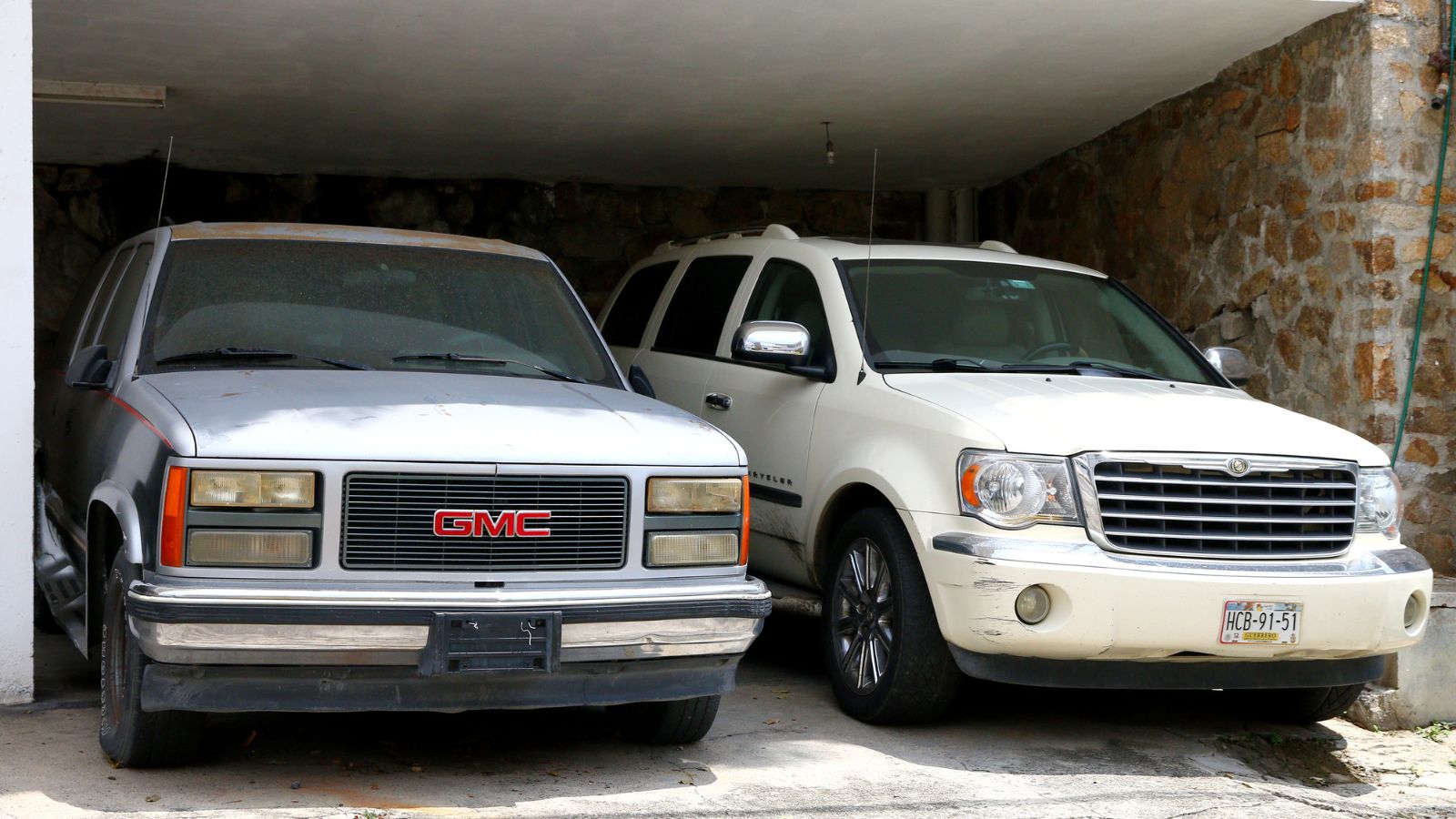
Used luxury SUVs can be dangerously appealing in a high-rate, high-cost economy. A model that once cost well into premium territory may suddenly look attainable on the used market, which creates the illusion of value. But an older luxury SUV often combines heavier weight, bigger engines, pricier tires, and higher routine costs with fuel appetite that does not look nearly as harmless when energy prices remain elevated. What feels like a clever upgrade can become a steady drain.
The trap is psychological as much as financial. Shoppers compare the used sticker price to a new mainstream crossover and feel they are getting more vehicle for less money. Yet the ownership experience is not priced like a mainstream crossover. If oil stays expensive, the regret is not just repair-related; it is the weekly reminder that the vehicle was engineered for a cost environment that no longer feels normal. Many Canadians can tolerate a used luxury payment. Fewer enjoy funding used luxury operating costs during an oil shock.
4. Used Diesel Trucks and SUVs

Diesel vehicles often get sold with a practical halo. They are framed as durable, long-distance machines built for work, towing, and mileage. Sometimes that is exactly what they are. But if oil stays high, a used diesel truck or SUV can become one of those purchases that makes sense only on paper. Statistics Canada reported a sharp monthly increase in diesel fuel prices at the producer level in early 2026, a reminder that diesel-heavy ownership can get more painful quickly when petroleum markets tighten.
The issue is not that diesel is always the wrong choice. It is that many used diesels are bought for image, torque stories, or occasional utility instead of consistent heavy-duty use. When that happens, the owner is left absorbing the downside without fully using the upside. A diesel SUV for grocery runs and suburban errands can feel especially hard to defend if fuel remains elevated. The stronger the oil shock, the more a once-prized “serious vehicle” starts looking like an unnecessarily serious household expense.
5. RVs and Motorhomes
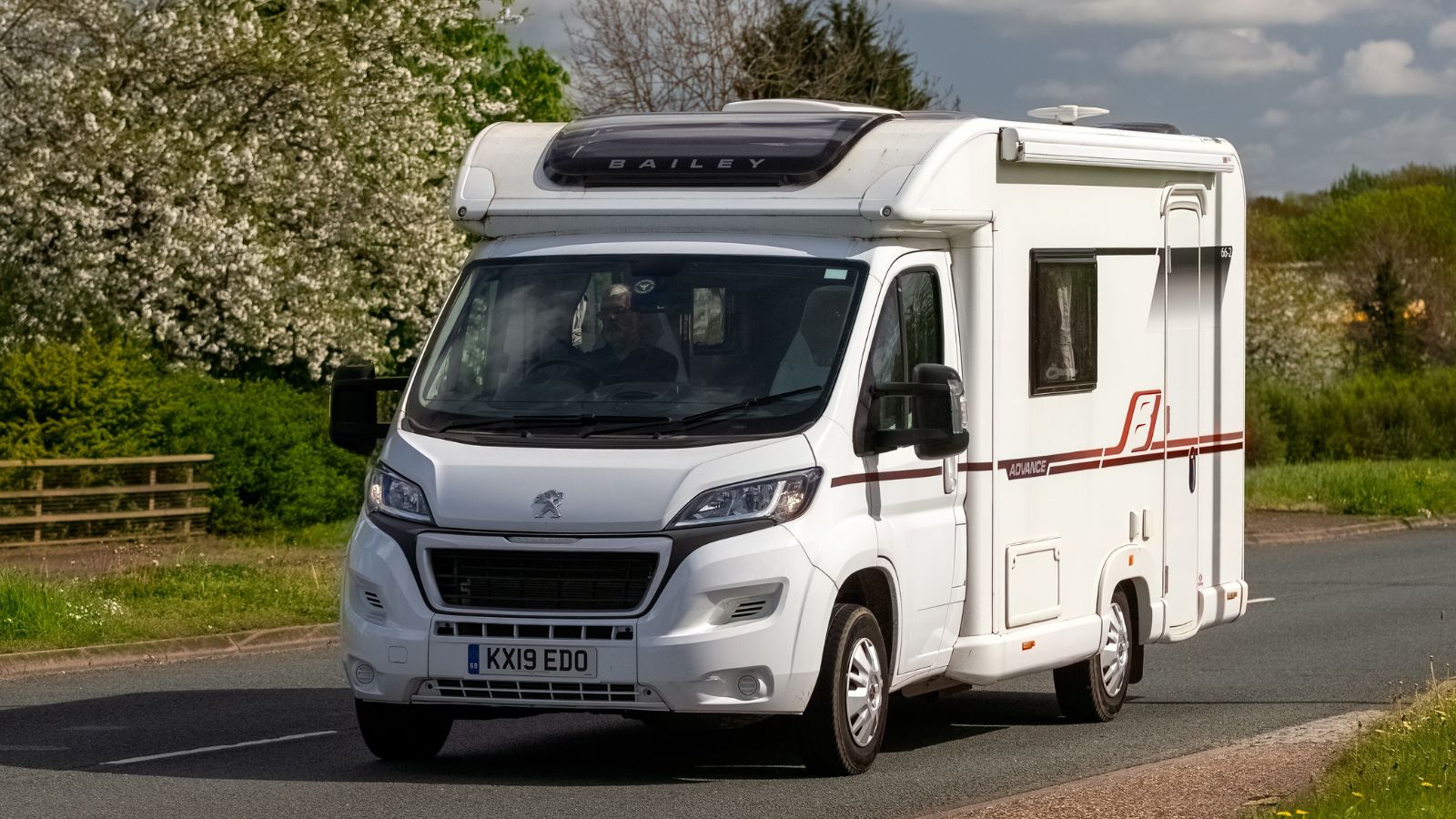
RVs sell a very Canadian dream: mobility, family time, and the ability to turn the open road into a summer ritual. That dream is real, but so are the operating costs. A recent Canadian RV industry study found roughly 2.1 million Canadian households own an RV, and owners spent billions on non-travel ownership costs alone. That is before a prolonged oil shock fully works its way through gasoline and diesel. If fuel stays high, the romantic image of spontaneous road freedom starts competing with a much less romantic spreadsheet.
The regret is usually not immediate. It shows up after the first season, when owners add up storage, insurance, maintenance, campsite fees, towing fuel, and the distance required to use the rig properly. An RV only becomes economical if it is used often enough to justify all of that. In a high-oil environment, the bar rises. Families who imagined affordable travel may discover they bought a lifestyle asset whose carrying costs are stubborn even when parked, and whose most enjoyable feature, movement, becomes the most expensive part.
6. Boats

Boat ownership tends to look clean and simple in the showroom and much more layered in real life. Statistics Canada separately tracks boats and canoes as household purchases, while operating expenses such as storage and mooring sit in their own category for a reason. A boat is rarely just a one-time purchase. It is a system of recurring expenses. When oil remains high, fuel moves from being one more boating cost to one of the main reasons the boat gets used less often than expected.
That shift matters because underuse is where regret starts. A family may picture every sunny weekend on the water, but actual boating seasons are shorter, schedules get crowded, and each outing carries a stack of small costs. A motorized pleasure craft in Canada also comes with regulatory responsibilities and competency rules. In other words, this is not a casual toy. If oil stays high, many owners will still love having a boat, but a noticeable number will begin wondering whether they bought occasional memories at the price of a year-round obligation.
7. Personal Watercraft
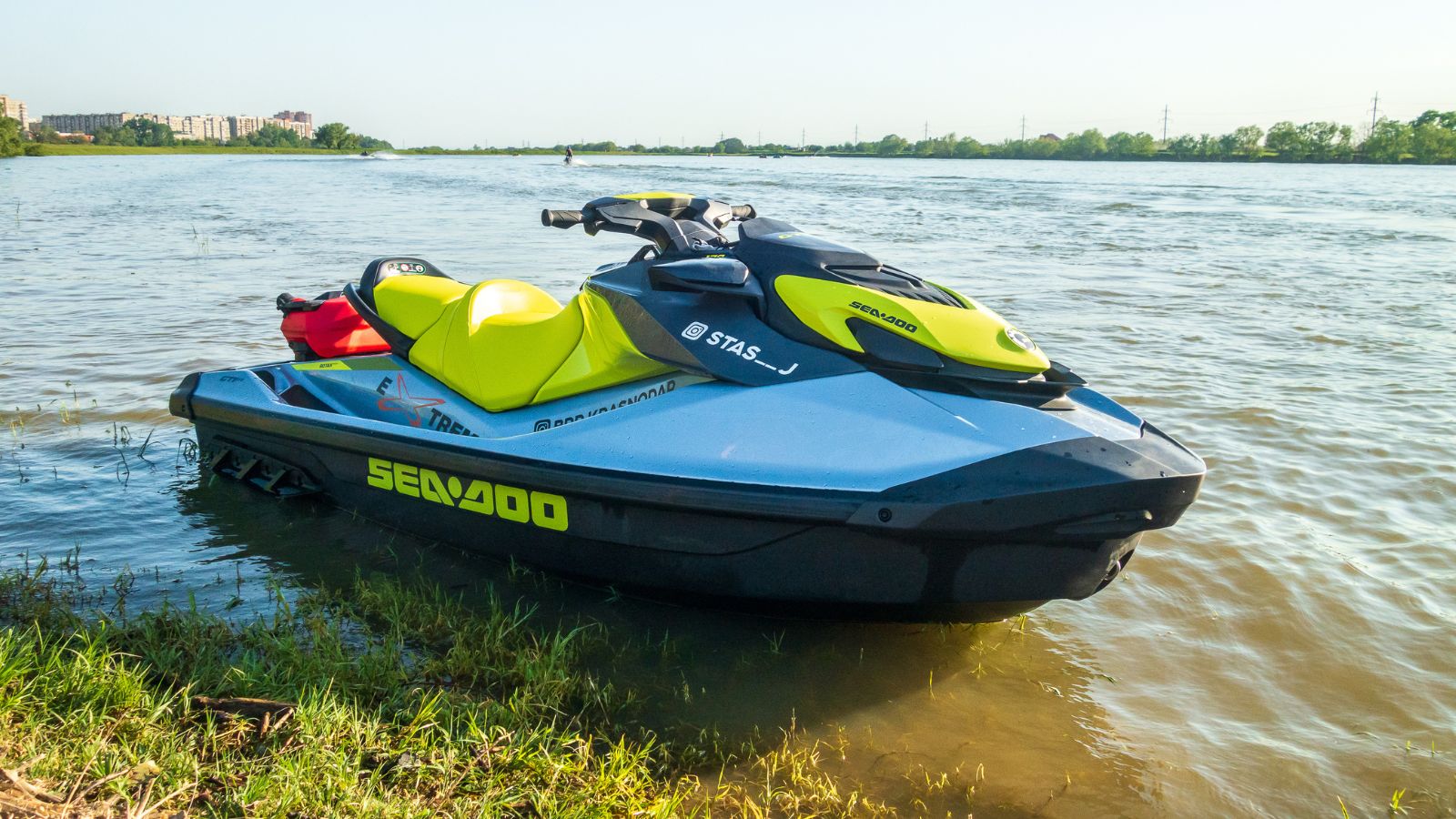
A personal watercraft often looks like a smaller, simpler version of boat ownership. That is exactly why it can become an easier purchase to regret. It feels manageable: smaller storage footprint, smaller engine, smaller trailer. But that “smaller” framing can hide how fast discretionary fuel spending adds up when the machine is designed almost entirely for bursts of speed and short recreational use. Statistics Canada explicitly tracks personal watercraft in household spending categories, which says something on its own: this is a meaningful purchase, not a throw-in.
The hidden cost is that a PWC rarely travels alone. It usually comes with trailer fuel, tow-vehicle costs, launch fees, maintenance, and the temptation to squeeze in “one more run” because the outing seems short. In a high-oil environment, the purchase becomes harder to justify because it is neither essential transportation nor a low-cost hobby. It is fun condensed into an engine. That can still be worth it for enthusiasts, but many casual buyers may decide too late that the thrill was real while the long-term value was not.
8. Snowmobiles and Side-by-Sides

Snowmobiles and side-by-sides are classic examples of purchases that feel more affordable in the buying moment than in the ownership cycle. Statistics Canada gives snowmobiles and all-terrain vehicles their own consumer spending categories, which reflects how significant these purchases can be in household budgets. In an oil shock, these machines become even more exposed because their costs are layered: fuel for the machine, fuel for the tow vehicle, and often travel to where they can actually be enjoyed.
The emotional pull is easy to understand. In the right region, these are not random toys; they are part of outdoor culture and family routines. But high oil changes the question from “Do we want this?” to “Will we use this enough?” A snowmobile that gets out a handful of weekends or a side-by-side that spends most of the year parked can start to feel like an expensive symbol of intentions rather than reality. When petroleum stays costly, infrequent-use machines are often the first purchases owners start mentally putting on the chopping block.
9. Houses in Far-Flung Suburbs
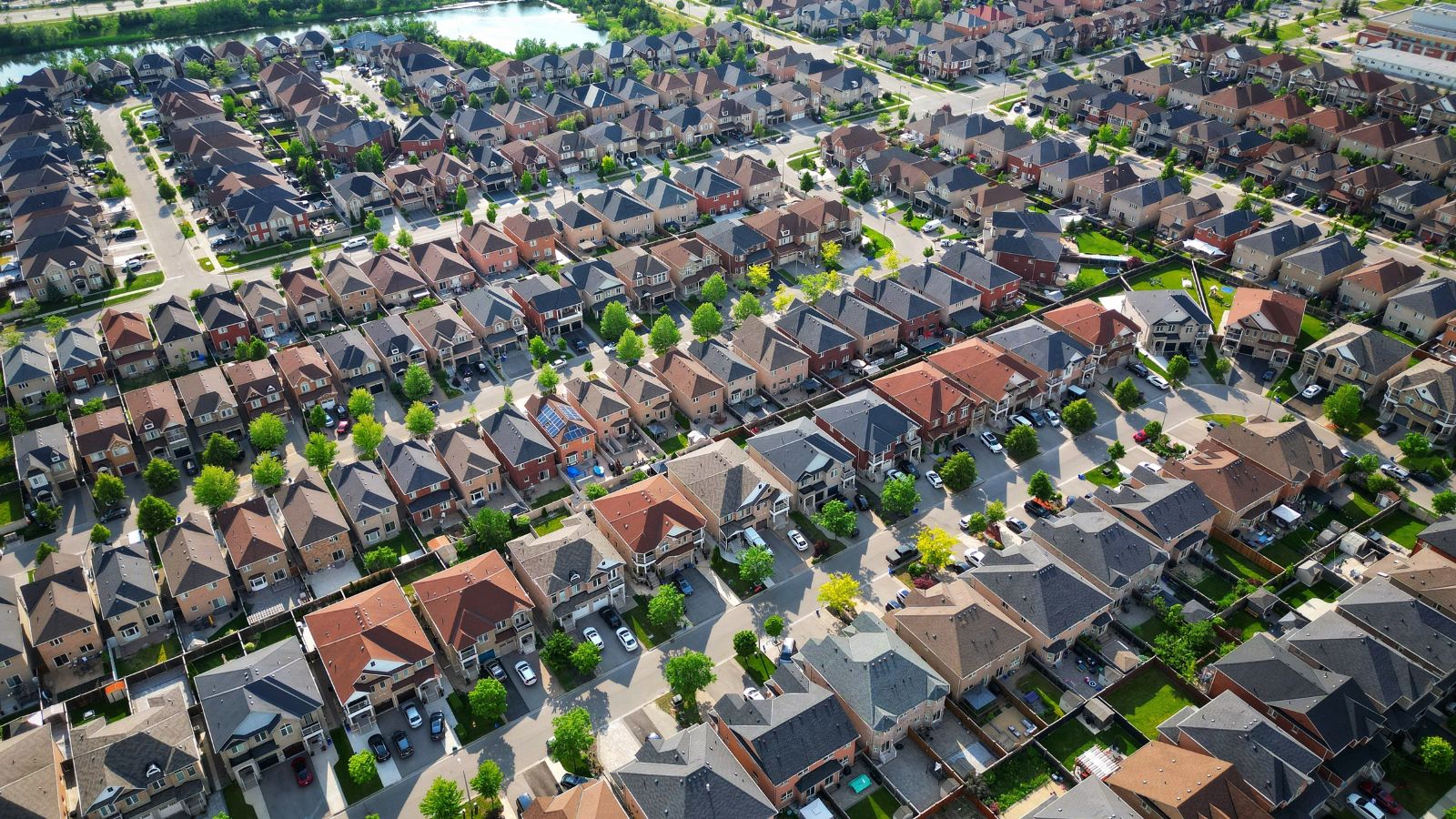
A house farther out can look like a smart compromise: more square footage, a newer build, maybe a better yard for the kids. Yet the cheaper purchase price often hides a transportation commitment that lasts for years. Statistics Canada reported that four in five Canadian commuters still primarily travel by car, truck, or van. That makes location risk especially important when oil stays high. A home that saves money on the mortgage can quietly give a chunk of it back through longer, more expensive driving.
The regret here is subtle because the house itself may be lovely. What changes is how the daily routine feels. A long commute that seemed tolerable when fuel was moderate starts feeling relentless when every week brings another large pump charge. Add a second adult commuter, errands, school activities, and weekend driving, and the “value” purchase can age poorly. In a prolonged oil shock, many households do not regret the house itself. They regret the geography attached to it.
10. Cottages or Cabins Hours Away

A distant cottage often represents aspiration more than pure economics. It is about escape, identity, and the idea of building family memories in one place. That emotional value is real, but distance becomes much more expensive when oil stays high. A two- or three-hour drive each way turns every visit into a fuel event, especially for owners using larger vehicles, towing equipment, or bringing supplies. What once felt like a manageable weekend habit can begin to resemble a luxury routine with an energy surcharge attached.
There is also a compounding effect many buyers underestimate. A cottage is not only a destination; it is another property that needs occasional maintenance runs, repair visits, and seasonal setup. Those trips often happen regardless of whether the family is truly enjoying the place that weekend. In other words, the owner can wind up paying for both leisure travel and obligation travel. If oil remains elevated, a cabin that once symbolized simplicity can start delivering the opposite: more logistics, more driving, and more money consumed just getting there.
11. A Second Household Vehicle

For many families, a second car begins as a convenience purchase and ends up becoming a structural expense. Statistics Canada has shown how large household spending remains on fuels, lubricants, and transport insurance, and those costs do not simply duplicate neatly when a second vehicle is added; they multiply the number of decisions that involve driving. In an oil shock, the extra car often gets re-evaluated faster than the primary one because its benefits are real but not always essential.
This is where regret can feel especially sharp. The second vehicle may have seemed harmless when fuel was cheaper, commutes were stable, and schedules were packed. But if work patterns change, a teen driver moves out, or transit and car-sharing become more practical, the “useful backup” starts looking underused. A second insurance bill is annoying in any economy. A second stream of fuel, maintenance, registration, and depreciation during sustained high oil can make the purchase feel less like flexibility and more like paying monthly for habit.
12. Frequent Short-Haul Flights

Air travel becomes more psychologically expensive when oil stays high because the cost increase often feels both visible and unavoidable. IATA says jet fuel accounts for close to 30% of airline operating expenses, which helps explain why airlines respond so quickly when fuel surges. Canadian travel outlets are already reporting fare hikes, route adjustments, and fuel-related fees. That makes frequent short-haul flying one of the easiest lifestyle purchases to rethink if the Iran war keeps oil elevated.
Short-haul trips are particularly vulnerable because the emotional logic behind them is thin. A three-day getaway or a quick domestic hop can feel spontaneous when fares are cheap, but much less sensible when every booking carries a clear fuel premium. The result is not that Canadians stop flying entirely. It is that the low-friction travel habit gets questioned. A trip that once felt like an easy impulse buy starts facing harder scrutiny, especially when the same household is already paying more for commuting, groceries, and home energy.
13. All-Inclusive Vacation Packages

All-inclusives have long appealed to Canadians because they create the feeling of cost certainty. Flights, hotel, meals, and transfers are bundled, which makes budgeting easier. That confidence weakens when oil stays high. Air Canada Vacations recently introduced a fuel surcharge on some sun packages, a timely reminder that a “one price” holiday can still become a moving target when energy costs jump. The package may still be worthwhile, but it no longer offers the same protection from volatility that travellers assume.
The frustration is often more emotional than catastrophic. Families choose these trips partly to avoid death by a thousand line items, so even a modest surcharge can feel like a broken promise. And fuel does not only affect the flight; it influences transport, logistics, and pricing throughout the travel chain. If oil remains expensive, the buyers most likely to regret the purchase will be the ones who booked close to their limit. A vacation that was supposed to simplify the budget can start reminding them how little certainty travel really offers during an energy shock.
14. Homes Heated With Oil
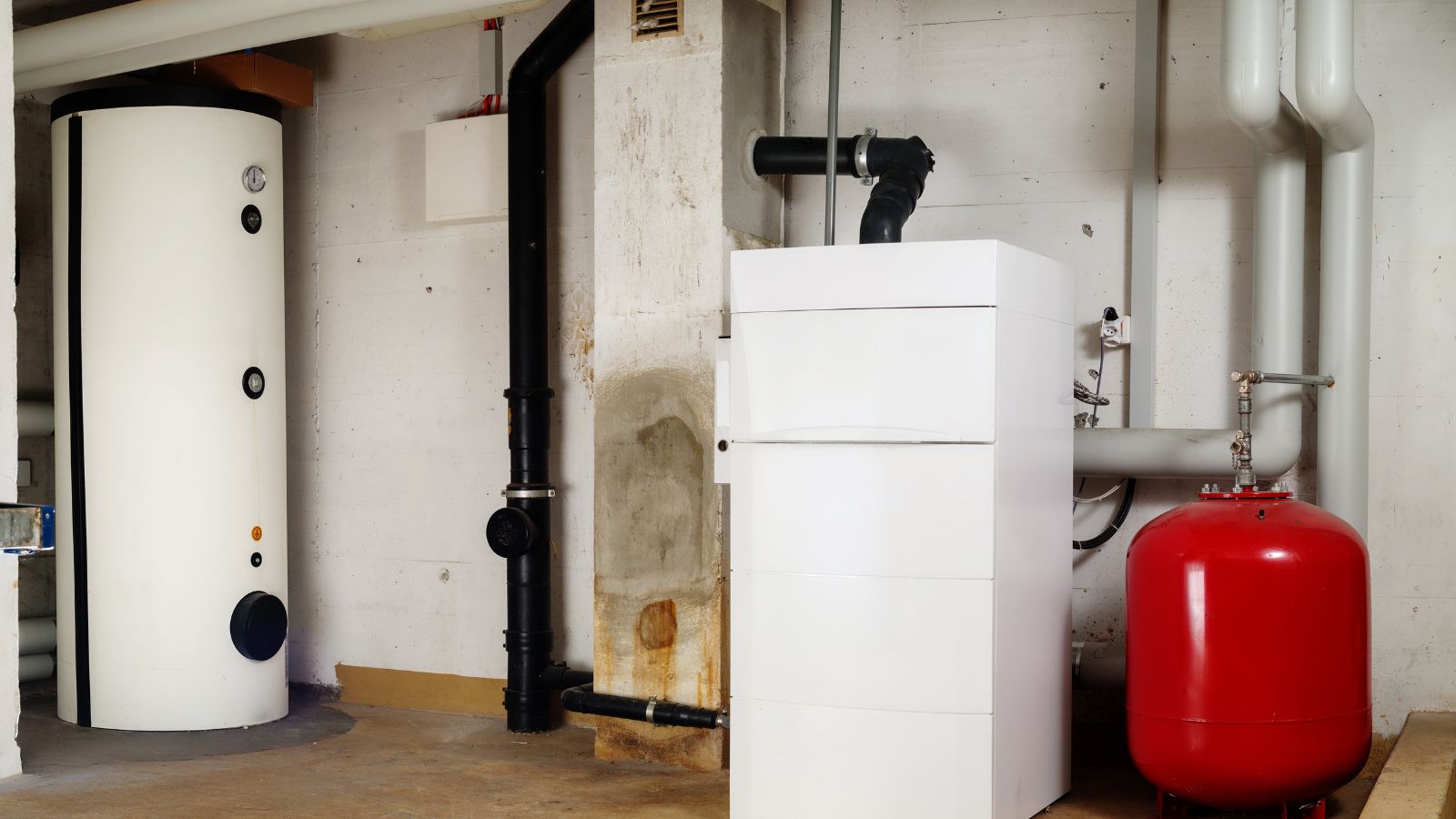
For most of Canada, heating oil is a niche fuel. For parts of Atlantic Canada, it is still a serious household reality. Statistics Canada reported that heating oil accounted for just 2.7% of national household energy consumption, but it remains much more common in places like Prince Edward Island, Nova Scotia, and Newfoundland and Labrador. Natural Resources Canada has also highlighted how sharply heating oil prices jumped in the recent past. That makes an oil-heated home one of the clearest purchases to question if high crude becomes a long-running story.
The danger is that buyers often focus on the house, not the furnace. A charming older property can win on layout, neighbourhood, or character while the heating system feels like a detail to sort out later. Then winter arrives. Unlike gasoline, heating oil does not show up in small, frequent doses; it can arrive as large, painful fills. If global oil stays elevated, households in oil-heated homes may feel the squeeze more dramatically than neighbours on electricity or natural gas, making the home’s hidden energy profile suddenly impossible to ignore.
15. Gasoline Backup Generators

Backup power feels like one of those purchases that is hard to criticize. In storm-prone areas, a generator can protect food, keep heat running, and reduce real household risk. The regret does not come from the idea itself. It comes from buying more machine than needed, or buying a gasoline-dependent setup without thinking through what operation actually costs during an oil shock. Industry guidance commonly shows that a mid-sized gasoline generator can burn fuel at a surprisingly brisk rate, especially under heavier loads.
That matters because emergency equipment gets emotionally upsold very easily. Households picture resilience and end up paying for oversized capacity they may rarely need. In a high-oil environment, stocking, rotating, and replacing gasoline also becomes more irritating. The best generator purchase is usually the one tied closely to critical loads and realistic outage patterns. The regrettable one is the generator bought mainly for reassurance, then discovered to be noisy, fuel-hungry, and expensive to run precisely when fuel feels hardest to shrug off.
16. Propane Patio Heaters and Fire Features

Backyard comfort upgrades are easy to love at the store because they sell ambience, not utility math. A propane patio heater, outdoor fire table, or similar feature can make a Canadian shoulder season feel longer and more social. The problem is that these purchases often rely on regular tank refills for a use case that is optional by definition. Industry estimates commonly put a standard 20-pound propane tank at roughly 10 hours of runtime in a typical patio heater, which means the cozy effect can become surprisingly expensive.
This is a classic regret purchase because the item itself usually works exactly as advertised. The issue is frequency. Once owners see how quickly fuel disappears across a season of dinners, gatherings, and cool evenings, the upgrade can start feeling indulgent in a less satisfying way. If oil remains high and propane follows, many households will keep the heater but use it less, which is often the clearest sign a purchase no longer feels smart. The backyard still looks good. The refill habit just stops feeling worth it.
17. New Asphalt Driveways
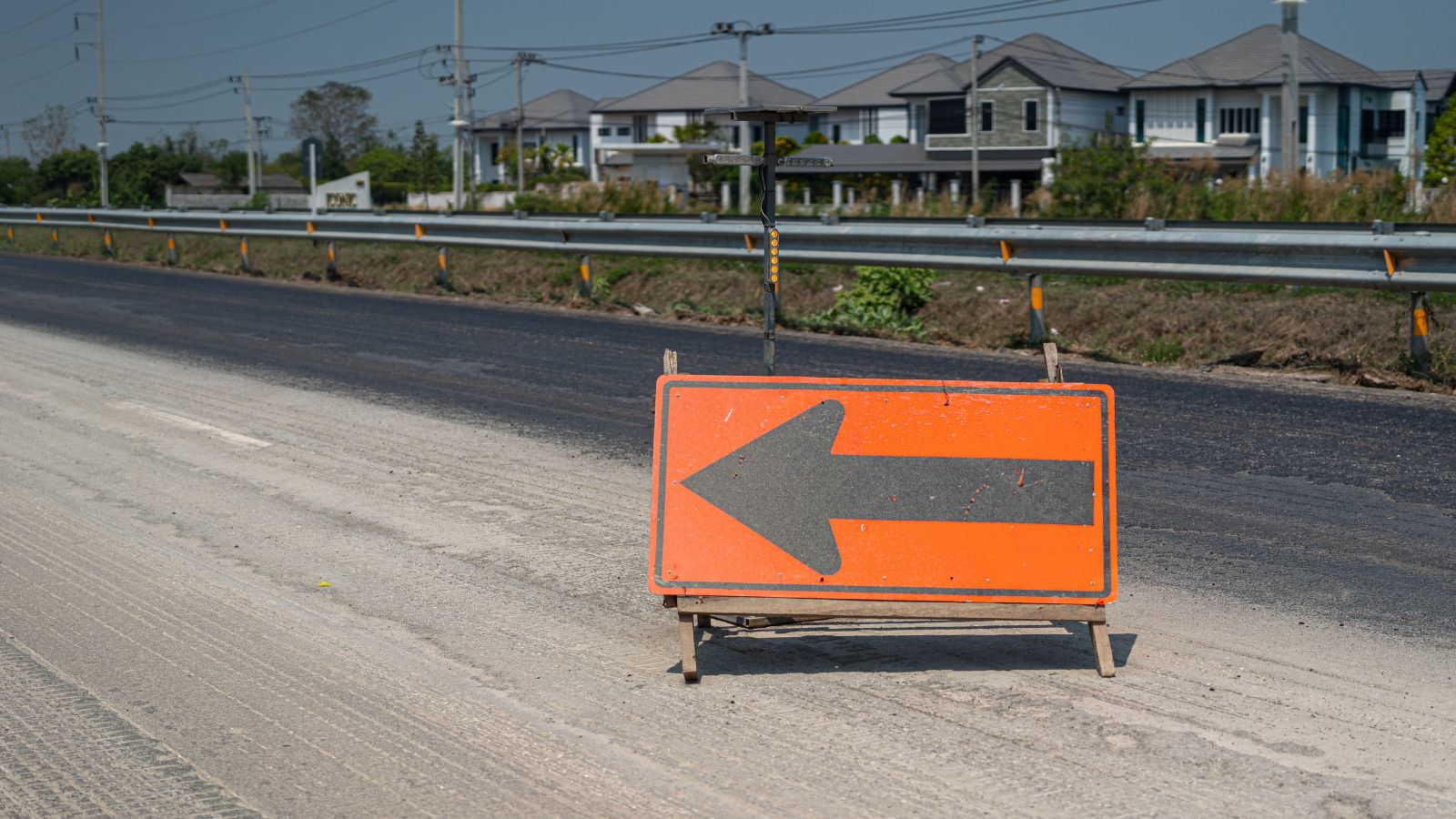
Driveway jobs are not usually discussed in the same breath as oil shocks, but they should be. Asphalt is a petroleum-based product, and Canadian industry classifications explicitly describe asphalt paving mixtures as being made from purchased asphalt or bituminous materials. When petroleum-related costs rise, driveway pricing can become less forgiving. That does not mean every homeowner should delay needed work, but it does mean a large new asphalt project may feel less like a straightforward property upgrade and more like buying into an energy-sensitive material at the wrong moment.
There is also a timing problem. Driveway work tends to be discretionary enough that households convince themselves it is “now or never,” especially when curb appeal is top of mind. But unlike a failing furnace or a leaking roof, a worn driveway often has some room for judgment calls. If oil stays high, homeowners who rushed into a cosmetic paving job may wish they had staged the project, patched temporarily, or waited for a more stable input-cost environment. Regret often shows up not because the driveway was unnecessary, but because the timing was.
18. Asphalt-Shingle or Vinyl-Heavy Exterior Renovations
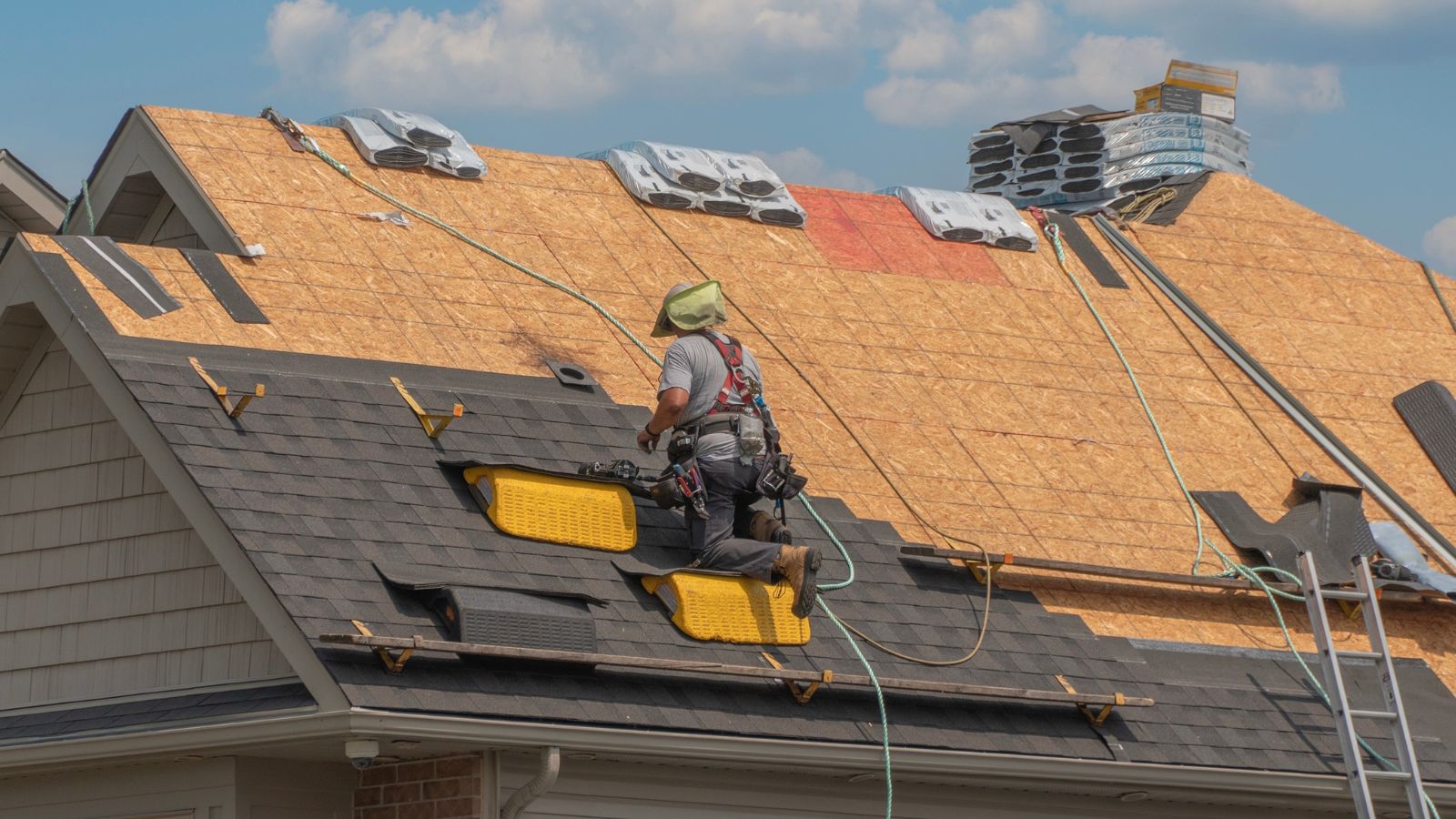
Exterior renovations can hide oil exposure better than almost any other household purchase. Asphalt shingles are manufactured with asphalt or bituminous materials, and vinyl products trace back to petrochemical feedstocks such as ethylene and vinyl chloride. In plain English, that means some of the most common roofing and siding choices are not insulated from energy shocks just because they are installed on a house instead of burned in an engine. If oil stays high, these renovation quotes can feel heavier than homeowners expected.
This does not make asphalt shingles or vinyl siding bad products. They remain mainstream choices for valid reasons. The regret risk comes when homeowners treat them as simple commodity purchases and assume the lowest quote today is automatically the smartest move. In a volatile oil environment, material pricing, contractor schedules, and replacement decisions can all get trickier. A homeowner who jumped into a large exterior refresh mainly for looks may later wish the money had gone toward efficiency upgrades, maintenance deferral, or a project less directly linked to petroleum-based inputs.
19 Things Canadians Don’t Realize the CRA Can See About Their Online Income

Earning money online feels simple and informal for many Canadians. Freelancing, selling products, and digital services often start as side projects. The problem appears at tax time. Many people underestimate how much information the CRA can access. Online platforms, banks, and payment processors create detailed records automatically. These records do not disappear once money hits an account. Small gaps in reporting add up quickly.
Here are 19 things Canadians don’t realize the CRA can see about their online income.
This Options Discord Chat is The Real Deal
While the internet is scoured with trading chat rooms, many of which even charge upwards of thousands of dollars to join, this smaller options trading discord chatroom is the real deal and actually providing valuable trade setups, education, and community without the noise and spam of the larger more expensive rooms. With a incredibly low-cost monthly fee, Options Trading Club (click here to see their reviews) requires an application to join ensuring that every member is dedicated and serious about taking their trading to the next level. If you are looking for a change in your trading strategies, then click here to apply for a membership.