
35,000+ smart investors are already getting financial news, market signals, and macro shifts in the economy that could impact their money next with our FREE weekly newsletter. Get ahead of what the crowd finds out too late. Click Here to Subscribe for FREE.
As of April 7, 2026, Canada’s national average gas price had climbed to 180.2 cents per litre, up sharply from a month earlier. That kind of jump has a way of changing behaviour fast. Households start looking for immediate relief, and in the rush, expensive decisions can masquerade as practical ones. Since transportation already takes a meaningful share of household spending in Canada, a fuel spike can ripple through budgets faster than many families expect.
That is exactly why the wrong reaction can cost more than the gas itself. Some purchases add risk, some lock in years of higher costs, and some simply do not deliver the savings people assume they will. These are 17 panic buys Canadians should think twice about before opening their wallets.
1. Extra Gas Cans and Stored Fuel
17 Panic Buys Canadians Should Avoid as Gas Prices Climb Again
- 1. Extra Gas Cans and Stored Fuel
- 2. Premium Gasoline for a Regular Car
- 3. Fuel Additives and Mileage Gadgets
- 4. A Roof Box or Roof Rack Left On Full-Time
- 5. Oversized Wheels, Aggressive Tires, and Cosmetic Upgrades
- 6. A Bigger SUV or Pickup Than Daily Life Really Needs
- 7. A Second Household Vehicle Bought “Just in Case”
- 8. Trading In a Reliable Car Too Early
- 9. A Seven- or Eight-Year Car Loan
- 10. Buying Based Only on the Monthly Payment
- 11. An EV Without a Real Charging Plan
- 12. A Plug-In Hybrid That Will Rarely Be Plugged In
- 13. A Used EV Bought Only Because the Sticker Looks Cheap
- 14. Remote-Start Packages That Lead to More Idling
- 15. A Portable Generator Bought for a Fuel-Price Scare
- 16. A Chest Freezer for Panic Stockpiling
- 17. Warehouse-Style Mega-Hauls and Bulk Memberships
- 19 Things Canadians Don’t Realize the CRA Can See About Their Online Income
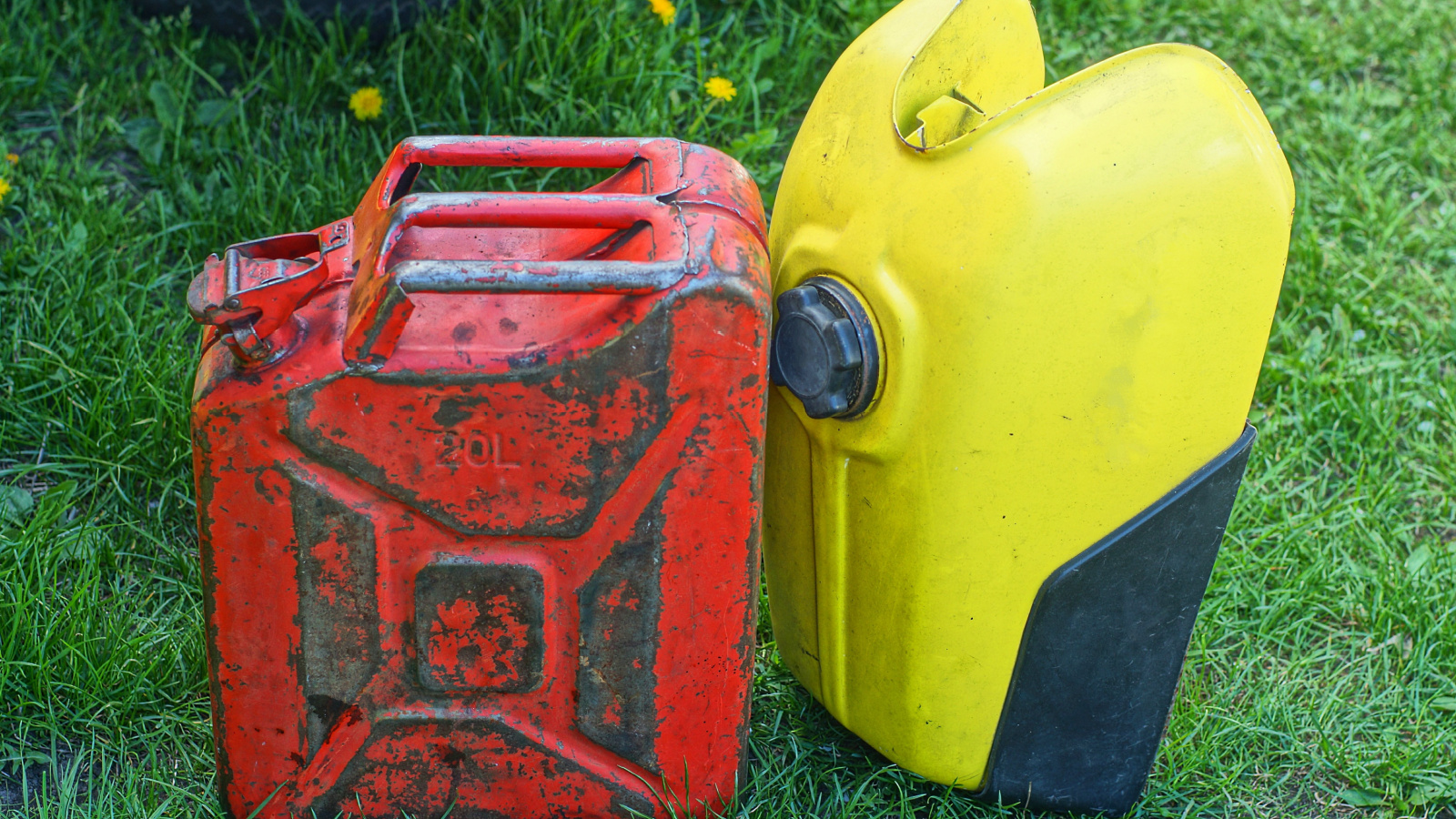
When gas prices jump, a few extra jerry cans can feel like a clever hedge. In reality, that purchase often solves the wrong problem. A higher pump price is not the same as a fuel shortage, and storing gasoline at home introduces risks that many households underestimate. Vapours can ignite, containers can degrade, and garages are rarely the ideal place for a small stockpile of flammable liquid. What begins as a “just in case” purchase can quickly become an unnecessary safety hazard.
There is also a financial mismatch. Most families do not save meaningfully by hoarding a small amount of fuel during a price spike, especially when prices can move back down just as quickly as they rise. A better response is usually simple: keep the tank above a quarter, plan fill-ups carefully, and use an approved container only when there is a real use case, such as equipment, travel, or rural backup needs.
2. Premium Gasoline for a Regular Car
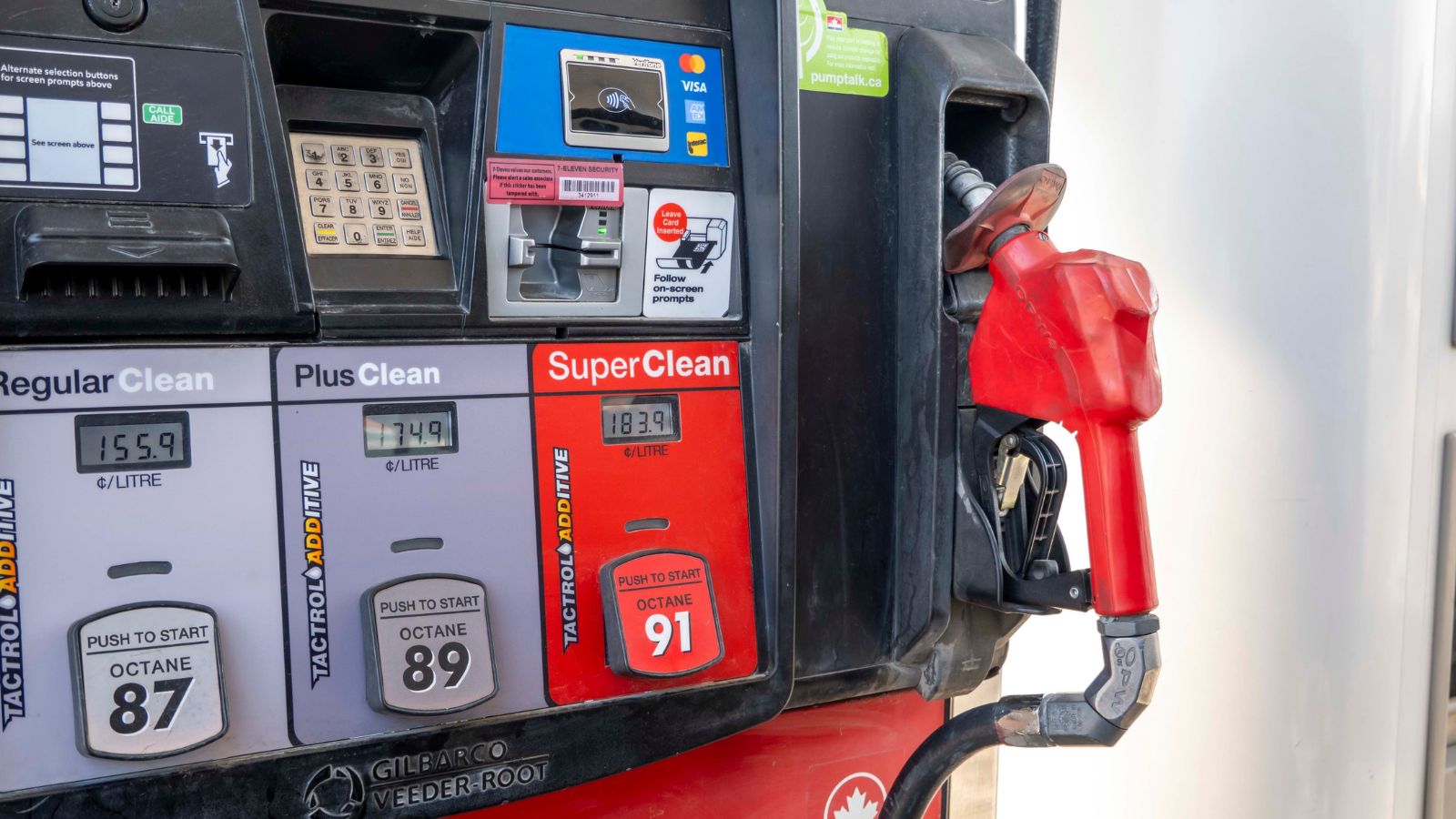
One of the most common fuel-price mistakes is oddly counterintuitive: spending even more per litre. Many drivers switch to premium believing it will improve mileage enough to offset the price difference. For most regular cars, that logic does not hold. If the owner’s manual does not require or strongly recommend premium, the higher-octane fuel usually adds cost without delivering a meaningful real-world payoff.
This is especially easy to do when headlines about oil and conflict make every stop at the pump feel high stakes. A driver with a perfectly ordinary crossover may start choosing the expensive nozzle out of habit, not need. That kind of quiet overspending can add up fast across a month. The simplest rule is the best one: follow the manufacturer’s recommendation, not the emotion of the moment. For many vehicles, regular gas is not a compromise. It is the correct product.
3. Fuel Additives and Mileage Gadgets
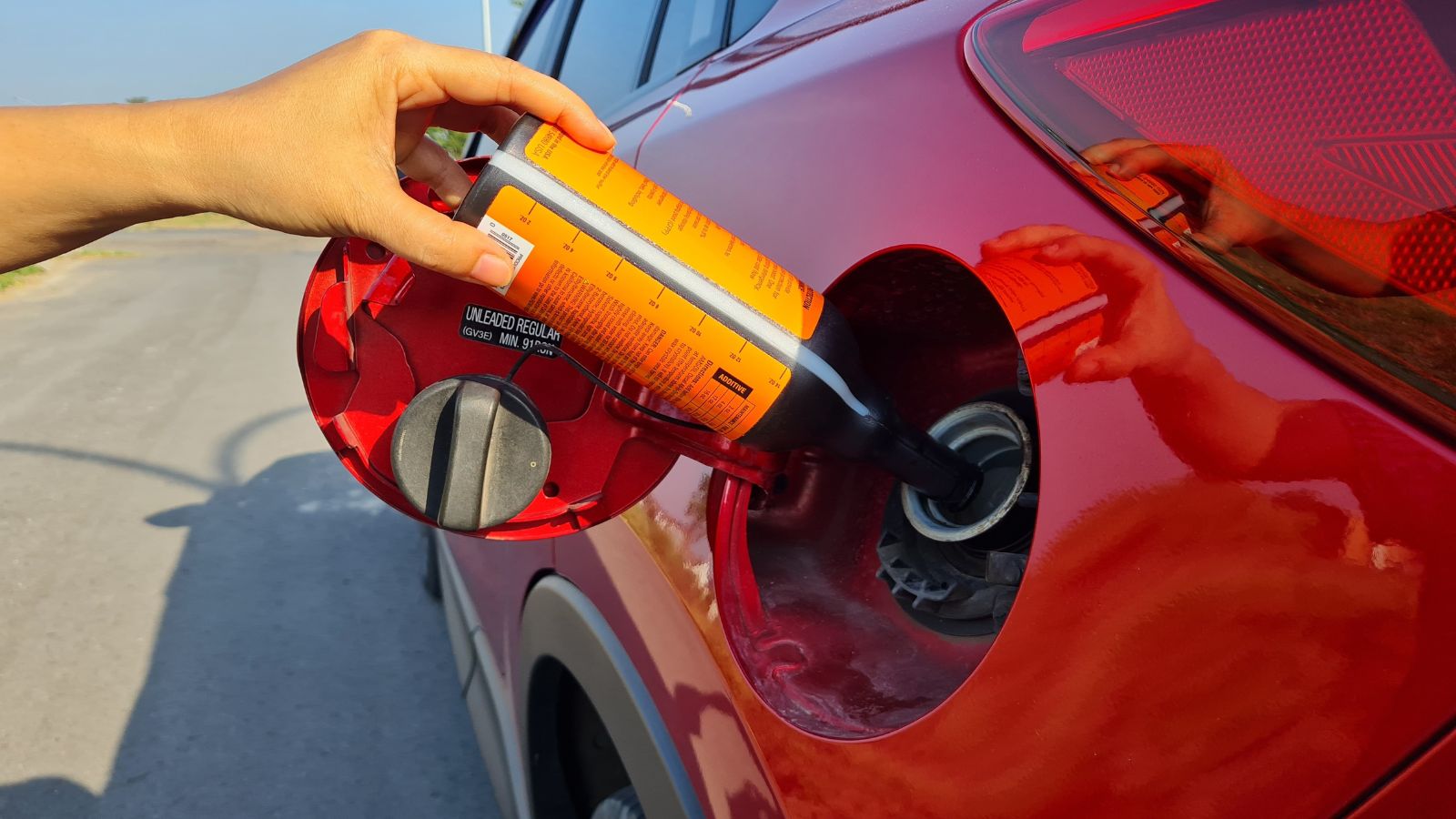
Rising gas prices create fertile ground for products that promise miraculous savings. Bottled additives, magnetic devices, intake gadgets, and plug-in “fuel savers” often appear just when drivers feel most vulnerable. The pitch is always appealing: spend a little now, save a lot later. The problem is that these products rarely hold up under scrutiny, and some can create new headaches if they interfere with normal engine operation.
That makes them classic panic buys. They prey on the hope that there is a shortcut around higher fuel costs, when the boring solutions remain the most effective ones. A household might spend money on a shelf full of additives while ignoring tire pressure, route planning, or a heavy roof rack that is hurting mileage every day. In periods of fuel anxiety, disciplined maintenance beats miracle bottles almost every time. If a gas-saving product sounds too easy, it usually is.
4. A Roof Box or Roof Rack Left On Full-Time

A roof box can look like a practical answer to higher fuel prices. The thinking often goes like this: carry more, make fewer trips, save money. But external cargo systems come with a hidden cost—drag. Even an empty roof rack can hurt fuel economy, while a bulky roof box can make the effect substantially worse, especially at highway speed. It is one of those purchases that feels efficient while quietly doing the opposite.
This matters more than many drivers realize because the penalty shows up over weeks, not one dramatic moment. A family doing weekend errands, cottage runs, and highway drives may slowly burn more fuel just to keep extra storage mounted overhead. A better approach is to treat rooftop storage as temporary equipment, not permanent lifestyle gear. Install it when it is truly needed, then take it off. In an era of expensive fuel, unused drag is an expensive habit disguised as convenience.
5. Oversized Wheels, Aggressive Tires, and Cosmetic Upgrades

Gas prices have a way of making drivers feel they need to “optimize” their vehicles, but not every upgrade is a smart one. Wider tires, heavier wheel packages, and aggressive all-terrain setups may look tougher, yet they can work against efficiency. In many cases, a vehicle gets more benefit from correct tire pressure and sensible maintenance than from a flashy tire-and-wheel change done in the name of performance or preparedness.
This is where psychology can beat math. A driver who feels squeezed at the pump may justify new wheels by calling them an investment, even though the return is weak or nonexistent. Meanwhile, underinflation alone can meaningfully raise fuel consumption and shorten tire life. That is a reminder worth taking seriously: before buying new rubber, it often makes more sense to make sure the existing set is inflated properly, matched properly, and suited to the vehicle’s actual use.
6. A Bigger SUV or Pickup Than Daily Life Really Needs
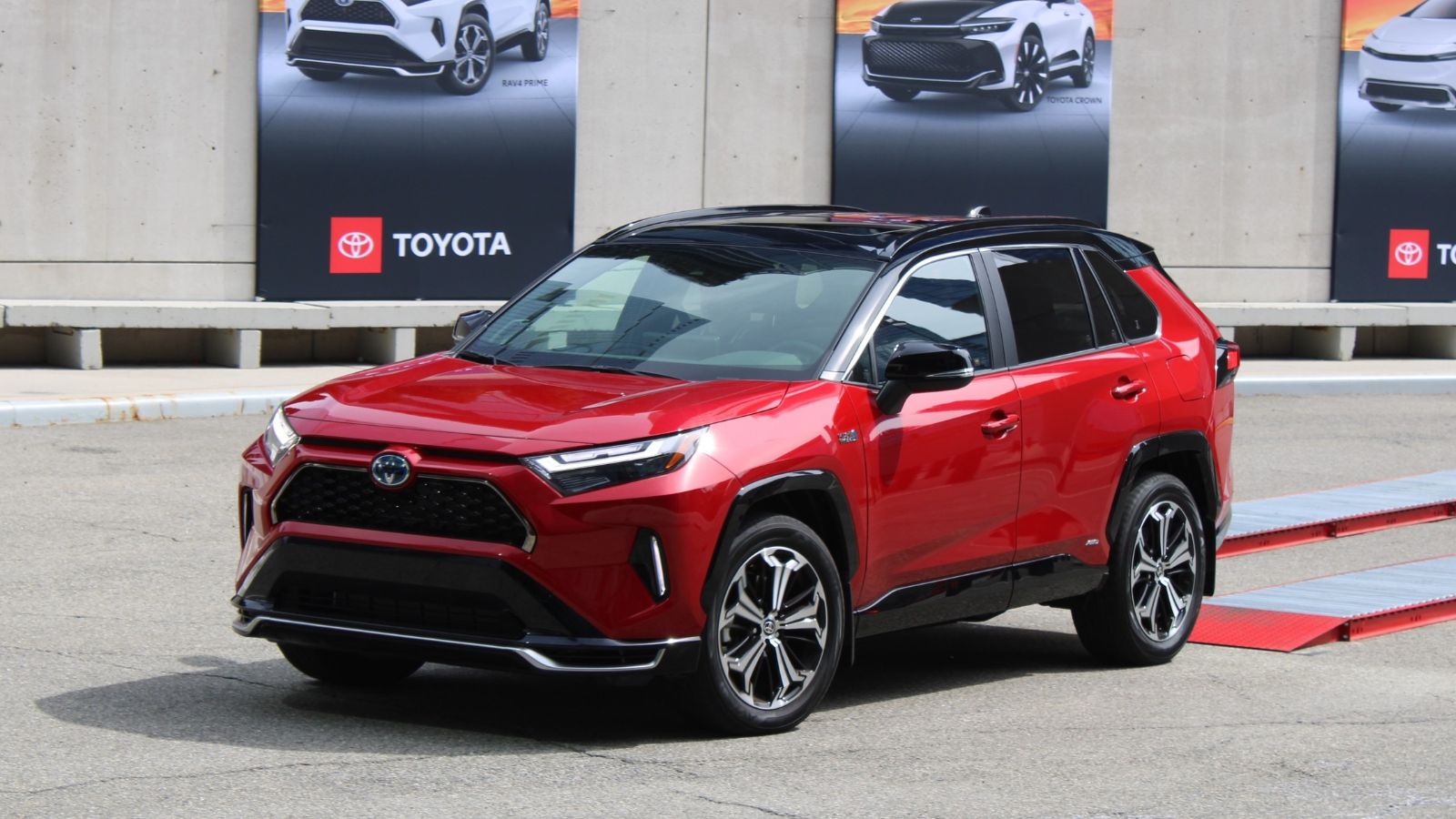
Fuel spikes often trigger a strange kind of defensive shopping. Instead of downsizing, some buyers panic into something bigger because it feels more versatile, more durable, or more “future-proof.” A larger SUV or pickup can seem like the safer long-term bet in uncertain times. But if the vehicle’s daily life is school runs, work commutes, and grocery stops, that extra size can lock in years of higher operating costs for very little practical gain.
This matters in Canada because the market already leans heavily toward light-duty vehicles, and shoppers have no shortage of bigger-body choices competing for attention. That abundance can normalize overbuying. A family that only occasionally needs more cargo room can end up paying for bulk every single day. The smarter move is to buy to actual routine, not hypothetical emergencies. A vehicle only feels “worth it” when its extra size gets used often enough to justify the fuel, insurance, and replacement costs that come with it.
7. A Second Household Vehicle Bought “Just in Case”
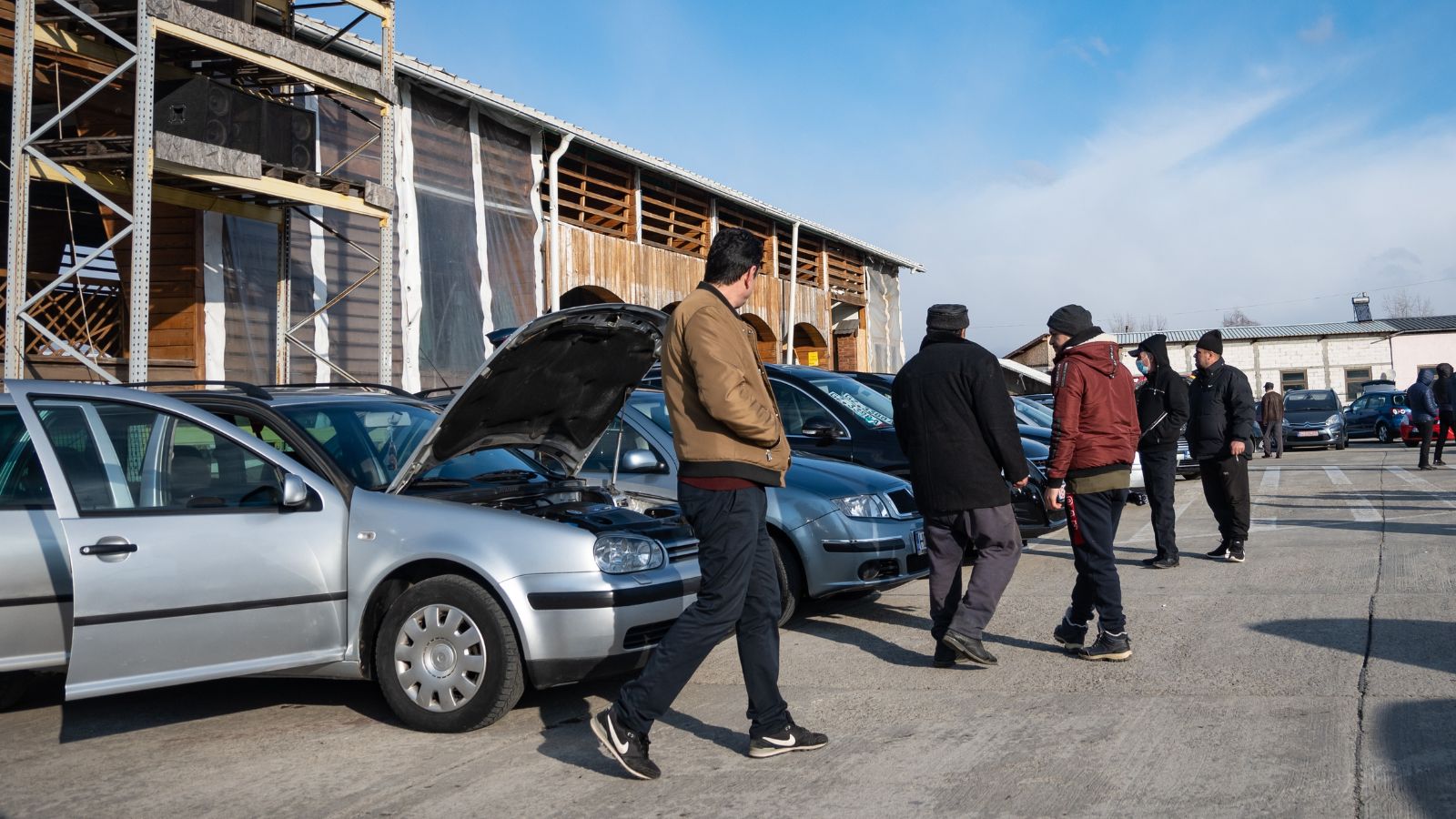
When gas prices rise, some households start thinking in backup mode. One efficient commuter car seems good, so two might seem better. A cheap used runabout can look like protection against rising fuel costs, especially if it is supposed to save kilometres on the primary vehicle. But that second-car strategy often ignores the fixed costs that arrive before the supposed savings do: insurance, maintenance, licensing, storage, battery issues, and depreciation.
This is where fuel anxiety can blur the bigger budget picture. Transportation already takes a sizable share of household spending in Canada, and adding another vehicle can widen that burden quickly. A second car may make sense in certain suburbs, rural areas, or split-shift households. But buying one in a moment of panic is different from buying one with a clear year-round need. If the vehicle will sit for long stretches or only solve an occasional inconvenience, it is often an expensive answer to a temporary feeling.
8. Trading In a Reliable Car Too Early

A paid-off or mostly paid-off vehicle can suddenly feel unbearable when gas prices jump. That is when many owners start romanticizing a trade-in. The old car becomes “wasteful,” the newer one feels “responsible,” and the dealership pitch does the rest. The danger is that reliable transportation can be worth more in practice than it looks on paper, especially if replacing it means swallowing immediate depreciation and starting over on taxes, fees, and financing.
This is not an argument for keeping a true money pit forever. It is a warning against treating a fuel spike like a deadline. Vehicles lose value quickly, especially early on, and many Canadians underestimate how much of the trade-in deal is simply converting a familiar expense into a newer, larger one. A dependable older sedan that burns a bit more gas may still be cheaper overall than a shiny replacement carrying fresh debt. Sometimes the smartest move is not upgrading the vehicle, but upgrading patience.
9. A Seven- or Eight-Year Car Loan

Nothing says panic buy quite like solving an immediate monthly stress with a very long loan. When gas prices rise, buyers become more payment-sensitive, and that makes extended financing terms feel attractive. Stretching a loan over seven or eight years can make a newer vehicle seem suddenly affordable, but the lower monthly payment often hides a more expensive decision. Borrowing costs rise, negative equity becomes more likely, and the household loses flexibility if circumstances change.
That matters most when the vehicle is being bought as a reaction rather than a plan. A buyer trying to escape fuel pain may end up trapped in a long loan before the fuel savings truly materialize. If the car is sold early, totaled, or simply becomes inconvenient, there may still be more owed than the vehicle is worth. The short-term relief can be real, but so is the long-term drag. Gas prices may ease in months. A stretched loan can linger for most of a decade.
10. Buying Based Only on the Monthly Payment

Closely related to long financing is another classic mistake: shopping by payment instead of total cost. Dealers know how powerful a monthly number can be. It feels manageable, clean, almost harmless. But the payment is only the visible slice. The real burden includes purchase price, interest, fuel, insurance, taxes, fees, and depreciation. In a period of expensive gas, focusing only on the monthly number can cause buyers to miss the true cost of what they are bringing home.
This is especially risky in today’s market, where average monthly payments for new vehicles in Canada have remained very high. A buyer may feel reassured that the payment “fits,” while ignoring how much was traded away to make it fit: more months, more interest, less flexibility, and often a pricier vehicle than necessary. The disciplined move is dull but powerful—run the total-cost math first. When fuel costs are already squeezing the household budget, an attractive payment can be the most expensive illusion on the lot.
11. An EV Without a Real Charging Plan
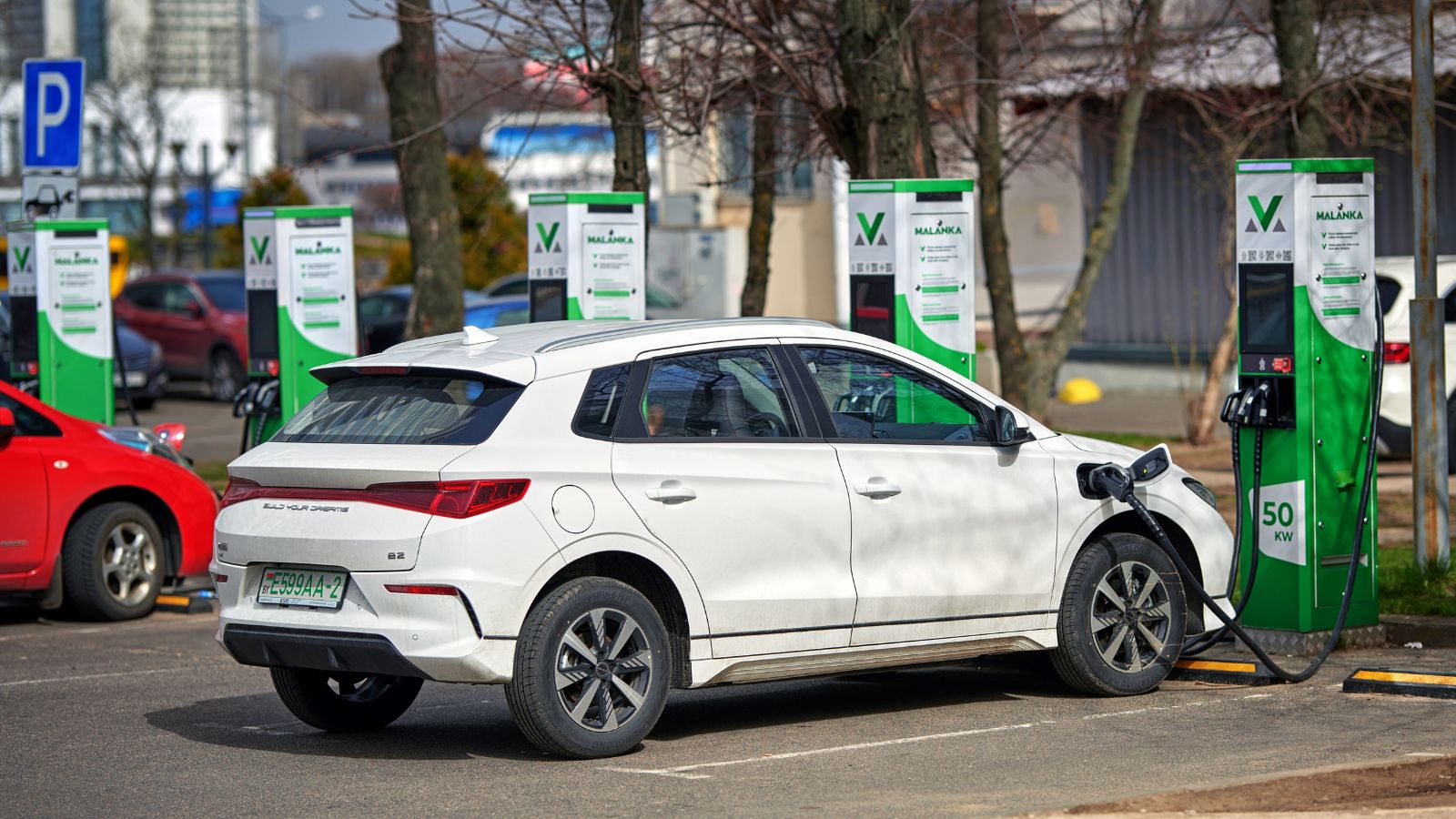
High gas prices predictably make electric vehicles look more attractive, and often for good reason. But buying one in a rush—without home charging, workplace charging, or a realistic route plan—can turn a sensible transition into a frustrating one. In Canada, cold weather still matters, charging access still matters, and the best EV decision is usually the one made with infrastructure in mind, not just pump anger.
That distinction matters because Canadian winter testing has shown that cold conditions can reduce real-world EV range meaningfully, and public fast-charging satisfaction is still far from universal. None of that means EVs are a bad choice. It means they are a fit question, not just a fuel-price question. An urban condo owner with uncertain charging access may have a very different experience from a suburban household with a garage and predictable driving. The right EV can be a smart long-term buy. The wrong one can become an expensive lesson in impatience.
12. A Plug-In Hybrid That Will Rarely Be Plugged In
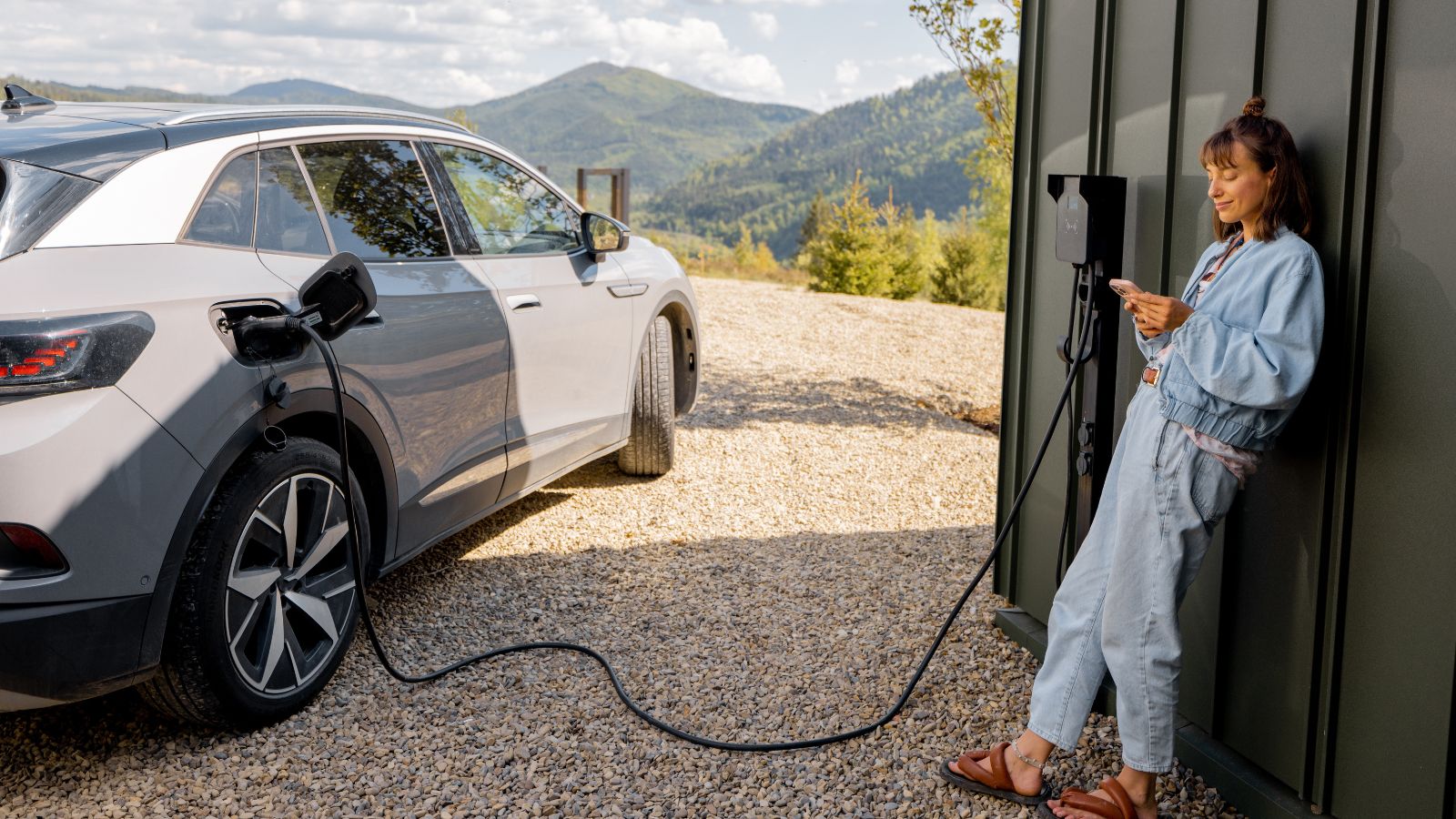
Plug-in hybrids are often marketed as the perfect middle ground, and for some Canadians they are. But they are only truly compelling when the plug-in part is used regularly. A household that buys a PHEV and mostly drives it like a regular gasoline vehicle may end up carrying the complexity, weight, and price premium of the technology without capturing the main fuel-saving benefit.
This is where real-world behaviour matters more than brochure logic. Plug-in hybrids shine on shorter trips when charging is routine. On longer drives or in habits where the battery is rarely replenished, their advantage narrows. That does not make them bad vehicles. It makes them highly dependent on use case. A buyer with a driveway outlet and a short daily commute may love the economics. A buyer who relies on street parking and frequent highway travel may find that a conventional hybrid or efficient gas model would have been the more honest choice.
13. A Used EV Bought Only Because the Sticker Looks Cheap

Used EVs can offer excellent value, but they can also tempt buyers for the wrong reason. A surprisingly low sticker price creates a powerful sense of urgency, especially when gas prices are rising and every litre feels punitive. The danger is assuming cheap up front automatically means cheap overall. Battery health, software support, charging speed, winter performance, tire wear, and resale uncertainty all matter more in this part of the market than many first-time EV shoppers expect.
Canada’s used-vehicle data has already shown that EV depreciation can be sharper than in many other segments. That creates opportunity, but also a reason to slow down. A bargain-priced EV can be a great commuter tool if the range fits the route and the ownership expectations are realistic. It can also be a frustrating mismatch if the low price is masking a poor charging curve or a battery that no longer suits daily life. In short, “cheap” is not the same as “right.”
14. Remote-Start Packages That Lead to More Idling
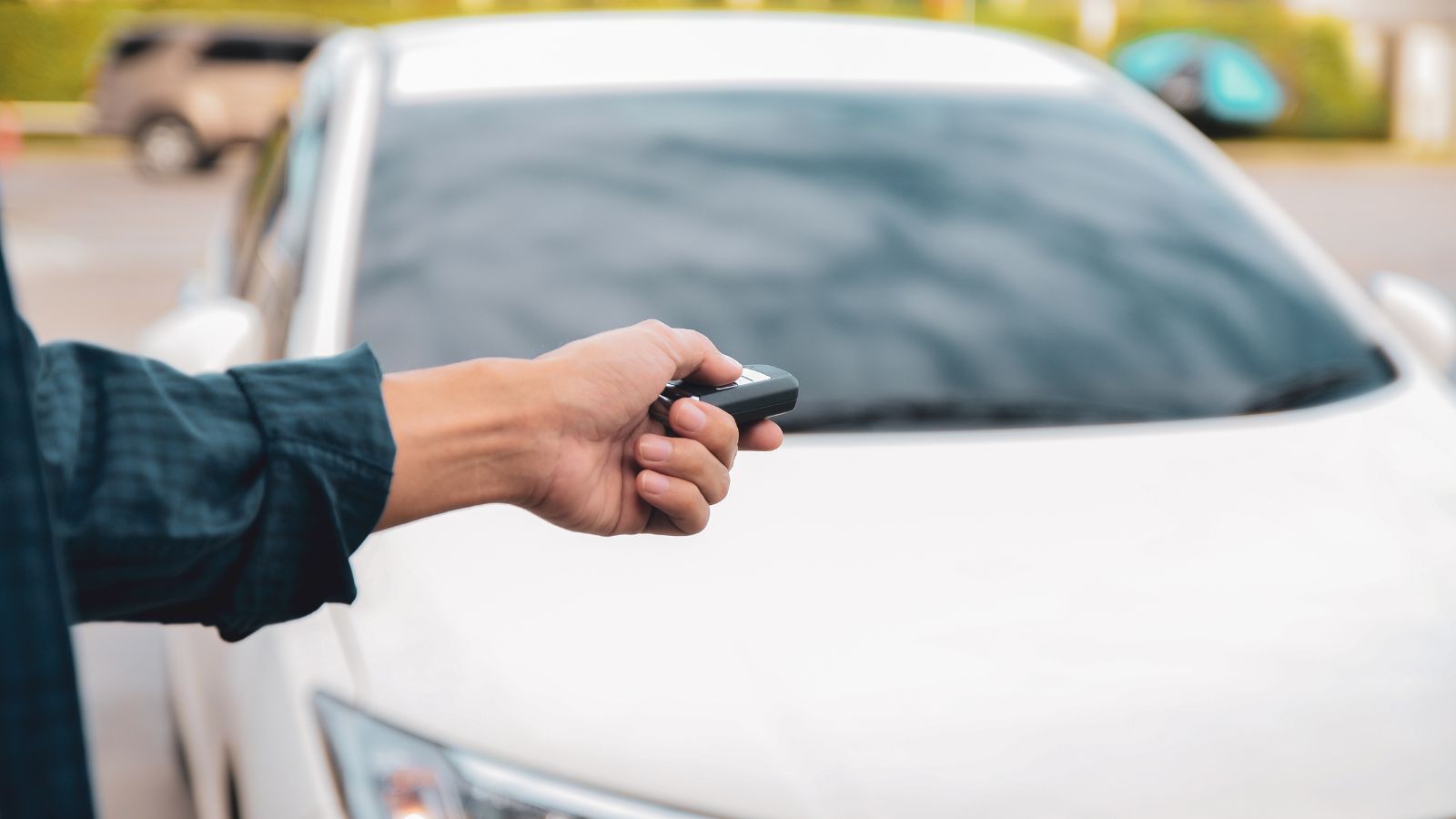
A remote starter is not automatically a bad buy, especially in Canadian winters. The problem appears when convenience quietly becomes habit. When fuel prices rise, many drivers obsess over big decisions while ignoring small daily ones, and repeated idling is one of the easiest ways to waste money. A vehicle left running morning after morning for comfort or routine can steadily burn fuel without moving the household any closer to its destination.
That is why this becomes a panic buy only in context: people sometimes spend money on convenience hardware while skipping lower-cost efficiency basics. Idling, excess warm-up time, and poor trip planning can quietly eat into any savings a driver hoped to achieve. In many situations, the cheaper answer is behavioural, not technological—start the car closer to departure, combine errands, maintain the vehicle, and avoid treating warm-up time like free fuel. In a high-price environment, wasted minutes matter more than people think.
15. A Portable Generator Bought for a Fuel-Price Scare
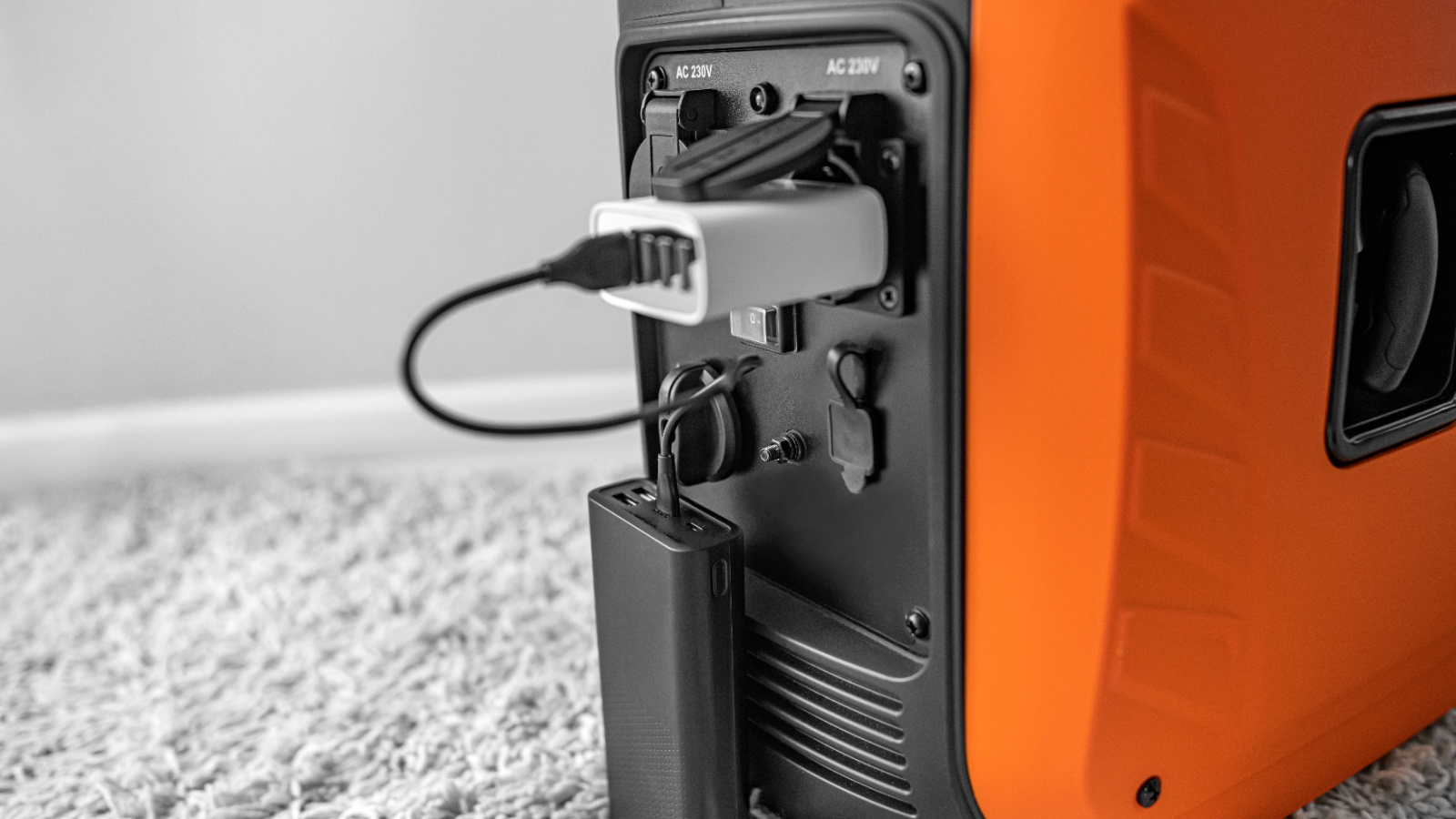
Energy headlines can blur together. Oil markets, conflict, carbon monoxide warnings, grid concerns, blackouts—once the anxiety builds, some households start shopping for generators even when the actual problem is simply higher gasoline prices. A portable generator can be a useful tool in storm-prone areas or for homes with repeated outage risk. It is a poor impulse purchase when it is bought mainly as an emotional reaction to expensive fuel.
That is because generators bring their own ongoing obligations: safe storage, fuel rotation, maintenance, testing, and strict operating rules. Health authorities continue to warn that fuel-burning generators pose serious carbon monoxide risks if used improperly. So this is not a simple backup appliance. It is equipment that must be justified by need and handled with care. For many urban and suburban households, that money is often better spent on emergency basics, home efficiency, or paying down the broader transportation costs that high fuel prices expose.
16. A Chest Freezer for Panic Stockpiling

When driving feels expensive, some families try to “beat” transportation costs by buying more food at once. That can lead to chest-freezer shopping: one extra appliance, one giant grocery cycle, one imagined path to lower spending. Sometimes it works, especially for large households with disciplined meal planning. Often it does not. A freezer adds electricity use, takes up space, and can quietly become a storage unit for forgotten bargains that never turn into meals.
The deeper issue is that bulk buying only saves money when the food gets eaten. Canada still struggles with household food waste on a large scale, which means a freezer can become a monument to good intentions rather than a true budget tool. For a family already organized around batch cooking and portioning, the purchase may pencil out. For everyone else, it can be another case of turning a temporary price spike into a permanent household expense.
17. Warehouse-Style Mega-Hauls and Bulk Memberships
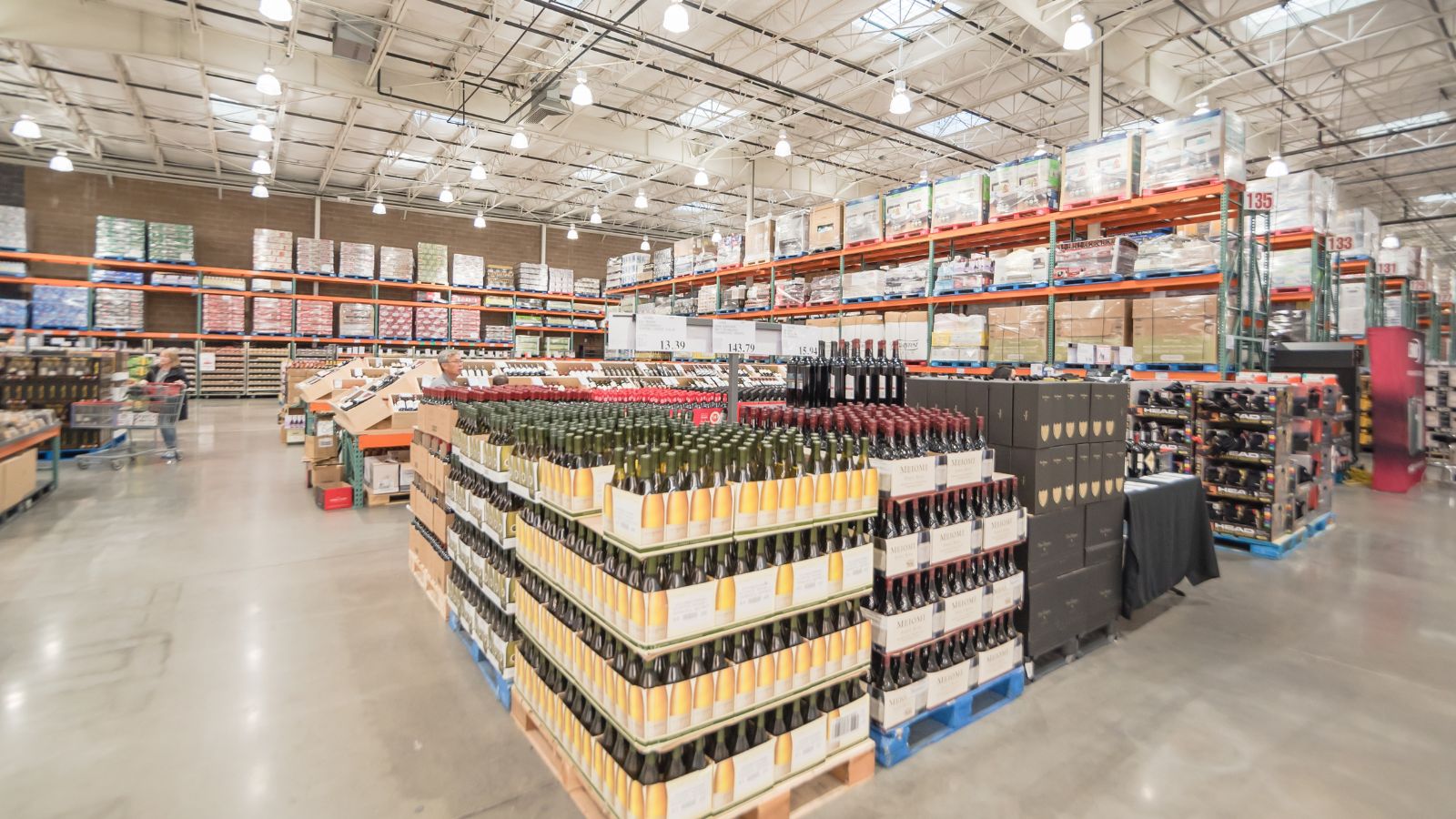
Gas price spikes often make one strategy sound irresistible: shop less often, buy much more each trip, and make every drive count. That can lead to bulk memberships, oversized grocery runs, and a trunk full of “savings” that felt smart in the moment. But mega-hauls only work when there is strong list discipline, enough storage, and a household that consistently uses what it buys. Otherwise, the trip saved at the pump gets replaced by food waste, duplicate purchases, and money tied up in inventory.
This is where higher living costs can distort decision-making. Canadians have already been adjusting how and where they buy food, often becoming more selective and cautious. That makes sense. What does not make sense is spending aggressively just to feel in control. A bulk run is most effective when it is focused on staples with clear turnover, not fear-based cart filling. In expensive times, the best shopping habit is usually not buying more. It is buying with sharper intention.
19 Things Canadians Don’t Realize the CRA Can See About Their Online Income

Earning money online feels simple and informal for many Canadians. Freelancing, selling products, and digital services often start as side projects. The problem appears at tax time. Many people underestimate how much information the CRA can access. Online platforms, banks, and payment processors create detailed records automatically. These records do not disappear once money hits an account. Small gaps in reporting add up quickly.
Here are 19 things Canadians don’t realize the CRA can see about their online income.
This Options Discord Chat is The Real Deal
While the internet is scoured with trading chat rooms, many of which even charge upwards of thousands of dollars to join, this smaller options trading discord chatroom is the real deal and actually providing valuable trade setups, education, and community without the noise and spam of the larger more expensive rooms. With a incredibly low-cost monthly fee, Options Trading Club (click here to see their reviews) requires an application to join ensuring that every member is dedicated and serious about taking their trading to the next level. If you are looking for a change in your trading strategies, then click here to apply for a membership.