
35,000+ smart investors are already getting financial news, market signals, and macro shifts in the economy that could impact their money next with our FREE weekly newsletter. Get ahead of what the crowd finds out too late. Click Here to Subscribe for FREE.
Convenience spending often feels small, yet it can quietly increase monthly expenses in Canada. Quick purchases like coffee, delivery, or app payments seem manageable in the moment. Over time, these habits can add up without clear notice. Many of these costs come from choosing ease over planning. Tracking spending helps in identifying where money is going. It also shows patterns that are easy to overlook during daily routines. Making small adjustments can reduce these expenses without changing your lifestyle too much. Awareness is the first step toward better control. Here are 16 convenience spending habits Canadians don’t notice until they track them.
Daily Coffee and Beverage Purchases
16 “Convenience Spending” Habits Canadians Don’t Notice Until They Track Them
- Daily Coffee and Beverage Purchases
- Frequent Food Delivery and Takeout Orders
- Small In-App Purchases on Mobile Devices
- Subscription Add-Ons You Rarely Use
- Ride-Hailing Instead of Public Transit
- Convenience Store Premium Pricing
- Pre-Packaged and Ready-to-Eat Food Choices
- Extra Fees for Faster Shipping Options
- Impulse Purchases During Online Browsing
- Paid Parking for Short Errands
- ATM Fees for Quick Cash Withdrawals
- Late Fees on Bills Due to Missed Dates
- Unused Gym or Fitness Memberships
- Frequent Small Digital Payments and Tips
- Buying Instead of Borrowing Occasionally Used Items
- Upgrading Services Without Reviewing Cost Impact
- 22 Groceries to Grab Now—Before another Price Shock Hits Canada

Buying coffee or drinks daily can seem like a small expense, yet it adds up over time. In Canada, regular café visits can increase monthly spending without notice. Even a few purchases each week can create a noticeable impact. Tracking these expenses helps in understanding how often you spend. Preparing coffee at home can significantly reduce these costs. Carrying a reusable bottle or cup also helps in avoiding extra purchases. Setting a small monthly limit keeps spending balanced. Occasional treats can still be part of your routine. This habit becomes easier to manage with awareness. It helps reduce costs without completely removing comfort.
Frequent Food Delivery and Takeout Orders

Ordering food regularly is convenient, yet it often increases spending. Delivery fees, service charges, and tips add to the total cost. In Canada, these extra charges can make meals more expensive than expected. Tracking how often you order helps in identifying patterns. Planning simple meals at home can reduce reliance on takeout. Keeping basic ingredients ready supports quick cooking. Setting a limit for ordering helps in controlling expenses. Occasional orders can still be included without overspending. Reviewing delivery history gives better insight. This habit helps in balancing convenience with cost, making it easier to manage monthly food expenses.
Small In-App Purchases on Mobile Devices

In-app purchases can feel minor, yet they often go unnoticed in daily spending. These may include game upgrades, digital items, or premium features. In Canada, small charges can add up over time without clear tracking. Reviewing app store purchase history helps in identifying these costs. Disabling automatic payments can reduce unnecessary spending. Setting limits for digital purchases improves control. Many apps offer free versions that work well for basic use. Tracking these expenses builds better awareness. This approach helps in reducing small but frequent costs. It allows you to keep using apps while avoiding unnecessary financial impact.
Subscription Add-Ons You Rarely Use

Many subscriptions include add-ons that are not used regularly. These may include extra channels, features, or premium upgrades. In Canada, these small additions can increase monthly bills over time. Reviewing your subscriptions helps in identifying unused features. Removing these add-ons can lower costs immediately. Tracking your usage supports better decision-making. Asking providers about simpler plans may also help. Keeping only what you use improves budget control. This habit does not affect your main services. It simply removes extra costs that add little value. Over time, this adjustment supports more efficient spending.
Ride-Hailing Instead of Public Transit

Ride-hailing services offer convenience, yet they often cost more than public transit. In Canadian cities, frequent use can increase monthly transportation expenses. Tracking how often you choose ride-hailing helps in understanding spending patterns. Using transit for regular trips can reduce costs significantly. Planning travel in advance supports better decisions. Combining transit with occasional ride-hailing creates balance. Setting a monthly limit for such services helps in control. Reviewing past expenses provides useful insight. This approach allows you to maintain convenience when needed. It helps in managing transportation costs without completely giving up flexibility.
Convenience Store Premium Pricing

Convenience stores offer quick access, yet prices are usually higher than those in regular grocery stores. Buying everyday items from these stores can increase spending over time. In Canada, even small price differences can add up with frequent visits. Tracking how often you shop at convenience stores helps in identifying habits. Planning ahead and buying essentials from larger stores reduces these costs. Keeping basic items stocked at home prevents last-minute purchases. Comparing prices helps in making better choices. This habit supports smarter spending. It allows you to maintain convenience occasionally while avoiding higher costs on regular purchases.
Pre-Packaged and Ready-to-Eat Food Choices

Pre-packaged and ready-to-eat foods offer convenience, yet they often cost more than basic ingredients. In Canada, items like cut fruits, salads, and ready meals include added processing costs. Buying these regularly can increase grocery spending without notice. Tracking how often you choose these items helps in identifying patterns. Preparing simple meals at home can reduce reliance on packaged options. Keeping basic ingredients ready supports quicker cooking. Comparing prices shows the difference clearly. Occasional use can still fit into your routine. This habit helps in balancing convenience with cost. It supports better spending control while maintaining practical meal options.
Extra Fees for Faster Shipping Options

Choosing faster shipping during online shopping can increase total costs. Many Canadian retailers charge extra for express delivery. These fees may seem small, yet they add up over time. Tracking how often you select faster shipping helps in understanding spending habits. Planning purchases in advance allows you to use standard delivery instead. Some stores offer free shipping after reaching a minimum order value. Waiting a few extra days can reduce unnecessary costs. Reviewing checkout details helps in avoiding automatic upgrades. This habit supports better control over online spending. It helps in saving money without affecting your overall shopping experience.
Impulse Purchases During Online Browsing

Online browsing often leads to unplanned purchases that increase spending. Flash deals, limited-time offers, and ads can influence quick decisions. In Canada, these impulse buys can add up without clear tracking. Adding items to a wishlist instead of buying immediately helps in controlling this habit. Reviewing items later often reduces unnecessary purchases. Removing saved payment details can also create a pause before buying. Tracking online spending provides better awareness. Setting a monthly limit supports better control. This approach helps in reducing extra costs. It allows you to shop online while avoiding unnecessary financial impact.
Paid Parking for Short Errands

Paying for parking during short errands can increase daily expenses over time. In many Canadian cities, parking fees apply even for brief visits. These small costs may not seem significant individually. Tracking how often you pay for parking helps in identifying patterns. Combining errands into one trip can reduce these expenses. Choosing locations with free parking options may also help. Walking short distances can be another alternative. Planning visits during off-peak times may lower costs. This habit supports better spending awareness. It helps in managing transportation-related expenses without affecting convenience too much.
ATM Fees for Quick Cash Withdrawals
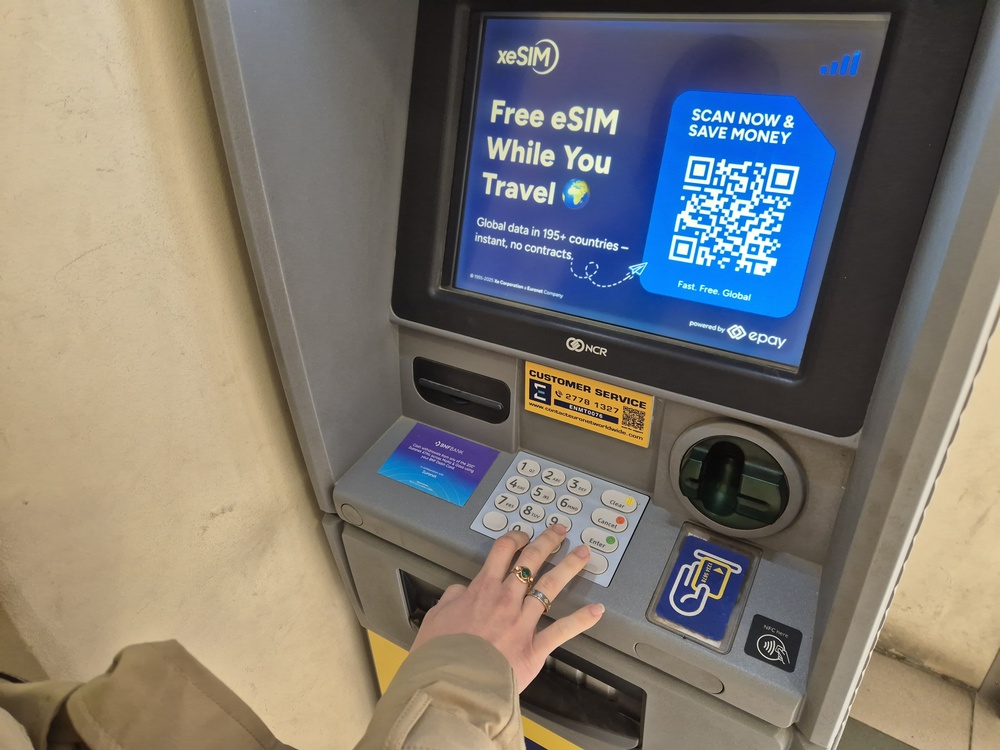
Using ATMs outside your bank’s network can result in extra fees. These charges often apply to quick and convenient withdrawals. In Canada, both your bank and the ATM provider may charge fees. Tracking how often this happens helps in understanding its impact. Planning withdrawals in advance reduces the need for frequent transactions. Using ATMs within your bank network avoids these costs. Some accounts also offer limited free withdrawals. Monitoring your usage improves awareness. This habit supports better financial control. It helps in reducing unnecessary banking expenses linked to convenience.
Late Fees on Bills Due to Missed Dates
Late payment fees can occur when bills are not paid on time. These charges can increase monthly expenses without much notice. In Canada, missed due dates may also affect your credit score. Tracking payment schedules helps in avoiding these fees. Setting reminders or automatic payments supports timely payments. Reviewing bills regularly keeps you updated. Occasional late fees may be waived if requested. Maintaining a consistent payment record improves your chances. This habit supports better financial management. It helps in reducing avoidable costs while keeping your payments organized and on schedule.
Unused Gym or Fitness Memberships

Gym memberships can continue to be charged even when visits become less frequent. In Canada, many people sign up with good intent but stop going regularly. These monthly fees may go unnoticed without tracking. Reviewing your attendance helps decide whether the membership is worth it. Canceling or pausing unused plans can reduce expenses. Some gyms offer flexible or pay-per-use options. Exploring outdoor activities during warmer months can also replace memberships. Tracking this cost shows its impact clearly. This habit helps in cutting unnecessary spending. It allows you to stay active while avoiding charges for services you no longer use.
Frequent Small Digital Payments and Tips
Small digital payments, including tips and micro-transactions, can add up over time. These may include app tips, small donations, or quick purchases. In Canada, digital payments are easy, making spending feel less noticeable. Tracking these expenses helps in understanding how often they occur. Setting a monthly limit can improve control. Reviewing payment history provides useful insight into patterns. Choosing when to tip or to spend more intentionally helps manage costs. These payments may seem minor individually, yet they affect overall budgets. This habit supports better awareness. It helps reduce unnecessary spending while maintaining flexibility in digital payments.
Buying Instead of Borrowing Occasionally Used Items
Buying items for one-time or infrequent use can lead to unnecessary spending. Tools, equipment, or special items may not be needed regularly. In Canada, many of these items can be borrowed from friends or rented. Tracking how often you make such purchases helps identify patterns. Choosing borrowing options reduces costs and saves space at home. Community sharing platforms can also provide access to items. Planning ahead supports better decisions. This habit helps in avoiding extra purchases. It allows you to meet occasional needs without unnecessarily increasing your budget.
Upgrading Services Without Reviewing Cost Impact

Upgrading plans or services often feels like a small change, yet it increases monthly costs. These upgrades may include higher data plans, premium features, or faster services. In Canada, such changes can happen without reviewing actual usage. Tracking your needs helps determine whether upgrades are necessary. Reviewing billing statements shows the cost difference clearly. Downgrading unused features can reduce expenses. Asking providers for alternatives may also help. This habit supports better decision-making. It helps in avoiding paying more for services that are not fully used while keeping your expenses balanced.
22 Groceries to Grab Now—Before another Price Shock Hits Canada

Food prices in Canada have been steadily climbing, and another spike could make your grocery bill feel like a mortgage payment. According to Statistics Canada, food inflation remains about 3.7% higher than last year, with essentials like bread, dairy, and fresh produce leading the surge. Some items are expected to rise even further due to transportation costs, droughts, and import tariffs. Here are 22 groceries to grab now before another price shock hits Canada.
22 Groceries to Grab Now—Before another Price Shock Hits Canada
This Options Discord Chat is The Real Deal
While the internet is scoured with trading chat rooms, many of which even charge upwards of thousands of dollars to join, this smaller options trading discord chatroom is the real deal and actually providing valuable trade setups, education, and community without the noise and spam of the larger more expensive rooms. With a incredibly low-cost monthly fee, Options Trading Club (click here to see their reviews) requires an application to join ensuring that every member is dedicated and serious about taking their trading to the next level. If you are looking for a change in your trading strategies, then click here to apply for a membership.