
35,000+ smart investors are already getting financial news, market signals, and macro shifts in the economy that could impact their money next with our FREE weekly newsletter. Get ahead of what the crowd finds out too late. Click Here to Subscribe for FREE.
Bank fees in Canada can quietly increase monthly expenses if left unchecked. Many of these charges may seem fixed, but some can be reduced or waived. Banks often offer flexibility, especially to long-term customers or those with a good account history. Asking the right way and at the right time can make a difference. Reviewing your statements helps in spotting recurring or one-time fees. Understanding what you are being charged for gives you more control. A simple request or discussion with your bank may lead to savings. Taking this step helps in managing finances more actively. Here are 21 bank fees Canadians can often get waived if they ask the right way.
Monthly Account Maintenance Fees
21 Bank Fees Canadians Can Often Get Waived (If They Ask the Right Way)
- Monthly Account Maintenance Fees
- Overdraft Fees on Occasional Shortfalls
- NSF (Non-Sufficient Funds) Fees
- ATM Fees from Out-of-Network Withdrawals
- Interac e-Transfer Fees
- Credit Card Annual Fees
- Late Payment Fees on Credit Cards
- Foreign Transaction Fees
- Wire Transfer Fees
- Replacement Card Fees
- Paper Statement Fees
- Account Closure Fees
- Inactivity Fees on Savings Accounts
- Minimum Balance Penalty Fees
- Stop Payment Fees
- Returned Cheque Fees
- Cash Advance Fees on Credit Cards
- Balance Transfer Fees
- Safety Deposit Box Fees
- Expedited Service Fees
- Duplicate Statement or Document Fees
- 22 Groceries to Grab Now—Before another Price Shock Hits Canada

Many Canadian bank accounts charge a monthly maintenance fee for basic services. These fees can add up over time if left unchecked. Reviewing your account type helps in understanding what you are paying for. Some banks waive these fees if you maintain a minimum balance. Others may remove them for students, seniors, or bundled accounts. Asking your bank about available options can lead to savings. Switching to a no-fee account is also worth considering. Tracking these charges each month improves awareness. A simple request or account change can reduce this cost. This helps in lowering regular expenses without affecting your daily banking needs.
Overdraft Fees on Occasional Shortfalls

Overdraft fees occur when your account balance goes below zero. Banks in Canada may charge a fee for covering these shortfalls. If this happens occasionally, you may be able to request a waiver. Contacting your bank quickly after the charge improves your chances. Maintaining a good account history often helps in getting fees reversed. Setting up alerts for low balances can prevent future charges. Linking a savings account may also reduce overdraft usage. Tracking these incidents helps in managing cash flow better. Asking for a one-time waiver can save money. This approach supports better control without long-term financial impact.
NSF (Non-Sufficient Funds) Fees

NSF fees are charged when a payment cannot be processed due to insufficient funds. These fees can be high and may recur. Reviewing your account activity helps in identifying such charges early. If it happens occasionally, banks may consider waiving the fee upon request. Contacting customer support promptly improves the chances of approval. Setting up automatic balance alerts can help in avoiding future issues. Keeping a small buffer in your account also reduces risk. Tracking these fees provides better financial awareness. Requesting a waiver politely can lead to savings. This helps in managing unexpected situations without added financial pressure.
ATM Fees from Out-of-Network Withdrawals

Using ATMs outside your bank’s network can incur additional withdrawal fees. These charges may come from both your bank and the ATM provider. Over time, these small fees can add up. Asking your bank for a refund on occasional charges may work, especially if you have a good account history. Choosing ATMs within your bank’s network helps avoid these fees. Some accounts also offer a limited number of free external withdrawals. Tracking ATM usage helps in understanding spending patterns. Planning withdrawals in advance can reduce frequency. This approach helps in minimizing extra costs while maintaining easy access to cash when needed.
Interac e-Transfer Fees

Interac e-Transfer is widely used in Canada, yet some accounts charge per transaction. These small fees can add up with frequent use. Reviewing your banking plan helps in understanding your current limits. Some accounts include free transfers or unlimited usage. Asking your bank to upgrade or adjust your plan may reduce costs. Bundled accounts often include e-Transfers at no extra charge. Tracking how often you use this service helps in choosing the right plan. Requesting a waiver for occasional fees may also work. This helps in managing digital payments more efficiently without increasing your monthly banking expenses.
Credit Card Annual Fees
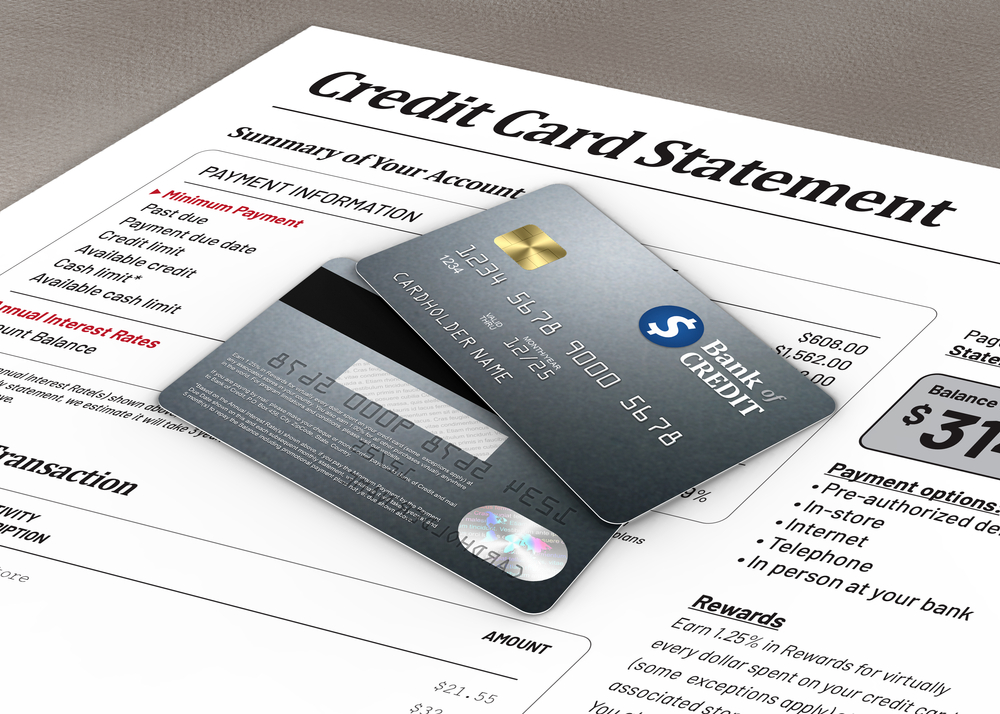
Many credit cards in Canada charge an annual fee for rewards or added benefits. These fees can seem high if the card is not used fully. Reviewing your spending and rewards helps decide whether the fee is worth it. Contacting your card provider may lead to a waiver or reduction. Banks sometimes offer retention offers to keep customers. Switching to a no-fee card is another option if the benefits are not useful. Tracking how often you use the card helps in making better decisions. Asking about available promotions can also help. This approach supports better value while reducing unnecessary yearly expenses.
Late Payment Fees on Credit Cards

Late payment fees are charged when credit card bills are not paid on time. These fees can increase your balance and affect your credit score. If a payment is missed occasionally, you can request a waiver. Contacting your bank quickly improves your chances of approval. Setting up automatic payments helps in avoiding future delays. Payment reminders can also support better tracking. Maintaining a good payment history makes banks more likely to reverse fees. Reviewing statements regularly helps in staying updated. Asking politely for a one-time waiver can save money. This helps in managing credit responsibly without an extra financial burden.
Foreign Transaction Fees
Foreign transaction fees apply when you make purchases in another currency. Many Canadian banks charge around 2.5% per transaction. These fees can add up during travel or online shopping. Reviewing your card terms helps in understanding these charges. Some credit cards offer no foreign transaction fees as a feature. Asking your bank for alternatives or upgrades may reduce costs. In some cases, banks may waive a fee as a goodwill gesture. Tracking international spending helps manage these expenses more effectively. Using the right card for foreign purchases makes a difference. This approach helps avoid extra charges when handling payments outside Canada.
Wire Transfer Fees

Wire transfers are useful for sending money quickly, yet they often come with high fees. Canadian banks may charge both sending and receiving fees. These costs can increase depending on the amount and destination. Reviewing available transfer options helps in finding better alternatives. Asking your bank about fee waivers for occasional transfers may work. Some accounts include discounted or free transfers under certain conditions. Using online transfer services may also reduce costs. Tracking how often you use wire transfers improves awareness. Planning transfers in advance helps in avoiding urgent fees. This approach supports managing payments without unnecessary additional charges.
Replacement Card Fees

Banks may charge a fee when you request a replacement debit or credit card. This usually happens due to loss, damage, or expiry of replacement requests. If the replacement is due to fraud or technical issues, banks often waive the fee. Asking your bank directly can help in avoiding the charge. Carefully maintaining your card reduces the need for frequent replacements. Some premium accounts also include free replacements as a benefit. Tracking such requests helps in understanding patterns. Requesting standard delivery instead of expedited shipping can also lower costs. This approach helps manage card-related expenses without incurring unnecessary charges.
Paper Statement Fees

Many Canadian banks charge a fee for providing paper statements. These charges may seem small, but they can add up over time. Switching to electronic statements is a simple way to avoid this fee. Online statements are easy to access and store for future use. Asking your bank to waive paper statement fees may work, especially for long-term customers. Some accounts automatically include free digital statements. Tracking these charges helps in identifying recurring costs. Choosing paperless options supports both savings and convenience. This approach helps in reducing small monthly fees while keeping your account information easily accessible at any time.
Account Closure Fees

Some banks in Canada charge a fee for closing an account, especially if it is done within a short period. Reviewing the account terms before closing helps clarify these charges. Waiting until the minimum period passes may help in avoiding the fee. Asking your bank for a waiver can also work in certain situations. Properly transferring funds and clearing balances prevents additional costs. Comparing other account options before closing ensures a better transition. Tracking such fees improves awareness of account conditions. Careful planning helps reduce unnecessary expenses. This approach supports smoother account management without unexpected charges.
Inactivity Fees on Savings Accounts

Inactivity fees are charged when a savings account has no transactions for a certain period. These fees can slowly reduce your balance over time. Reviewing account activity helps in avoiding such charges. Making small deposits or withdrawals keeps the account active. Some banks may waive inactivity fees upon request. Checking account terms provide clarity on timelines and conditions. Setting reminders for occasional transactions helps in maintaining activity. Tracking these fees improves financial awareness. Keeping accounts active ensures your savings remain intact. This approach helps in avoiding unnecessary deductions while maintaining your account balance effectively.
Minimum Balance Penalty Fees

Many bank accounts require maintaining a minimum balance to avoid penalty fees. Falling below this limit can lead to monthly charges. Reviewing your account requirements helps in staying within limits. Setting alerts for low balances can prevent these fees. Some banks may waive penalties for occasional shortfalls. Asking for account adjustments or switching plans can also help. Keeping a small buffer in your account reduces risk. Tracking balance patterns improves financial control. Choosing an account that matches your income flow makes a difference. This approach helps in avoiding recurring penalties while maintaining smooth daily banking activities.
Stop Payment Fees

Stop payment fees are charged when you request a bank to cancel a cheque or a pre-authorized payment. These fees can apply even if the request is preventive. In Canada, the charge may vary depending on the bank and request type. Asking your bank for a waiver can work, especially for first-time requests. Acting quickly after noticing an issue improves your chances. Some premium accounts include free stop payment services. Reviewing payment details before issuing cheques can reduce such situations. Tracking these fees helps in understanding how often they occur. This approach supports better payment control while avoiding unnecessary banking charges.
Returned Cheque Fees
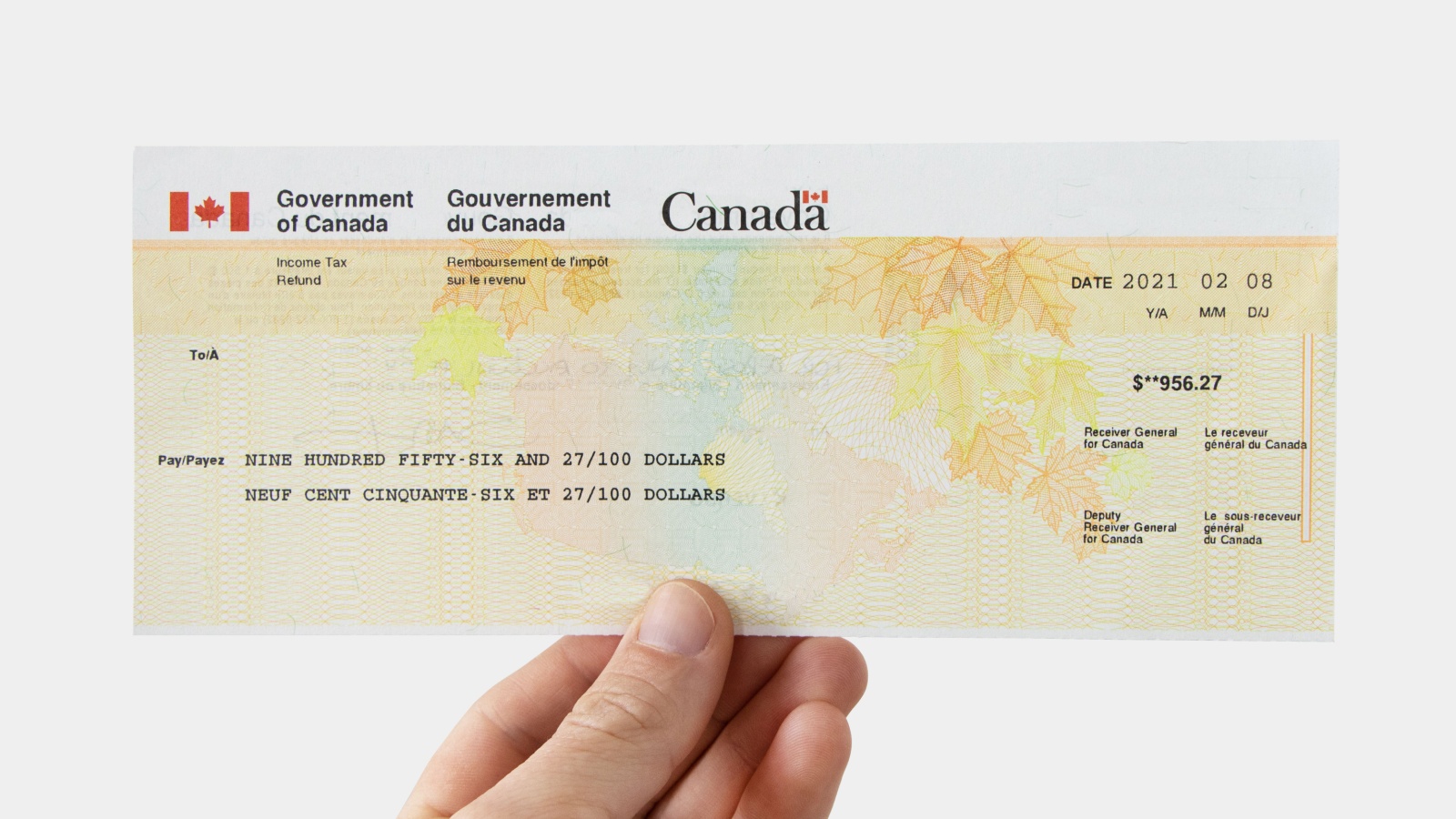
Returned cheque fees occur when a cheque cannot be processed due to insufficient funds. These charges may apply to both the issuer and the recipient. In Canada, these fees can be higher than expected. Contacting your bank quickly may help in getting a one-time waiver. Maintaining a sufficient balance helps in avoiding such situations. Setting up alerts for low funds provides early warnings. Tracking cheque usage helps in managing payments more carefully. Using digital payment methods can also reduce this risk. Requesting a waiver politely may work in certain cases. This approach helps reduce extra costs associated with cheque processing issues.
Cash Advance Fees on Credit Cards

Cash advances from credit cards often come with high fees and immediate interest charges. These fees apply when withdrawing cash or using credit for similar transactions. Reviewing your credit card terms helps in understanding these costs. Asking your provider about possible waivers may work for occasional use. Avoiding cash advances whenever possible is the best approach. Using debit cards or other options can reduce expenses. Tracking how often you rely on cash advances improves awareness. Planning finances in advance helps in avoiding such situations. This method supports better credit management while reducing unnecessary charges.
Balance Transfer Fees

Balance transfer fees apply when moving debt from one credit card to another. These fees are usually a percentage of the transferred amount. In Canada, some promotional offers may include lower or zero fees. Reviewing available offers helps in finding better options. Asking your provider about fee waivers or discounts may also work. Understanding the terms of the transfer is important before proceeding. Tracking transfer costs helps in managing overall debt better. Choosing the right time for transfers can reduce expenses. This approach supports better financial planning while minimizing additional charges linked to credit card balances.
Safety Deposit Box Fees

Safety deposit boxes are used by banks to store valuable items securely. These services usually come with annual fees in Canada. Reviewing whether you actively use the box helps in deciding its value. Asking your bank about discounts or waivers may work, especially for long-term customers. Some accounts include this service at a reduced cost. Downsizing to a smaller box can also lower fees. Tracking these expenses helps in understanding their impact. Comparing with other storage options may provide alternatives. This approach helps in managing storage costs while maintaining security for important items.
Expedited Service Fees

Expedited service fees are charged for faster processing of certain banking requests. These may include quick card delivery or urgent transfers. In Canada, these fees can vary by service. Asking your bank if standard processing can meet your needs may help avoid charges. Requesting a waiver for occasional urgency may also work. Planning ahead reduces the need for faster services. Tracking how often you use expedited options improves awareness. Choosing regular processing whenever possible saves money. This approach supports better planning while reducing additional costs associated with time-sensitive banking services.
Duplicate Statement or Document Fees

Banks may charge fees for providing duplicate statements or official documents. These requests are common for record-keeping or verification purposes. In Canada, accessing digital copies can help in avoiding such charges. Most banks offer free online access to past statements. Asking for a fee waiver may work for occasional requests. Regularly downloading and storing documents reduces future needs. Tracking these fees helps in identifying avoidable expenses. Choosing electronic records improves convenience and cost control. This approach helps manage documentation needs without paying extra for services that are often available for free.
22 Groceries to Grab Now—Before another Price Shock Hits Canada

Food prices in Canada have been steadily climbing, and another spike could make your grocery bill feel like a mortgage payment. According to Statistics Canada, food inflation remains about 3.7% higher than last year, with essentials like bread, dairy, and fresh produce leading the surge. Some items are expected to rise even further due to transportation costs, droughts, and import tariffs. Here are 22 groceries to grab now before another price shock hits Canada.
22 Groceries to Grab Now—Before another Price Shock Hits Canada
This Options Discord Chat is The Real Deal
While the internet is scoured with trading chat rooms, many of which even charge upwards of thousands of dollars to join, this smaller options trading discord chatroom is the real deal and actually providing valuable trade setups, education, and community without the noise and spam of the larger more expensive rooms. With a incredibly low-cost monthly fee, Options Trading Club (click here to see their reviews) requires an application to join ensuring that every member is dedicated and serious about taking their trading to the next level. If you are looking for a change in your trading strategies, then click here to apply for a membership.