
35,000+ smart investors are already getting financial news, market signals, and macro shifts in the economy that could impact their money next with our FREE weekly newsletter. Get ahead of what the crowd finds out too late. Click Here to Subscribe for FREE.
When oil prices rise, daily costs start shifting across Canada. Fuel, transport, and even groceries begin to feel expensive. This change often pushes people to stockpile items in fear of future shortages. Acting quickly may feel practical, yet it often leads to overspending and waste. Many purchases made during these periods do not match actual needs. Storage limits, expiry dates, and usage patterns are often ignored. Here are 20 things Canadians should not stockpile during an oil spike and what to do instead.
Gasoline Beyond Immediate Needs
20 Things Canadians Should Not Stockpile During an Oil Spike (And What to Do Instead)
- Gasoline Beyond Immediate Needs
- Diesel Fuel for Personal Storage
- Home Heating Oil in Excess
- Propane Tanks Without Usage Planning
- Firewood Without Storage Capacity
- Groceries That Require Frequent Transport
- Perishable Food Items
- Plastic Water Bottles in Bulk
- Cleaning Supplies Beyond Usage
- Personal Care Products in Excess
- Backup Generators Without Need
- Car Maintenance Products in Bulk
- Winter Gear Without Seasonal Need
- Batteries Beyond Short-Term Use
- Kitchen Essentials Already in Stock
- Takeout and Food Delivery Credits
- Ride-Sharing Credits or Subscriptions
- Travel Bookings Made in Panic
- Investment in Fuel-Linked Products Without Research
- Emergency Kits Beyond Practical Limits
- 19 Things Canadians Don’t Realize the CRA Can See About Their Online Income

When fuel prices rise, many Canadians rush to fill tanks and store extra gasoline. This may seem like a smart move at first. However, storing gasoline beyond immediate needs can be risky and expensive. Fuel degrades over time, which reduces its usability. Improper storage also creates safety concerns, especially in residential areas. Buying only what your vehicle needs helps avoid waste. Tracking fuel usage provides a better idea of how often refills are required. Using fuel apps to monitor nearby prices also helps save money. Instead of storing excess gasoline, focus on efficient driving habits. Planning routes and reducing unnecessary trips lowers fuel consumption and keeps spending under control.
Diesel Fuel for Personal Storage
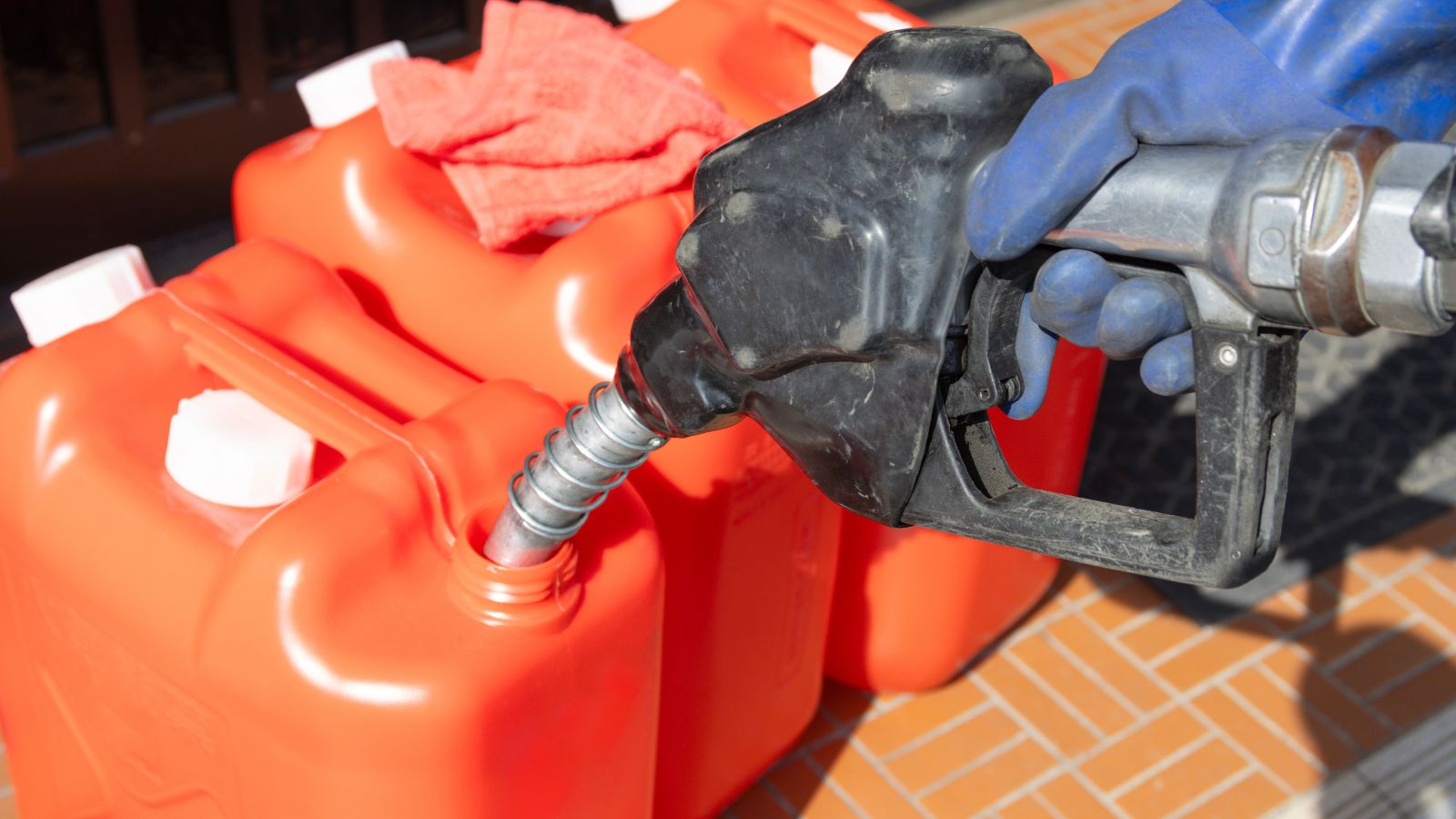
Diesel prices often follow global oil trends, which can cause concern for vehicle owners. Some Canadians try to store diesel at home to avoid future price increases. This approach may lead to storage issues and reduced fuel quality over time. Diesel requires proper containers and conditions to remain usable. Without these, contamination becomes a problem. Buying diesel only when required avoids these risks. Regular vehicle maintenance also improves fuel efficiency. Keeping tires properly inflated and engines serviced reduces diesel consumption. Instead of storing fuel, focusing on efficient usage helps manage costs better. Small adjustments in driving habits can lead to noticeable savings over time.
Home Heating Oil in Excess

Heating oil is essential during colder months in many Canadian regions. When prices rise, households may try to buy large quantities in advance. However, overstocking heating oil can tie up a large amount of money. Storage tanks also have limits, and overfilling creates safety risks. Oil stored for long periods may face quality concerns. Monitoring usage patterns helps determine how much oil is actually needed. Scheduling regular refills instead of bulk buying works better. Energy-saving practices, such as sealing windows, also reduce heating needs. Focusing on efficient home insulation helps control costs. This approach avoids unnecessary spending while maintaining comfort.
Propane Tanks Without Usage Planning
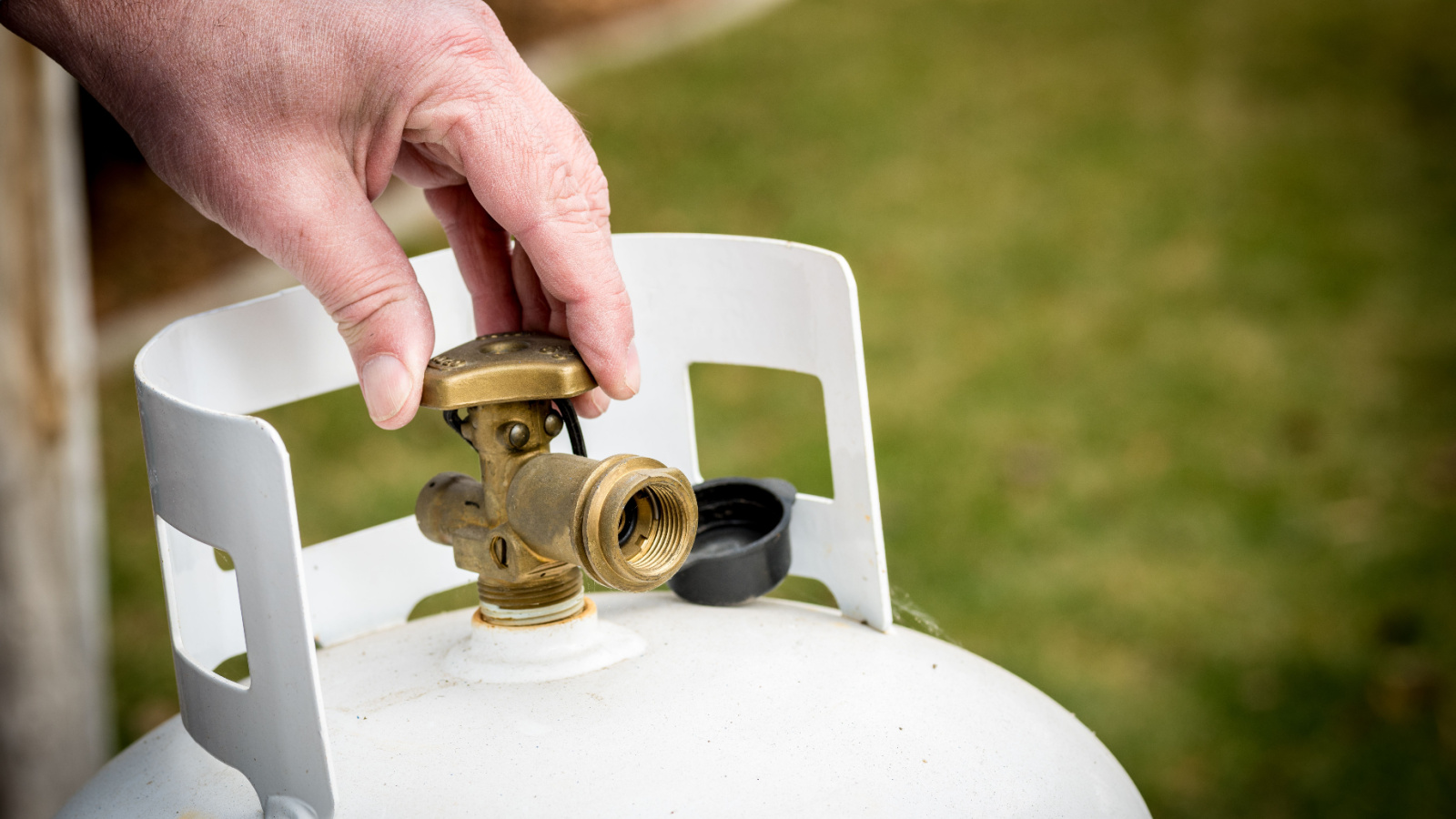
Propane is commonly used for heating, cooking, and outdoor equipment across Canada. During an oil spike, many people start buying extra propane tanks. This can lead to unused stock and storage challenges. Propane cylinders require proper handling and safe storage conditions. Buying more than needed increases both cost and risk. Estimating actual usage helps avoid unnecessary purchases. Refilling tanks based on usage patterns works better than stockpiling. Using energy-efficient appliances also reduces propane consumption. Planning outdoor usage, such as grilling, helps manage demand. A balanced approach keeps costs controlled and avoids safety concerns linked to excess storage.
Firewood Without Storage Capacity

As fuel costs rise, many Canadians turn to firewood as an alternative heating option. Buying large quantities without proper storage can lead to waste. Firewood needs dry, ventilated spaces to remain usable. Poor storage conditions cause moisture buildup and reduce efficiency. Overstocking also takes up space that may not be available. Buying smaller quantities based on usage works better. Checking weather conditions helps estimate heating needs. Using efficient stoves or fireplaces also reduces wood consumption. Managing purchases carefully avoids waste and unnecessary expense. Proper storage and planning make firewood a reliable option without overspending or clutter.
Groceries That Require Frequent Transport

Rising fuel prices often lead Canadians to stockpile groceries to avoid multiple trips. However, buying more than needed can lead to spoilage and waste. Items that require regular transport, such as fresh produce, should be purchased in smaller amounts. Bulk buying increases storage pressure and may not match consumption patterns. Planning weekly grocery trips helps balance cost and freshness. Choosing nearby stores reduces travel expenses. Combining errands into one trip also saves fuel. Using delivery services selectively can help when travel costs are high. Thoughtful planning avoids unnecessary spending while maintaining access to fresh and essential food items.
Perishable Food Items
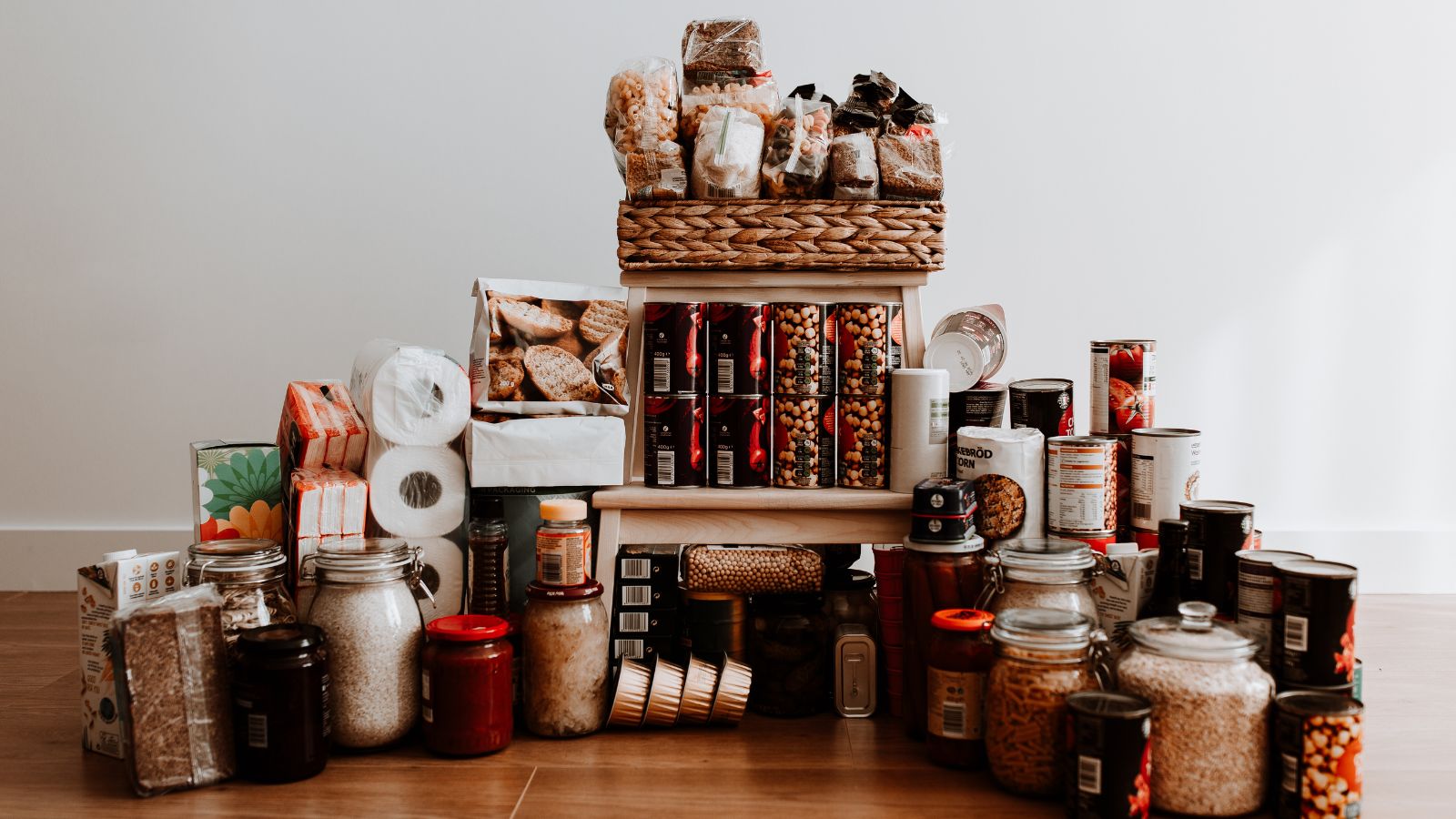
Stockpiling perishable food during an oil spike often leads to waste. Items like dairy, fruits, and vegetables have limited shelf life. Buying in large quantities increases the risk of spoilage before use. Canadians may feel they are saving on transport costs, but waste cancels those savings. Planning meals helps in buying the right quantity. Freezing certain items can extend shelf life when needed. However, not all foods freeze well. Checking expiry dates before purchase also helps reduce waste. Buying fresh items in smaller, regular batches keeps food usable. This approach maintains quality and prevents unnecessary expenses caused by overbuying.
Plastic Water Bottles in Bulk

During uncertain times, bottled water often becomes a common stockpiling item. Canadians may buy large packs, thinking they offer convenience and security. However, bulk buying plastic bottles increases storage issues and environmental impact. Tap water in most Canadian cities is safe and reliable. Investing in reusable bottles and filters is a better option. This reduces long-term costs and waste. Carrying refillable bottles also cuts down repeated purchases. Storing a small emergency supply is reasonable, but excess buying is unnecessary. A practical approach supports both budgeting and sustainability without adding clutter or avoidable expenses.
Cleaning Supplies Beyond Usage

Cleaning products are often bought in excess during uncertain times. Canadians may feel that having more supplies adds a sense of control. However, most cleaning items last a long time, even with regular use. Buying extra leads to unused stock and wasted money. Storage space also becomes limited with bulk purchases. Tracking how often products are used helps in planning purchases. Buying refills instead of multiple new items works better. Choosing multi-purpose cleaners reduces the need for several products. A simple and planned approach keeps cleaning supplies manageable without overspending or unnecessary accumulation.
Personal Care Products in Excess

Personal care items such as shampoos, soaps, and skincare products are often overbought during price increases. Canadians may stockpile these items to avoid future costs. However, most of these products have expiry dates. Buying more than needed can lead to waste over time. Storage space also becomes limited with excess items. Tracking usage patterns helps in purchasing the right quantity. Buying only when needed keeps expenses balanced. Taking advantage of regular discounts instead of panic buying works better. A steady approach supports both budgeting and practical use without unnecessary accumulation.
Backup Generators Without Need

Amid fuel-related concerns, some Canadians are considering buying backup generators. While generators are useful in certain situations, buying one without an actual need adds unnecessary expense. Generators also require fuel and maintenance, which increases long-term costs. Evaluating power needs before purchasing is important. For many households, small battery backups may be sufficient. Energy-saving habits also reduce reliance on backup systems. Understanding local power reliability helps in making informed decisions. Avoiding impulse purchases keeps finances stable. Planning based on real needs works better than reacting to temporary concerns.
Car Maintenance Products in Bulk
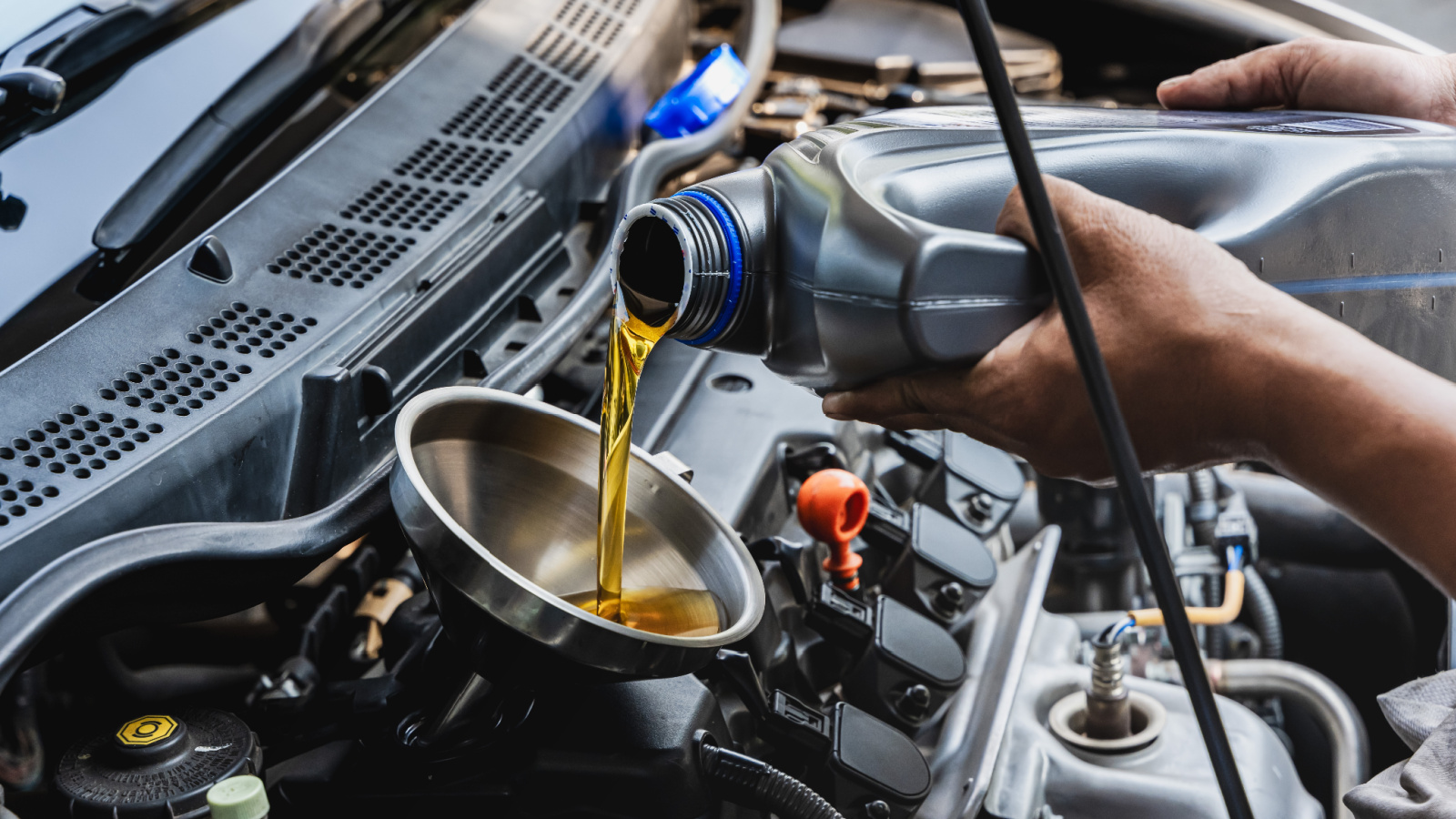
Oil spikes often lead Canadians to buy car maintenance products in large quantities. This includes engine oil, coolant, and cleaning supplies. While these items are essential, buying too much at once may not be practical. Products can expire or degrade over time. Storage also becomes an issue in smaller spaces. Following regular maintenance schedules helps determine actual needs. Buying products when required keeps spending controlled. Using trusted service centres ensures proper usage of materials. A balanced approach avoids waste and keeps vehicle care efficient without unnecessary expenses.
Winter Gear Without Seasonal Need

Rising oil prices may lead Canadians to prepare for colder months in advance. Buying winter gear without immediate need can tie up funds unnecessarily. Jackets, boots, and accessories often go on sale closer to the season. Purchasing too early may lead to higher costs or unused items. Checking existing gear before buying helps avoid duplicates. Planning purchases based on weather forecasts works better. Waiting for seasonal discounts also reduces expenses. Thoughtful buying keeps wardrobes practical without overspending. Aligning purchases with actual needs supports better budgeting.
Batteries Beyond Short-Term Use

Batteries are often seen as essential during uncertain periods. Canadians may buy large packs thinking they will be useful later. However, batteries have a shelf life and may lose charge over time. Overstocking leads to waste if the stock is not used. Storing them also requires proper conditions. Buying smaller quantities based on usage works better. Rechargeable batteries offer a more cost-effective option. Keeping a limited emergency supply is practical. This approach reduces waste and supports better spending habits without unnecessary accumulation.
Kitchen Essentials Already in Stock

During price fluctuations, many Canadians buy kitchen essentials like utensils and cookware again. This often leads to duplicates that remain unused. Checking existing items before purchasing helps avoid unnecessary spending. Most households already have what they need for daily cooking. Buying replacements only when required keeps costs controlled. Organizing kitchen space also helps identify what is missing. Avoiding impulse purchases supports better financial planning. A simple and mindful approach prevents clutter and keeps spending aligned with actual needs.
Takeout and Food Delivery Credits

Some Canadians buy prepaid credits for food delivery services during uncertain times. This may seem convenient, but it locks money into specific platforms. Changing preferences or service availability may limit usage. Delivery fees and price changes can also reduce value. Paying per order instead of preloading credits offers more flexibility. Cooking at home more often also reduces expenses. Planning meals helps in managing food costs effectively. A balanced approach avoids unnecessary commitments and keeps spending adaptable.
Ride-Sharing Credits or Subscriptions

Rising fuel prices may lead Canadians to rely more on ride-sharing services. Buying credits or subscriptions in advance may seem like a saving strategy. However, usage may vary due to changing schedules. Unused credits tie up funds without benefit. Comparing travel options before committing helps in better planning. Public transport or carpooling may offer cost-effective alternatives. Paying as needed keeps expenses flexible. A careful approach avoids unnecessary spending while maintaining convenience.
Travel Bookings Made in Panic

Oil price increases often affect travel costs, which may lead Canadians to book trips quickly. Panic bookings may not match future plans or availability. Changes in schedules can result in cancellation fees or losses. Comparing options and waiting for stable pricing works better. Flexible bookings offer more security during uncertain times. Planning trips based on confirmed schedules helps avoid unnecessary costs. Taking time to decide leads to better travel decisions. Avoiding rushed bookings supports smarter spending.
Investment in Fuel-Linked Products Without Research

During oil spikes, some Canadians invest in fuel-related products expecting quick returns. Acting without proper research increases financial risk. Market trends can change quickly, affecting investment value. Understanding how these products work is necessary before investing. Diversifying investments reduces potential losses. Consulting reliable financial sources helps in making informed decisions. Avoiding impulse investments supports long-term stability. A careful and planned approach leads to better financial outcomes.
Emergency Kits Beyond Practical Limits
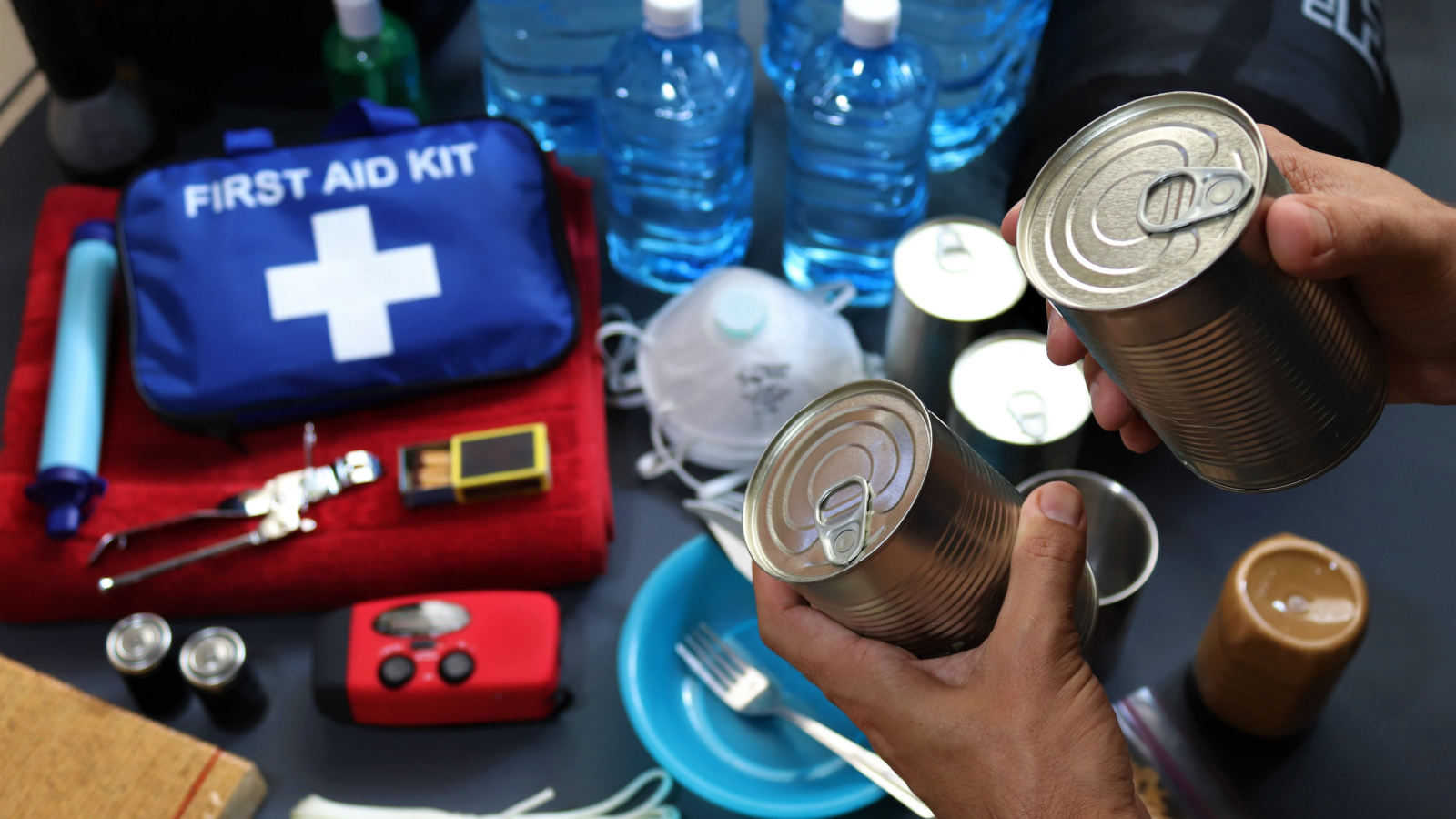
Emergency kits are important, but overstocking them can lead to unnecessary spending. Canadians may buy excessive supplies during uncertain times. Many items in kits have expiry dates or limited use. Keeping a basic and practical kit works better. Reviewing content regularly helps maintain readiness. Buying only essential items avoids waste. Planning based on actual needs keeps costs controlled. A balanced approach supports preparedness without overspending.
19 Things Canadians Don’t Realize the CRA Can See About Their Online Income

Earning money online feels simple and informal for many Canadians. Freelancing, selling products, and digital services often start as side projects. The problem appears at tax time. Many people underestimate how much information the CRA can access. Online platforms, banks, and payment processors create detailed records automatically. These records do not disappear once money hits an account. Small gaps in reporting add up quickly.
Here are 19 things Canadians don’t realize the CRA can see about their online income.
This Options Discord Chat is The Real Deal
While the internet is scoured with trading chat rooms, many of which even charge upwards of thousands of dollars to join, this smaller options trading discord chatroom is the real deal and actually providing valuable trade setups, education, and community without the noise and spam of the larger more expensive rooms. With a incredibly low-cost monthly fee, Options Trading Club (click here to see their reviews) requires an application to join ensuring that every member is dedicated and serious about taking their trading to the next level. If you are looking for a change in your trading strategies, then click here to apply for a membership.