35,000+ smart investors are already getting financial news, market signals, and macro shifts in the economy that could impact their money next with our FREE weekly newsletter. Get ahead of what the crowd finds out too late. Click Here to Subscribe for FREE.
Winter rarely leaves quietly in Canada. One final cold snap can push heating bills higher than expected. Many households notice the spike only after opening their next bill. Small changes made now can still cut costs before temperatures dip again. You do not need major upgrades or expensive systems to see results. Simple fixes, smarter habits, and quick checks can lower heat loss fast. These steps focus on practical actions anyone can take right away. Each one helps stretch warmth while reducing waste. Here are 18 ways Canadians can lower home heating costs before the last cold snap.
Seal Drafts Around Windows and Doors
18 Ways Canadians Can Lower Home Heating Costs Before the Last Cold Snap
- Seal Drafts Around Windows and Doors
- Lower the Thermostat Slightly
- Use Thick Curtains and Blinds
- Reverse Ceiling Fan Direction
- Service Your Furnace or Boiler
- Replace or Clean Air Filters
- Close Unused Rooms
- Add Door Draft Stoppers
- Upgrade to a Smart Thermostat
- Insulate Water Pipes
- Use Space Heaters Strategically
- Check Attic Insulation
- Block Fireplace Drafts
- Use Humidifiers to Feel Warmer
- Keep Vents Clear and Open
- Upgrade Old Thermostats
- Take Advantage of Utility Rebates
- 22 Groceries to Grab Now—Before another Price Shock Hits Canada
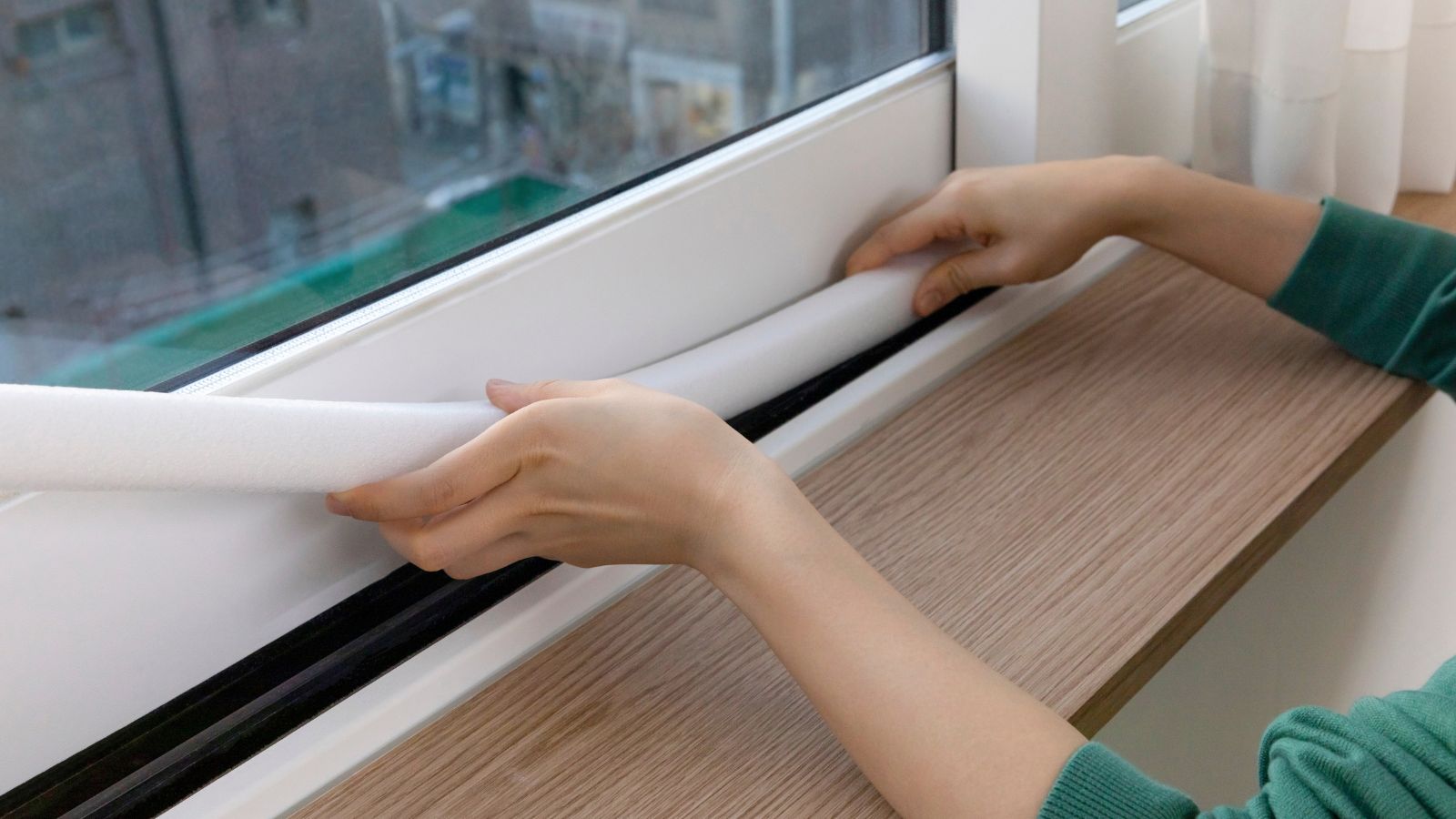
Cold air sneaks in through tiny gaps you barely notice. These leaks force your heating system to work harder. A quick check using your hand can reveal cold spots. Weatherstripping and caulking are cheap and easy fixes. Most hardware stores sell kits under $25. Apply them around window frames and door edges. Door sweeps also help block air from entering below. Even thick curtains can reduce draft impact. This step improves comfort immediately. You may feel warmer without raising the thermostat. Less heat escapes, so your system cycles less often. That means lower energy use during the coldest days.
Lower the Thermostat Slightly
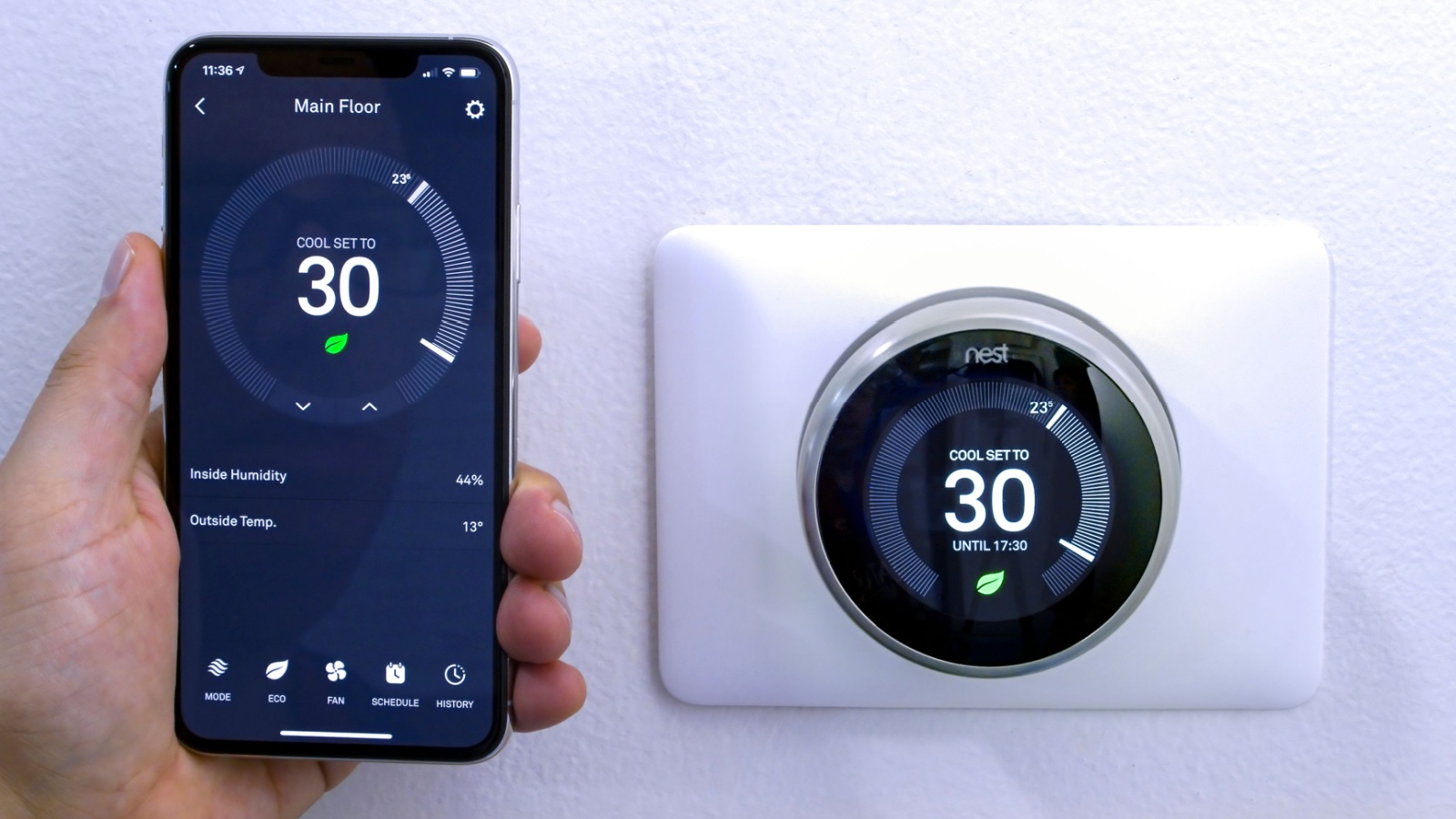
Dropping your thermostat by just one or two degrees makes a difference. Many people will not even notice the change. Each degree can cut heating costs by around two percent. Set it lower at night or when you leave home. A programmable thermostat can automate this process. Basic models cost between $40 and $120. Smart thermostats cost more but offer better control. They adjust based on your schedule and habits. Even manual changes help reduce unnecessary heating. Wearing warmer clothing indoors also makes this easier. Small adjustments add up over several cold weeks. Your bill reflects the savings quickly.
Use Thick Curtains and Blinds

Windows are a major source of heat loss in winter. Thick curtains help trap warm air inside your home. Close them at night to reduce heat escaping through the glass. During sunny days, open them to let natural heat enter. Thermal curtains cost between $50 and $150 per set. Even regular heavy fabric works better than nothing. Blinds add another layer of insulation. This simple habit requires no installation work. It works best when combined with sealed windows. Rooms feel warmer without increasing heating output. Over time, this reduces strain on your furnace. It is a low-effort fix with steady results.
Reverse Ceiling Fan Direction
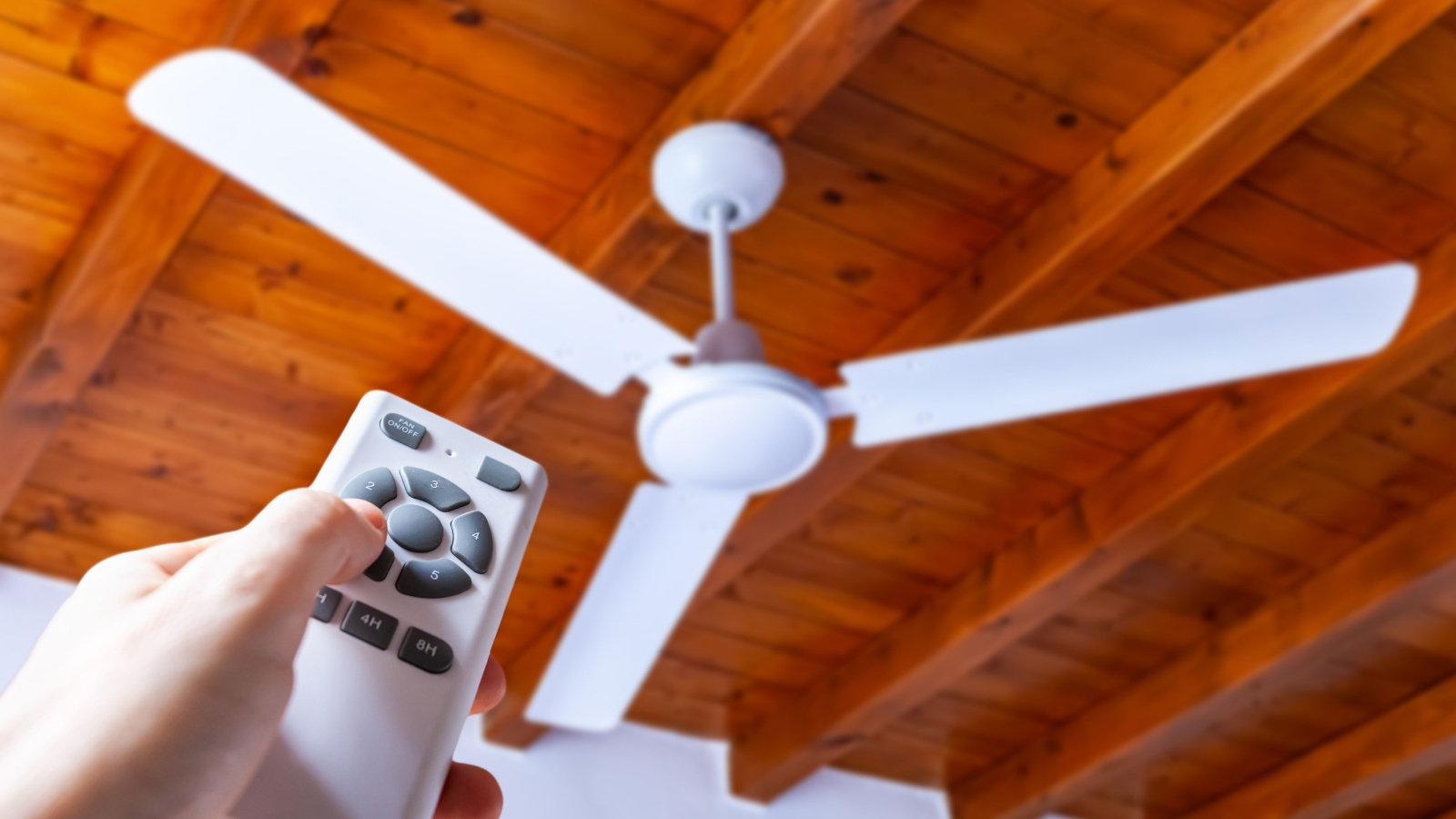
Ceiling fans are not just for summer use. Many models have a reverse setting for winter. This pushes warm air down from the ceiling. Heat naturally rises and stays trapped above. Running the fan slowly redistributes that warmth. You feel more comfortable at lower thermostat settings. Most fans have a small switch near the base. Use a low speed to avoid creating a cooling effect. This trick works best in rooms with high ceilings. It helps even out the temperature across the space. Less heat is wasted near the ceiling. That improves overall efficiency during colder days.
Service Your Furnace or Boiler
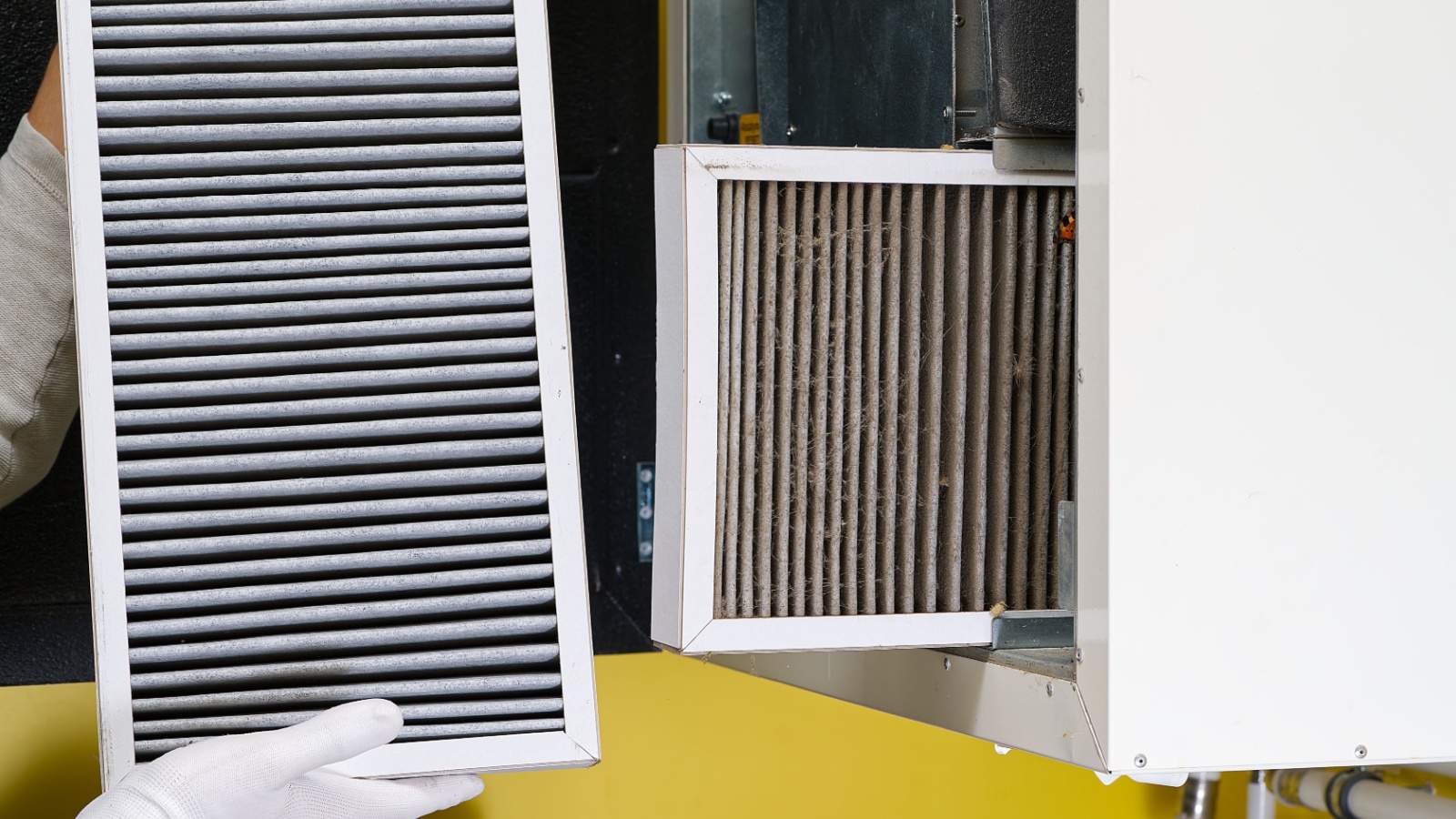
A poorly maintained system uses more energy than necessary. Dust and wear reduce efficiency over time. A basic service check can improve performance quickly. Technicians inspect filters, burners, and airflow systems. Service visits typically cost between $100 and $200. This can prevent bigger issues later. Clean systems heat faster and cycle less often. That reduces both energy use and repair risks. If your system is older, this step matters more. Even small adjustments can improve output. You may notice better heating consistency across rooms. It is one of the most direct ways to cut waste.
Replace or Clean Air Filters
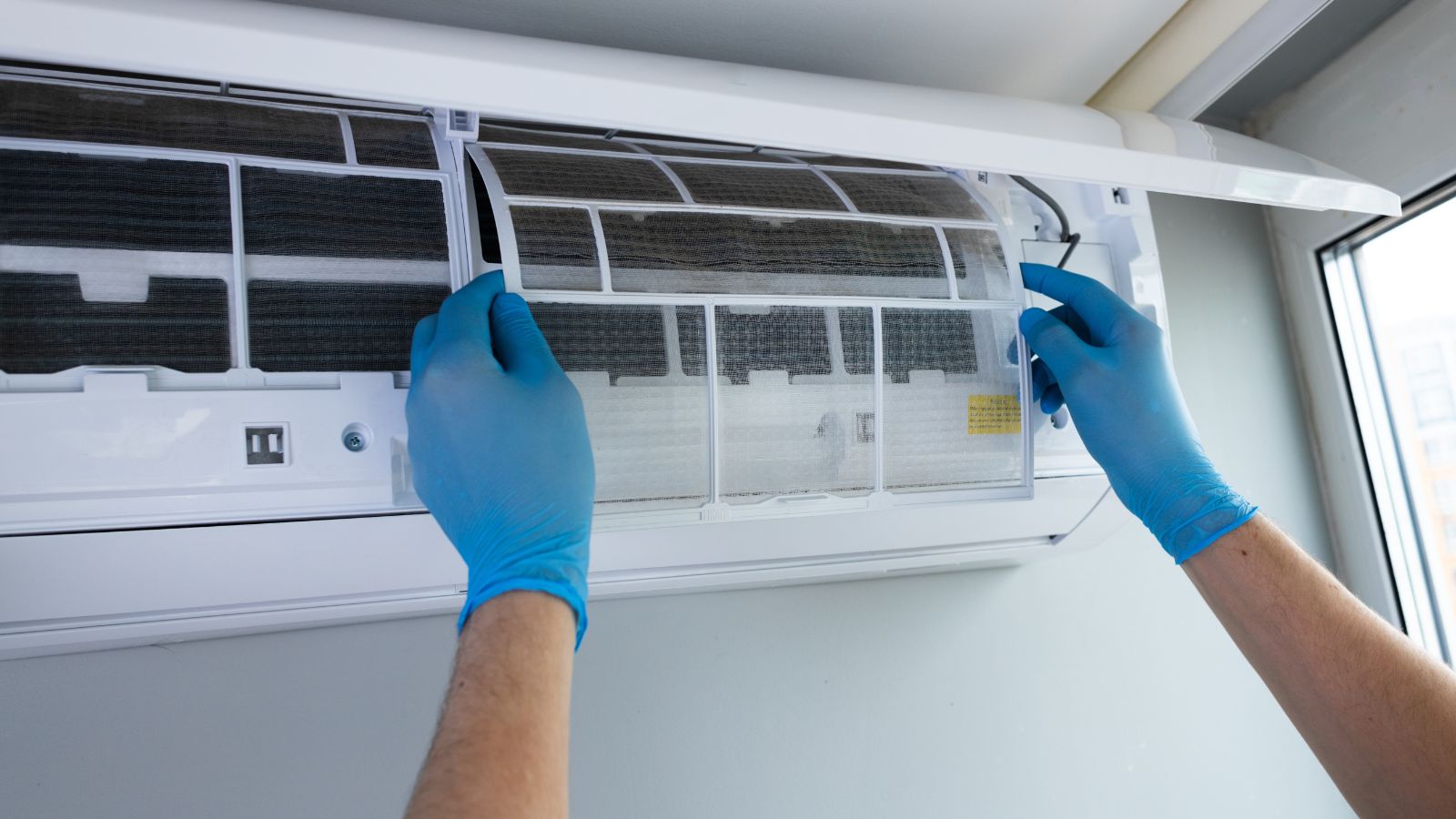
Dirty filters block airflow and strain your heating system. This makes it work longer to reach the same temperature. Check your filter every month during winter. Replace disposable filters or clean reusable ones regularly. Standard filters cost between $10 and $30 each. A clean filter improves airflow immediately. It also helps maintain indoor air quality. Reduced strain means lower energy use over time. Your system will also last longer with proper maintenance. This is one of the easiest fixes available. It takes minutes but offers noticeable results. Consistency is key to keeping costs under control.
Use Area Rugs on Cold Floors
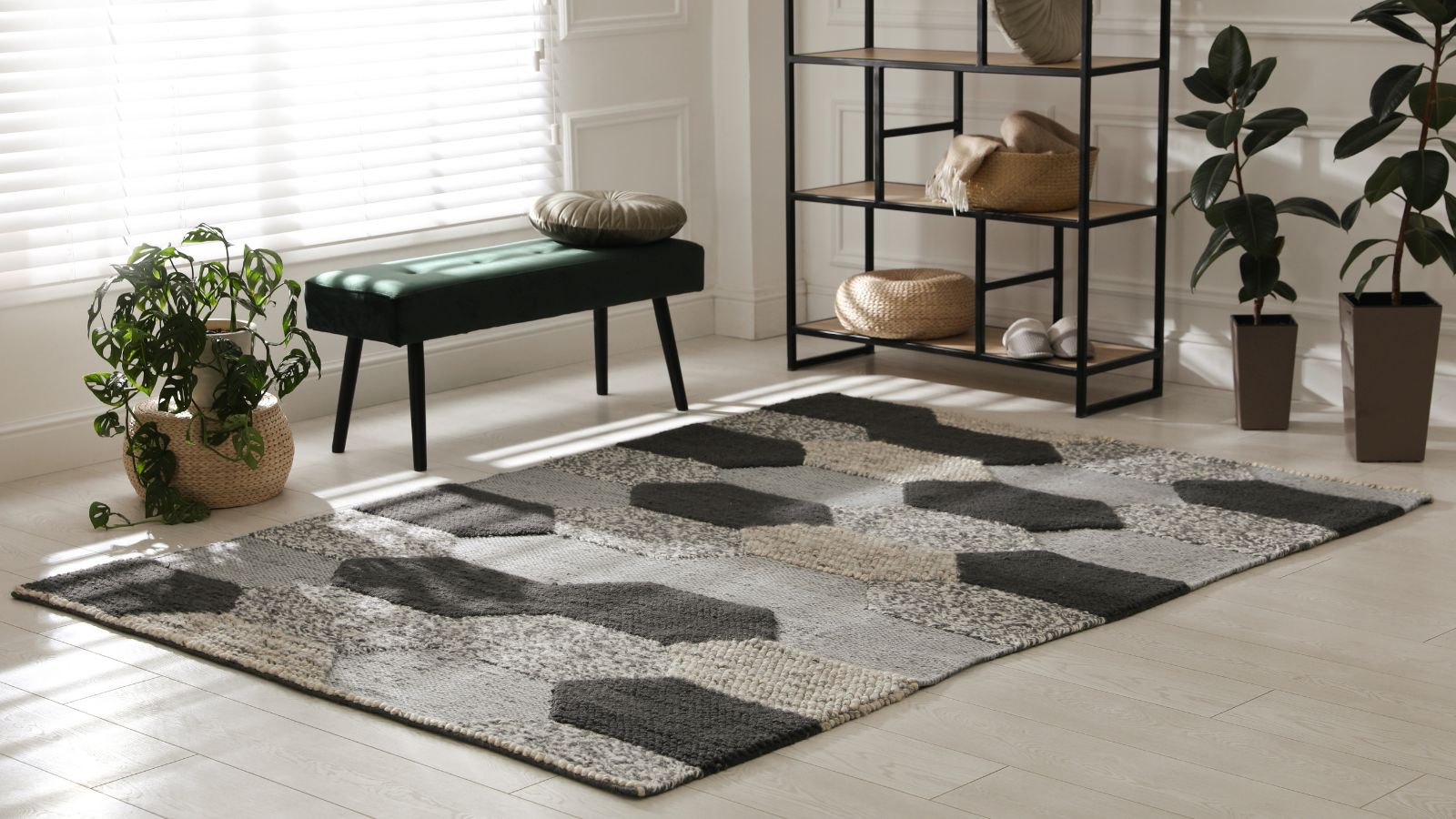
Hard floors can feel cold and reduce overall comfort. Heat escapes faster through uncovered surfaces. Area rugs add insulation and help retain warmth. Thick rugs work best in living areas and bedrooms. Prices vary from $40 to over $200 depending on size. Even smaller rugs can make a difference. They reduce heat loss and improve comfort underfoot. This allows you to lower the thermostat slightly. Combined with other steps, it boosts efficiency. It also adds visual warmth to your space. A simple addition can make winter feel less harsh indoors.
Close Unused Rooms

Heating empty rooms wastes energy and money. Close doors in spaces you rarely use. Adjust vents to reduce airflow in those areas. This directs heat to occupied spaces instead. Make sure you do not block airflow completely. Balanced distribution keeps your system running smoothly. Smaller heated areas warm up faster. This reduces the time your system stays active. It is especially useful in larger homes. You maintain comfort where it matters most. Less wasted heat means lower bills overall. This approach works best when combined with thermostat adjustments.
Add Door Draft Stoppers

Cold air often enters through gaps under doors. Draft stoppers are a simple and affordable solution. They cost between $10 and $25 each. Place them along the bottom edge of doors. They block cold air and keep warm air inside. You can also use rolled towels as a temporary fix. This method works well for exterior doors. It also helps with basement or garage access points. Rooms feel warmer almost instantly. It reduces the need to increase heating levels. A small item can make a noticeable difference during cold nights.
Upgrade to a Smart Thermostat

Smart thermostats adjust heating based on your habits. They learn when you are home or away. This reduces unnecessary heating automatically. Popular models cost between $150 and $350. Some utility companies offer rebates for installation. These devices can be controlled through mobile apps. You can adjust settings even when not at home. They provide usage data to track energy patterns. Over time, this helps you make better decisions. Many users see savings within the first season. It is a higher upfront cost with long-term benefits. Convenience also improves daily comfort.
Insulate Water Pipes
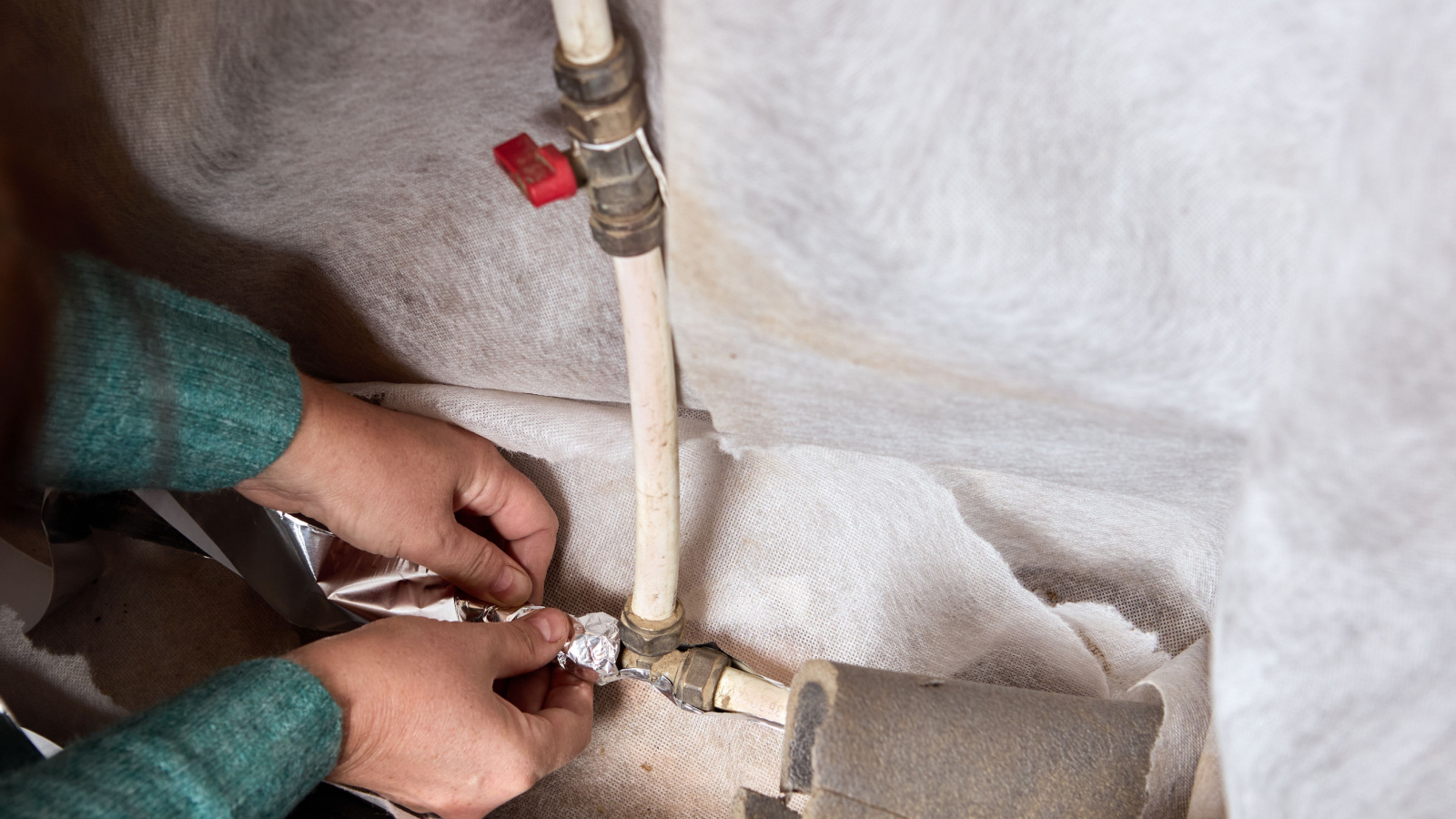
Exposed pipes lose heat quickly in colder areas. This forces your system to work harder. Pipe insulation is cheap and easy to install. Foam sleeves cost around $2 to $5 per meter. They reduce heat loss and prevent freezing. This keeps hot water warmer for longer. Less energy is needed to maintain the temperature. It also protects pipes from damage. Basements and crawl spaces benefit the most. This step often gets overlooked but adds real value. It supports overall heating efficiency during cold snaps.
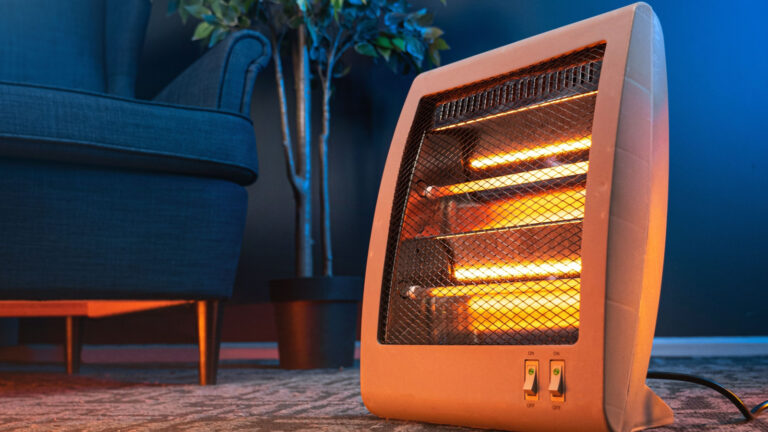
Use Space Heaters Strategically
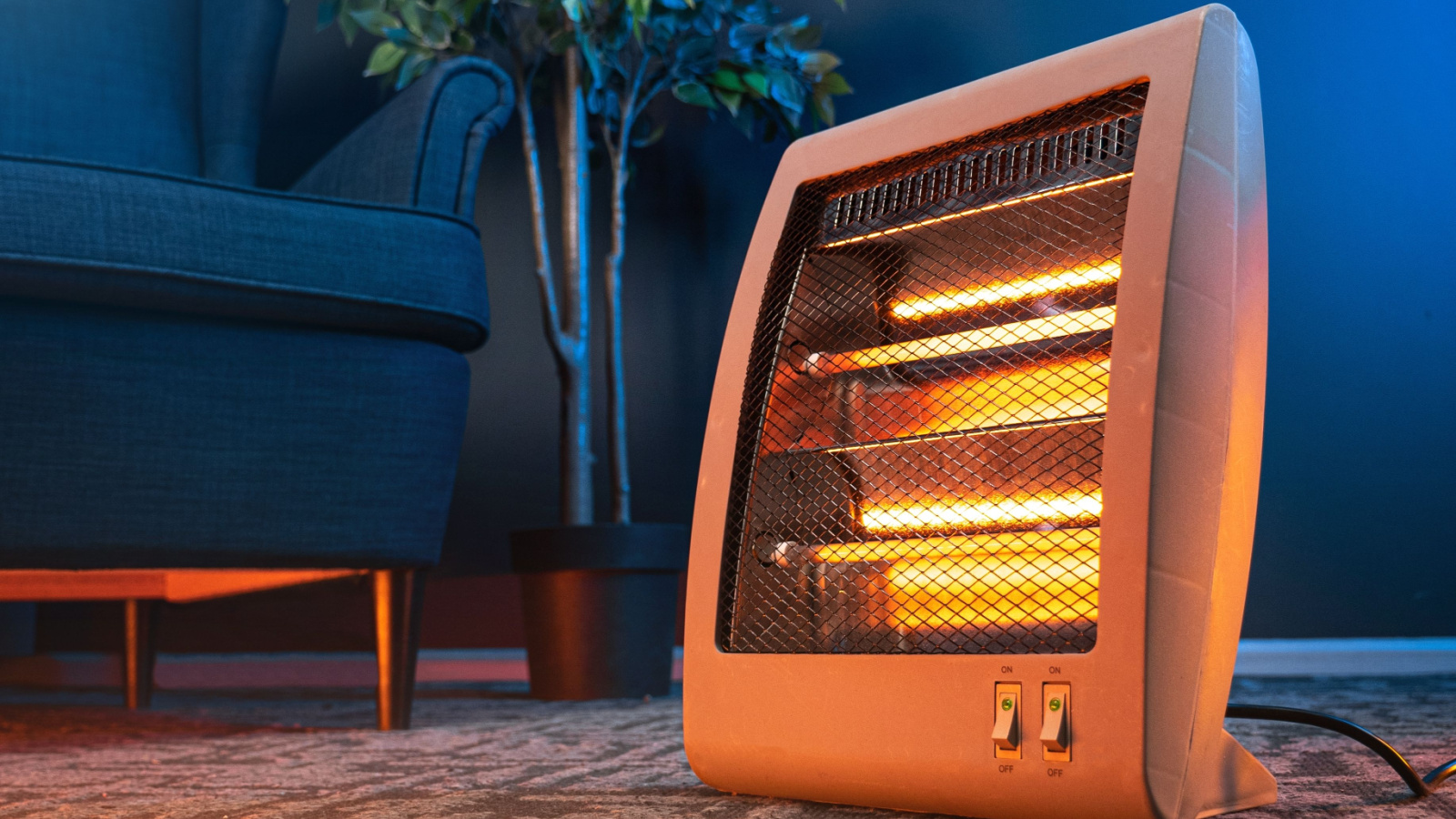
Heating your entire home is not always necessary. Space heaters can warm specific areas instead. Use them in rooms where you spend the most time. Modern units cost between $40 and $150. Choose models with safety features like auto shut-off. Do not leave them unattended for long periods. This approach works well for short durations. It reduces the need to raise central heating levels. Targeted heating can cut overall energy use. It is useful during extreme cold periods. Used carefully, it offers both comfort and savings.
Check Attic Insulation
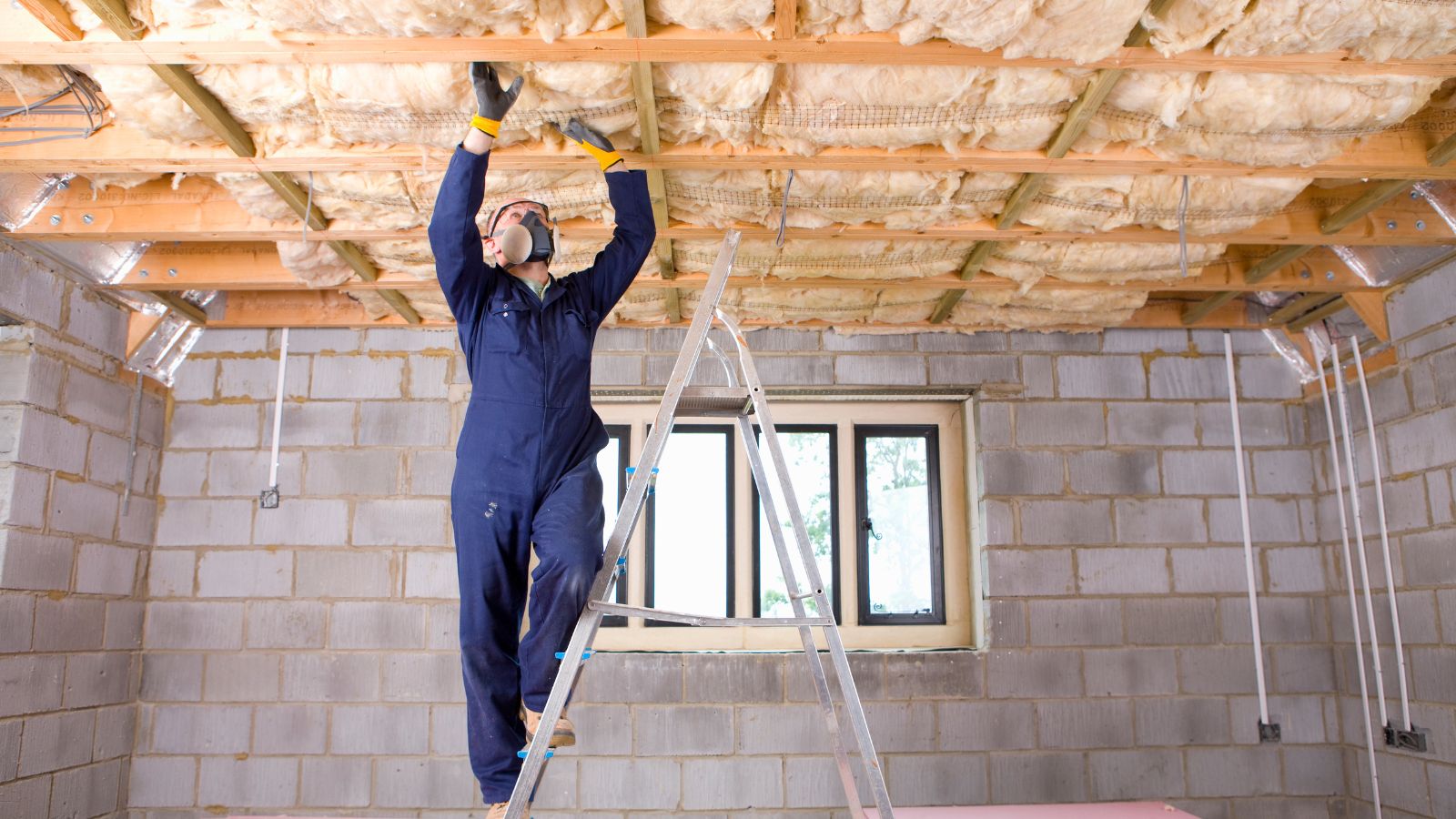
Heat rises and escapes through poorly insulated attics. This leads to higher heating costs. Proper insulation keeps warm air inside longer. Adding insulation can cost between $1,500 and $3,500. Smaller fixes may cost less if topping up existing material. Even minor improvements can reduce heat loss. You may notice fewer cold spots in your home. This is a longer-term solution but still helpful now. It supports all other efficiency measures. Better insulation means your system runs less often. That lowers both usage and wear over time.
Block Fireplace Drafts

Unused fireplaces can leak warm air outside. Cold air can also enter through the chimney. Close the damper when not in use. Chimney balloons cost around $50 and help seal the opening. This prevents heat from escaping continuously. Even decorative fireplaces can cause heat loss. Blocking drafts improves indoor temperature stability. It is a quick fix with immediate results. Many homeowners overlook this source of energy loss. Addressing it can noticeably reduce heating demand. It works best when combined with other sealing steps.
Use Humidifiers to Feel Warmer

Moist air feels warmer than dry air at the same temperature. Humidifiers add moisture to indoor spaces. This allows you to lower the thermostat slightly. Portable units cost between $30 and $120. They also improve comfort for the skin and breathing. Balanced humidity levels make heating more effective. Avoid excessive moisture to prevent condensation issues. This method supports overall comfort without extra energy use. It is especially useful during dry winter conditions. You stay comfortable with less heating required.
Keep Vents Clear and Open
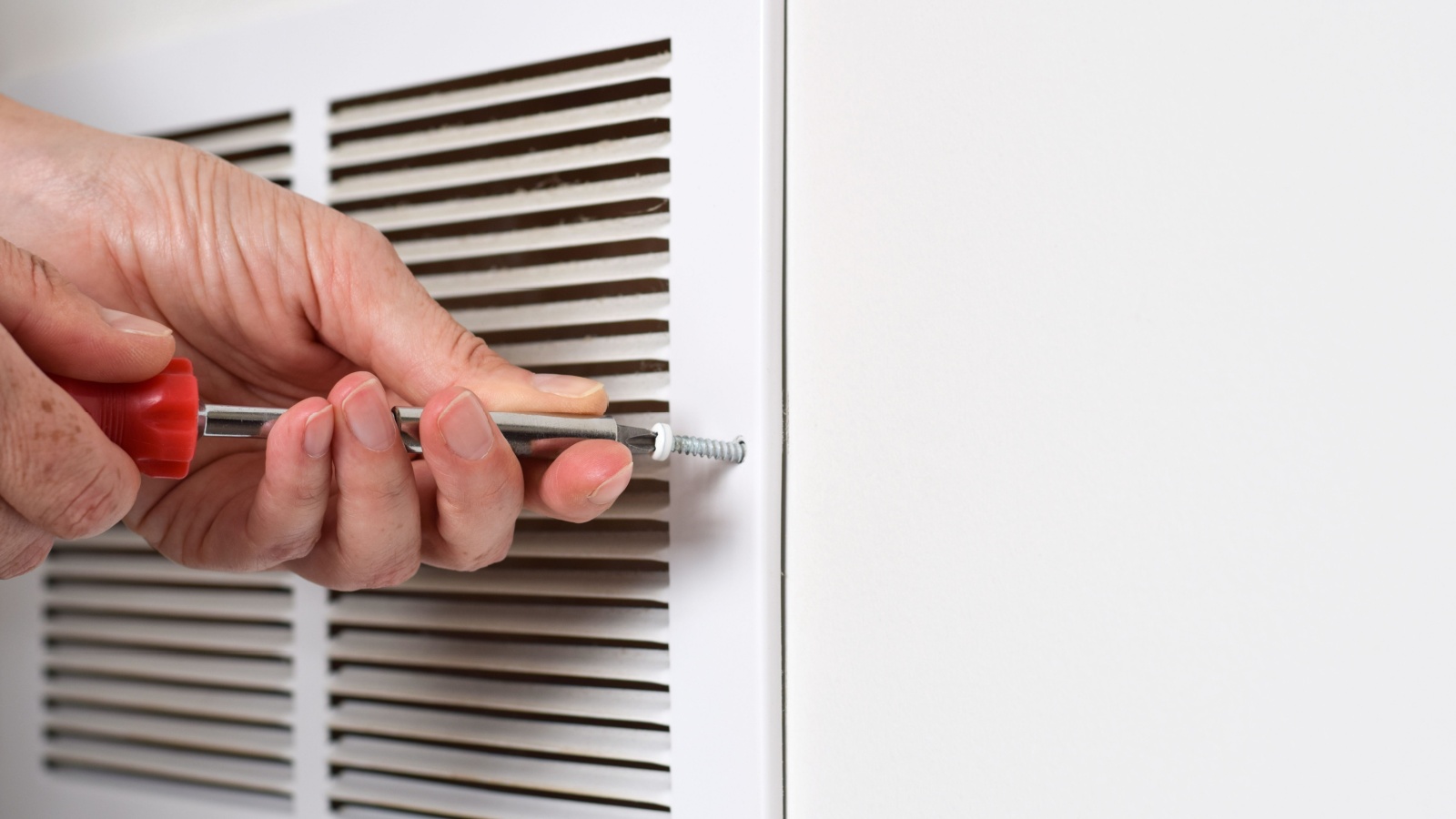
Blocked vents reduce airflow and heating efficiency. Furniture or rugs can restrict circulation. Check all vents in your home regularly. Keep them clean and unobstructed. This allows warm air to spread evenly. Balanced airflow reduces strain on your system. It also prevents uneven heating across rooms. Small adjustments can improve overall comfort. Your system will not need to work as hard. This helps lower energy consumption during peak cold days. It is a simple but often ignored step.
Upgrade Old Thermostats
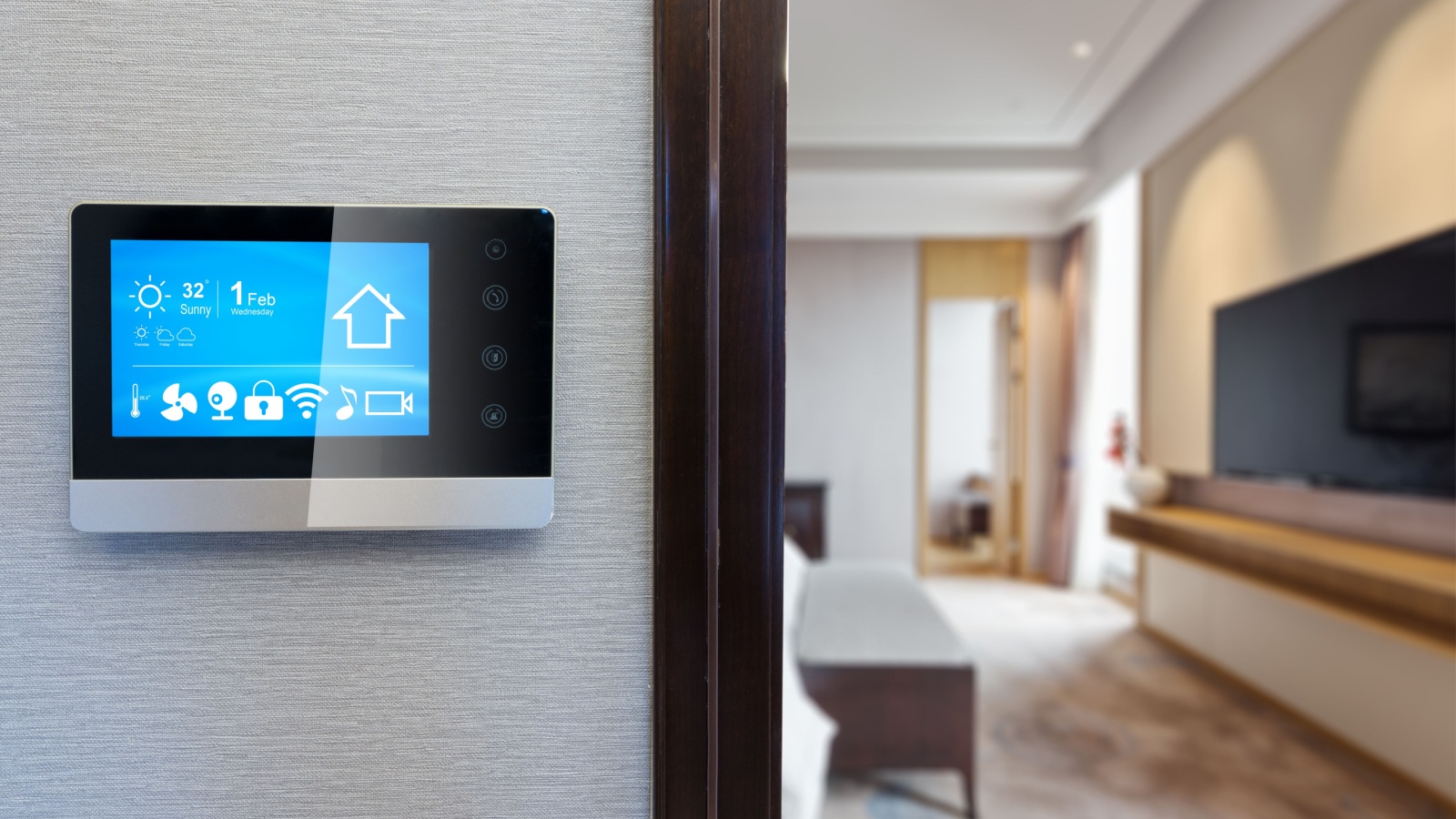
Older thermostats often lack precision. They can cause your system to overheat. Upgrading improves temperature control and efficiency. Basic digital models cost between $30 and $100. They offer more accurate readings than older versions. This helps avoid unnecessary heating cycles. Even small improvements reduce energy waste. You gain better control over indoor comfort. This is a simple upgrade with quick results. It pairs well with other efficiency measures. Better control means lower overall heating demand.
Take Advantage of Utility Rebates
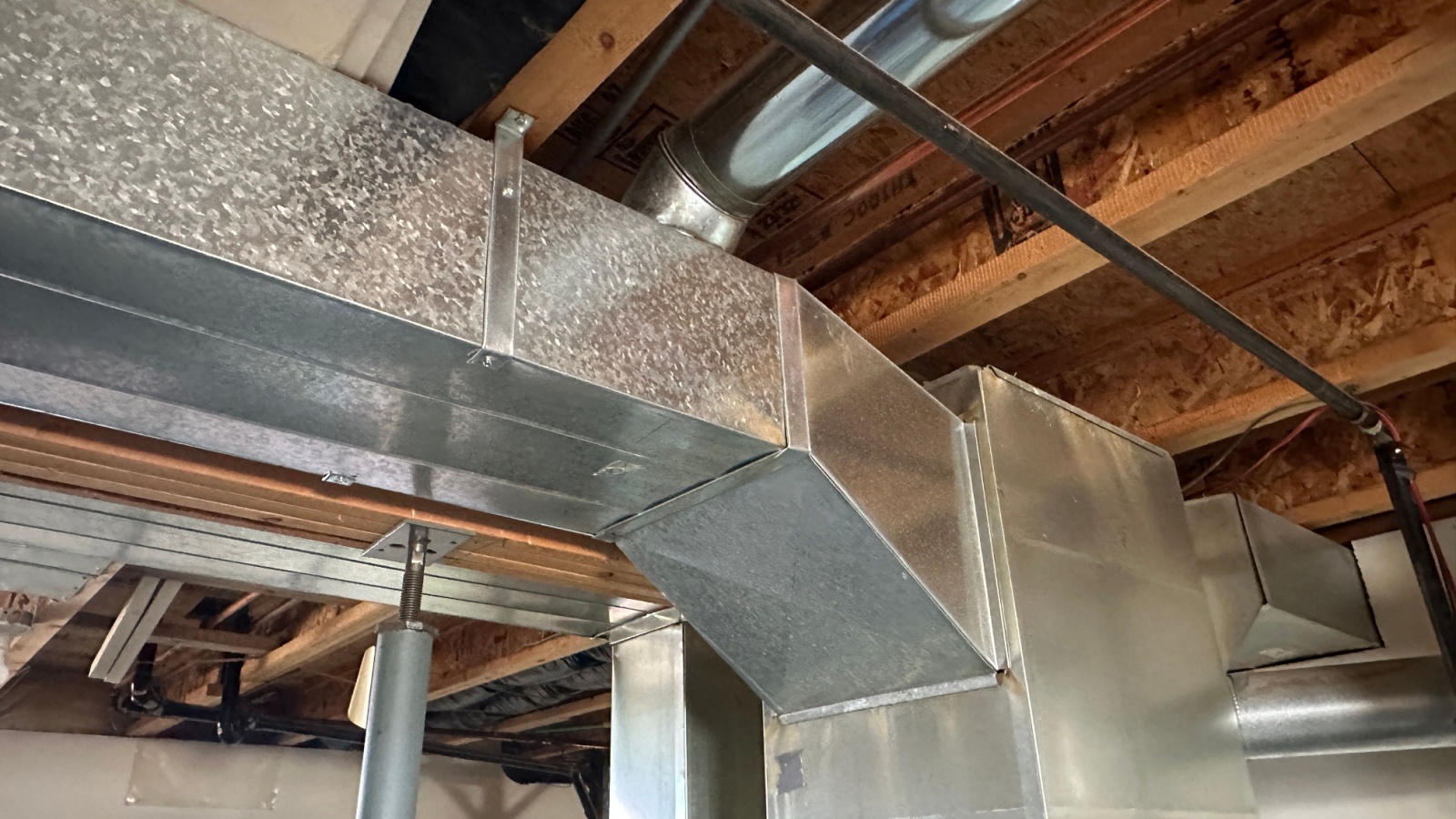
Many Canadian provinces offer rebates for energy upgrades. These programs help offset upgrade costs. Check your local utility provider for available options. Rebates may cover insulation, thermostats, or system upgrades. Some programs offer hundreds of dollars in savings. This reduces upfront expenses for efficiency improvements. It makes larger upgrades more accessible. Even small rebates add value over time. Staying informed helps you take advantage of available support. It is a practical way to lower long-term heating costs.
22 Groceries to Grab Now—Before another Price Shock Hits Canada

Food prices in Canada have been steadily climbing, and another spike could make your grocery bill feel like a mortgage payment. According to Statistics Canada, food inflation remains about 3.7% higher than last year, with essentials like bread, dairy, and fresh produce leading the surge. Some items are expected to rise even further due to transportation costs, droughts, and import tariffs. Here are 22 groceries to grab now before another price shock hits Canada.
22 Groceries to Grab Now—Before another Price Shock Hits Canada
This Options Discord Chat is The Real Deal
While the internet is scoured with trading chat rooms, many of which even charge upwards of thousands of dollars to join, this smaller options trading discord chatroom is the real deal and actually providing valuable trade setups, education, and community without the noise and spam of the larger more expensive rooms. With a incredibly low-cost monthly fee, Options Trading Club (click here to see their reviews) requires an application to join ensuring that every member is dedicated and serious about taking their trading to the next level. If you are looking for a change in your trading strategies, then click here to apply for a membership.