
35,000+ smart investors are already getting financial news, market signals, and macro shifts in the economy that could impact their money next with our FREE weekly newsletter. Get ahead of what the crowd finds out too late. Click Here to Subscribe for FREE.
Energy prices rarely stay still. One month feels manageable, the next feels like a budgeting ambush. When fuel and electricity costs shift, many connected expenses quietly change too. Some bills rise directly, while others creep up through service fees or usage patterns. Ignoring them can lead to avoidable spending that adds up fast. A quick review across key household costs can help spot leaks and reset priorities before things spiral. It is less about cutting everything and more about knowing where money is slipping away. Here are 22 bills Canadians should recheck when energy prices swing.
Electricity Bills
22 Bills Canadians Should Recheck When Energy Prices Swing
- Electricity Bills
- Natural Gas Bills
- Heating Oil Expenses
- Water Heating Costs
- Internet Bills
- Mobile Phone Plans
- Car Fuel Expenses
- Car Insurance Premiums
- Public Transit Passes
- Grocery Bills
- Food Delivery Subscriptions
- Streaming Services
- Home Insurance
- Credit Card Interest Charges
- Mortgage Payments
- Rent Payments
- Home Maintenance Costs
- Subscription Boxes
- Gym Memberships
- Travel Insurance
- Airline Tickets
- Utility Service Fees
- 22 Groceries to Grab Now—Before another Price Shock Hits Canada
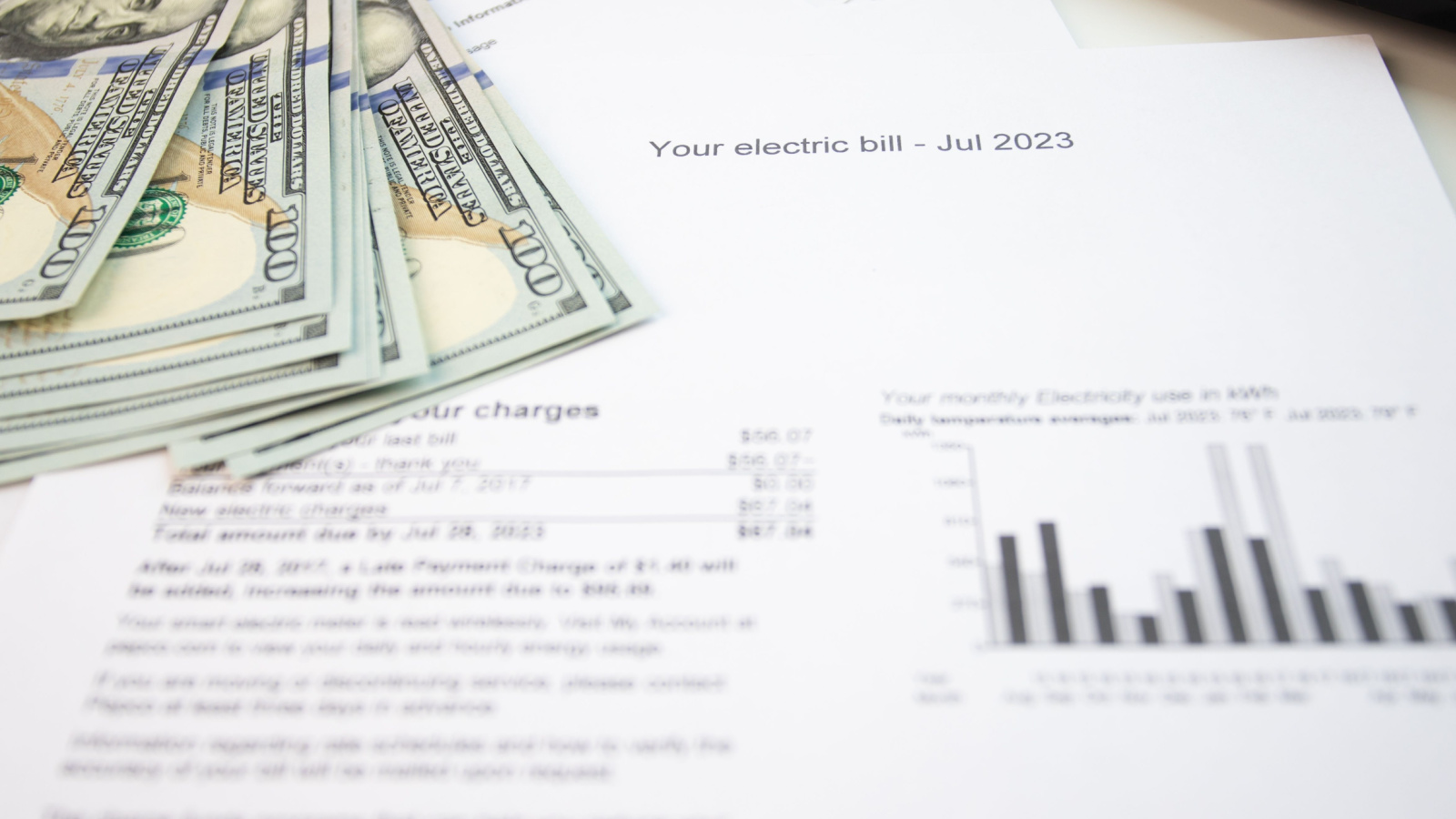
Electricity costs often move first when energy prices shift. Many Canadian households use time-of-use plans. Peak hours can become much more expensive during volatile periods. Review your recent bills for usage spikes and rate changes. Compare month-over-month costs, not just totals but unit pricing. Small habits like running appliances at night can reduce charges. Also check for billing errors or estimated readings. Some providers adjust rates quietly, especially during seasonal demand. If you see sudden increases, contact your provider for clarity. A quick audit can reveal patterns that are easy to fix with minor routine changes.
Natural Gas Bills

Heating costs can swing widely when natural gas prices rise. Even small rate changes can impact winter bills. Review your billing statement for per-unit increases and delivery fees. These charges often rise alongside commodity prices. Check your thermostat settings and heating schedule. Many homes waste heat overnight or during work hours. Sealing drafts can also reduce consumption. Some provinces allow switching plans or locking in rates. Explore those options if volatility continues. Tracking your monthly usage helps spot unusual spikes. It also helps separate price increases from actual changes in consumption.
Heating Oil Expenses

Homes using heating oil face sharper fluctuations during global price shifts. Oil prices react quickly to supply disruptions and seasonal demand. Review your last few delivery invoices for price per litre changes. Compare them with previous months. Bulk buying during periods of lower prices can sometimes help. Storage capacity plays a role here. Also check for delivery fees or surcharges that may have increased. Regular maintenance of your heating system improves efficiency. Poorly maintained systems burn more fuel. That means higher costs without added comfort. Monitoring these factors keeps expenses predictable.
Water Heating Costs

Water heating is often overlooked, but it can be a major energy expense. It usually runs on electricity or gas, both of which are affected by price swings. Review your bill to estimate how much is tied to hot water usage. Long showers and frequent laundry cycles increase costs. Lowering the water heater temperature slightly can reduce energy use. Insulating the tank helps retain heat longer. Older units tend to be less efficient. If your bill keeps rising, it may be worth checking system performance. Small adjustments in daily habits can lead to noticeable savings over time.
Internet Bills

Internet bills can rise indirectly with energy costs. Providers face higher operational expenses and may pass them on. Review your plan details and recent invoices. Look for new fees or increased rates after promotional periods. Many households pay for higher speeds than needed. Downgrading slightly can reduce monthly costs without affecting usage. Also, check for bundle discounts that may have expired. Contact your provider to negotiate or switch plans. Loyalty rarely rewards customers automatically. A quick call can sometimes secure better pricing or added benefits.
Mobile Phone Plans

Mobile plans often include hidden fees that go unnoticed. Energy price swings can push providers to adjust pricing structures. Review your monthly statement line by line. Look for added charges, roaming fees, or data overages. Many users pay for unused data each month. Switching to a more suitable plan can cut costs. Family plans or shared data options may offer better value. Also, check if your contract has ended. Month-to-month plans sometimes cost more. Negotiating with your provider can lead to discounts or upgraded offers.
Car Fuel Expenses

Fuel costs are the most visible impact of energy swings. Gas prices can change weekly or even daily. Track your monthly fuel spending instead of relying on memory. Small increases per liter add up quickly. Consider adjusting driving habits to reduce usage. Combining errands or carpooling can help. Maintaining proper tire pressure improves fuel efficiency. Some credit cards offer fuel rewards or cashback. Using those can offset rising costs slightly. Keeping a simple log of fuel purchases helps identify patterns. Awareness is the first step toward controlling this expense.
Car Insurance Premiums

Insurance costs can rise when repair and replacement expenses increase. Energy prices affect supply chains and parts costs. Review your policy renewal notice carefully. Premium changes may not always be explained clearly. Check if your coverage still matches your needs. Removing unnecessary add-ons can reduce costs. Increasing your deductible may also lower premiums. Some insurers offer discounts for low mileage. If you are driving less due to fuel costs, inform your provider. Comparing quotes from other insurers can reveal better deals. Loyalty does not always guarantee savings.
Public Transit Passes

Transit fares can increase when fuel and operational costs rise. Review your monthly or yearly pass expenses. Compare them with actual usage. If your commuting pattern has changed, a different pass type may suit you better. Some cities offer flexible or pay-as-you-go options. These can be cheaper for irregular travel. Also, check for employer subsidies or tax credits. Many Canadians overlook these benefits. Tracking your transit usage helps avoid overpaying. A simple adjustment can align your spending with your current routine.
Grocery Bills

Energy costs impact food production, storage, and transportation. Grocery prices often rise as a result. Review your receipts over the past few months. Identify items with noticeable price increases. Switching brands or buying in bulk can reduce costs. Seasonal produce is usually cheaper and fresher. Planning meals helps avoid waste and impulse purchases. Store loyalty programs can offer discounts or rewards. Comparing prices across stores may reveal better deals. Small changes in shopping habits can balance rising food costs without sacrificing quality.
Food Delivery Subscriptions

Delivery services rely heavily on fuel and logistics. Fees often increase when energy prices rise. Review your subscription and delivery charges. Look for service fees, surge pricing, or hidden costs. Ordering less frequently can reduce expenses quickly. Picking up orders yourself avoids delivery fees. Some apps offer discounts for scheduled deliveries. Canceling unused subscriptions can also save money. Many users forget they are paying monthly fees. Checking your account regularly prevents unnecessary spending. Convenience comes at a cost, especially during price swings.
Streaming Services

Streaming services may seem unrelated to energy costs. However, companies adjust pricing based on operational expenses. Review your active subscriptions. Many households pay for multiple platforms without using them fully. Canceling one or two can reduce monthly costs. Rotating subscriptions based on content can also help. Check for bundled offers or shared plans. These often provide better value. Monitoring your usage helps identify which services are worth keeping. Entertainment should fit your budget, not stretch it.
Home Insurance

Home insurance premiums can increase due to higher rebuilding costs. Energy prices affect construction materials and labor. Review your policy details during renewal. Check if your coverage matches your property value. Over-insuring can lead to higher premiums. Under-insuring can create risk. Ask your provider about discounts for safety features. Installing smoke detectors or security systems may reduce costs. Comparing quotes from different insurers can reveal better options. Regular reviews keep your policy aligned with current market conditions.
Credit Card Interest Charges

Interest rates often rise alongside economic shifts tied to energy costs. Review your credit card statements carefully. High interest charges can grow quickly if balances are carried. Paying more than the minimum reduces long-term costs. Consider transferring balances to lower-interest cards. Some cards offer promotional rates for new transfers. Tracking your spending helps avoid unnecessary debt. Small adjustments in payment habits can prevent interest from compounding. Awareness of your rates is key to managing this expense.
Mortgage Payments

Mortgage rates can fluctuate with broader economic conditions. Energy price swings often influence inflation and interest rates. Review your mortgage terms and renewal timeline. Fixed-rate holders should note when their term ends. Variable-rate borrowers may already see changes in payments. Making extra payments when possible reduces long-term interest. Refinancing may be an option for some homeowners. Understanding your loan structure helps you plan ahead. Even small rate changes can impact monthly budgets significantly.
Rent Payments

Rent can rise when landlords face higher operating costs. Energy expenses often contribute to these increases. Review your lease agreement and renewal terms. Check if utilities are included or billed separately. Negotiating rent may be possible in some markets. Long-term tenants sometimes have leverage. Comparing similar listings in your area provides context. Understanding local trends helps you make informed decisions. Monitoring your rent relative to market rates keeps your housing costs reasonable.
Home Maintenance Costs

Maintenance expenses often increase with material and labor costs. Energy price swings affect both. Review recent repair invoices and service contracts. Regular maintenance prevents larger, more expensive issues. Small fixes now can avoid major repairs later. Scheduling seasonal inspections helps identify problems early. Comparing quotes from different service providers can reduce costs. Keeping a maintenance log helps track spending over time. Staying proactive keeps your home in good condition without unexpected expenses.
Subscription Boxes

Subscription boxes often include shipping costs that rise with fuel prices. Review your monthly subscriptions carefully. Many users forget about these recurring charges. Canceling unused or low-value boxes can save money. Consider switching to less frequent deliveries. Some services offer flexible scheduling options. Evaluating the actual value of each box helps decide what to keep. Convenience should not outweigh cost. Regular reviews prevent unnecessary spending.
Gym Memberships

Gym memberships may include hidden fees or annual increases. Energy costs can influence operational expenses for facilities. Review your membership agreement and billing history. Check for unused services or add-ons. If you are not using the gym regularly, consider pausing or canceling. Some gyms offer off-peak discounts. Comparing local options may reveal better deals. Staying active does not always require a full membership. Adjusting your plan can align costs with usage.
Travel Insurance

Travel insurance premiums can rise with increased operational costs. Energy price swings affect travel expenses overall. Review your policy details before purchasing. Compare coverage options and pricing across providers. Avoid paying for unnecessary add-ons. Some credit cards include travel insurance benefits. Using those can reduce costs. Understanding what is covered helps avoid surprises. Careful selection keeps protection adequate without overspending.
Airline Tickets

Flight prices often reflect fuel costs directly. Review ticket prices and booking patterns. Flexible travel dates can lead to better deals. Mid-week flights are often cheaper. Booking in advance may lock in lower rates. Comparing multiple airlines helps find competitive pricing. Using fare alerts can track price changes. Understanding how fuel impacts airfare helps you plan smarter. Small timing adjustments can lead to noticeable savings.
Utility Service Fees

Utility bills often include service and delivery fees. These can increase even if usage stays the same. Review your bill breakdown carefully. Look beyond the total amount. Identifying fee increases helps understand true cost changes. Some fees are fixed, while others vary with usage. Contact your provider for clarification if needed. Awareness of these charges prevents confusion. Knowing what you are paying for helps manage your budget effectively.
22 Groceries to Grab Now—Before another Price Shock Hits Canada

Food prices in Canada have been steadily climbing, and another spike could make your grocery bill feel like a mortgage payment. According to Statistics Canada, food inflation remains about 3.7% higher than last year, with essentials like bread, dairy, and fresh produce leading the surge. Some items are expected to rise even further due to transportation costs, droughts, and import tariffs. Here are 22 groceries to grab now before another price shock hits Canada.
22 Groceries to Grab Now—Before another Price Shock Hits Canada
This Options Discord Chat is The Real Deal
While the internet is scoured with trading chat rooms, many of which even charge upwards of thousands of dollars to join, this smaller options trading discord chatroom is the real deal and actually providing valuable trade setups, education, and community without the noise and spam of the larger more expensive rooms. With a incredibly low-cost monthly fee, Options Trading Club (click here to see their reviews) requires an application to join ensuring that every member is dedicated and serious about taking their trading to the next level. If you are looking for a change in your trading strategies, then click here to apply for a membership.