
Cash stuffing has become a popular budgeting method in recent years. Many Canadians have seen this system on social media as a way to control spending. The idea usually involves dividing physical cash into envelopes for different expense categories. While the method can help some people manage their money, it is often misunderstood. Many online discussions present cash stuffing as a perfect solution for overspending. In reality, every budgeting method has limitations. Digital banking, automatic payments, and modern spending habits create challenges for cash-only systems. Understanding these myths helps people choose better financial tools. Here are 18 cash-stuffing myths Canadians are getting wrong, along with better options to consider.
Cash Stuffing Automatically Stops Overspending
18 “Cash Stuffing” Myths Canadians Are Getting Wrong (And Better Options)
- Cash Stuffing Automatically Stops Overspending
- Cash-Only Budgets Work for Every Expense Category
- Digital Payments Cannot Be Budgeted Effectively
- Cash Stuffing Eliminates the Need for a Budget Plan
- Using Only Cash Improves Financial Discipline for Everyone
- Cash Stuffing Is the Best Way to Manage All Bills
- Cash Budgets Are Always Safer Than Digital Accounts
- Cash Stuffing Prevents Impulse Spending Completely
- Cash Is the Only Way to Track Spending Clearly
- Cash Stuffing Works the Same for Every Income Level
- Cash Budgets Remove the Need for Financial Apps
- Cash Stuffing Is the Best Method for Saving Money
- Cash-Only Systems Work Well for Online Purchases
- Cash Stuffing Replaces the Need for Emergency Funds
- Cash Budgets Work Better Than Bank Account Tracking
- Cash Stuffing Helps Build Credit Automatically
- Cash Envelopes Prevent All Budgeting Mistakes
- Cash Stuffing Is the Only Simple Budgeting Method
- 22 Groceries to Grab Now—Before another Price Shock Hits Canada

Cash stuffing can help some people become more aware of their spending. Dividing money into envelopes creates clear limits for each category. However, this method does not automatically stop overspending. Some people may still withdraw additional cash or use cards when the envelope is empty. Overspending usually comes from habits rather than the payment method itself. Without a clear budget plan, cash envelopes can lose their purpose. A better approach combines spending limits with regular tracking. Budgeting apps or bank alerts can support these limits. Cash stuffing may help control certain categories, but lasting financial discipline usually comes from consistent budgeting habits.
Cash-Only Budgets Work for Every Expense Category

Cash envelopes work well for certain types of spending. Groceries, dining out, and entertainment are common examples. However, many expenses cannot easily be paid with cash. Rent, utilities, online subscriptions, and loan payments usually require digital transactions. In Canada, many bills are processed through bank transfers or automatic payments. Relying only on cash may create inconvenience for these expenses. A practical budgeting system often combines different payment methods. Some categories can still use cash while others remain digital. Separating fixed bills from flexible spending helps maintain balance. This mixed approach works better for modern financial systems.
Digital Payments Cannot Be Budgeted Effectively
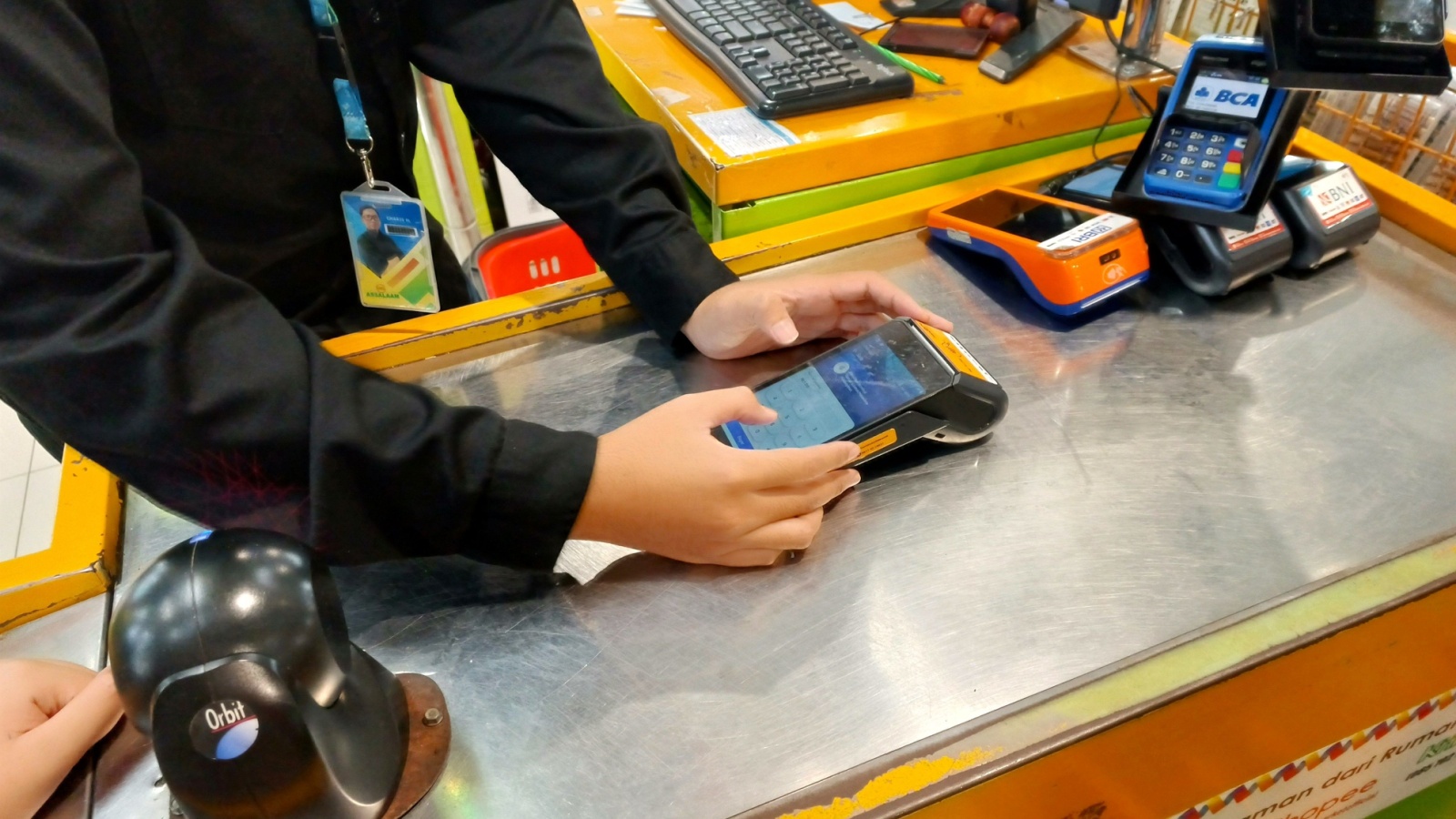
Some people believe that digital payments make budgeting difficult. Because cards and online payments feel less tangible than cash, spending can seem less visible. However, digital tools can actually improve spending awareness. Many Canadian banks provide detailed transaction histories and spending summaries. Budgeting apps can categorize purchases automatically. These tools make it easier to see where money is going each month. Alerts and notifications can also highlight unusual spending. Digital systems often provide more detailed information than cash transactions. Learning to use these tools effectively can create strong budgeting habits. Digital payments can be managed successfully with proper tracking.
Cash Stuffing Eliminates the Need for a Budget Plan
Cash stuffing organizes money into envelopes for specific categories. While this structure helps control spending, it does not replace a full budget plan. A budget includes income, savings goals, fixed bills, and long-term financial priorities. Cash envelopes usually focus only on daily spending categories. Without a broader financial plan, important goals may be overlooked. For example, saving for emergencies or retirement still requires planning. A complete financial strategy should include savings, debt repayment, and future expenses. Cash stuffing can support spending limits, but it should be part of a larger budgeting system.
Using Only Cash Improves Financial Discipline for Everyone
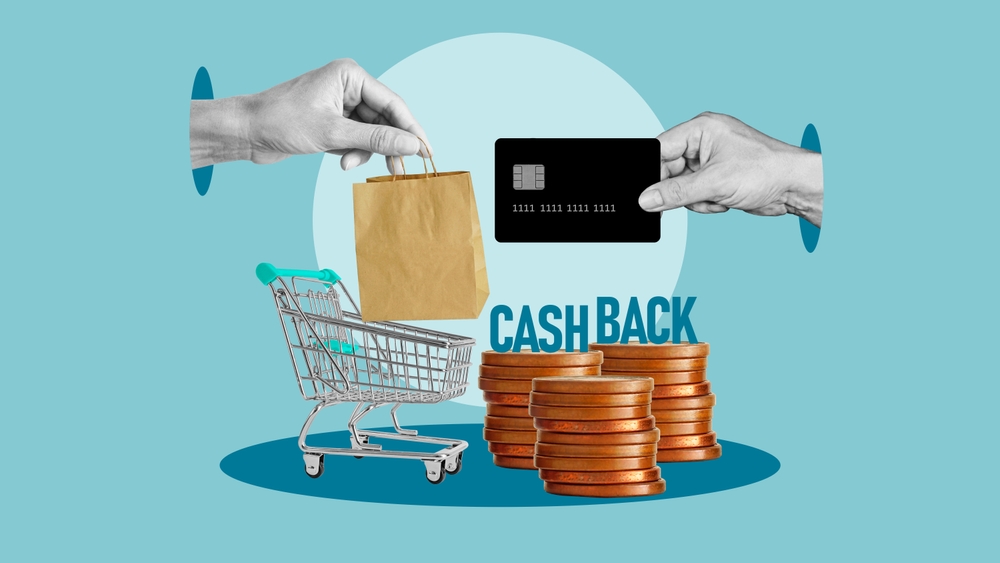
Some people find cash helpful because it creates a visible limit on spending. When the envelope becomes empty, it signals that the budget has been reached. However, this method does not work the same way for everyone. Many Canadians prefer digital systems that track spending automatically. Others rely on credit cards for convenience or rewards programs. Financial discipline usually develops through awareness and consistent habits. The best budgeting system is the one a person will follow regularly. For some, cash envelopes work well. For others, digital budgeting tools provide better results. Personal financial habits vary widely between individuals.
Cash Stuffing Is the Best Way to Manage All Bills

Cash stuffing is often designed for variable spending categories rather than fixed bills. Household bills such as rent, utilities, and insurance are usually paid electronically. Many Canadians also use automatic payments for these expenses. Managing these bills with physical cash can be impractical. Visiting payment locations or converting cash into electronic payments takes extra time. A better system separates fixed bills from flexible spending categories. Bills can remain automated while discretionary spending uses cash or tracked card payments. This hybrid method combines convenience with spending control. Managing bills digitally while monitoring spending closely often provides a more efficient financial system.
Cash Budgets Are Always Safer Than Digital Accounts

Some people believe cash is safer than digital banking because it cannot be hacked online. While cash removes certain online risks, it also has limitations. Physical money can be lost, stolen, or damaged without recovery. Digital accounts usually include security protections such as fraud monitoring and transaction alerts. Canadian banks also provide secure authentication methods and customer support for suspicious activity. If a debit or credit card transaction is unauthorized, it can often be investigated and reversed. Cash does not provide this level of protection. A balanced approach may involve using digital accounts with proper security habits while managing spending carefully.
Cash Stuffing Prevents Impulse Spending Completely
Cash envelopes can help reduce impulse spending by setting clear limits. When a spending category runs out of cash, it creates a natural pause before making another purchase. However, this system does not eliminate impulse buying entirely. People may still withdraw additional cash or switch to card payments. Overspending habits often come from emotional or spontaneous decisions. Changing these habits requires awareness and discipline. Cash stuffing can support better control, but cannot replace thoughtful spending decisions. Tracking spending and reviewing purchases regularly can strengthen financial awareness. Combining budgeting tools with mindful spending usually produces better long-term results.
Cash Is the Only Way to Track Spending Clearly

Cash provides a physical way to see money leaving a budget envelope. This visibility helps some people understand their spending limits. However, it is not the only way to track expenses clearly. Digital banking tools often provide detailed transaction records and spending summaries. Many Canadian banks categorize purchases automatically. Budgeting apps can also create charts showing where money is spent each month. These digital tools can reveal patterns that cash alone may not show. For example, monthly reports highlight trends in dining, transportation, or shopping. Digital tracking systems can provide a clearer overall view of spending habits.
Cash Stuffing Works the Same for Every Income Level

Cash stuffing is often promoted as a universal budgeting solution. In reality, financial situations vary widely among households. People with irregular income, multiple bills, or large financial obligations may find the system difficult to maintain. Higher-income households may have more complex financial structures that require digital tracking. Lower-income households may rely more on automatic payments or government benefits. Each situation requires a flexible budgeting approach. Cash envelopes can still help manage certain categories, but they may not work for every part of the budget. Adapting budgeting methods to individual circumstances usually produces better financial outcomes.
Cash Budgets Remove the Need for Financial Apps
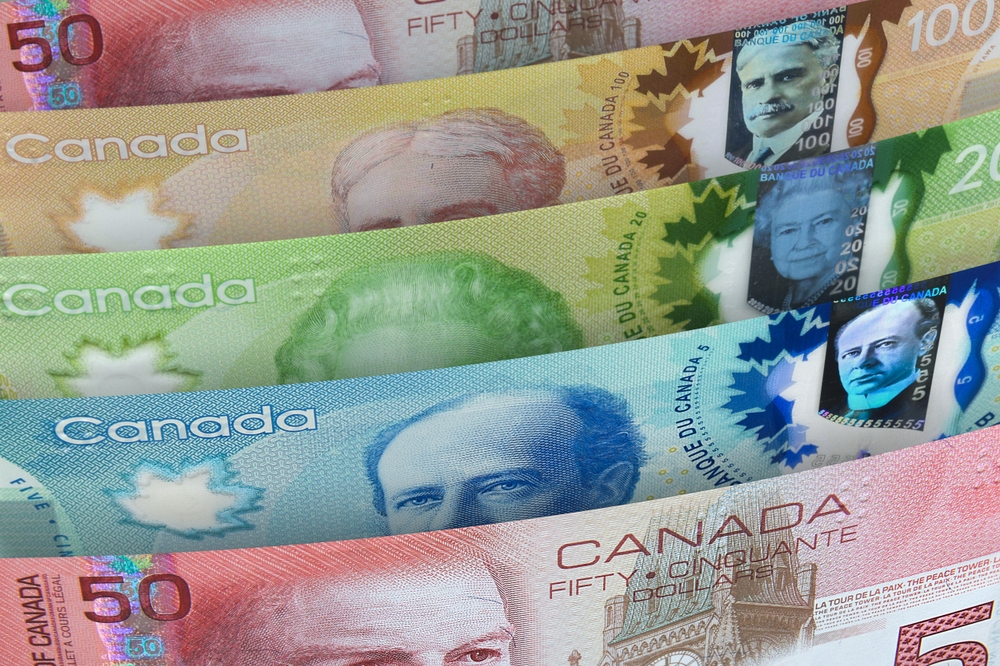
Cash stuffing may reduce the need for some budgeting tools, but it does not remove the value of financial apps. Apps can help track income, savings goals, and long-term financial progress. They also record digital transactions automatically. This information helps people understand their financial patterns more clearly. Cash envelopes usually focus only on day-to-day spending categories. Important financial areas, such as debt payments or investment tracking, still require monitoring. Budgeting apps can complement a cash system by providing a broader overview. Combining both methods often creates a stronger financial management system.
Cash Stuffing Is the Best Method for Saving Money

Cash stuffing is mainly designed to control spending rather than build savings. While reducing overspending can help free money for savings, the system itself does not automatically increase savings. Saving money usually requires specific goals and regular contributions. Many Canadians use automatic transfers to move money into savings accounts. This approach ensures savings grow consistently each month. Cash envelopes may help limit discretionary spending, but they should be paired with a savings strategy. A combination of budgeting, automated saving, and spending awareness often produces better financial results than relying on cash envelopes alone.
Cash-Only Systems Work Well for Online Purchases
Cash envelopes are designed for physical spending categories such as groceries or dining out. However, many purchases today happen online. Shopping websites, subscriptions, and digital services usually require debit or credit cards. Because of this, a cash-only system may not work well for online spending. Some people withdraw cash for envelopes but still use cards for online purchases. This creates a gap in the tracking system. A better approach is to track online spending separately through bank statements or budgeting apps. Combining cash envelopes with digital tracking helps maintain accurate spending records. This hybrid method works better for modern shopping habits.
Cash Stuffing Replaces the Need for Emergency Funds

Cash stuffing focuses mainly on managing everyday spending categories. It helps control variable expenses such as groceries, entertainment, or personal shopping. However, it does not replace the role of an emergency fund. Unexpected events such as medical bills, car repairs, or job changes require financial reserves. Cash envelopes typically contain limited amounts intended for short-term spending. Emergency savings should be stored separately in a dedicated account. Many Canadians aim to save several months of essential expenses for emergencies. Cash stuffing may help prevent overspending, but it cannot provide protection during major financial surprises.
Cash Budgets Work Better Than Bank Account Tracking

Some people believe physical cash budgets are always more effective than digital tracking. While cash envelopes can make spending limits visible, digital tools offer advantages as well. Bank accounts automatically record every transaction. This creates a detailed financial history that can be reviewed anytime. Spending categories and trends become easier to analyze over time. Cash transactions, on the other hand, may require manual tracking to maintain records. Many Canadians combine digital tracking with simple spending limits. This balanced approach provides both awareness and convenience. Digital records often make it easier to review long-term financial patterns.
Cash Stuffing Helps Build Credit Automatically

Cash stuffing does not directly affect a person’s credit history. Credit scores are built through responsible use of credit products. These may include credit cards, loans, or lines of credit. Regular payments and low balances help maintain a healthy credit score. Cash transactions do not appear on credit reports because they involve no borrowing. While cash budgeting can help avoid debt, it does not build credit on its own. Canadians who want to improve their credit must use credit products responsibly. Paying balances on time and maintaining low credit utilization are important steps.
Cash Envelopes Prevent All Budgeting Mistakes

Cash envelopes can help limit spending in specific categories. However, they do not prevent every financial mistake. Overspending can still happen if envelopes are refilled frequently. Some people may also ignore the envelope limits and use cards instead. Budgeting errors can occur when income or fixed expenses are not considered. A complete budget should include housing costs, bills, savings goals, and debt payments. Cash envelopes usually address only discretionary spending categories. A broader financial plan helps prevent larger budgeting issues. Combining cash envelopes with regular financial reviews provides better overall control.
Cash Stuffing Is the Only Simple Budgeting Method

Cash stuffing is often promoted as a simple way to manage money. While it can work for some people, it is not the only straightforward budgeting method. Many Canadians prefer digital tools that automatically track spending. Others use basic spreadsheets or simple monthly spending plans. Budgeting methods should match individual preferences and financial situations. What works well for one person may not work for another. Simplicity often comes from consistency rather than the specific system used. Choosing a budgeting method that feels comfortable helps maintain long-term financial discipline.
22 Groceries to Grab Now—Before another Price Shock Hits Canada

Food prices in Canada have been steadily climbing, and another spike could make your grocery bill feel like a mortgage payment. According to Statistics Canada, food inflation remains about 3.7% higher than last year, with essentials like bread, dairy, and fresh produce leading the surge. Some items are expected to rise even further due to transportation costs, droughts, and import tariffs. Here are 22 groceries to grab now before another price shock hits Canada.
22 Groceries to Grab Now—Before another Price Shock Hits Canada
This Options Discord Chat is The Real Deal
While the internet is scoured with trading chat rooms, many of which even charge upwards of thousands of dollars to join, this smaller options trading discord chatroom is the real deal and actually providing valuable trade setups, education, and community without the noise and spam of the larger more expensive rooms. With a incredibly low-cost monthly fee, Options Trading Club (click here to see their reviews) requires an application to join ensuring that every member is dedicated and serious about taking their trading to the next level. If you are looking for a change in your trading strategies, then click here to apply for a membership.