35,000+ smart investors are already getting financial news, market signals, and macro shifts in the economy that could impact their money next with our FREE weekly newsletter. Get ahead of what the crowd finds out too late. Click Here to Subscribe for FREE.
Many Canadians assume their finances are stable as long as bills are paid each month. However, feeling financially comfortable does not always mean spending is sustainable. Some habits slowly push spending beyond what income can support. Credit card balances, growing subscriptions, and limited savings are common warning signs. These patterns often develop gradually and may go unnoticed for a long time. Over time, they can create financial pressure when unexpected expenses appear. Recognizing these signs early can help people make better financial decisions. Small changes in spending and saving habits can restore balance. Here are 16 signs you may be living above your means, even if things currently feel fine.
You Rely on Credit Cards to Cover Regular Expenses
16 Signs You’re Living Above Your Means (Even If You Feel ‘Fine’)
- You Rely on Credit Cards to Cover Regular Expenses
- Your Savings Balance Rarely Increases
- You Feel Stressed When Unexpected Bills Appear
- Most of Your Income Goes Toward Fixed Monthly Payments
- You Frequently Use Buy Now Pay Later Services
- You Often Pay Bills Close to Their Due Dates
- Your Emergency Fund Is Small or Nonexistent
- You Upgrade Your Lifestyle Every Time Your Income Increases
- You Struggle to Pay Off Credit Card Balances Each Month
- You Borrow Money to Cover Non-Essential Spending
- Your Subscriptions and Recurring Bills Keep Growing
- You Avoid Checking Your Bank Account Balance
- You Depend on Bonuses or Extra Income to Stay Comfortable
- You Delay Saving for Long-Term Financial Goals
- Your Debt Balance Continues to Increase
- You Feel Financially Stable but Have Little Financial Cushion
- 22 Groceries to Grab Now—Before another Price Shock Hits Canada

Credit cards can be helpful for convenience and short-term payments. However, using them regularly for everyday expenses may signal a deeper problem. Groceries, utilities, and transportation should usually fit within a monthly budget. When credit cards become the primary means of covering these costs, spending may exceed income. Many Canadians rely on credit temporarily and expect to pay it later. Over time, this can lead to growing balances and interest charges. Even small monthly deficits can accumulate into significant debt. Reviewing spending habits and adjusting the budget can help restore balance. Reducing reliance on credit cards helps improve long-term financial stability.
Your Savings Balance Rarely Increases

Saving money consistently is one of the strongest signs of financial stability. If a savings account rarely grows, spending may be consuming most of the income. Many people plan to save whatever remains at the end of the month. Unfortunately, there is often little left after expenses. Over time, this pattern prevents savings from building. Without savings, financial flexibility becomes limited. Unexpected expenses may then require credit or loans. Tracking spending and setting regular savings transfers can help improve this situation. Even small monthly contributions can create progress. A savings balance that grows slowly but consistently indicates healthier financial habits.
You Feel Stressed When Unexpected Bills Appear

Unexpected expenses happen in nearly every household. Car repairs, medical costs, or home maintenance can appear without warning. When finances are balanced, these costs can usually be handled with savings. However, people living close to their spending limit may feel immediate stress. Even a moderate bill may create financial pressure. This reaction often indicates limited emergency savings. Many Canadians recognize this pattern only after facing a sudden expense. Building a small emergency fund can reduce this stress. Having a financial buffer provides confidence during unexpected situations. Preparing for surprises is an important part of maintaining financial stability.
Most of Your Income Goes Toward Fixed Monthly Payments

Fixed monthly expenses often include rent or mortgage payments, utilities, loans, and insurance. These costs usually cannot be reduced easily in the short term. When most income is committed to these payments, little money remains for savings or flexibility. Some households find that nearly every dollar is already allocated when the month begins. This situation can create financial pressure if income changes. Large fixed expenses may also prevent people from adjusting their budget easily. Reviewing monthly obligations can help identify areas where costs may be reduced. Maintaining room in the budget allows better financial control.
You Frequently Use Buy Now Pay Later Services

Buy Now Pay Later services allow purchases to be divided into several payments. While this can make shopping easier, frequent use may indicate overspending. Some shoppers rely on installment plans for items they cannot afford immediately. When several plans are active at the same time, monthly obligations increase quickly. Small installment payments may appear manageable individually. However, combined payments can affect the overall budget. Many Canadians only notice the total cost after several purchases. Tracking installment plans carefully helps maintain financial awareness. Limiting BNPL use helps prevent spending beyond current financial limits.
You Often Pay Bills Close to Their Due Dates
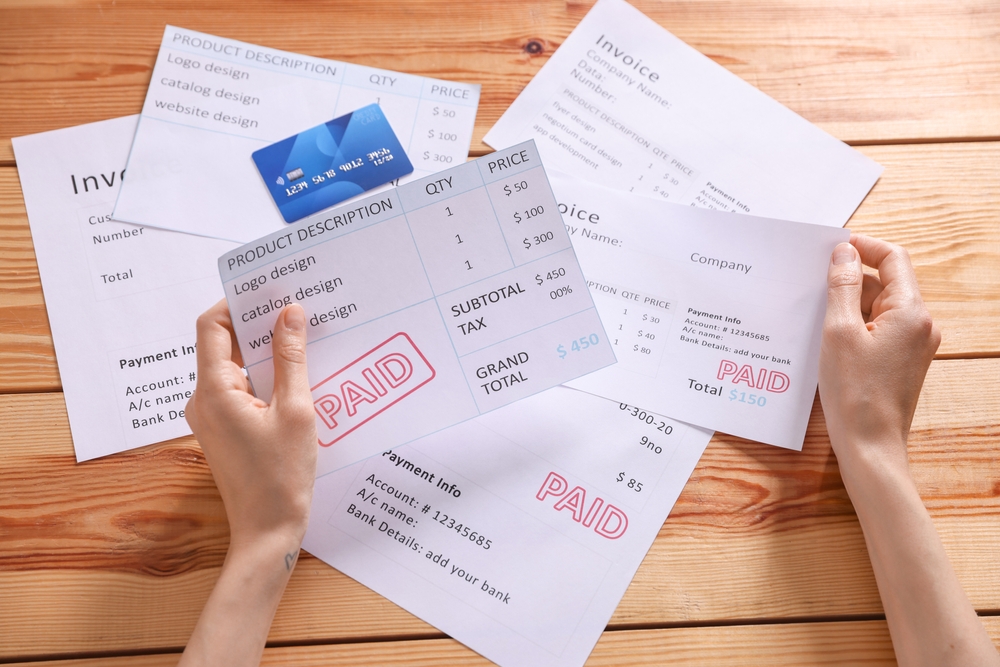
Paying bills on time is important for maintaining financial stability. However, consistently paying them at the last possible moment may signal limited financial flexibility. When budgets are tight, people often wait until the final day before making payments. This habit can create stress and increase the risk of missed deadlines. Unexpected expenses during the month may make payments difficult. Paying bills earlier in the billing cycle usually indicates stronger financial control. Building a small financial buffer can help improve this situation. Having extra funds available allows bills to be handled more comfortably and reduces financial pressure.
Your Emergency Fund Is Small or Nonexistent
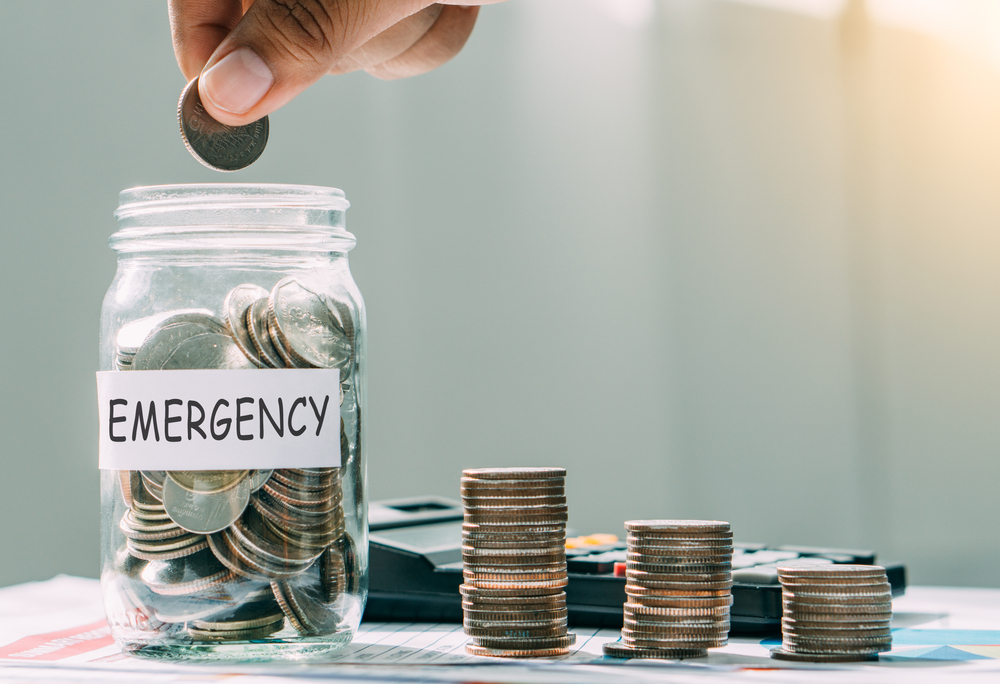
An emergency fund provides protection when unexpected expenses appear. Without one, even small financial problems can become stressful. Many Canadians delay building this fund because other spending priorities take over. As a result, savings remain minimal or nonexistent. When emergencies occur, people often rely on credit cards or loans. This creates additional financial pressure and long-term debt. A modest emergency fund can help prevent these situations. Setting aside small amounts regularly can slowly build this safety cushion. Over time, having several months of essential expenses saved offers stability. A strong emergency fund reduces the risk of financial setbacks disrupting everyday life.
You Upgrade Your Lifestyle Every Time Your Income Increases

Receiving a raise or higher income can feel rewarding. However, immediately increasing spending often prevents long-term financial progress. Some people upgrade their lifestyle with every increase in income. Larger homes, newer vehicles, or expensive habits may follow. While these upgrades may feel justified, they can reduce the ability to save. This pattern is often called lifestyle inflation. Over time, higher income produces little improvement in financial stability. Allocating part of any income increase toward savings helps break this cycle. Maintaining similar spending habits after a raise allows financial security to grow steadily.
You Struggle to Pay Off Credit Card Balances Each Month
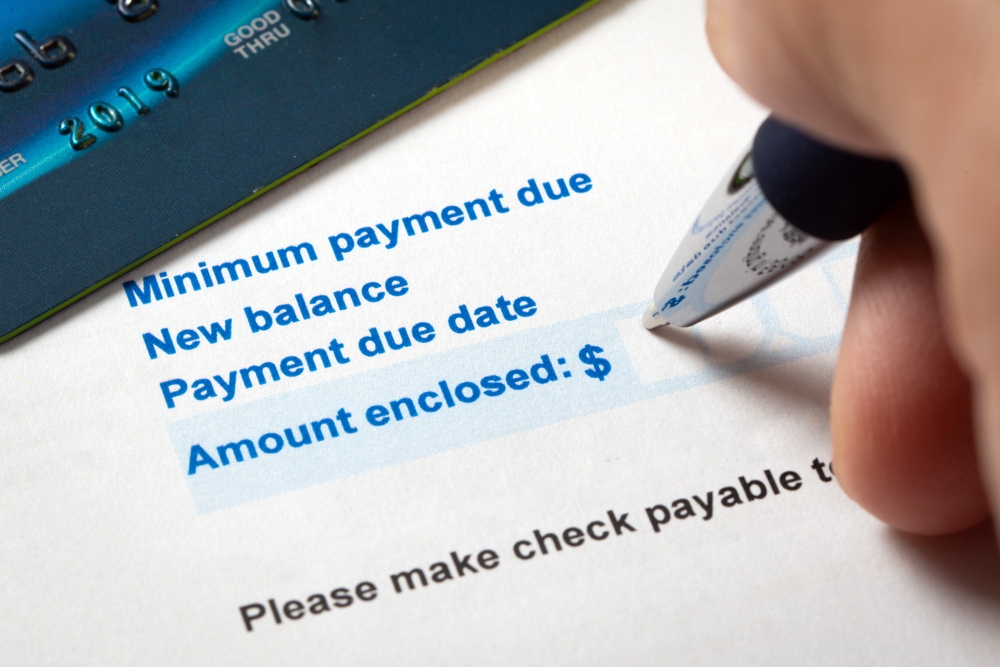
Credit cards are designed for short-term borrowing. Ideally, the full balance should be paid every month. When balances carry over repeatedly, interest charges begin to accumulate. Many Canadians struggle to clear their balance because spending exceeds their monthly budget. Interest payments then increase the total cost of purchases. Over time, this debt becomes harder to eliminate. Paying only the minimum amount extends the repayment period significantly. Reviewing spending habits and reducing unnecessary expenses can help resolve this issue. Keeping credit card balances low is an important sign of healthy financial management.
You Borrow Money to Cover Non-Essential Spending

Borrowing money for essential needs can sometimes be unavoidable. However, borrowing for non-essential purchases often signals financial imbalance. Items such as luxury goods, entertainment, or travel should usually fit within available income. When these purchases rely on borrowed money, debt may increase unnecessarily. Over time, this pattern creates ongoing financial obligations. Many people later regret borrowing for items that were not truly necessary. Building savings before making discretionary purchases often provides more financial freedom. Paying for non-essential items upfront helps avoid long-term repayment commitments.
Your Subscriptions and Recurring Bills Keep Growing
Subscriptions are easy to sign up for and often feel inexpensive individually. Streaming services, apps, memberships, and software plans may only cost a small amount each month. However, several subscriptions combined can create a noticeable expense. Many Canadians forget about these charges once they are activated. Over time, recurring bills continue growing without regular review. Checking bank or credit card statements can reveal these ongoing costs. Cancelling unused services frees money for other priorities. Reviewing subscriptions every few months helps maintain better control of monthly spending.
You Avoid Checking Your Bank Account Balance

Avoiding a bank account balance can sometimes indicate financial discomfort. When spending feels uncertain, people may hesitate to review their accounts. This habit can lead to reduced awareness of financial activity. Without checking balances regularly, overspending becomes easier. Unexpected charges or low balances may go unnoticed until a problem occurs. Monitoring accounts frequently helps maintain financial awareness. Many Canadians check their accounts weekly to stay informed. This habit helps track spending patterns and detect issues early. Staying aware of account balances supports better financial decision-making.
You Depend on Bonuses or Extra Income to Stay Comfortable

Extra income, such as bonuses, overtime, or side work, can be helpful additions to a budget. However, depending on this income to cover regular expenses can create risk. Bonuses and extra earnings are often unpredictable. If monthly spending relies on them, finances may feel unstable when the income does not arrive. Some Canadians gradually build budgets around expected bonuses without realizing it. When the extra income changes or disappears, the budget becomes difficult to manage. Treating bonuses as additional savings rather than essential income can help avoid this problem. Planning expenses based only on reliable income provides greater financial security.
You Delay Saving for Long-Term Financial Goals

Long-term financial goals often include retirement savings, home ownership, or education funds. Many people delay saving for these goals because current expenses feel more urgent. However, postponing long-term savings reduces the time available for money to grow. Even small contributions can build significant value over many years. Waiting too long may require much larger savings later. Some Canadians only begin saving seriously after noticing time has passed quickly. Setting aside a small portion of income early helps maintain progress toward future goals. Consistent long-term saving supports stronger financial stability and reduces pressure later in life.
Your Debt Balance Continues to Increase

Occasional borrowing may be part of managing finances. However, constantly rising debt balances can signal a deeper financial problem. When credit cards, loans, or installment plans grow each month, spending may exceed income. Interest charges can also accelerate the growth of debt over time. Many Canadians notice the issue only after balances become difficult to manage. Regularly monitoring debt levels helps prevent this situation. Creating a repayment plan can gradually reduce outstanding balances. Limiting new borrowing while paying down existing debt helps restore financial balance. Keeping debt stable or decreasing is usually a sign of healthier financial management.
You Feel Financially Stable but Have Little Financial Cushion
Some households feel financially comfortable because their monthly bills are being paid. However, stability can be misleading when there are few savings. Without a financial cushion, unexpected expenses can quickly create problems. A job change, medical expense, or repair cost may require immediate funds. If savings are limited, credit may become the only option. Many Canadians realize this vulnerability only after facing a sudden expense. Building even a modest financial cushion improves stability. Having several months of expenses saved offers protection during uncertain situations. Financial comfort is more secure when savings serve as a reliable backup.
22 Groceries to Grab Now—Before another Price Shock Hits Canada

Food prices in Canada have been steadily climbing, and another spike could make your grocery bill feel like a mortgage payment. According to Statistics Canada, food inflation remains about 3.7% higher than last year, with essentials like bread, dairy, and fresh produce leading the surge. Some items are expected to rise even further due to transportation costs, droughts, and import tariffs. Here are 22 groceries to grab now before another price shock hits Canada.
22 Groceries to Grab Now—Before another Price Shock Hits Canada
This Options Discord Chat is The Real Deal
While the internet is scoured with trading chat rooms, many of which even charge upwards of thousands of dollars to join, this smaller options trading discord chatroom is the real deal and actually providing valuable trade setups, education, and community without the noise and spam of the larger more expensive rooms. With a incredibly low-cost monthly fee, Options Trading Club (click here to see their reviews) requires an application to join ensuring that every member is dedicated and serious about taking their trading to the next level. If you are looking for a change in your trading strategies, then click here to apply for a membership.