
35,000+ smart investors are already getting financial news, market signals, and macro shifts in the economy that could impact their money next with our FREE weekly newsletter. Get ahead of what the crowd finds out too late. Click Here to Subscribe for FREE.
Travel costs can change fast when conflict disrupts global routes. The current Iran conflict is already forcing airlines to adjust flight paths. Longer routes burn more fuel and require extra crew time. Insurance companies also react quickly when risk levels rise in certain regions. That ripple can show up in ticket prices, travel insurance, and shipping costs tied to tourism. Even travelers heading nowhere near the Middle East may notice higher prices. Spring travel demand makes the situation even more sensitive. Here are 12 travel costs that could surge this spring because of the Iran Conflict (flights, insurance, routes).
International Flight Tickets
12 Travel Costs That Could Surge This Spring Because of the Iran Conflict (Flights, Insurance, Routes)
- International Flight Tickets
- Airline Fuel Surcharges
- Travel Insurance Premiums
- Airline Route Change Fees
- Cargo and Freight Charges
- Package Tour Prices
- Cruise Fuel Costs
- Airline Ticket Insurance Add-Ons
- Last-Minute Flight Prices
- Airport Security and Operational Fees
- Regional Airline Ticket Prices
- Travel Agency Service Fees
- 22 Groceries to Grab Now—Before another Price Shock Hits Canada

Airlines already face rising fuel costs and tight aircraft availability. When conflict affects Middle Eastern airspace, carriers often reroute flights. Longer paths mean more fuel burned during each trip. Fuel is one of the biggest airline expenses. Even small increases quickly reach ticket prices. Flights between Europe and Asia feel the change first. North American routes can also shift if aircraft repositioning becomes necessary. Airlines rarely absorb those costs for long. Travelers booking late usually pay the highest fares. Spring travel demand adds extra pressure on seats. If routes remain restricted, international flight tickets could climb across many major travel corridors.
Airline Fuel Surcharges

Fuel surcharges return quickly when oil prices move upward. Conflict near major oil regions often pushes crude prices higher. Airlines respond by adding fuel surcharges to tickets. These fees appear separately from the base fare. Some travelers notice them only during checkout. The charge can vary widely by airline and route. Long flights usually carry the largest surcharge. Asia and Europe routes often see increases first. Airlines adjust the fee often when fuel markets fluctuate. Travelers may see surcharges jump within weeks. When geopolitical tension affects energy markets, airlines rarely delay adding these costs to ticket prices.
Travel Insurance Premiums

Insurance companies monitor global risk levels closely. Conflict zones increase perceived travel risk. Insurers respond by raising premiums for new policies. Some providers also restrict coverage for nearby regions. Travelers visiting affected areas may face higher quotes. Even trips far from the conflict can see small price increases. Insurance companies calculate risk using regional security data. Emergency evacuation coverage becomes more expensive during conflicts. Medical transport costs also factor into premiums. Travelers buying policies close to departure may pay the most. Spring travel demand already drives policy purchases higher. That combination can push travel insurance premiums upward this season.
Airline Route Change Fees

Airlines often change routes when conflict affects airspace safety. These adjustments can disrupt connecting flights and schedules. Some passengers may need to rebook travel plans. While airlines waive fees during emergencies, that is not guaranteed. Travelers who change flights voluntarily may face standard fees. Limited seat availability can also increase rebooking costs. Certain international tickets allow fewer free changes. Flexible tickets remain expensive but offer protection. Travelers who booked cheaper fares may face higher charges. Travel agents often warn clients during unstable periods. If route changes continue this spring, airline change fees could quietly add to travel costs.
Cargo and Freight Charges
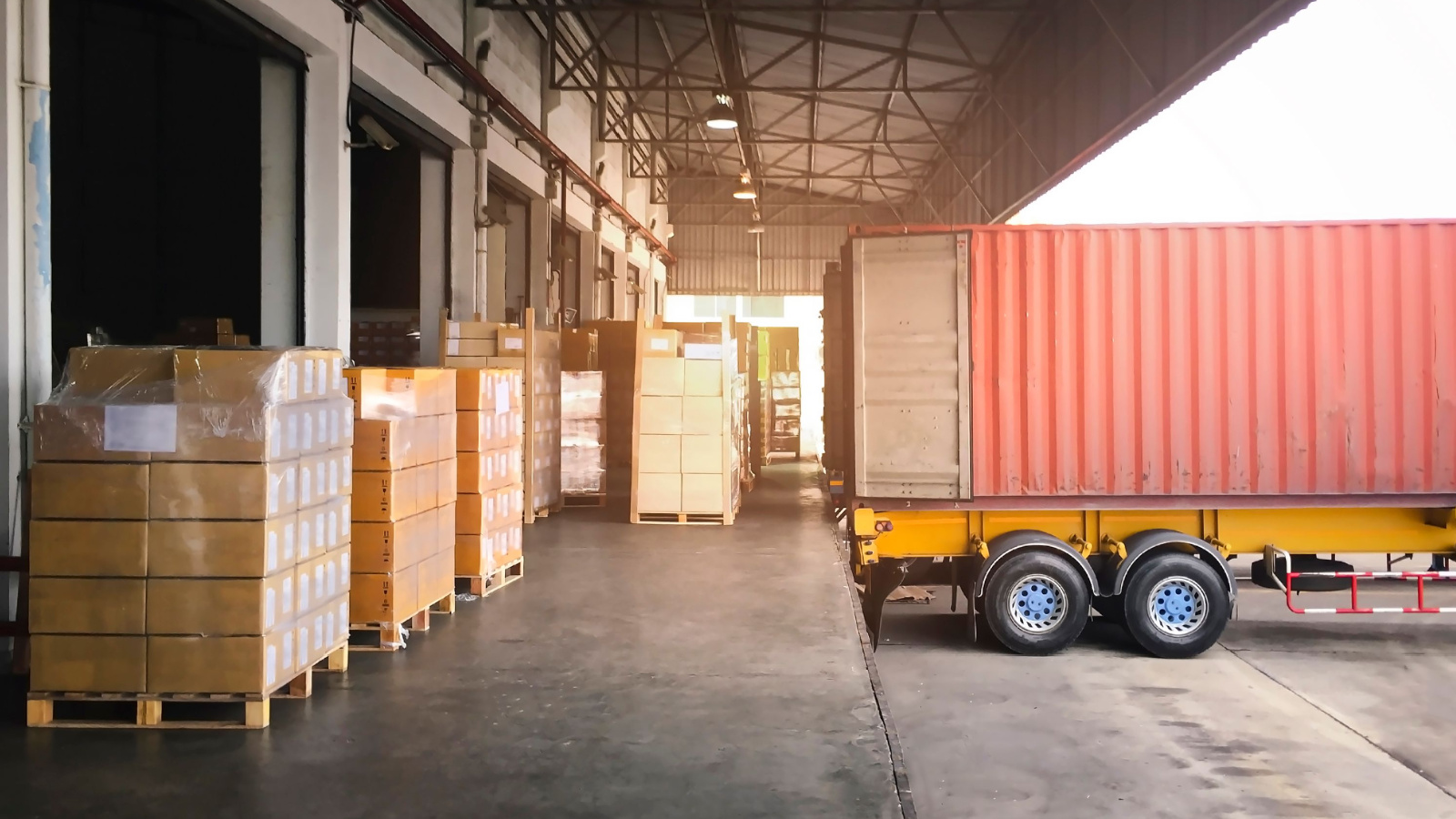
Air cargo shares the same airspace used by passenger flights. When routes shift, freight costs often rise as well. Longer flights increase fuel and crew expenses. Cargo capacity may shrink if airlines cancel certain routes. That shortage pushes freight rates higher. Tourism industries rely heavily on global cargo networks. Hotels import specialty foods, wine, and luxury goods. Rising freight costs often reach resort prices eventually. Even cruise ships rely on air cargo for supplies. Travelers may notice higher restaurant or tour prices abroad. Freight disruptions rarely stay within the shipping industry. Tourism businesses often pass those costs onto visitors.
Package Tour Prices

Tour operators plan packages months before departure dates. Conflict can disrupt those carefully built itineraries. Airlines may cancel certain routes without much notice. Tour companies must then rebook flights at higher prices. Hotel contracts sometimes change when arrival schedules shift. Transportation providers may also adjust their rates. Tour companies rarely absorb every extra cost. Instead, new packages launch with higher prices. Travelers booking early deals may still benefit from lower rates. Late bookings usually face the biggest price jumps. Tour operators also factor in travel risk when pricing trips. Spring packages could become noticeably more expensive.
Cruise Fuel Costs

Cruise ships rely on large amounts of marine fuel. Global oil prices strongly affect cruise operating budgets. Conflict near energy supply routes often moves oil markets quickly. Cruise companies hedge fuel costs, but not forever. When prices climb, operating expenses increase sharply. New cruise bookings may reflect those higher costs. Cruise lines sometimes add fuel supplements to reservations. Existing bookings may remain protected depending on contract terms. Long voyages feel the change more than short sailings. Ships repositioning across oceans burn even more fuel. If oil prices stay high this spring, cruise travel may become more expensive.
Airline Ticket Insurance Add-Ons

Many airlines now sell optional ticket protection during checkout. These add-ons cover cancellation, delays, or disruptions. Risk increases during global conflicts. Airlines and third-party providers adjust pricing accordingly. The add-on may appear as a small fee per ticket. On expensive international trips, the cost becomes noticeable. Travelers often purchase protection during uncertain periods. Airlines see strong demand for those policies. That demand can push prices upward quickly. Some plans expand coverage for rerouting delays. Others cover emergency cancellations. As travel uncertainty rises this spring, airline ticket protection add-ons could become pricier for many passengers.
Last-Minute Flight Prices

Last-minute flights already cost more during busy seasons. Conflict can shrink available routes quickly. When airlines reroute aircraft, seat supply tightens. Fewer seats usually mean higher prices. Business travelers and emergency trips feel the biggest impact. Airlines rely on last-minute bookings for higher profit margins. Spring holidays increase demand across many routes. Travelers waiting too long may face sharp fare increases. Flexible travelers sometimes find alternative airports cheaper. That option does not work for everyone. When uncertainty affects airline schedules, last-minute flight prices tend to rise faster than normal.
Airport Security and Operational Fees

Airports often raise security spending during geopolitical tension. Governments may require stronger screening procedures. Additional staff and equipment increase operating costs. Airports recover those costs through passenger fees. These charges appear inside airline tickets. Travelers rarely notice them individually. Over time, the fees accumulate across millions of passengers. Major international hubs often adjust charges first. Airlines pass the cost along automatically. Security upgrades also slow airport operations. Longer processing times increase staffing needs further. Spring travel demand already strains airports worldwide. If security requirements tighten, airport operational fees could rise gradually this season.
Regional Airline Ticket Prices

Airlines in the Middle East operate many global connections. Conflict affecting the region disrupts those networks quickly. Some carriers reduce routes to avoid risk zones. That change limits flight availability across several continents. Fewer flights often push ticket prices upward. Travelers connecting through Gulf hubs may see changes first. Alternative routes through Europe or Asia may cost more. Airlines also adjust schedules to maintain safety margins. Aircraft repositioning adds operational expense. Regional carriers must protect profitability during unstable periods. If tensions continue, ticket prices on certain connecting routes could climb during the spring travel season.
Travel Agency Service Fees

Travel agencies often handle complex trips during unstable periods. Clients ask agents to monitor flight changes and rerouting. That extra work increases operational costs. Agencies may adjust service fees for new bookings. Some travelers prefer agents when uncertainty grows. Agents can help rebook flights quickly during disruptions. That service becomes valuable during volatile travel periods. Agencies may also charge emergency change assistance fees. Independent travelers handle those tasks alone. Agencies must still manage airline policies and schedule shifts. If disruptions spread across major routes, travel agency service fees could rise as workloads increase.
22 Groceries to Grab Now—Before another Price Shock Hits Canada

Food prices in Canada have been steadily climbing, and another spike could make your grocery bill feel like a mortgage payment. According to Statistics Canada, food inflation remains about 3.7% higher than last year, with essentials like bread, dairy, and fresh produce leading the surge. Some items are expected to rise even further due to transportation costs, droughts, and import tariffs. Here are 22 groceries to grab now before another price shock hits Canada.
22 Groceries to Grab Now—Before another Price Shock Hits Canada
This Options Discord Chat is The Real Deal
While the internet is scoured with trading chat rooms, many of which even charge upwards of thousands of dollars to join, this smaller options trading discord chatroom is the real deal and actually providing valuable trade setups, education, and community without the noise and spam of the larger more expensive rooms. With a incredibly low-cost monthly fee, Options Trading Club (click here to see their reviews) requires an application to join ensuring that every member is dedicated and serious about taking their trading to the next level. If you are looking for a change in your trading strategies, then click here to apply for a membership.