35,000+ smart investors are already getting financial news, market signals, and macro shifts in the economy that could impact their money next with our FREE weekly newsletter. Get ahead of what the crowd finds out too late. Click Here to Subscribe for FREE.
Your credit score shapes more than loan approvals. It affects mortgage rates, rental applications, and sometimes job screenings. In Canada, scores usually range from 300 to 900. Lenders look closely at payment history, credit use, account age, and recent applications. Small habits with credit cards can chip away at your number over time. Many people think they are doing fine because they pay eventually. The details matter more than most expect. A few routine behaviors can quietly drag a solid score down. Here are 20 credit card habits that quietly lower your score in Canada.
Carrying a High Balance Every Month
20 Credit Card Habits That Quietly Lower Your Score in Canada
- Carrying a High Balance Every Month
- Making Only the Minimum Payment
- Missing a Payment by a Few Days
- Maxing Out One Card While Others Sit Idle
- Closing Old Credit Cards Too Quickly
- Applying for Multiple Cards in a Short Period
- Ignoring Your Credit Report
- Frequently Transferring Balances Without a Plan
- Letting Promotional Rates Expire
- Using Cash Advances Regularly
- Co-Signing Without Understanding the Risk
- Keeping a Card Dormant for Years
- Overlooking Small Statement Errors
- Reaching the Limit Before the Statement Date
- Consolidating Debt Then Running Up Cards Again
- Paying After the Due Date Within the Same Month
- Using More Than Half of Total Available Credit
- Opening Store Cards for Small Discounts
- Ignoring Collection Notices on Old Card Debt
- Cancelling Cards Right After Paying Them Off

Using most of your available limit can hurt your score, even if you pay on time. Credit utilization plays a large role in Canadian scoring models. If your card has a $5,000 limit and you owe $4,500, lenders see risk. Experts often suggest staying below 30 percent of your limit. Lower is usually better. High balances signal possible financial strain. The damage can happen before interest piles up. Your statement balance is often what gets reported. Keeping that number modest can protect your score over time.
Making Only the Minimum Payment

Paying the minimum keeps your account in good standing, but it can still cause issues. Large balances shrink slowly when you only pay the minimum. That keeps your utilization high for longer periods. Over time, lenders may see a pattern of revolving debt. This can suggest dependence on credit. Interest also grows, making repayment harder. While your account avoids delinquency, your profile may look stretched. Paying more than the minimum reduces balances faster and can improve how your credit file appears to lenders reviewing applications.
Missing a Payment by a Few Days

Even a short delay can cause problems. If a payment is more than 30 days late, it may be reported. Late payments remain on Canadian credit reports for years. One mark can drop a strong score quickly. Some lenders offer grace periods, but reporting rules still apply. Automatic payments help avoid forgetfulness. Calendar reminders can also prevent trouble. Consistent on-time payments build trust with lenders. A single slip may undo months of steady progress.
Maxing Out One Card While Others Sit Idle

Spreading balances matters. If one card is maxed and others are unused, your overall utilization may look fine. Still, individual card utilization also counts. A card at 100 percent use signals strain. Lenders review both total and per-card usage. Keeping each card well below its limit helps. Even if you have several accounts, balance distribution affects perception. Rotating purchases and paying down specific cards can reduce this risk.
Closing Old Credit Cards Too Quickly

Older accounts support the length of your credit history. When you close a long-standing card, your average account age can drop. This change may lower your score. Closing cards also reduces your total available credit. That can push your utilization ratio higher overnight. Many people cancel cards to simplify finances. Before closing one, consider its age and limit. Sometimes, keeping an old card open with small occasional use works better for your profile.
Applying for Multiple Cards in a Short Period

Each credit card application usually creates a hard inquiry on your report. Too many inquiries within a few weeks can reduce your score. Lenders may assume you are urgently seeking access to credit. That perception increases risk in their eyes. Even approved applications lower your average account age. New accounts also reduce the overall stability of your file. Space out applications whenever possible. Apply with purpose, not impulse. A slower approach shows control and helps maintain a steadier credit profile over time.
Ignoring Your Credit Report
Mistakes on credit reports are more common than most people expect. An incorrect late payment or wrong balance can pull your score down. If you never check your report, those errors may stay for years. In Canada, you can request reports from major credit bureaus. Review account details, payment history, and personal information carefully. Dispute anything inaccurate right away. Monitoring also helps detect identity theft early. Regular checks protect your score and prevent long-term damage from overlooked reporting issues.
Frequently Transferring Balances Without a Plan

Balance transfers can reduce interest, but constant transfers create new hard inquiries. Opening promotional cards repeatedly shortens your average account age. When teaser rates expire, interest charges may rise sharply. If you have not reduced the principal, utilization remains high. Lenders may see repeated transfers as financial instability. Moving debt without lowering it does not strengthen your profile. Use transfers strategically and set a payoff schedule. Reducing the balance steadily improves both your finances and your credit standing.
Letting Promotional Rates Expire

Introductory rates often last a limited time. When they expire, standard interest rates apply automatically. Higher interest slows your repayment progress. If you continue paying only the minimum, balances may grow quickly. Rising balances increase your utilization ratio. That shift can lower your credit score. Some people forget when promotions end. Marking expiry dates helps prevent surprises. Paying down debt before the rate changes keeps your account healthier and avoids sudden financial strain that affects your credit profile.
Using Cash Advances Regularly
Cash advances usually come with high fees and immediate interest charges. There is often no grace period. Frequent advances may suggest cash flow problems. Lenders reviewing your report may view that pattern as risky. The added fees increase your balance quickly. Higher balances push up your utilization ratio. Even small withdrawals can grow costly over time. Credit cards work best for planned purchases, not emergency cash. Building a savings cushion reduces reliance on advances and supports a stronger credit history.
Co-Signing Without Understanding the Risk

When you co-sign a credit card, you share responsibility for the debt. If the primary user misses payments, your report reflects it. Lenders treat both parties equally. Late payments or high balances affect your score. Removing your name later may not be simple. Many people agree to help their family without reviewing the risks. Before co-signing, consider how their habits might affect you. Protecting your credit requires caution, even when intentions are generous and supportive.
Keeping a Card Dormant for Years

Leaving a credit card unused for long periods can lead to closure. Issuers sometimes close inactive accounts without warning. When that happens, your total available credit drops. A lower limit increases your utilization ratio. That change may reduce your score. Keeping the card active with small purchases helps. Pay the balance in full to avoid interest. Maintaining activity preserves account age and supports a stable credit history. Small, consistent use keeps your profile balanced and steady.
Overlooking Small Statement Errors

Minor billing mistakes can grow into larger problems if ignored. A disputed charge left unpaid may become overdue. Once reported late, it affects your score. Fraudulent transactions sometimes begin with small amounts. Reviewing statements each month helps you catch issues early. Report errors promptly to your card issuer. Quick action limits damage. Ignoring statements increases the chance of missed payments. Careful monitoring supports accurate reporting and keeps your credit record clean.
Reaching the Limit Before the Statement Date
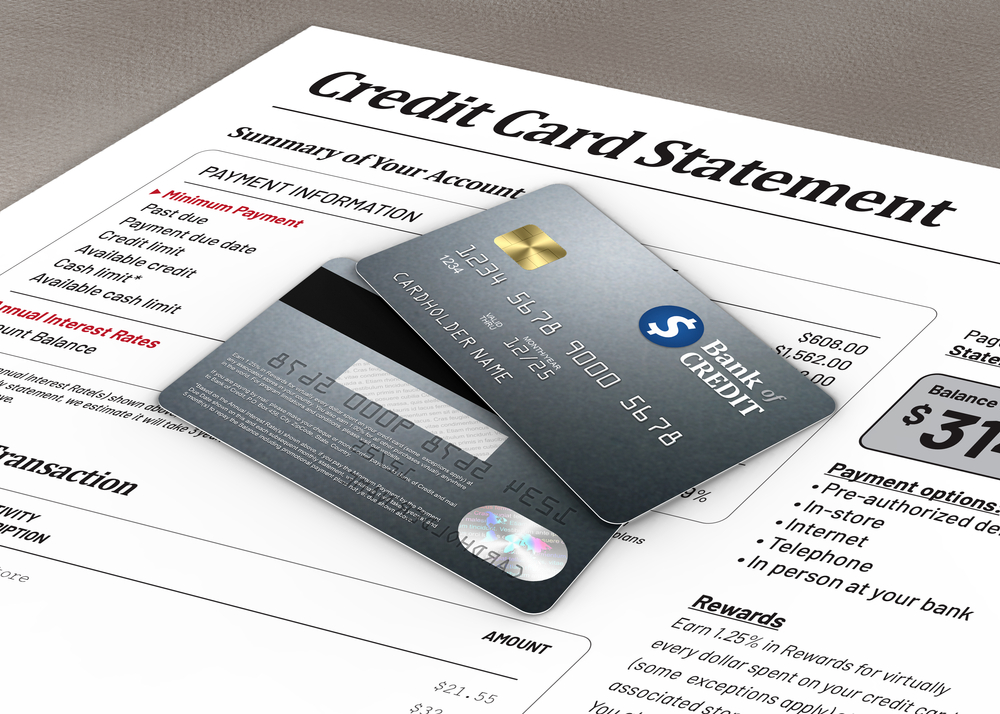
Your balance on the statement date is often what lenders see. If you spend heavily mid-cycle, that high balance may be reported. Even if you pay in full later, utilization appears elevated. High reported balances can lower your score temporarily. Timing matters more than many realize. Paying part of the balance before the statement closes keeps reported usage lower. Understanding billing cycles helps manage how your activity looks on your credit file.
Consolidating Debt Then Running Up Cards Again

Debt consolidation can simplify payments and reduce interest. Problems return if spending habits do not change. Running up cards again increases overall debt. Higher balances push up utilization ratios. Lenders may see repeated borrowing as instability. Consolidation works best with strict budgeting. Without new discipline, balances grow across accounts. That pattern weakens your credit profile. Focus on reducing total debt, not just moving it. Consistent repayment strengthens your score over time.
Paying After the Due Date Within the Same Month
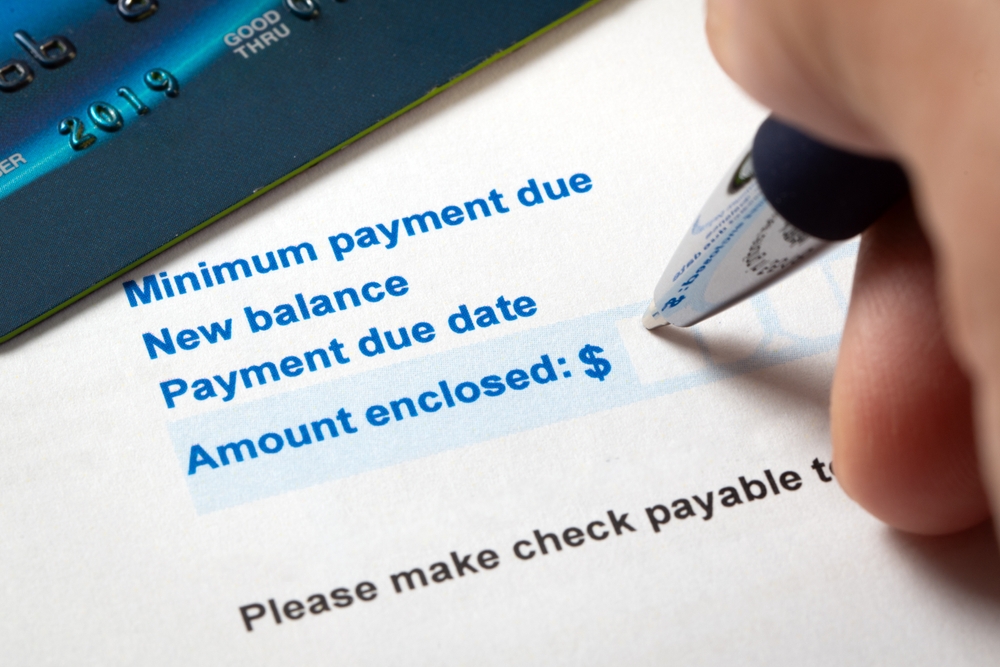
Some people assume paying before the month’s end prevents issues. Due dates do not match calendar months. Paying even a few days late can trigger penalties. If the delay reaches reporting thresholds, your score suffers. Setting automatic payments helps avoid mistakes. Marking exact due dates keeps payments consistent. A single late mark can remain on your report for years. Timely payments show reliability and build lender confidence.
Using More Than Half of Total Available Credit

Crossing 50 percent of your total credit limit often signals higher risk. Even without missed payments, high utilization lowers scores. Credit bureaus update balances regularly. Staying below half of your limit keeps ratios healthier. Large purchases can push you over temporarily. Paying down balances quickly reduces impact. Monitoring total usage across all cards matters. A moderate approach shows lenders that you manage credit responsibly.
Opening Store Cards for Small Discounts

Retail cards often promise instant savings at checkout. These cards usually carry low limits. A small purchase can use a large portion of the limit. That inflates your utilization ratio. Each new application also creates a hard inquiry. Several store cards reduce your average account age. The discount may not offset long-term effects. Consider your broader credit picture before applying. Short-term savings sometimes cost more through reduced borrowing power.
Ignoring Collection Notices on Old Card Debt

Unpaid credit card balances may be sent to collections. Collection accounts damage credit scores significantly. Ignoring notices does not make them disappear. These records can remain for years. Even small unpaid amounts matter. Contacting creditors early may allow payment arrangements. Addressing the debt limits further reports harm. Leaving accounts unresolved weakens your credit profile. Taking action, even gradually, supports recovery and improves future lending opportunities.
Cancelling Cards Right After Paying Them Off

Paying off a credit card feels like a clean break. Cancelling it immediately may reduce your available credit. Lower limits raise your utilization ratio. Closing older accounts also shortens your average credit history. Both factors can lower your score. If the card has no high fee, consider keeping it open. Use it occasionally and pay in full. Thoughtful management preserves credit strength and keeps your profile stable over time.
This Options Discord Chat is The Real Deal
While the internet is scoured with trading chat rooms, many of which even charge upwards of thousands of dollars to join, this smaller options trading discord chatroom is the real deal and actually providing valuable trade setups, education, and community without the noise and spam of the larger more expensive rooms. With a incredibly low-cost monthly fee, Options Trading Club (click here to see their reviews) requires an application to join ensuring that every member is dedicated and serious about taking their trading to the next level. If you are looking for a change in your trading strategies, then click here to apply for a membership.