
35,000+ smart investors are already getting financial news, market signals, and macro shifts in the economy that could impact their money next with our FREE weekly newsletter. Get ahead of what the crowd finds out too late. Click Here to Subscribe for FREE.
Budgeting looks different in 2026. Groceries cost more, subscriptions pile up, and side income is common. Canadians want apps that connect to banks, track spending in real time, and show clear reports. Some people prefer detailed control. Others just want alerts before they overspend. There is no single perfect option. The best budgeting app depends on your habits and goals. Below are popular budgeting apps Canadians use this year, along with what each one does best. Here are 14 budgeting apps Canadians like in 2026 (and what they’re best for).
YNAB
14 Budgeting Apps Canadians Like in 2026 (And What They’re Best For)
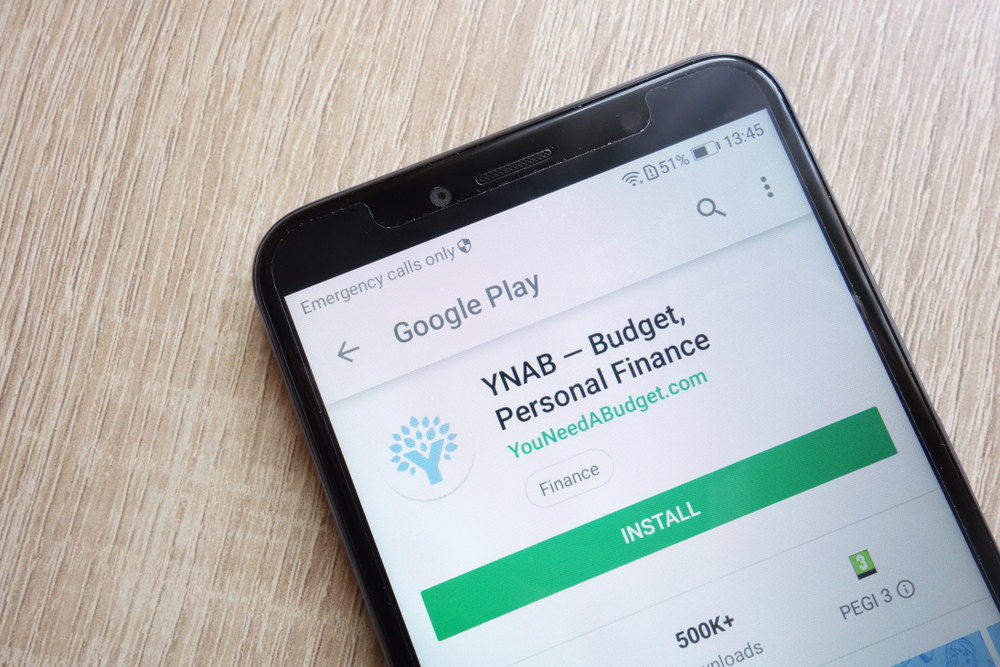
YNAB stands for You Need A Budget. It follows a zero-based budgeting system. Every dollar gets assigned a job before you spend it. Canadians who want structure often like this method. The app links to many financial institutions and updates transactions quickly. Reports focus on spending trends and goal progress. It works well for people paying down debt or building savings. The learning curve can feel steep at first. Once set up, it gives strong clarity around monthly priorities. It suits planners who want control rather than loose tracking.
Mint
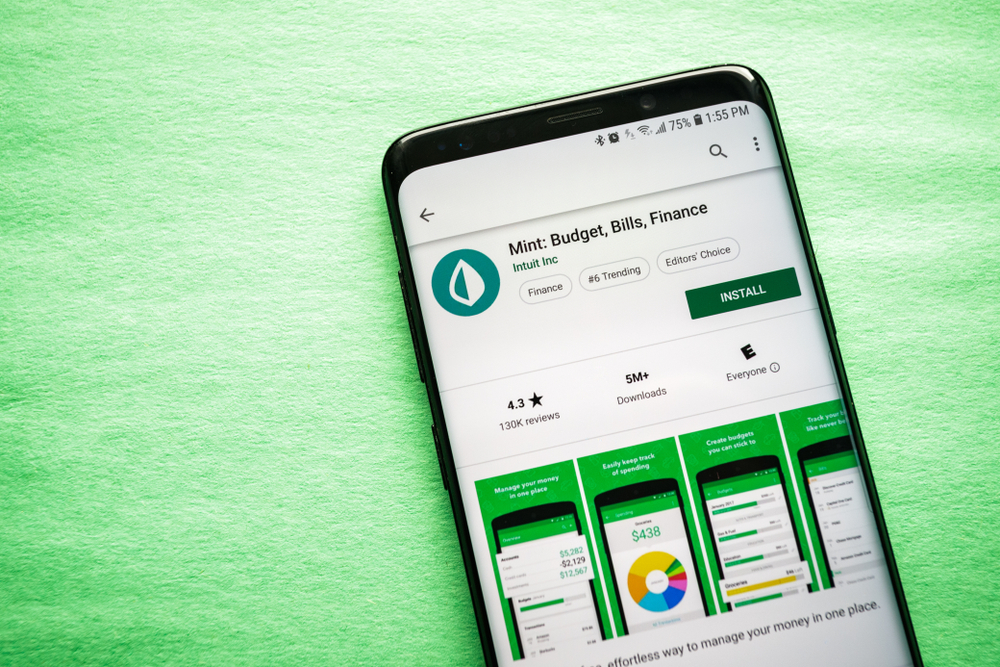
Mint remains a familiar name in personal finance. It connects to bank accounts and credit cards automatically. Transactions are categorized without much effort. Canadians often use it for quick overviews. The dashboard shows bills, credit scores, and spending patterns. Budget limits are easy to set for each category. Alerts notify users about unusual charges. It works best for beginners who want visibility without a heavy setup. Some categories need manual adjustment. Even so, Mint offers a simple entry point into digital budgeting.
KOHO
KOHO blends prepaid banking with budgeting tools. Users load funds onto a prepaid Visa card. The app tracks spending instantly. Categories appear automatically after each purchase. Cashback rewards appeal to younger Canadians. There are built-in savings goals and round-up features. Since it is prepaid, overspending becomes harder. It works well for students and new earners. There are subscription tiers with added features. KOHO fits those who want spending limits built into their card experience.
PocketGuard
PocketGuard focuses on simplicity. It shows how much money is safe to spend after bills and savings. Canadians juggling fixed expenses may find this helpful. The app links accounts and tracks recurring payments. Subscriptions are highlighted clearly. It also suggests ways to reduce certain bills. Budget categories exist, though fewer than advanced tools. It works best for people who want a clear daily number. Less manual setup keeps it approachable. Those who enjoy detailed spreadsheets may find it basic.
EveryDollar
EveryDollar follows a zero-based budgeting approach. Users plan their month before spending begins. Categories are created for income and expenses. Canadians who prefer planning in this style. The free version requires manual transaction entry. The paid version links to banks for automatic updates. It suits households managing tight cash flow. The layout is straightforward and focused. Reports are clean and easy to read. It works best for disciplined planners who want a monthly roadmap.
Goodbudget
Goodbudget uses a digital envelope system. Income is divided into envelopes for different expenses. Canadians familiar with cash envelopes adapt quickly. It does not rely heavily on bank syncing. Many users enter transactions manually. This creates stronger awareness of spending habits. Couples can share budgets across devices. The interface feels simple and direct. It works well for families who want shared visibility. People who dislike manual input may lose interest over time.
Wealthsimple
Wealthsimple is known for investing, yet it also offers budgeting features. Cash accounts track spending and categorize purchases. Canadians already investing with the platform enjoy the all-in-one setup. The app presents clean charts and savings insights. Automatic transfers into savings or investments are easy. It works well for users who combine budgeting and investing. Those wanting deep budgeting customization may find limits. Wealthsimple suits people who value a unified financial dashboard.
Moka
Moka focuses on micro-investing and automated saving. Purchases are rounded up and invested automatically. Canadians who struggle to save appreciate this feature. The app links to bank accounts and tracks spending basics. Budgeting tools are lighter than full budget apps. The main appeal lies in passive investing. It works best for beginners building habits. Users wanting detailed expense reports may need another app. Moka fits those who want savings to grow quietly in the background.
Spendee
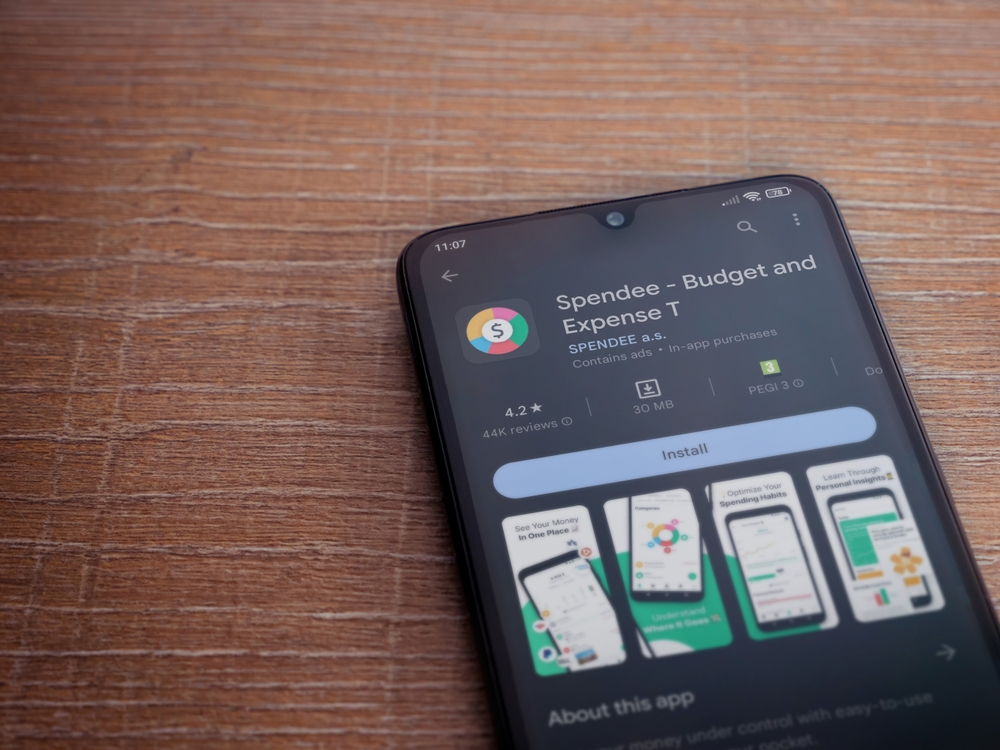
Spendee stands out for its visual design. The app uses colorful charts and clean layouts. Canadians who like visual summaries enjoy it. It supports shared wallets for families or partners. Categories are customizable and easy to adjust. Accounts can sync automatically with many banks. It works well for visual learners. The focus remains on tracking rather than complex planning. Advanced forecasting tools are limited. Spendee suits users who want clear visuals without heavy structure.
Wally
Wally tracks expenses and income across currencies. Canadians who travel or earn abroad may find it helpful. The app supports manual and automatic tracking. Reports break down spending by category and location. There are bill reminders and goal tracking tools. The interface feels modern and uncluttered. It works best for people managing multiple income sources. Some premium features require a subscription. Wally appeals to users balancing travel and domestic expenses.
Fudget
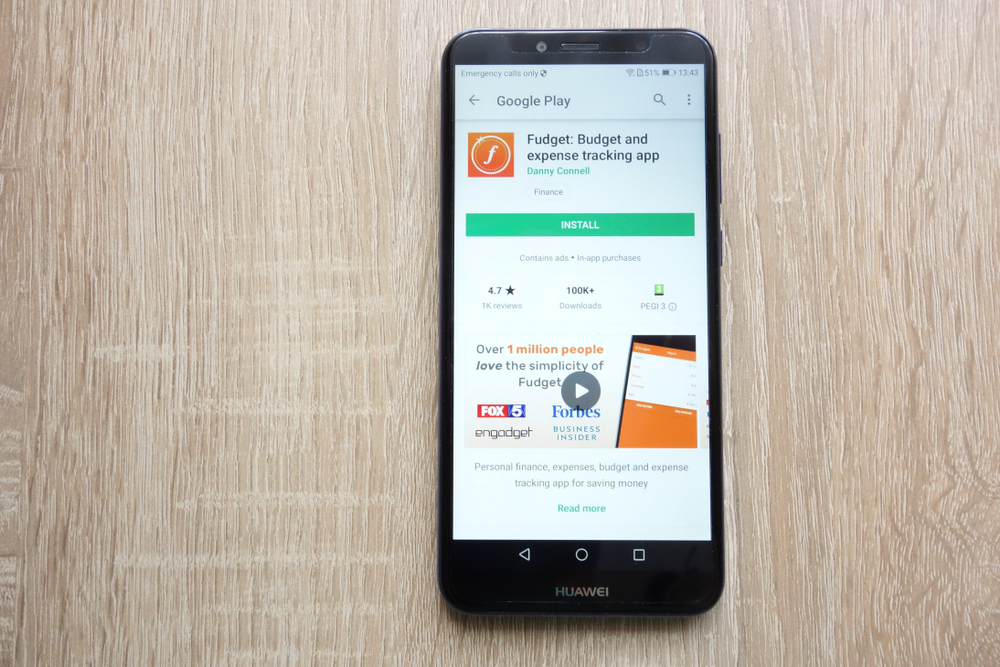
Fudget keeps things basic. Users enter income and expenses in simple lists. There are no automatic bank connections. Canadians who prefer privacy like this approach. The layout feels similar to a digital notebook. It works well for small personal budgets. There are no charts or deep reports. The simplicity can be refreshing. It suits people who want minimal features and quick entry. Those needing automation may find it limited.
Monarch Money
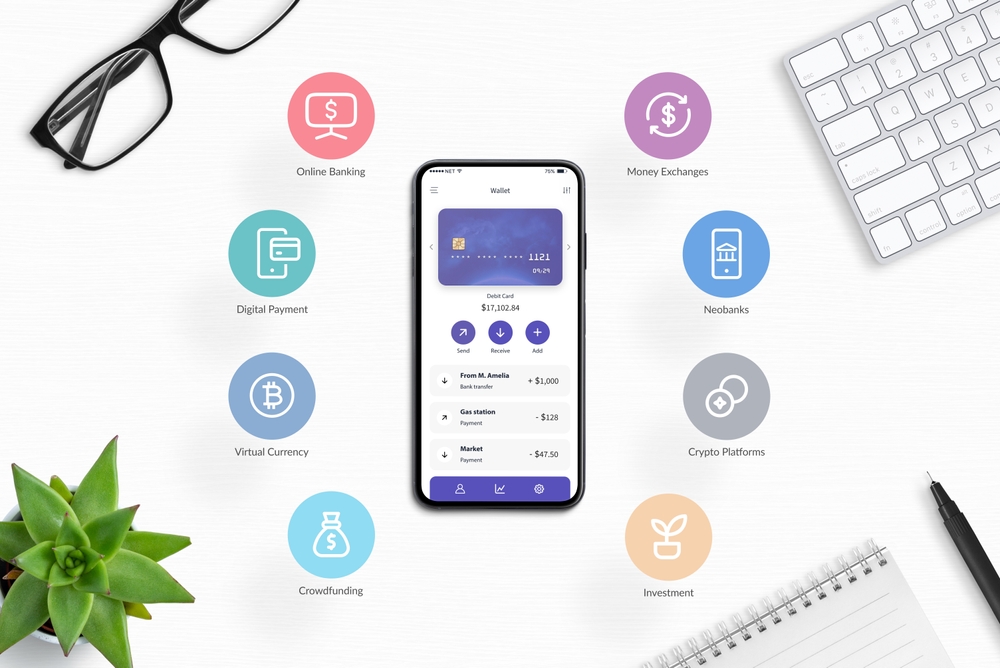
Monarch Money offers detailed tracking and planning tools. Canadians seeking long-term oversight often consider it. It connects accounts, investments, and loans in one place. Custom categories allow flexible budgeting. Forecast tools project future cash flow. The app supports shared access for households. Reports are detailed and interactive. It works well for couples managing joint finances. The subscription cost is higher than that of basic apps. Monarch suits users wanting deeper financial analysis.
Simplifi

Simplifi is built by Quicken. It focuses on real-time spending plans. Canadians can set monthly limits that adjust automatically. The app shows projected balances based on upcoming bills. Transactions sync from linked accounts. Reports highlight trends without overwhelming detail. It works best for people wanting dynamic planning. The interface balances simplicity and insight. Those who enjoy manual control may want more customization. Simplifi fits busy professionals tracking expenses on the go.
Zeta
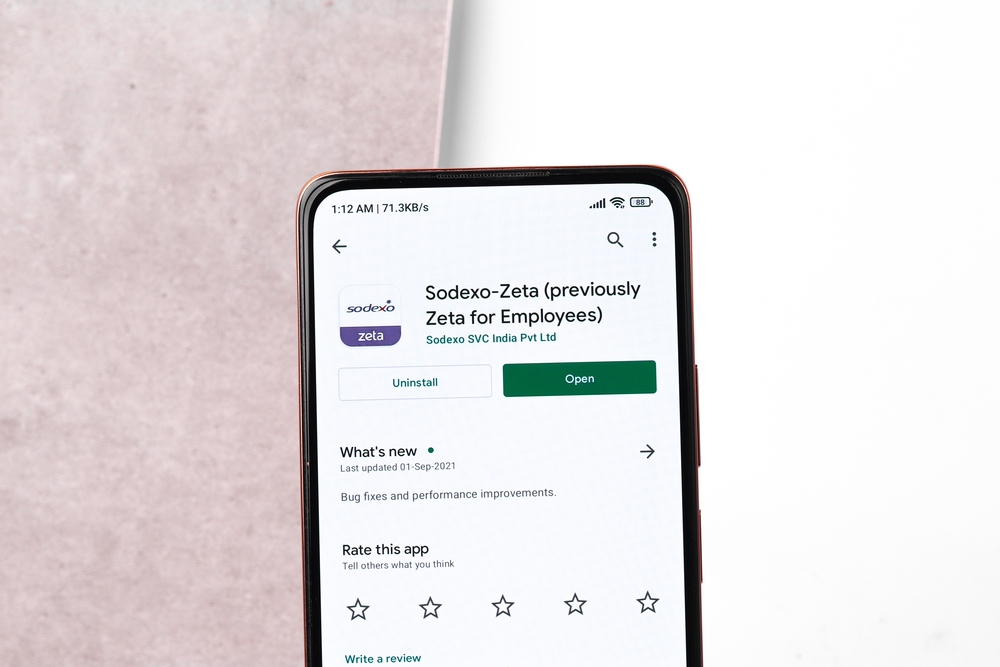
Zeta is designed for couples managing shared finances. Canadians living together find their joint features helpful. Partners can track shared bills and personal spending separately. The app supports linked bank accounts. Goals can be created for travel or savings. Notifications keep both users informed. It works best for households merging expenses gradually. The layout encourages transparency without being intrusive. Zeta suits couples who want clarity around shared money decisions.
22 Groceries to Grab Now—Before another Price Shock Hits Canada

Food prices in Canada have been steadily climbing, and another spike could make your grocery bill feel like a mortgage payment. According to Statistics Canada, food inflation remains about 3.7% higher than last year, with essentials like bread, dairy, and fresh produce leading the surge. Some items are expected to rise even further due to transportation costs, droughts, and import tariffs. Here are 22 groceries to grab now before another price shock hits Canada.
22 Groceries to Grab Now—Before another Price Shock Hits Canada
This Options Discord Chat is The Real Deal
While the internet is scoured with trading chat rooms, many of which even charge upwards of thousands of dollars to join, this smaller options trading discord chatroom is the real deal and actually providing valuable trade setups, education, and community without the noise and spam of the larger more expensive rooms. With a incredibly low-cost monthly fee, Options Trading Club (click here to see their reviews) requires an application to join ensuring that every member is dedicated and serious about taking their trading to the next level. If you are looking for a change in your trading strategies, then click here to apply for a membership.