
35,000+ smart investors are already getting financial news, market signals, and macro shifts in the economy that could impact their money next with our FREE weekly newsletter. Get ahead of what the crowd finds out too late. Click Here to Subscribe for FREE.
Artificial intelligence is no longer limited to helpful tools and chatbots. In 2026, it is powering scams that sound real, look convincing, and feel personal. Many Canadians still picture scams as broken English emails or obvious fake calls. That idea is outdated. Today’s scams can copy voices, write polished emails, and create videos that look authentic. These tricks target emotions, urgency, and trust. They reach people through phones, inboxes, and social platforms every day. Understanding how these scams work is now part of basic digital safety. Here are 16 AI-powered scams Canadians are falling for in 2026 (voice, email, deepfakes).
Voice Cloning Calls From “Family Members.”
16 AI-Powered Scams Canadians Are Falling For in 2026 (Voice, Email, Deepfakes)
- Voice Cloning Calls From “Family Members.”
- Fake Bank Calls with Realistic Voice Prompts
- Deepfake Videos of CEOs Requesting Transfers
- Job Offers With AI-Written Interviews
- Email Threads That Imitate Real Conversations
- Fake Government Calls with Local Accents
- Romance Scams Using Video Messages
- Fake Delivery Notifications with Personalized Details
- Investment Scams Using AI Advisors
- Fake Customer Support Chats
- Deepfake News Clips Promoting Schemes
- School Emergency Calls to Parents
- Fake Charity Appeals After Disasters
- Subscription Renewal Emails with Perfect Timing
- Fake Real Estate Listings with Virtual Tours
- Voice Notes From “Friends” Asking for Help
- 22 Groceries to Grab Now—Before another Price Shock Hits Canada

Scammers now use short audio clips to clone a person’s voice. These clips often come from social media videos. A call may sound exactly like a child or a parent. The caller usually claims an emergency and asks for money. The story often involves an accident, an arrest, or a travel issue. Panic makes people act fast. Callers push secrecy and urgency. Many victims later discover the person was safe. The voice felt real, which lowered suspicion. Caller ID is often spoofed to appear local. These calls usually request wire transfers or gift cards. Pausing and calling the family member directly can stop this scam.
Fake Bank Calls with Realistic Voice Prompts
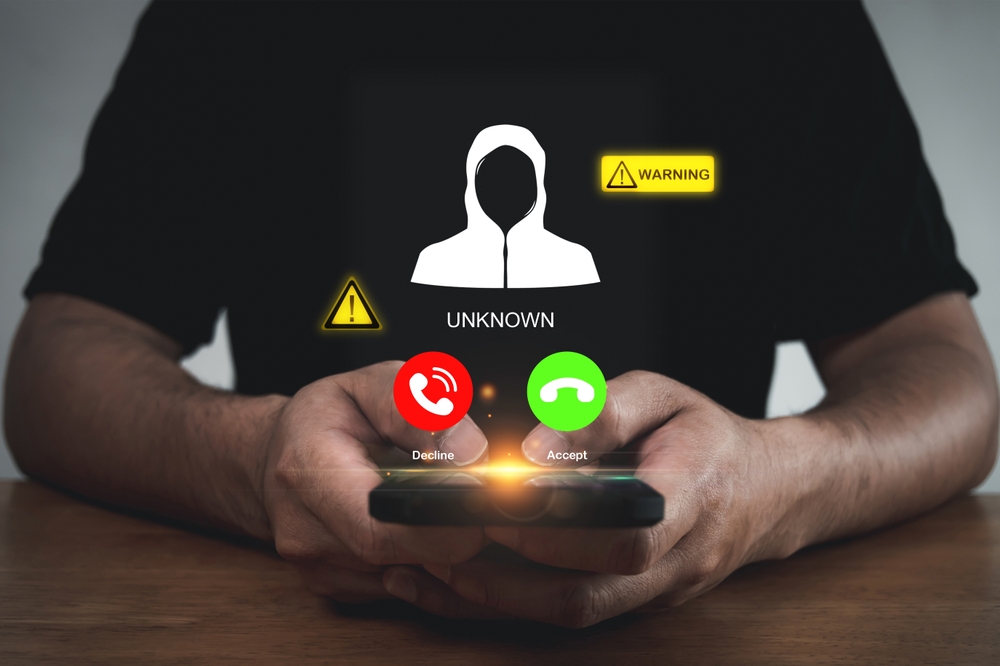
Some scam calls now sound like professional bank systems. AI generates polished menus and calm recorded voices. Callers claim suspicious activity and ask for verification. Victims are guided step by step. The process feels routine and safe. Real account details may already be known. That builds confidence. Eventually, victims are asked to confirm codes or move funds. The voice never sounds rushed or strange. Many people assume it is legitimate automation. Banks rarely request actions like this by phone. Hanging up and calling the number on your card helps avoid losses.
Deepfake Videos of CEOs Requesting Transfers
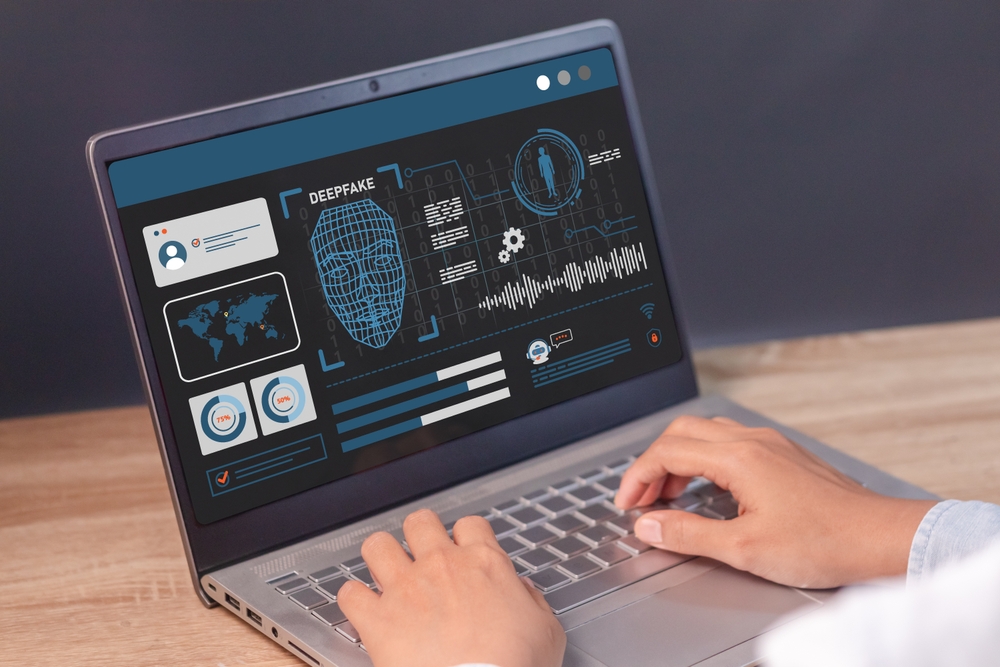
Finance staff are increasingly targeted with fake video calls. AI creates a realistic video of company leaders. Facial movements and voices appear accurate. The leader asks for an urgent payment. The request sounds confidential and time-sensitive. Employees may hesitate to question authority. The video quality looks professional. Background details often match known offices. These scams succeed because they mimic normal business pressure. Transfers usually go to overseas accounts. Verifying requests through a second channel is critical. Many companies now require written confirmation. Without checks, even trained teams can fall for this tactic.
Job Offers With AI-Written Interviews

Scam job postings now look legitimate. Emails are well-written and free of errors. Interviews happen through chat or recorded messages. AI responds quickly and politely. The job description feels tailored. Candidates are later asked for onboarding fees or personal data. Some are asked to deposit fake cheques. The process feels efficient and modern. There is often no live human interaction. Company websites may be copied convincingly. Checking official listings helps spot fraud. Real employers do not charge fees to hire. Pressure to act fast is a common warning sign.
Email Threads That Imitate Real Conversations

Scammers can now copy writing style and tone. Emails match previous conversations closely. They may reference real projects or names. This creates a sense of continuity. Victims believe the email is part of an existing thread. Requests often involve invoice changes or payment updates. The email address may differ slightly. AI helps maintain consistent language across replies. The exchange feels normal and calm. Many people skim and comply. Slowing down helps reveal small inconsistencies. Always verify changes using known contact details before sending money or information.
Fake Government Calls with Local Accents

AI voice tools can copy regional accents. Calls may claim to be from tax agencies or benefits offices. The voice sounds official and measured. Callers reference real programs or deadlines. They often warn of penalties or suspended benefits. Victims are asked to confirm identity details. Some are pressured to pay immediately. Caller ID may show familiar numbers. These calls feel more believable than older scams. Government agencies rarely demand payment by phone. Ending the call and checking official websites helps protect against this growing tactic.
Romance Scams Using Video Messages

Romance scams now include short video clips. AI generates videos that look personal. The person may smile or say your name. This builds emotional trust quickly. Conversations often move fast toward commitment. Eventually, money requests appear. Stories involve travel issues or sudden emergencies. The videos make the relationship feel real. Victims ignore warning signs due to emotional attachment. Profiles may disappear suddenly. Reverse image searches often fail because faces are generated. Staying cautious with online relationships matters. Avoid sending money or financial details to people you have not met.
Fake Delivery Notifications with Personalized Details
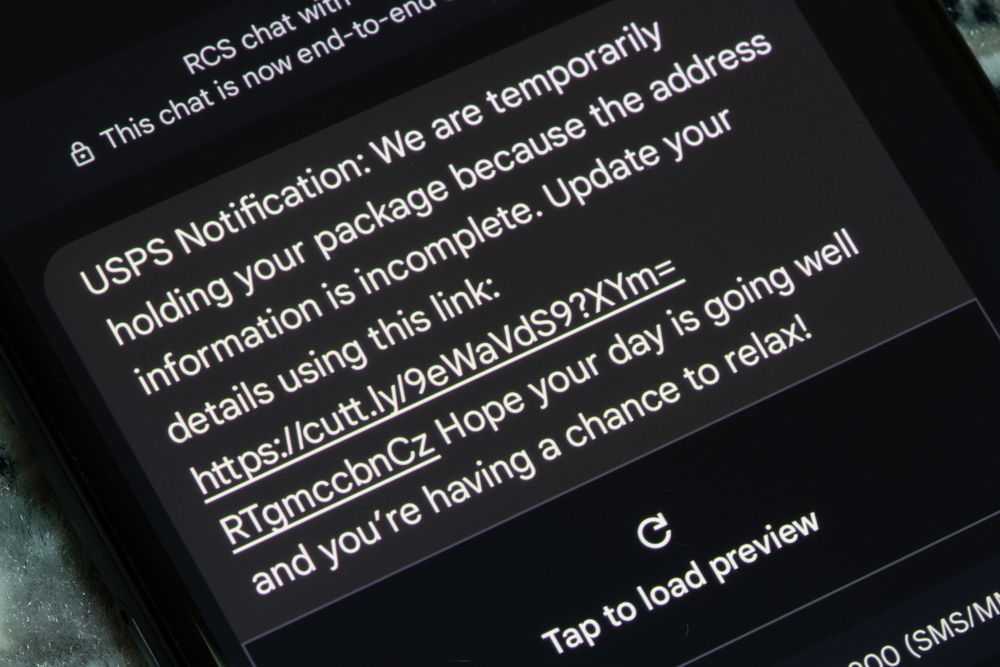
AI helps scammers personalize delivery messages. Texts include your name or city. Messages claim a package issue. Links lead to convincing fake websites. The design often copies real couriers. Victims are asked to pay small fees. Payment details are then stolen. These messages arrive during busy times. Many people click without thinking. The tone feels helpful rather than threatening. Checking tracking numbers through official apps is safer. Delivery companies rarely request payment through text links. Deleting unexpected messages can prevent accidental exposure.
Investment Scams Using AI Advisors

Fake investment platforms now use chatbots. These bots sound knowledgeable and calm. They explain strategies in simple terms. Charts and dashboards look professional. Returns appear consistent at first. Victims may withdraw small amounts successfully. This builds confidence. Larger investments are encouraged later. Eventually, access disappears. Support becomes unresponsive. The experience feels like dealing with a real advisor. Legitimate investments involve risk and regulation. Promises of steady gains are unrealistic. Researching platforms through regulators helps avoid financial harm.
Fake Customer Support Chats

Scammers create fake support chats on social platforms. AI responds instantly and politely. Victims contact these chats after seeing sponsored posts. The chat requests account details to help. Screenshots and instructions look official. The tone feels reassuring. Problems appear to be resolved quickly. Behind the scenes, data is stolen. Many people trust chat interfaces too easily. Real companies rarely handle sensitive issues through social media chats. Using official websites for support is safer. Avoid sharing passwords or codes in any chat window.
Deepfake News Clips Promoting Schemes

AI can now create fake news segments. Videos include anchors and studio visuals. Stories promote investments or giveaways. Logos and graphics look familiar. Viewers trust the format instinctively. Links lead to fraudulent sites. These videos spread quickly on social platforms. Many people do not verify sources. The production quality hides the scam. Real news outlets publish content on verified channels. Searching for the story elsewhere can expose fakes. Treat sensational offers with caution, especially when tied to urgent action.
School Emergency Calls to Parents

Parents receive calls claiming school emergencies. The voice may sound like a staff member. Background noise adds realism. The caller claims a child is hurt or detained. Parents are urged to act immediately. Payment requests follow quickly. Panic overrides logic. Schools rarely handle issues this way. AI makes these calls sound sincere. Caller ID may appear local. Taking a moment to contact the school directly can prevent loss. Teaching children about privacy also helps reduce exposure to voice samples online.
Fake Charity Appeals After Disasters

After disasters, scams appear quickly. AI creates emotional messages and videos. Stories feature convincing survivors or volunteers. Donation pages look real. Small initial donations may process correctly. Larger contributions disappear. The urgency feels justified. Many people want to help fast. Verifying charities through official registries matters. Real organizations provide clear information. Avoid clicking donation links from unsolicited messages. Taking time does not reduce impact. It reduces the chance of being exploited during emotional moments.
Subscription Renewal Emails with Perfect Timing

Scam emails arrive when subscriptions often renew. Messages look polished and familiar. Logos and formatting appear correct. The email claims a payment issue. Victims are asked to update details. Links lead to realistic login pages. Credentials are captured instantly. AI helps match writing style and tone. Many people click without checking. Reviewing subscriptions directly through apps is safer. Real companies usually notify through multiple channels. Unexpected renewal problems should always be checked independently.
Fake Real Estate Listings with Virtual Tours

AI generates realistic property photos and videos. Virtual tours look professional and detailed. Listings appear underpriced to attract interest. Renters are asked for deposits quickly. The owner claims high demand. Contracts may look legitimate. Victims never see the property in person. Photos may not exist elsewhere. AI creates unique visuals. Visiting properties and meeting landlords matters. Never send deposits without verification. Pressure to act immediately is a strong warning sign in housing scams.
Voice Notes From “Friends” Asking for Help

Messaging apps are now being used to spread voice note scams. AI copies a friend’s voice style. Messages sound casual and familiar. The request is small at first. It might involve a short loan. The tone feels normal. Victims respond quickly. Follow-up messages escalate amounts. Accounts may have been compromised. Asking a simple verification question can reveal fraud. Friends usually respond normally. Treat unexpected money requests with caution. Even familiar voices can now be artificial.
22 Groceries to Grab Now—Before another Price Shock Hits Canada

Food prices in Canada have been steadily climbing, and another spike could make your grocery bill feel like a mortgage payment. According to Statistics Canada, food inflation remains about 3.7% higher than last year, with essentials like bread, dairy, and fresh produce leading the surge. Some items are expected to rise even further due to transportation costs, droughts, and import tariffs. Here are 22 groceries to grab now before another price shock hits Canada.
22 Groceries to Grab Now—Before another Price Shock Hits Canada
This Options Discord Chat is The Real Deal
While the internet is scoured with trading chat rooms, many of which even charge upwards of thousands of dollars to join, this smaller options trading discord chatroom is the real deal and actually providing valuable trade setups, education, and community without the noise and spam of the larger more expensive rooms. With a incredibly low-cost monthly fee, Options Trading Club (click here to see their reviews) requires an application to join ensuring that every member is dedicated and serious about taking their trading to the next level. If you are looking for a change in your trading strategies, then click here to apply for a membership.