
35,000+ smart investors are already getting financial news, market signals, and macro shifts in the economy that could impact their money next with our FREE weekly newsletter. Get ahead of what the crowd finds out too late. Click Here to Subscribe for FREE.
Buying a home in Canada feels straightforward on paper. You save a down payment, qualify for a mortgage, and sign documents. What most buyers miss are the ongoing and one-time costs hiding between those steps. These expenses rarely appear in listings or mortgage calculators. They show up later, often within the first year. New buyers feel blindsided. Experienced buyers quietly budget for them. This gap causes stress, tighter cash flow, and regret after closing. Here are 23 housing costs Canadians underestimate when buying a home.
Land Transfer Tax
23 Housing Costs Canadians Underestimate When Buying a Home
- Land Transfer Tax
- Legal Fees and Disbursements
- Home Inspection Fees
- Appraisal Costs
- Mortgage Default Insurance
- Property Taxes
- Home Insurance Premiums
- Utility Setup and Deposits
- Moving Costs
- Immediate Repairs
- Appliance Replacement
- Maintenance Supplies and Tools
- Lawn and Outdoor Care
- Condo Fees and Special Assessments
- Parking and Storage Costs
- Furniture and Window Coverings
- Energy Efficiency Upgrades
- Pest Control Services
- Increased Transportation Costs
- Mortgage Rate Changes
- Municipal Fees and Permits
- Emergency Fund Rebuilding
- Opportunity Costs
- 22 Groceries to Grab Now—Before another Price Shock Hits Canada

The land transfer tax is one of the first surprises at closing. In most provinces, buyers pay a percentage of the purchase price. Ontario charges both provincial and municipal taxes in some cities. Toronto buyers feel this immediately. First-time buyer rebates help, but do not always cover the full amount. The tax is due upfront and cannot be rolled into your mortgage. Many buyers drain their savings to cover it. This reduces cash available for moving and repairs. Even smaller homes can trigger five-figure bills. Always calculate this cost early. It affects how much you should offer.
Legal Fees and Disbursements

A real estate lawyer handles title checks, funds transfers, and closing documents. Their base fee seems reasonable at first. Disbursements increase the final bill. These include title searches, registrations, and courier charges. Buyers often budget for the quoted fee only. The final invoice is higher. Legal costs vary by province and complexity. Condos and rural properties can cost more. This expense is due before keys are released. It cannot be delayed. Skipping a lawyer is not an option. Proper legal work protects ownership rights. Underestimating this cost creates last-minute stress.
Home Inspection Fees

Home inspections are optional but strongly recommended. Many buyers treat them as negotiable costs. Skipping one can be expensive later. A standard inspection costs several hundred dollars. Specialized inspections cost more. Older homes may need sewer scope checks. Rural properties may need well and septic inspections. These fees add up quickly. Buyers sometimes pay for inspections on multiple failed offers. Those costs never return. In hot markets, buyers feel pressure to waive inspections. This increases the risk significantly. Inspection costs feel small compared to repairs. Budgeting for them is a smart move.
Appraisal Costs
Lenders often require a professional appraisal. This confirms the home’s value supports the mortgage amount. Appraisals are not always free. Some lenders charge several hundred dollars. Buyers assume the bank covers this cost. That is not always true. Appraisals become critical in fast-changing markets. If the value comes in low, buyers must bridge the gap. This can mean higher down payments. The appraisal fee itself feels minor. The consequences are not. Buyers should ask lenders early about appraisal policies. Surprises here can derail financing timelines.
Mortgage Default Insurance

Buyers with smaller down payments pay mortgage default insurance. This applies when down payments fall below twenty percent. The premium is added to the mortgage balance. Buyers often ignore the long-term interest cost on that premium. Over time, interest adds thousands more. The upfront premium also reduces borrowing power. Monthly payments increase slightly. Buyers focus on qualifying rather than total cost. This insurance protects the lender, not the buyer. It remains even after equity grows. Understanding this cost changes how much down payment makes sense. It affects long-term affordability more than expected.
Property Taxes

Property taxes vary widely by municipality. New buyers often check current tax amounts only. Reassessments can increase taxes after purchase. New builds are especially vulnerable. Tax bills may jump once assessed at full value. Buyers budgeting based on old numbers feel squeezed later. Property taxes are ongoing and unavoidable. They rise over time. Some lenders include them in mortgage payments. Others do not. Paying them separately requires discipline. Missing payments creates penalties. This cost deserves serious attention before buying. It affects monthly affordability more than small rate changes.
Home Insurance Premiums

Home insurance is mandatory for mortgage approval. Premiums vary by location, age, and construction type. Buyers often guess low. Older homes cost more to insure. Homes with outdated wiring face higher premiums. Flood zones raise costs significantly. Condos include partial coverage, but personal insurance remains necessary. Premiums increase after claims, even small ones. Insurance is paid monthly or annually. Paying annually saves money but requires cash. Underestimating this expense strains budgets early. Comparing quotes before buying helps. Insurance costs should be treated like utilities, not an afterthought.
Utility Setup and Deposits

Setting up utilities comes with fees and deposits. Electricity, gas, water, and internet providers may require upfront payments. Renters rarely experience this. New homeowners feel it immediately. Deposits depend on credit history and usage estimates. Seasonal timing matters. Moving in winter means higher heating costs right away. Initial bills shock many buyers. Older homes lack energy efficiency. Utility costs can exceed expectations quickly. Smart meters reveal usage patterns fast. These costs are unavoidable and immediate.
Moving Costs

Moving costs go beyond hiring a truck. Professional movers charge by time, distance, and stairs. Peak seasons cost more. Elevator bookings add fees in condos. Packing materials cost extra. Many buyers underestimate how much stuff they own. DIY moves still cost fuel and equipment rentals. Friends are not always reliable. Delays increase costs quickly. Long-distance moves multiply expenses. Temporary storage may be required. Closing dates rarely align perfectly. Moving expenses arrive when cash is tight. Planning early reduces stress. Moving is one of the most underestimated parts of buying.
Immediate Repairs
Even well-maintained homes need fixes. Small issues appear after move-in. Leaky taps, loose fixtures, and worn seals add up. Sellers may patch problems temporarily. Buyers notice issues once living there. Emergency repairs cost more. Trades charge premiums for quick work. New homeowners lack trusted contractors. This increases costs and delays. Cosmetic repairs feel optional, but affect comfort. Many buyers underestimate the mental toll of constant fixes. Setting aside a repair fund helps. Expect something to break early. It always does. Ignoring this reality leads to financial strain.
Appliance Replacement

Appliances often look fine during showings. Their age becomes clear later. Repairing older appliances is costly and slow. Replacement becomes the better option. Fridges, stoves, and washers fail unexpectedly. Warranties may have expired. New appliances cost thousands combined. Delivery and installation add more. Disposal fees apply for old units. Buyers assume appliances last longer. Usage patterns change in new homes. Energy efficiency upgrades feel necessary. Appliance failures often happen together. Planning for at least one replacement early is realistic. Ignoring this cost causes frustration and rushed decisions.
Maintenance Supplies and Tools

Homeownership requires tools and supplies. Renters rarely own ladders, lawn equipment, or basic tools. Buying them adds up quickly. Snow shovels, hoses, and filters are essentials. Seasonal items rotate throughout the year. These costs feel small individually. Together, they strain budgets. Maintenance supplies are recurring. Filters and bulbs need regular replacement. Quality tools cost more but last longer. Many buyers underestimate this category entirely. They buy items as problems arise. Planning spreads costs out. Owning a home means maintaining it yourself. Supplies become a permanent expense.
Lawn and Outdoor Care

Outdoor maintenance is easy to overlook. Lawns need mowing, fertilizing, and watering. Equipment costs money. Hiring services costs more. Snow removal is another recurring expense. Municipal bylaws require timely clearing. Failure results in fines. Gardens require tools and soil. Trees need trimming for safety. Fences need repairs. Outdoor upkeep depends on property size. Larger lots increase costs significantly. Seasonal work clusters expenses. New homeowners underestimate the time and effort involved. Paying others feels convenient but expensive.
Condo Fees and Special Assessments

Condo fees cover shared expenses. Buyers focus on current monthly amounts. Fees increase over time. Special assessments hit unexpectedly. These funds are for major repairs like roofs and elevators. Older buildings face a higher risk. Reserve fund studies offer clues but not guarantees. Special assessments require lump sums. Financing them is difficult. Buyers often overlook this risk. Condo fees also limit flexibility. Rising fees reduce resale appeal. Underestimating this cost hurts long-term affordability. Reading condo documents carefully matters. This expense is ongoing and unpredictable. Condo ownership trades convenience for financial uncertainty.
Parking and Storage Costs

Parking is not always included. Urban homes and condos often charge extra. Monthly parking fees add up quickly. Visitor parking may be limited. Storage lockers cost extra. These fees feel minor but recur forever. Buyers assume one parking spot is enough. Household needs change. Additional vehicles increase costs. Street parking permits cost money. Winter parking restrictions complicate matters. Storage becomes necessary during downsizing. Paying monthly feels easier than upfront. Over the years, the cost is significant. Parking and storage deserve attention before buying. They affect daily convenience and long-term expenses.
Furniture and Window Coverings
New spaces require new furniture. Existing pieces may not fit. Buyers underestimate how much they will replace. Window coverings are expensive. Blinds and curtains add thousands. Custom sizes cost more. Privacy and light control matter immediately. Living without coverings feels uncomfortable. Furniture delivery delays add stress. Buying quickly leads to overspending. Staggering purchases help but test patience. New homeowners feel pressure to complete spaces. Social expectations play a role. These costs arrive right after closing. Budgeting for them avoids debt. Furnishing a home is rarely cheap.
Energy Efficiency Upgrades
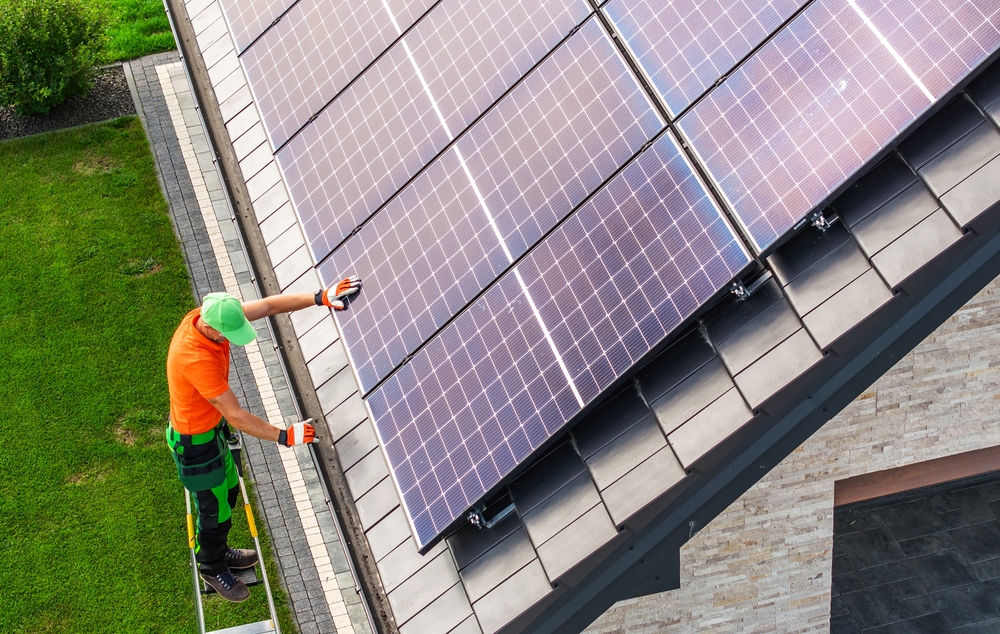
Older homes often lack efficiency. Heating bills reveal this quickly. Buyers invest in insulation, windows, or doors. These upgrades cost thousands. Rebates help but require upfront spending. Efficiency upgrades reduce bills long-term. Short-term costs feel heavy. Buyers rarely factor this in initially. Comfort drives decisions as much as savings. Drafty rooms demand fixes. New homeowners prioritize these upgrades early. Financing options vary. Not all upgrades qualify for rebates. Planning energy improvements avoids rushed spending. Ignoring efficiency increases monthly costs. This expense hides in utility bills until addressed.
Pest Control Services

Pest issues exist even in clean homes. Ants, mice, and wasps appear unexpectedly. Professional treatment costs money. DIY solutions often fail. Regular maintenance prevents infestations. Seasonal treatments add recurring costs. Rural and older homes face a higher risk. Buyers underestimate how common this is. Infestations cause stress and health concerns. Quick treatment matters. Waiting worsens damage. Insurance rarely covers pest damage. Budgeting for prevention saves money later. Pest control is not optional in many areas. Treating it as a rare event leads to surprise expenses.
Increased Transportation Costs

Home location affects transportation costs. Longer commutes increase fuel expenses. Public transit access matters. Parking costs add up. Suburban moves often increase driving. Vehicle maintenance rises with mileage. Time costs matter too. Buyers focus on the home price only. Transportation costs quietly rise monthly. Families may need additional vehicles. Insurance premiums increase. Winter driving increases wear. Transit passes cost more than expected. These costs compound over the years. Choosing a location impacts more than lifestyle.
Mortgage Rate Changes
Variable rates fluctuate. Fixed rates eventually renew. Buyers focus on initial payments. Future increases strain budgets. Stress tests do not reflect lived reality. Renewal rates may be higher. Payment shocks catch buyers off guard. Planning for higher payments matters. Even small increases add hundreds monthly. Life changes compound this pressure. Income may not rise as expected. Buyers underestimate how rates affect cash flow. Building flexibility into budgets helps. Overextending feels fine at first. Rate changes expose weaknesses. Understanding this risk is essential. Mortgage costs rarely stay static forever.
Municipal Fees and Permits

Renovations require permits. Permit fees vary by city. Buyers often skip permit research. Fines for unpermitted work are costly. Some municipalities charge development levies. These apply to additions or changes. Tree removal permits cost money. Fence rules vary. Compliance matters. Neighbours report violations. Legalizing previous work costs more. Buyers inherit problems from past owners. Permit history checks are important. Municipal fees feel minor individually. Together, they add up. Ignoring them causes delays and penalties. Understanding local rules saves money and frustration over time.
Emergency Fund Rebuilding
Buying drains savings. Down payments and closing costs leave accounts thin. Emergency funds shrink or disappear. Rebuilding takes time. Unexpected expenses arrive early. Without savings, buyers rely on credit. This increases stress and debt. Financial resilience matters more after buying. Job changes and repairs overlap. Buyers underestimate how long recovery takes. Months or years may pass before savings recover. This invisible cost affects peace of mind. Planning for slower rebuilding helps. Maintaining some cash buffer is wise. Ignoring this leads to anxiety. Homeownership feels heavier without financial breathing room.
Opportunity Costs

Money tied to housing cannot be used elsewhere. Investments pause or slow. Travel plans change. Career flexibility decreases. Buyers rarely calculate this cost. Large mortgages limit choices. Liquidity disappears. Unexpected opportunities feel out of reach. This cost is subtle but real. Lifestyle adjustments follow ownership. Maintenance consumes time and money. Renting offered flexibility that many miss later. Ownership trades freedom for stability. Neither is wrong. Understanding this tradeoff matters. Buyers should consider life goals carefully. Opportunity cost shapes long-term satisfaction. Ignoring it leads to regret, not just financial strain.
22 Groceries to Grab Now—Before another Price Shock Hits Canada

Food prices in Canada have been steadily climbing, and another spike could make your grocery bill feel like a mortgage payment. According to Statistics Canada, food inflation remains about 3.7% higher than last year, with essentials like bread, dairy, and fresh produce leading the surge. Some items are expected to rise even further due to transportation costs, droughts, and import tariffs. Here are 22 groceries to grab now before another price shock hits Canada.
22 Groceries to Grab Now—Before another Price Shock Hits Canada
This Options Discord Chat is The Real Deal
While the internet is scoured with trading chat rooms, many of which even charge upwards of thousands of dollars to join, this smaller options trading discord chatroom is the real deal and actually providing valuable trade setups, education, and community without the noise and spam of the larger more expensive rooms. With a incredibly low-cost monthly fee, Options Trading Club (click here to see their reviews) requires an application to join ensuring that every member is dedicated and serious about taking their trading to the next level. If you are looking for a change in your trading strategies, then click here to apply for a membership.