
35,000+ smart investors are already getting financial news, market signals, and macro shifts in the economy that could impact their money next with our FREE weekly newsletter. Get ahead of what the crowd finds out too late. Click Here to Subscribe for FREE.
Canada rarely sits at the center of global headlines, yet Arctic politics keeps dragging it there. Donald Trump’s renewed push around Greenland has reopened questions Ottawa hoped would stay theoretical. Geography, alliances, defense planning, shipping lanes, and northern communities all feel closer to the spotlight. For Canadians, the issue is not about ownership fantasies but consequences. Here are 18 questions raised for Canada after Trump’s latest Greenland push.
Does Greenland’s rising military value reshape how Canada defines its Arctic priorities?
18 Questions Raised for Canada After Trump’s Latest Greenland Push
- Does Greenland’s rising military value reshape how Canada defines its Arctic priorities?
- Could renewed U.S. interest in Greenland alter Canada–U.S. Arctic cooperation norms?
- Does Greenland’s spotlight expose weaknesses in Canada’s Arctic infrastructure spending?
- Could Canada be drawn into Arctic disputes it did not initiate or desire?
- How might Greenland tensions affect Canada’s shipping routes and maritime planning?
- Does Trump’s Greenland push complicate Canada’s relationship with Denmark and NATO partners?
- Could Arctic resource competition place new pressure on Canada’s environmental commitments?
- What does Greenland’s attention reveal about Canada’s northern sovereignty messaging gaps?
- Could Canada’s defense spending debates shift because of Greenland’s strategic role?
- How might Greenland affect Canada’s intelligence and surveillance priorities?
- Does Greenland’s attention change how Canada views Arctic Indigenous partnerships?
- Could Canada face economic ripple effects tied to Arctic instability perceptions?
- How might Greenland influence Canada’s climate diplomacy positioning?
- Does Greenland’s focus expose limits in Canada’s Arctic emergency response capacity?
- Could Canada’s legal claims in the Arctic face new scrutiny or pressure?
- How does Greenland affect Canada’s long-term Arctic research priorities?
- Could Canada’s public Arctic narrative change because of Greenland headlines?
- Is Canada prepared for a faster, louder Arctic future shaped by others’ priorities?
- 22 Groceries to Grab Now—Before another Price Shock Hits Canada
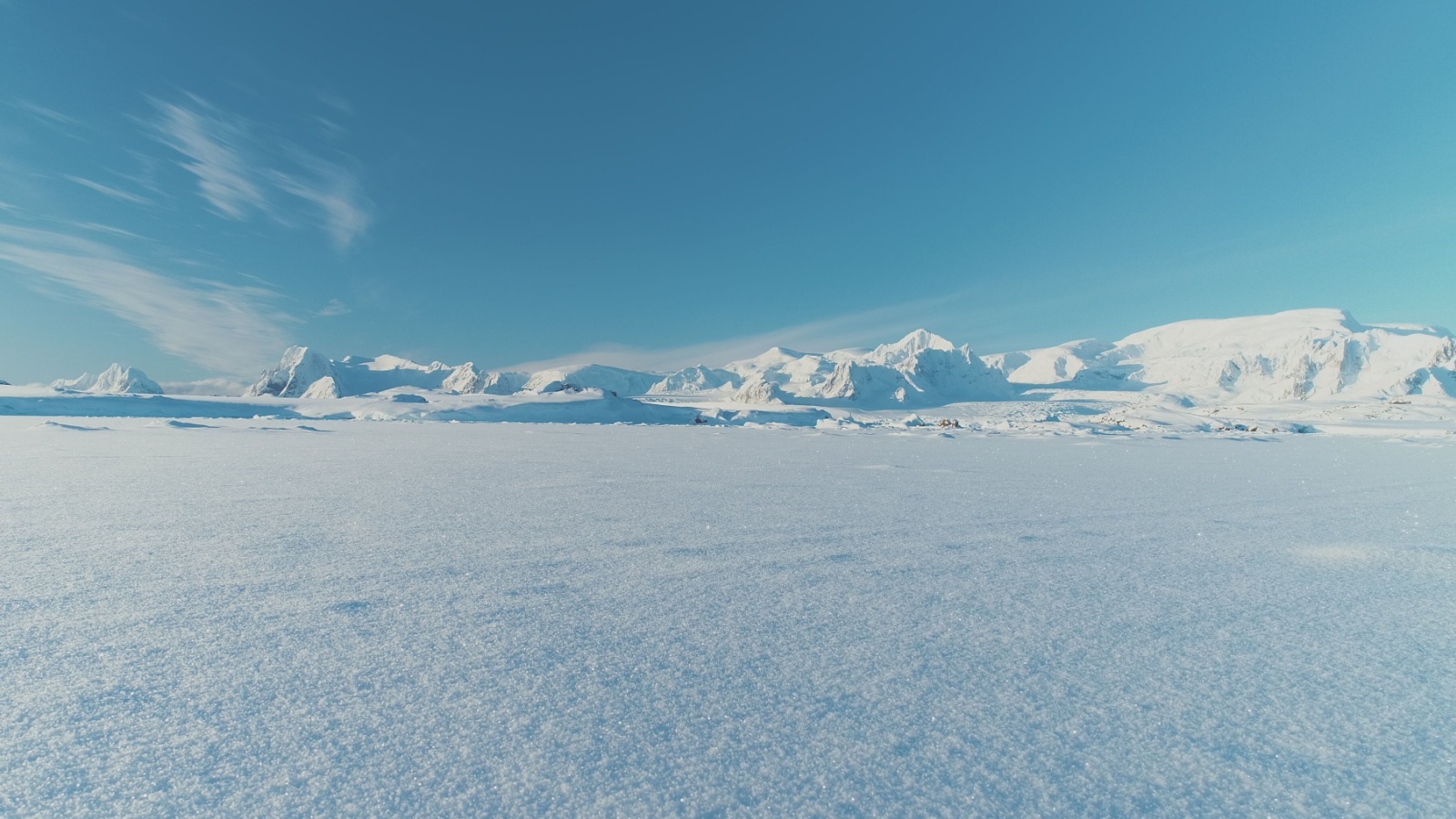
Greenland’s military importance has increased as great powers focus on northern access routes. Canada has long framed its Arctic as stable and defensive. That assumption may weaken. If Greenland becomes a strategic hub, Canada’s northern flank looks closer to conflict planning. This raises questions about radar coverage, patrol frequency, and infrastructure readiness. Ottawa may face pressure to match American urgency. Canadians also must consider whether existing Arctic strategies still reflect today’s risks. Public debate rarely covers these realities. That gap creates uncertainty. A louder Greenland focus could force Canada to rethink timelines, budgets, and expectations tied to northern defense commitments.
Could renewed U.S. interest in Greenland alter Canada–U.S. Arctic cooperation norms?
Canada and the United States coordinate closely in the Arctic through NORAD and joint patrols. Greenland adds complexity. If Washington treats Greenland as a core strategic asset, decision-making could centralize further south. Canada may feel sidelined on regional planning. That could strain cooperation habits built on consultation. Informal norms matter in security relationships. A shift in tone can matter as much as policy. Canadians may ask whether shared Arctic stewardship still feels equal. Trust depends on transparency. Greenland’s spotlight risks reshaping cooperation from quiet partnership toward louder power signaling, which Canada historically prefers to avoid.
Does Greenland’s spotlight expose weaknesses in Canada’s Arctic infrastructure spending?
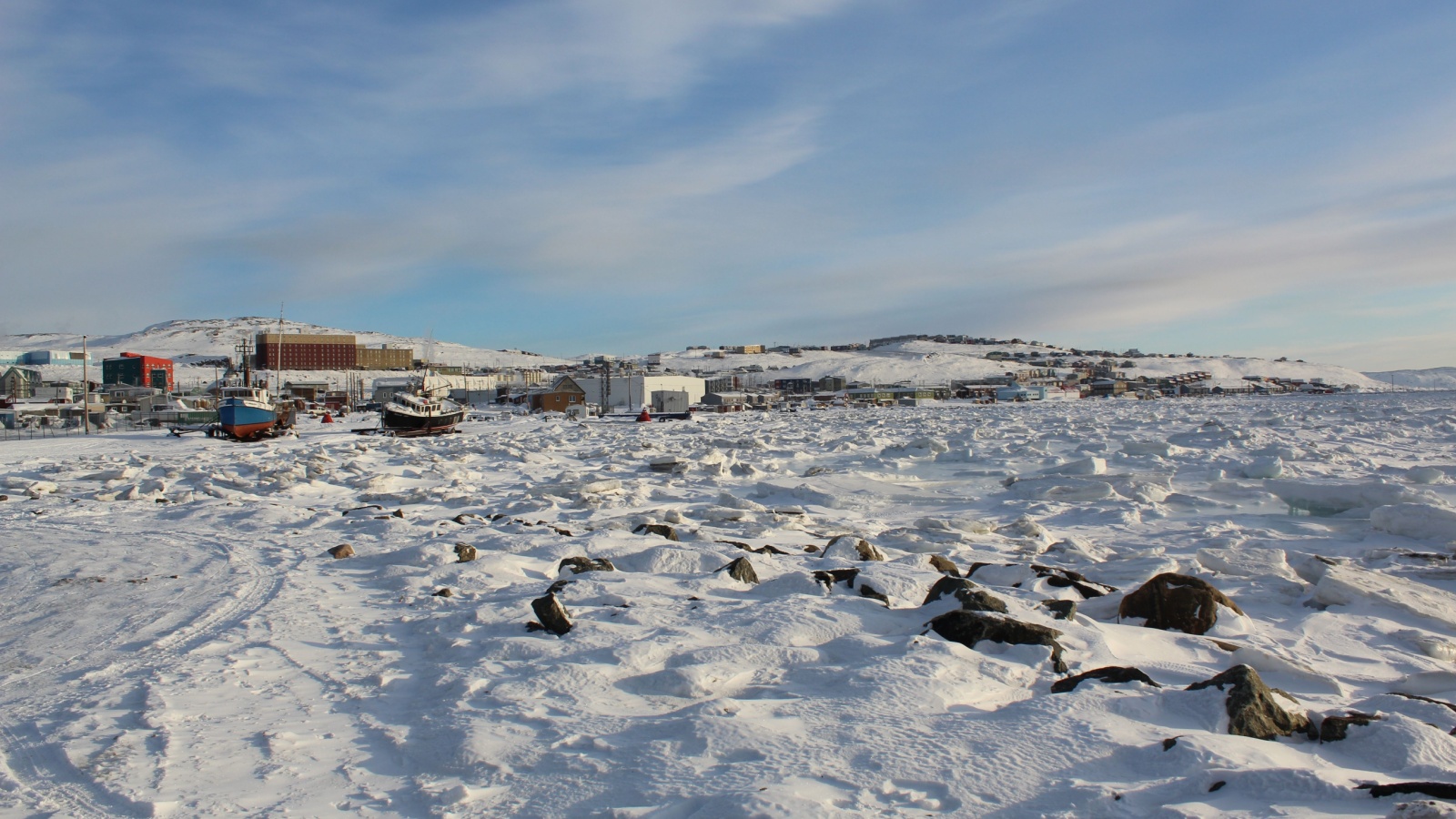
Canada’s Arctic infrastructure lags behind rhetoric. Ports, runways, housing, and communications remain limited. Greenland’s rising attention highlights this contrast. If allies invest heavily nearby, Canada’s slower pace becomes visible. That visibility invites criticism. It may also invite risk. Limited infrastructure restricts response options during emergencies or military incidents. Northern communities already face supply challenges. Increased strategic traffic worsens pressure. Canadians may ask whether past funding promises matched actual outcomes. Greenland’s attention could push Ottawa into accelerated spending. The question is whether that happens proactively or after gaps become impossible to ignore.
Could Canada be drawn into Arctic disputes it did not initiate or desire?
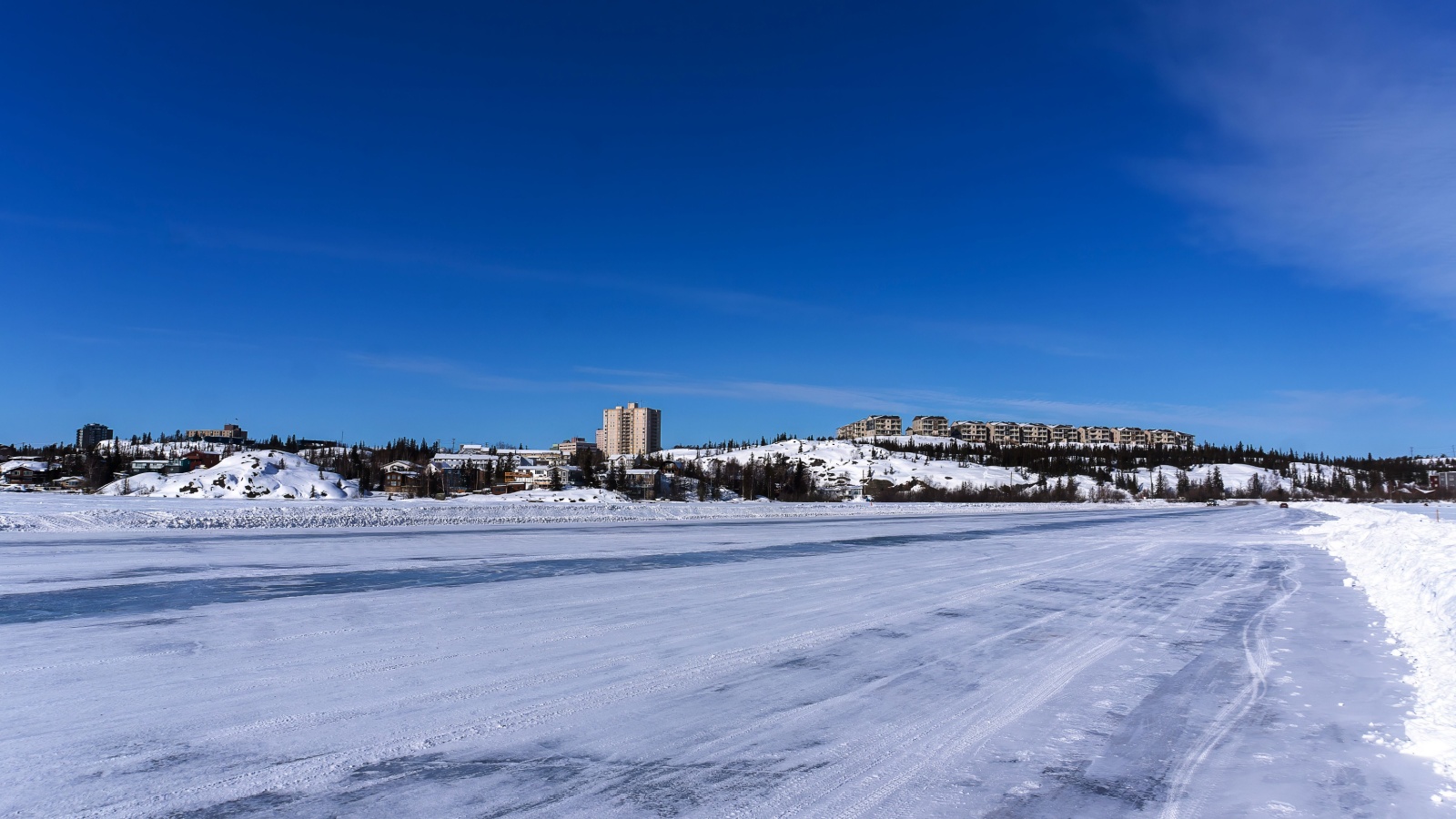
Canada prefers consensus and a rules-based order. Arctic disputes challenge that preference. If Greenland becomes a focal point for competition, Canada may face expectations to take sides quickly. Neutral positioning becomes harder. Even silence can be read as alignment. That creates diplomatic risk. Canada trades globally and relies on stability. Escalating rhetoric elsewhere threatens that balance. Canadians may question whether the country has prepared for unwanted entanglement. The Arctic was long framed as cooperative. Greenland’s situation suggests that the era may be fading. Preparation now could prevent rushed decisions later.
How might Greenland tensions affect Canada’s shipping routes and maritime planning?
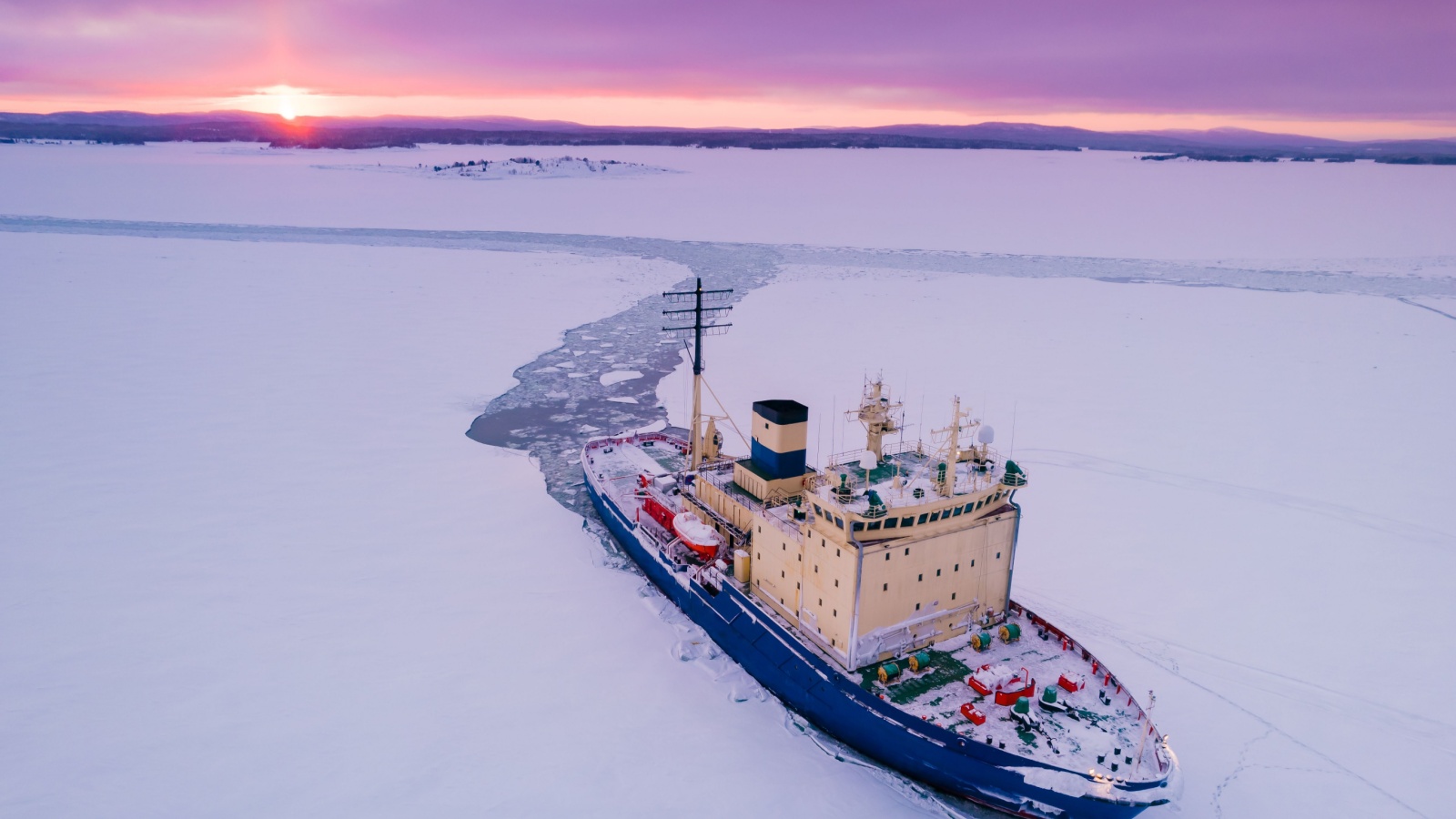
Melting ice already alters Arctic shipping. Strategic attention accelerates change. Greenland’s importance could increase naval traffic near Canadian waters. That affects monitoring and safety planning. Canada must track vessels, manage environmental risks, and enforce sovereignty. More traffic raises accident odds. Search and rescue capacity matters. Canada’s coastline is vast. Resources are limited. Canadians may ask if current maritime planning accounts for sudden traffic spikes. Greenland’s focus could compress timelines for upgrades. Ignoring that possibility leaves Canada reacting rather than managing change deliberately and safely.
Does Trump’s Greenland push complicate Canada’s relationship with Denmark and NATO partners?
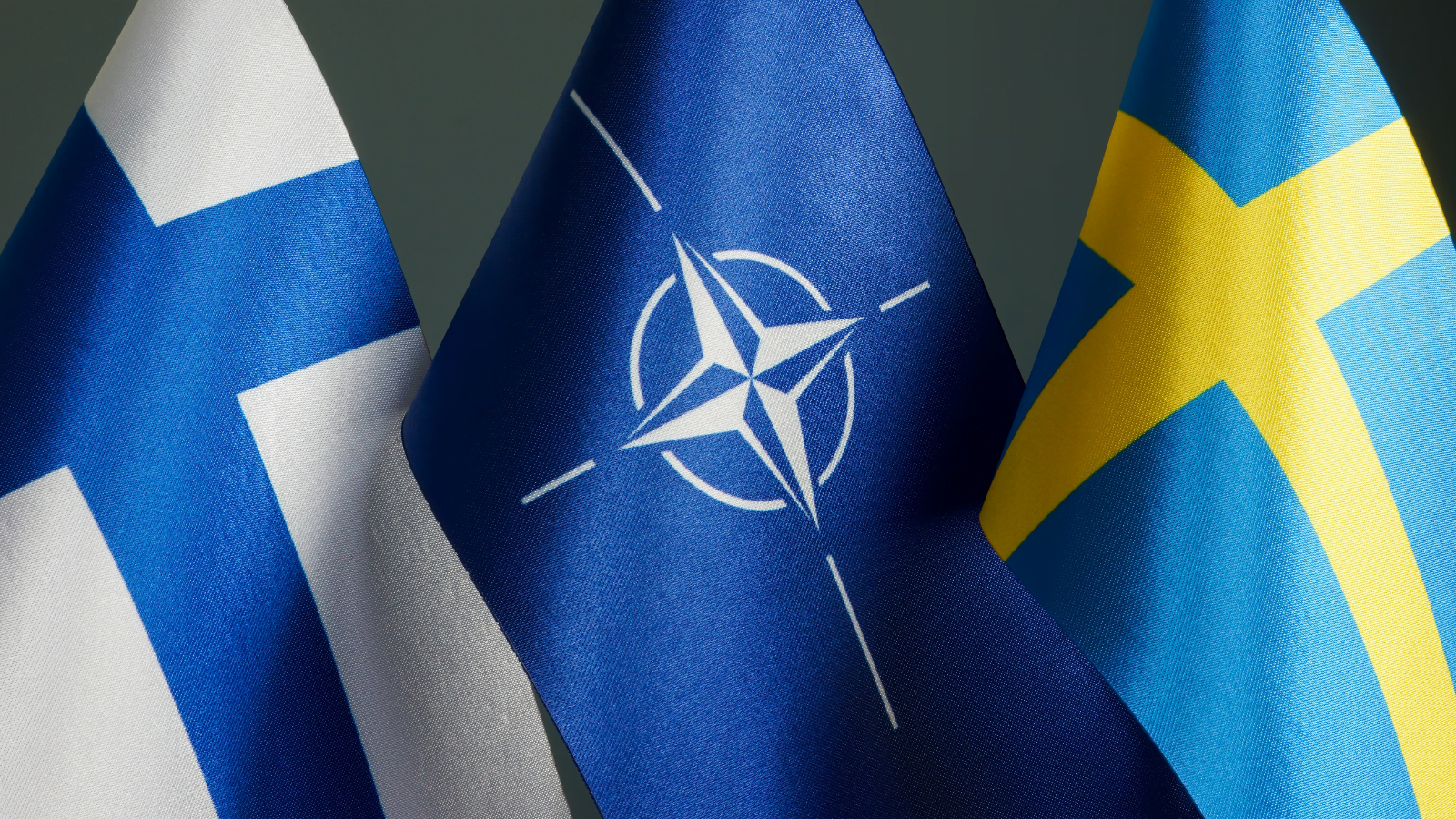
Denmark governs Greenland. Canada works closely with Denmark through NATO. A louder U.S. stance complicates that triangle. Canada may feel pressure to balance relationships carefully. Supporting allies without endorsing aggressive postures requires skill. Missteps carry consequences. Canada values predictability within NATO. Greenland introduces uncertainty. Canadians may ask whether Ottawa has enough diplomatic leverage to influence outcomes. Quiet diplomacy takes time. Public statements move faster. Greenland’s visibility could force faster reactions than Canada prefers. That mismatch raises questions about readiness and messaging discipline.
Could Arctic resource competition place new pressure on Canada’s environmental commitments?
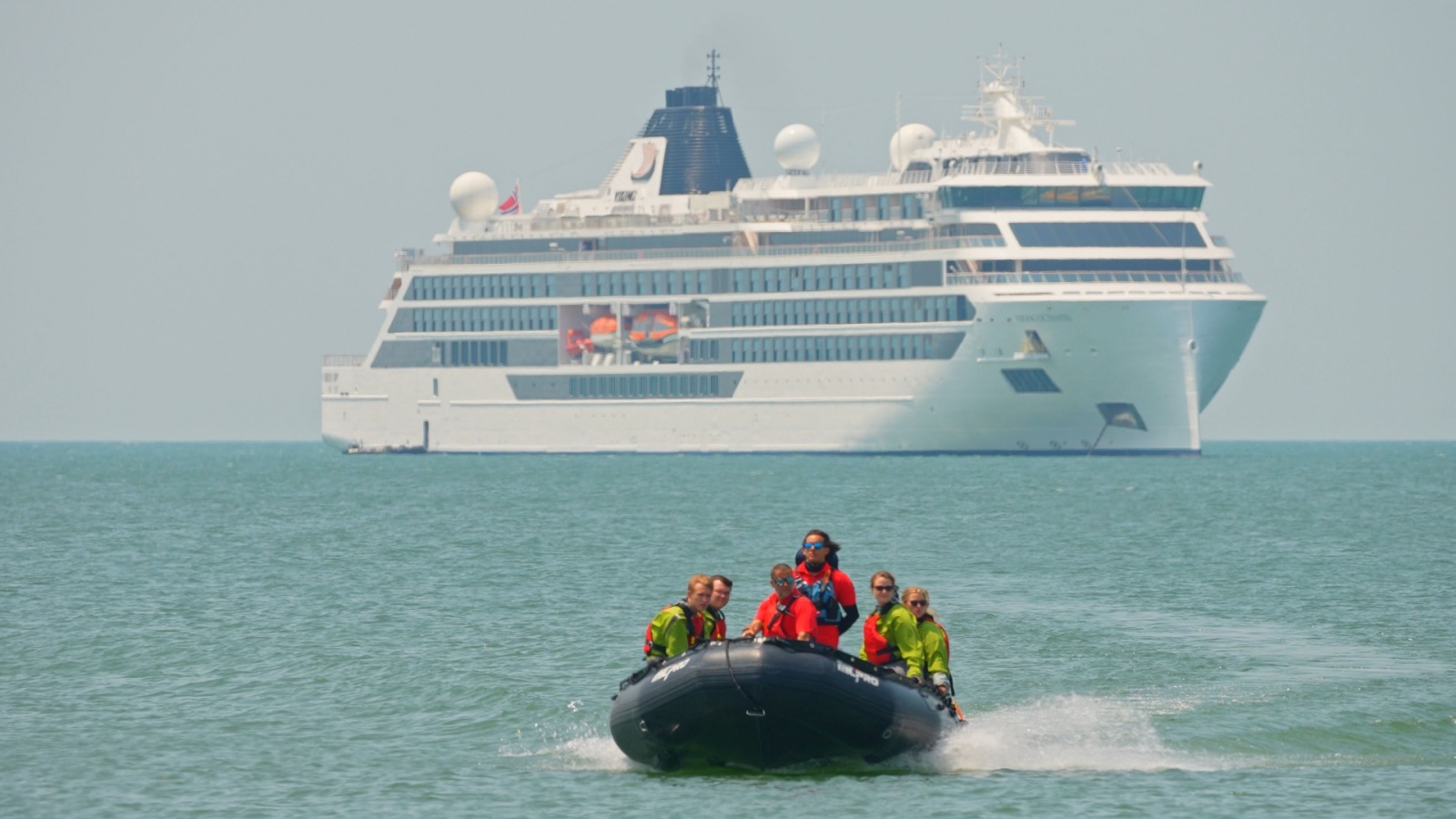
Greenland’s attention is often tied to resources. Minerals, energy, and access routes attract interest. Canada faces similar pressures in its Arctic. Increased competition may test environmental protections. Economic arguments grow louder during strategic moments. Canadians value northern ecosystems. Indigenous communities depend on them. Balancing protection with pressure becomes harder under geopolitical stress. Greenland’s case shows how fast priorities shift. Canada may be asked to justify restraint while others accelerate extraction. That tension could reshape environmental debates at home, especially when framed as national interest versus conservation.
What does Greenland’s attention reveal about Canada’s northern sovereignty messaging gaps?

Canada often speaks about Arctic sovereignty. Action sometimes lags. Greenland’s spotlight highlights that gap. Strong messaging without visible capacity invites scrutiny. Sovereignty requires presence, not slogans. Canadians may question whether past investments created a lasting impact. Patrols, research stations, and local partnerships matter. Greenland’s moment forces comparison. If Canada appears quieter or slower, credibility suffers. That matters internationally. It also matters domestically. Northern residents notice attention cycles. Greenland’s attention could expose weaknesses in how Canada sustains long-term Arctic engagement beyond speeches.
Could Canada’s defense spending debates shift because of Greenland’s strategic role?

Defense spending is always contested. Greenland’s role may shift that debate. When threats feel distant, budgets tighten. When headlines move north, urgency grows. Canadians may face renewed calls for Arctic-focused defense spending. Radar systems, icebreakers, and personnel require funding. These are long-term commitments. Greenland’s case may change public tolerance for higher costs. The question is whether spending becomes targeted or symbolic. Strategic clarity matters. Without it, money risks dilution. Greenland’s spotlight may accelerate decisions that were previously postponed or avoided.
How might Greenland affect Canada’s intelligence and surveillance priorities?

Arctic awareness relies on intelligence and surveillance. Greenland’s rise increases data needs. Canada must track military movements, shipping, and communications. That requires technology and cooperation. Intelligence sharing grows more complex when interests diverge. Canadians may ask whether Canada has adequate independent capacity. Reliance on allies carries tradeoffs. Greenland highlights those tradeoffs. Better awareness reduces surprises. Gaps invite miscalculation. Canada’s intelligence priorities may shift northward faster than planned, raising questions about readiness, staffing, and technological investment.
Does Greenland’s attention change how Canada views Arctic Indigenous partnerships?
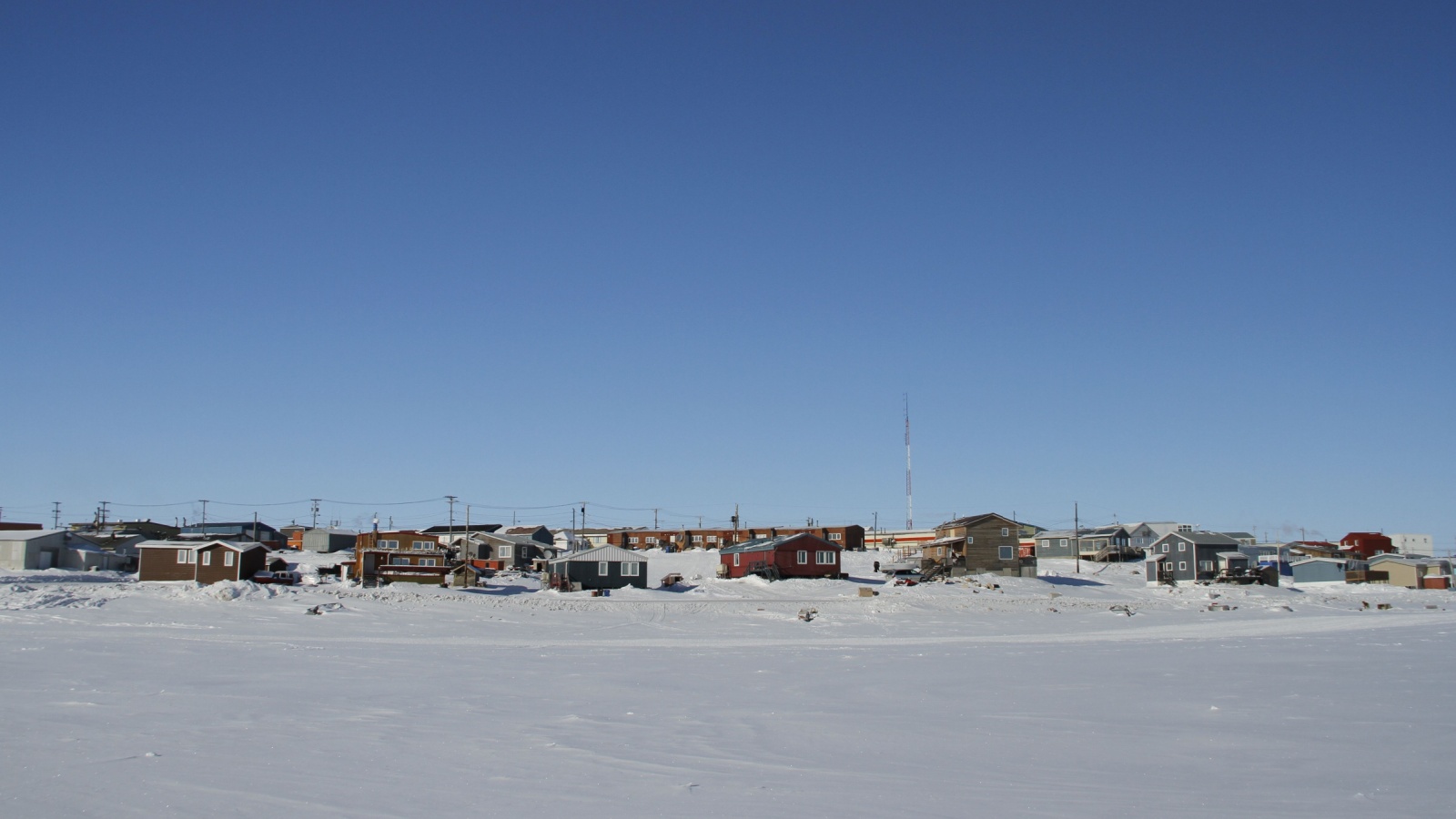
Northern Indigenous communities are key partners in Arctic policy. Greenland’s attention reminds Canada of that reality. Increased activity affects local lives first. Canada must engage communities meaningfully. Consultation cannot be rushed during crises. Greenland shows how strategic interest can overshadow local voices. Canadians may ask whether Canada’s frameworks protect community agency. Trust depends on follow-through. If Arctic attention spikes, partnerships face strain. Canada’s credibility depends on consistency. Greenland’s moment tests whether commitments hold under geopolitical pressure.
Could Canada face economic ripple effects tied to Arctic instability perceptions?

Markets react to perceived risk. Arctic instability affects insurance, shipping costs, and investment decisions. Greenland’s focus could raise perceived regional risk. Canada’s northern projects may face higher costs. Investors may hesitate. That affects jobs and regional development. Canadians may not link Greenland headlines to economic impacts immediately. Over time, the connection emerges. Planning for stability becomes economic policy. Canada must communicate calm while preparing for disruption. Greenland’s attention complicates that balance by amplifying uncertainty beyond Canada’s direct control.
How might Greenland influence Canada’s climate diplomacy positioning?

Canada positions itself as a climate leader. Arctic attention challenges that role. Strategic interests often conflict with climate messaging. Greenland’s case highlights that tension. If allies prioritize access and resources, Canada faces pressure to align. Canadians may question whether climate commitments remain firm during strategic competition. Consistency matters internationally. Mixed signals weaken credibility. Greenland’s moment forces Canada to reconcile security discussions with climate promises. That reconciliation will shape future diplomacy and domestic trust in government messaging.
Does Greenland’s focus expose limits in Canada’s Arctic emergency response capacity?

Emergency response matters more as activity increases. Greenland’s attention implies more traffic and risk. Canada’s Arctic response capacity remains stretched. Distance, weather, and limited infrastructure complicate rescue operations. Canadians may ask whether resources match potential needs. Waiting for incidents to expose gaps carries a human cost. Greenland’s spotlight suggests urgency. Planning, drills, and equipment require investment. Canada must decide whether current preparedness levels remain acceptable in a busier, more strategic Arctic environment.
Could Canada’s legal claims in the Arctic face new scrutiny or pressure?

Canada maintains legal positions on Arctic waters and passages. Increased attention invites scrutiny. Greenland’s strategic role could encourage challenges or reinterpretations. Legal arguments rely on consistency and enforcement. Canadians may wonder if Canada’s claims remain strong under pressure. International law evolves through practice. Activity matters. Greenland’s focus increases activity nearby. Canada must be ready to defend positions calmly and clearly. Legal uncertainty creates diplomatic friction. Preparation reduces that risk.
How does Greenland affect Canada’s long-term Arctic research priorities?

Research supports policy. Greenland’s attention may redirect funding and focus. Security-driven research can overshadow climate and social studies. Canadians value Arctic science. Shifts in priorities matter. Canada must balance immediate strategic questions with long-term understanding. Greenland shows how quickly agendas shift. Research institutions need stability. Sudden changes disrupt progress. Canada faces choices about what knowledge it values most. Greenland’s moment could reshape research funding in ways that last beyond headlines.
Could Canada’s public Arctic narrative change because of Greenland headlines?

Public understanding shapes policy space. Greenland headlines may change how Canadians view the Arctic. From distant wilderness to strategic frontier. That shift matters. Fear-based narratives can drive rushed decisions. Balanced information supports measured responses. Canadians may ask whether media coverage reflects nuance. Government communication plays a role. Greenland’s attention risks oversimplification. Canada must manage its narrative carefully to maintain public trust while explaining real risks without alarmism.
Is Canada prepared for a faster, louder Arctic future shaped by others’ priorities?

The Arctic is changing faster than Canada’s traditional pace. Greenland’s spotlight accelerates that shift. Canada values patience and consultation. Strategic competition values speed. Canadians may ask whether systems adapt quickly enough. Preparedness involves mindset as much as equipment. Greenland’s moment tests Canada’s flexibility. Being reactive carries cost. Being proactive requires clarity. The question remains whether Canada can shape outcomes or merely respond as attention intensifies around its northern doorstep.
22 Groceries to Grab Now—Before another Price Shock Hits Canada

Food prices in Canada have been steadily climbing, and another spike could make your grocery bill feel like a mortgage payment. According to Statistics Canada, food inflation remains about 3.7% higher than last year, with essentials like bread, dairy, and fresh produce leading the surge. Some items are expected to rise even further due to transportation costs, droughts, and import tariffs. Here are 22 groceries to grab now before another price shock hits Canada.
22 Groceries to Grab Now—Before another Price Shock Hits Canada
This Options Discord Chat is The Real Deal
While the internet is scoured with trading chat rooms, many of which even charge upwards of thousands of dollars to join, this smaller options trading discord chatroom is the real deal and actually providing valuable trade setups, education, and community without the noise and spam of the larger more expensive rooms. With a incredibly low-cost monthly fee, Options Trading Club (click here to see their reviews) requires an application to join ensuring that every member is dedicated and serious about taking their trading to the next level. If you are looking for a change in your trading strategies, then click here to apply for a membership.