
35,000+ smart investors are already getting financial news, market signals, and macro shifts in the economy that could impact their money next with our FREE weekly newsletter. Get ahead of what the crowd finds out too late. Click Here to Subscribe for FREE.
Every December, Canadian families gather around tables filled with familiar dishes and familiar disagreements. One debate returns without fail, usually before dessert. Tourtière brings comfort, nostalgia, and strong opinions in equal measure. What starts as a casual conversation often turns into a full comparison of recipes, memories, and regional pride. Here are 19 Reasons the “Tourtière” debate divides Canadian families every December.
Pork Versus Mixed Meat Divides Opinions Immediately
19 Reasons the “Tourtière” Debate Divides Canadian Families Every December
- Pork Versus Mixed Meat Divides Opinions Immediately
- Quebec Traditions Are Less Unified Than Expected
- Potato Use Sparks Long-Standing Disagreements
- Spice Choices Carry Emotional Weight
- Ground Meat Versus Chunked Meat Changes Everything
- Pastry Choices Invite Silent Judgement
- Christmas Eve Versus Christmas Day Causes Friction
- Tourtière Competes with Turkey for Attention
- Ketchup Versus No Sauce Divides Plates Instantly
- Family Recipes Are Treated Like Fixed Contracts
- Regional Pride Enters the Kitchen Quickly
- Changing Tastes Create Quiet Tension
- Leftovers Become Another Source of Debate
- Hosting Pressure Amplifies Every Reaction
- Nostalgia Shapes Expectations Strongly
- Portion Sizes Communicate Without Words
- Alcohol Makes Opinions Louder Than Intended
- Social Media Raises Expectations Too High
- No Version Ever Fully Wins
- 22 Groceries to Grab Now—Before another Price Shock Hits Canada

Some families believe tourtière must use pork only. Anything else feels incorrect to them. Others grew up eating blends of pork, beef, or veal. They see mixed meat as normal, not experimental. When both groups meet, the disagreement surfaces fast. Pork-only supporters argue for flavor purity. Mixed-meat supporters argue for balance and texture. Each side claims tradition as proof. No one checks history closely. The cook chooses one approach and braces for comments. Even polite feedback carries meaning. The argument begins before the first slice is served.
Quebec Traditions Are Less Unified Than Expected

Many assume Quebec has one standard tourtière recipe. That belief causes confusion quickly. Families from different regions follow different methods. Some use ground meat, others prefer chunks. Certain areas rely heavily on potatoes. Others avoid them completely. When relatives compare versions, surprise follows. Everyone insists their approach reflects real tradition. Nobody agrees on who defines that. The phrase “authentic Quebec tourtière” gets used loosely. Pride becomes part of the conversation. The pie becomes a symbol, not just food. Disagreement stays polite but firm.
Potato Use Sparks Long-Standing Disagreements
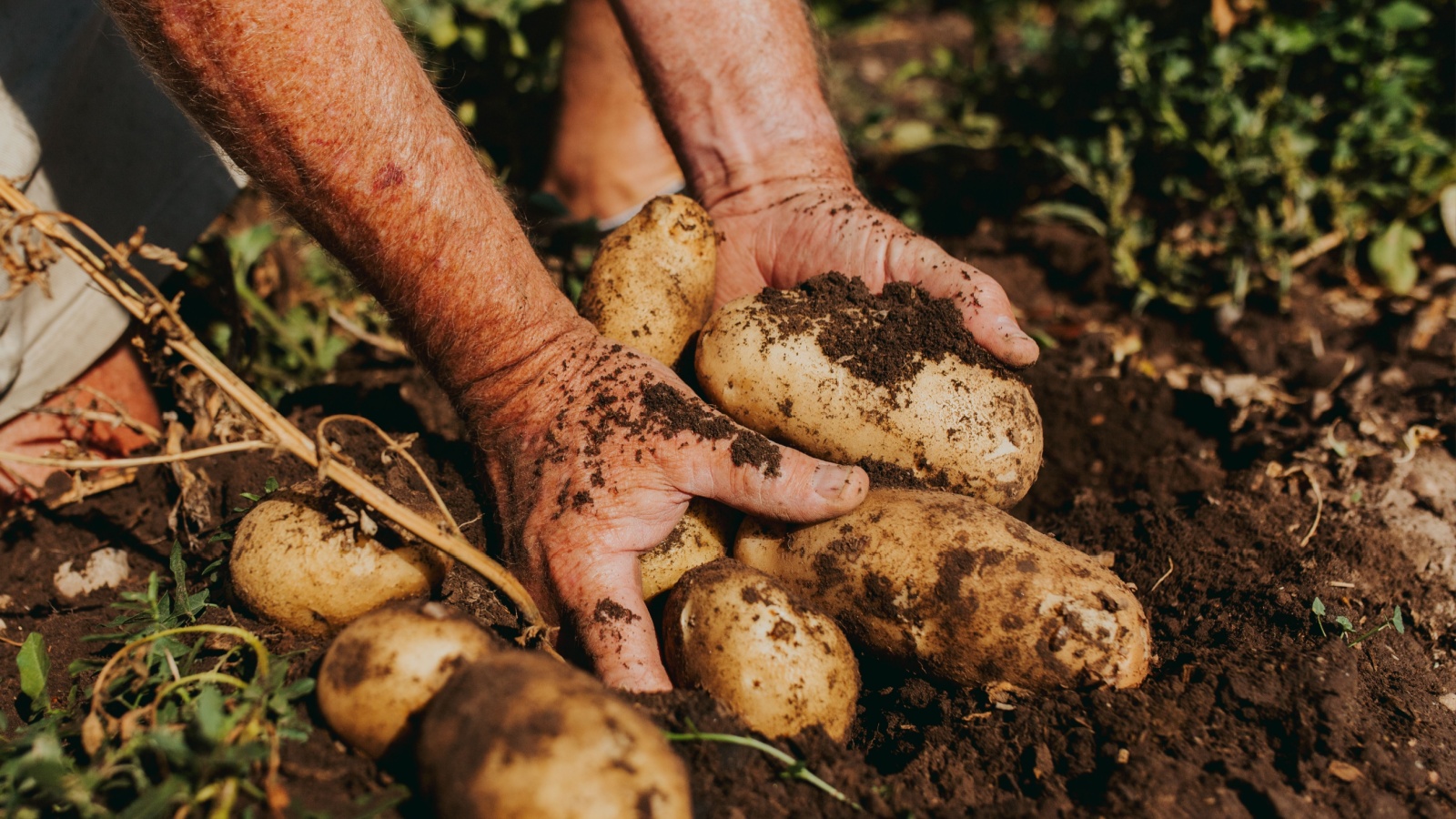
Potatoes are one of the most debated ingredients. Some families see them as essential. Others see them as unnecessary filler. Potato supporters argue that they improve texture and moisture. Critics say they dilute the meat flavor. The debate usually starts while potatoes sit on the counter. Removing them feels disrespectful. Adding them feels like cutting corners. No middle ground satisfies both sides. The cook decides alone. Someone comments once the pie is cut. Someone else defends the choice immediately. The disagreement settles quietly but never disappears.
Spice Choices Carry Emotional Weight

Spices create stronger reactions than expected. Cinnamon causes the loudest responses. Some families expect it. Others dislike it strongly. Cloves, nutmeg, and allspice create similar divides. One person’s warmth is another person’s mistake. When tasting begins, reactions are measured. Compliments sound careful. Criticism follows gently. The cook explains their spice choices calmly. Listeners compare it to their childhood version silently. Nobody fully agrees. The spices become the focus of every comment. Flavor becomes memory instead of preference.
Ground Meat Versus Chunked Meat Changes Everything
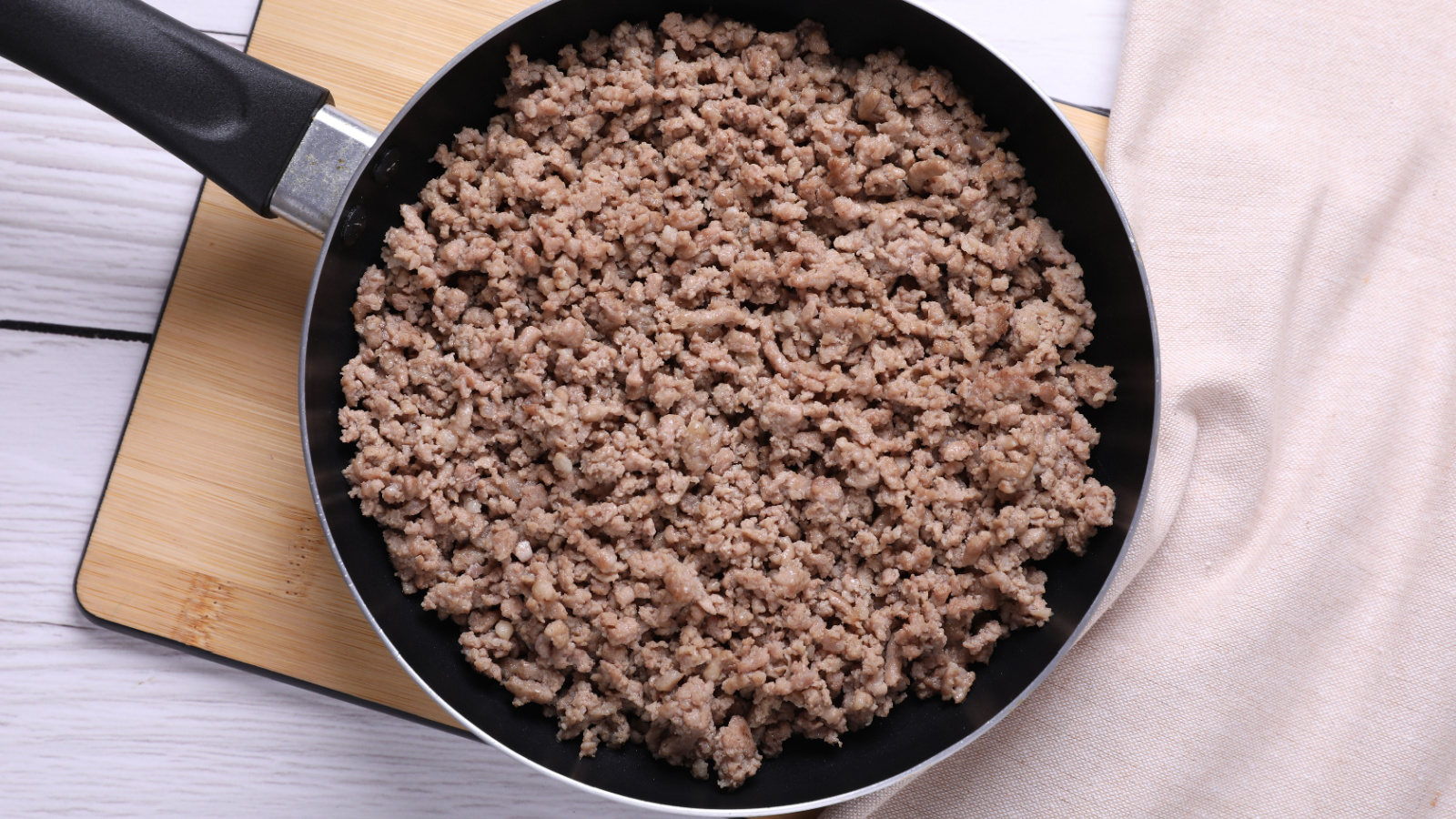
Texture divides families just as much as taste. Ground meat supporters like smooth consistency. Chunked meat fans prefer a hearty bite. Each side believes its version feels right. Ground meat gets called pasty. Chunks get called messy. Forkfuls become evidence during the debate. Nobody admits to liking both. Preferences turn into rules. Someone brings up how it was always made before. Another person disagrees quietly. The pie stays the same. Opinions harden with every bite taken.
Pastry Choices Invite Silent Judgement

Crust decisions never go unnoticed. Homemade pastry earns instant approval. Store-bought crust raises questions. Someone always asks if it was made from scratch. The answer changes the room slightly. Even a great filling cannot fully distract from crust opinions. Flaky becomes greasy quickly. Thin becomes weak. The cook explains time limits. Guests nod politely. Thoughts remain unspoken. The pie still gets eaten. The judgement lingers longer than the meal itself.
Christmas Eve Versus Christmas Day Causes Friction

Some families serve tourtière only on Christmas Eve. Others insist it belongs on Christmas Day. When these traditions meet, tension follows. One side feels rushed. The other feels delayed. Timing becomes symbolic. Serving it on the wrong day feels incorrect. People reference childhood routines confidently. Hosts try to balance expectations. The final decision rarely pleases everyone. Someone quietly wishes it had happened yesterday. Another person wishes it had waited longer. The disagreement fades but does not resolve.
Tourtière Competes with Turkey for Attention
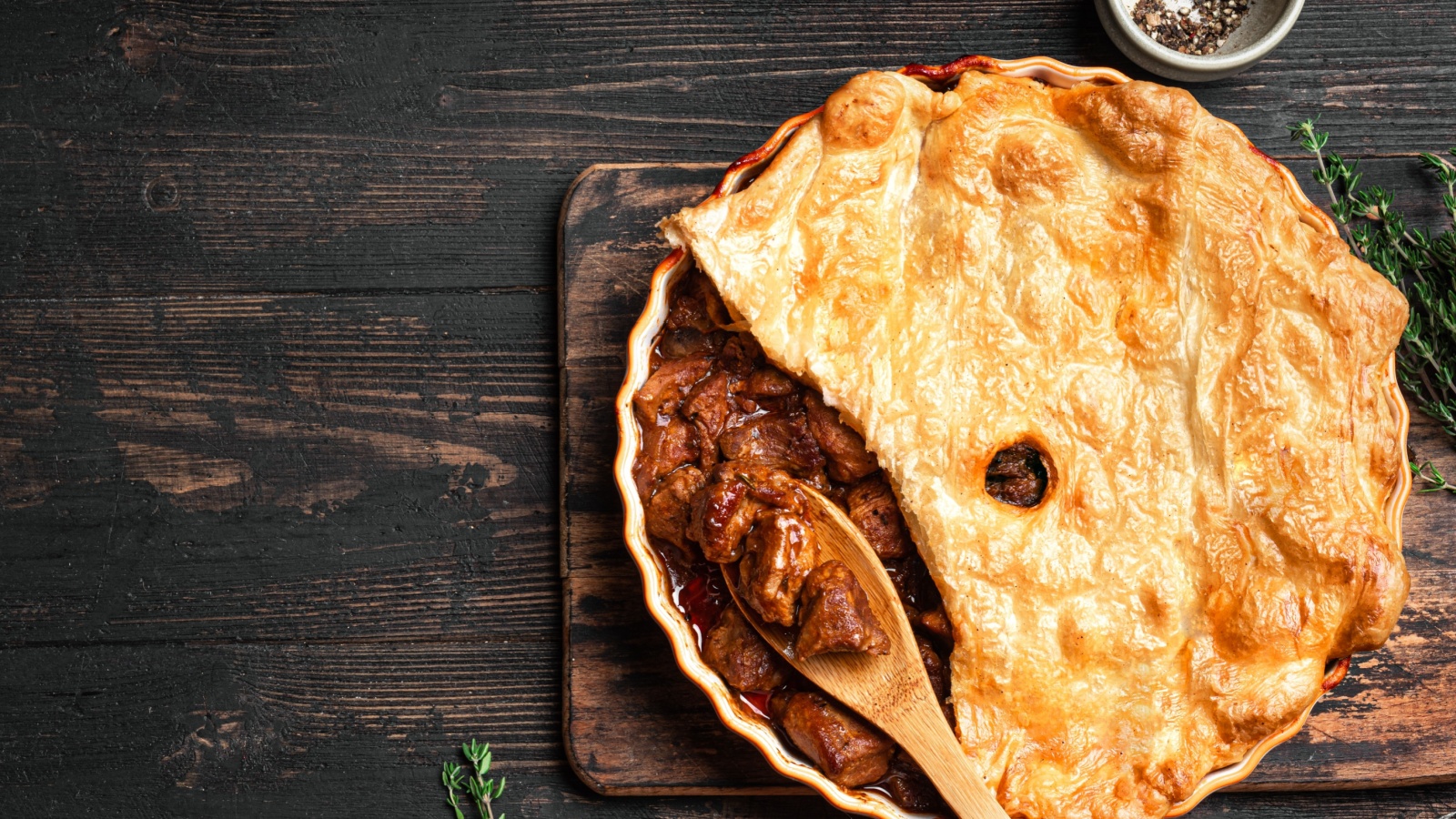
In some homes, tourtière replaces turkey entirely. In others, both appear on the table. That decision alone sparks debate. Turkey supporters say tourtière feels too heavy. Tourtière fans say turkey lacks personality. Oven space becomes an issue. Cooking schedules clash. Someone suggests skipping turkey altogether. That idea rarely goes over well. The table fills with food and opinions. Everyone eats more than planned. The argument continues between bites without a clear resolution.
Ketchup Versus No Sauce Divides Plates Instantly
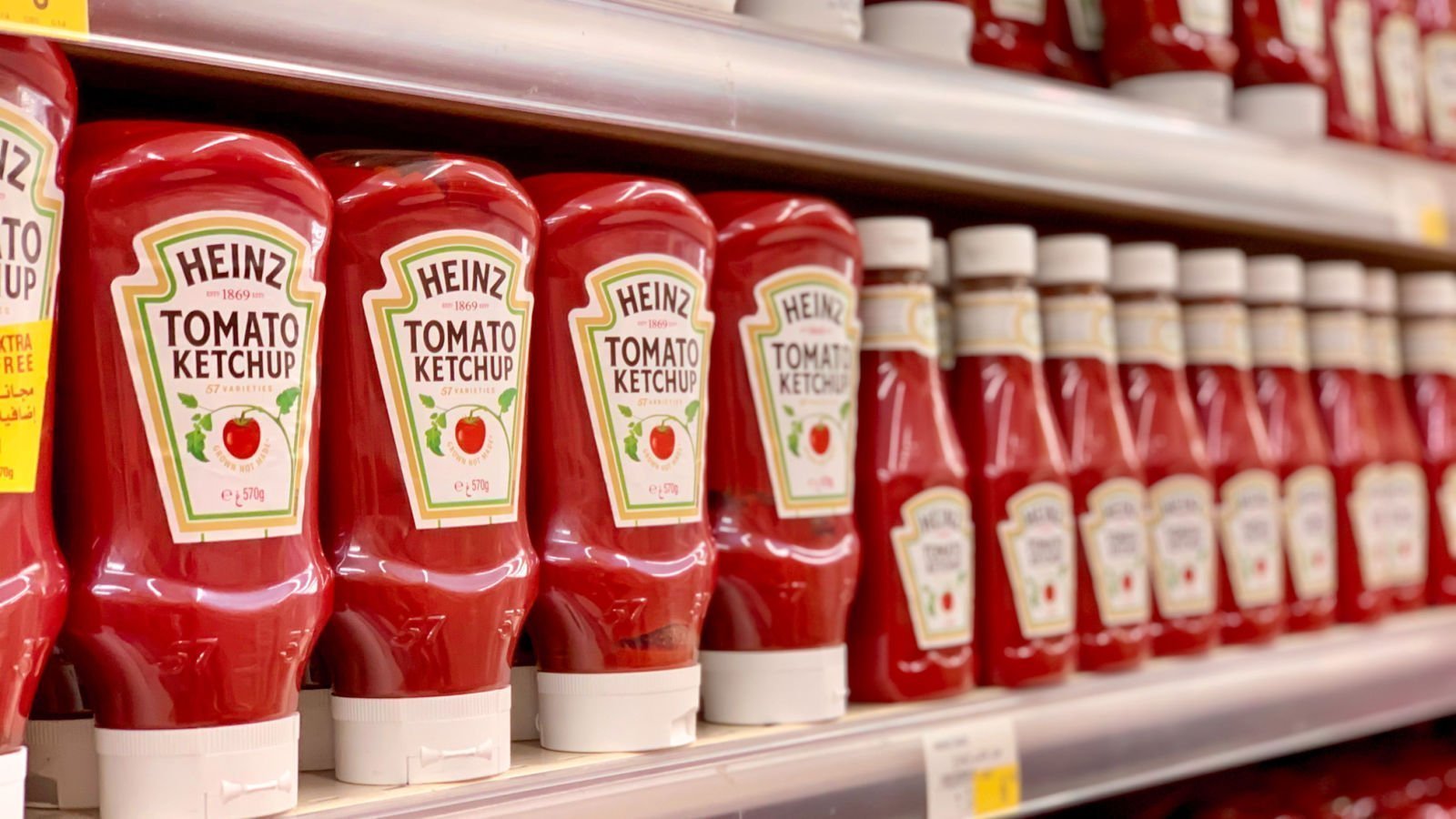
Condiments create sharper reactions than most people expect. Many diners reach for ketchup without thinking. Others find that choice unacceptable. Some prefer mustard or fruit chutney instead. A few insist tourtière should be eaten completely plain. Ketchup supporters argue it balances richness. Critics say it hides weak seasoning. Sauce choices become noticeable immediately. Plates reveal preferences before anyone speaks. Someone jokes about childhood habits. Someone else quietly disapproves. No long argument follows, but the judgement lingers. Everyone remembers who added what, even after the table is cleared.
Family Recipes Are Treated Like Fixed Contracts
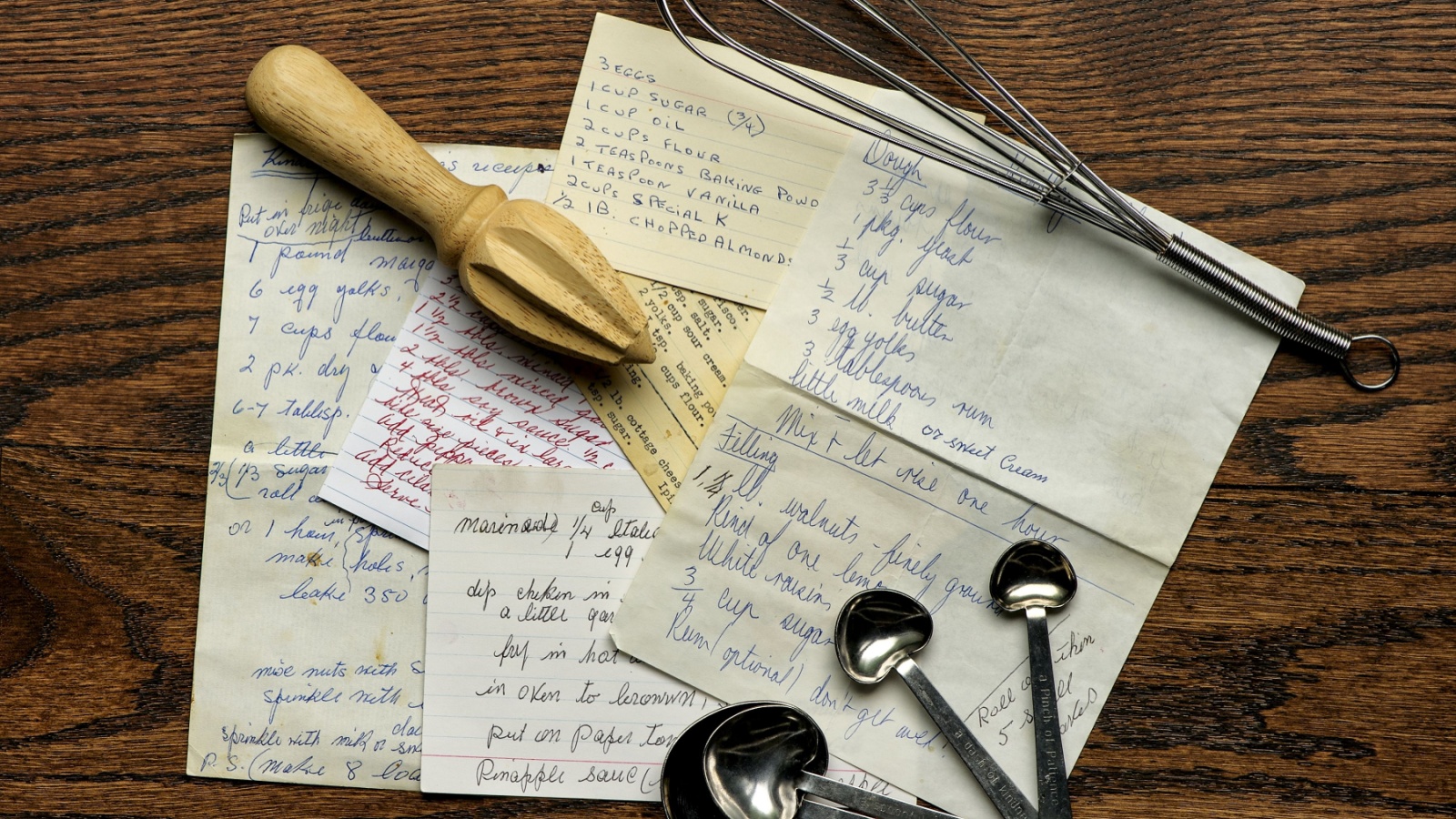
Handwritten family recipes carry serious authority. Any change feels risky. When someone alters a step or ingredient, questions appear quickly. The cook explains their reasoning carefully. Others defend the original method just as carefully. Even successful changes meet resistance. Respect for elders becomes part of the discussion. Nobody wants to seem dismissive of family history. That pressure limits experimentation year after year. Recipes stay mostly unchanged. Tourtière becomes less about improvement and more about preservation. The debate exists to protect memory, not to chase better flavor.
Regional Pride Enters the Kitchen Quickly

Tourtière often becomes tied to geography. People mention where they grew up early in the conversation. Acadian versions get compared. Montreal styles get defended. Rural and urban differences surface fast. Everyone believes their region understands winter food best. Criticism feels personal almost immediately. Compliments sound measured and careful. The pie becomes a symbol of identity. Nobody admits that multiple versions can coexist comfortably. Pride shapes opinions more than taste. The discussion eventually moves on, but regional loyalty stays part of the meal.
Changing Tastes Create Quiet Tension
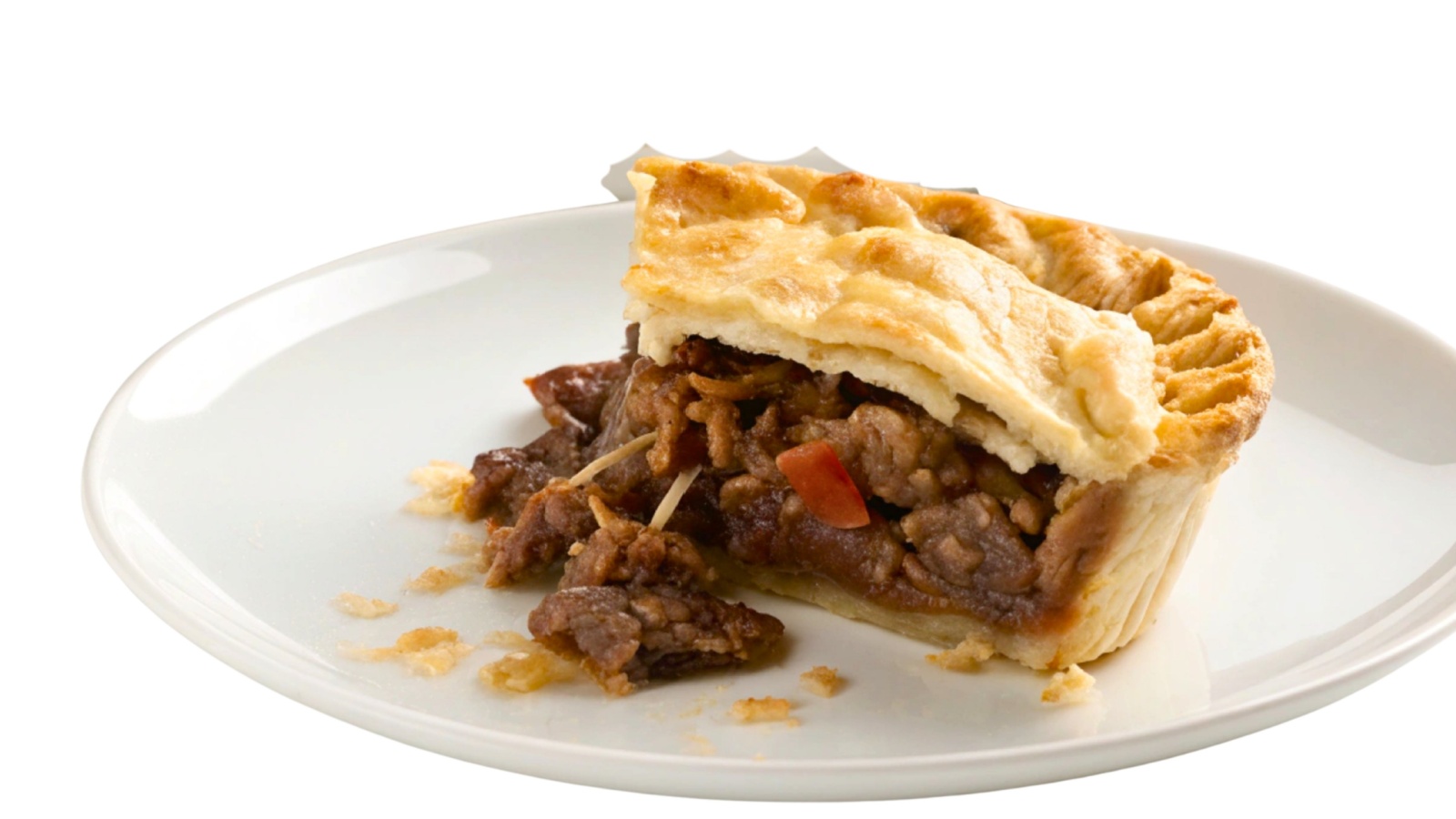
Personal preferences change over time, even when traditions stay fixed. Some people want less fat now. Others prefer stronger seasoning than before. Older relatives notice these shifts quickly. Younger cooks experiment more freely. That experimentation worries traditionalists. What once tasted perfect now feels different. Nobody suggests memory might be unreliable. Disappointment gets blamed on technique instead. The gap between expectation and reality grows slowly. Tourtière exposes that gap every December. Everyone senses it while eating, even when nothing is said aloud.
Leftovers Become Another Source of Debate
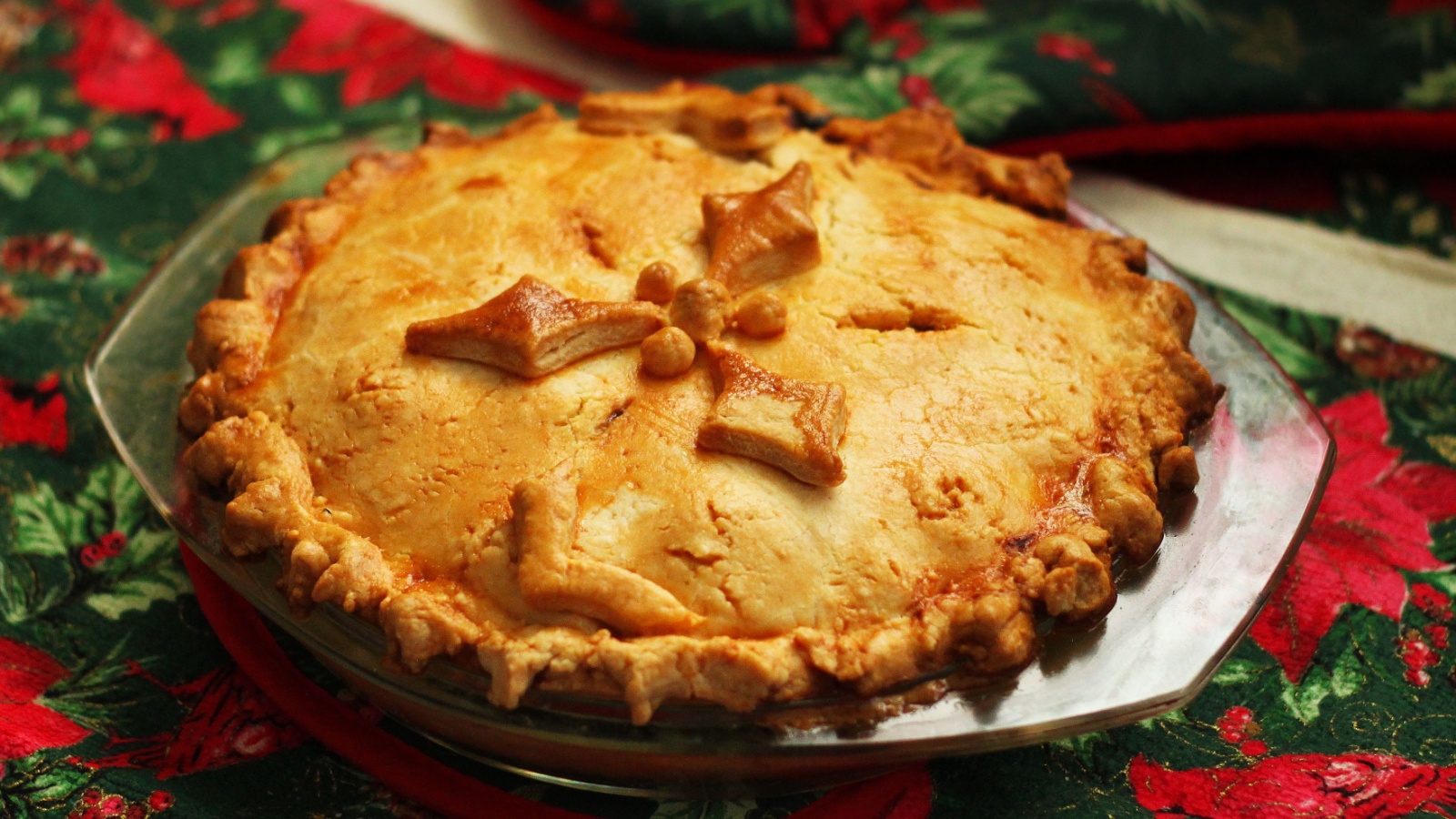
Leftover tourtière divides households all over again. Some enjoy it cold the next day. Others refuse unless it is reheated properly. Reheating methods spark new opinions. Oven reheating gets praise. Microwave reheating gets criticism. Speed competes with texture. Someone claims reheating ruins the crust. Someone else values convenience more. The pie disappears slowly over several days. The debate fades with each slice eaten. It never fully ends, though. It simply pauses until the next December planning begins.
Hosting Pressure Amplifies Every Reaction

Hosts feel evaluated, even when guests remain polite. Every comment feels louder than intended. Compliments sound cautious. Silence feels suspicious. Hosts remember feedback far longer than guests remember giving it. One raised eyebrow can create doubt. The cook replays reactions later that night. Next year, small changes appear. Someone notices and reacts immediately. Hosting turns tourtière into a test nobody asked for. Pressure sharpens opinions. The pie carries more stress than it ever should.
Nostalgia Shapes Expectations Strongly
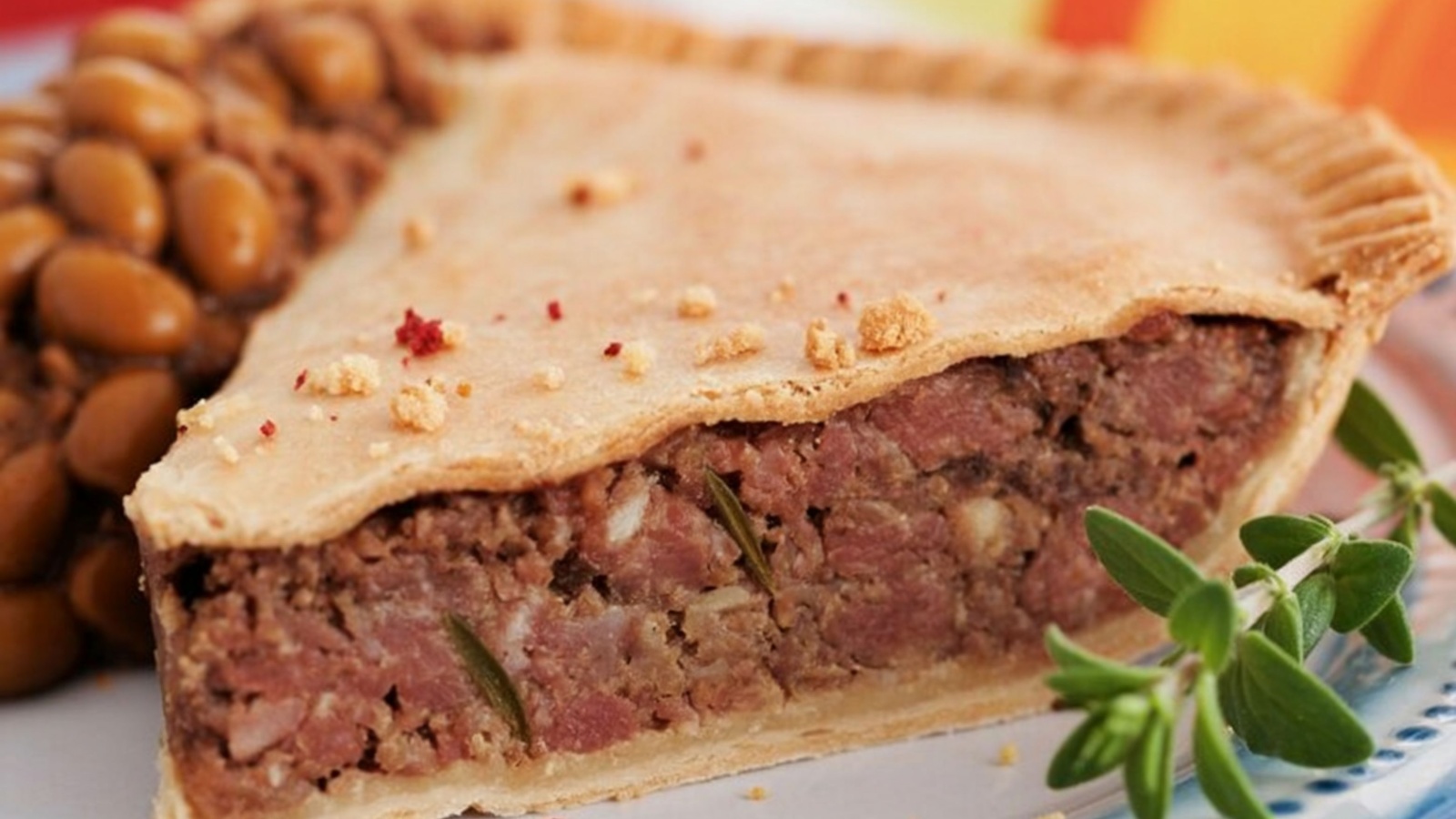
Tourtière carries memory more than flavor for many people. Diners expect it to taste exactly like childhood. That memory changes over time. No pie can fully match it. When the taste feels different, disappointment follows quickly. Memory never gets blamed. Ingredients and technique take the fault instead. Nostalgia stays protected at all costs. The pie becomes a comparison it cannot win. Families keep trying anyway. Each year, expectations remain just as strong as the memories behind them.
Portion Sizes Communicate Without Words
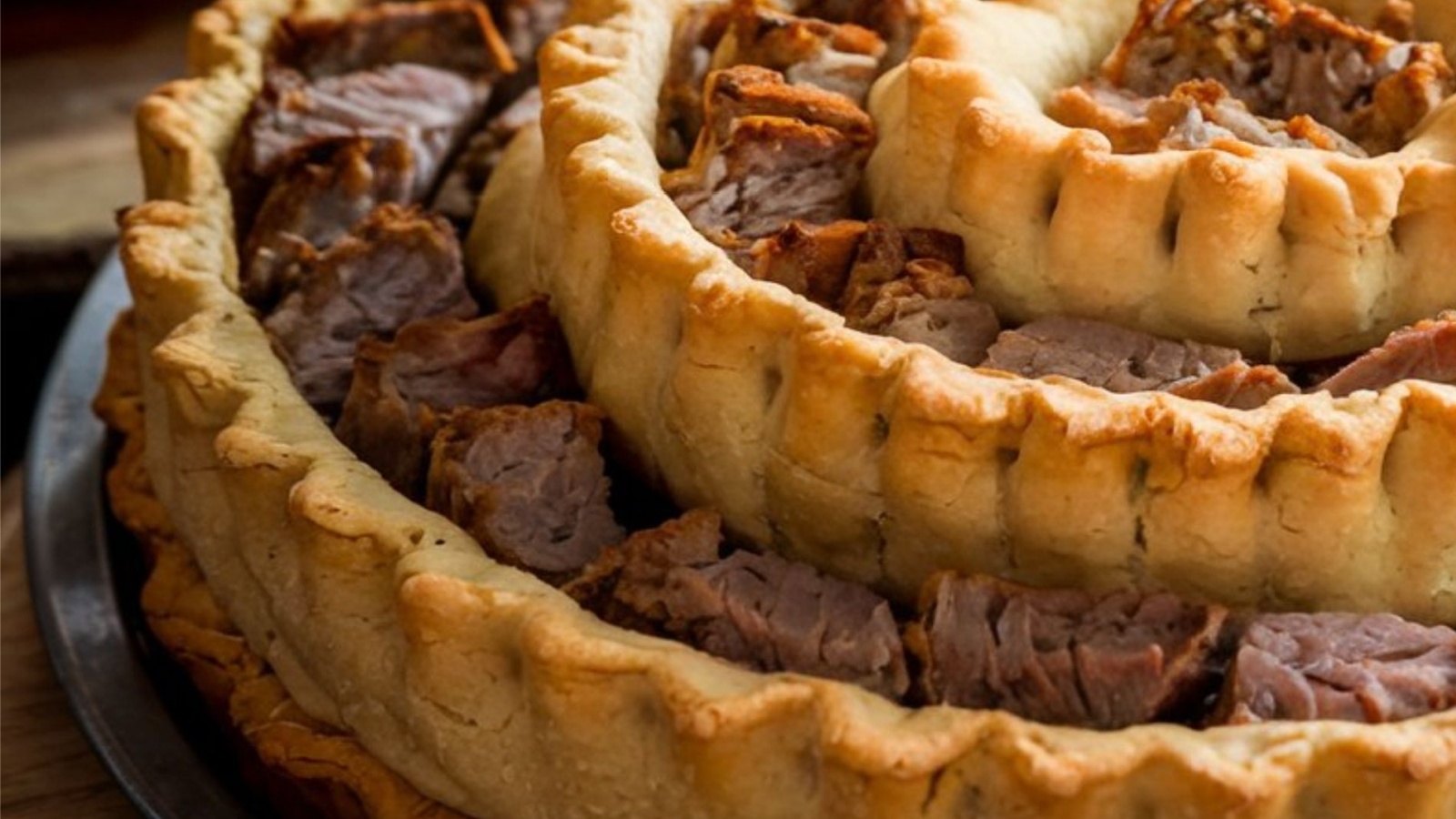
Slice size sends quiet messages at the table. Small portions upset some guests. Large portions overwhelm others. Hosts try to balance fairness and waste carefully. Guests notice immediately. Someone jokes about generosity. Someone else worries about leftovers. Seconds become a statement rather than a request. Plates reveal preferences without conversation. Nobody comments directly. The tension fades when dessert arrives. Still, portion memories last longer than the pie itself, lingering into next year’s planning discussions.
Alcohol Makes Opinions Louder Than Intended

Holiday drinks loosen restraint quickly. Opinions become bolder after a glass or two. Someone finally says what they were thinking earlier. Laughter follows, then gentle defense. The tone stays light but pointed. Nobody forgets what was said. The pie tastes exactly the same. The debate simply grows louder. By dessert, everyone has shared an opinion freely. Alcohol does not create disagreement. It removes the filter that usually keeps those thoughts unspoken during dinner.
Social Media Raises Expectations Too High

Online recipes shape opinions before cooking even begins. People arrive confident after watching videos and posts. Viral versions promise perfect results. Reality rarely matches those expectations. Disappointment hits harder because of that contrast. Someone mentions a popular recipe confidently. Someone else dismisses it immediately. Screenshots become proof during discussion. Online certainty meets real taste buds. The result feels mixed and confusing. Social media feeds the debate long before December arrives, setting standards no kitchen can fully meet.
No Version Ever Fully Wins
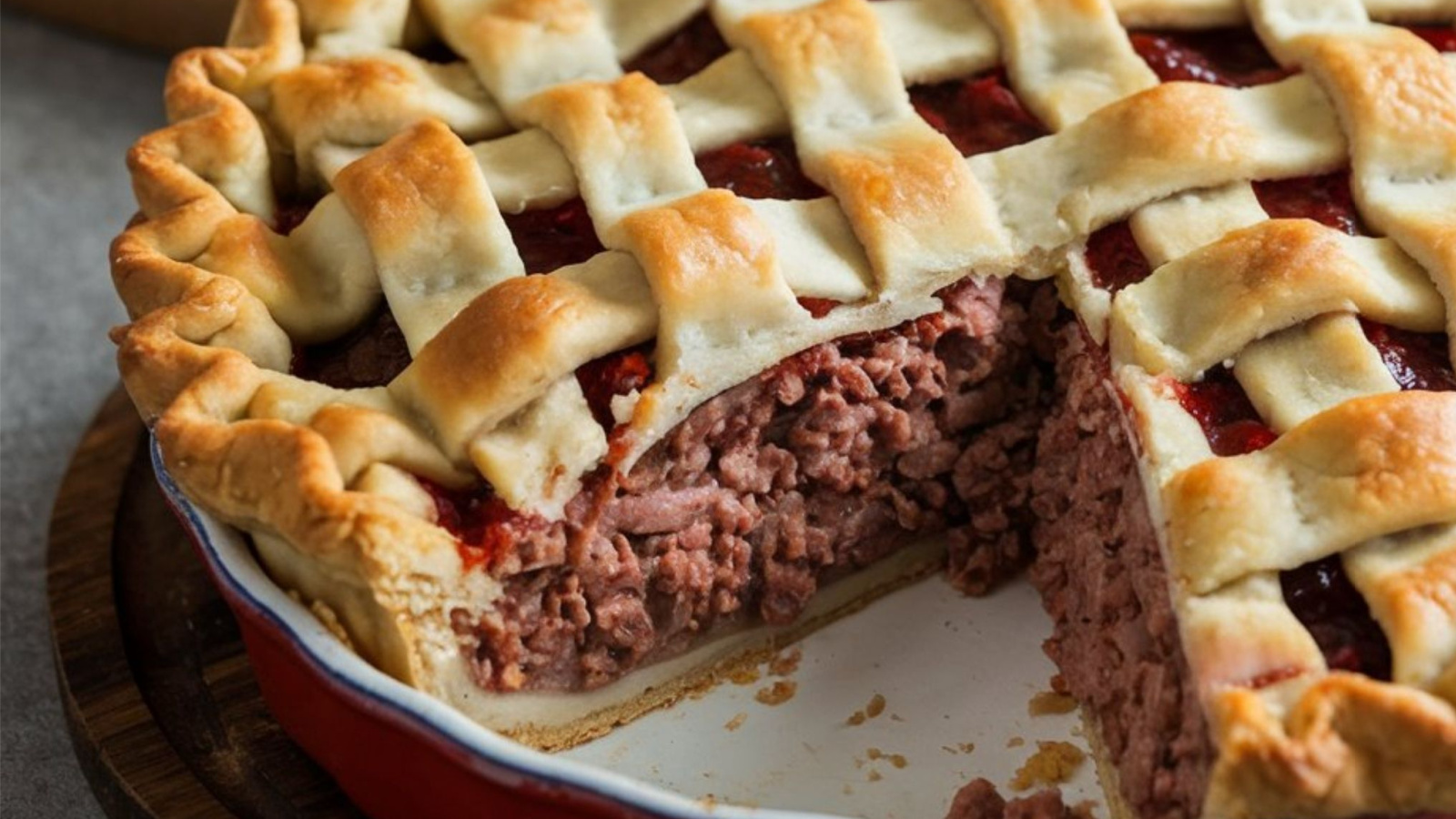
The debate continues because no version satisfies everyone. Every pie pleases some diners and disappoints others. That balance keeps arguments alive. If one version worked universally, the discussion would end. It never does. Families accept this quietly. They argue, eat, and repeat the tradition anyway. The disagreement becomes part of the holiday itself. Tourtière divides and connects families at the same time. Every December, the same debate returns, just as reliably as the pie.
22 Groceries to Grab Now—Before another Price Shock Hits Canada

Food prices in Canada have been steadily climbing, and another spike could make your grocery bill feel like a mortgage payment. According to Statistics Canada, food inflation remains about 3.7% higher than last year, with essentials like bread, dairy, and fresh produce leading the surge. Some items are expected to rise even further due to transportation costs, droughts, and import tariffs. Here are 22 groceries to grab now before another price shock hits Canada.
22 Groceries to Grab Now—Before another Price Shock Hits Canada
This Options Discord Chat is The Real Deal
While the internet is scoured with trading chat rooms, many of which even charge upwards of thousands of dollars to join, this smaller options trading discord chatroom is the real deal and actually providing valuable trade setups, education, and community without the noise and spam of the larger more expensive rooms. With a incredibly low-cost monthly fee, Options Trading Club (click here to see their reviews) requires an application to join ensuring that every member is dedicated and serious about taking their trading to the next level. If you are looking for a change in your trading strategies, then click here to apply for a membership.