
35,000+ smart investors are already getting financial news, market signals, and macro shifts in the economy that could impact their money next with our FREE weekly newsletter. Get ahead of what the crowd finds out too late. Click Here to Subscribe for FREE.
Canadian winters punish plumbing mistakes without warning. One cold night can turn a calm home into a cleanup scene. Frozen pipes rarely announce trouble early. Water pressure drops, then silence follows. By morning, walls leak and floors flood. Many homeowners think this happens only during extreme cold. That assumption causes most damage. Every day, winter temperatures can freeze poorly protected pipes. Here are 24 frozen pipes nightmares: How to protect your Canadian home this month.
The Overnight Temperature Drop Disaster
24 Frozen Pipes Nightmares: How to Protect Your Canadian Home This Month
- The Overnight Temperature Drop Disaster
- The Unheated Basement Pipe Burst
- The Garage Wall Surprise
- The Cottage Left Unchecked
- The Kitchen Sink Cold Spot
- The Bathroom Pipe Freeze
- The Outdoor Hose Connection Burst
- The Power Outage Nightmare
- The Poorly Insulated Crawl Space
- The Closed Interior Door Mistake
- The Thermostat Dip Problem
- The Frozen Main Water Line
- The Older Home Plumbing Trap
- The Improper Pipe Insulation Issue
- The Vacation Away Disaster
- The Dripping Faucet Myth
- The Laundry Room Freeze
- The Hidden Wall Pipe Crack
- The Poor Weather Sealing Problem
- The Improper Heat Tape Use
- The Snow Pile Against Foundation
- The New Build False Confidence
- The Ignored Warning Signs
- The Delayed Thawing Mistake
- 22 Groceries to Grab Now—Before another Price Shock Hits Canada
An overnight temperature drop catches many homeowners off guard. Clear skies allow heat to escape quickly. Pipes near exterior walls cool first. Water inside begins to freeze slowly. Pressure builds as ice expands. Cracks form silently while everyone sleeps. Morning showers bring no water. Hours later, leaks appear inside the walls. Flooding spreads across floors without warning. Keep indoor temperatures steady overnight. Avoid large thermostat drops. Open sink cabinets near cold walls. Let warm air reach pipes. These small steps help prevent overnight freezing damage.
The Unheated Basement Pipe Burst

Basements often feel protected but cool rapidly during cold snaps. Unfinished basements lack proper heat circulation. Exposed pipes freeze easily in these spaces. Concrete does not hold warmth as expected. Ice forms inside pipes near exterior walls. Joints split first under pressure. When thawing starts, water escapes fast. Damage spreads across floors and stored items. Insulate exposed basement pipes properly. Keep vents open for airflow. Use safe heaters during extreme cold. Monitor basement temperatures regularly throughout winter.
The Garage Wall Surprise

Garage plumbing faces serious cold exposure every winter. Garages rarely stay warm enough overnight. Pipes run along exterior walls without insulation. Cold air enters through door gaps easily. Frozen sections stop water flow inside the home. Thawing causes sudden leaks behind walls. Many homeowners forget that garage plumbing exists. Insulate all garage pipes properly. Seal air leaks around doors and walls. Keep garage doors closed during cold spells. Consider adding insulation between the garage and house.
The Cottage Left Unchecked

Seasonal homes face the highest frozen pipe risk. Cottages sit empty during the winter months. Heating systems fail without immediate notice. Power outages worsen the situation quickly. Standing water freezes solid inside pipes. Long cracks form along pipe lengths. Damage remains hidden until spring visits. Shut off the main water supply before leaving. Drain all plumbing lines fully. Use plumbing antifreeze where needed. Arrange winter inspections, if possible, to catch problems early.
The Kitchen Sink Cold Spot

Kitchen sinks often back onto exterior walls. Cold air settles behind cabinets unnoticed. Pipes freeze during long, cold nights. Turning the tap produces nothing by morning. Thawing later reveals leaks inside the walls. Cabinet removal becomes necessary for repairs. Open cabinet doors during cold spells. Allow warm air to circulate freely. Run taps lightly overnight during severe cold. Add insulation behind sinks if possible. Prevention here avoids expensive wall repairs later.
The Bathroom Pipe Freeze

Bathroom pipes freeze faster due to narrow lines. Guest bathrooms increase risk because they go unused. Cold air settles behind fixtures quietly. Frozen pipes crack near toilets or sinks. Water damages floors and ceilings below. Mold develops quickly after leaks start. Keep bathroom doors open during cold nights. Run taps briefly before bed. Insulate pipes behind fixtures. Maintain even heat across all rooms throughout winter.
The Outdoor Hose Connection Burst
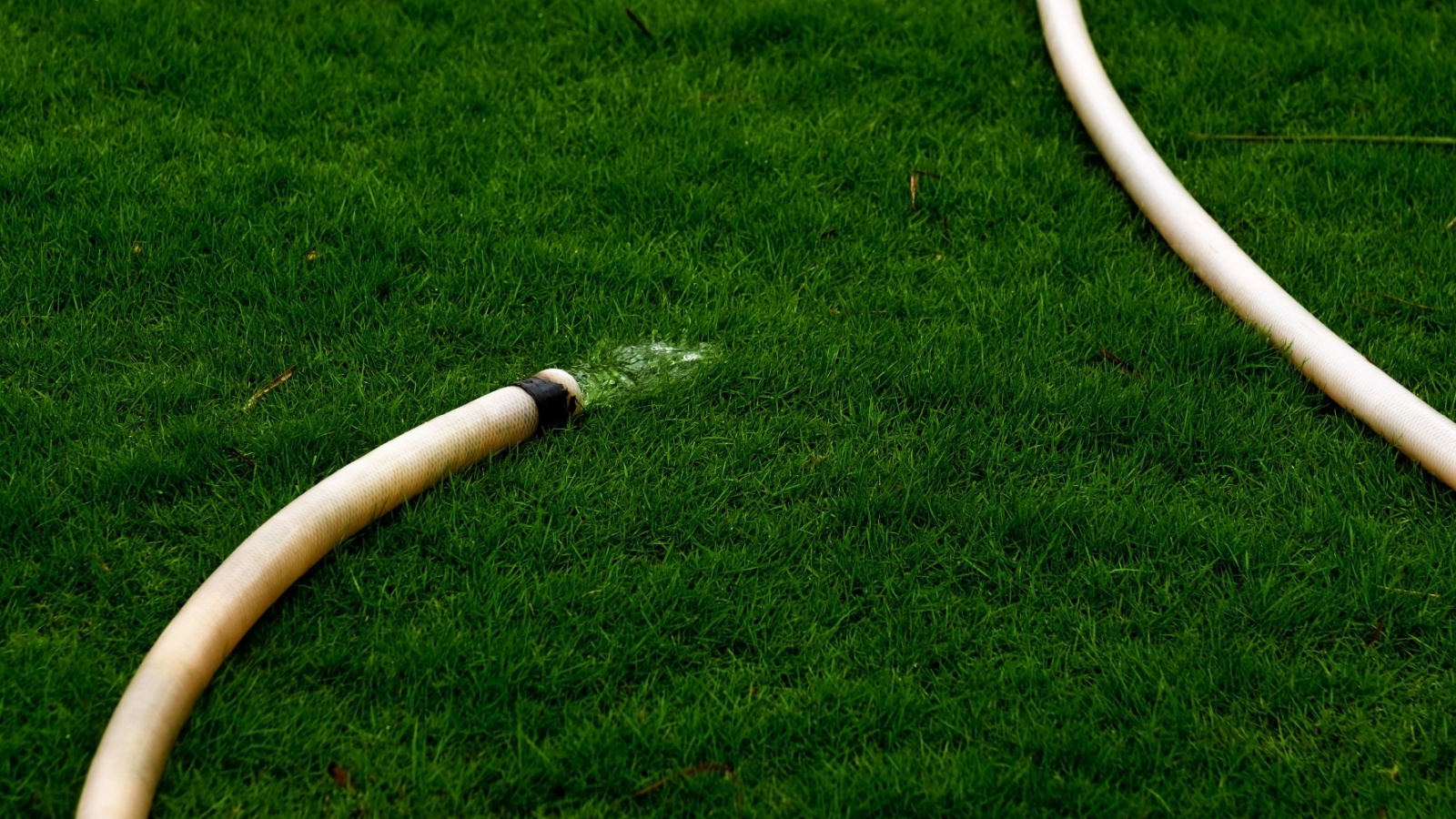
Outdoor hose connections freeze faster than almost any other pipe. Water stays trapped after fall use. Ice expands inside the line during cold nights. The pipe cracks behind the wall, not outside. Homeowners often miss the damage until spring. When water turns back on, flooding begins indoors. Basements and crawl spaces take the hit. Always disconnect hoses before freezing temperatures arrive. Shut off the interior supply valve if available. Drain the line fully. Use insulated faucet covers for extra protection. One forgotten hose can cause thousands in repairs.
The Power Outage Nightmare
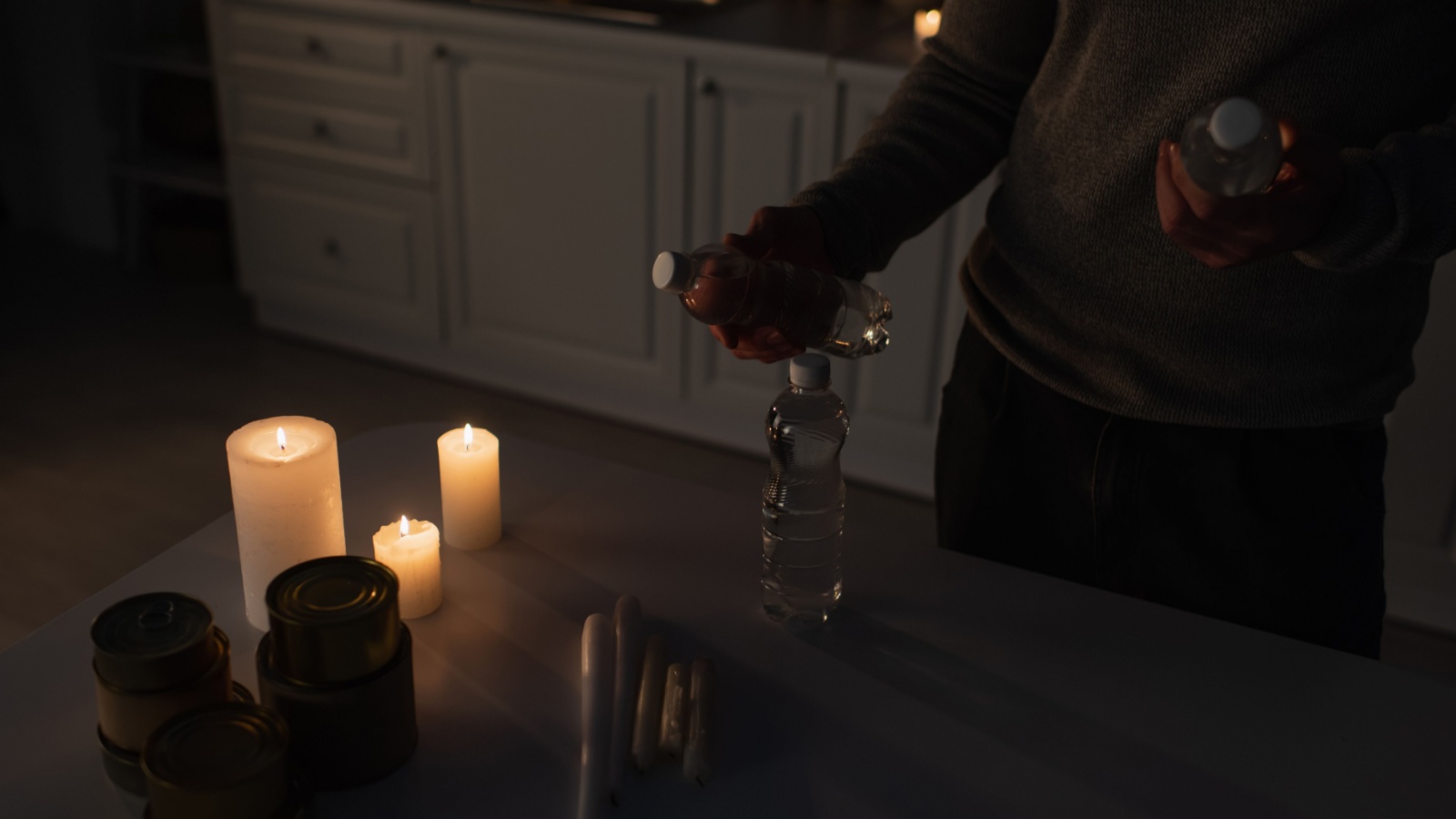
Power outages remove heat instantly from a home. Indoor temperatures fall quickly during winter storms. Pipes can freeze within a few hours. Nighttime outages are especially dangerous. Homeowners often sleep through the risk. When power returns, cracked pipes release water everywhere. Damage spreads fast across floors and walls. Keep flashlights and backup heat sources ready. Monitor indoor temperatures with battery-powered devices. Shut off the main water valve during long outages. Drain pipes if the heat cannot return soon. Planning ahead limits chaos when electricity fails.
The Poorly Insulated Crawl Space
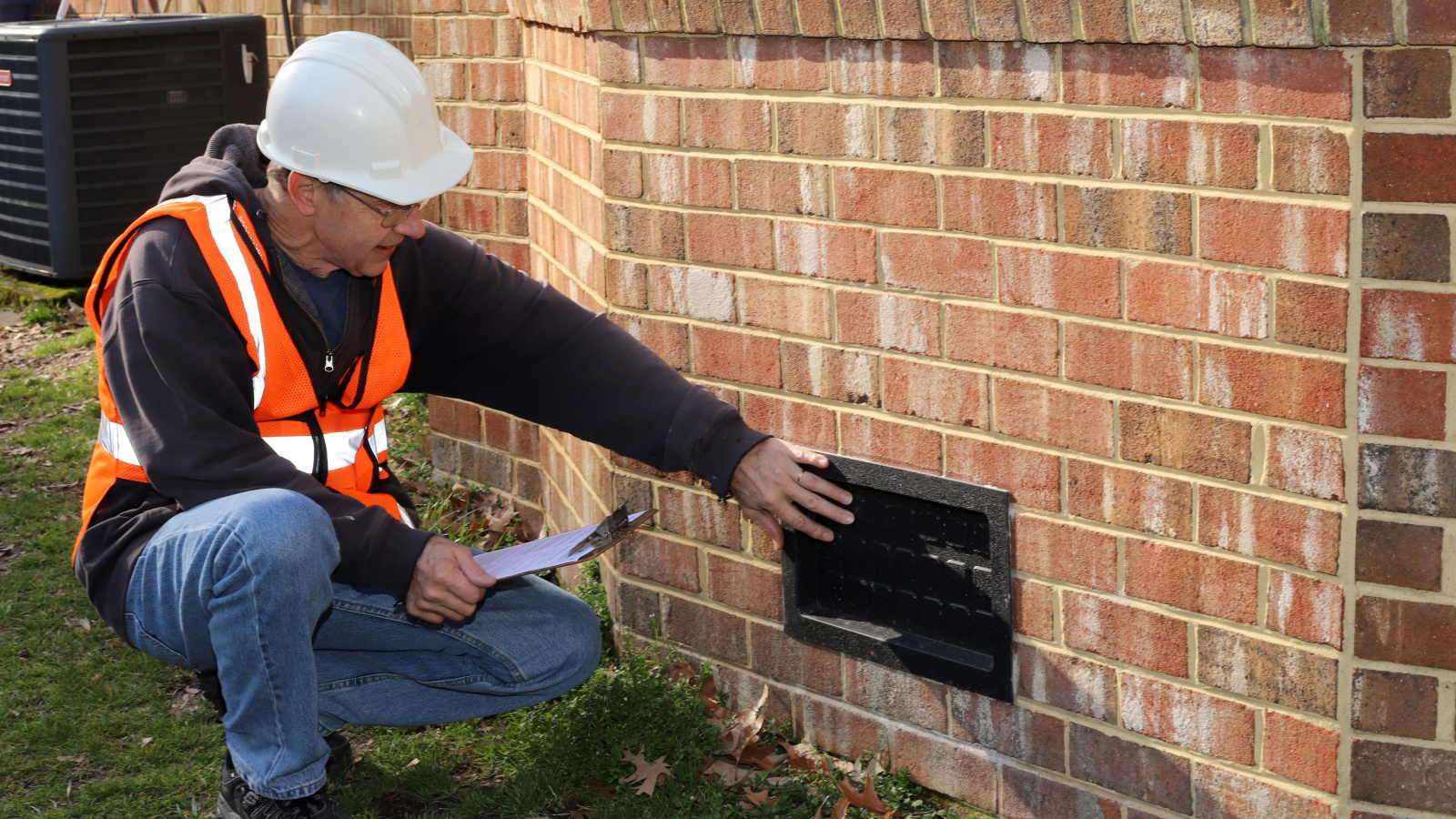
Crawl spaces trap cold air beneath the home. Pipes running through them stay exposed. Insulation gaps allow freezing temperatures inside. Ice forms quickly during cold snaps. Pipes burst underneath floors without warning. Repairs are costly and difficult to access. Insulate crawl space walls properly. Wrap pipes with thick insulation sleeves. Seal vents during winter when appropriate. Use heating tape if necessary. Regular inspections matter more than most homeowners expect. Crawl spaces are silent trouble zones during Canadian winters.
The Closed Interior Door Mistake
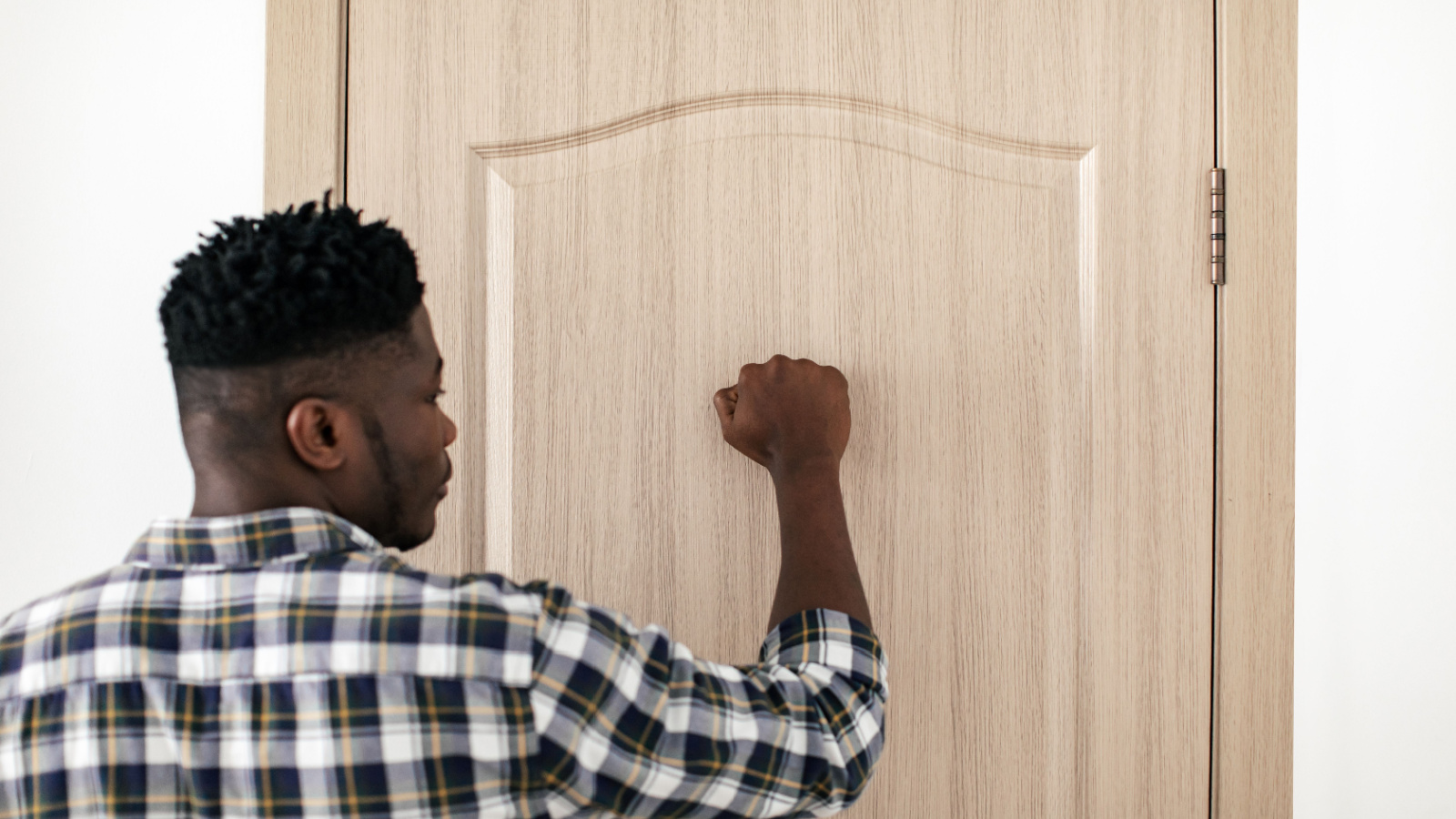
Closing interior doors blocks heat circulation. Cold pockets develop behind walls and fixtures. Pipes hidden in those spaces freeze first. Guest rooms and spare bathrooms often suffer damage. Homeowners rarely connect doors to plumbing problems. Leave doors open during extreme cold. Allow warm air to move freely. Balance airflow throughout the house. Even small temperature differences matter. Keeping doors open costs nothing and prevents freezing. Air movement protects pipes better than many expensive upgrades.
The Thermostat Dip Problem
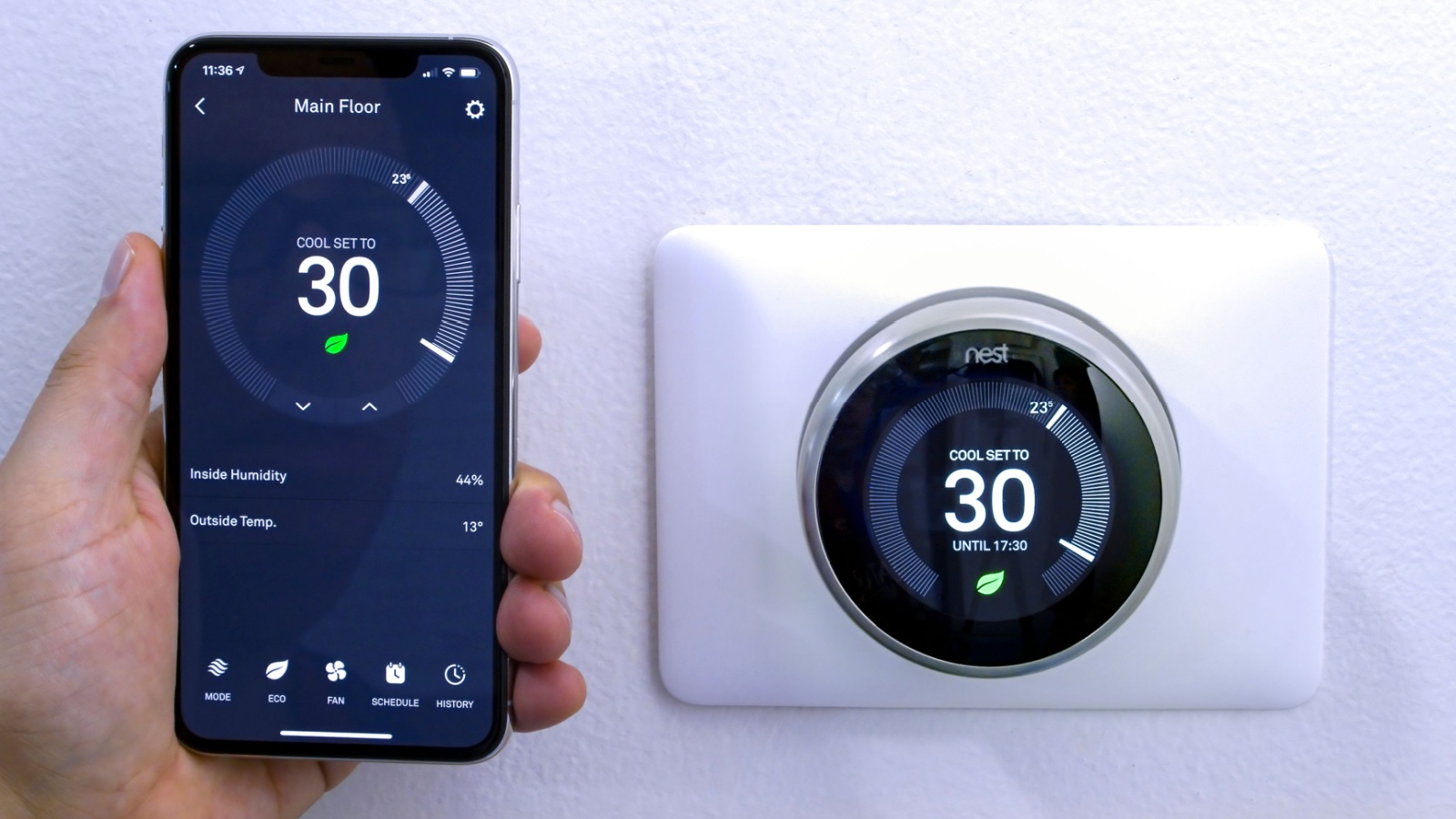
Lowering the thermostat too much invites freezing trouble. Pipes cool rapidly during overnight setbacks. Savings remain small compared to repair costs. Pipes near exterior walls feel the drop first. Ice forms slowly, and cracks develop quietly. Maintain a steady temperature during winter. Avoid sharp drops overnight. Focus on insulation instead of aggressive temperature changes. Consistent heat protects plumbing better. Stable indoor temperatures reduce stress on pipes and joints. Comfort and safety matter more than small energy savings.
The Frozen Main Water Line
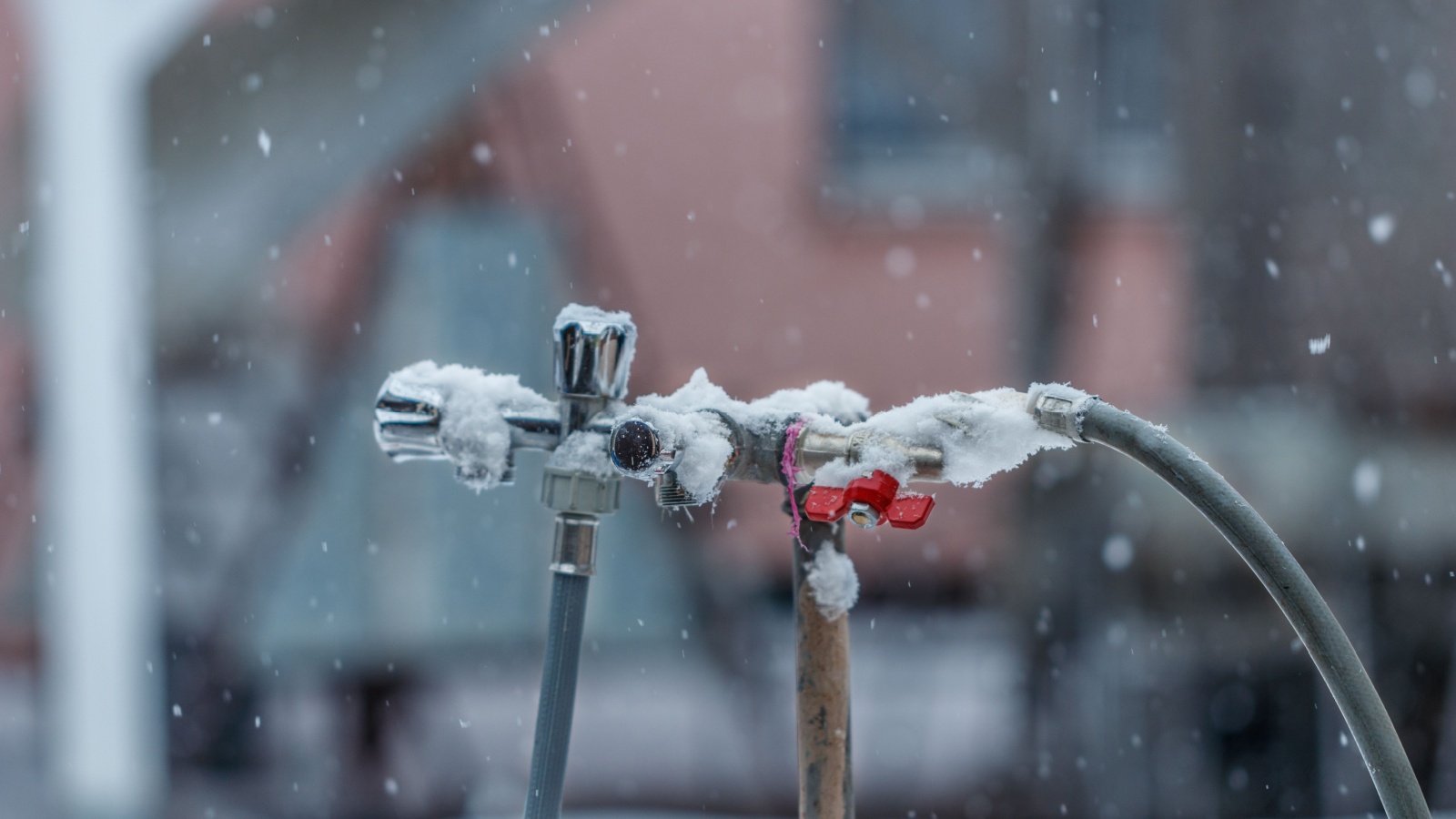
A frozen main water line shuts down the entire house. Water stops flowing without warning. The freeze usually happens near the foundation. Shallow burial increases exposure to cold air. Cracks around entry points let freezing temperatures reach pipes. Ice expands and stresses the line internally. Thawing later can cause leaks inside walls or underground. Homeowners often notice low pressure first. Insulate foundation walls properly. Seal pipe entry gaps carefully. Let indoor faucets drip during severe cold. If freezing repeats, professional inspection may be necessary to prevent recurring winter damage.
The Older Home Plumbing Trap
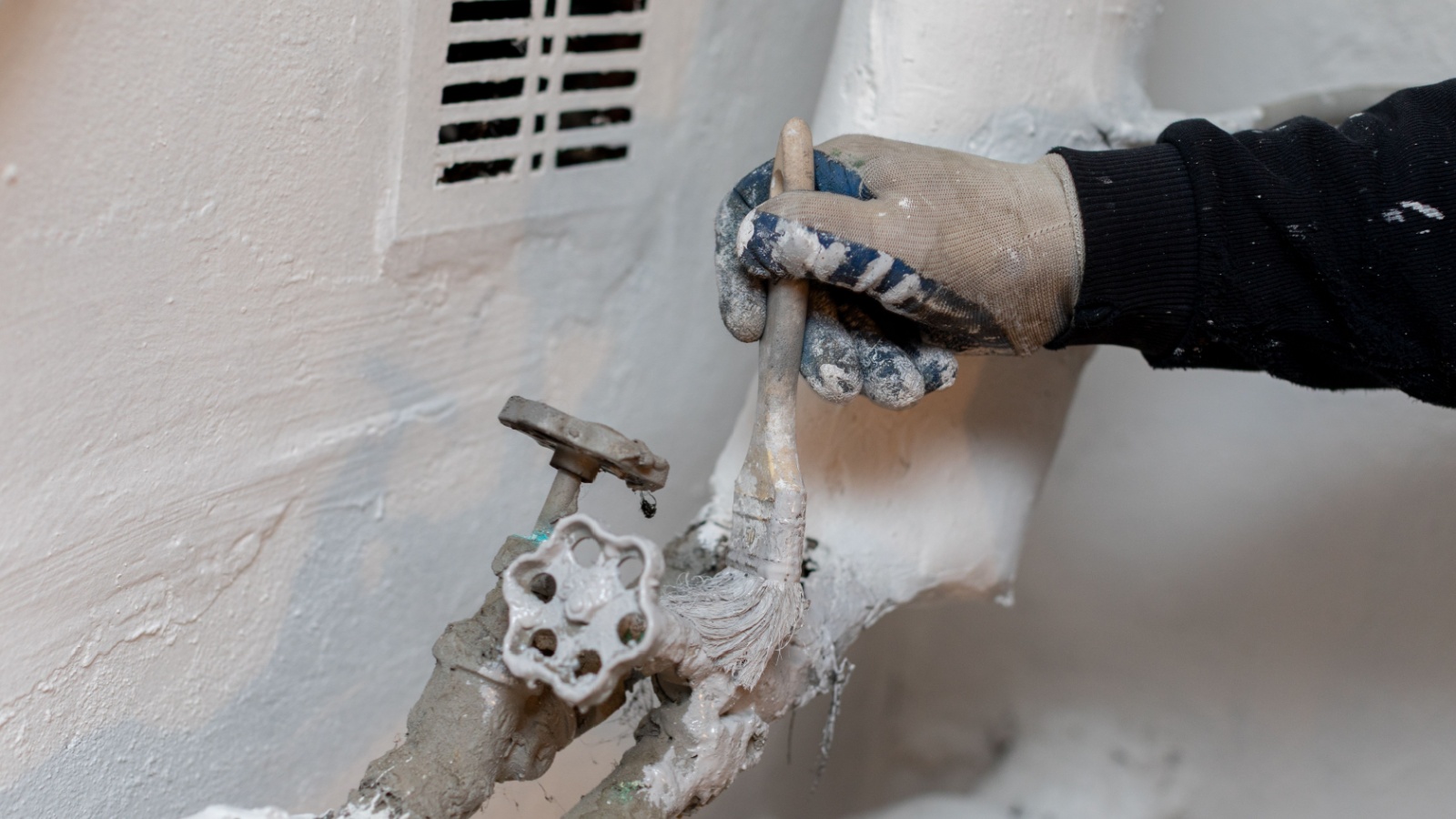
Older homes face a higher freezing risk each winter. Plumbing often runs close to exterior walls. Insulation standards were lower when many homes were built. Pipe materials weaken over decades of use. Cold causes faster cracking at joints. Small freezes lead to larger leaks later. Many homeowners assume older systems are tougher. That belief causes damage. Inspect plumbing before winter begins. Add insulation near exposed walls. Replace aging pipe sections early. Extra preparation helps older homes survive harsh Canadian winter conditions safely.
The Improper Pipe Insulation Issue
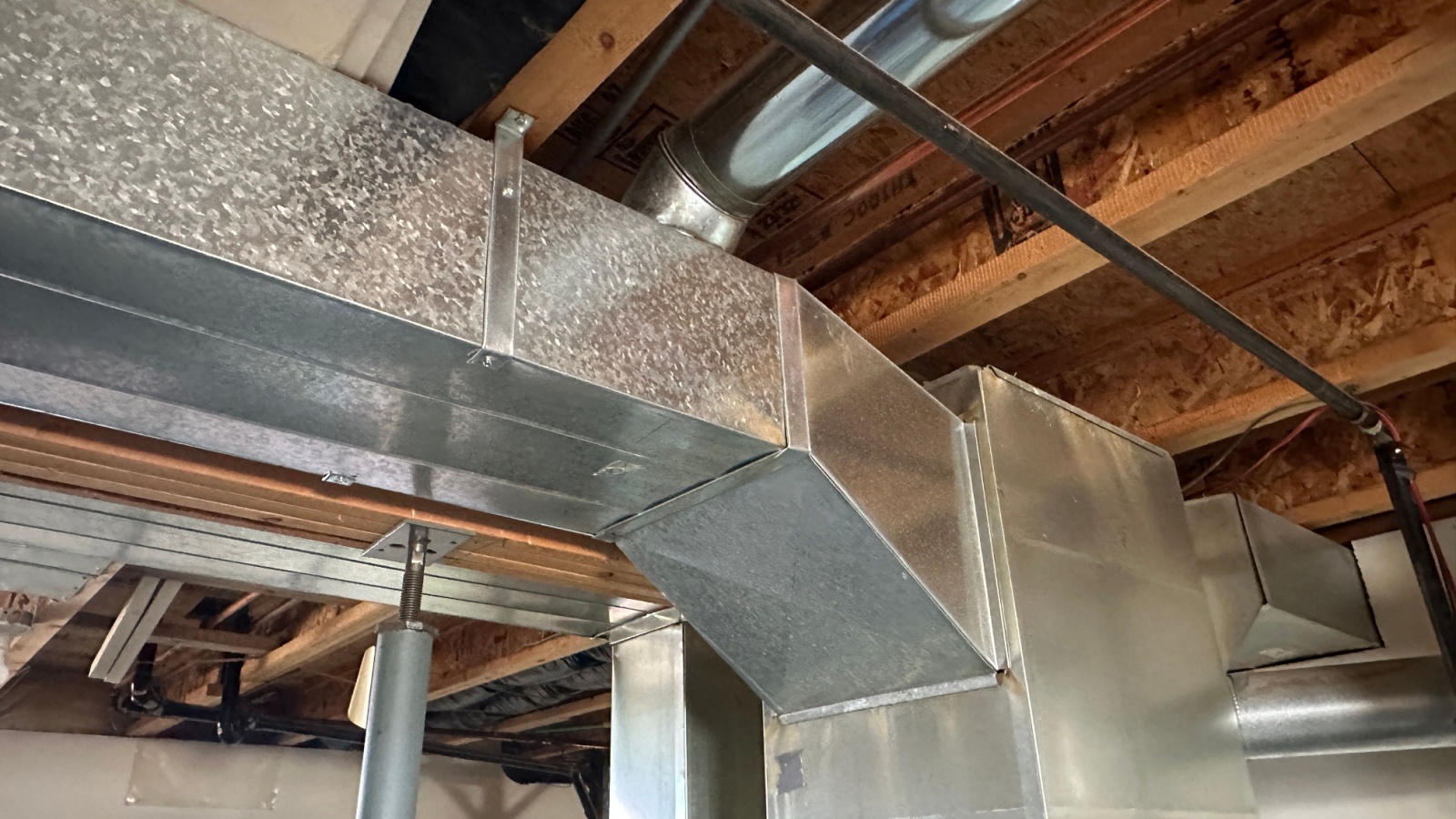
Pipe insulation fails when installed incorrectly. Thin foam sleeves provide limited protection. Gaps expose pipes to cold air. Corners and valves freeze first. Many homeowners stop after partial coverage. Ice still forms inside exposed sections. Use thick winter-rated insulation sleeves. Seal joints and bends tightly. Cover valves completely. Inspect insulation every fall. Replace cracked or loose pieces promptly. Proper insulation blocks airflow, not just cold. Coverage quality matters more than appearance when temperatures drop for extended winter periods.
The Vacation Away Disaster

Winter travel leaves homes unprotected for long periods. Heating systems can fail without warning. Pipes freeze while nobody notices. Water damage continues for days. Returning homeowners face soaked floors and ruined walls. Arrange regular house checks during trips. Set thermostats above safe minimum levels. Shut off the main water valve before leaving. Drain pipes when possible. Winter vacations require plumbing preparation. Absence during freezing weather increases damage risk faster than most homeowners expect.
The Dripping Faucet Myth

Dripping faucets help, but do not guarantee protection. Low water flow still freezes during deep cold. Pipes behind walls remain exposed. Many homeowners rely on dripping alone. Ice forms upstream despite movement. Dripping works best as support. Combine it with insulation and airflow. Maintain steady indoor heat. Use dripping only during extreme cold. Single solutions rarely work alone. Layered prevention lowers freezing risk much more effectively during long winter cold spells.
The Laundry Room Freeze
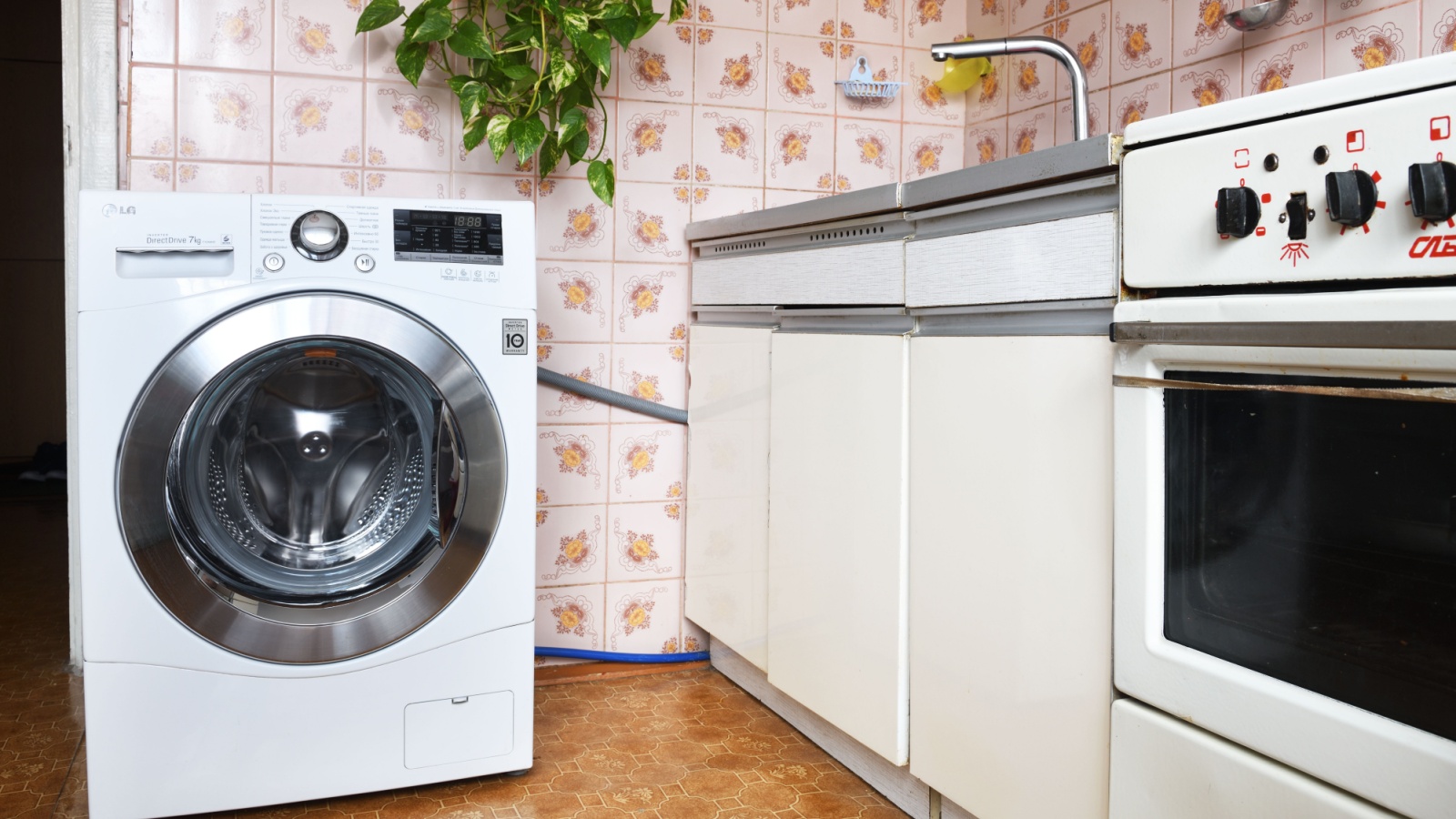
Laundry rooms often sit in colder areas of the home. Pipes hide behind washing machines. Exterior walls increase exposure to cold. Frozen lines burst without visible signs. Water spreads beneath the flooring quickly. Nearby rooms suffer damage soon after. Keep laundry rooms warm during winter. Insulate pipes behind appliances. Leave doors open during cold spells. Run machines occasionally to move water. Laundry areas need winter checks like kitchens and bathrooms to prevent costly surprises.
The Hidden Wall Pipe Crack
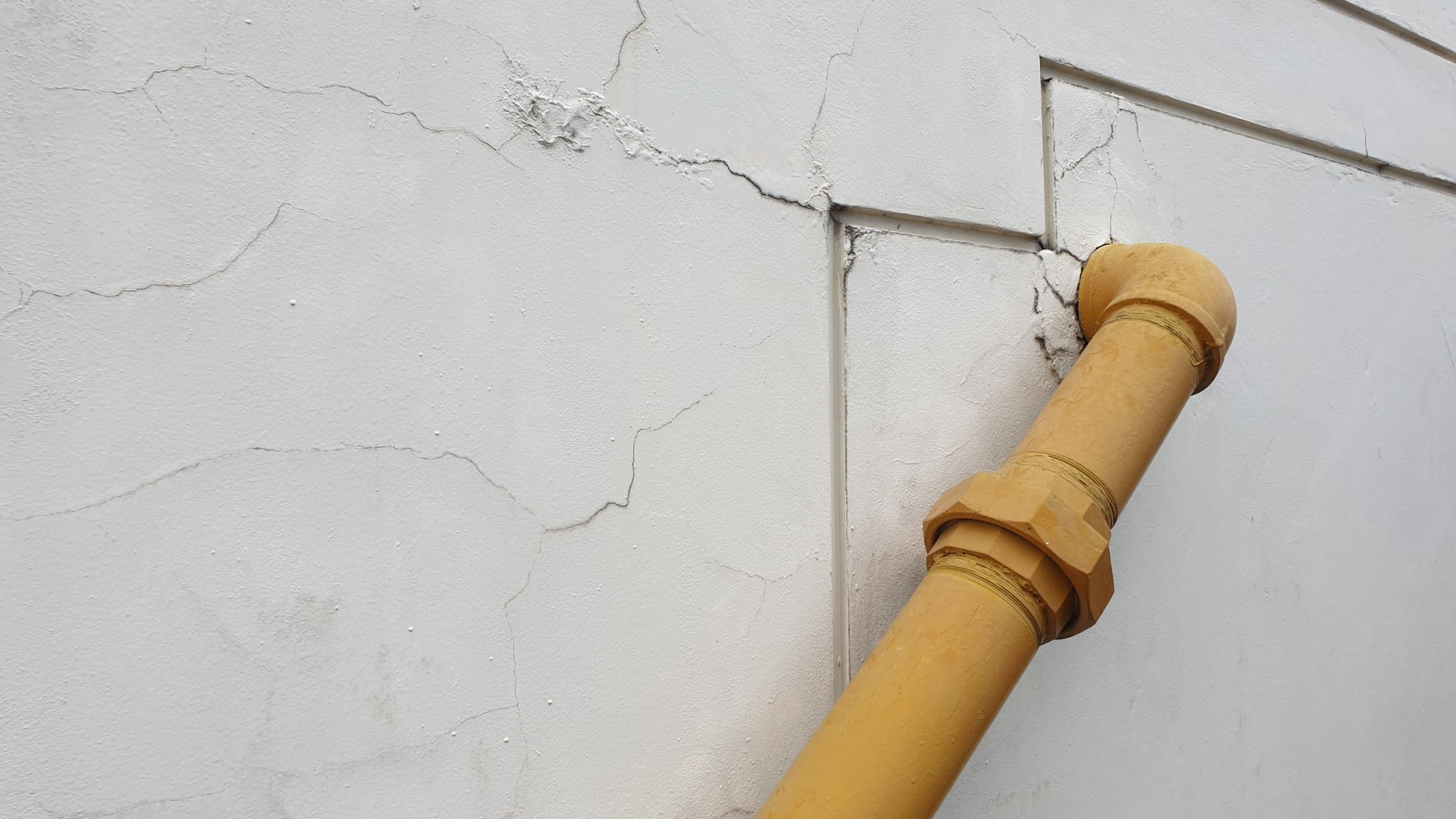
Wall pipes freeze silently overnight. Cracks form without visible signs. Leaks appear days later. Moisture spreads behind drywall unnoticed. Mold develops quickly in dark spaces. Homeowners notice stains too late. Use temperature monitors in vulnerable areas. Watch for pressure changes. Listen for unusual pipe sounds. Investigate problems immediately. Early response limits repair costs. Hidden pipe damage often becomes expensive because it stays unseen during the most damaging early stages.
The Poor Weather Sealing Problem

Drafts pull cold air into walls all winter. Pipes cool faster near gaps. Windows and doors worsen exposure. Small cracks allow constant cold flow. Pipes freeze even with insulation present. Seal gaps using weather stripping. Caulk around pipe entry points. Reduce airflow through exterior walls. Proper sealing protects plumbing and lowers heating bills. Draft control supports winter safety across the home. Air leaks may seem minor, but they cause serious plumbing problems over time.
The Improper Heat Tape Use
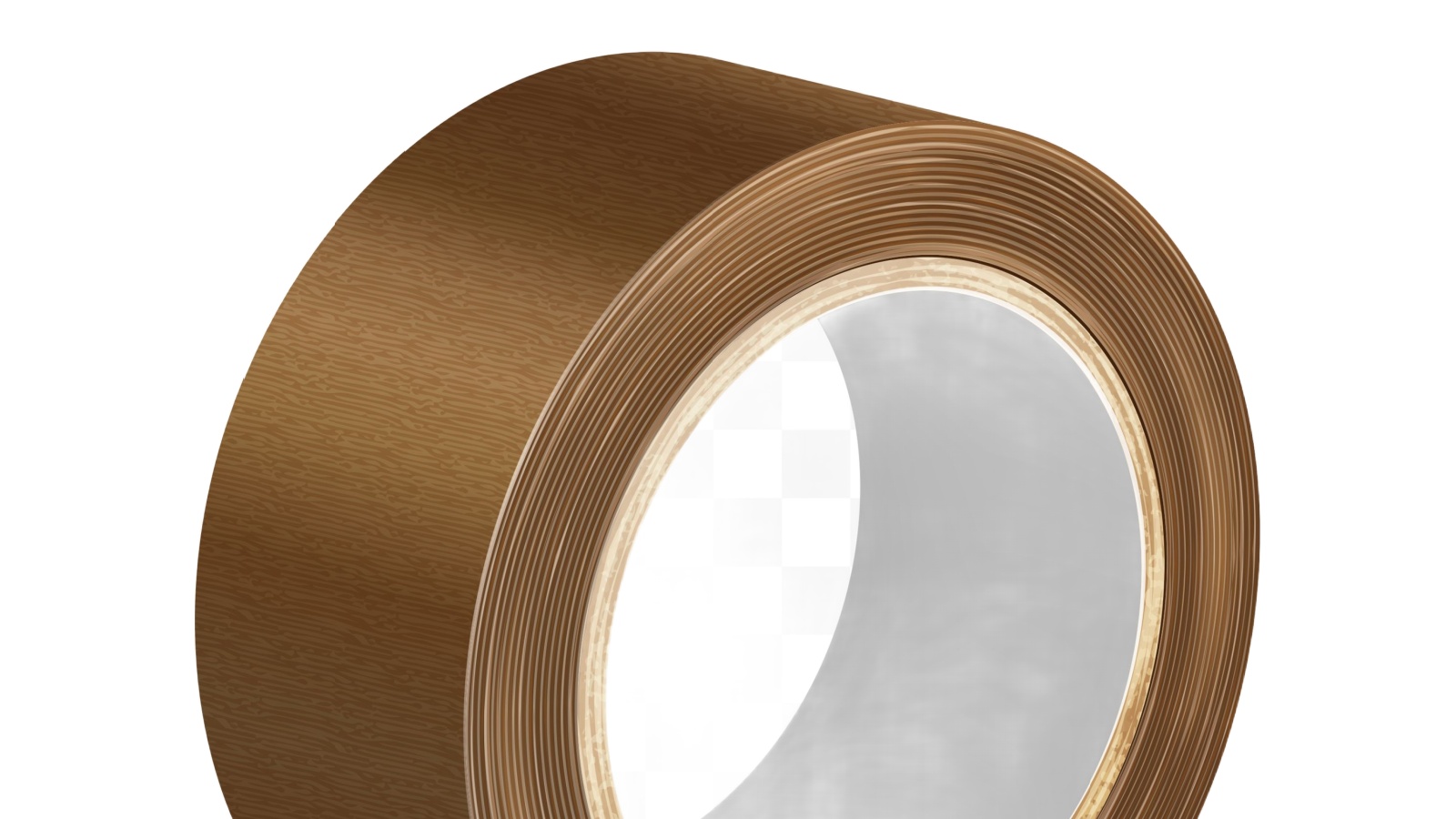
Heat tape helps only when used correctly. Poor installation causes failure. Overlapping sections increase fire risk. Cheap products stop working in deep cold. Use approved heat tape designed for plumbing. Follow instructions exactly. Never cross or bunch tape. Inspect tape every fall before winter. Replace worn sections immediately. Heat tape supports insulation but does not replace it. Safety matters as much as warmth when using electrical solutions near water pipes.
The Snow Pile Against Foundation
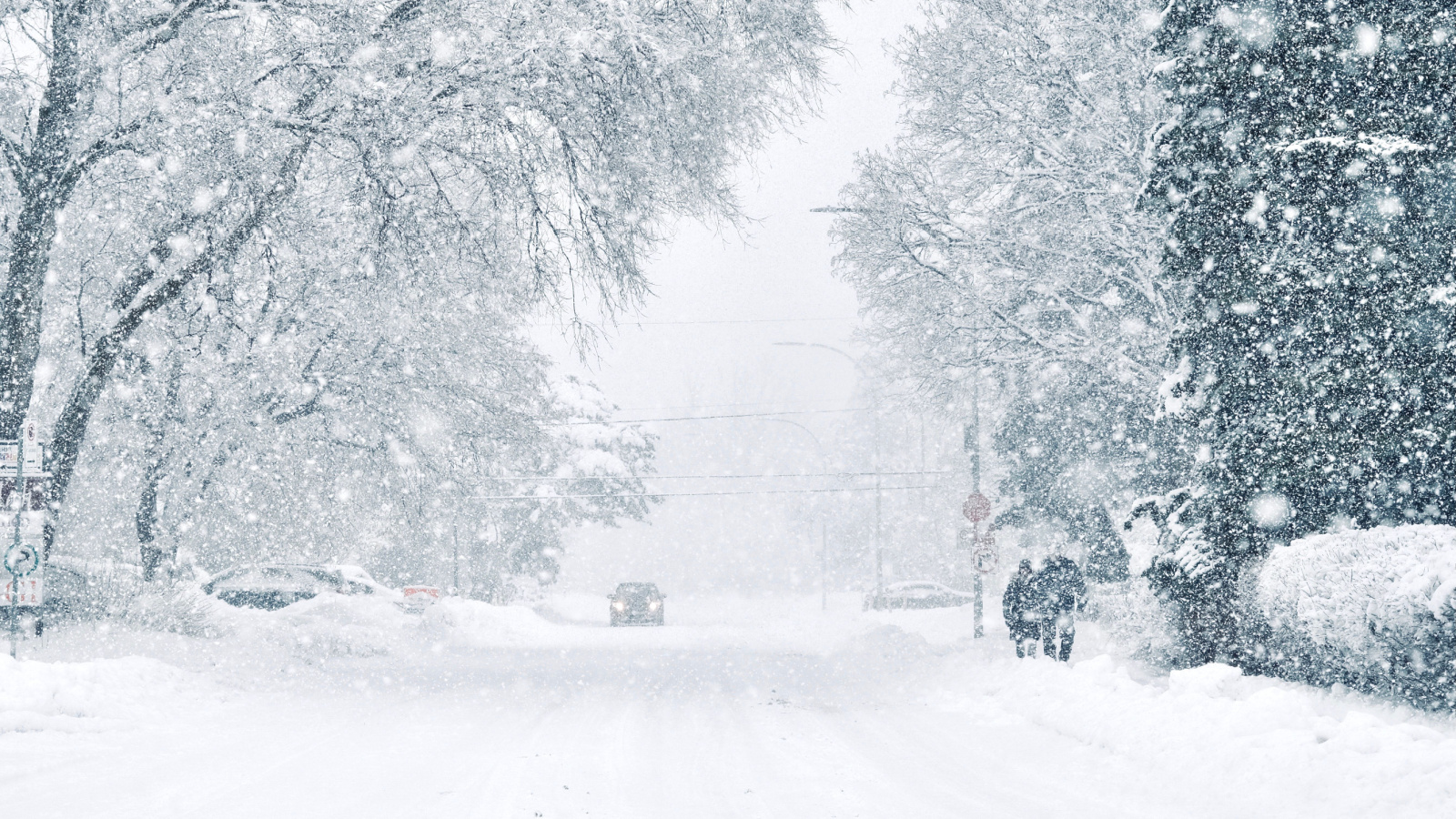
Snow piled near the foundations traps cold air. Pipes near walls freeze faster. Melted snow refreezes overnight. Moisture increases cooling effects. Many homeowners pile snow for convenience. That choice raises plumbing risk. Clear snow away from foundation edges. Maintain proper drainage paths. Keep vents and pipe areas exposed. Snow placement affects pipe temperature more than expected. Landscaping habits during winter directly influence how well your plumbing survives prolonged freezing weather.
The New Build False Confidence
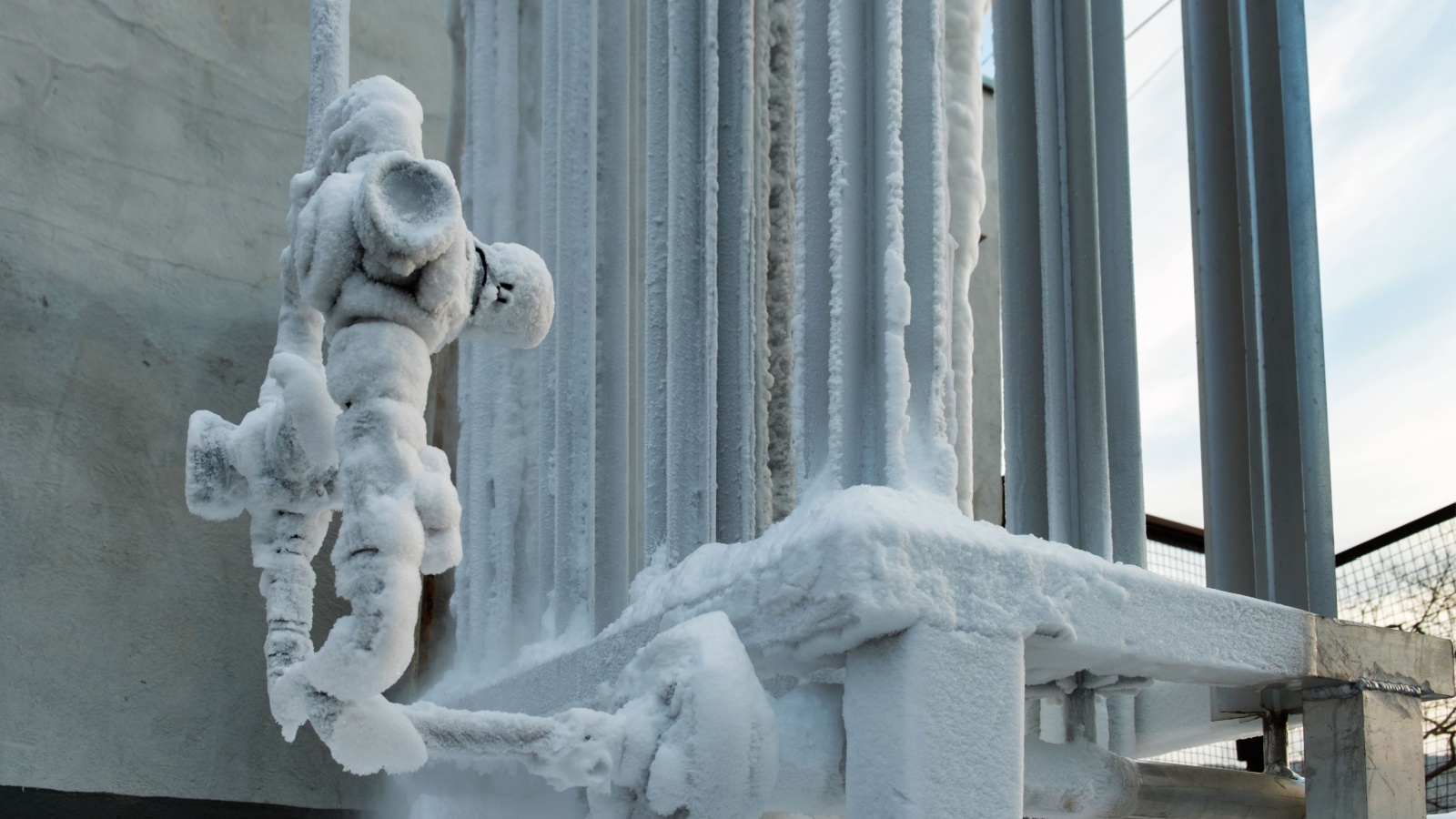
New homes are not immune to frozen pipes. Construction shortcuts leave insulation gaps. Pipes often run through exterior framing. Cold reaches them quickly. First winters expose weaknesses. Homeowners trust new systems too easily. Inspect pipe locations carefully. Add insulation where needed. Monitor indoor temperatures closely. New construction still needs winter awareness. Age does not guarantee protection. Early vigilance prevents damage that surprises owners who assume newer homes require less winter maintenance.
The Ignored Warning Signs
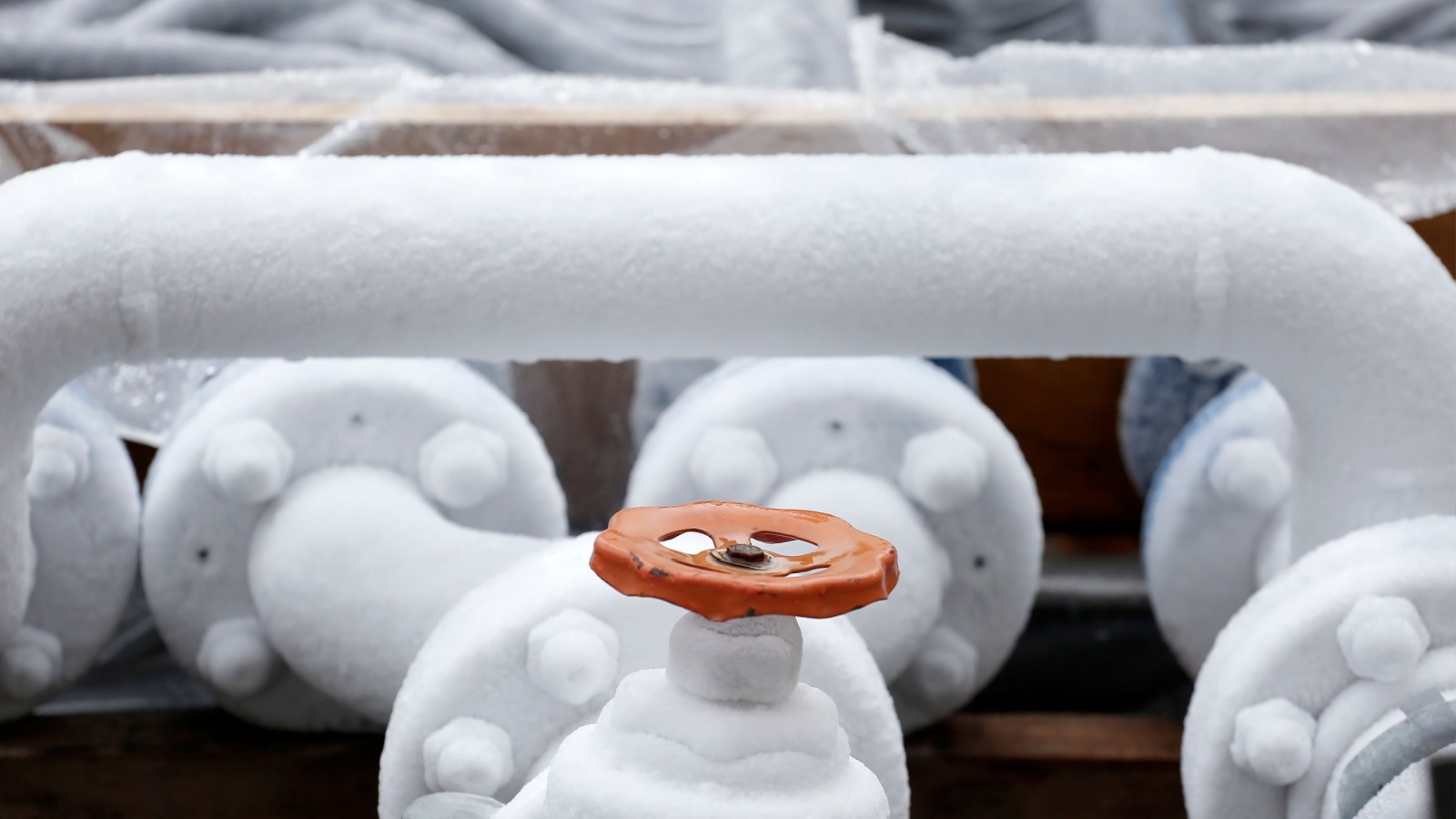
Frozen pipes usually show warning signs early. Water flow slows gradually. Frost appears on exposed sections. Pipes make unusual noises. Many homeowners ignore these signals. Delay leads to bursting. Act immediately when symptoms appear. Warm affected areas safely. Increase indoor heat temporarily. Call professionals if unsure. Quick response often prevents flooding. Ignoring early signs turns minor freezing into major water damage requiring extensive repairs and cleanup.
The Delayed Thawing Mistake
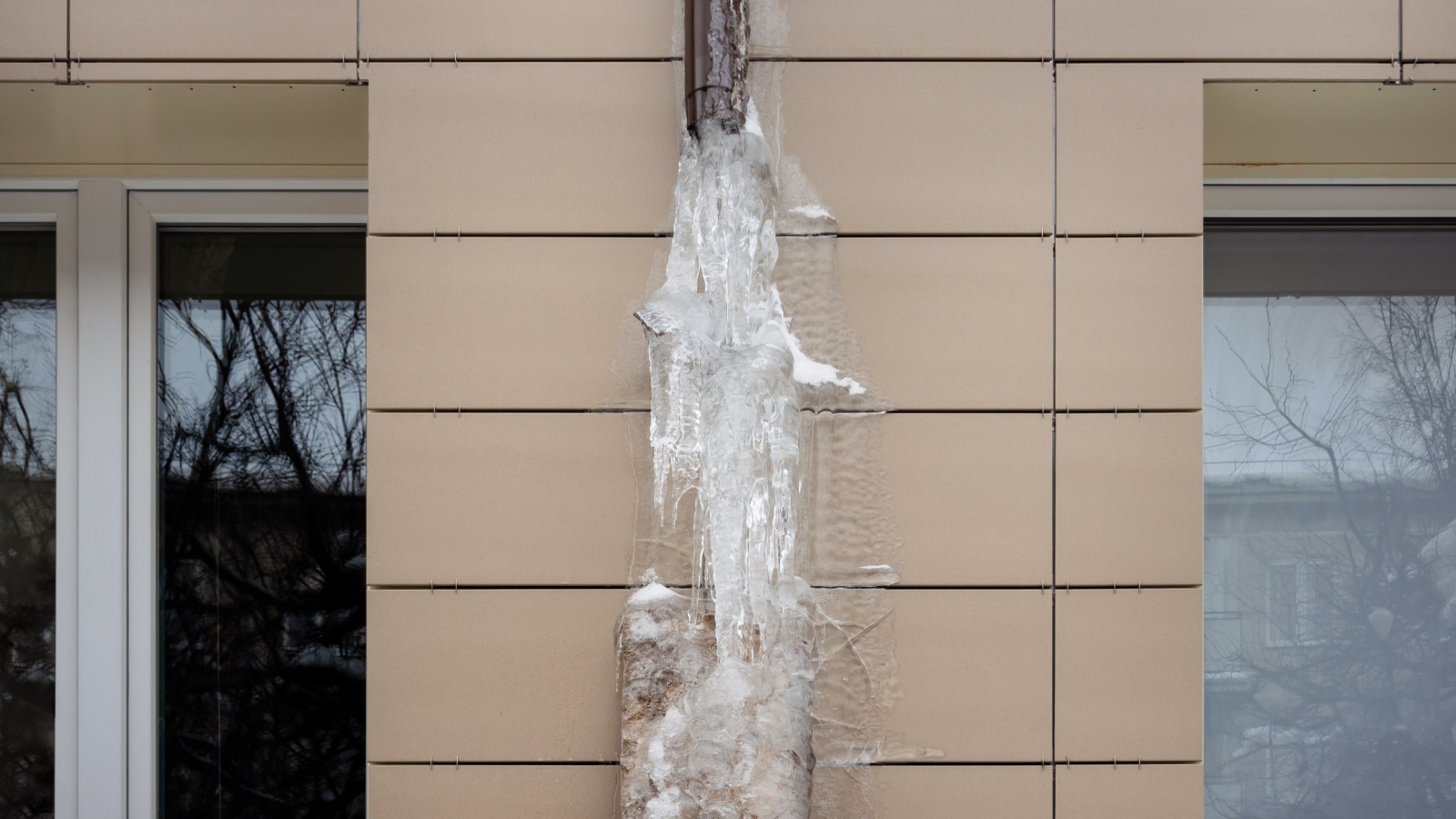
Improper thawing causes more damage than freezing. Open flames crack pipes quickly. Sudden heat weakens joints. Fire risk increases sharply. Use gentle heat sources only. Apply warm air slowly. Start thawing near faucets. Move carefully toward frozen sections. Patience prevents further breaks. Thawing safely matters as much as prevention. Rushing the process often leads to burst pipes, injuries, or structural damage that could have been avoided.
22 Groceries to Grab Now—Before another Price Shock Hits Canada
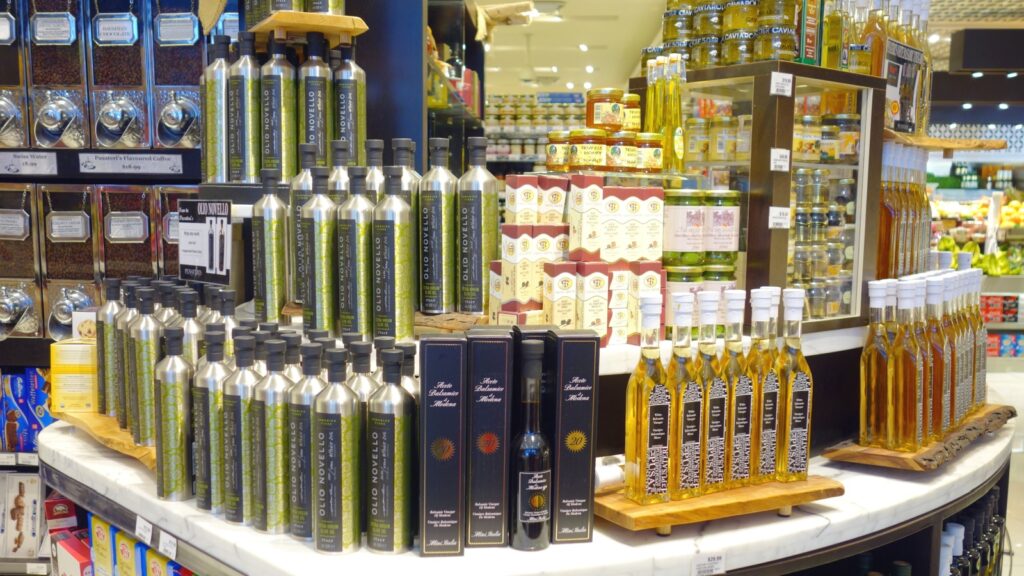
Food prices in Canada have been steadily climbing, and another spike could make your grocery bill feel like a mortgage payment. According to Statistics Canada, food inflation remains about 3.7% higher than last year, with essentials like bread, dairy, and fresh produce leading the surge. Some items are expected to rise even further due to transportation costs, droughts, and import tariffs. Here are 22 groceries to grab now before another price shock hits Canada.
22 Groceries to Grab Now—Before another Price Shock Hits Canada
This Options Discord Chat is The Real Deal
While the internet is scoured with trading chat rooms, many of which even charge upwards of thousands of dollars to join, this smaller options trading discord chatroom is the real deal and actually providing valuable trade setups, education, and community without the noise and spam of the larger more expensive rooms. With a incredibly low-cost monthly fee, Options Trading Club (click here to see their reviews) requires an application to join ensuring that every member is dedicated and serious about taking their trading to the next level. If you are looking for a change in your trading strategies, then click here to apply for a membership.