
35,000+ smart investors are already getting financial news, market signals, and macro shifts in the economy that could impact their money next with our FREE weekly newsletter. Get ahead of what the crowd finds out too late. Click Here to Subscribe for FREE.
Christmas dinner feels like the ultimate showcase of good manners in Canada. Families gather, determined to appear gracious, considerate, and conflict-free. Everyone wants to be their most polite version. Guests hold doors open, compliment questionable cooking choices, and suppress honest opinions. Conversations tiptoe around sensitive subjects. Plates are overloaded to avoid offending hosts. What seems pleasant on the surface quietly undermines holiday joy. Canadians excel at courtesy, sometimes too much. When taken too far, these habits destroy the relaxed spirit Christmas dinners deserve. Here are 17 “polite” Holiday Habits that are actually ruining your Christmas dinner.
Over-Apologizing for Everything
17 “Polite” Holiday Habits That Are Actually Ruining Your Christmas Dinner
- Over-Apologizing for Everything
- Forced Compliments About Food
- Avoiding Any Real Conversation Topics
- Overloading Your Plate
- Not Asking for Help
- Pretending Dietary Needs Are Inconvenient
- Bringing “Just to Be Safe” Gifts
- Never Saying You’re Full
- Leaving Too Early to Seem Considerate
- Refusing Seconds Even When Still Hungry
- Excessive Table Manners
- Bringing Your Own Food Quietly
- Avoiding Direct Thank-Yous
- Downplaying Compliments
- Not Addressing Tensions Openly
- Complimenting While Complaining Elsewhere
- Leaving Without Really Saying Goodbye
- 22 Groceries to Grab Now—Before another Price Shock Hits Canada
Canadians apologize instinctively, even when no offense exists. Christmas dinners magnify this constant self-blame habit. Guests apologize for sitting down too early. They apologize for refilling their drinks. They apologize for interrupting stories mid-sentence. Hosts apologize before anyone tastes the food. Constant apologies interrupt conversations repeatedly. They signal unnecessary tension to everyone present. Instead of creating ease, over-apologizing creates awkward pauses. Guests begin tiptoeing around dialogue to avoid triggering apologies.
Forced Compliments About Food

Holiday gatherings overflow with food praise regardless of truthfulness. Guests compliment undercooked turkey and bland stuffing politely. They rave over pies without tasting properly. These exaggerated compliments prevent meaningful feedback. Hosts remain unaware of dishes needing improvement. Recipes repeat unchanged year after year. Guests continue silently suffering each December. The cycle becomes self-perpetuating politeness theatre. Canadian niceness discourages helpful honesty. Hosts may believe guests truly adore questionable flavours.
Avoiding Any Real Conversation Topics

Many Canadian dinners avoid real discussions entirely. Politics vanish from conversation restrictions. Mental health topics become unacceptable subjects. Personal struggles remain hidden behind smiles. Only safe weather chatter circulates endlessly. Guests never move beyond surface exchanges. Personal growth conversations disappear completely. Everyone plays social chess to avoid offense. This avoidance blocks emotional depth naturally needed for bonding. Family members rarely connect genuinely once adulthood begins.
Overloading Your Plate
Canadians often overload plates to appear appreciative. Hosts perceive space as dissatisfaction indicators. Guests pile food they cannot realistically finish. Wasted leftovers accumulate quietly. Plates return half-full eventually. Hosts feel hurt despite generous intentions. Guests experience uncomfortable fullness or guilt. Meals are slow as diners struggle through excessive portions. Conversation pauses while chewing continues relentlessly.
Not Asking for Help

Guests avoid offering help to remain unobtrusive. Hosts shoulder overwhelming workloads quietly. Politeness becomes passive exploitation unintentionally. Kitchens become isolated stress zones. Hosts feel unnoticed and overwhelmed. Guests linger politely in living rooms. The imbalance breeds hidden resentment. Splitting responsibilities would ease tension greatly.
Pretending Dietary Needs Are Inconvenient

Guests often hide dietary restrictions to remain polite. They quietly avoid unsafe foods awkwardly. Hosts remain unaware of accommodation needs. Some guests leave hungry yet smiling. Politeness discourages advocating for personal health. Gluten intolerance gets concealed. Vegetarian preferences go unspoken. Hosts interpret untouched dishes personally. Misunderstandings then arise subtly. Guests experience silent discomfort instead of enjoyment. Conversations continue while bodies suffer quietly. Inclusivity suffers due to silence.
Bringing “Just to Be Safe” Gifts

Guests bring unnecessary gift contributions for courtesy. Hosts feel obligated to reciprocate. Gift exchanges create pressure rather than joy. Smaller gatherings become financially loaded events. Politeness escalates gift expectations silently. Joy transforms into transactional gifting rituals. Guests overspend simply to avoid awkwardness. Social tension replaces holiday calm. Respectful attendance should remain a gift enough.
Never Saying You’re Full
Guests insist they “could still eat more.” Hosts continue serving accordingly. Food overload worsens. Dessert gets forced instead of desired. Physical discomfort intensifies quickly. Guests fear seeming ungrateful if they stop. Hosts push servings to express hospitality. This politeness loop escalates unnecessarily. True enjoyment declines with overconsumption of stress. Conversations slow under the weight of discomfort. Festivity fades into lethargy. Honest communication would ease serving pressures instantly.
Leaving Too Early to Seem Considerate
Guests depart prematurely, avoiding “overstaying” concerns. Hosts interpret early exits as social rejection signals. Conversations get cut short abruptly. Residual awkwardness fills empty chairs. Moments of bonding get truncated prematurely. Politeness misaligns perceptual intentions completely. Guests leave feeling anxious, not relieved. Hosts feel slighted unintentionally. Mutual misunderstanding occurs repeatedly annually. Genuine connection requires unhurried presence. Anxiety-driven departures sabotage emotional closeness.
Refusing Seconds Even When Still Hungry

Guests often decline seconds to appear modest and well-mannered. Canadians believe restraint signals respect toward hosts. Unfortunately, this politeness backfires socially. Hosts assume guests disliked the food. Self-doubt replaces kitchen pride quickly. Guests quietly remain hungry but polite. Conversation energy fades as diners grow distracted by hunger. Hosts stop offering dishes, sensing disinterest. Table offerings remain untouched, though enjoyed earlier. Canadians often misunderstand appreciation signals.
Excessive Table Manners

Overly formal table etiquette drains natural dinner energy. Guests sit rigidly and speak cautiously. Conversations pause as silverware rules get observed. Children feel restricted by overly strict behavioural expectations. Laughter softens into whispered exchanges. Everyone focuses on technique over presence. Canadians adopt formal behaviours to avoid looking disrespectful. Unfortunately, spontaneity fades under rigid etiquette pressure. Guests become self-conscious instead of relaxed. Compliments replace storytelling entirely.
Bringing Your Own Food Quietly

Some guests bring substitute dishes silently without explanation. They aim to avoid inconveniencing hosts with preferences. However, this move can offend unknowingly. Hosts feel their cooking is rejected. Guests simply wanted personal comfort options. Emotional misunderstandings grow quietly. Hosts wonder what went wrong. Guests assume they acted politely. True courtesy requires transparent communication instead. Discussing dietary needs fosters shared accommodation efforts. Silent food replacements fracture emotional harmony.
Avoiding Direct Thank-Yous

Many Canadians rely on blanket expressions of gratitude. They forget to personally thank hosts afterward. Guests assume generic compliments suffice. Hosts quietly crave specific acknowledgments. Emotional validation becomes absent despite heavy preparation efforts. Hosts question whether the evening truly mattered. Guests appreciate but don’t express details. Personal thanks bind relationships when spoken clearly. Generic politeness lacks emotional impact. Simple, specific gratitude deepens holiday connection tremendously.
Downplaying Compliments

When guests praise hosts, Canadians deflect instantly. Responses minimize the effort invested heavily. Compliments receive dismissive replies like “It was nothing.” Guests feel their expressions were unnecessary. Emotional exchange stops prematurely. Hosts deny receiving full appreciation. Mutual positivity gets interrupted. Downplaying praise reduces shared warmth opportunities. Compliment exchanges should build emotional energy. Politeness discourages giving positive feedback. Canadians undervalue the importance of recognition socially.
Not Addressing Tensions Openly

Family tensions stay buried under holiday politeness layers. Everyone pretends problems disappeared for the day. Silence replaces resolution efforts. Emotional discomfort permeates conversations subtly. Smiles mask underlying hurt feelings. Canadians avoid confrontation deeply. However, unresolved tensions poison holiday atmospheres. Side glances replace eye contact. Passive-aggressive comments leak occasionally. Authentic healing never occurs. An honest conversation would release long-held stress. Respectful dialogue can strengthen family bonds.
Complimenting While Complaining Elsewhere
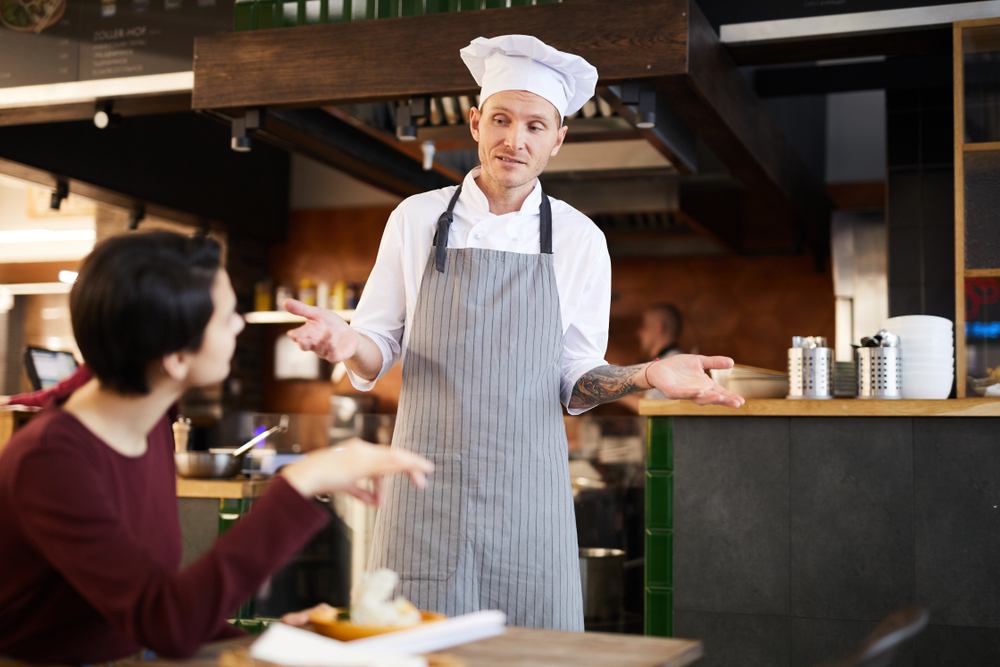
Guests praise hosts at the table, then complain privately. Canadians vent behind closed doors politely. This behaviour fractures trust gradually. Hosts sense inauthentic compliments eventually. Social cohesion weakens quietly. Honest feedback should flow appropriately and kindly. Private complaining fuels gossip culture. Surface politeness hides internal dissatisfaction cycles. Group atmospheres suffer from divided energy. Guests appear supportive but disengaged emotionally. Authentic conversation fosters respect and mutuality. Politeness creates emotional dishonesty unintentionally.
Leaving Without Really Saying Goodbye

Guests depart quietly to avoid fuss. Hosts feel invisible during farewells. Emotional closure lacks fulfillment. The night seems unresolved. Social warmth dissipates abruptly. Canadians fear causing inconvenience with prolonged goodbyes. However, real departures require heartfelt exchanges. Hosts crave meaningful farewells, acknowledging shared time. Quick exits feel dismissive despite good intentions. Emotional bonds weaken with silent departures. Simple goodbyes strengthen relational continuity. Politeness sacrifices closure for brevity. Hosts feel emotionally underappreciated. Guests lose opportunities for gratitude expression.
22 Groceries to Grab Now—Before another Price Shock Hits Canada

Food prices in Canada have been steadily climbing, and another spike could make your grocery bill feel like a mortgage payment. According to Statistics Canada, food inflation remains about 3.7% higher than last year, with essentials like bread, dairy, and fresh produce leading the surge. Some items are expected to rise even further due to transportation costs, droughts, and import tariffs. Here are 22 groceries to grab now before another price shock hits Canada.
22 Groceries to Grab Now—Before another Price Shock Hits Canada
This Options Discord Chat is The Real Deal
While the internet is scoured with trading chat rooms, many of which even charge upwards of thousands of dollars to join, this smaller options trading discord chatroom is the real deal and actually providing valuable trade setups, education, and community without the noise and spam of the larger more expensive rooms. With a incredibly low-cost monthly fee, Options Trading Club (click here to see their reviews) requires an application to join ensuring that every member is dedicated and serious about taking their trading to the next level. If you are looking for a change in your trading strategies, then click here to apply for a membership.