
35,000+ smart investors are already getting financial news, market signals, and macro shifts in the economy that could impact their money next with our FREE weekly newsletter. Get ahead of what the crowd finds out too late. Click Here to Subscribe for FREE.
Buying a natural Christmas tree once felt like a simple family tradition. Canadians visited local lots without worrying about prices. Budget planning rarely included tree costs seriously. Fresh pine scents defined December homes nationwide. Tree selection became casual weekend entertainment. Today, that tradition carries noticeable financial weight. Prices climb yearly with little resistance. Families discuss tree budgets alongside grocery spending now. Sudden shortages appear before December truly begins. Here are 21 reasons buying a real Christmas tree in Canada is becoming a luxury.
Rising Farm Labour Costs
21 Reasons Buying a Real Christmas Tree in Canada Is Becoming a Luxury
- Rising Farm Labour Costs
- Climate Change Damaging Crops
- Increased Land Prices
- Transportation Fuel Costs
- Retail Permit and Insurance Fees
- Shorter Harvest Windows
- Stricter Safety Regulations
- Rising Demand for Premium Trees
- Increased Equipment Costs
- Increased Local Competition Reduced
- Import Restrictions
- Rising Wholesale Auction Prices
- Higher Storage and Refrigeration Costs
- Retail Staff Shortages
- Municipal Zoning Restrictions
- New Sustainability Compliance Rules
- Urban Delivery Demand
- Reduced Supply from Smaller Farms
- Increased Food and Wage Inflation
- Rising Tax Obligations
- Changing Consumer Preferences
- 22 Groceries to Grab Now—Before another Price Shock Hits Canada
Tree farms rely heavily on seasonal labour availability. Canada’s worker shortages increase wages across agricultural sectors. Growers must offer higher hourly rates. Employee housing provisions add substantial overhead costs. Training new workers requires extended onboarding time. Turnover demands repetitive recruitment expenses yearly. Payroll taxes increase alongside wage growth annually. Remote farm locations limit affordable labour pools. Transporting workers adds additional bus rental expenses. Labour compliance regulations further expand administrative costs. Safety certifications require paid training programs.
Climate Change Damaging Crops

Warmer winters disturb ideal evergreen growing cycles. Unseasonal thaws damage root systems silently. Drought conditions stress plantations during summer growth stages. Forest fires near farming regions destroy acreage unpredictably. Pest infestations increase with warming temperature conditions. Higher mortality rates reduce harvest volumes annually. Replanting requires multi-year investment commitments. Flooding damages soil composition permanently sometimes. Weather unpredictability interrupts calculated growth schedules. Tree quality drastically declines after climate stress periods. Smaller harvest yields push prices upward nationwide.
Increased Land Prices

Agricultural land prices have consistently surged across Canada. Tree farms compete with housing developers financially. Developers outbid growers for prime acreage routinely. Municipal expansion drastically reduces farmland availability. Leasing substitute land greatly inflates operating costs. Property taxes rise with assessed market values. Land reserves needed for crop rotations shrink rapidly. Long-term leases restrict investment planning security. Zoning law changes complicate farming permits increasingly. Utility development fragments agricultural parcels.
Transportation Fuel Costs
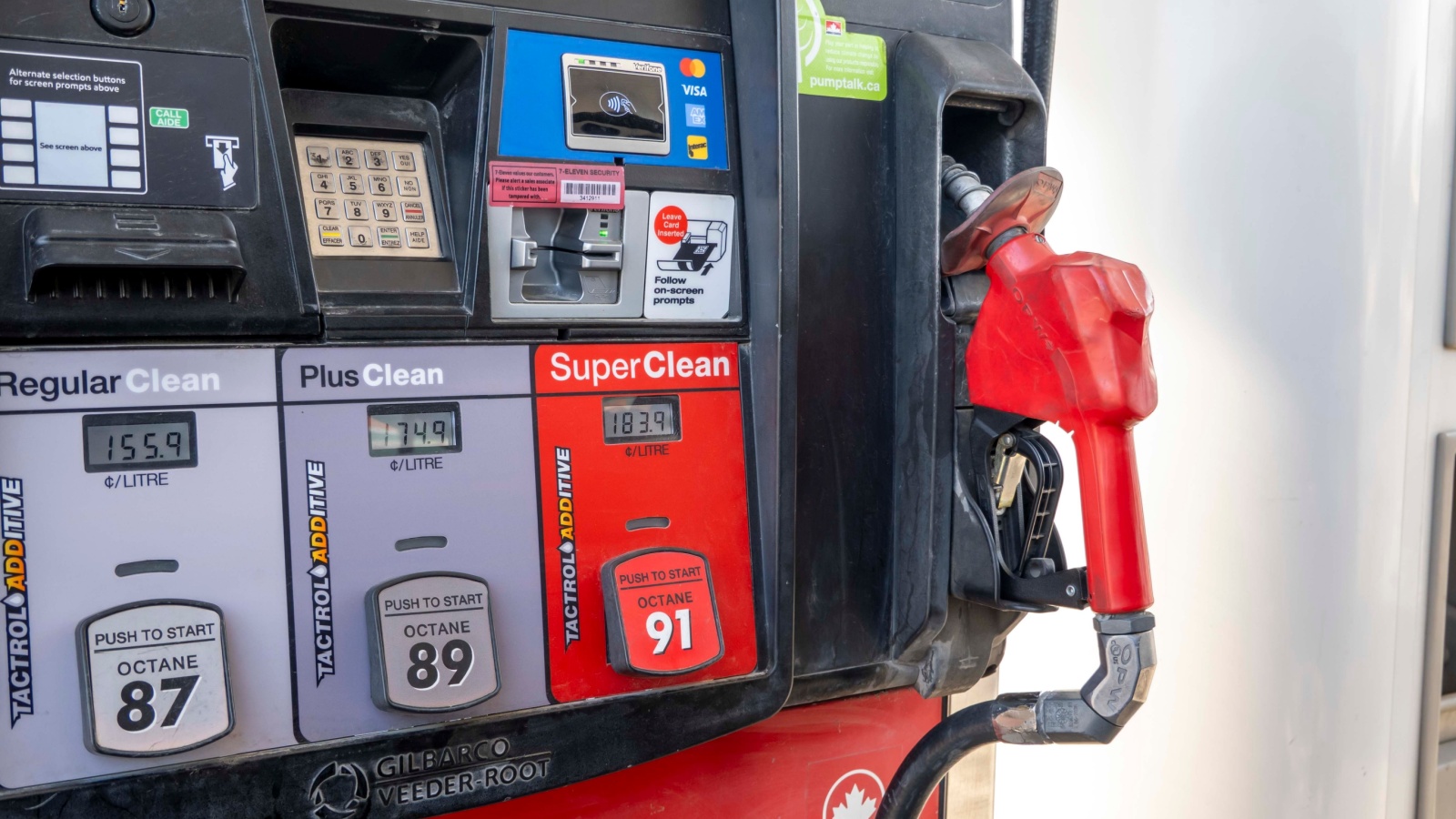
Moving trees requires diesel-powered transportation. Fuel price volatility strains operating budgets severely. Delivery routes span vast rural distances. Refrigerated transport technologies require additional fuel usage. Traffic delays increase transportation hours paid. Driver shortages inflate contracted hauling fees quickly. Carbon taxes compound baseline fuel expenses annually. Route optimization software requires subscription investments now. Wear on transport vehicles increases maintenance budgets. Fleet replacement costs surge alongside vehicle price inflation.
Retail Permit and Insurance Fees

Selling trees requires local municipal permits. Permit costs rise annually without exemptions. Insurance premiums climb to meet public liability standards. Safety fencing and lighting infrastructure require compliance upgrades. Temporary lot rentals include substantial municipal fees. Snow removal requirements add operational burdens. Security guards become necessary in high-theft regions. Liability risk assessments require external consultants increasingly. Vendor compliance audits increase paperwork and staffing needs. Retail overhead passes into product pricing eventually.
Shorter Harvest Windows

The weather determines exact cutting timelines. Early snowstorms slow harvesting operations. Frozen ground restricts heavy equipment access. Unexpected warm spells accelerate needle drop issues. Shrinking cutting windows limit daily output totals. Labour overtime costs balloon during harvest crunch periods. Reduced schedule flexibility drives staffing inefficiencies. Quality inspection timelines tighten under compressed production windows. Missed cutting days reduce harvest supply significantly.
Stricter Safety Regulations

Government safety standards now extend to seasonal labour. Mandatory training programs apply even to short-term employment. Equipment certification mandates increase operating capital expense. Worker protective gear is a must. Transport safety audits apply to shipping fleets. Temporary retail lots require documented hazard assessments. Slip-and-fall prevention installations cost significantly. Fines add to financial penalties for non-compliance issues. Farmers transfer compliance costs to consumers.
Rising Demand for Premium Trees
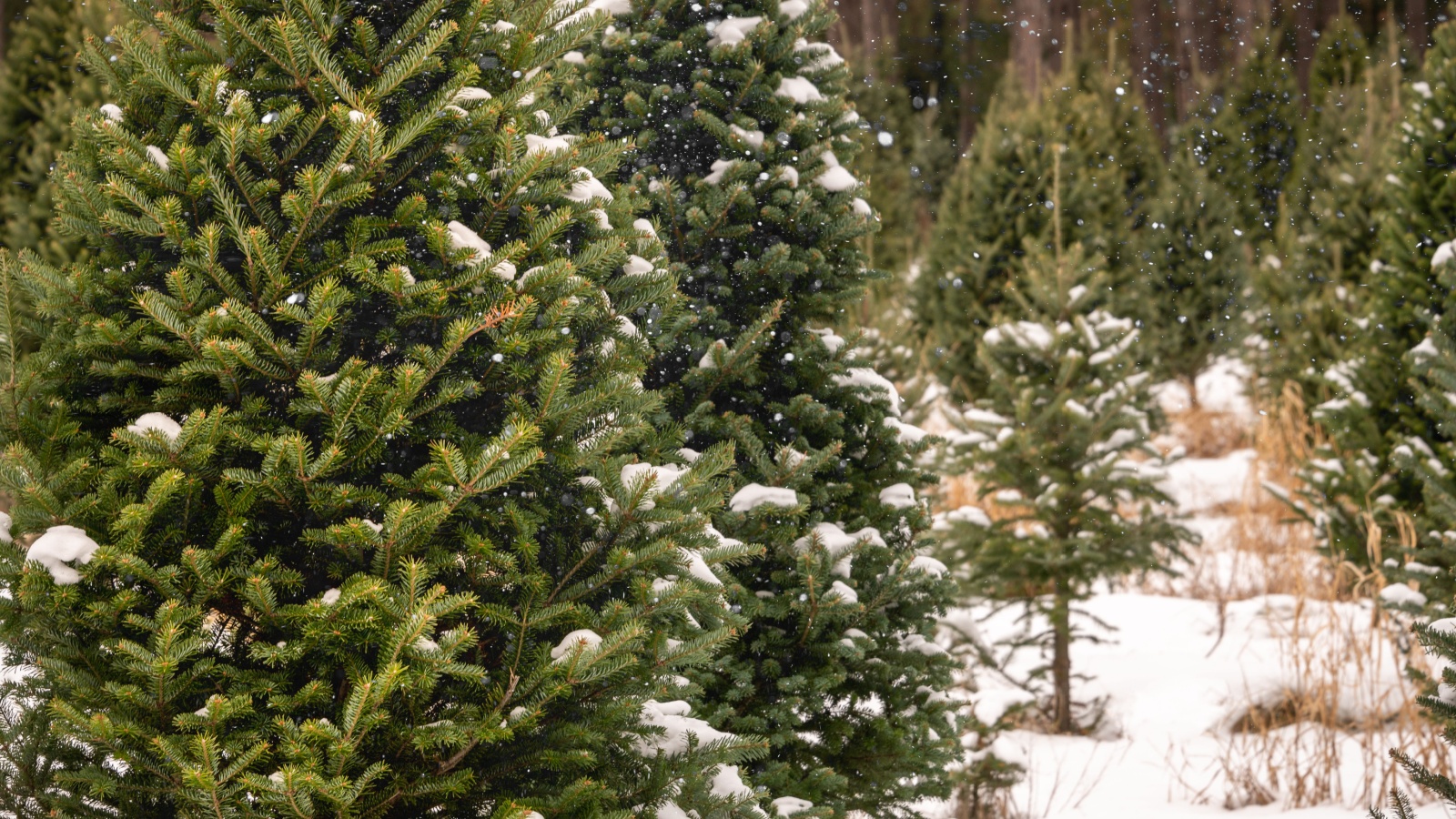
Canadian families increasingly seek fuller, perfect trees. Media imagery raises aesthetic expectations unrealistically. Growers invest extra pruning labour for premium grades. Lower-grade trees remain unsold frequently now. Retailers now stock higher-priced trees primarily. Selective inventory raises average sale prices. Premium tree shortage increases auction bidding patterns. Marketplace competition for top specimens intensifies yearly. Consumer expectations inflate pricing standards.
Increased Equipment Costs

Tree farming requires heavy cutting machinery investments. Equipment prices rise alongside global manufacturing inflation trends. Replacement parts become increasingly expensive to source. Maintenance labour charges increase concurrently. Equipment finance interest rates have climbed recently nationwide. Farm debt burdens expand annual cost structures. Equipment downtime disrupts harvesting efficiency significantly. Rentals substitute ownership sometimes at premium costs.
Increased Local Competition Reduced

Independent lots decline across small Canadian communities. Big chains dominate the limited remaining sales channels. Monopolistic pricing influences local market levels. Loss of competition raises consumer prices steadily. Rural growers lose bargaining power with retailers. Wholesale margins narrow aggressively. Remaining farms charge more for sustainability survival. Fewer sales locations reduce consumer price comparison options. Convenience replaces traditional neighborhood lot choices. Prices climb unchecked under reduced competition landscapes.
Import Restrictions

Canada restricts certain foreign tree imports strictly. Biosecurity rules prevent pest introductions. Border inspections delay cross-border harvesting timelines. Added inspection costs to the retail pricing fully. Permits restrict emergency supply supplementation attempts. Domestic growers fill gaps at elevated pricing. Tariffs compound import cost structures when applicable. Supply chain becomes domestically dependent exclusively. Reduced international sourcing eliminates price buffering opportunities. Consumers face limited alternatives during shortages.
Rising Wholesale Auction Prices
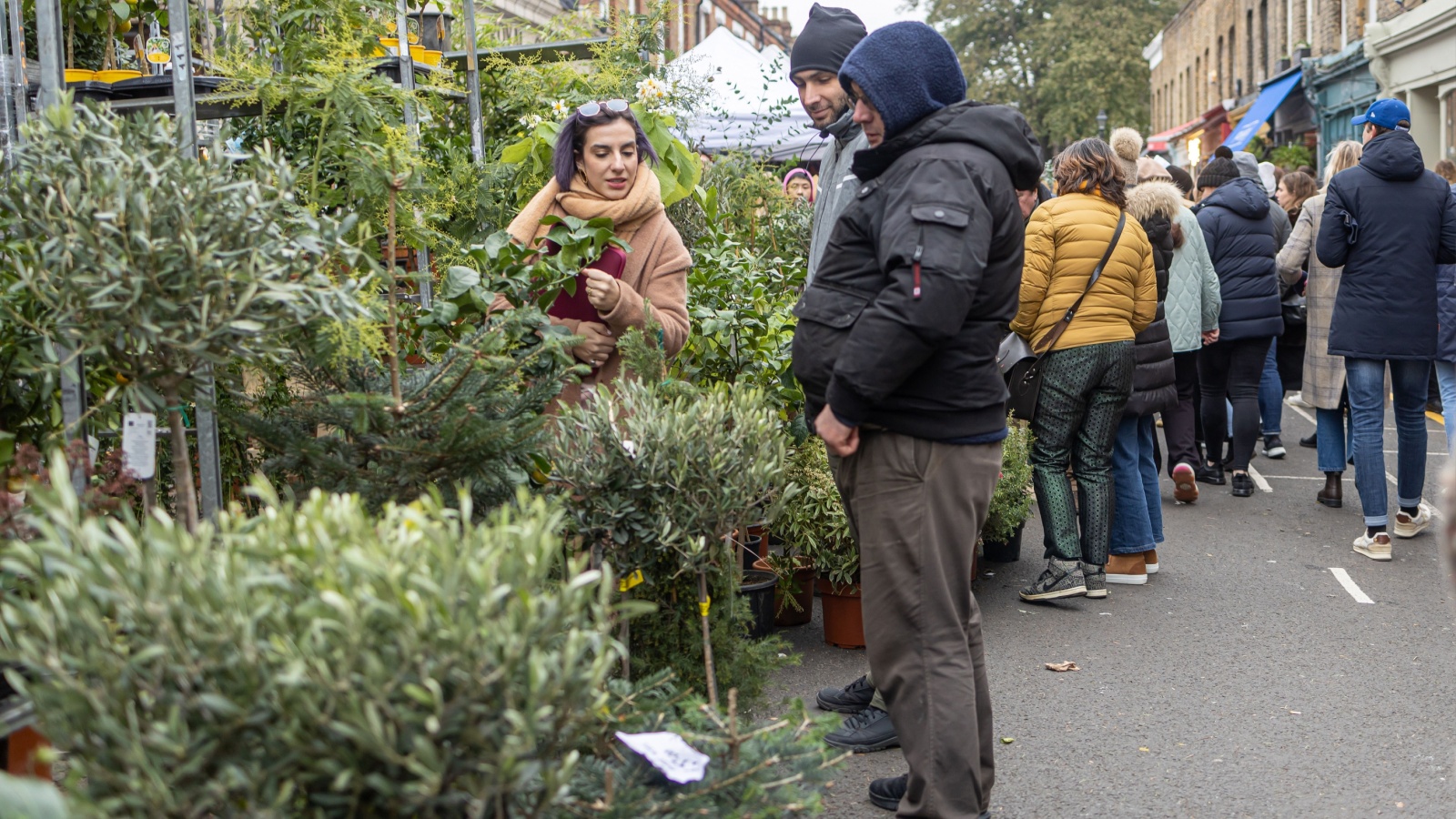
Christmas tree auctions set baseline pricing for retailers nationwide. Fewer farms attend auctions each year. Lower participation means tighter supply bidding environments. Buyers compete aggressively for high-grade tree lots. Prices escalate quickly under auction pressure. Retailers pay more before delivery obligations begin. Transportation costs stack immediately atop auction prices. Auction fees add another minimal yet unavoidable charge. Successful bids require upfront payments, impacting cash flow availability. Retailers respond by raising consumer prices.
Higher Storage and Refrigeration Costs
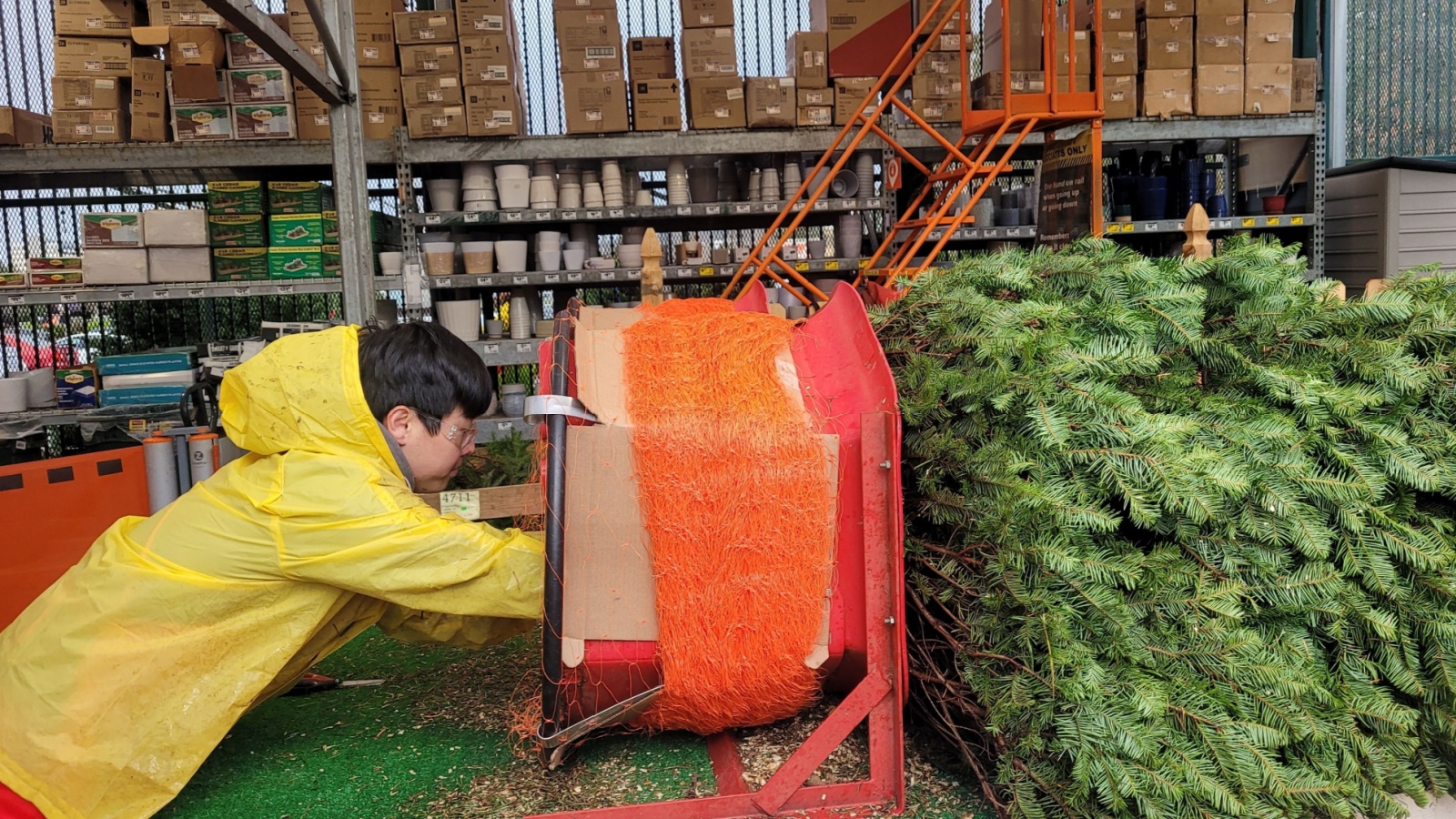
Maintaining fresh trees demands climate-controlled storage. Refrigeration equipment expenses increase annually. Electricity costs surge across provincial grids legislatively. Backup generators become mandatory in high-risk regions. Maintenance inspections add financial burdens annually. Improper storage drastically reduces tree longevity. Spoilage creates unrecoverable losses for sellers. Lost trees raise per-unit recovery targets significantly. Retail prices compensate for inventory waste ratios.
Retail Staff Shortages

Seasonal retail staffing shortages intensify yearly. Higher minimum wages increase payroll expenses directly. Recruitment campaigns require advertising investments. High turnover means re-training cycles repeat. Extended opening hours demand double staffing shifts. Overtime payments inflate operational expenses during busy periods. Skill scarcity pushes wage negotiation upward. Temporary foreign worker programs add processing fees.
Municipal Zoning Restrictions

Cities now limit temporary retail lot placements. Zoning permits require environmental disclosures increasingly. Community objections delay approvals frequently. Reduced lot availability limits sales volume opportunities. Remaining locations experience concentrated consumer demand. Higher foot traffic pressures safety compliance obligations. Larger liability insurance policies become necessary. Transport logistics complicate site placement restrictions. Lot rental prices skyrocket due to scarcity. Higher rental fees directly inflate tree prices.
New Sustainability Compliance Rules

Eco-certification requirements become mandatory in many regions. Sustainable forestry audits require consultant assessments yearly. Certification fees accumulate across supply chains. Documentation compliance requires administrative staffing additions. Tracking systems necessitate technology investments. Non-certified operations face exclusion from retail partnerships. Fewer eligible growers restrict supply volumes. Regulatory compliance expenses are transferred to customer costs quietly.
Urban Delivery Demand

More Canadians request home tree deliveries today. Specialized trucks must handle fragrance-preserving transport requirements. Drivers require scheduling during peak congestion periods. Insurance coverage applies to door-to-door services. Customer communication systems upgrade for booking management. Failed delivery attempts raise cost inefficiencies. Gas surcharges apply across service regions. Route deviations increase mileage accumulation costs significantly. Delivery service fees blend into apparent tree pricing totals.
Reduced Supply from Smaller Farms
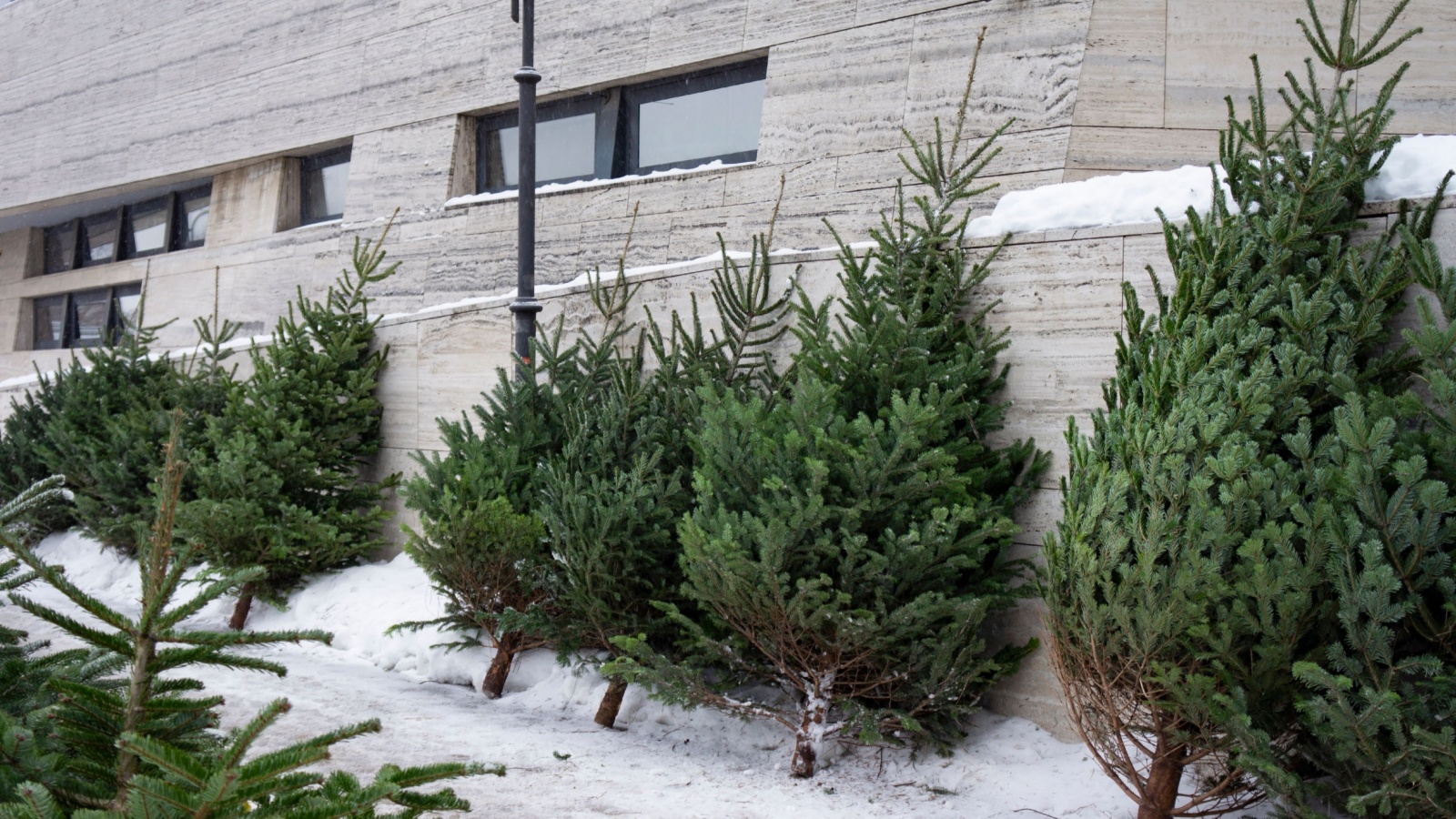
Small family farms struggle to maintain operational profitability. Many sell land to developers permanently. Workforce recruitment challenges overwhelm remaining owners. Equipment investments strain smaller operations’ budgets disproportionately. Reduced acreage limits national harvest output. Lower competition raises wholesale and retail pricing structures. Corporate farms replace smaller growers gradually. Consolidation removes localized cost buffering mechanisms. Uniform pricing replaces community-based pricing variability. Consumers lose access to low-cost farm-direct purchasing options.
Increased Food and Wage Inflation

Rising grocery prices shrink Canadian disposable income budgets. Wage growth fails to match essential cost increases consistently. Christmas trees become lower spending priorities for families. Retailers raise prices to maintain profitability margins. Decreased demand leads to a required higher per-unit revenue. Smaller sales volumes increase cost recovery needs. Inflation indirectly compounds all pricing pressures collectively. Holiday budgets feel stretched across multiple categories. Families hesitate before purchasing real trees now.
Rising Tax Obligations

Sales tax applies fully to tree purchases nationally. Carbon levies affect fuel and transport charges. Business property taxes and municipal assessments rise steadily. Payroll taxes increase alongside wage growth amounts. Licensing tax schedules inflate operational overhead quietly. Compliance reporting costs consume accounting budgets. Tax aggregation increases product pricing burdens invisibly. Every tax layer magnifies the cost accumulation. Consumers feel the effects without understanding the taxation impacts.
Changing Consumer Preferences

Canadians increasingly prioritize minimalist holiday aesthetics. Artificial trees promise multi-year cost savings. Storage convenience reduces seasonal labour. Price stability becomes more desirable than authenticity. Reduced real-tree demand discourages large-scale production investments. Lower outputs drive unit pricing upward further. Feedback loops reinforce rising luxury classification. Real trees transform into symbolic indulgence purchases. Traditional traditions shrink under cost-conscious habits. Luxury perceptions solidify annually within consumer mindsets.
22 Groceries to Grab Now—Before another Price Shock Hits Canada
Food prices in Canada have been steadily climbing, and another spike could make your grocery bill feel like a mortgage payment. According to Statistics Canada, food inflation remains about 3.7% higher than last year, with essentials like bread, dairy, and fresh produce leading the surge. Some items are expected to rise even further due to transportation costs, droughts, and import tariffs. Here are 22 groceries to grab now before another price shock hits Canada.
22 Groceries to Grab Now—Before another Price Shock Hits Canada
This Options Discord Chat is The Real Deal
While the internet is scoured with trading chat rooms, many of which even charge upwards of thousands of dollars to join, this smaller options trading discord chatroom is the real deal and actually providing valuable trade setups, education, and community without the noise and spam of the larger more expensive rooms. With a incredibly low-cost monthly fee, Options Trading Club (click here to see their reviews) requires an application to join ensuring that every member is dedicated and serious about taking their trading to the next level. If you are looking for a change in your trading strategies, then click here to apply for a membership.