
35,000+ smart investors are already getting financial news, market signals, and macro shifts in the economy that could impact their money next with our FREE weekly newsletter. Get ahead of what the crowd finds out too late. Click Here to Subscribe for FREE.
Cross-border shopping has transformed noticeably for Canadian travellers recently. Border enforcement systems have been upgraded significantly nationwide. Purchase declarations receive stricter digital verification now. Random inspections occur more frequently than before. Travelers experience longer interview questioning processes. Duty exemptions remain complex and misunderstood widely. Customs reporting procedures feel less flexible overall. Online shopping complicates physical import rules immensely. Same-day crossings now face more scrutiny. Here are 24 rules for cross-border shopping that have changed since last Christmas.
Digital Receipts Required More Often
24 Rules for Cross-Border Shopping That Have Changed Since Last Christmas
- Digital Receipts Required More Often
- Same-Day Personal Exemptions Tightened
- Alcohol Limits Are Enforced Rigidly
- Tobacco Quantity Limits Verified Electronically
- Online Purchases Collected Differently
- Personal Vehicle Inspections Increased
- Cash Payment Scrutiny Increased
- Return Processing Rules Expanded
- Gift Labelling Needs Proof
- Currency Reporting Threshold Enforcement Stiffened
- Apparel Origin Verification Heightened
- Electronics Serial Numbers Recorded
- Food Declaration Rules Expanded
- Holiday Merchandise Quotas Enforced
- Returned Merchandise Scrutiny Increased
- Duty Rate Changes on Textiles
- Courier Brokerage Fees Increased
- Secondary Inspection Rates Increased
- Gift Exemptions Reduced
- Luxury Goods Declarations Heightened
- Agricultural Product Monitoring Expanded
- Duty Estimation Tools Introduced
- Travel Pattern Tracking Expanded
- Paper Declarations Phased Out
- 22 Groceries to Grab Now—Before another Price Shock Hits Canada

Border officers increasingly require digital receipt presentations. Paper slips frequently fade or tear during travel. Smartphone screenshots now serve as an accepted proof method. Email confirmations qualify for purchases as evidence. Officers verify timestamps against crossing duration data. Receipts must clearly show merchant addresses and totals. Currency conversions become officer-calculated values, not customer conversions. Vague invoices risk extended questioning sessions. Missing receipts trigger merchandise valuation estimates. Estimated valuations usually exceed real paid prices. Officers apply conservative approximations under uncertainty.
Same-Day Personal Exemptions Tightened

Same-day returns now face stricter duty enforcement. Canadian exemption allowances only apply after 24 hours abroad. Officers now apply this rule consistently without exceptions. Informal leniency has decreased dramatically nationwide. Even minor purchases become taxable on short trips. Border wait times reflect increased transaction processing. Officers calculate taxes on single-dollar items thoroughly. Arguments regarding low-value goods receive little sympathy. GST and provincial taxes apply individually. Alcohol and tobacco receive no same-day exemptions whatsoever. Border policies mandate the immediate collection of fees. Payment refusals result in confiscation or abandonment choices. Canadians accustomed to quick purchases feel surprised by charges. Gas-only trips, once ignored, now trigger questioning.
Alcohol Limits Are Enforced Rigidly
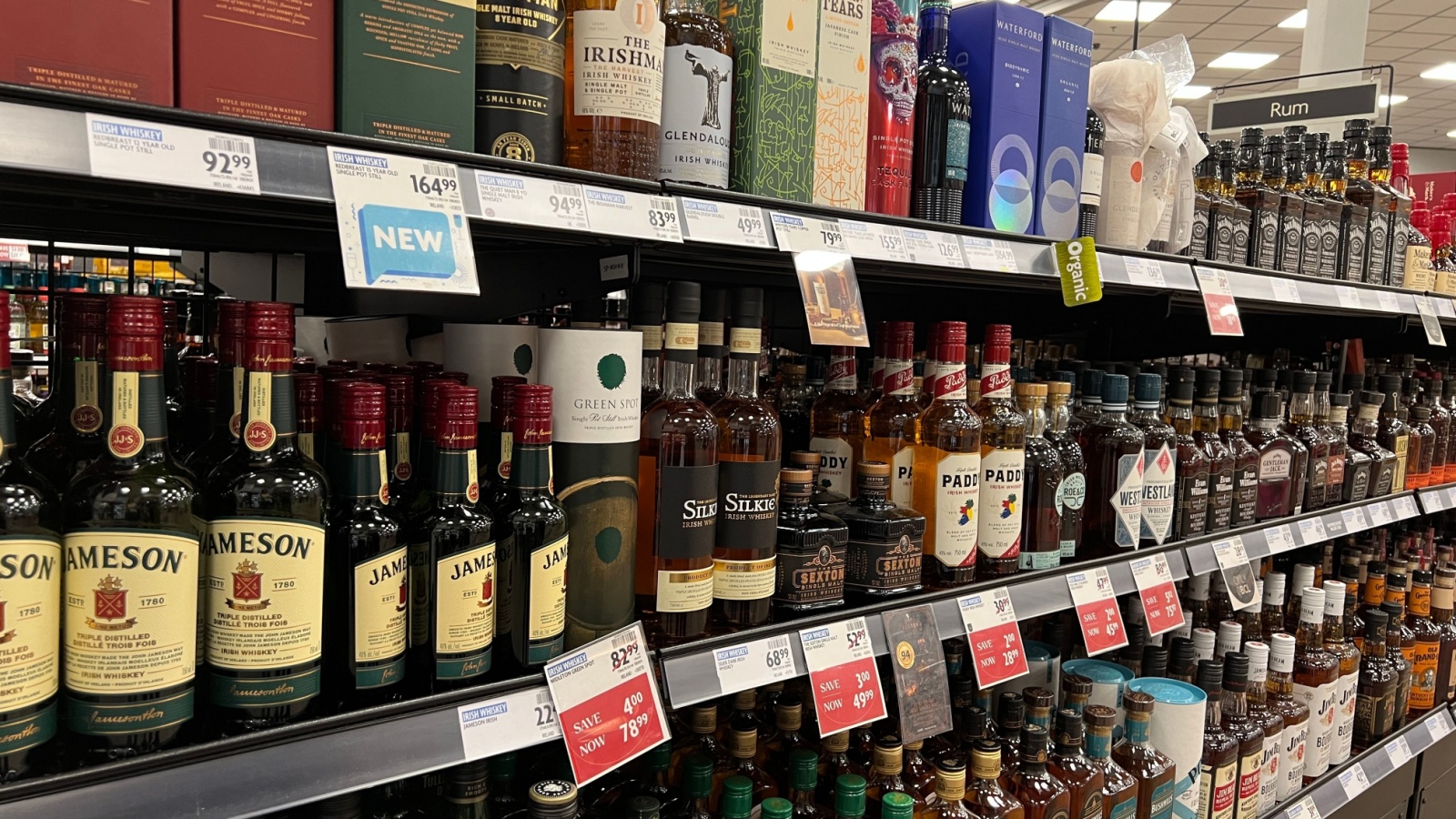
Alcohol limits are used to see casual flexibility. Strict enforcement now dominates border alcohol assessments. Canadians face penalties for exceeding flotation thresholds. Exact bottle sizes and alcohol percentages face scrutiny. Receipts must specify alcohol volume clearly. Unlabelled alcohol invites the default highest-volume valuation. Officers weigh sealed duty-free purchases precisely. Oversized purchases trigger confiscation risks. Exceeding limits adds duty to full quantities. Partial exemptions no longer reduce fee calculations. One overage bottle voids exemptions entirely. Officers document violations within travel records. Repeat alcohol limit breaches raise future scrutiny levels. Celebratory purchases now require careful planning. Travelers misjudge trans-border price savings without taxes included. Alcohol purchases must align tightly with allowances.
Tobacco Quantity Limits Verified Electronically

Tobacco declarations now undergo electronic quota tracking. Databases verify travel history against purchased quantities. Attempted cumulative import circumvention gets flagged digitally. Officers review prior tobacco declarations instantly onsite. Serial purchases across frequent trips raise alerts automatically. Smuggling prevention policies expanded oversight aggressively. Cigarette cartons are sometimes weighed and scanned. Incorrect labelling leads to immediate confiscation. Officers deny exemptions when quantities exceed strict thresholds. Tax assessments apply fully on all units. Repeat offenses may trigger seizure escalation. Travelers lose tobacco entirely under confiscation. Border agencies aim to reduce illegal resale networks.
Online Purchases Collected Differently

Online shopping now involves enhanced import assessment procedures. Couriers must submit digital declarations automatically. Canadians occasionally receive tax invoices weeks after delivery. Surprise bills occur alongside brokerage processing charges. Duty exemptions do not differ from in-person purchases. Low-value thresholds still rarely excuse taxes fully. HS code classifications determine duty variations. Electronics attract higher assessment scrutiny. Fashion items receive country-of-origin validations. Missing online invoices result in estimated duty charges. Carriers often assess default inventory pricing values. Canadians should retain purchase confirmations indefinitely. Return disputes become lengthy resolution processes. Border agencies aim to match declared values to transaction data globally. Consumers experience delayed cost transparency, unfortunately.
Personal Vehicle Inspections Increased

Vehicle searches increased noticeably for return travellers. Targeted inspections follow behavioural pattern analysis software. Inspectors check trunks and passenger compartments thoroughly. Retail packaging gets opened unusually often. Officers verify declared quantities against visible cargo. Agricultural product restrictions remain heavily enforced. Food items require detailed declarations frequently now. Seemingly innocent snacks prompt inspection delays. Confiscations occur for prohibited produce. Vehicle contents photographs become inspection evidence records. Officers now document more thoroughly than before. Inspection refusals lead to denied entry privileges. Cooperation ensures quicker completion times, usually. Crossers experience longer queue waits due to inspection buildup. Prepared declarations help avoid enforcement delays significantly.
Cash Payment Scrutiny Increased

Paying in cash raises additional questions lately. Officers inquire about the sources of funds for transactions. Cash purchases draw anti-money laundering scrutiny. Customs now records payment methods more consistently. Large cash totals prompt declarations questioning. Receipts paid by cash face deeper verification steps. Officers compare declared spending with known travel income profiles. Inconsistencies invite secondary inspections more frequently. Digital card transactions simplify verification processes. Canadians benefit from using traceable payment methods. Border protocols align with global financial monitoring standards. Cash-heavy shoppers experience longer processing times. Compliance interviews grow more detailed overall. Purchase transparency becomes increasingly important for faster clearance.
Return Processing Rules Expanded
Returning goods purchased is assessed carefully. Refund claims must present original export documentation now. Receipts must show the initial purchase location clearly. Border verifies whether goods qualify for duty refunds. Many returns lose eligibility due to documentation gaps. Exchange refunds do not override border tax rules. Partial refund documentation complicates duty reversal approvals. Brokers handle refund claims electronically now. Canadians face months-long waits for duty reimbursements. Errors trigger denial without appeals processes. Documentation matching becomes the decisive factor. Return shoppers should expect complicated reimbursement steps. Future refund approvals require heightened recordkeeping diligence.
Gift Labelling Needs Proof

Gift purchases demand proof of recipient relationships now. Officers ask the intended recipient’s details during declarations. Unlabelled gifts attract personal use classification. Gift exemptions remain limited under same-day returns. Receipts must identify gift merchandise distinctly. Generic receipts complicate classification approval. Bulk gift quantities trigger commercial suspicion reviews. Gift baskets attract higher assessments. Unclear gifting intent defaults to personal taxation. Canadians must specify gifts clearly beforehand. Writing gift notes may support intent claims. Boxing merchandise separately improves customs outcomes. Transparent labelling prevents misclassification disputes.
Currency Reporting Threshold Enforcement Stiffened

Currency reporting now receives closer enforcement treatment. Amounts over ten thousand require official declarations. Digital transactions may still require disclosures. Officers verify cross-border movement of large funds aggressively. Failure to report can result in seizure penalties. Officers connect travel banking transfers to border declarations. Suspicion arises from inconsistent payment histories. Canadian travellers transferring funds abroad face additional queries. Documentation readiness prevents seizure complications drastically. Currency laws apply reliably without exceptions now.
Apparel Origin Verification Heightened

Country-of-origin tagging now receives extra attention. Officers verify text labels on apparel. Missing tags complicate duty classification outcomes. Goods assembled in mixed countries receive special tariffs. Mislabelling risks increased tax assessments automatically. Buyers cannot claim ignorance successfully. Fashion imports carry rising compliance risks. Canadians should confirm label accuracy at purchase time. Fashion duties differ substantially depending on the origin zones. Officers apply digital tariff matches now. Errors lead to immediate reassessments. Accurate labels simplify clearance processes, finally.
Electronics Serial Numbers Recorded

Electronics now undergo serial number recording. Officers log device identification numbers into databases. This tracks warranty abuse patterns internationally. Canadian travellers replacing devices risk scrutiny. Showing prior ownership proof helps avoid reassessment. New electronics receipts are mandatory documentation. Used electronics require purchase age verification. Lack of proof triggers full duty charges. Officers photograph devices routinely now. Technology tracking helps reduce illicit electronics resale channels. Canadians benefit from carrying documented purchase histories clearly.
Food Declaration Rules Expanded

Food declaration enforcement increased noticeably nationwide. Officers now verify ingredient lists more closely. Homemade foods receive immediate confiscation. Cheese quantities face tighter limits without import certification. Fresh produce restrictions expanded seasonally. Meat items require government seal documentation now. Baked goods labelled unclear encounter extended questioning. Border software flags previously missed food types. Confiscation receipts were issued more consistently. Repeat violations prompt traveller profiling flags. Canadians often lose food without refund possibilities. Imported candies trigger health compliance lookups. Snacks containing dairy receive elevated scrutiny. Food purchases now carry significant unpredictability risks.
Holiday Merchandise Quotas Enforced

Christmas décor import limits are now enforced strictly. Bulk ornament purchases imply commercial intent concerns. Officers analyze quantity thresholds closely. Same-item multiples raise resale suspicions frequently. Commercial declaration requirements apply faster than before. Canadians must file formal import paperwork immediately. Decorative light shipments attract inspection rates. Oversized inflatables face restrictive import protocols. Seasonal décor returns now invite duty investigations. Receipts must show personal-use quantity justification. Gift purchases exceeding reasonable counts risk commercial classification. Purchasers may owe business import tariffs unexpectedly. Decorations no longer travel casually across borders.
Returned Merchandise Scrutiny Increased

Returned store goods draw elevated declaration scrutiny now. Border officers verify refund paperwork carefully. Original export receipts are required consistently. Unverified refunds are taxed regardless. Repackaged returns confuse duty determinations. Exchange credits fail to override customs tax rules. Canadian shoppers encounter disputes without appeal processes. Documentation gaps result in frequent denial of refunds. Electronic refund statements often insufficient alone. Processing delays frustrate travellers significantly. Organized document retention becomes essential. Returns without paperwork may be double-charged effectively.
Duty Rate Changes on Textiles

Textile duty classifications changed recently. Fiber compositions affect tariff categories more drastically. Synthetic blends attract higher duties than cotton fabrics now. Country-of-origin tariffs fluctuate frequently. Officers use updated fiber scanning tools. Receipts lacking fiber details risk reassessments. Canadians experience higher apparel import costs unexpectedly. Classification disputes require formal appeals timelines. Misdeclared fibers create valuation penalties instantly. Price advantage margins continue shrinking steadily.
Courier Brokerage Fees Increased

Brokerage processing fees rose quietly this year. Canadians noticed larger delivery invoices afterward. Even low-value packages accrue handling charges now. Courier fees appear separate from taxes, confusing shoppers. Delivery refusals incur return shipping penalties. Canadian shoppers feel squeezed by unexpected total costs. Transparency from carriers often remains insufficient. Consolidating shipments can sometimes reduce fees. Choosing Canada Post shipping sometimes lowers brokerage. Courier selection becomes cost-critical for small imports now.
Secondary Inspection Rates Increased

More travellers face secondary inspections unpredictably. Algorithm risk profiling determines selection frequency. Frequent crossers trigger inspections more often. Assessment interviews extend crossing wait durations. Officers search vehicles thoroughly during secondary checks. Declarations are verified line-by-line under scrutiny. Small discrepancies escalate investigations quickly. Border congestion worsened during peak seasons. Prepared travellers minimize inspection durations. Unprepared shoppers experience stressful delays.
Gift Exemptions Reduced

Gift exemptions narrowed for same-day shopping trips. Cross-border gifting must meet stricter definitions. Monetary caps lowered on duty-free gift allowances. Officers apply limits consistently now. Cash gift declarations rarely qualify for exemptions. Documentation requirements for gifts expanded further. Canadians face unexpected taxes on goodwill purchases. Holiday gifting requires meticulous allowance calculations.
Luxury Goods Declarations Heightened

Luxury purchases attract added scrutiny. Watches, jewellery, and handbags require documented valuations. Officers request brand authentication proofs occasionally. Serial numbers are now recorded for designer goods. Under-declaration is penalized with severe fees. Appraisals may be requested onsite. Luxury resale prevention drives enforcement intensity. Canadians face heavier taxes on designer items accordingly.
Agricultural Product Monitoring Expanded

Fruits, vegetables, and plants receive expanded inspection protocols. Border agents photograph declared agricultural items now. Soil residue triggers confiscation orders. Plant products require permits more frequently. Canadians risk unexpected plant shipment refusals. Agricultural contamination reduction remains the top priority nationally.
Duty Estimation Tools Introduced

Border officers now use digital duty estimation software. Software provides immediate tax calculations. Negotiations on valuations declined sharply. Estimation errors favour higher values routinely. Canadians experience less discretionary flexibility. Transparency remains limited on the calculation formulas. Receipts become only negotiation leverage now.
Travel Pattern Tracking Expanded

Border agencies track crossing frequency patterns algorithmically. High-frequency shoppers flagged for commercial suspicion. Duration of trips is analyzed closely. Multiple short trips raise intent concerns. Traveler profiles update automatically with each crossing. Flags increase questioning intensity. Canadians crossing frequently face greater documentation demands.
Paper Declarations Phased Out

Paper declaration forms disappear at crossings gradually. Digital kiosks and apps replace manual processes. Travelers often input data before inspection. Errors create declaration penalties later. Receipts must preload successfully for smooth clearance. Device malfunctions complicate border processing scenarios. Canadians without smartphones face longer inspections. Digitization demands greater preparation for each trip.
22 Groceries to Grab Now—Before another Price Shock Hits Canada

Food prices in Canada have been steadily climbing, and another spike could make your grocery bill feel like a mortgage payment. According to Statistics Canada, food inflation remains about 3.7% higher than last year, with essentials like bread, dairy, and fresh produce leading the surge. Some items are expected to rise even further due to transportation costs, droughts, and import tariffs. Here are 22 groceries to grab now before another price shock hits Canada.
22 Groceries to Grab Now—Before another Price Shock Hits Canada
This Options Discord Chat is The Real Deal
While the internet is scoured with trading chat rooms, many of which even charge upwards of thousands of dollars to join, this smaller options trading discord chatroom is the real deal and actually providing valuable trade setups, education, and community without the noise and spam of the larger more expensive rooms. With a incredibly low-cost monthly fee, Options Trading Club (click here to see their reviews) requires an application to join ensuring that every member is dedicated and serious about taking their trading to the next level. If you are looking for a change in your trading strategies, then click here to apply for a membership.