
35,000+ smart investors are already getting financial news, market signals, and macro shifts in the economy that could impact their money next with our FREE weekly newsletter. Get ahead of what the crowd finds out too late. Click Here to Subscribe for FREE.
Canada appears vast and open, yet some of its geography remains legally unreachable. These restrictions exist for reasons ranging from military security to environmental protection and human safety. Many of these locations still appear harmless on maps, causing curiosity among travellers unaware of their limits. Some became prohibited zones during historical events. Others remain off-limits to protect fragile ecosystems or ongoing scientific research. Here are 12 places in Canada you are strictly forbidden to visit.
Area 419 – Canadian Forces Base Cold Lake, Alberta
12 Places in Canada You Are Strictly Forbidden to Visit
- Area 419 – Canadian Forces Base Cold Lake, Alberta
- Sable Island Interior – Nova Scotia
- Canadian Forces Base Alert – Nunavut
- Experimental Lakes Area – Ontario
- Prince of Wales Battery – Newfoundland
- McDonald Dettwiler Satellite Control Zones – British Columbia
- Pine Gap-style Communications Monitoring Sites – Northern Quebec
- Bruce Power Nuclear Restricted Zone – Ontario
- The Michipicoten Radar Relics – Northern Ontario
- Canadian Arctic Research Impact Zones – Nunavut
- Halifax Defence Harbour Exclusion Grids – Nova Scotia
- Containment Area X – Chalk River Nuclear Laboratories
- 22 Groceries to Grab Now—Before another Price Shock Hits Canada

Area 419 is part of one of Canada’s most restricted military training zones. It supports high-level Royal Canadian Air Force live-fire exercises. Large-scale weapons testing occurs within its perimeter regularly. Public entry is prohibited absolutely. Warning signs clearly outline arrest risks. Patrol surveillance remains active year-round. Off-road adventurers sometimes stumble near boundaries unknowingly. Crossing beyond restricted coordinates carries serious penalties. The site gained international recognition for NATO training purpose use. Aircraft manoeuvres at supersonic speeds operate daily within the zone. Ground ordnance exercises involve unexploded munitions risks. Safety concerns alone justify strict access control.
Sable Island Interior – Nova Scotia
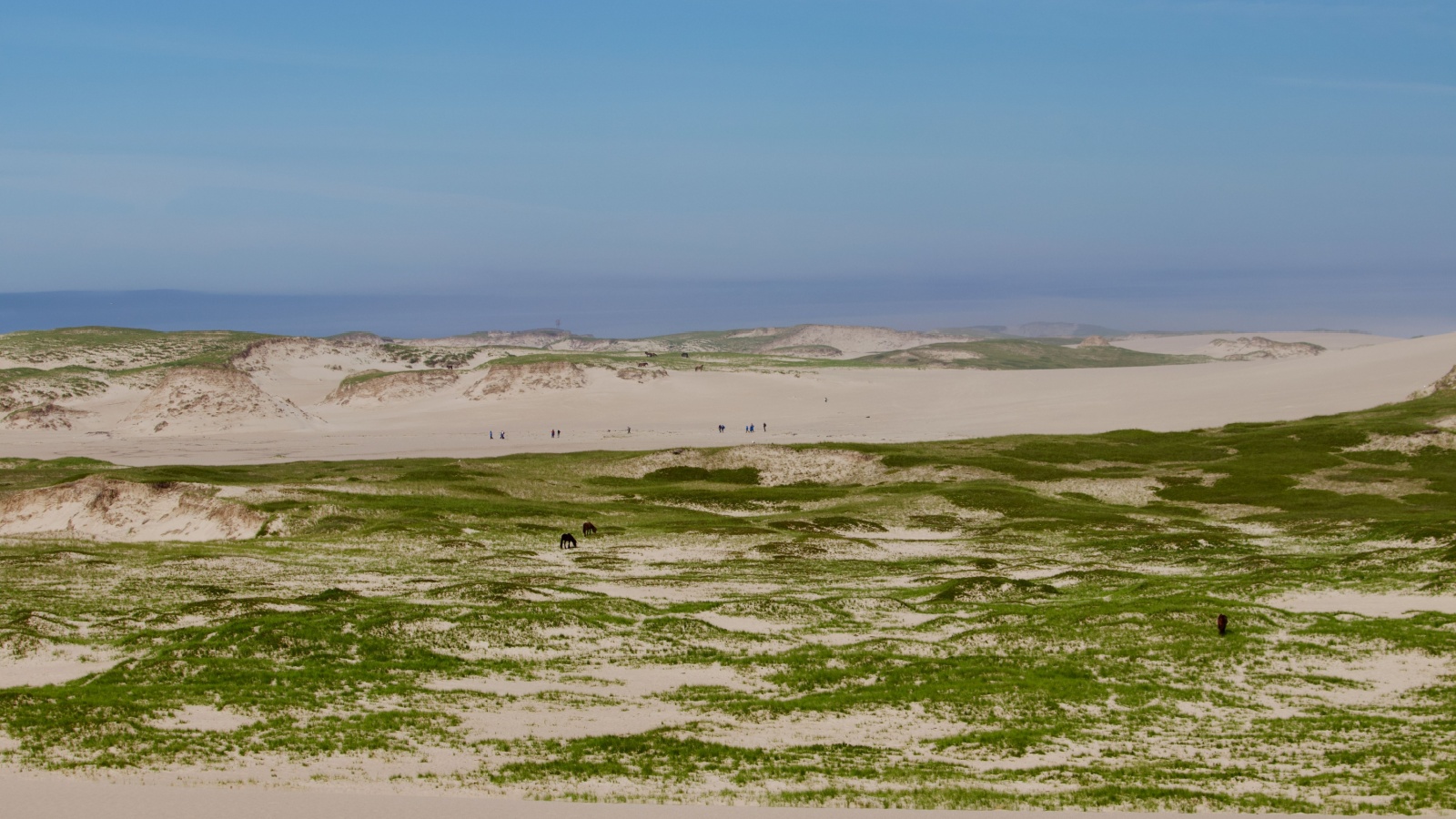
Sable Island’s interior zones are federally protected under Parks Canada regulations. Casual tourism permits only beach corridor visitation. The island hosts endangered species and fragile dune ecosystems. The famous wild horses face vulnerability without regulated tourist distance controls. Photography beyond approved areas risks wildlife disturbance violations. Scientific research operations restrict additional access completely. Migratory bird breeding locations demand strict human exclusion. Environmental prosecution applies for trespassing violations. Helicopter landings remain permit-required only. The shifting sands complicate rescue operations if unauthorized entry occurs. Preservation laws enacted in 2013 formalized strict zoning boundaries.
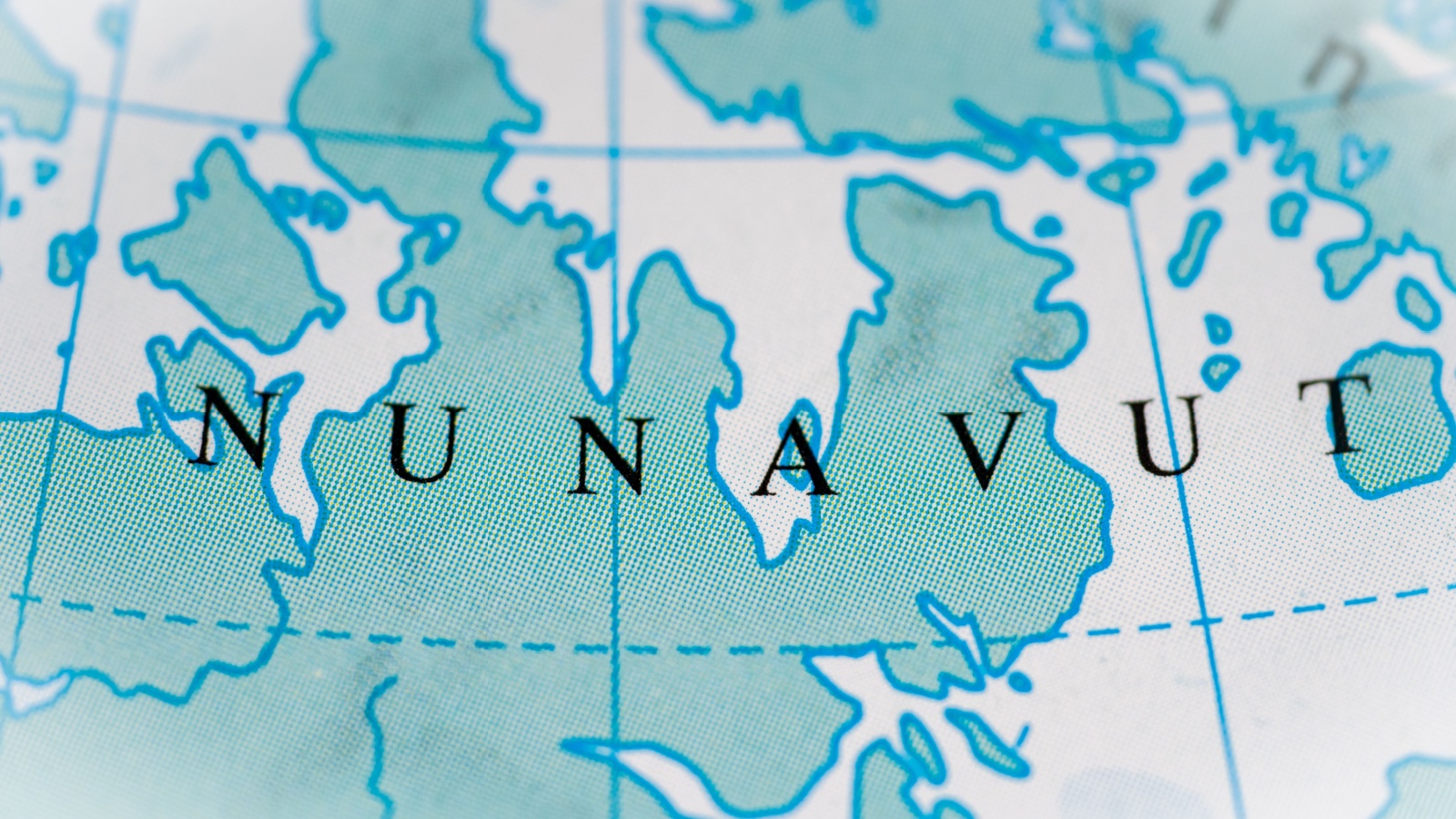
CFS Alert serves as the world’s northernmost permanently inhabited military station. It sits just kilometres from the North Pole. Extreme weather limits logistical access sharply. Civilian visitors face absolute prohibition without direct military sponsorship. Intelligence monitoring remains central to operations. Cold War radar frameworks remain embedded in the base’s functionality. Access violation triggers immediate military response protocols. Environmental dangers heighten security measures. Temperatures plunge below minus forty degrees routinely. Medical evacuation remains limited even for authorized personnel. Tours are forbidden for national security reasons. The Canadian Armed Forces enforce permanent surveillance around the perimeter.
Experimental Lakes Area – Ontario

The Experimental Lakes Area consists of a network of protected freshwater lakes reserved exclusively for environmental research. Established in the late 1960s, the site became a global center for large-scale ecological experimentation. Scientists conduct controlled studies involving acid rain simulation, nutrient runoff testing, and mercury contamination monitoring. These experiments depend entirely on preventing outside interference. Public access remains fully prohibited. Recreational boating, fishing, swimming, and drone flights are illegal throughout the entire watershed. Even minor disruption can permanently compromise multi-decade data collection efforts. Law enforcement and conservation officers enforce strict perimeter regulations. Surveillance aircraft occasionally monitor activity across the vast lake system. Trespassers face prosecution under federal environmental protection laws.
Prince of Wales Battery – Newfoundland
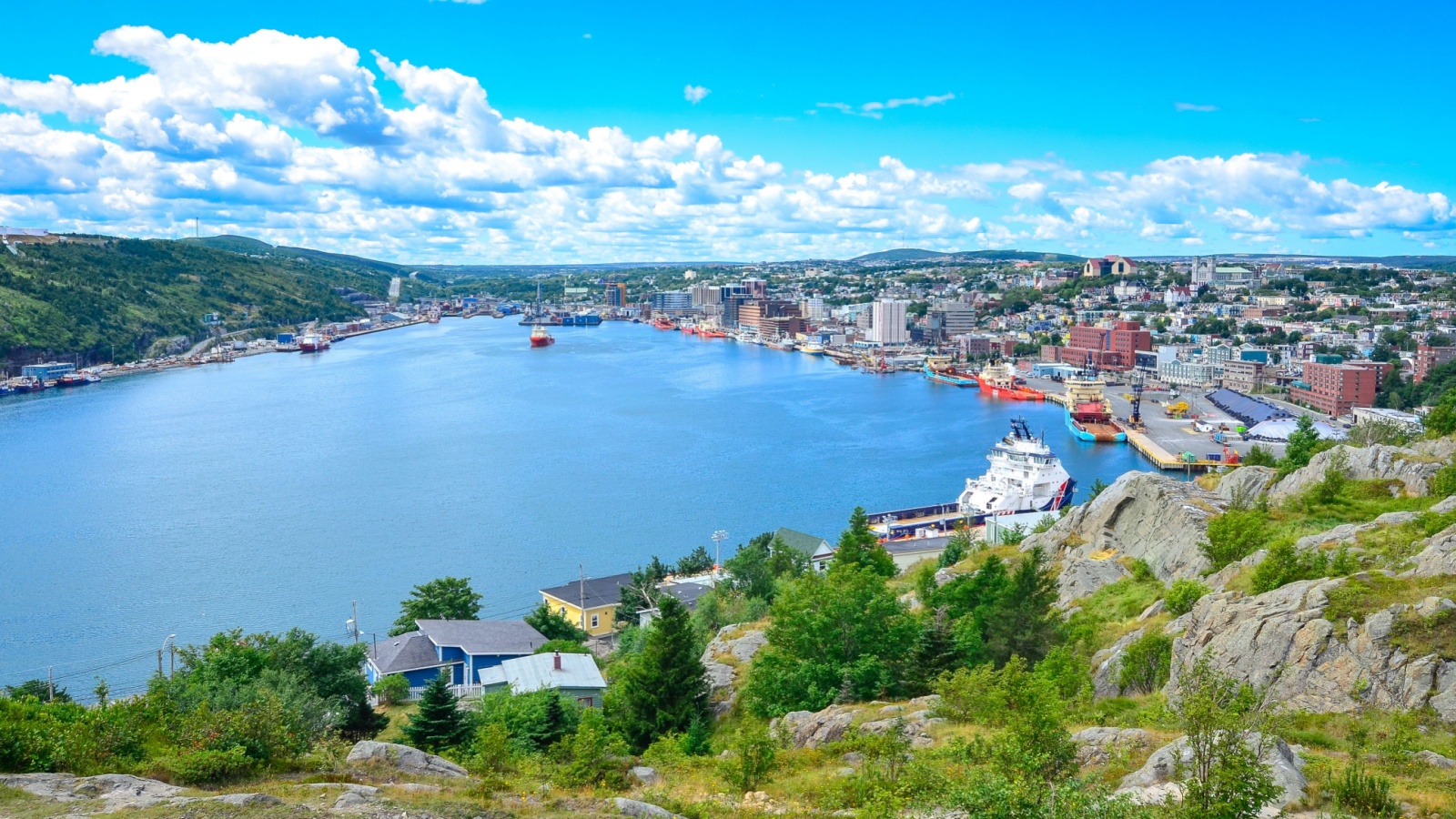
The Prince of Wales Battery overlooks the entrance to St. John’s harbour from its coastal cliff perimeter. Built during the Second World War, the fortress defended Atlantic shipping lanes historically. After decommissioning in the late 1940s, structural decay began rapidly. Underground ammunition tunnels destabilized over decades. Collapse risks intensified due to water seepage and erosion. Unexploded ordnance fragments remain buried nearby. Federal safety inspections permanently closed the installation to tourists. Rockfalls around the cliffside approach continue regularly. Heritage preservation assessments prohibit interior exploration entirely. Despite viewpoints remaining visible publicly, entry into battery structures remains illegal. Local authorities actively enforce trespassing charges.
McDonald Dettwiler Satellite Control Zones – British Columbia
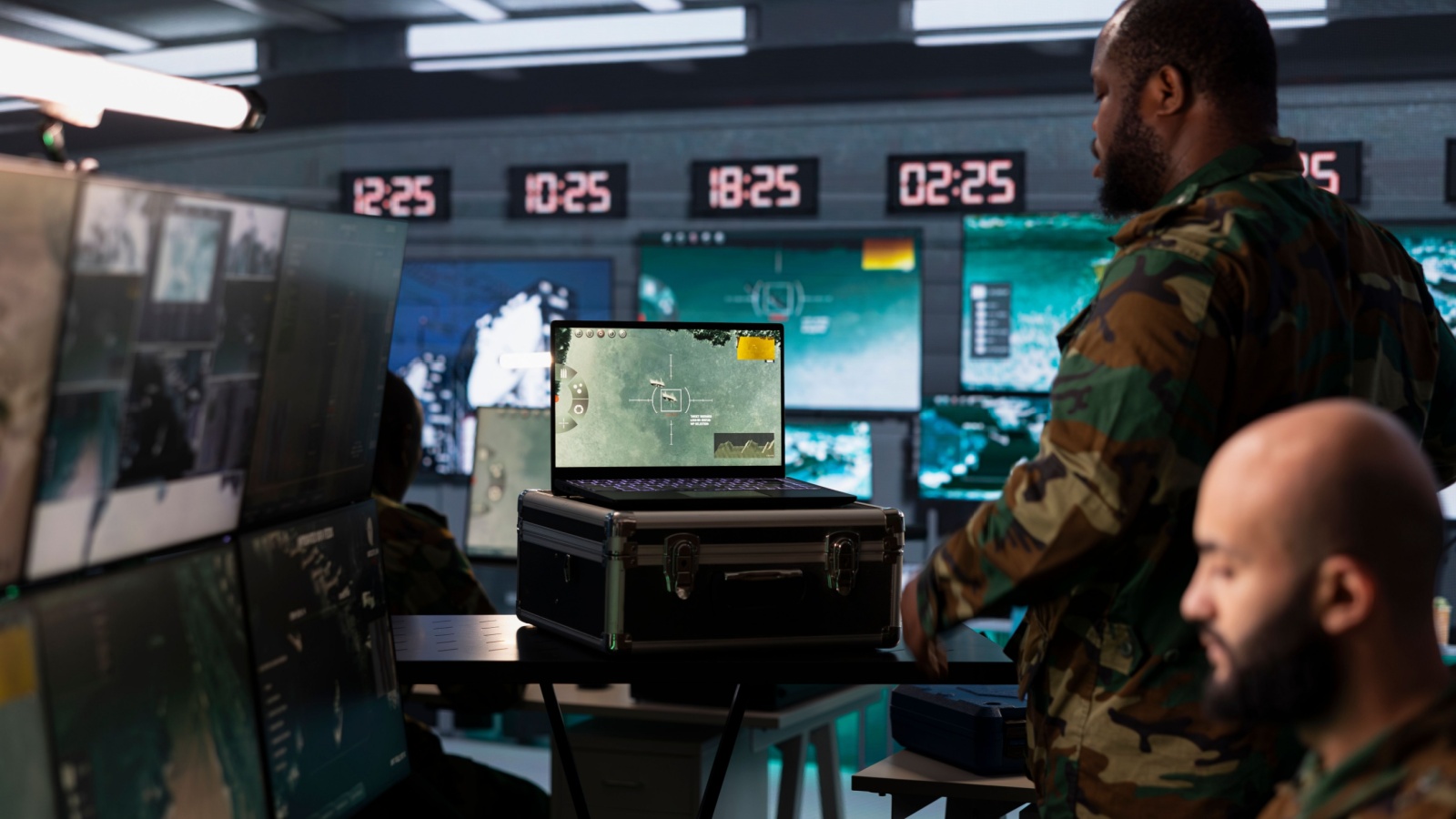
McDonald Dettwiler and Associates operates highly restricted satellite control compounds across British Columbia. These facilities manage civilian, commercial, and defence satellite networks globally. Construction began expanding during the late 1980s as space-based communications became vital infrastructure. Classified command equipment inside coordinates real-time orbital tracking and data relay operations. Public entry remains absolutely prohibited. Even delivery contractors undergo extensive background screening. Facility perimeters feature reinforced fencing, surveillance towers, and motion-detection technology. Cameras monitor access roads twenty-four hours daily. Security patrols rotate continuously. Drone overflights trigger immediate federal enforcement response. Mapping services intentionally blur or omit site details completely. Employees travel through secured checkpoints requiring biometric clearance systems. Unauthorized trespass carries charges under national security statutes.
Pine Gap-style Communications Monitoring Sites – Northern Quebec
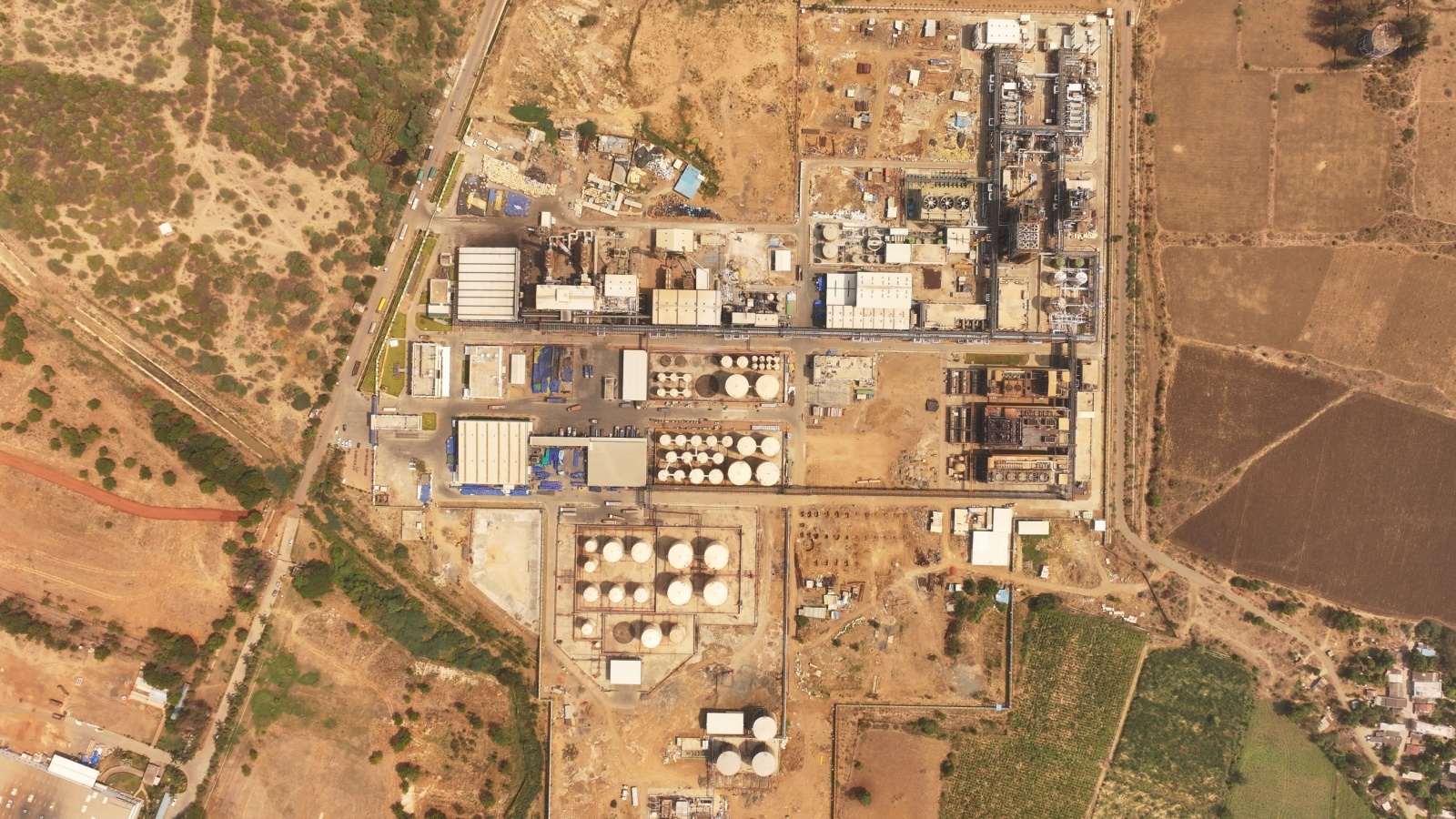
Canada operates classified electromagnetic surveillance facilities scattered across northern Quebec. Their exact locations remain excluded from public maps. Construction began quietly during expanded Cold War defense cooperation in the late 1950s. These sites monitor satellite traffic and international radio transmissions. Entrances are camouflaged with unmarked forest roadways. Surveillance infrastructure remains protected under federal intelligence security law. Civilian trespass requires immediate detention protocols. Perimeters include motion sensors and restricted airspace overlays. Drone flights automatically trigger enforcement responses. Security patrols rotate continuously despite remote geography. Even provincial authorities cannot access without federal clearance.
Bruce Power Nuclear Restricted Zone – Ontario

The Bruce Nuclear Generating Station enforces extensive prohibited zones extending far beyond facility fences. Established during reactor development expansions beginning in the 1970s, the exclusion areas restrict civilian proximity. Radiation safety regulations mandate stringent controlled perimeters. Unauthorized access risks exposure and immediate law enforcement action. Watercraft near restricted lake boundaries face interception. Aerial restrictions remain active overhead. Reactor cooling infrastructure occupies critical shoreline zones. Security teams maintain armoured patrols continuously. Cameras monitor movement across approach roads. Entry permits require federal background vetting. Public tours remain limited strictly to designated visitor centers only.
The Michipicoten Radar Relics – Northern Ontario
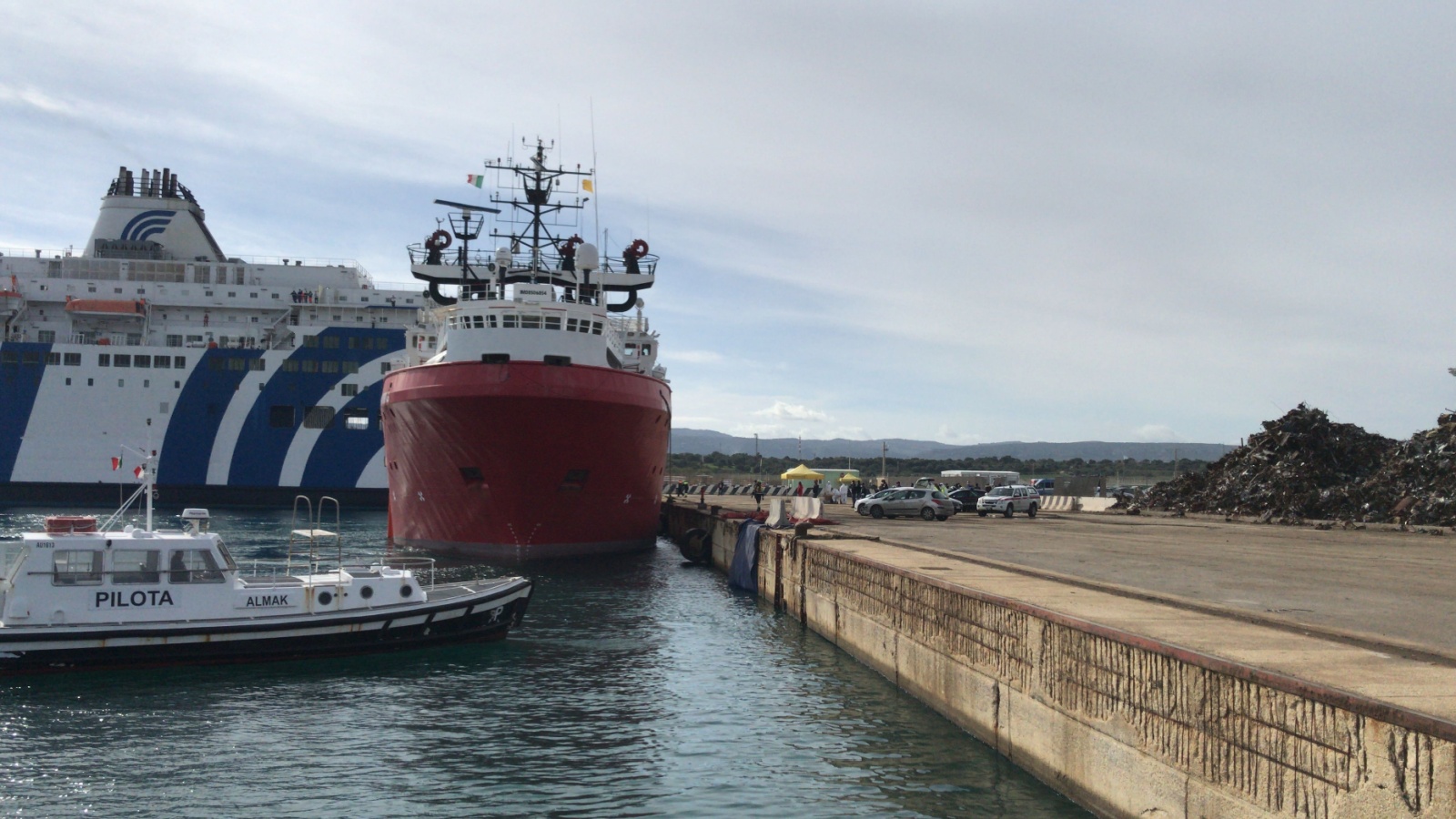
Abandoned Cold War radar installations near Lake Superior remain sealed under federal safety restrictions. Constructed during the 1950s, many stations deteriorated structurally after decommissioning. Toxic materials remain within building frameworks. Asbestos insulation contaminates ventilation areas. Collapsing radar towers present lethal hazards. Trespassing penalties increased after injury incidents reported in the 1990s. Preservation assessments restrict entry entirely pending remediation funding. The Canadian government labels sites as controlled hazards under property safety acts. Fencing remains incomplete due to terrain obstacles. Nonetheless, aerial surveillance deters exploration attempts.
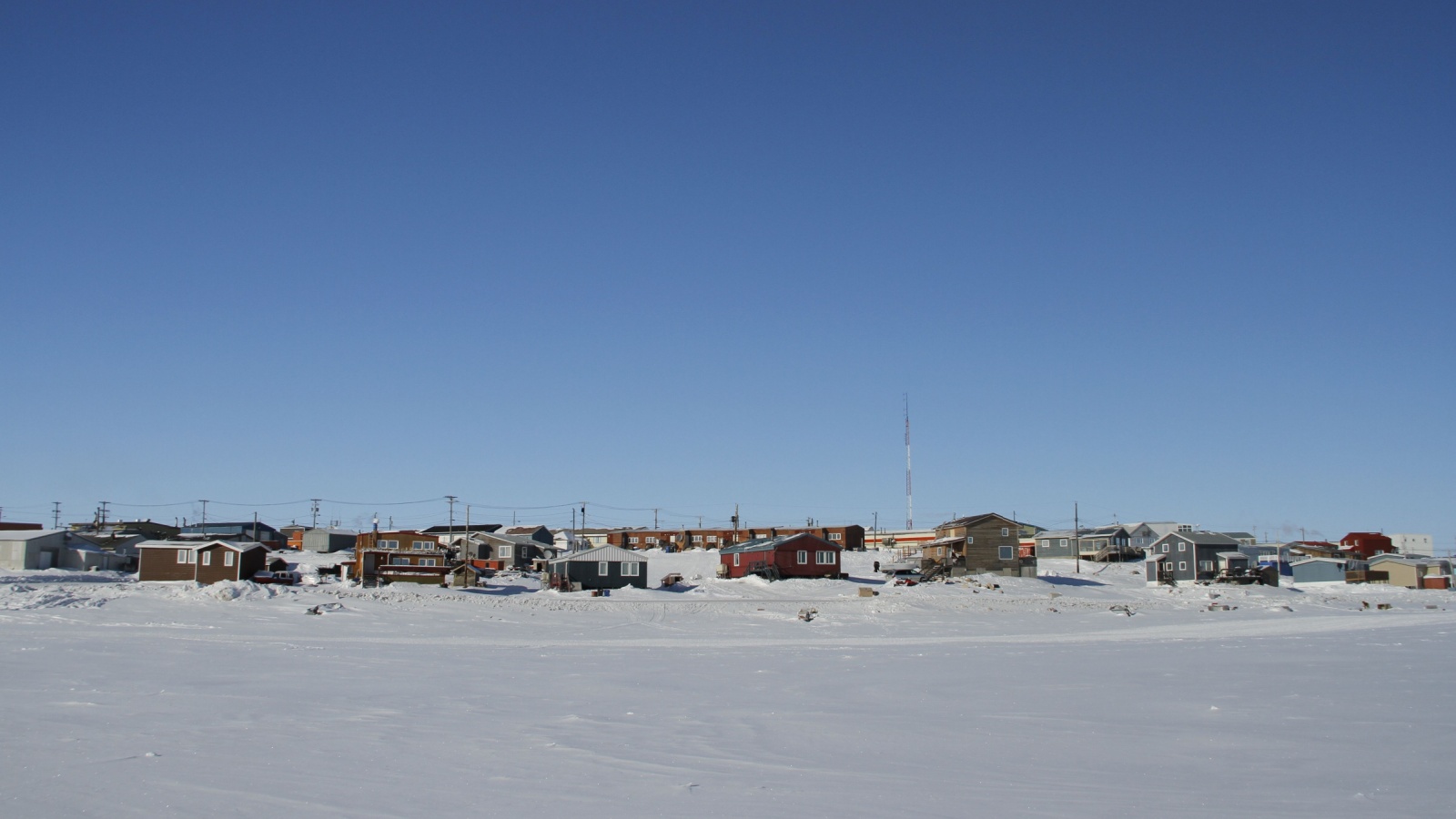
Scientific research sites across Nunavut prohibit unauthorised tourism access entirely. Established during climate data expansions beginning in the early 2000s, these zones host sensitive equipment monitoring melting permafrost. Human interference contaminates data integrity easily. Drone activity remains banned. Ice core drilling areas require government permits. Unauthorized foot traffic damages fragile tundra ecosystems permanently. Surveillance relies on satellite tracking and ranger enforcement patrols. Criminal charges follow unauthorized landings or exploration attempts. Equipment theft incidents in 2012 reinforced strict security escalation. Indigenous communities coordinate access protocols closely with federal authorities.
Halifax Defence Harbour Exclusion Grids – Nova Scotia
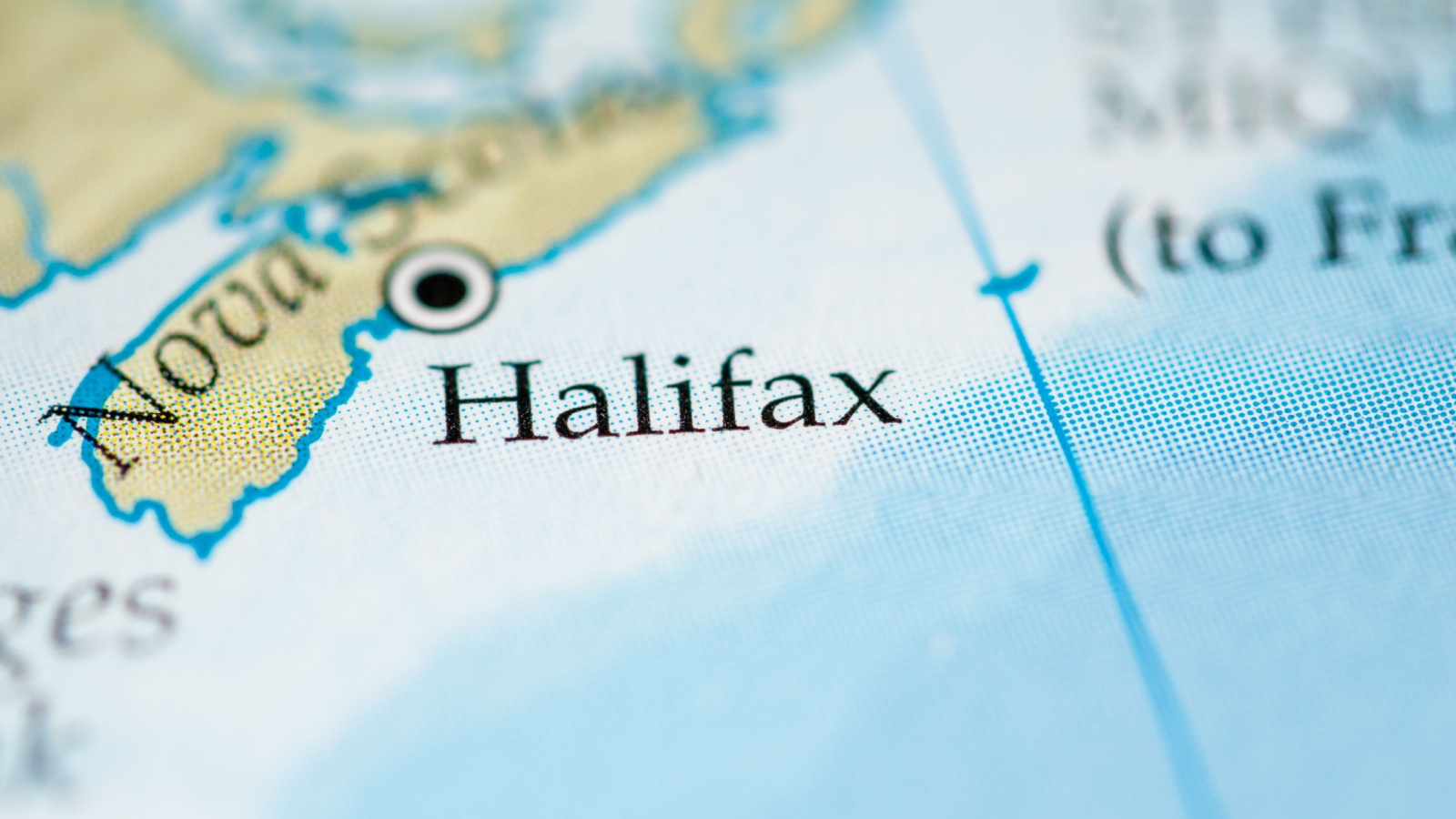
Halifax Harbour maintains underwater defense grids restricting recreational boating in critical naval approach channels. Implemented after World War Two and continuously modernized, sonar detection zones protect NATO fleet access. Unauthorized vessel entry triggers navy patrol interception. GPS software updates automatically warn boaters. Flying personal drones above zones violates maritime defense statutes. Civilian diving operations face criminal penalties within grid boundaries. Underwater surveillance platforms operate continuously. Past breaches resulted in vessel seizure prosecutions. Harsh penalties deter trespassing strongly.
Containment Area X – Chalk River Nuclear Laboratories

Chalk River established strict exclusion territories dating to the 1945 development of Canada’s nuclear reactor research. Core laboratory containment zones remain permanently closed to civilians. Radiation research operations persist actively today. Authorized entry requires extensive health screening. Trespassing charges fall under federal nuclear safety statutes. Drone detection remains operational. Forest buffers surround research reactors deliberately. Signs warn clearly against approach attempts. Remote cameras maintain continuous observation. Public curiosity increased following historical reactor incidents. Yet safety restrictions never relaxed. Condition assessments continue yearly without public access allowances.
22 Groceries to Grab Now—Before another Price Shock Hits Canada

Food prices in Canada have been steadily climbing, and another spike could make your grocery bill feel like a mortgage payment. According to Statistics Canada, food inflation remains about 3.7% higher than last year, with essentials like bread, dairy, and fresh produce leading the surge. Some items are expected to rise even further due to transportation costs, droughts, and import tariffs. Here are 22 groceries to grab now before another price shock hits Canada.
22 Groceries to Grab Now—Before another Price Shock Hits Canada
This Options Discord Chat is The Real Deal
While the internet is scoured with trading chat rooms, many of which even charge upwards of thousands of dollars to join, this smaller options trading discord chatroom is the real deal and actually providing valuable trade setups, education, and community without the noise and spam of the larger more expensive rooms. With a incredibly low-cost monthly fee, Options Trading Club (click here to see their reviews) requires an application to join ensuring that every member is dedicated and serious about taking their trading to the next level. If you are looking for a change in your trading strategies, then click here to apply for a membership.