
35,000+ smart investors are already getting financial news, market signals, and macro shifts in the economy that could impact their money next with our FREE weekly newsletter. Get ahead of what the crowd finds out too late. Click Here to Subscribe for FREE.
Many American travellers arrive in Canada expecting familiar routines shaped by shared media and language. Instead, they encounter moments that quickly recalibrate expectations. These surprises rarely involve museums or landmarks. They unfold in grocery stores, homes, streets, and transit stations. Politeness standards differ. Workplace habits feel unexpected. Social behaviour often moves at calmer speeds. Rules are followed quietly rather than enforced loudly. Here are 17 times American tourists were shocked by Canadian culture.
When a Tourist Apologized and Heard “Sorry” Back
17 Times American Tourists Were Shocked by Canadian Culture
- When a Tourist Apologized and Heard “Sorry” Back
- When the Grocery Cashier Sat Down
- When They Forgot to Remove Shoes Inside a Home
- When the Bus Crowd Thanked the Driver
- When They Realized Shelf Prices Were a Lie
- When Police Didn’t Look Intimidating
- When Lines Formed Without Direction
- When the Kilometres Replaced Miles
- When Restaurant Portions Looked “Normal”
- When They Encountered Bilingual Airports
- When Winter Failed to Trigger Panic
- When They Discovered Milk Came in Bags
- When They Heard CBC Radio Dominate Car Trips
- When Wait Staff Didn’t Rely on Tips
- When Flag Displays Were Rare
- When Public Drinking Laws Actually Worked
- When Politeness Had No Price Tag
- 22 Groceries to Grab Now—Before another Price Shock Hits Canada

Suppose an American bumped into a stranger on a Toronto sidewalk and apologized automatically. The stranger replied “Sorry too.” Both smiled and walked on. In American cities, apologies usually assign fault. In Canada, apologies express courtesy rather than guilt. Tourists repeatedly witness double-apology exchanges across elevators, transit platforms, and grocery aisles. The reflex diffuses minor tension instantly. Visitors find it humorous at first.
When the Grocery Cashier Sat Down
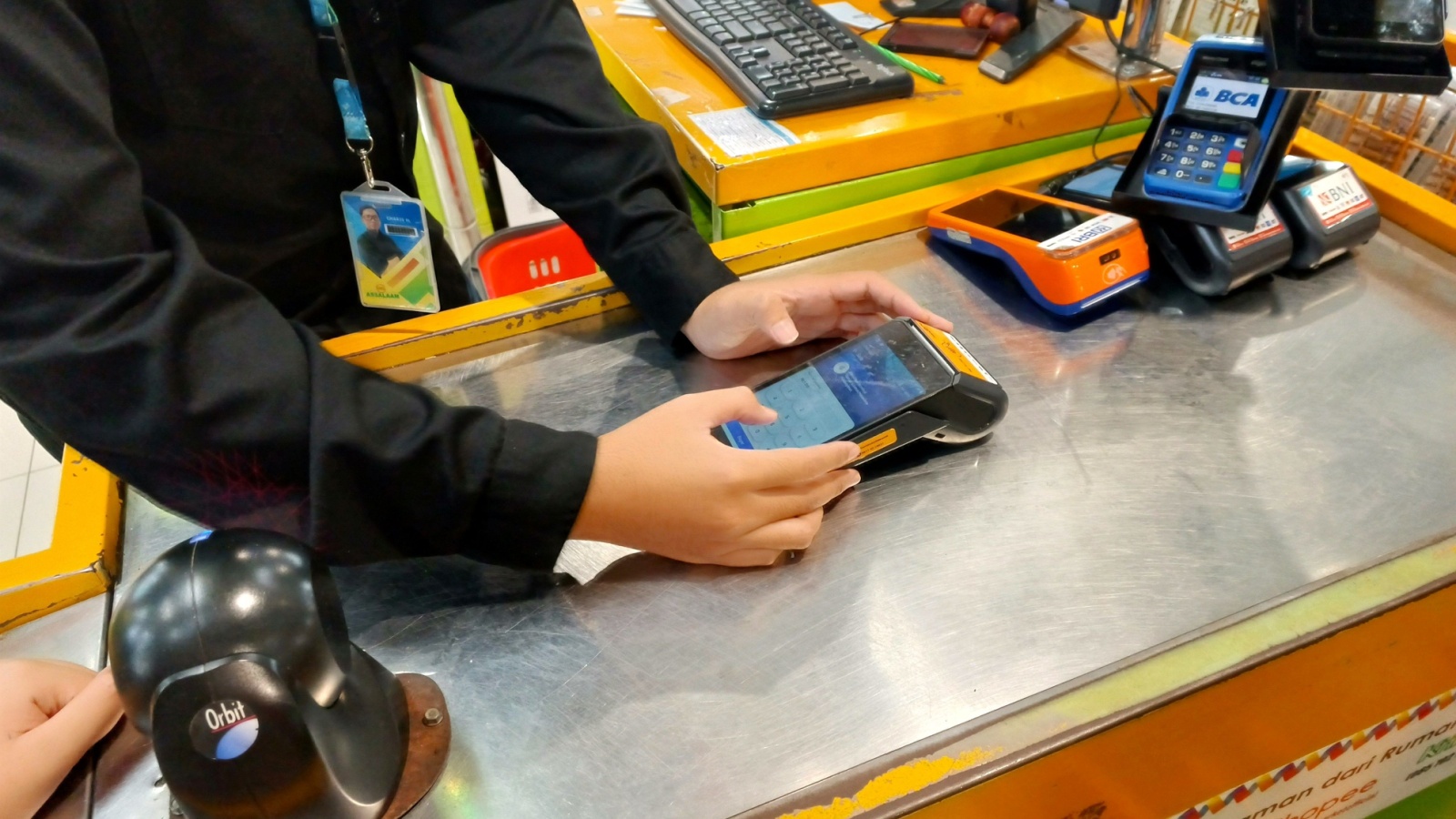
Cashier ring up groceries while seated. Americans assume it means poor service. Instead, checkout remains quick and cheerful. The seating reflects workplace comfort standards rather than performance decline. Nearly all cashiers use stools nationally. Back home, standing is often associated with discipline and efficiency. Canadians connect comfort with worker dignity. Visitors realize staff fatigue reduction matters publicly here. The moment changes assumptions around labour practices. Many Americans describe feeling guilty expecting workers to stand unnecessarily.
When They Forgot to Remove Shoes Inside a Home
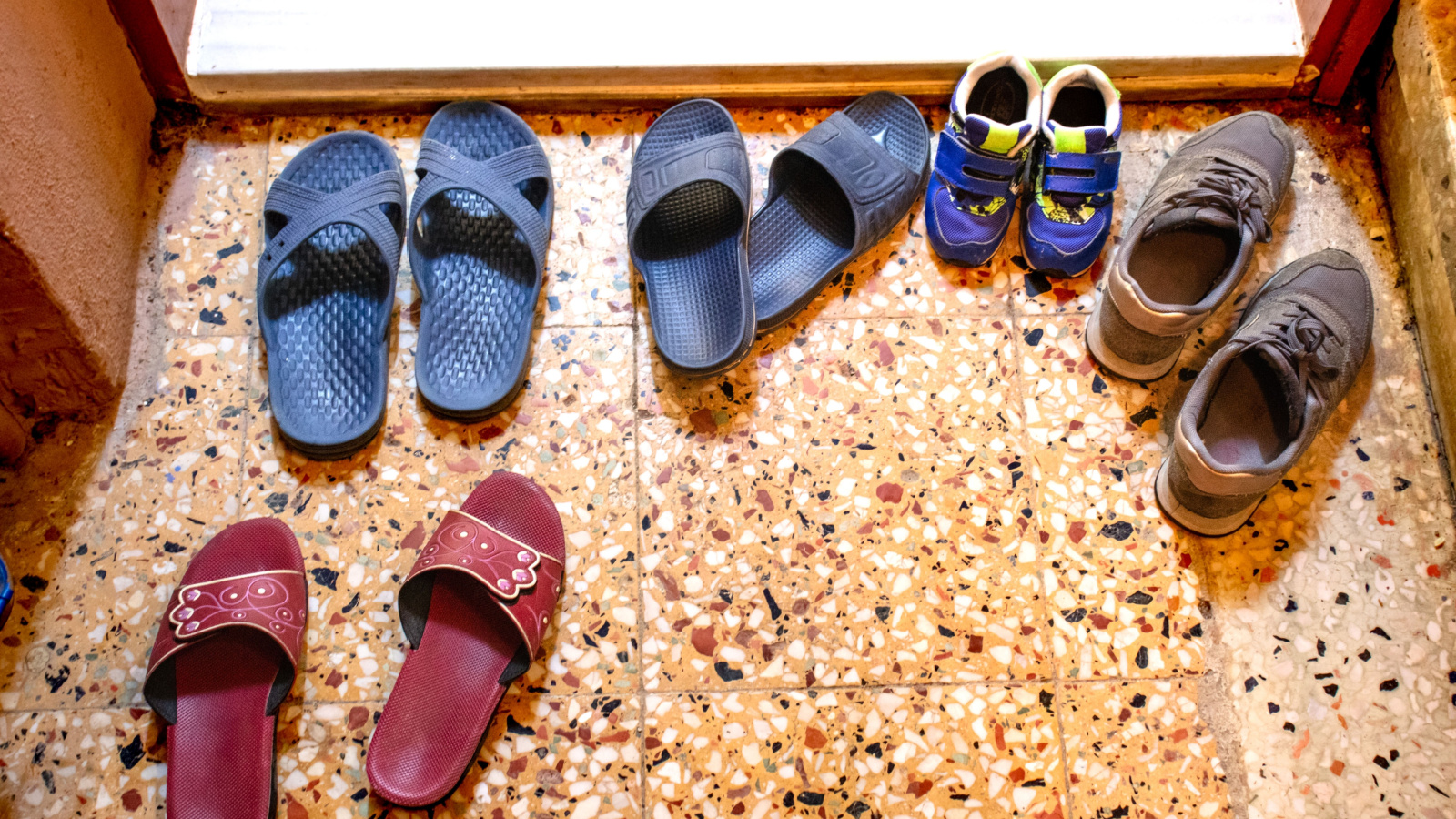
People remove shoes when they enter a Canadian home. Canadians universally prioritize indoor cleanliness. Winter ice salt stains carpets permanently. Slide-on slippers replace shoes quickly in many homes. Tourists feel awkward standing in socks initially. After noticing spotless floors everywhere, logic becomes clear. The visitors later realize this habit reflects respect for shared indoor spaces. It is not a rule. It is cultural instinct.
When the Bus Crowd Thanked the Driver

Hearing a chorus of “Thank yous” shouted toward the bus driver is normal. Everyone getting off the bus repeat it quietly. Tourists admit feeling unsure whether participation was mandatory. American transit riders rarely address drivers daily. In Canada, gratitude feels reflexive. Civility remains part of public transportation etiquette. Drivers visibly appreciated it.
When They Realized Shelf Prices Were a Lie
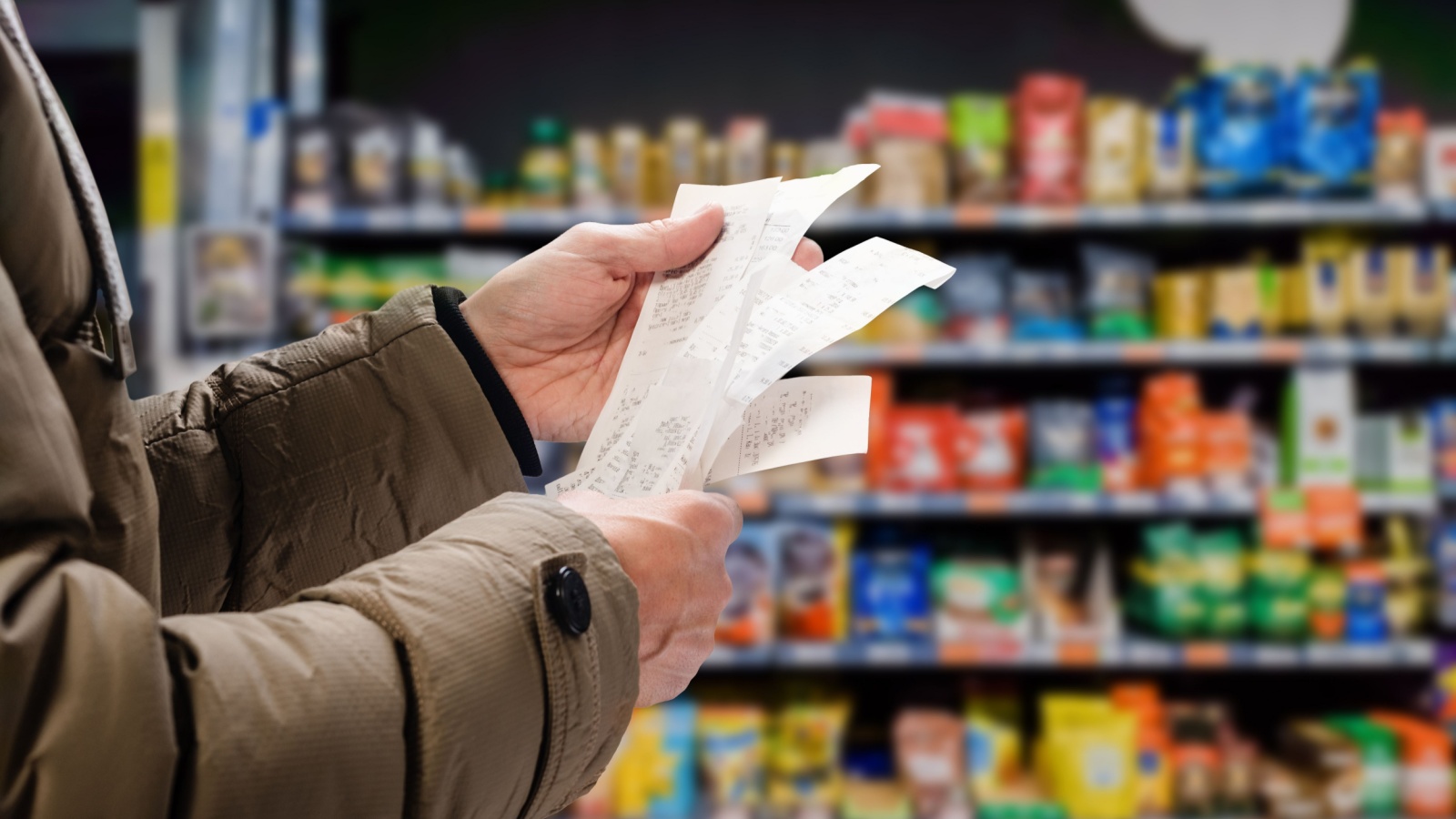
An American visitor grabbed souvenirs priced under budget limits. The checkout total exceeded expectations significantly. Confusion turned into surprise as staff explained combined sales taxes applied at purchase. Prices on shelves excluded tax totals. The visitor had assumed transparent listed costs like many regions globally. Canadians accept this system as normal. Tourists recalculated spending throughout trips afterward. Each purchase reminded them of provincial and federal tax layering. The experience made them diligent receipt checkers. It became one of the most practical shocks early in visits.
When Police Didn’t Look Intimidating
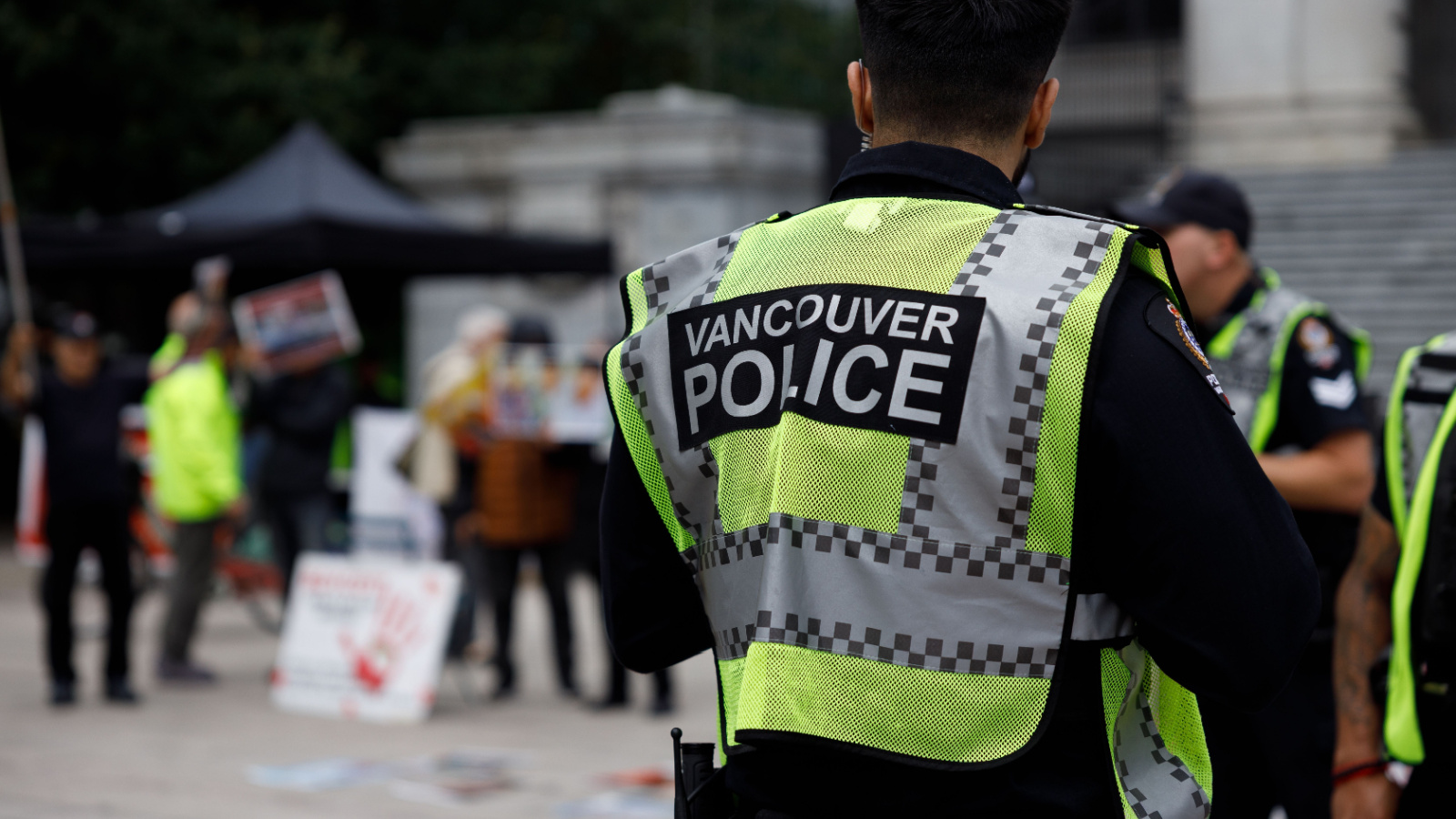
Tourists wandering downtown Montreal remarked that officers looked approachable rather than heavily armed. Patrol cars displayed minimal militarized equipment. Officers smiled and offered directions easily. The lack of aggressive policing presence shocked many Americans. Visitors expected visible tactical gear common in U.S. cities. Canadian law enforcement blended into community spaces smoothly. Safety never felt compromised. Instead, public calm strengthened. For many, this moment shattered preconceptions about policing firmness equating to safety. They later stated feeling safer walking despite reduced visible enforcement.
When Lines Formed Without Direction

At a busy coffee shop in Banff, Americans observed customers forming an orderly queue without barriers. Nobody rushed counters. Everyone waited patiently. No staff instruction directed movement. When a confused tourist stepped sideways accidentally, patrons politely redirected the line flow. No raised voices followed. The group resolved instantly without tension. Americans described the experience as unusually peaceful. They were accustomed to crowded self-service competition. Canada’s unspoken queuing culture impressed deeply. Travelers hesitated to disrupt it afterward.
When the Kilometres Replaced Miles
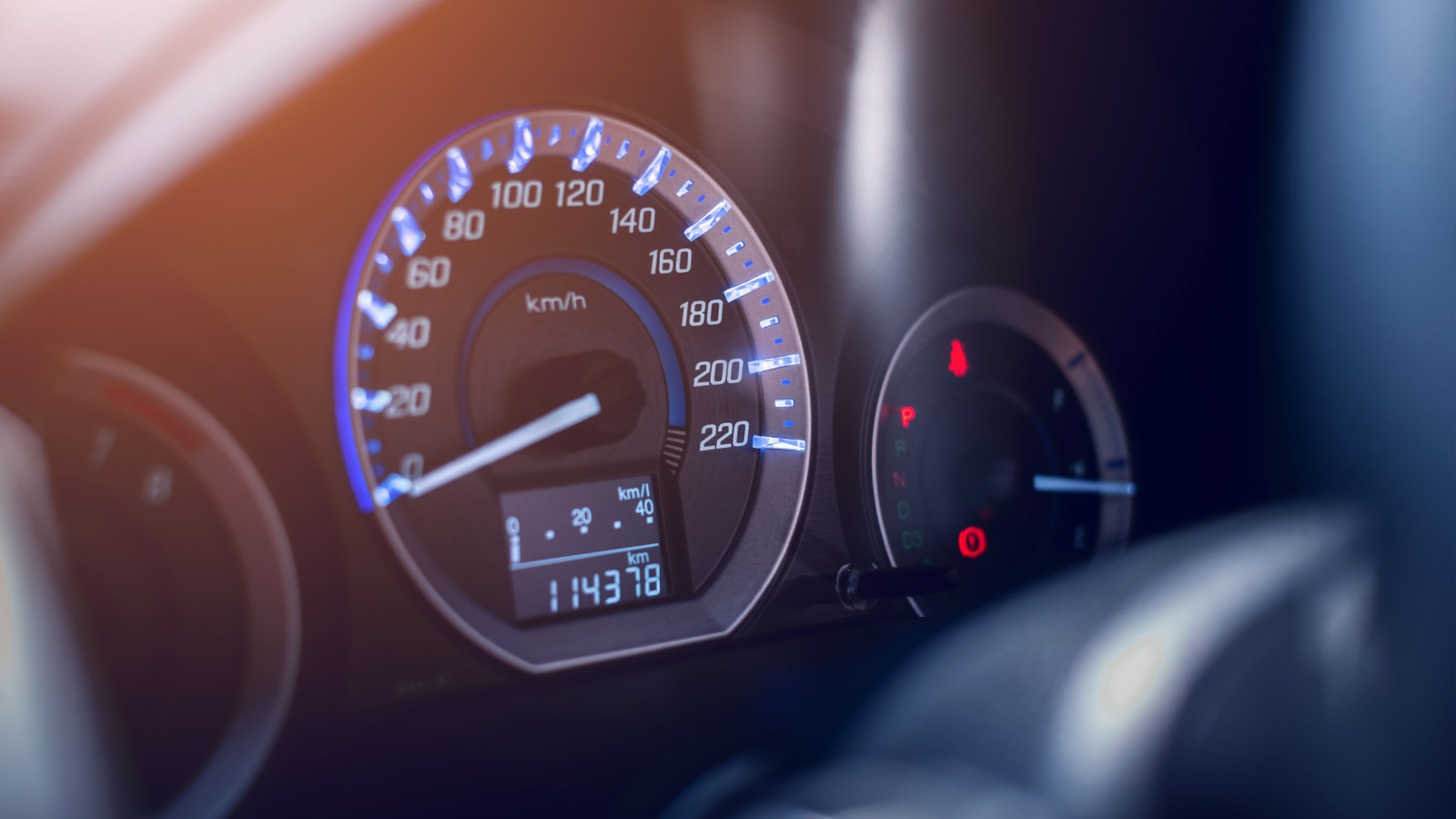
Driving from Toronto to Niagara Falls, American tourists stared at speed signs puzzled. Kilometres per hour replaced miles instantly. Gas pumps charged per liter unfamiliar amounts. Weather apps switched to Celsius forecasts requiring mental conversion. Locals flipped units seamlessly. Visitors relied on phone calculators constantly for days. Eventually, the adaptation felt smoother than expected. They realized measurement standardization simplified life outside U.S. systems. The transition left lasting impressions about American isolation habits internationally.
When Restaurant Portions Looked “Normal”

In Quebec City, American diners awaited enormous meals that never came. Plates arrived balanced and elegant instead. Diners felt satisfied yet lighter afterward. Servers offered takeout containers sparingly. Canadians prioritize portion moderation. The difference surprised guests trained on supersized servings. After a few meals, visitors admitted they preferred the restraint. Eating became comfortably social rather than endurance competition. Several recalled returning home disappointed by American excess.
When They Encountered Bilingual Airports

An American arriving at Montréal–Trudeau Airport paused mid-terminal scanning signs in two languages. English announcements alternated seamlessly with French broadcasts overhead. Digital boards shifted languages automatically. Visitors hesitated momentarily uncertain which instruction applied first. Locals navigated without pause or confusion. The traveller realized bilingual operation functioned fluidly rather than ceremonially. Gate changes updated in both languages within seconds. Security instructions repeated calmly. Even concessions menus offered bilingual design naturally. No one seemed slowed by this dual system. The American visitor later described feeling impressed by functional inclusivity rather than symbolic language use.
When Winter Failed to Trigger Panic

Visiting Edmonton during a heavy snowfall, Americans expected visible chaos. Roads stayed open. Stores restocked normally. Transit schedules adjusted efficiently instead of collapsing. Residents dressed for practicality rather than commuting stress. Strangers helped push vehicles without hesitation. Sidewalks were cleared quickly by neighbours cooperating informally. Schools communicated closures predictably and calmly. Visitors felt surprised by the lack of emergency hysteria. Canadians simply carried on. Winter weather triggered systems already prepared rather than reactive behaviour. The moment reshaped assumptions about cold climates causing instability.
When They Discovered Milk Came in Bags

While shopping in Toronto, tourists noticed oddly shaped milk packaging stacked deep in refrigerators. Instead of cartons, plastic bags filled pitchers. Confusion spread among visiting friends. Locals explained the metric-era packaging transition casually. Demonstrations followed showing corner-snipping pouring methods. The visitors laughed initially. After observing practicality, amusement turned into curiosity. Bags stored compactly. Waste reduction arguments followed during checkout chats. At hotels, tourists later experimented nervously with cutting bags.
When They Heard CBC Radio Dominate Car Trips

Road-tripping through Nova Scotia, American tourists scrolled radio channels expecting wall-to-wall commercials. Instead, CBC storytelling programs dominated frequencies. Hosts discussed regional history instead of music countdowns. Commercial interruptions stayed minimal. Conversations unfolded calmly without shouting or polarizing rhetoric. After hours driving, tourists reported feeling mentally rested rather than overstimulated. They noted how public broadcasting remained central to daily culture. Unlike home radio markets shaped around advertising saturation, Canadian road soundscapes felt reflective.
When Wait Staff Didn’t Rely on Tips

Dining in Vancouver, Americans left large tips automatically before realizing servers earned living wages. Staff treated diners warmly without performative enthusiasm. Service remained polished without visible dependence on gratuities. Visitors asked discreetly about tipping expectations. Locals explained tip ranges were smaller and less determinant of income survival. Guests felt relieved by reduced social pressure. Meals felt calmer without mental tip calculations overshadowing conversation. The tourist later described dining as emotionally lighter. Hospitality culture prioritized professionalism rather than tip optimization. This subtle change reshaped views of service dignity significantly.
When Flag Displays Were Rare

Driving through suburban Ontario, Americans searched for national flags expecting streets lined with banners. Displays remained limited to government buildings or special holidays. Residential homes displayed flags infrequently. Tourists felt puzzled initially interpreting minimal symbolism as indifference. Conversations clarified that Canadians expressed patriotism through civic contribution rather than constant visual expression. Volunteerism replaced overt symbolism.
When Public Drinking Laws Actually Worked

Attending a waterfront festival in Winnipeg, tourists noticed strict drinking zones controlled social behaviour effectively. Alcohol permitted only within fenced areas. Security remained friendly yet firm. No intoxicated crowds spilled outside designated zones. Families mingled comfortably alongside drinkers peacefully. Visitors accustomed to looser public drinking were shocked by rule compliance. No confrontations occurred. Guests respected boundaries voluntarily. The cultural expectation of following alcohol regulations surprised Americans deeply. The system produced order without heavy enforcement visibility. Tourists later praised the balance achieved between celebration and safety.
When Politeness Had No Price Tag

While navigating downtown Ottawa intersections, Americans observed drivers waving pedestrians through intersections repeatedly. Door-holding cascaded between strangers. Snow shovelers cleared sidewalks beyond personal property boundaries. Help appeared without recognition seeking. No expectation of tips followed assistance. The politeness existed without transactional motive. Tourists accustomed to tip-based courtesy frameworks struggled to interpret the behaviour. They realized courtesy represented shared civic duty rather than service economy obligation. Gratitude exchanges stayed brief and understated. This kind of uncommodified kindness lingered strongest in visitor memories.
22 Groceries to Grab Now—Before another Price Shock Hits Canada
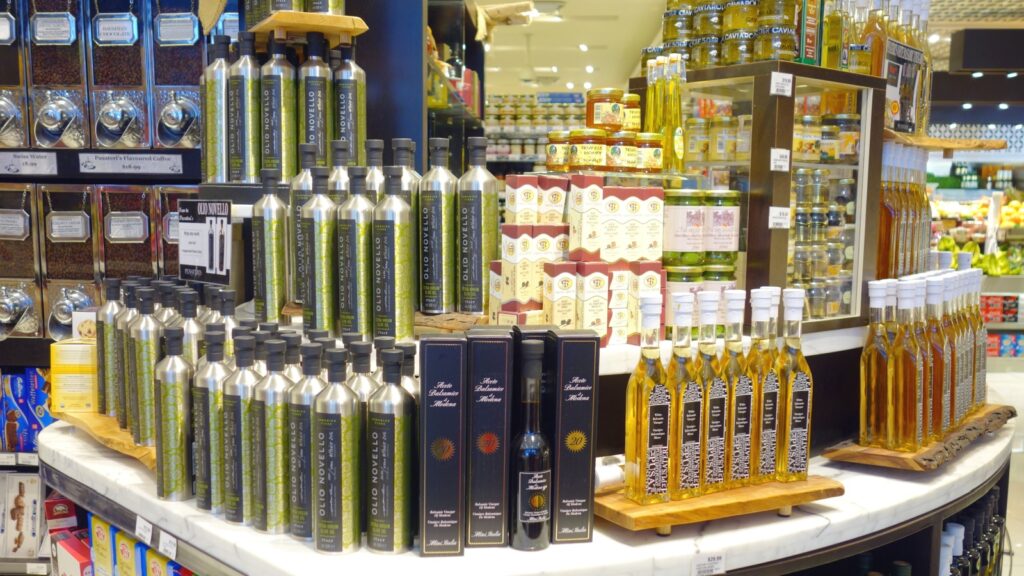
Food prices in Canada have been steadily climbing, and another spike could make your grocery bill feel like a mortgage payment. According to Statistics Canada, food inflation remains about 3.7% higher than last year, with essentials like bread, dairy, and fresh produce leading the surge. Some items are expected to rise even further due to transportation costs, droughts, and import tariffs. Here are 22 groceries to grab now before another price shock hits Canada.
22 Groceries to Grab Now—Before another Price Shock Hits Canada
This Options Discord Chat is The Real Deal
While the internet is scoured with trading chat rooms, many of which even charge upwards of thousands of dollars to join, this smaller options trading discord chatroom is the real deal and actually providing valuable trade setups, education, and community without the noise and spam of the larger more expensive rooms. With a incredibly low-cost monthly fee, Options Trading Club (click here to see their reviews) requires an application to join ensuring that every member is dedicated and serious about taking their trading to the next level. If you are looking for a change in your trading strategies, then click here to apply for a membership.