
Foreign acquisitions have reshaped much of Canada’s corporate landscape during the past several decades. Many iconic brands quietly disappeared into international ownership. Yet some companies chose a different path. Despite lucrative offers and intense pressure, these firms prioritized domestic control, Canadian jobs, and long-term independence. Their decisions preserved local identities rather than maximizing immediate shareholder payouts. Here are 18 Canadian companies that refused to sell out to foreign buyers.
Desjardins Group
18 Canadian Companies That Refused to Sell Out to Foreign Buyers
- Desjardins Group
- Canadian Tire
- Irving Oil
- WestJet
- MEC (Mountain Equipment Company)
- Shopper’s Drug Mart
- Lululemon
- Pattison Food Group
- Rocky Mountaineer
- Leon’s Furniture
- Canada Goose
- Home Hardware
- Maple Leaf Sports & Entertainment
- Fairmont Hotels
- Giant Tiger
- Roots Canada
- London Drugs
- Aritzia
- 22 Groceries to Grab Now—Before another Price Shock Hits Canada

Desjardins has remained proudly cooperative and domestically controlled since its founding in Quebec. Throughout the 1990s and early 2000s, prominent U.S. financial institutions expressed interest in acquisition discussions. Desjardins repeatedly rejected any ownership transfers that threatened member control. Cooperative structure makes hostile takeovers difficult. Management reinforced governance rules to prevent foreign consolidation. Leaders emphasized regional community investment over international expansion promises. Remaining Canadian allowed retention of decision-making power within local credit unions.
Canadian Tire

Canadian Tire resisted multiple foreign acquisition approaches during the late 1990s retail consolidation boom. U.S. home improvement chains expressed acquisition interest as Canadian Tire’s nationwide footprint expanded. Corporate leadership maintained structural protections. Its associate dealer ownership model complicated full buyouts. Share classes further limited foreign takeover vulnerability. Management focused on strengthening national supply chains rather than selling out. Marketing emphasized patriotic branding tied directly to domestic ownership. Remaining Canadian reinforced consumer trust significantly.
Irving Oil

Irving Oil, headquartered in New Brunswick, has withstood numerous international takeover overtures since the 1980s. American petroleum giants consistently pursued acquisition negotiations during refinery expansions. The Irving family refused, maintaining strict private ownership control. Independence prioritized self-directing Atlantic energy infrastructure. The company invested domestically instead of leveraging foreign partnerships. This decision preserved local employment across refining and transportation sectors. Remaining private limits shareholder sale pressure. Corporate leadership emphasized energy security for Eastern Canada rather than international profit maximization.
WestJet

During its rapid early growth through the 2000s, WestJet received consistent interest from U.S. airline partnerships seeking acquisition potential. Corporate management resisted full buyouts to maintain Canadian operation control. Foreign ownership caps within aviation law assisted this effort. Leadership prioritized internal expansion and employee ownership programs. Stock compensation tied workers directly into the company’s independence goals. Remaining Canadian ensured route planning aligned with domestic connectivity goals rather than solely profit routes across borders. Employment continued expanding within Canadian aviation.
MEC (Mountain Equipment Company)

Before its financial difficulties later emerged, MEC fiercely resisted takeover offers throughout the 2000s flourishing outdoor retail boom. U.S. sporting conglomerates pursued acquisition talks seeking Canadian market access. MEC’s cooperative ownership structure limited sellout capability without member votes. Leadership prioritized values-driven outdoor stewardship over multinational profit strategies. Members consistently supported remaining independent and Canadian owned. Domestic supply chains expanded accordingly. MEC invested into local sustainability initiatives unmatched by larger chains.
Shopper’s Drug Mart
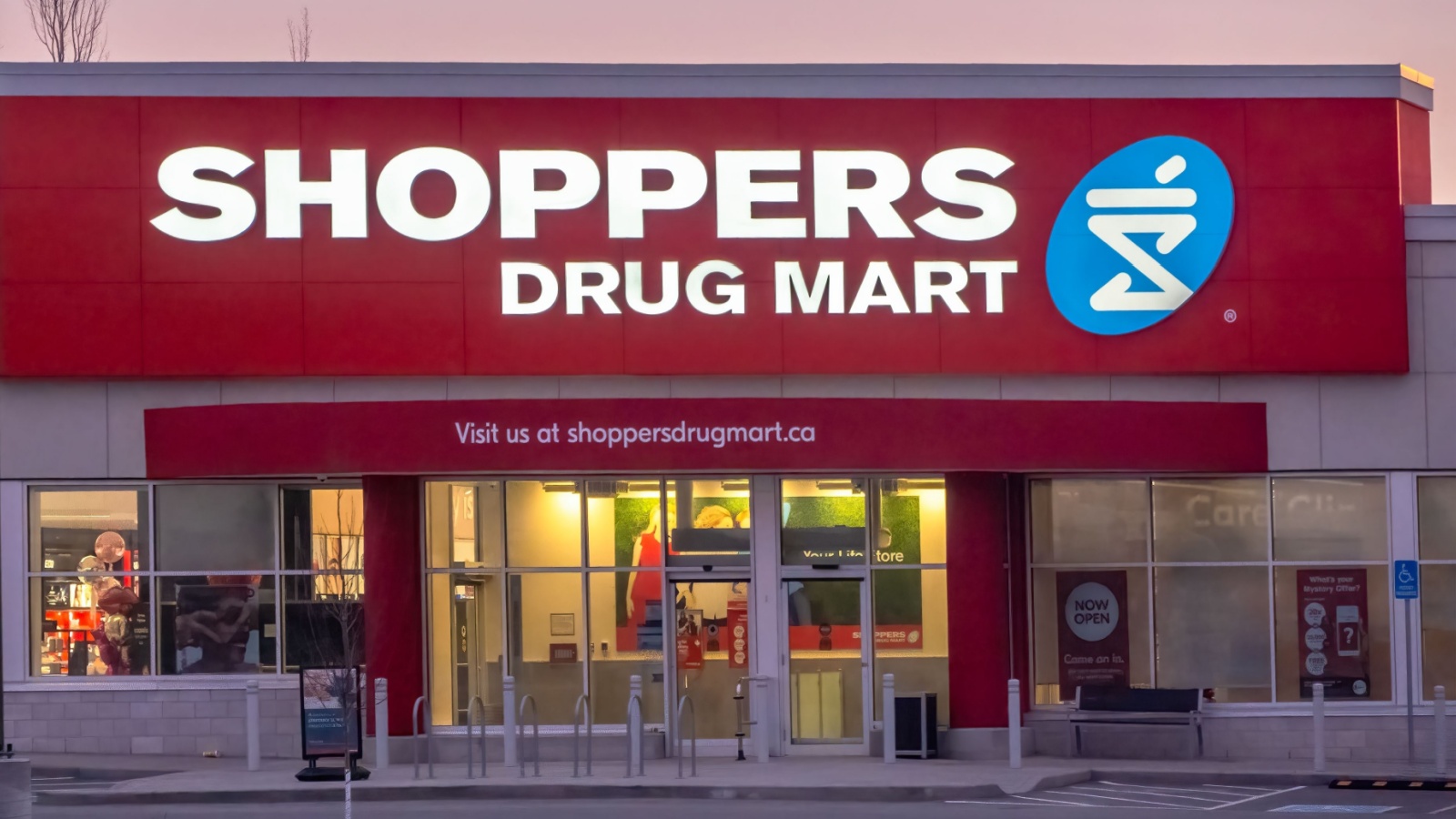
Before eventual mergers shifted structure years later, Shopper’s Drug Mart resisted multiple U.S. pharmacy acquisitions during the 1990s market consolidation phase. American pharmaceutical chains attempted buyout strategies to dominate the Canadian drugstore space. Leadership opposed cross-border sales emphasizing healthcare regulation complexity differences. Remaining Canadian enabled adaptation to provincial pharmacy regulatory frameworks. Store model innovations maintained national competitiveness without foreign dependency. Head offices remained anchored in Toronto employing thousands domestically.
Lululemon

Despite growing international prominence, Lululemon resisted acquisition interest from major U.S. athletic apparel conglomerates during its early explosive growth years. Corporate leadership retained strict founder control over voting shares. This governance structure blocked takeover manoeuvres effectively. Management prioritized brand culture control above immediate financial payoffs. Domestic product development stayed Vancouver-based. Canadian employment expanded alongside global retail growth. Independence allowed experimental product design free from corporate homogenization pressures. Consumer brand perception benefited from authenticity narratives.
Pattison Food Group
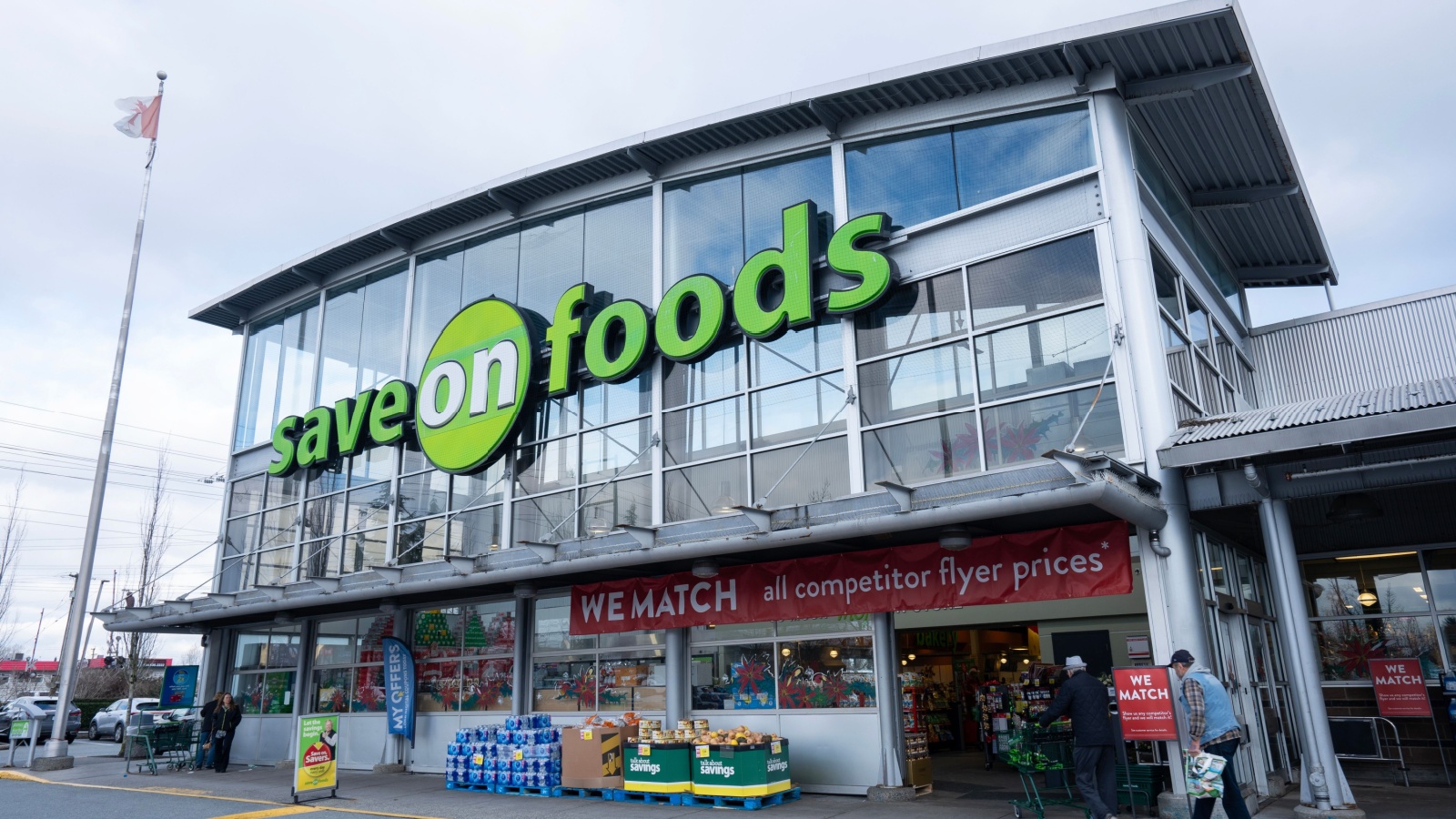
Western Canada grocery powerhouse Pattison Food Group consistently rejected U.S. supermarket conglomerate purchase bids from the 1990s onward. Competitors sought national consolidation entry through acquisition. CEO Jim Pattison maintained strict domestic ownership policies. Control allowed prioritization of local supplier partnerships across British Columbia and Alberta. Canadian produce and manufacturers retained shelf placement stability. Corporate profits reinvested locally into logistics infrastructure development. Job retention across western distribution hubs remained robust.
Rocky Mountaineer

Luxury tourist rail operator Rocky Mountaineer attracted numerous international hospitality chain takeover interests during its expansion years after 2000. American tourism corporations pursued branding acquisition deals aggressively. Founder leadership refused control sales, instead pursuing strategic operational partnerships without equity surrender. Domestic ownership preserved uniquely Canadian experience curation. Route development emphasized showcasing Canadian landscapes rather than profit density optimization. Canadian employment remained core to staffing onboard crews and operations. Local community partnerships flourished under independent direction.
Leon’s Furniture

Leon’s continuously resisted American retail acquisition offers throughout retail consolidation phases in the early 2000s. U.S. furniture chains pursued national market penetration aggressively. Leon’s leadership reinforced domestic expansion over foreign buyout discussions. Store networks expanded strategically across Canadian provinces. The founding Leon family retained firm operational control. Maintaining Canadian ownership preserved its localized supply partnerships and employment footprint. Distribution hubs continued operating domestically instead of outsourcing cross-border systems. Marketing remained distinctly Canadian, avoiding standardized international branding templates.
Canada Goose

Canada Goose resisted early acquisition offers following its luxury brand breakthrough period around 2010. European and American fashion conglomerates expressed buyout interest seeking immediate global market capture. Founder governance structures retained majority voting power internally. Corporate leadership chose controlled expansion over foreign takeover security. Manufacturing largely stayed Canadian to guard quality reputation. Job creation remained anchored domestically in Winnipeg and Toronto. Remaining independent preserved brand storytelling rooted in northern heritage rather than marketing standardization. Financial growth followed public investment rather than foreign buyout dependence.
Home Hardware

Home Hardware faced foreign hardware chain acquisition overtures through the 1990s and early 2000s expansion era. American big-box retailers sought national market entry by targeting cooperative chains. Home Hardware’s dealer-owner cooperative structure protected its independence. Local store owners voted collectively against buyout opportunities. Management emphasized community supplier relationships over multinational procurement control. Canadian lumber and tool manufacturers retained shelf access stronger than competitor networks. Remaining domestic ownership preserved rural hardware store viability nationwide.
Maple Leaf Sports & Entertainment

MLSE attracted foreign investment interest consistently during the franchise expansion period of the 2000s. U.S. sports media conglomerates sought controlling stakes in Leafs and Raptors holdings. Canadian consortium ownership resisted surrendering majority control. Regulatory protections allowed foreign minority investment only. Governance structures defended domestic decision authority. Keeping teams Canadian-owned preserved fan-first cultural management approaches. Ticketing strategies reflected community loyalty priorities rather than entertainment conglomerate pricing algorithms.
Fairmont Hotels

Fairmont leadership resisted earlier U.S. hotel corporation buyouts throughout the 1990s while expanding luxury destinations internationally. Canadian ownership structures prioritized retaining operational headquarters domestically. Foreign hospitality giants sought immediate portfolio takeovers. Fairmont pursued strategic alliances without surrendering majority control for decades. Iconic properties like Banff Springs and Château Frontenac remained guided by Canadian hospitality philosophies.
Giant Tiger

Discount retailer Giant Tiger rejected U.S. acquisition efforts repeatedly through the 2000s retail power consolidation phase. American dollar-store operators expressed interest in purchasing chain expansion rights. Corporate leadership remained firm on Canadian independence priorities. Community-centered retail identity drove decision-making. Pricing models favoured local vendor integration rather than standardized multinational sourcing policies. Rural employment stability remained central to corporate mission design. Family ownership structures prevented hostile takeover vulnerability. Expansion focused on under-served small Canadian markets intentionally bypassed by foreign giants.
Roots Canada

Roots faced buyout inquiries from U.S. apparel corporations frequently following its global fashion emergence during the late 1990s. Founders reaffirmed commitment to Canadian ownership repeatedly. Manufacturing facilities remained domestic longer than industry norms. Creative teams maintained headquarters in Toronto rather than relocating south. Governance structures limited outside controlling investment. Remaining Canadian preserved craftsmanship messaging authenticity. Long-term retail strategy favoured brand integrity over aggressive foreign scaling acquisitions.
London Drugs

Western-owned regional drugstore chain London Drugs resisted U.S. pharmacy takeover attempts through multiple retail consolidation cycles. American chains sought immediate access to western markets through acquisition. Family ownership governance structures prevented foreign controlling interests. Corporate leadership emphasized customer service differentiation over chain-scale dominance. Stores tailored merchandise mix to regional needs rather than adopting universal stock templates. Supplier partnerships with Canadian manufacturers thrived under independent ownership. Investments strengthened internal distribution networks rather than funding shareholder exits.
Aritzia

Aritzia resisted foreign takeover interest following strong international growth through the 2010s. Global fashion conglomerates explored purchase potential aggressively. Voting share structures protected West Coast leadership control. The company maintained decentralized Canadian design authority. Store growth followed deliberate pace rather than acquisition-inflated scaling. Creative operations remained Vancouver-based. Branding continued emphasizing understated lifestyle rather than trend-driven corporate repositioning. Independence allowed retail experimentation without homogenization pressures. Employment remained anchored domestically across design, logistics, and customer care divisions.
22 Groceries to Grab Now—Before another Price Shock Hits Canada

Food prices in Canada have been steadily climbing, and another spike could make your grocery bill feel like a mortgage payment. According to Statistics Canada, food inflation remains about 3.7% higher than last year, with essentials like bread, dairy, and fresh produce leading the surge. Some items are expected to rise even further due to transportation costs, droughts, and import tariffs. Here are 22 groceries to grab now before another price shock hits Canada.
22 Groceries to Grab Now—Before another Price Shock Hits Canada
This Options Discord Chat is The Real Deal
While the internet is scoured with trading chat rooms, many of which even charge upwards of thousands of dollars to join, this smaller options trading discord chatroom is the real deal and actually providing valuable trade setups, education, and community without the noise and spam of the larger more expensive rooms. With a incredibly low-cost monthly fee, Options Trading Club (click here to see their reviews) requires an application to join ensuring that every member is dedicated and serious about taking their trading to the next level. If you are looking for a change in your trading strategies, then click here to apply for a membership.