
35,000+ smart investors are already getting financial news, market signals, and macro shifts in the economy that could impact their money next with our FREE weekly newsletter. Get ahead of what the crowd finds out too late. Click Here to Subscribe for FREE.
Canadians often assume food safety standards align closely with those used globally. In reality, ingredient approval varies widely across international regulators. What one country accepts as safe another may restrict or ban outright. These bans often focus on preservatives, dyes, stabilizers, or specific processing techniques rather than the foods themselves. Most Canadians encounter these products daily without realizing foreign governments disallow them. Grocery aisles quietly reveal vast policy differences shaping what ends up on plates worldwide. Here are 21 foods banned in other countries that Canadians eat every day.
Frosted Breakfast Cereals
21 Foods Banned in Other Countries That Canadians Eat Every Day
- Frosted Breakfast Cereals
- Microwave Popcorn
- Farmed Atlantic Salmon
- Processed Cheese Slices
- Energy Drinks with Caffeine Boosters
- Artificial Food-Dyed Candy
- Packaged Bread Preservatives
- Instant Noodles
- Margarine with Residual Trans Fats
- Artificial Sweeteners
- Coloured Sports Drinks
- Growth Hormone–Treated Beef
- Brominated Soft Drinks
- Ractopamine-Treated Pork
- Azodicarbonamide Bread Products
- Artificially Dyed Pickles
- Olestra Fat Substitutes
- Potassium Bromate Flour
- Zeaxanthin Artificial Coloring
- Aluminium-Containing Baking Powders
- Dairy from rBST-Treated Cows
- 22 Groceries to Grab Now—Before another Price Shock Hits Canada

Many frosted breakfast cereals commonly sold across Canada contain synthetic food dyes restricted or banned in parts of Europe. These dyes enhance colour appeal rather than providing nutritional benefit. European regulators apply precaution-based policies linking certain dyes to potential behavioural effects in children. Canada permits their use within strict dosage limits established by toxicological testing. Health Canada bases approvals on measured exposure thresholds rather than behavioural risk modelling. Canadian parents routinely serve these cereals without warnings beyond usual nutritional labelling.
Microwave Popcorn

Microwave popcorn formulations previously relied on artificial butter flavouring agents that came under scrutiny for respiratory risks among factory workers. Several European regulators restricted these compounds following occupational safety studies. Consumer exposure remains far lower than industrial exposure contexts. Canada permits updated flavour formulations after ingredient modification and chemical substitution. Health Canada assessments focus strictly on ingestion safety rather than workplace exposure findings. Canadians continue enjoying microwave popcorn as a low-effort movie snack.
Farmed Atlantic Salmon

Farmed salmon consumed widely across Canada comes from aquaculture using feed antioxidants sometimes restricted overseas. European authorities banned certain compounds like ethoxyquin over concerns about long-term toxicity accumulation. Canada continues approving antioxidant use at regulated levels to prevent feed spoilage and bacterial growth. Domestic regulators prioritize infection prevention within fish stocks while maintaining human ingestion thresholds deemed safe. Canadian salmon farming plays a major role in domestic seafood supply sustainability. Without these preservatives, mass aquaculture logistics become challenging. Grocery outlets rely heavily on consistent salmon sourcing. Labelling rarely draws attention to feed additives. Consumers remain unaware of international feed policy differences. European bans often apply broader ecological risk caution across food chains.
Processed Cheese Slices

Processed cheese slices remain Canada’s most common sandwich filler. Stability depends on emulsifiers and melting salts banned or restricted within some European food codes. These additives allow cheese to melt evenly and hold shelf shape. European restrictions cite research on potential microbiome disruption and gut inflammation. Canada approves these stabilizers after digestive toxicity testing. Health Canada does not apply microbiome precaution measures without conclusive medical evidence. Canadian households purchase processed cheese weekly for lunches and school snacks.
Energy Drinks with Caffeine Boosters

Several energy drink formulas sold in Canada exceed stimulant thresholds that some Nordic nations restrict. Added ingredients such as guarana amplify caffeine effects beyond standard coffee levels. Denmark and Norway impose tight stimulant caps based on cardiovascular caution policies. Canada permits such products with warning labels and consumption advisories instead of bans. Adolescents and young adults frequently consume these drinks during academic or athletic routines. Retail distribution remains widespread through convenience stores and vending machines. Brands target lifestyle marketing rather than health awareness campaigns.
Artificial Food-Dyed Candy

Brightly coloured candies in Canada rely on several synthetic dyes banned in European nations. European regulators cite possible behavioural impacts rather than direct toxic harm. Canada authorizes dye usage below established safe daily intake measurements. Children consume these candies during movie nights, birthdays, and school events. Parents often assume bright colours equal food safety compliance. Ingredient labels rarely receive detailed attention. Health Canada assessments prioritize direct biological toxicity results rather than observational behaviour studies. Consumer advocacy groups continue requesting dye re-evaluations.
Packaged Bread Preservatives

Several dough conditioners used in Canadian commercial bread face foreign bans over links to potential carcinogenic byproducts when heated. Europe restricts these enhancers under long-term exposure risk models. Canada permits controlled use due to absence of demonstrated consumer harm from finished products. Preservatives allow nationwide shipping and longer shelf stability. Without them, bread spoilage would rise sharply across vast geographic distribution routes. Grocery shelves rely heavily on extended shelf-life formulas. Consumers rarely scrutinize bread additives while focusing on calories or fibre.
Instant Noodles

Instant noodles sold across Canada utilize texture stabilizers and preservatives restricted in parts of Asia. Concerns abroad centre on phosphate overuse potentially affecting metabolic health. Canada approves usage levels well within established safety limits. University students and shift workers rely heavily on instant noodles for affordability. Nutritional concerns attract more attention than additive questions domestically. Health Canada limits chemical intake through strict concentration testing. Asian markets emphasize traditional dietary standards and sodium reduction programs. Canadian acceptance prioritizes food stability and affordability.
Margarine with Residual Trans Fats

Canada gradually eliminated industrial trans fats later than several European nations. Older margarine formulas remained compliant during phased removal stages. European bans implemented earlier based on cardiovascular risk modelling. Canadians consumed residual trans fats longer than European populations. Reformulation accelerated during the late 2010s. Some trace allowances persisted under regulatory thresholds before full prohibition. Margarine remains regular breakfast fare. Consumers paid little attention during regulatory transitions. Canada’s phased approach emphasized market adaptation rather than abrupt bans. European authorities pursued strict immediate elimination.
Artificial Sweeteners
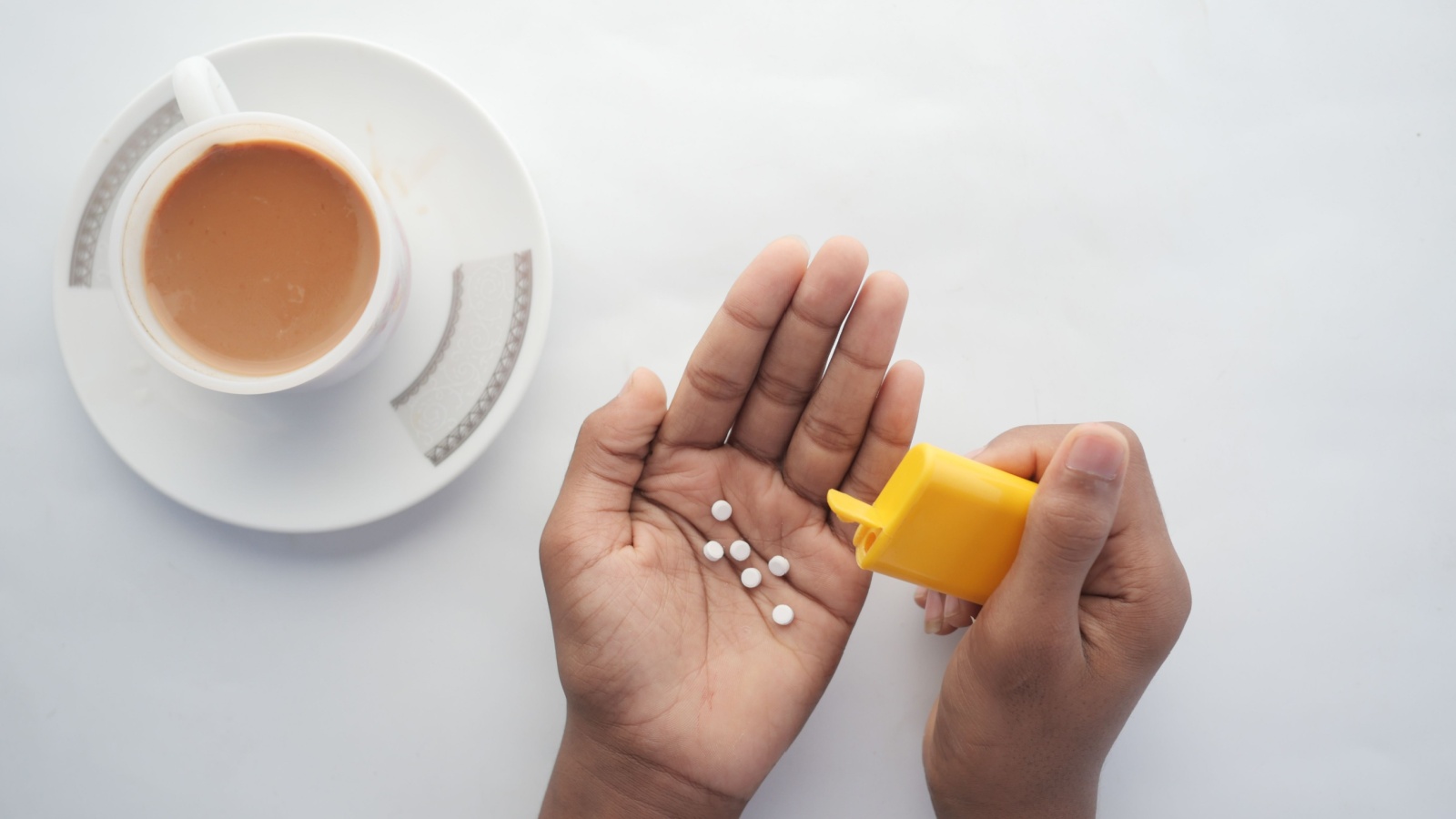
Artificial sweeteners approved in Canada remain restricted or banned in select countries over cancer risk debates. Extensive studies have failed to establish direct human harm at regulated doses. Canada maintains approval based on toxicological evaluations and intake monitoring. Diet beverages, sugar-free gum, and low-calorie snacks rely heavily on these compounds. Consumers seek reduced sugar diets without sacrificing sweetness. European and Asian regulators apply tighter precaution models during uncertainty periods. Canadian policy hinges on concrete biological harm evidence rather than observational correlations.
Coloured Sports Drinks

Sports drinks sold across Canada utilize artificial dyes prohibited within some European food codes. Officials overseas cite possible hyperactivity effects rather than toxicity proof. Canada authorizes dye usage under strict dosage caps. Students and athletes consume these beverages daily during practices. Ingredient scrutiny rarely outweighs hydration needs during purchase decisions. Advertising focuses on performance benefits rather than ingredient awareness. Health Canada monitors dye usage within safe exposure margins. European bans utilize early precaution principles. Canada uses evidence-based toxicology requirements.
Growth Hormone–Treated Beef

Canadian beef production may use growth hormones banned in countries such as China, Russia, and several South American markets. These hormones promote faster weight gain and reduce farming costs. Canadian regulatory agencies permit their controlled use following safety testing on residue levels. Health Canada maintains consumption remains safe under monitoring thresholds. Canadian grocery beef often originates from hormone-treated cattle unless specifically labelled otherwise. Consumers rarely inquire about hormone usage at purchase points. International bans stem from precautionary approaches linked to endocrine disruption theories rather than direct toxic findings.
Brominated Soft Drinks

Certain citrus-flavoured sodas formerly contained brominated vegetable oil additives permitted in Canada and banned in Japan. The ingredient stabilized citrus emulsions in beverages. Japan prohibited brominated oils over thyroid interference concerns raised through animal testing studies. Canadian authorities permitted limited use based on ingestion toxicity evaluations rather than endocrine caution modelling. Many beverages have voluntarily reformulated yet some legacy distributors still qualify under allowed limits. Canadians continue consuming citrus sodas without noticing formulation disputes internationally. Ingredient awareness remains low among casual buyers. Soft drinks remain common in homes, sporting events, and restaurants. Health Canada enforces strict usage caps and labelling requirements.
Ractopamine-Treated Pork

Pork containing ractopamine feed additives remains legal within Canada but banned in China, Russia, and numerous Southeast Asian nations. The drug improves meat leanness and growth efficiency. Canadian authorities approve use under residue threshold testing programs. Scientific conclusions consider ingestion levels safe following metabolic clearance modelling. International bans persist due to cardiovascular and nervous system concerns originating in animal testing data. Major pork-importing countries reject shipments containing trace ractopamine residues. Canadian consumers purchase domestic pork products regularly without awareness. Export producers separate supply chains to meet foreign compliance demands.
Azodicarbonamide Bread Products

Some Canadian bread products previously used azodicarbonamide as a dough conditioner. The additive improves bread volume and elasticity. Singapore banned its use due to concerns around breakdown byproducts potentially affecting respiratory health. Canada permitted controlled dosages following food safety testing outcomes. The concern overseas stemmed largely from bakery worker inhalation exposure rather than consumer ingestion toxicity. Canadian regulators separate workplace safety regulation from food toxicity assessment. Consumers eat packaged sandwich bread daily without awareness of prior regulatory debates. Manufacturers gradually reformulated as public interest grew despite continued legality.
Artificially Dyed Pickles
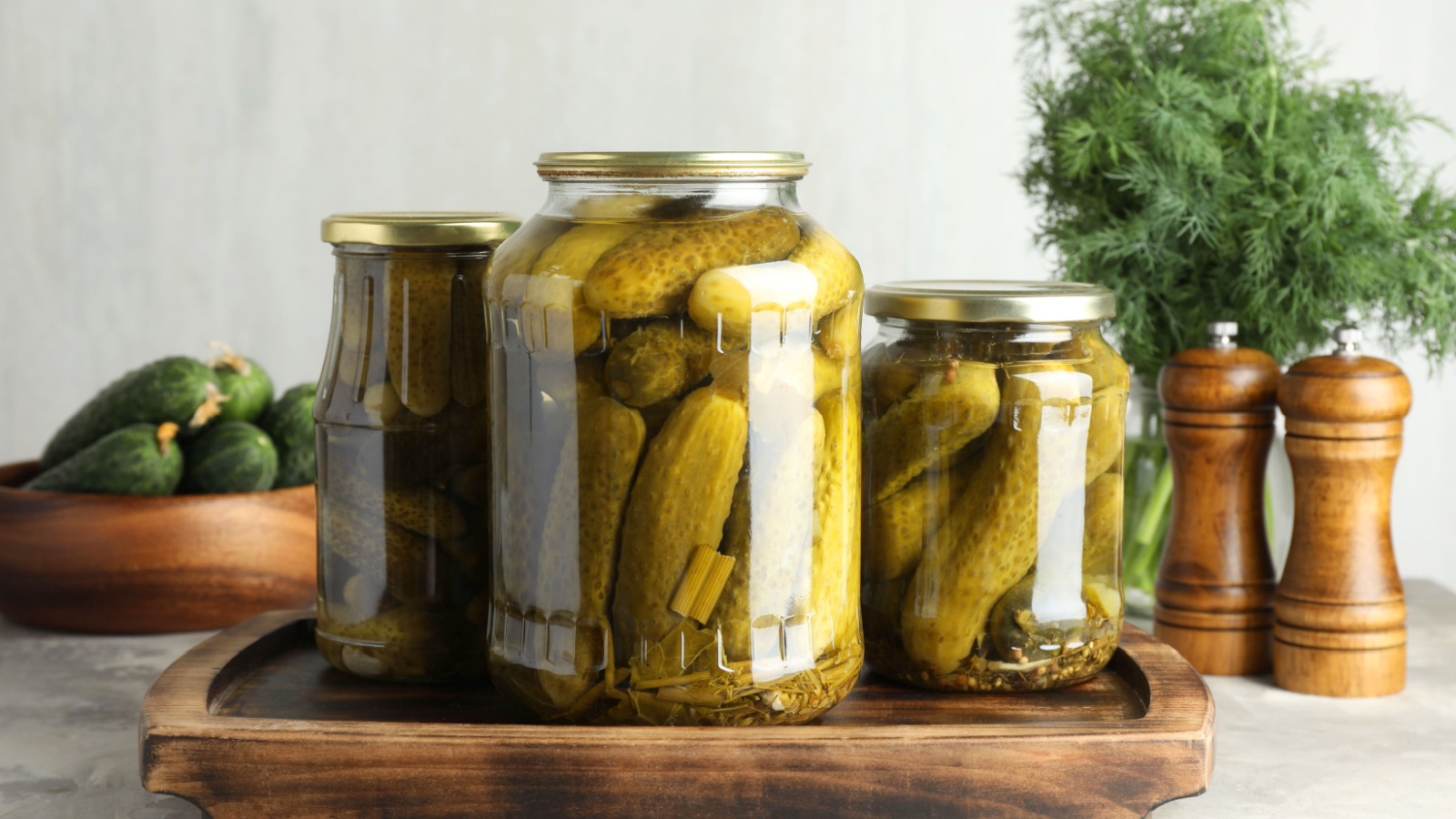
Some pickles sold in Canada still use artificial green dyes banned in Japan. Japanese regulators restrict food colour agents relating to developmental risk hypotheses from early laboratory research. Canada allows limited dye usage under food additive registration systems. Canadian pickles appear uniformly vibrant due to coloration stabilization. Consumers associate bright colour with freshness rather than chemical processing. No mandatory warnings appear on labels beyond ingredient listings. Japanese policy favours immediate precaution based on potential long-term developmental research uncertainty.
Olestra Fat Substitutes

Fat-free snack chips in Canada may still contain fat substitutes permitted domestically but banned in several South American countries. Concerns abroad include digestive absorption interference for fat-soluble vitamins. Canadian regulators permit olestra with labelling advisories based on gastrointestinal safety research. Consumers snack without consequence awareness. Vitamin interference risk remains theoretical rather than clinically demonstrated. South American bans utilize early preventive caution rather than waiting for confirmed health effects. Canada favours monitored dietary exposure compliance.
Potassium Bromate Flour

Potassium bromate strengthens dough and improves bread elasticity. Nigeria and China banned its flour use over carcinogenic risk theories derived from rodent studies. Canada permits limited bromate usage given finished baking neutralizes residues chemically. Health Canada testing affirms no bromate remains active once baked correctly. Many bakeries comply with residue elimination standards domestically. Consumers eat standard bakery bread daily without safety notices. Abroad bans persist using conservative carcinogenic thresholds applied regardless of dietary neutralization chemistry. Canada’s stance centres on completed product safety rather than ingredient origin risks alone.
Zeaxanthin Artificial Coloring

Snack cakes and pastry fillings in Canada often use zeaxanthin dyes banned in Japan. Japanese authorities restrict artificial colorants amid child nutrition concerns. Canada allows these additives within safe intake calculations. Pastries remain popular everyday desserts nationwide. Ingredient awareness remains minimal among consumers. Label information rarely drives purchasing behaviour. Japanese regulators apply strict elimination rules under childhood precaution initiatives. Health Canada bases decisions strictly on dose-response toxicity assessments. Canadians eat desserts avoided elsewhere based on policy philosophy differences.
Aluminium-Containing Baking Powders

Canadian baking powders may contain sodium aluminium phosphate. The ingredient is banned in China and parts of Southeast Asia over neurological risk hypotheses. Canada allows its controlled application due to lack of conclusive ingestion-based toxicity evidence. Home baking remains nationally popular. Cakes, biscuits, and pancakes frequently include aluminium-based leavening agents unnoticed by consumers. Foreign bans stem from neurodevelopment precaution studies still under academic debate. Canadian authorities rely on biochemical absorption data rather than correlation-driven research. As such, Canadians regularly ingest baking agents not permitted abroad.
Dairy from rBST-Treated Cows

Canada permits dairy imports containing milk from rBST-treated cows, though domestic production avoids hormone use voluntarily. rBST use bans exist across Australia and New Zealand due to animal welfare concerns rather than consumer safety. Canadian regulatory authorities classify residue milk consumption as safe. Public debate influenced farmer voluntary adoption practices domestically rather than legal prohibition. Imported dairy products remain legally sold. Consumers rarely consider hormone sourcing in processed dairy items. International bans focus on ethical livestock impacts rather than dietary toxicity.
22 Groceries to Grab Now—Before another Price Shock Hits Canada
Food prices in Canada have been steadily climbing, and another spike could make your grocery bill feel like a mortgage payment. According to Statistics Canada, food inflation remains about 3.7% higher than last year, with essentials like bread, dairy, and fresh produce leading the surge. Some items are expected to rise even further due to transportation costs, droughts, and import tariffs. Here are 22 groceries to grab now before another price shock hits Canada.
22 Groceries to Grab Now—Before another Price Shock Hits Canada
This Options Discord Chat is The Real Deal
While the internet is scoured with trading chat rooms, many of which even charge upwards of thousands of dollars to join, this smaller options trading discord chatroom is the real deal and actually providing valuable trade setups, education, and community without the noise and spam of the larger more expensive rooms. With a incredibly low-cost monthly fee, Options Trading Club (click here to see their reviews) requires an application to join ensuring that every member is dedicated and serious about taking their trading to the next level. If you are looking for a change in your trading strategies, then click here to apply for a membership.