35,000+ smart investors are already getting financial news, market signals, and macro shifts in the economy that could impact their money next with our FREE weekly newsletter. Get ahead of what the crowd finds out too late. Click Here to Subscribe for FREE.
Canada holds some of the planet’s most dramatic and varied landscapes. Towering mountains meet ancient rainforests. Icefields spill toward turquoise lakes. Vast wetlands shelter rare wildlife. Remote coastlines stretch untouched for hundreds of kilometres. Many of these locations remain unknown even to domestic travellers. International tourism marketing tends to focus attention south of the border. Quietly, Canada preserves parks and natural monuments matching or exceeding any global competitor. Here are 22 natural wonders in Canada that make U.S. parks look average.
Banff National Park, Alberta
22 Natural Wonders in Canada That Make U.S. Parks Look Average
- Banff National Park, Alberta
- Jasper National Park, Alberta
- Gros Morne National Park, Newfoundland and Labrador
- Tofino and Pacific Rim, British Columbia
- Nahanni National Park Reserve, Northwest Territories
- Fundy National Park, New Brunswick
- Waterton Lakes National Park, Alberta
- Athabasca Sand Dunes Provincial Park, Saskatchewan
- Haida Gwaii, British Columbia
- Kluane National Park, Yukon
- Cape Breton Highlands National Park, Nova Scotia
- Spray Lakes Reservoir, Alberta
- Churchill Polar Bear Coast, Manitoba
- Emerald Lake, Yoho National Park, British Columbia
- Torngat Mountains National Park, Labrador
- Athabasca Glacier, Alberta
- Lunenburg Coastline, Nova Scotia
- Mistaken Point Ecological Reserve, Newfoundland and Labrador
- Garibaldi Provincial Park, British Columbia
- Wapusk National Park, Manitoba
- Thousand Islands National Park, Ontario
- Grasslands National Park, Saskatchewan
- 22 Groceries to Grab Now—Before another Price Shock Hits Canada

Banff delivers staggering alpine beauty within compact accessibility. Towering limestone peaks rise directly above glacier-fed lakes. Moraine Lake and Lake Louise glow unrealistic turquoise under summer sunlight. The Icefields Parkway reveals nonstop vistas of glaciers hanging above winding highways. Wildlife roams freely across open valleys. Elk, bighorn sheep, and bears appear regularly. Hiking routes provide dramatic elevation without overcrowding. Snow-capped ridgelines dominate every horizon frame. Winter transforms the landscape into vast frozen silence. Though popular internationally, Banff still offers untapped backcountry escapes beyond major viewpoints. Its combination of glacial lakes, towering summits, and preserved habitats rivals any iconic American park.
Jasper National Park, Alberta

Jasper stretches across one of the largest protected wilderness zones in North America. Vast valleys dwarf even neighbouring Banff crowds. Glacial rivers weave through rolling meadows. Damp forests support large moose populations. Angel Glacier looms impossibly close to roadside viewpoints. The park holds deep backcountry experiences without needing permits months in advance. Jasper Dark Sky Preserve status delivers crystal-clear celestial displays. Nights explode with stars beyond urban imagination. Lakes like Maligne mirror mountain walls in near-perfect symmetry. Wildlife encounters remain common due to lower visitor density. Visitors experience solitude within grand landscapes rarely achieved at American park equivalents.
Gros Morne National Park, Newfoundland and Labrador

Gros Morne presents geological formations rarely accessible elsewhere. Tablelands reveal exposed ancient ocean floor. Red-rock barrens contrast sharply against forested fjords. Western Brook Pond rises as sheer granite cliffs above still waters. Boat tours enter landscapes resembling glacial cathedrals. Coastal fog drifts between cliffs compressing light dramatically. Hiking trails cover coastal headlands and alpine plateaus alike. Moose wander surprisingly near town limits. Human settlement integrates seamlessly without dominating wilderness. Geological significance earned UNESCO recognition. Gros Morne delivers terrain variety beyond famous American parks. Its remoteness preserves dramatic quiet rarely matched elsewhere.
Tofino and Pacific Rim, British Columbia

Pacific Rim meets raw ocean power against Canadian rainforest landscapes. Massive waves crash onto long untouched beaches. Ancient cedars tower just metres from shorelines. Surf culture blends seamlessly with wilderness appreciation. Storm watching draws visitors during autumn tempests. Coastal fog enhances dramatic scale. Tidal pools reveal dense marine ecosystems. Grey whale migrations pass offshore each spring and fall. Trail networks wind through old-growth coastal forests. Beach sunsets stretch uninterrupted by commercial development. Unlike crowded American coastlines, Tofino preserves space and silence.
Nahanni National Park Reserve, Northwest Territories

Nahanni offers wilderness on a near-primeval scale. Virginia Falls thunder with twice Niagara’s height. The South Nahanni River carves through deep limestone canyons. Helicopters remain the only access to many zones. No roads disturb the region’s natural contours. Wildlife thrives in complete remoteness. Grizzly bears remain common sightings. Extended canoe expeditions traverse hundreds of kilometers untouched. Silence frames every experience. Nahanni’s scale dwarfs mainstream park infrastructure. Visitors rarely encounter more than a few explorers daily. The unaltered wilderness immersion feels incomparable internationally.
Fundy National Park, New Brunswick

Fundy showcases the world’s highest tides. The ocean floor becomes walkable twice daily. Cliffs drop dramatically into churning water. Coastal trails overlook shifting shorelines. Freshwater rivers plunge from forested hills into marine basins. Moose wander peatlands inland. Water temperature differences produce constant fog spectacles. Sea stacks rise like ancient guardians during low tide. Light reflections change hourly. The park delivers unique tidal movement unseen within U.S. park systems. Fundy demonstrates how Canada’s Atlantic coast offers both raw geography and gentle beauty concurrently.
Waterton Lakes National Park, Alberta

Waterton rests where prairie abruptly meets towering Rockies. Wind funnels through valleys producing wildly shifting cloudscapes. Lakes transition rapidly from calm to dramatic waves. Grizzly territory remains visibly intact. Wildflower meadows fill foothills during summer months. The Prince of Wales Hotel frames one of the continent’s finest viewpoints. International Peace Park designation connects U.S. Glacier National Park across borders. Yet Waterton remains less crowded. Scenic density rivals more famous neighbours. Compact size yields constant visual variety. Visitors enjoy alpine drama without overwhelming traffic.
Athabasca Sand Dunes Provincial Park, Saskatchewan

Canada’s largest active sand dunes exist deep within boreal wilderness. Dunes rise above subarctic forests unexpectedly. Wind-carved slopes support rare endemic plants. Light constantly reshapes dune patterns. The contrast between pine forests and shifting sands defies expectation. Access requires floatplane journeys only. No roads reach the region. Visitor numbers remain extremely low. Dune silence amplifies isolation. This environment feels closer to Saharan landscapes than North American wilderness. Its remoteness preserves fragile ecosystems.
Haida Gwaii, British Columbia

Haida Gwaii blends ancient rainforest with Indigenous cultural richness. Towering Sitka spruce dominates fog-laced islands. Sea lions haul out along rocky shores. Whale sightings remain common offshore. Old-growth canopies filter light dramatically. Haida villages preserve millennia-old connection pathways to land. Totem poles rise within untouched forest backdrops. Beaches stretch empty for kilometers. Birdlife flourishes due to isolated ecosystems. Cultural and environmental immersion intertwine inseparably. The archipelago remains undervisited relative to its grandeur. Canada protects irreplaceable biodiversity here.
Kluane National Park, Yukon

Kluane hosts Canada’s highest peaks and largest non-polar icefields. Glaciers dominate mountain valleys stretching horizon to horizon. Mount Logan towers with immense glacier networks feeding vast fields. Helicopter access reveals aerial ice rivers unimaginable on foot. Grizzly bears roam freely across tundra flats. Seasonal light varies intensely through northern summers. Cloud formations build dramatically above peaks. Silence unmatched even within famous American mountain ranges defines experiences here. The wilderness feels untouched by modernization. Scale alone separates Kluane from most international parks.
Cape Breton Highlands National Park, Nova Scotia

Cape Breton’s Cabot Trail clings to ocean cliffs above Gulf waters. Forested highlands plunge directly into seabed. Seasonal foliage paints hills vibrant reds and golds. Moose graze near roadway shoulders. Whale sightings accompany shoreline lookout points. Hiking trails descend from the boreal plateau to the ocean coves. Wind carries salt air deep inland. Coastal light constantly shifts the ocean color. Coastal beauty remains uninterrupted by dense resort development. Scenic route density rivals any American coastal drive. Its combination of marine cliffs and autumn forest creates rare visual harmony.
Spray Lakes Reservoir, Alberta
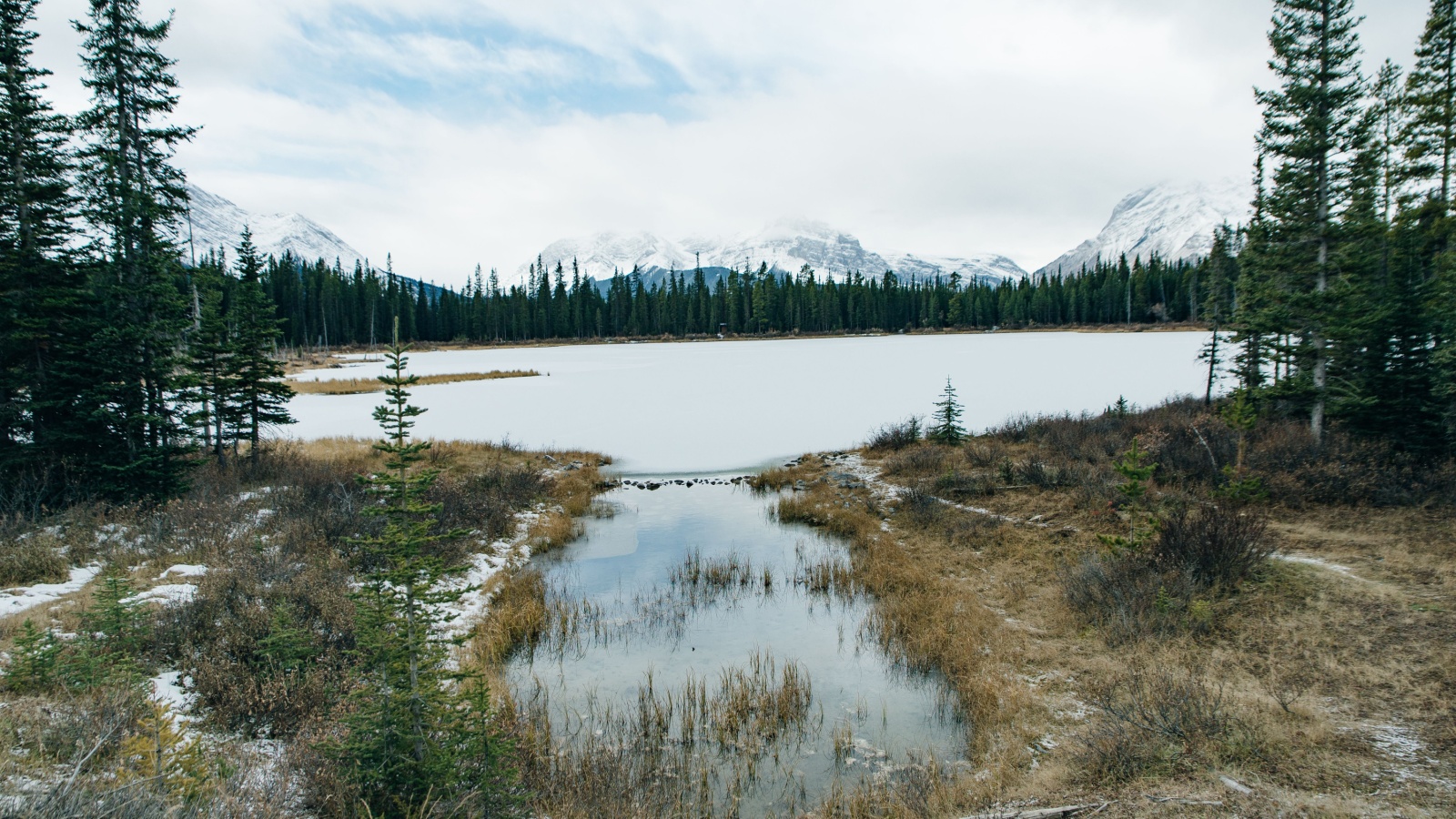
Spray Lakes stretch beneath vast alpine ridges just outside Banff’s main visitor corridors. Mountain silhouettes reflect across calm waters, uninterrupted by heavy traffic. Gravel road access preserves wild solitude. Golden larch forests line surrounding slopes during autumn months. Wildlife sightings remain frequent near shoreline marshes. Campsites remain minimally developed to preserve environmental quiet. Wind patterns create constantly shifting water textures. Sunrise light catches jagged peaks for endless panorama views. Recreational use remains respectful and limited. The sense of isolation surpasses many crowded mountain resorts south of the border. Spray Lakes showcase Canada’s ability to preserve raw landscapes alongside accessible travel.
Churchill Polar Bear Coast, Manitoba

Churchill occupies the rare position as the world’s most accessible polar bear viewing destination. Each autumn, massive bears gather along Hudson Bay waiting for sea ice formation. Tundra buggies allow ethical viewing practices. Northern skies often host aurora displays after sunset. Arctic foxes, beluga whales, and snow geese thrive alongside the bears. Human impact remains carefully regulated. Wilderness encounters occur without crowd pressure. Churchill’s unique wildlife concentration surpasses most protected parks globally. No U.S. location matches its combination of marine mammals and Arctic spectacle. Canada’s stewardship here protects vulnerable ecosystems while supporting controlled tourism.
Emerald Lake, Yoho National Park, British Columbia

Emerald Lake glows intensely green due to mineral-rich glacial flour suspended beneath its surface. The surrounding rock wall cliffs create a near-perfect natural amphitheatre. Paddleboarding or canoeing allows silent gliding across mirrored alpine scenery. The hiking loop around the lake serves continuous postcard views. Wildlife sightings remain common along forest boundaries. Visitor density stays manageable through careful access design. Light conditions transform completely throughout the day. Morning mist lifts slowly revealing sharp mountain contours. Emerald Lake often surpasses better-known lakes for color saturation and clarity. Yet it remains comparably quieter.
Torngat Mountains National Park, Labrador
The Torngat Mountains deliver Canada’s most dramatic Arctic alpine landscapes. Jagged peaks rise abruptly from icy fjords. Glaciers sit permanently along sheer valley faces. Polar bears roam interior plateaus. Inuit guide programs allow culturally respectful exploration. Visitor access remains tightly regulated through charter flights. Hiking routes cross genuine wilderness rarely trodden. Silence dominates every valley corridor. Looking across Labrador Sea vistas reveals untouched coastal stretches suspended in time. This park offers raw grandeur unmatched by managed continental resorts. Its isolation preserves ancient landscape integrity.
Athabasca Glacier, Alberta
The Athabasca Glacier descends directly from the Columbia Icefield. It offers rare roadside glacier access. Slow retreat patterns draw scientific observation interest. Ice explorer tours traverse textured ice fields safely. Meltwater crevasses shimmer beneath translucent blue surfaces. Surrounding peaks frame dramatic elevation walls. Interpretive centres focus on glacier preservation awareness. Despite accessibility, environmental impact remains controlled. Walking onto ancient ice proves a humbling experience. Few American parks provide equivalent direct glacier encounters without extensive backcountry treks. Athabasca remains Canada’s most immediate icefield immersion.
Lunenburg Coastline, Nova Scotia

The Lunenburg coast merges rocky shoreline with colorful seaside villages. Granite headlands frame Atlantic surf rhythms. Wooden boat harbors preserve historic maritime culture. Coastal trails reveal secluded beaches rarely occupied by crowds. Sunsets glow intensely across open ocean horizons. Salt marshes support migrating bird populations. Fishing wharves coexist unobtrusively with protected shorelines. Cultural authenticity blends seamlessly with scenic beauty. Tourism remains balanced rather than overwhelming. This authenticity separates it from crowded American coastal attractions reliant on large-scale commercialization.
Mistaken Point Ecological Reserve, Newfoundland and Labrador
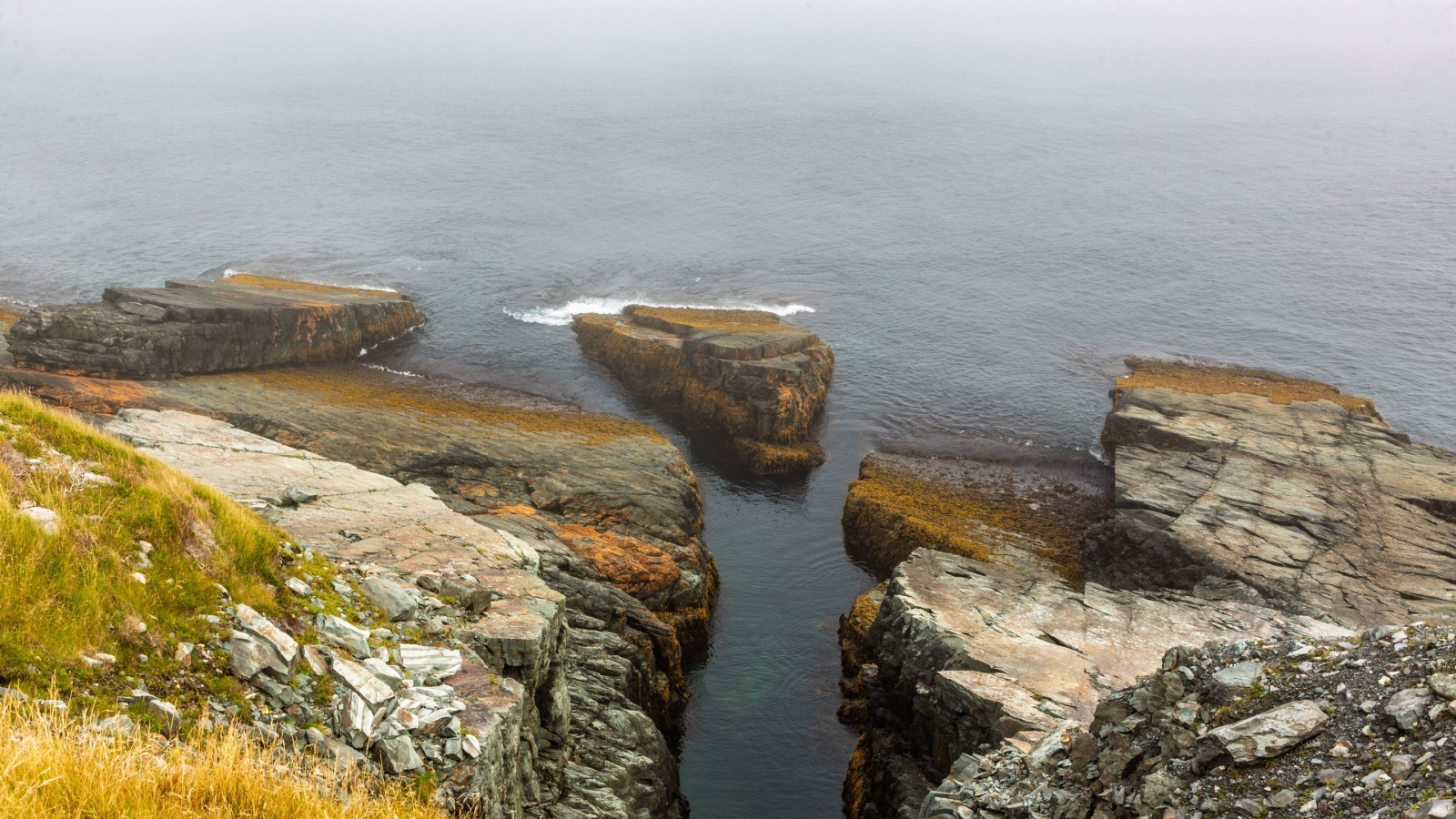
Mistaken Point protects some of Earth’s oldest complex life fossils embedded within coastal cliffs. Wave-pounded shorelines carve dramatic rock formations alongside preserved ancient impressions. Guided tours maintain scientific protection standards. Fog rolls across cliff edges for cinematic encounters. Visitors witness direct ancient biological history without interpretive artificiality. The fossil beds remain preserved precisely where discovered. Global uniqueness earned UNESCO protection status. The remote environment limits foot traffic naturally. No American counterpart presents living access to equally ancient life records.
Garibaldi Provincial Park, British Columbia
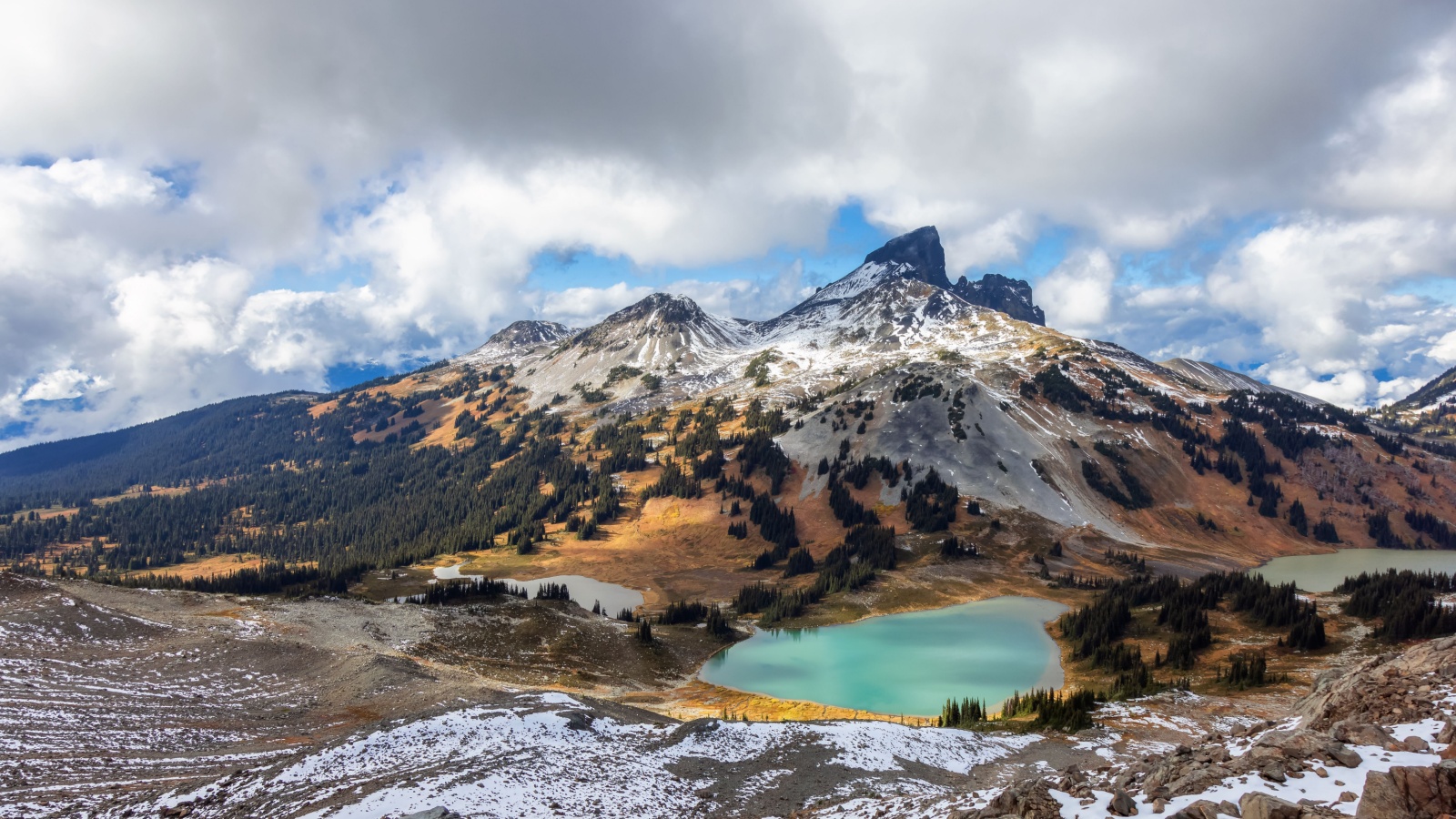
Garibaldi offers volcanic alpine terrain and towering peaks above turquoise alpine lakes. Black Tusk rises dramatically over the region’s skyline. Glacier-fed streams weave through wildflower meadows. Access hiking trails link directly from metropolitan outskirts. The wilderness feel arrives remarkably quickly. Snowfields remain year-round at elevations. Backcountry camping provides uninterrupted solitude. Scenic viewpoints surpass many iconic American mountain overlooks. Heavy conservation keeps overdevelopment at bay. Garibaldi demonstrates Canada’s success preserving pristine wilderness near major cities.
Wapusk National Park, Manitoba

Wapusk encompasses subarctic coastlines and vast peatlands near Hudson Bay. Polar bears den beneath tundra vegetation. Caribou roam across open plains. Rare bird species nest in wetland expanses. Helicopter and tundra buggy access limits footprints. Human visitation remains highly restricted. This park prioritizes ecosystem survival over tourism revenue. Storm-driven coastline changes highlight climate sensitivity uniquely visible here. Wapusk showcases Canada’s commitment to protecting fragile ecosystems without compromising wilderness authenticity.
Thousand Islands National Park, Ontario
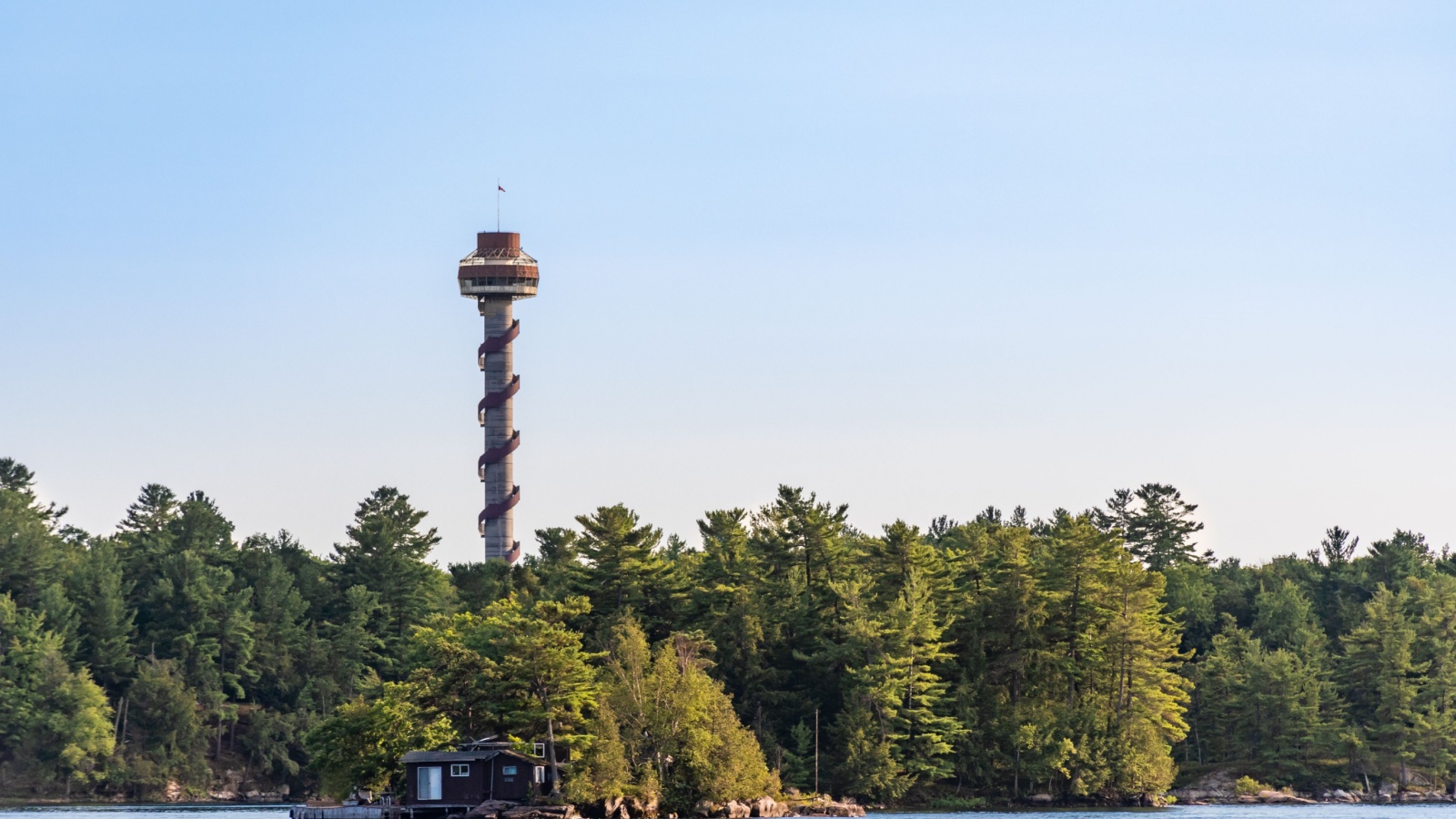
The Thousand Islands scatter across the St. Lawrence River, forming labyrinthine waterways. Boat touring weaves past forested islets crowned with cottages and castles. Clear waters reflect sunlit shorelines continuously. Kayaking allows quiet exploration among sheltered channels. Wildlife thrives within preserved island habitats. Bald eagles commonly nest nearby. Recreational usage remains environmentally managed. This waterways landscape delivers scenic density unmatched by many major U.S. river parks. Its charm grows from intimacy rather than scale. Canadians treasure its understated ecological beauty.
Grasslands National Park, Saskatchewan

Grasslands protect Canada’s last intact prairie ecosystem. Endless rolling plains stretch beneath immense skies. Prairie dogs create subterranean colonies rarely seen elsewhere. Bison freely graze across protected grassland tracts. Sunset hues ignite the horizon nightly. Star visibility reaches breathtaking intensity. Minimal infrastructure preserves undisturbed prairie character. Wind rustles tall native grasses continuously. The landscape offers quiet reflection unmatched by forested parks. Grasslands remind visitors that subtle ecosystems carry profound natural significance beyond towering mountains.
22 Groceries to Grab Now—Before another Price Shock Hits Canada

Food prices in Canada have been steadily climbing, and another spike could make your grocery bill feel like a mortgage payment. According to Statistics Canada, food inflation remains about 3.7% higher than last year, with essentials like bread, dairy, and fresh produce leading the surge. Some items are expected to rise even further due to transportation costs, droughts, and import tariffs. Here are 22 groceries to grab now before another price shock hits Canada.
22 Groceries to Grab Now—Before another Price Shock Hits Canada
This Options Discord Chat is The Real Deal
While the internet is scoured with trading chat rooms, many of which even charge upwards of thousands of dollars to join, this smaller options trading discord chatroom is the real deal and actually providing valuable trade setups, education, and community without the noise and spam of the larger more expensive rooms. With a incredibly low-cost monthly fee, Options Trading Club (click here to see their reviews) requires an application to join ensuring that every member is dedicated and serious about taking their trading to the next level. If you are looking for a change in your trading strategies, then click here to apply for a membership.