
35,000+ smart investors are already getting financial news, market signals, and macro shifts in the economy that could impact their money next with our FREE weekly newsletter. Get ahead of what the crowd finds out too late. Click Here to Subscribe for FREE.
Canadian Olympic history includes moments of triumph alongside painful controversies. Several athletes produced gold-medal performances that fell short due to judging bias, rule inconsistencies, officiating missteps, or scoring systems working against them. Review panels later acknowledged disputed outcomes. Occasional rule clarifications confirmed the unfairness after medals were issued. These incidents remain sore reminders that excellence does not always guarantee fair reward. Here are 15 Canadian athletes who were robbed of Olympic gold.
Sylvie Fréchette – Synchronized Swimming, 1992
15 Canadian Athletes Who Were Robbed of Olympic Gold
- Sylvie Fréchette – Synchronized Swimming, 1992
- Elvis Stojko – Figure Skating, 1998
- Myriam Bédard – Biathlon, 1994 Relay
- Shona Brangman and Lyndon Rush – Bobsleigh, 2010
- Clara Hughes – Speed Skating 5000 metres, 2002
- Alexandre Bilodeau – Aerials Controversy, 2006
- Cindy Klassen – Speed Skating 1500 metres, 2006
- Patrick Chan – Figure Skating, 2014
- Kaillie Humphries – Bobsleigh, 2018
- Tessa Virtue and Scott Moir – Ice Dance, 2018
- Cassie Sharpe – Halfpipe Judging Scrutiny, 2018
- Gilbert Schaller – Nordic Combined Team Event, 1988
- Steve Podborski – Downhill Skiing, 1984
- Christine Sinclair – Women’s Soccer Semifinal, 2012
- Penny Oleksiak – 100m Butterfly, 2020
- 22 Groceries to Grab Now—Before another Price Shock Hits Canada

At the 1992 Barcelona Games, Sylvie Fréchette delivered a flawless solo routine generating top preliminary scores. Judges later docked points incorrectly during finals scoring tabulations. Administrative arithmetic errors downgraded her placement to silver. Months following the Games, official reviews verified the miscalculation occurred after performance evaluation ended. The scoring error was not athlete-driven. Public appeals grew throughout 1993 leading to International Olympic Committee intervention. In December 1993, Fréchette finally received the corrected gold medal. Despite resolution, the moment’s original injustice remains iconic.
Elvis Stojko – Figure Skating, 1998

At the 1998 Nagano Olympics, Elvis Stojko competed despite a groin injury requiring medical treatment days earlier. His technically demanding free skate featured quad-jump execution unmatched by competitors. Scoring leaned toward artistic components favouring lesser technical difficulty. Russian skater Alexei Yagudin captured gold amid judging system criticism. Post-Games debates highlighted inconsistencies within figure skating evaluation. Rule clarifications introduced in the early 2000s gave more weight to technical difficulty following similar controversies. Canadian skating communities maintain Stojko’s routine merited gold under revised scoring emphasis. The injury context magnified the accomplishment further.
Myriam Bédard – Biathlon, 1994 Relay
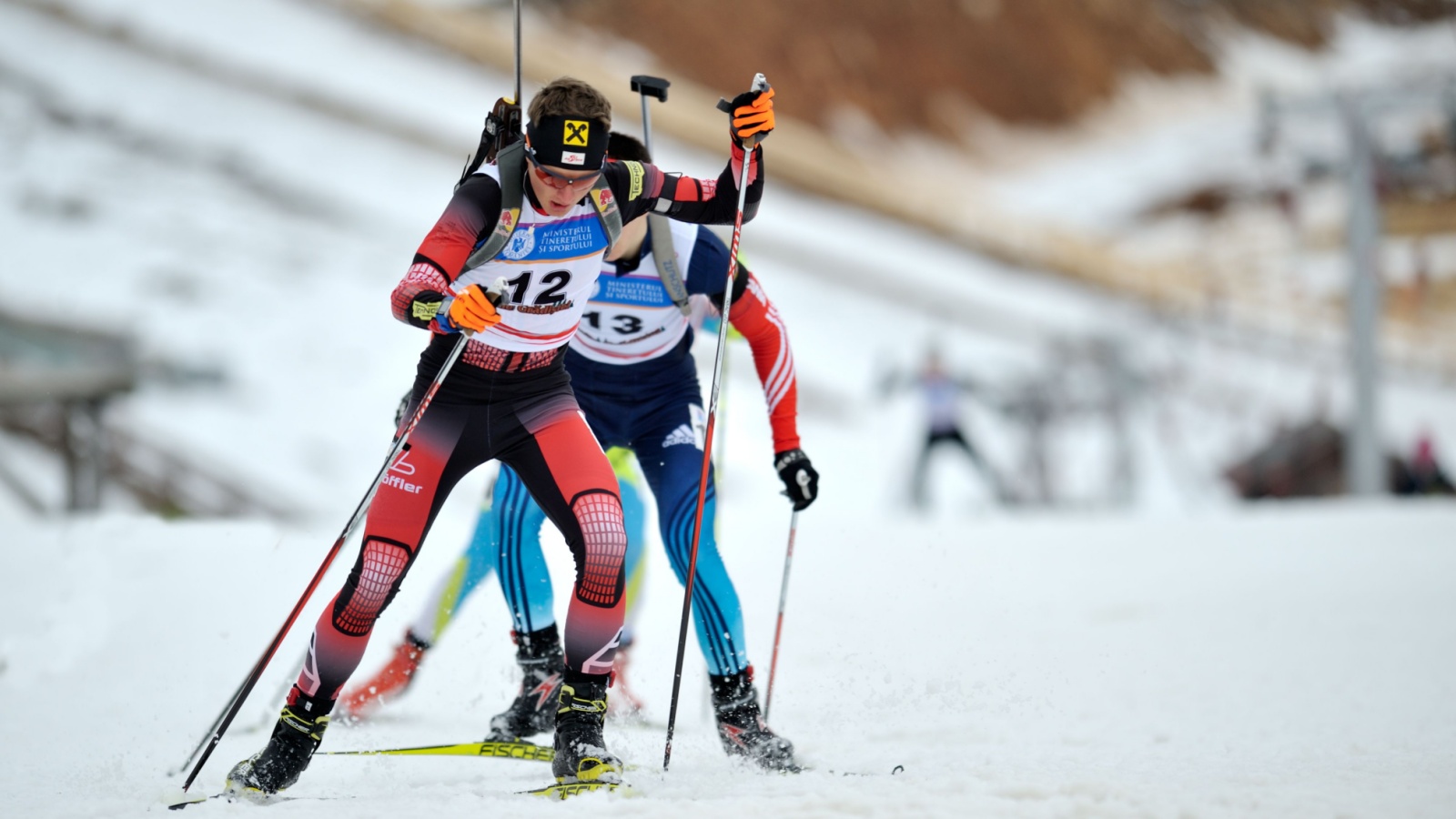
During the 1994 Lillehammer relay, Canada fielded a medal-contending biathlon team anchored by Myriam Bédard. Shooting delays caused by course barriers impeded her firing rhythm. Competing nations received fewer disruptions during relay exchanges. Canadian leadership protested differential course management that disadvantaged their sequence timing. No procedural corrections were applied mid-race. Post-event reports highlighted safety protocols interfering with fair lane access. Timing margins separating gold from silver were narrow. Canadian officials argued equal access conditions might have altered results.
Shona Brangman and Lyndon Rush – Bobsleigh, 2010
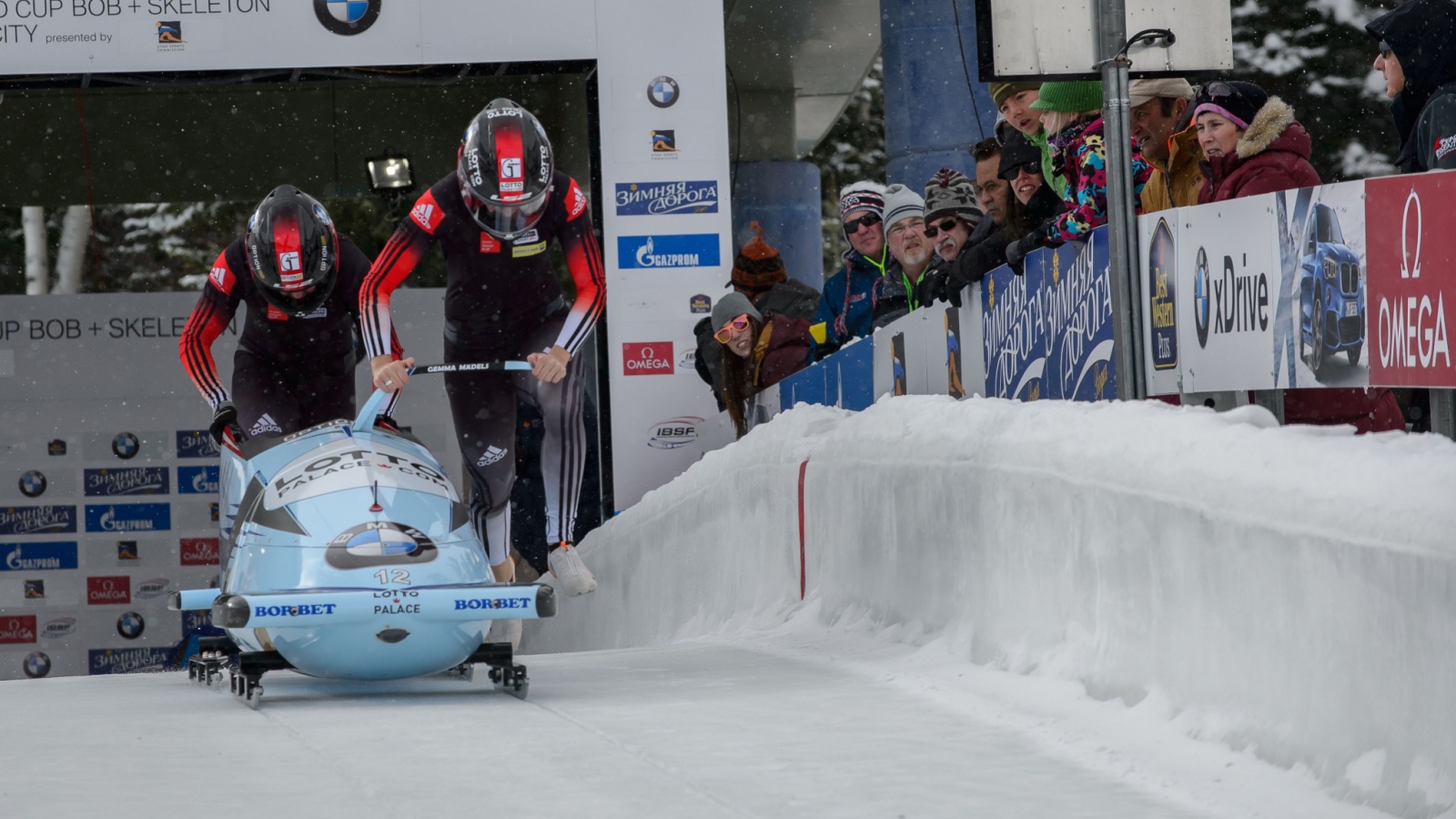
At the 2010 Vancouver Winter Games, Canada’s two-man bobsleigh entries produced top combined speed consistency. Lyndon Rush’s crew clocked rival-leading sled acceleration in multiple heats. Track conditions shifted significantly, impacting later sliding teams differently. German competitors benefited from optimal ice hardness adjustments. Canadian athletes slid under less favourable traction conditions. Timing gaps proved minimal between medal placements. Discussions arose immediately about schedule-induced fairness disparities. International officials denied corrective action. Canadian analysts referencing heat-by-heat data suggest environmental timing influenced podium order.
Clara Hughes – Speed Skating 5000 metres, 2002
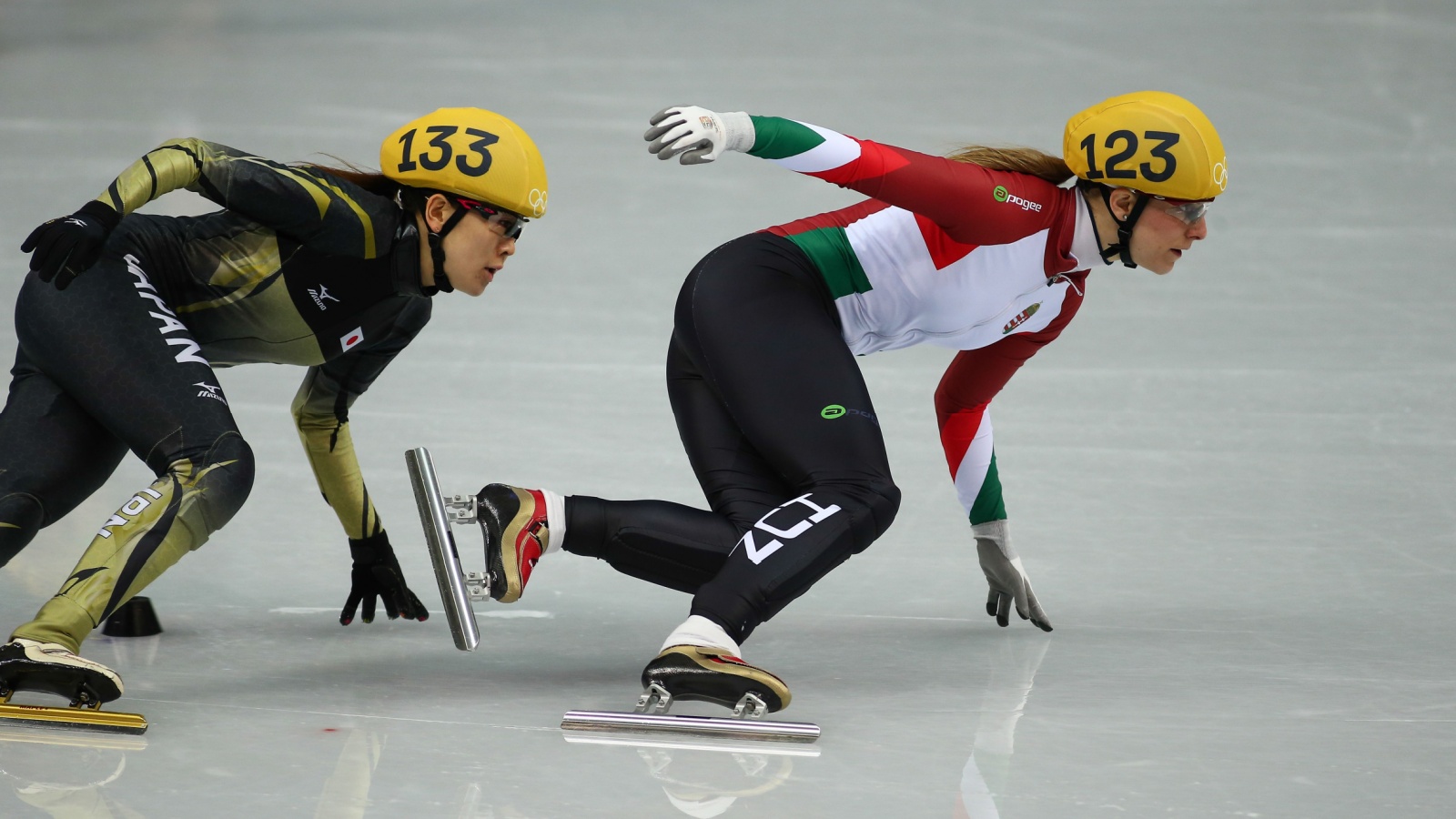
At the 2002 Salt Lake Olympics, Clara Hughes skated a near-flawless 5000-metre race. Ice resurfacing intervals favoured later competitors with faster conditions. Hughes skated earlier under softer ice that increased drag. Dutch skaters benefited from freshly resurfaced lanes. Timing margins were fractions of seconds separating medal positions. Debate about track preparation fairness arose post-event. Organizers defended equal treatment protocols. Canadian analysts later argued procedural sequencing could influence outcome significantly. Hughes earned bronze but might have claimed gold under equal lane conditions. The episode underscores how subtle environmental diplomacy affects results irreversibly.
Alexandre Bilodeau – Aerials Controversy, 2006

Prior to achieving gold in 2010, Alexandre Bilodeau faced judging frustration during the 2006 Turin aerials competition. His execution difficulty surpassed several higher-ranked placements. Deductions appeared inconsistent under technical scoring breakdowns. Subsequent judging rule restructurings after 2006 aimed to standardize execution assessment clarity. Coaches continued asserting Bilodeau’s earlier performance merited higher placement. His fifth-place result denied podium recognition after what many perceived as technical superiority. Four years later, refined judging frameworks validated his style advantage. Although redemption came later, Turin remains a painful prelude illustrating inconsistencies Canadians cite in freestyle skiing adjudication.
Cindy Klassen – Speed Skating 1500 metres, 2006
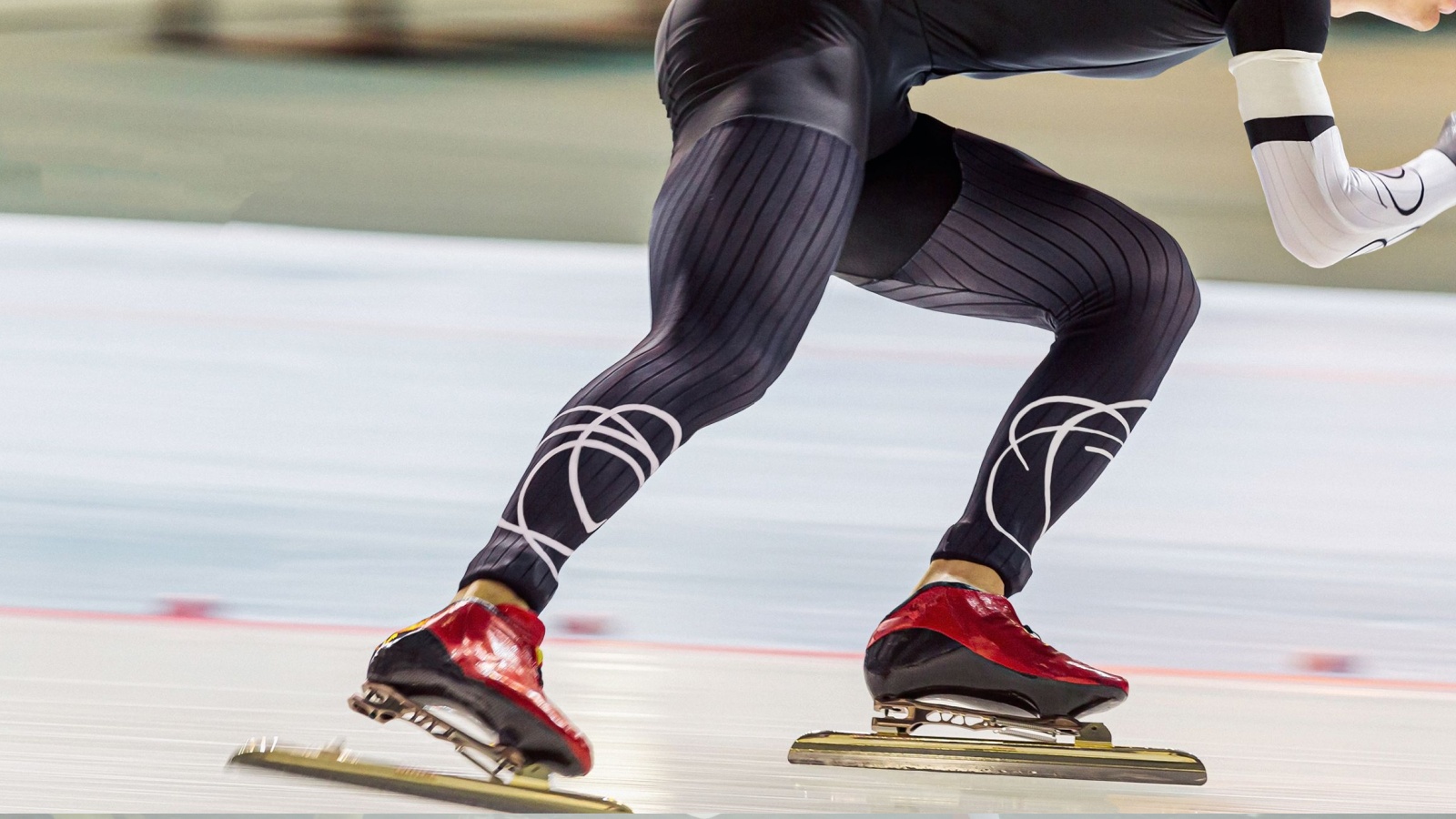
At the 2006 Turin Games, Cindy Klassen entered the 1500 metres as world champion favourite. Early heat assignments paired her before resurfacing intervals optimized ice glide quality. Later skaters encountered improved lane performance conditions. Klassen finished narrowly behind gold time while setting an excellent pace. Canadian officials questioned lane sequencing fairness. Discussions gained traction after multiple medal races revealed similar timing correlations. International skating authorities subsequently modified resurfacing protocols. Klassen’s silver medal remains contested domestically as an unfair result influenced by uncontrollable scheduling factors rather than athletic performance.
Patrick Chan – Figure Skating, 2014

At the 2014 Sochi Olympics, Patrick Chan delivered two skates featuring some of the highest technical base values attempted. Program component scoring favoured artistic interpretation despite mechanical inconsistencies by rivals. Judges minimized technical difficulty weighting relative to performance style judgments. Chan placed second overall. Scoring reform discussions followed within figure skating governing bodies after accumulating fan backlash. Comparative analysis of jump difficulty across finalists suggested Chan’s technical ambition surpassed gold-winning performances. Canadian skating commentators maintain his results highlighted subjectivity flaws still unresolved within aesthetic scoring sports.
Kaillie Humphries – Bobsleigh, 2018
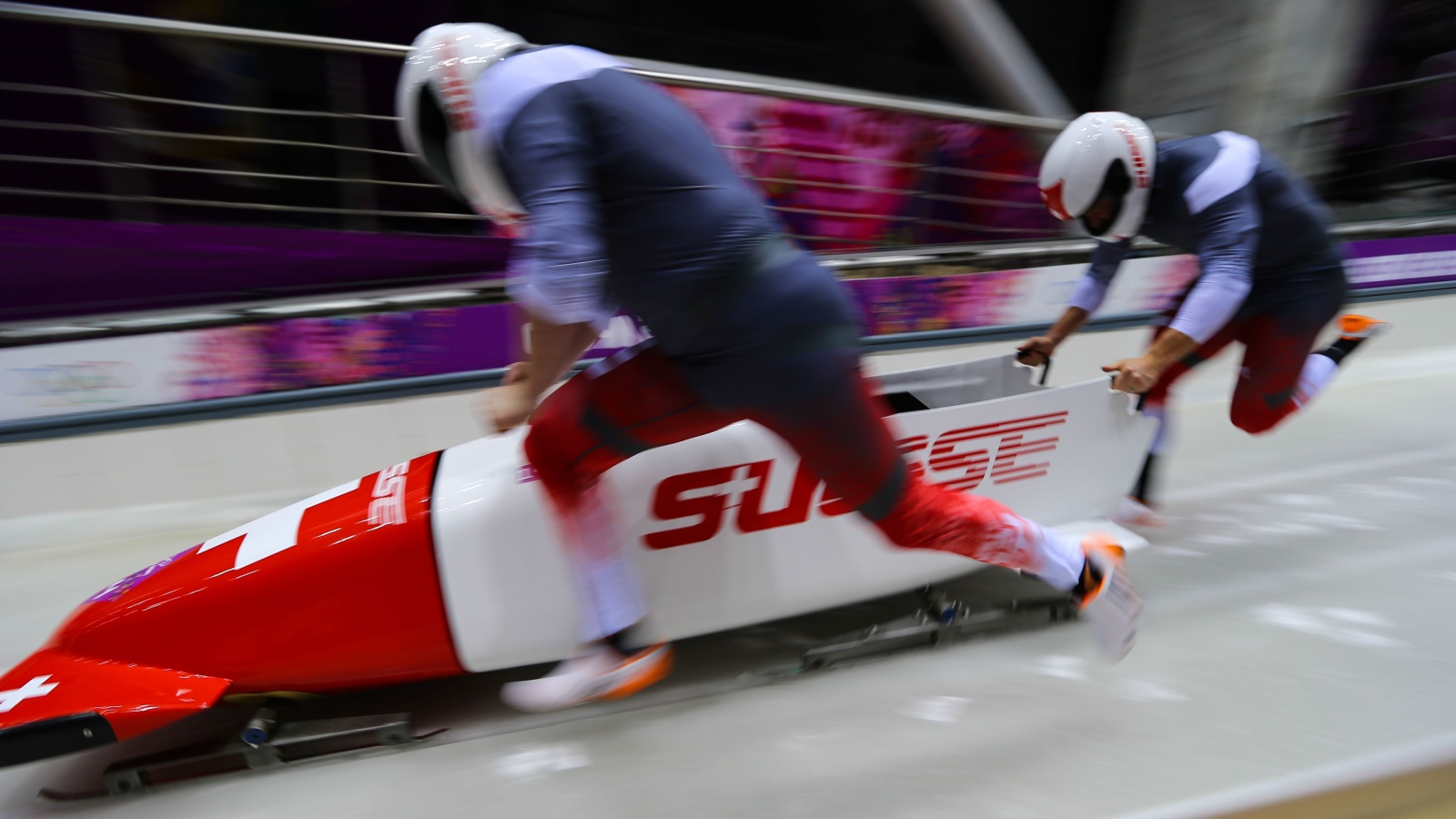
At the 2018 PyeongChang Games, Kaillie Humphries entered as defending Olympic champion and heavy favourite. Her team produced one of the most technically aggressive pushes during early heats. Winds rose sharply during later runs. Track officials delayed some entries but not others. German sled crews competed during calmer windows, resulting in faster conditions. Humphries completed her final descent amid higher crosswinds that increased steering loss. Final standings separated gold and silver by hundredths of a second. Canadian coaches formally questioned weather scheduling fairness during 2018 debriefings. Officials declined race adjustments. Experts reviewing telemetry data pointed to wind variability influencing finish margins. Humphries’ silver medal performance remains viewed as worthy of gold under standardized conditions.
Tessa Virtue and Scott Moir – Ice Dance, 2018

During the 2018 Olympic ice dance competition, Virtue and Moir delivered what many considered their most emotionally flawless free program. Scoring leaned unexpectedly toward technical level calls favouring their French rivals. Canadians received lower execution grades despite superior lift execution flow. Judging panels applied stricter edge criteria for Canadian elements. Review footage circulated heavily after the event. Coaches argued that scoring interpretations shifted during the Olympic finals. No formal correction occurred. Public debate intensified across 2018, prompting calls for ice dance scoring transparency reforms. Despite a near-unanimous audience perception of their gold-worthy performance, official silver stood.
Cassie Sharpe – Halfpipe Judging Scrutiny, 2018
At the 2018 Games, Cassie Sharpe posted the highest difficulty tricks attempted in women’s halfpipe qualification. Multiple competitors received execution bonuses despite incomplete landings. Judges awarded unexpectedly high scores for underrotated aerials. Sharpe’s clean execution earned a limited advantage despite superior amplitude. Canadian officials questioned the consistency of the application of the rules. Event scoring presentations shifted between qualification and finals. Post-event judging reforms attempted to clarify execution penalties. Sharpe finished off the podium despite Committee statistical reviews showing her technical spread exceeded that of the medalists. Canadian riders and coaches cite this event as proof that judging progression standards were not consistently applied at PyeongChang.
Gilbert Schaller – Nordic Combined Team Event, 1988

During the 1988 Calgary team Nordic combined, Canada’s squad faced course timing irregularities caused by equipment malfunctions. Jump scoring delays prolonged waiting periods before ski phases. Reports during the Games observed start interval compression affecting pacing systems. European teams received clearer launch sequencing. Canadian skiers skied under altered wind patterns compared to preceding competitors. Results reflected narrow deficits affecting medal placement. Formal protests followed within official Olympic arbitration channels. Rulings maintained standings without venue review. Post-game technical reports acknowledged start irregularities affecting pacing consistency.
Steve Podborski – Downhill Skiing, 1984

At the 1984 Sarajevo downhill, Podborski skied aggressively early on deteriorating snow surfaces. Warmer air softened the track during his run. Several later skiers encountered firmer refrozen sections. Time margins were razor-thin, separating podium placements. Canadian staff highlighted slope conditioning inconsistencies. Officials dismissed climate impact analyses. Subsequent downhill race rule changes standardized slope preparation afterward. Podborski finished narrowly off top placement despite posting one of the fastest sector splits during variable conditions. His effort remains regarded domestically as gold-worthy under uniform conditions.
Christine Sinclair – Women’s Soccer Semifinal, 2012

In the 2012 London Olympic semifinal, Sinclair scored an unprecedented hat trick versus the United States. The match saw two disputed referee calls. An offside ruling nullified a legal Canadian breakaway. Later, a questionable penalty extended American equalization chances. Analysts and FIFA observers criticized the officiating inconsistency widely post-match. Canada lost in overtime using controversial stoppage rulings. Video analyses circulated immediately after confirming refereeing errors. Sinclair’s performance had positioned Canada for gold-final placement. Missed officiating accountability altered the tournament direction dramatically.
Penny Oleksiak – 100m Butterfly, 2020

During the 2020 Tokyo Olympics, Penny Oleksiak delivered one of the strongest swims of her career in the 100-metre butterfly final. Her race splits matched the medal contenders stroke for stroke. Lane placement placed Oleksiak between two high-wake swimmers whose powerful kick turbulence disrupted water flow. Underwater broadcast footage showed visible chop striking her entry timing off each wall. Despite this interference, she maintained elite tempo through all turns. The final results separated gold, silver, and bronze by mere hundredths of a second. Canadian coaches immediately requested technical review focusing on wave interference patterns. Officials declined discretionary adjustments, citing standardized aquatic regulations. Independent hydrodynamic analysis afterward showed swimmers in adjacent high-wake lanes experience measurable drag increases. Oleksiak finished just off the top podium position.
22 Groceries to Grab Now—Before another Price Shock Hits Canada

Food prices in Canada have been steadily climbing, and another spike could make your grocery bill feel like a mortgage payment. According to Statistics Canada, food inflation remains about 3.7% higher than last year, with essentials like bread, dairy, and fresh produce leading the surge. Some items are expected to rise even further due to transportation costs, droughts, and import tariffs. Here are 22 groceries to grab now before another price shock hits Canada.
22 Groceries to Grab Now—Before another Price Shock Hits Canada
This Options Discord Chat is The Real Deal
While the internet is scoured with trading chat rooms, many of which even charge upwards of thousands of dollars to join, this smaller options trading discord chatroom is the real deal and actually providing valuable trade setups, education, and community without the noise and spam of the larger more expensive rooms. With a incredibly low-cost monthly fee, Options Trading Club (click here to see their reviews) requires an application to join ensuring that every member is dedicated and serious about taking their trading to the next level. If you are looking for a change in your trading strategies, then click here to apply for a membership.