
35,000+ smart investors are already getting financial news, market signals, and macro shifts in the economy that could impact their money next with our FREE weekly newsletter. Get ahead of what the crowd finds out too late. Click Here to Subscribe for FREE.
Canadian households continue to face rising grocery bills driven by supply disruptions, fuel costs, weather challenges, and tight labour markets. Price volatility now affects not only specialty items but everyday staples used weekly by most families. Even moderate inflation compounds over months, stretching household budgets quietly. When costs surge suddenly, shoppers lose the chance to purchase essentials at stable prices. Proactive buying helps maintain meal consistency while easing financial pressure. Here are 13 grocery staples Canadians need to buy before prices spike again.
Chicken, Fresh or Frozen
13 Grocery Staples Canadians Need to Buy Before Prices Spike Again

Chicken remains one of the most widely consumed proteins in Canada due to affordability and cooking flexibility. Supply pressures tied to feed costs, transport pricing, and rising farm labour expenses continue pushing wholesale prices upward. Even small increases at processing levels appear quickly on grocery shelves. Buying larger value packs now locks in current rates before cycles shift upward again. Freezing chicken portions extends shelf life for several months and preserves quality well. Whole birds, thighs, or breast packs allow meal flexibility without paying premium individual serving costs later. Inflation trends show protein prices rise faster than dry staples during price surges.
Ground Beef and Mixed Minced Meats
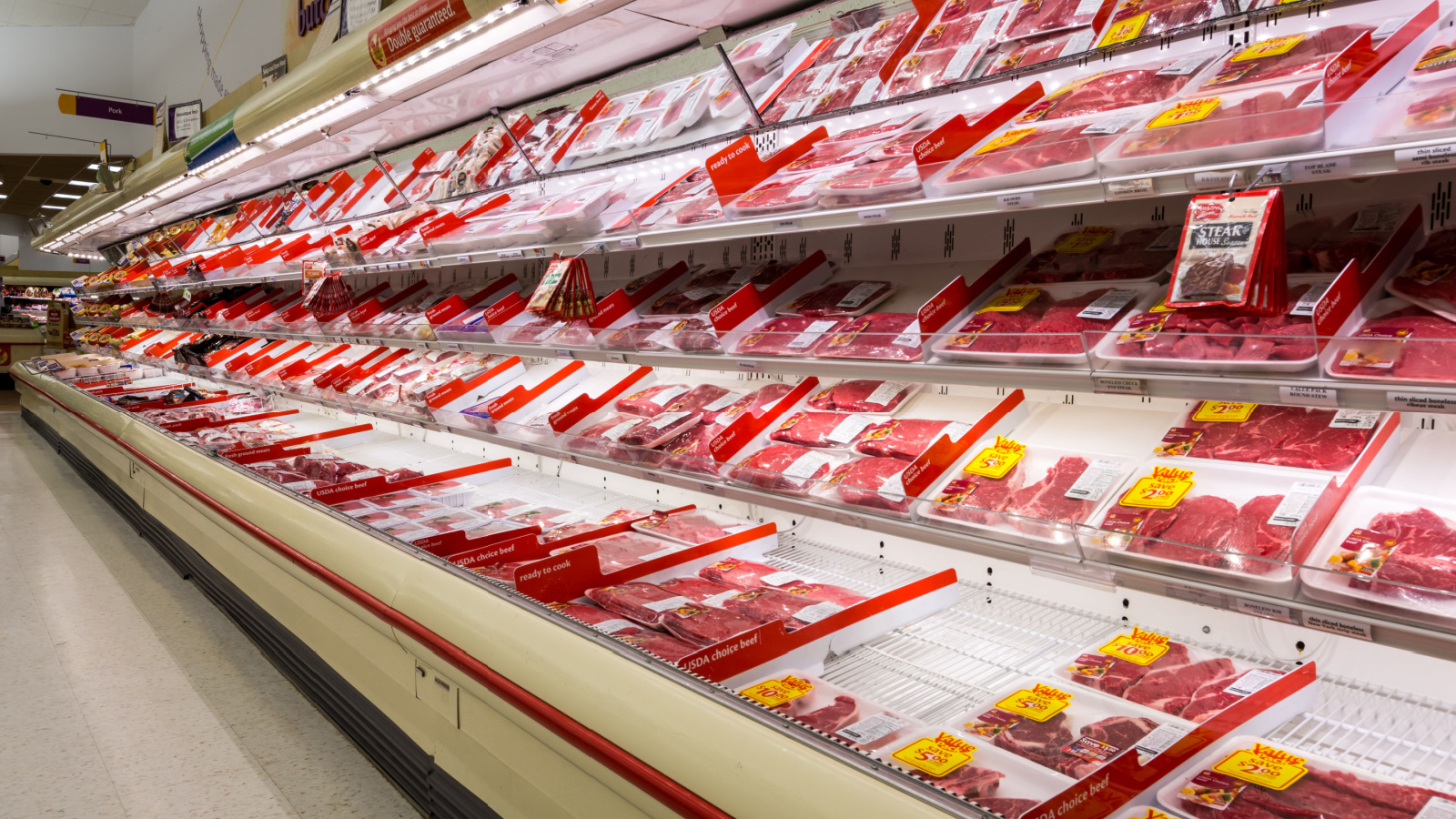
Ground beef remains a staple across Canadian households for versatile everyday meals. Cattle supply cycles heavily influence pricing swings, and feed input costs remain elevated nationwide. When production tightens, grocery prices increase rapidly and remain high for long periods. Bulk family packs purchased ahead of time can be divided into portion sizes and frozen safely for months. Mixed minced meats, including pork or turkey blends, perform similarly for freezing stability while offering budget-friendly alternatives. These proteins easily substitute across recipes, including soups, casseroles, tacos, and pasta sauces. Stocking now prevents being forced into higher-priced purchases during later shortages.
Eggs

Eggs function as one of Canada’s most adaptable food staples for breakfasts, baking, and quick meals. Their relative affordability masks vulnerability to sudden supply disruptions from avian illnesses or feed shortages. When those events occur, retail egg prices climb rapidly. Buying larger cartons when prices remain steady reduces per-egg costs and buffers against price jumps. Refrigerated eggs maintain freshness safely for several weeks beyond purchase dates. Financially, eggs replace more expensive meats during tight grocery periods. They support high-protein diets without significantly increasing costs. Economic patterns show that egg prices surge fastest during supply instability because consumer demand remains constant.
Rice and Dried Legumes

Rice and dried beans rank among the most price-stable foods long term, yet spikes still occur due to shipping costs and global crop variability. Purchasing these in bulk now secures low per-serving costs before transportation surcharges affect shelves. Proper storage in airtight containers preserves quality for many months, even years. Legumes offer plant-based protein alternatives when meat prices climb sharply. Lentils, chickpeas, and black beans integrate easily into soups, stews, curries, and salads. Rice remains the base for countless budget meals that offset costlier ingredients.
Pasta and Canned Tomato Products

Pasta paired with canned tomatoes creates complete, affordable meals when produce and meat prices rise. Wheat markets fluctuate widely, which eventually influences pasta shelf pricing. Tomato shortages caused by climate pressures have already increased canned sauce costs in parts of Canada. Purchasing multi-packs or large-format containers now locks inexpensive meal bases before further escalations occur. Shelf life extends easily beyond a year with proper storage. Pasta supports bulk meal-prepping strategies that maximize food budgets. Tomato-based sauces allow flavour layering without costly fresh ingredients. During inflation cycles, Italian-style staple meals remain among the cheapest options per serving.
Frozen Vegetables

Fresh produce pricing remains the most unpredictable grocery category. Weather patterns, energy transportation costs, and labour shortages drive sudden retail increases. Frozen vegetables avoid these fluctuations by locking in harvest pricing at processing time. Freezing preserves nutritional content efficiently without preservatives. Buying larger freezer bags yields cost-effective per-kilogram savings. Mixed vegetable blends maximize meal flexibility across soups, rice dishes, casseroles, and stir-fry meals. Storage stability eliminates spoilage risks associated with fresh vegetables. When fresh produce spikes abruptly, frozen alternatives prevent both food waste and price shock.
Canned Tuna and Shelf-Stable Fish

Canned tuna and shelf-stable fish provide affordable protein alternatives amid rising meat and fresh seafood prices. Global fishing quotas and transportation costs influence fresh seafood prices more unpredictably than canned options. Buyers often notice canned products remain cheaper longer due to stable processing contracts. Purchasing multipacks now locks in future low per-can costs. Shelf life extends well beyond two years. Usage versatility supports salads, sandwiches, casseroles, pasta dishes, and protein bowls. During price spikes, canned fish often becomes one of the last affordable protein sources remaining accessible. Early purchasing prevents emergency buying at inflated rates.
Shelf-Stable Milk and Dairy Alternatives
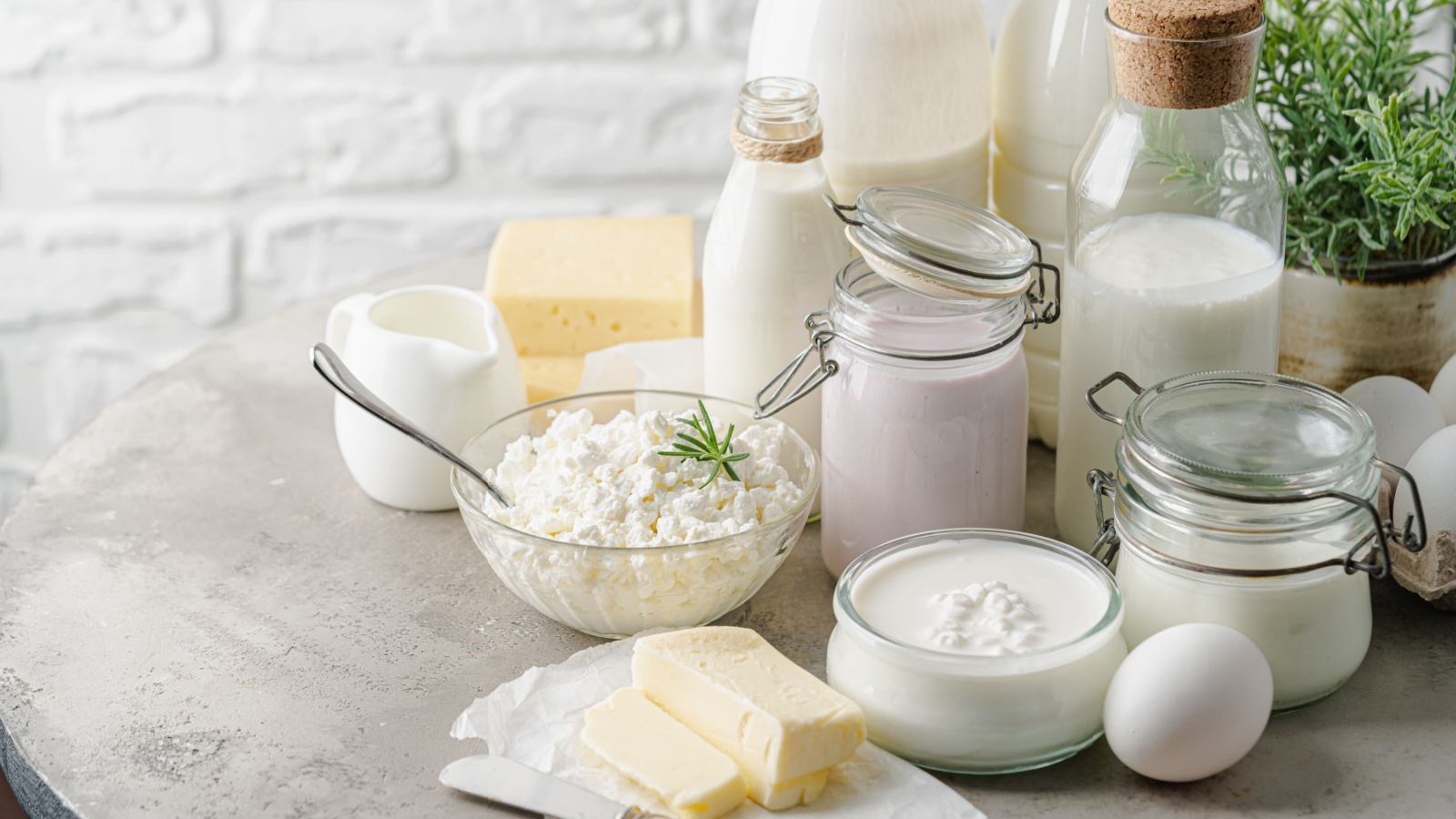
Dairy pricing remains one of the most inflation-sensitive categories in Canada. Feed costs, transport fuel expenses, and labour shortages continue driving higher production pricing. Shelf-stable milk offers practical protection against sudden retail increases. Powdered milk and boxed alternatives provide similar utility for cooking and drinking. These products store unopened for months without refrigeration. Buying a modest extra supply now stabilizes future weekly grocery budgets. Refrigerated dairy spikes often force immediate adjustments to household spending. Shelf-stable options prevent rushed store visits during price surges. They substitute easily across cereal, baking, soups, and sauces. Storage requires minimal space and no special conditions.
Cooking Oils

Cooking oil prices respond rapidly to global crop disruptions and transportation expenses. Canada imports significant volumes of vegetable and olive oils. Pricing volatility reflects international harvest instability. When sunflower or olive harvests drop, retail prices rise sharply within weeks. Buying larger multi-litre bottles early prevents exposure to sudden hikes. Properly stored sealed oils last many months without degradation. Home cooking increases during pricey dining seasons, which increases oil usage. Panic buying often worsens shelf shortages once news breaks. Early purchasing avoids both scarcity and surcharges. Oils serve as foundational ingredients across nearly all recipes.
Flour and Baking Essentials
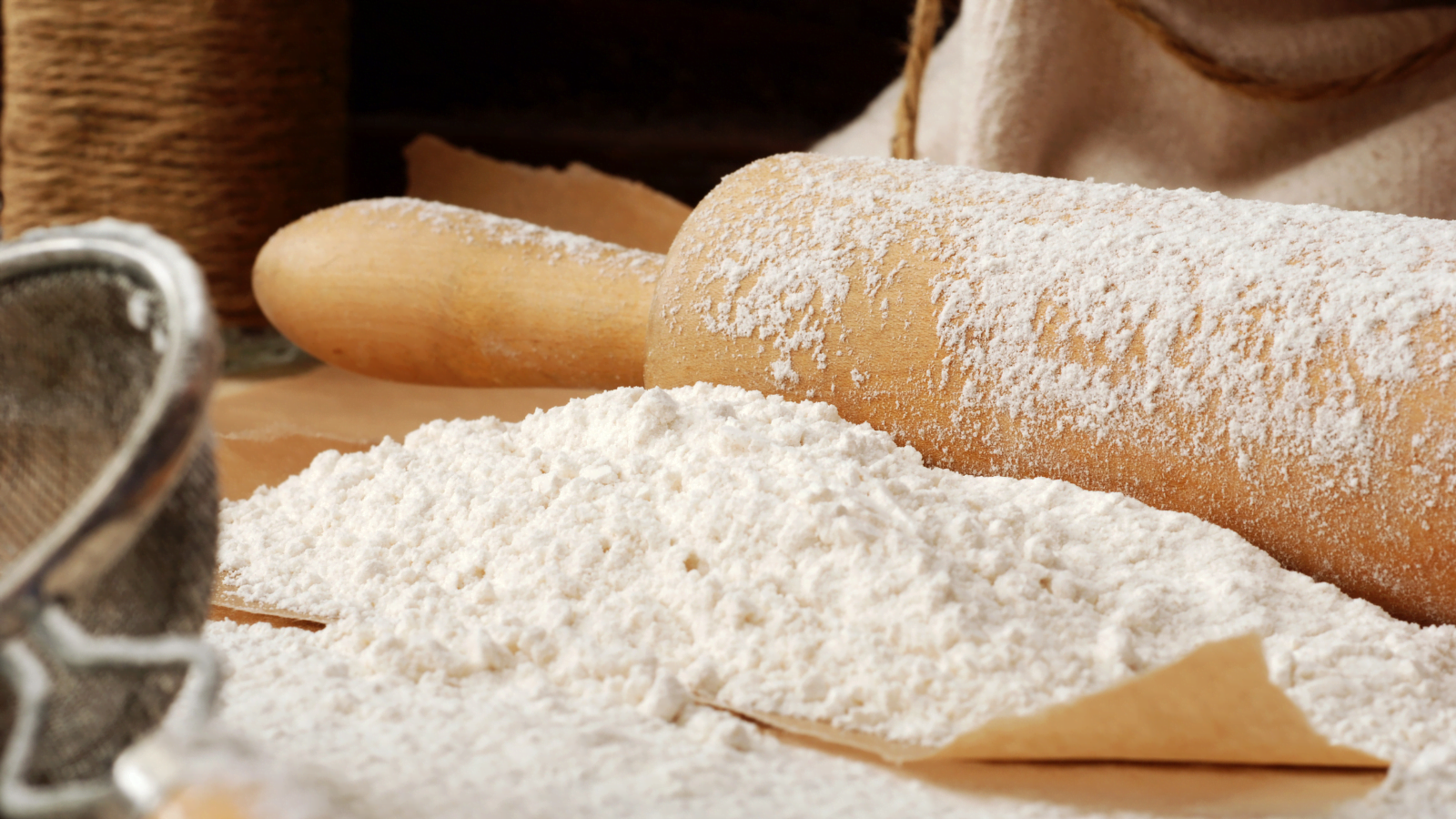
Flour remains one of the household staples most impacted by transportation costs rather than raw grain pricing. Milling and shipping expenses drive shelf spikes. Buying large bags early reduces exposure to these sudden increases. Baking powder, yeast, baking soda, and sugar follow similar inflationary patterns. Many baked goods become more cost-effective when made at home during food price surges. Bread, muffins, pancakes, and pizza dough offer affordable meal volume. Shelf life remains long when stored cool and dry. Baking essentials provide flexibility across breakfast and dinner options. Canadian families increasingly rely on scratch cooking to counter rising prepared-food prices. Maintaining pantry fundamentals avoids dependence on costly store-baked items.
Canned Beans and Legumes

Canned beans deliver one of the highest nutrition-to-cost ratios among grocery foods. Legumes provide protein, fibre, and micronutrients at low per-serving costs. When meat prices spike sharply, legume consumption increases quickly. Canned beans require no soaking or pre-preparation time unlike dried alternatives. Shelf stability extends beyond two years. Buying multipacks now prevents rushed purchases later at inflated prices. Beans support soups, salads, chilis, curries, tacos, and grain bowls easily. Household meal costs stay predictable using legumes as protein substitutes. Global fertilizer price shifts affect agricultural markets quickly, pushing food pricing upward with little warning. Beans often remain affordable the longest but spike eventually.
Bulk Grains

Grains such as oats, barley, and quinoa provide nutritional density with extended shelf potential. Oat prices typically increase after harvest setbacks or logistical surcharges. Buying in bulk now stabilizes breakfast and baking costs. Oats work for cereals, baking, protein bars, and savory recipes. Barley supports soups and stews at low serving expense. Quinoa adds protein for meatless meals. Large bulk packaging unlocks lower price-per-kilogram savings. Airtight storage preserves grain freshness for months. Household reliance on grains increases during food inflation cycles. Dry staples prevent last-minute grocery runs at unfavourable pricing. Canadians historically shift toward grain-heavy meals when meat prices spike.
Pantry Fundamentals
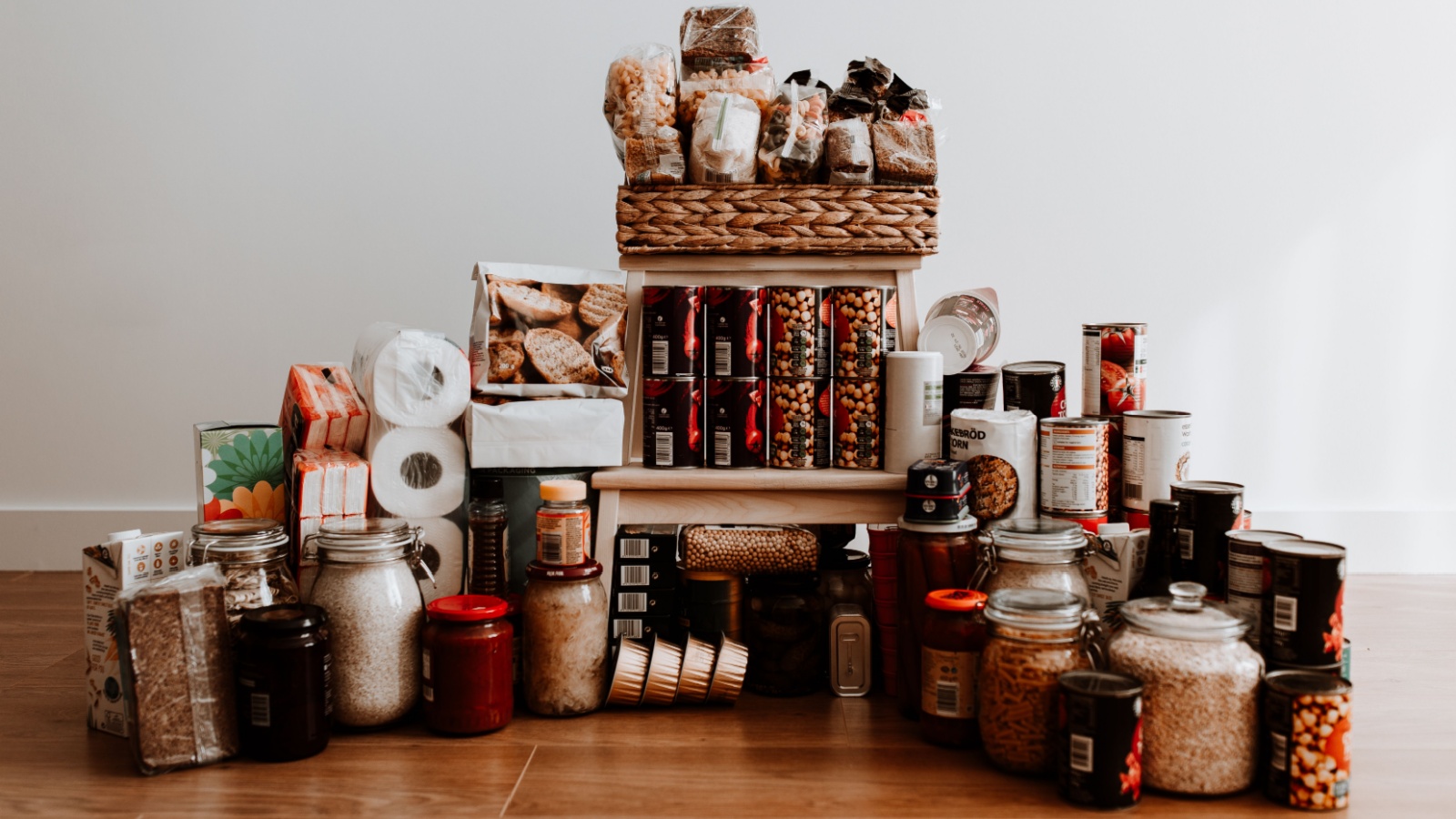
Salt, spices, canned broth, canned tomatoes, and basic seasoning blends form the backbone of cost-efficient cooking. These pantry foundations enable flavourful meals from inexpensive core ingredients. Their long shelf life makes early purchasing both practical and economical. Inflation increases often hit processed flavour products sooner than raw ingredients. Prices for spice blends can double unexpectedly. Broth and seasoning support stretch vegetables, grains, and proteins into filling meals. Canadians who rely on pantry cooking manage grocery inflation more effectively. Buying basics ahead avoids being trapped into overpriced convenience meals later. Pantry items occupy little storage space but offer outsized utility value.
This Options Discord Chat is The Real Deal
While the internet is scoured with trading chat rooms, many of which even charge upwards of thousands of dollars to join, this smaller options trading discord chatroom is the real deal and actually providing valuable trade setups, education, and community without the noise and spam of the larger more expensive rooms. With a incredibly low-cost monthly fee, Options Trading Club (click here to see their reviews) requires an application to join ensuring that every member is dedicated and serious about taking their trading to the next level. If you are looking for a change in your trading strategies, then click here to apply for a membership.