
35,000+ smart investors are already getting financial news, market signals, and macro shifts in the economy that could impact their money next with our FREE weekly newsletter. Get ahead of what the crowd finds out too late. Click Here to Subscribe for FREE.
Canada and the United States have shared close ties for more than a century. Yet their relationship includes moments of serious tension. Diplomacy often concealed aggressive bargaining tactics from Washington. Economic leverage, military pressure, and political interference became recurring tools. Canada responded through legal challenges, patient negotiation, and public advocacy rather than escalation. Several disputes unfolded quietly over years before resolution arrived. Here are 19 times the U.S. tried to bully Canada and failed.
Softwood Lumber Disputes
19 Times the U.S. Tried to Bully Canada and Failed
- Softwood Lumber Disputes
- Columbia River Treaty Negotiations
- Vietnam War Draft Resistance
- Bombardier Trade Dispute
- Northwest Passage Sovereignty
- War of 1812 Invasions
- Chicago Water Diversion
- Suez Crisis Opposition
- Acid Rain Negotiations
- Iraq War Refusal
- Cuban Trade Embargo Defiance
- Cultural Publishing Quotas
- Auto Pact Termination
- Arctic Oil Transit Objections
- Border Softwood Blockades
- NATO Nuclear Missile Deployment
- NATO Libya Campaign Participation
- NAFTA Dairy Protection
- Keystone XL Pipeline Resistance
- 22 Groceries to Grab Now—Before another Price Shock Hits Canada

Trade tensions over softwood lumber intensified beginning in 1982, when the U.S. alleged Canadian producers received unfair government support. Tariffs were imposed repeatedly throughout the 1990s and early 2000s. Canada filed multiple challenges under international trade agreements in 2001 and 2002. Arbitration panels consistently ruled in Canada’s favour between 2003 and 2006. Despite rulings, American duties remained temporarily. Ottawa persisted legally instead of retaliating economically. Finally, billions in tariff refunds flowed back to Canadian firms by 2006. The legal victories validated Canada’s forest policy transparency. Washington’s campaign to restrict lumber imports failed repeatedly. Continued rulings blocked long-term tariff enforcement. Canada’s patient defence preserved open market access.
Columbia River Treaty Negotiations

In 2011, treaty modernization discussions reopened over flood-control and hydroelectric revenue sharing. U.S. negotiators sought to continue outdated compensation formulas. British Columbia challenged this stance beginning in 2013, citing underpayment for downstream benefits. Extensive economic assessments reshaped negotiation positions through 2014 and 2015. Canada demanded recalculated compensation reflecting current hydrological realities. Washington attempted to accelerate treaty revisions without updated payment structures. Canada refused approval while public consultation expanded in 2016. Negotiations slowed deliberately rather than conceding terms. Eventually, revised agreements reached after 2019 preserved fair compensation flows. No coercive leverage succeeded. Canadian refusal to rush produced balanced updates. The treaty remains governed by negotiated partnership rather than U.S. pressure-driven terms.
Vietnam War Draft Resistance

When American draft avoidance surged beginning in 1968, Washington urged Canada to restrict asylum pathways. Officials framed refusal as alliance disloyalty. Canada’s government declined deportation cooperation throughout 1969 and 1970. Immigration standards remained independent and humanitarian-focused. By 1971, tens of thousands of resisters had settled legally across Canadian cities. U.S. diplomatic pressure never produced policy revisions. Canadian leaders maintained that military conscription obligations were irrelevant to immigration eligibility. Domestic support grew as numbers increased. Relations normalized following the end of the Vietnam War by 1975. Canada never reversed its policies. The episode solidified Canada’s autonomous immigration authority despite wartime diplomatic pressure.
Bombardier Trade Dispute

In 2017, the U.S. imposed nearly 300 percent tariffs on Bombardier aircraft exports. American aerospace competitors alleged unfair government subsidies without substantiated evidence. Canada formally challenged the tariffs later that year under international trade rules. By 2018, independent trade panels rejected the subsidy claims entirely. Tariffs were dismantled months afterward. Bombardier resumed sales without restriction. Ottawa avoided retaliatory escalation, allowing arbitration mechanisms to work. U.S. political pressure crumbled under regulatory analysis. The outcome reinforced Canada’s reliance on trade law protections rather than diplomatic bargaining. The case demonstrated that patient legal defense remains Canada’s strongest countertool to industrial intimidation campaigns.
Northwest Passage Sovereignty
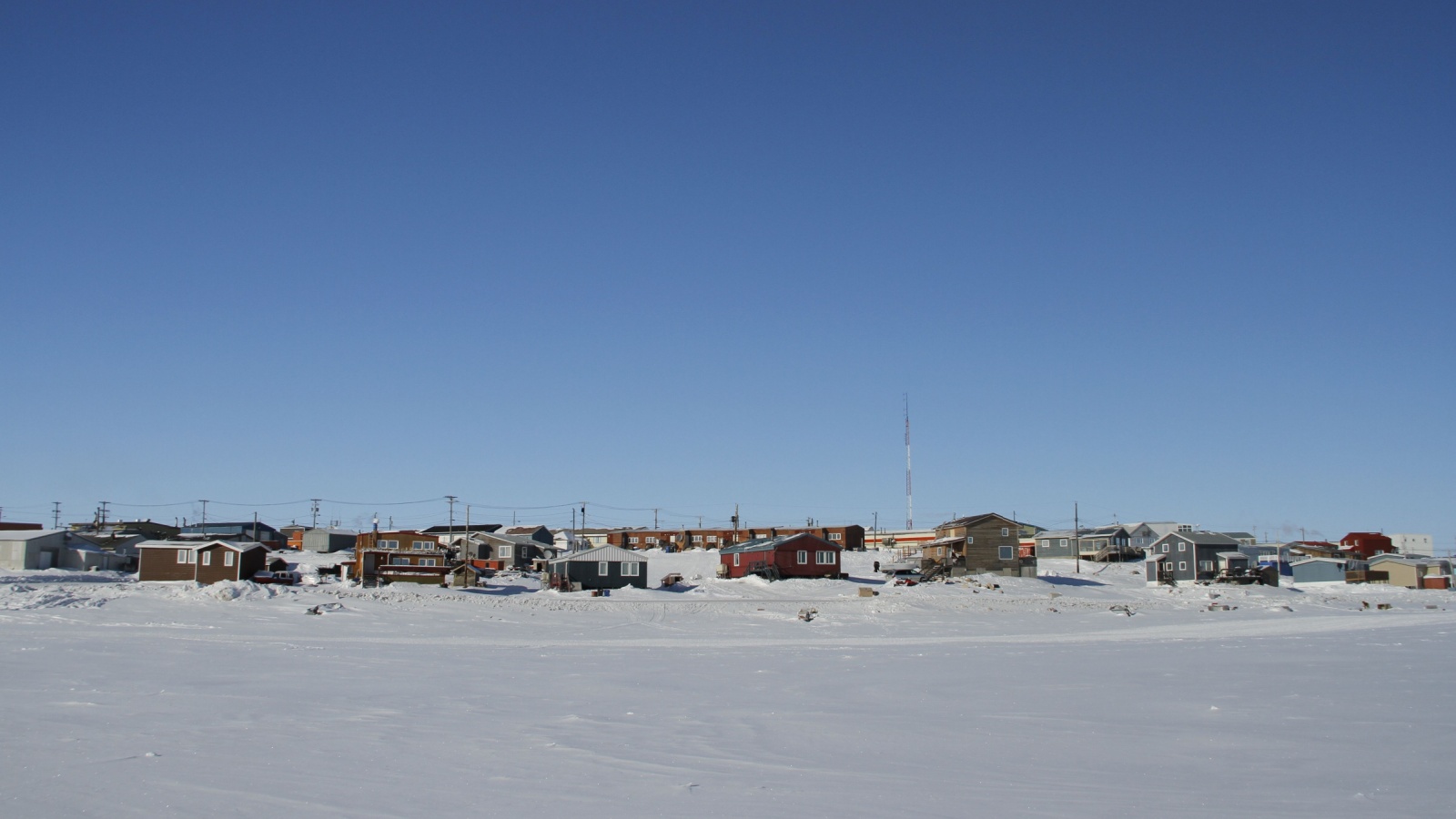
Following repeated American challenges beginning in the 1960s, Washington claimed the Northwest Passage as an international strait. Canada asserted the waters constituted internal jurisdiction. High-profile U.S. transit missions occurred in 1969 and 1985 without Canadian consent. Ottawa responded by expanding Arctic patrols in the 1990s. Indigenous consultation strengthened sovereignty claims through 2005. Continued infrastructure investment affirmed Canadian oversight after 2010. Diplomatic protests never advanced into legal challenges from the U.S. Canada maintained governance enforcement without compromise. No concessions were ever made. Sovereignty remains administered exclusively under Canadian authority today.
War of 1812 Invasions

Between 1812 and 1814, U.S. forces launched repeated cross-border invasions seeking to capture Canadian territory. Militia units, British troops, and Indigenous allies resisted effectively. Key battles occurred in Upper Canada throughout 1812. American forces were repelled repeatedly during 1813. Several counteroffensives secured Canadian positions by 1814. The Treaty of Ghent concluded the war late that year with unchanged borders. American annexation objectives collapsed completely. Canada preserved political autonomy. The victory became foundational to national identity memory. Military pressure failed conclusively.
Chicago Water Diversion
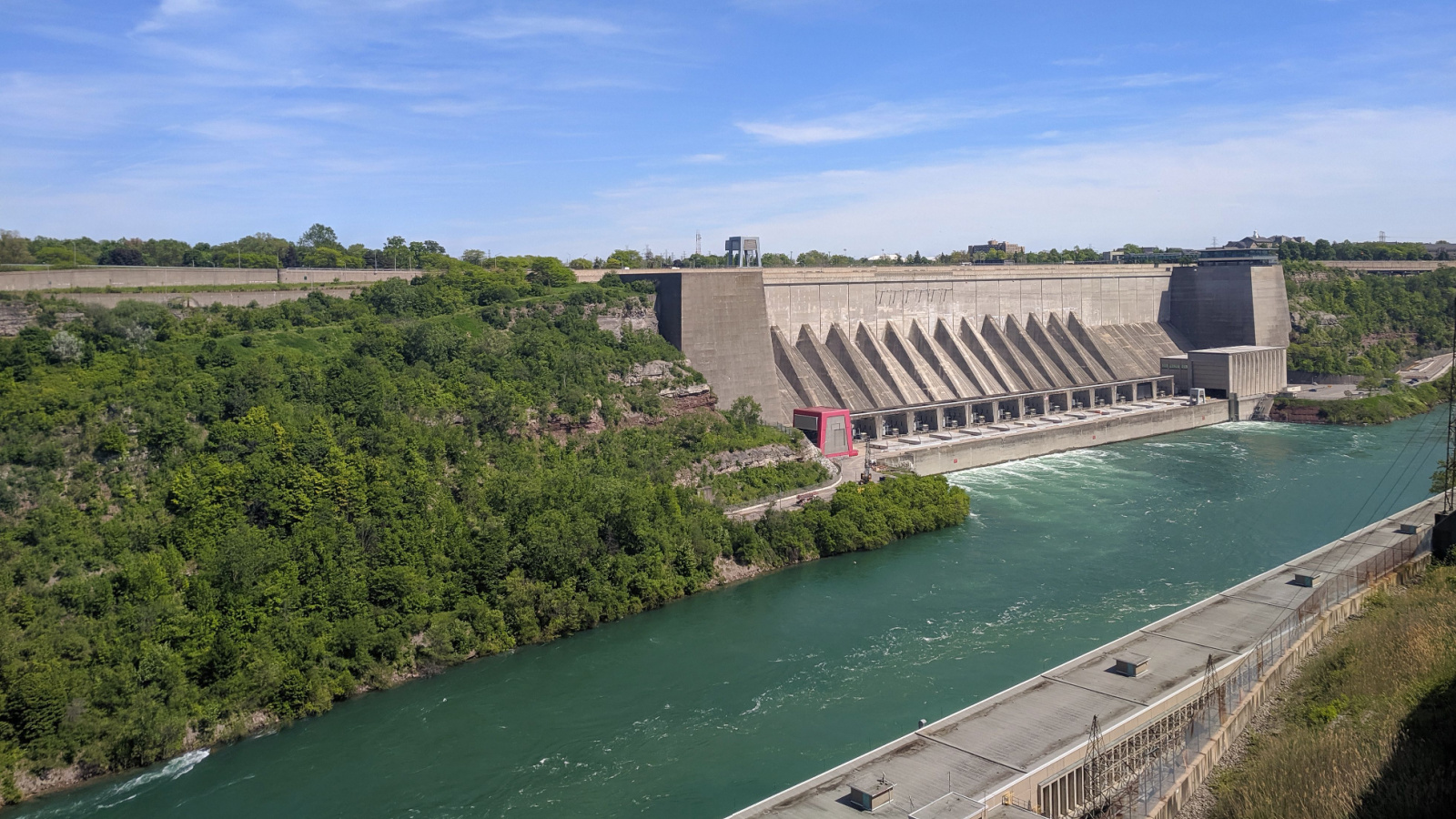
In 1900, Chicago reversed the water flows from Lake Michigan for sewage drainage. Canadian shipping interests protested falling Great Lakes water levels beginning in 1906. Formal diplomatic objections intensified in the 1910s. Arbitration involvement followed by the 1920s. Regulatory compromises enacted by 1925 limited flow extraction. While diversions remained partially active, damage mitigation succeeded. The U.S. conceded regulatory authority reluctantly. Canada’s persistence improved ecological protections. Escalation was avoided despite economic harm pressures. Legal channels proved more effective than confrontation tactics.
Suez Crisis Opposition
During the 1956 Suez Crisis, Washington pressured allied states to support intervention planning. Canada declined unconditional participation. Lester Pearson advanced peacekeeping initiatives through the United Nations later that same year. American officials criticized Canadian diplomacy privately. Canada maintained support for de-escalation. The UN accepted Pearson’s peacekeeping framework within weeks. Combat expansion was averted. Canada gained diplomatic prestige afterward. U.S. pressure failed to redirect Canadian policy compliance.
Acid Rain Negotiations

Through the 1970s, Canada documented environmental damage from cross-border sulphur emissions originating in U.S. coal operations. Diplomacy escalated in 1980, when bilateral negotiations stalled. Canada launched public data advocacy campaigns by 1985. Scientific consensus strengthened pressure. The U.S. initially resisted regulatory commitments. Sustained diplomatic push continued until 1991, when the Air Quality Agreement was finally signed. Emission caps followed. Ecological recovery validated Canada’s persistence. American resistance collapsed under scientific accountability rather than political will. The agreement marked a landmark environmental success driven by Canadian diplomacy.
Iraq War Refusal

The U.S. sought coalition commitments for the Iraq invasion beginning in 2002. Diplomatic pressure toward Canadian military participation intensified early in 2003. Canada evaluated authorization legitimacy under United Nations protocols. Public opinion surveys reflected opposition. Ottawa formally declined combat involvement in March 2003. Diplomatic relations weathered the decision without damage. Canada participated only in humanitarian relief later that year. Pressure efforts failed entirely in redirecting Canadian policy. Canada preserved sovereign foreign decision authority during wartime alliance testing.
Cuban Trade Embargo Defiance
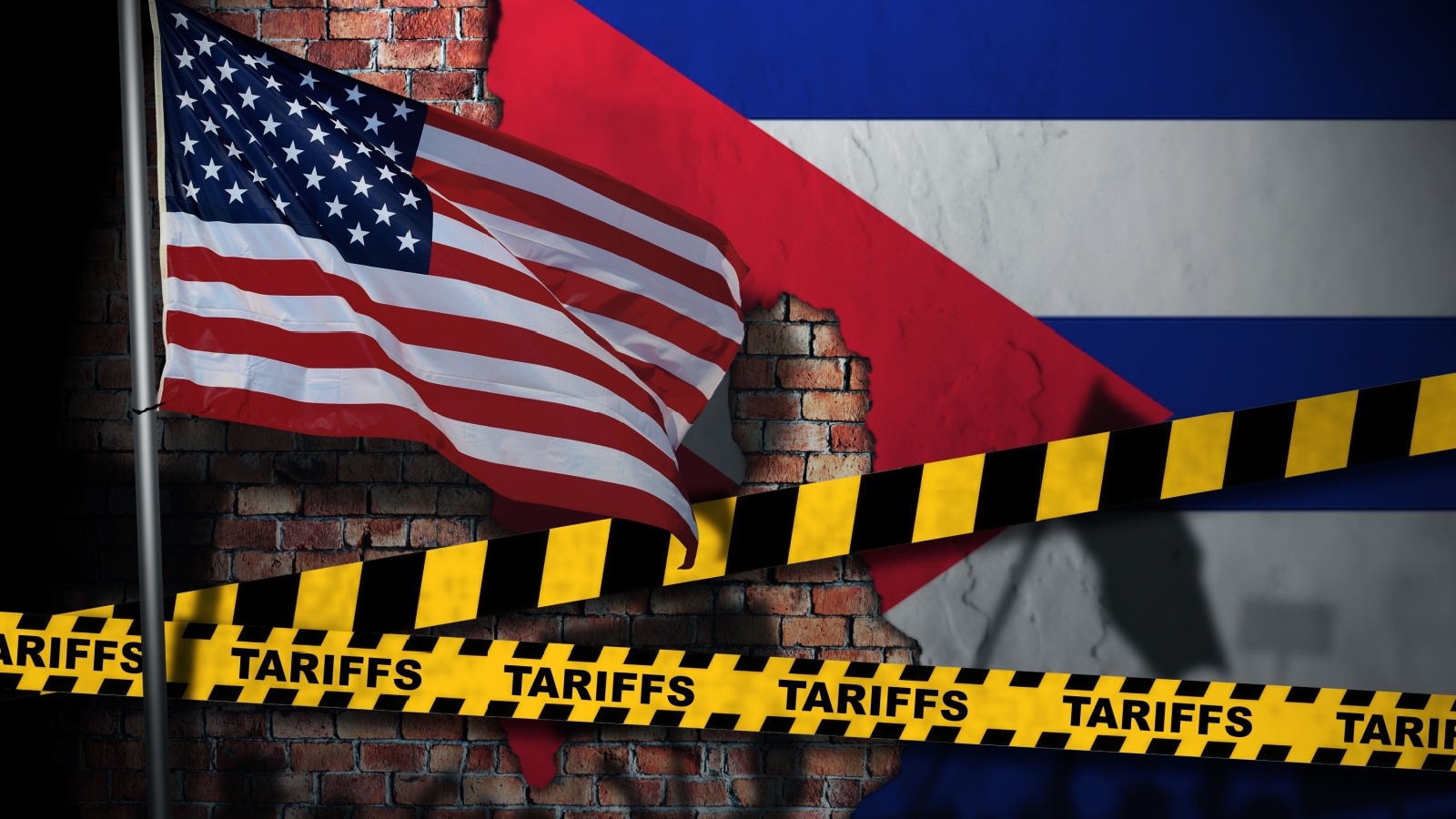
In 1962, the United States imposed a sweeping trade embargo against Cuba. Washington expected allies to comply. Canada rejected participation immediately. Ottawa maintained commercial ties through the 1960s and 1970s. American diplomats pressured Canadian ministries to restrict exports quietly. Canada cited sovereign trade policy rather than political alignment. Canadian wheat shipments continued consistently into the 1980s. Tourism links remained open throughout the embargo decades. U.S. compliance demands gradually softened by the 1990s. Canadian refusal never triggered retaliatory trade penalties. Sovereign independence prevailed. The episode reinforced Canada’s reputation for autonomous foreign trade decision-making. Washington ultimately abandoned attempts to pressure Canadian companies directly.
Cultural Publishing Quotas

During the early 1990s, the U.S. challenged Canadian magazine advertising restrictions favouring domestic publishers. Washington argued the rules violated free trade agreements. Canada defended cultural broadcasting protection policies under international exemptions. Heavy trade pressure emerged in 1997 through tariff threats. Ottawa refused immediate repeal. Legislative adjustments followed in 1999, preserving domestic content protections while addressing technical trade concerns. American publishers failed to dismantle Canada’s cultural policy frameworks fully. Canadian media initiatives remained intact. Cultural sovereignty protections endured following negotiation outcomes. The dispute illustrated Canada’s capacity to protect artistic industries under economic pressure. Resistance validated cultural policy independence against commercial lobbying.
Auto Pact Termination

The original Auto Pact agreement operated from 1965 until its termination attempt by the U.S. in 2001. Washington sought the removal of remaining production protections. Canada responded by filing challenges under international trade frameworks that same year. Panel rulings in 2002 favoured Canadian positions partially. Ottawa negotiated transition measures preserving domestic auto employment. Manufacturing investment commitments increased throughout 2003. Canada rejected immediate industrial destabilization proposals. Employment landscapes stabilized despite termination pressures. The industry retained strong domestic production shares. American efforts to dismantle protections fully did not succeed. The auto manufacturing base remained viable in Ontario following negotiation responses.
Arctic Oil Transit Objections

Beginning in the mid-1970s, the U.S. questioned Canada’s regulatory authority over Arctic oil tanker routes. Canada expanded shipping control regulations by 1977 under environmental protection laws. American officials protested enforcement rules regularly throughout the 1980s. Canada continued imposing transit reporting requirements. Coast Guard operations increased during the 1990s. International legal support strengthened Canada’s regulatory claims after 2000. No American legal challenges progressed beyond diplomatic objections. Canada upheld oversight authority uninterrupted. Environmental safety standards prevailed. U.S. pressure failed to alter shipping governance policies in Arctic waters.
Border Softwood Blockades

Following renewed disputes in 2001, U.S. lobby groups attempted physical protest blockades at border crossings. Canadian trucking shipments faced extended processing delays. Ottawa formally protested interference under cross-border trade protocols by 2002. American law enforcement dismantled blockades quickly. Continued trade flows resumed without disruption. Border security standards were reinforced jointly thereafter. Pressure tactics collapsed due to regulatory enforcement inconsistencies. Canada maintained export continuity. No concessions occurred during the attempt disruptions. These events demonstrated that intimidation tactics at border crossings cannot override established trade frameworks between neighbouring nations.
NATO Nuclear Missile Deployment

During the early 1960s, the U.S. urged Canada to accept fully armed nuclear missile installations under NATO command. Canadian leadership debated national defense sovereignty intensely between 1962 and 1963. Ottawa delayed acceptance while reassessing defense policies. Domestic opposition altered the government’s posture. Canada ultimately structured deployment decisions through sovereign review rather than automatic compliance. Several installations were postponed or cancelled by 1964. Canada preserved independent authority over military weapon placement. U.S. diplomatic pressure softened gradually after political realities emerged. Strategic autonomy remained intact.
NATO Libya Campaign Participation

In 2011, U.S. leaders advocated for expanded Canadian air strike activity in Libya. Canada already held limited participation roles. Ottawa declined escalation beyond NATO mandates. Mission command transferred to Canadian leadership midway through operations. Operational influence increased without strategic overextension. Canadian authorities resisted pressure for broader involvement. Mission engagement remained closely bound to UN approvals. Civilian protection remained core planning. Canadian diplomacy prevented mission creep. Washington acquiesced to scope limitations. Canada’s defined role preserved both alliance cooperation and independent military judgment.
NAFTA Dairy Protection

Throughout NAFTA negotiations in the 1990s, American agribusiness pushed to dismantle Canadian dairy supply management. Canada rejected quota abandonment demands. U.S. negotiators intensified pressure in the 2002 trade talks. Ottawa reaffirmed domestic farm protections consistently. Further pressure surfaced during CUSMA negotiations in 2018. Some concessions occurred without eliminating quota structures. Canadian dairy protections remain intact today. American efforts failed to fully access the protected domestic dairy market. The system continues to support stable rural incomes nationwide.
Keystone XL Pipeline Resistance
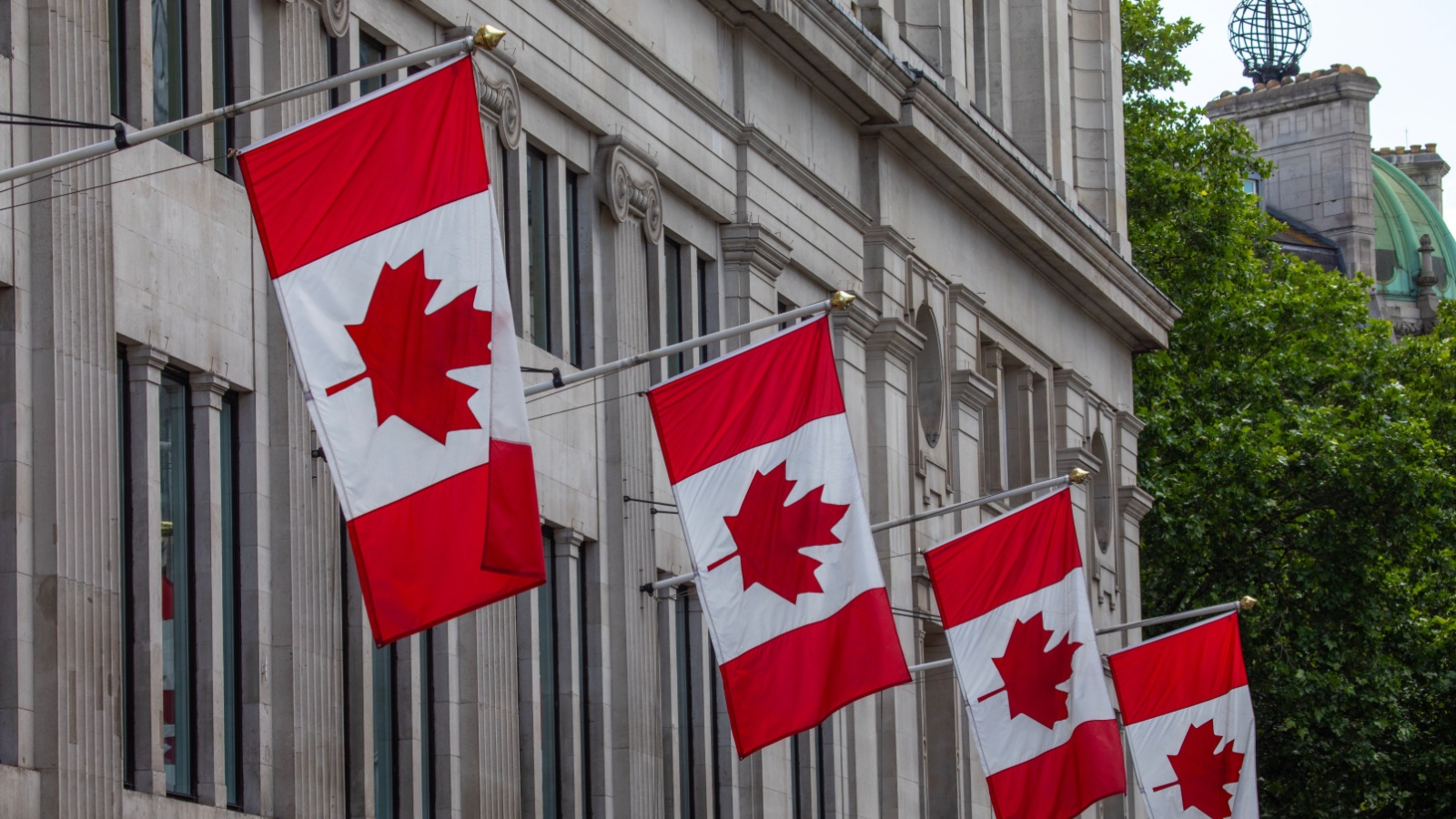
In the late 2000s, U.S. political pressure mounted against the Keystone XL pipeline expansion. Canadian government support remained steady. Regulatory delays escalated throughout 2012 and 2014. Canada continued advocating cross-border energy cooperation. Despite repeated approval reversals by American administrations, Canada refused to abandon. Energy exports diversified during the delays. By 2021, cancellation was finalized under U.S. executive action. Canada preserved independent energy policy priorities without major concessions. Pressure campaigns failed to alter Canada’s commitments. The issue demonstrated limitations on foreign influence over sovereign infrastructure decisions.
22 Groceries to Grab Now—Before another Price Shock Hits Canada

Food prices in Canada have been steadily climbing, and another spike could make your grocery bill feel like a mortgage payment. According to Statistics Canada, food inflation remains about 3.7% higher than last year, with essentials like bread, dairy, and fresh produce leading the surge. Some items are expected to rise even further due to transportation costs, droughts, and import tariffs. Here are 22 groceries to grab now before another price shock hits Canada.
22 Groceries to Grab Now—Before another Price Shock Hits Canada
This Options Discord Chat is The Real Deal
While the internet is scoured with trading chat rooms, many of which even charge upwards of thousands of dollars to join, this smaller options trading discord chatroom is the real deal and actually providing valuable trade setups, education, and community without the noise and spam of the larger more expensive rooms. With a incredibly low-cost monthly fee, Options Trading Club (click here to see their reviews) requires an application to join ensuring that every member is dedicated and serious about taking their trading to the next level. If you are looking for a change in your trading strategies, then click here to apply for a membership.