
35,000+ smart investors are already getting financial news, market signals, and macro shifts in the economy that could impact their money next with our FREE weekly newsletter. Get ahead of what the crowd finds out too late. Click Here to Subscribe for FREE.
Canada’s history is filled with moments when crisis led to transformation. Economic downturns, public health emergencies, and environmental disasters have repeatedly tested the nation’s strength and adaptability. Yet in facing these challenges, Canada has emerged with new systems, stronger institutions, and a renewed sense of unity. Here are 23 Canadian wins that came from crisis.
Rebuilding the Economy After the Great Depression
23 Canadian Wins That Came From Crisis
- Rebuilding the Economy After the Great Depression
- Creation of Universal Healthcare Following Postwar Challenges
- Strengthening National Unity After the 1995 Quebec Referendum
- Advancing Indigenous Rights Following the Oka Crisis
- Environmental Reforms After the Exxon Valdez and Local Oil Spills
- Modernizing Financial Regulations After the 2008 Global Recession
- Expanding Peacekeeping Roles Following International Conflicts
- Advancing Climate Action After the 2013 Alberta Floods
- Strengthening Public Health Systems After the SARS Outbreak
- Economic Diversification in Oil-Dependent Provinces After Price Crashes
- Innovation in Vaccine Development During the COVID-19 Pandemic
- Reinforcing Border and Security Policies After 9/11
- Enhancing Cybersecurity After National Data Breaches
- Modernizing Infrastructure Following Natural Disasters
- Boosting Domestic Manufacturing During Global Supply Chain Disruptions
- Strengthening Mental Health Awareness After National Crises
- Supporting Arts and Media Recovery After Economic Downturns
- Expanding Green Energy Programs After Environmental Emergencies
- Investing in Affordable Housing After Urban Homelessness Surged
- Promoting Local Agriculture After Global Trade Uncertainty
- Building National Emergency Preparedness Systems After Wildfires
- Deepening Global Cooperation After Humanitarian Disasters
- Advancing Social Equity Movements in Response to Racial Injustice Crises
- 21 Products Canadians Should Stockpile Before Tariffs Hit

The Great Depression of the 1930s devastated Canada’s economy, leading to mass unemployment and widespread poverty. Out of this crisis came major reforms that reshaped the nation’s economic foundation. The federal government introduced public works programs, unemployment insurance, and later social safety nets that became cornerstones of Canada’s welfare state. The cooperative movement gained traction, helping communities recover through collective effort. This era marked a turning point where Canada learned to balance capitalism with compassion, creating an economic model that prioritized stability and citizen well-being over unchecked market forces.
Creation of Universal Healthcare Following Postwar Challenges

After World War II, Canada faced a healthcare crisis as returning veterans and families struggled with medical costs. Public demand for equitable healthcare led to transformative change beginning in Saskatchewan under Premier Tommy Douglas. His model of publicly funded healthcare eventually spread nationwide, becoming the cornerstone of Canada’s identity. The initiative was met with opposition but proved successful in ensuring access to care regardless of income. This system, born from postwar necessity, now stands as one of the country’s most defining achievements, embodying fairness and compassion even during economic uncertainty.
Strengthening National Unity After the 1995 Quebec Referendum

The 1995 Quebec Referendum tested the limits of Canada’s unity, with the country nearly splitting in two. The razor-thin result in favor of remaining united led to major reforms in how Canada approached federalism and cultural identity. The federal government introduced clearer laws on secession and reinforced bilingualism and cultural respect across provinces. The near-crisis forced both sides to acknowledge the importance of inclusion and dialogue. Canada emerged stronger, with a renewed sense of national purpose and appreciation for diversity as the foundation of its continued stability and democracy.
Advancing Indigenous Rights Following the Oka Crisis
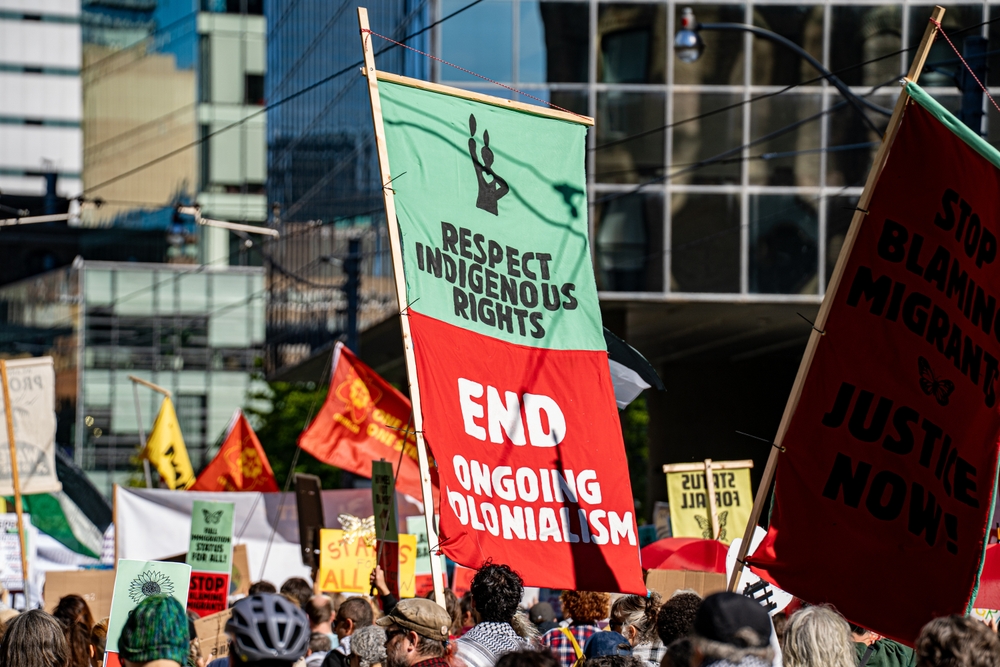
The 1990 Oka Crisis, sparked by a land dispute in Quebec, exposed deep-rooted tensions between Indigenous communities and government authorities. Though it began as a standoff, it transformed into a national awakening. The event pushed Canada to confront its history of broken treaties and neglect toward Indigenous sovereignty. It led to major policy changes, the creation of the Royal Commission on Aboriginal Peoples, and an ongoing national dialogue about reconciliation. The Oka Crisis, though painful, marked a crucial step toward recognition, respect, and renewed partnership between Indigenous peoples and the Canadian government.
Environmental Reforms After the Exxon Valdez and Local Oil Spills
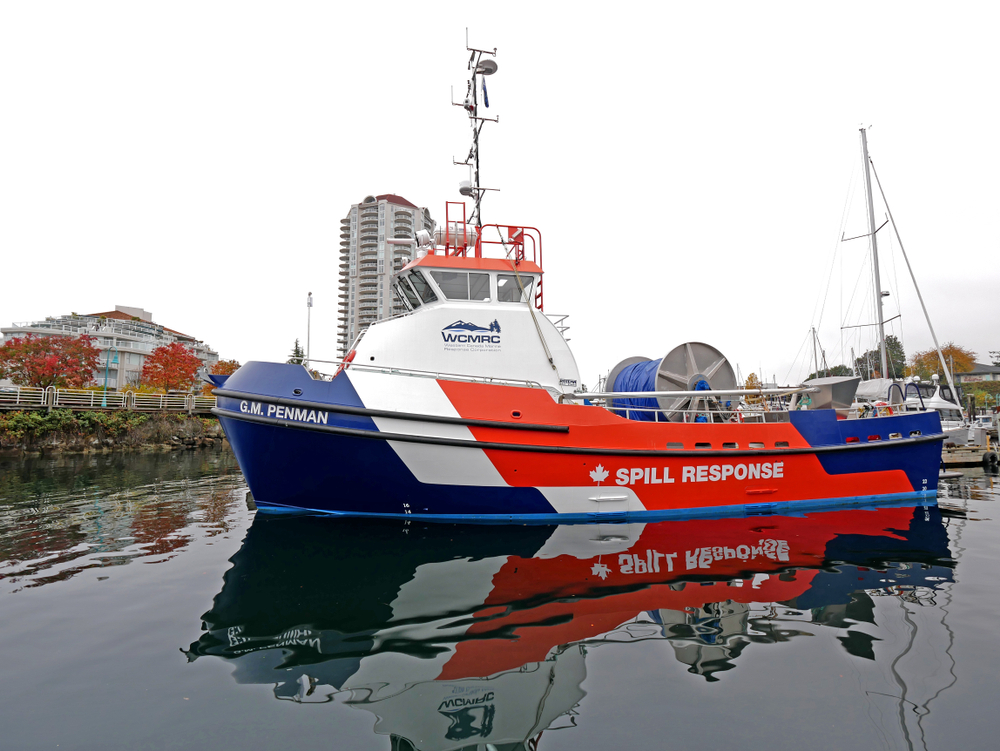
The environmental damage caused by oil spills in the late 1980s and early 1990s spurred Canada to strengthen its environmental protection frameworks. The Exxon Valdez disaster, along with domestic spills off Canada’s coasts, prompted federal investment in marine safety, stricter regulations, and the creation of emergency response protocols. Public outrage accelerated the shift toward renewable energy and corporate accountability. This period also saw the birth of several conservation initiatives and the expansion of protected marine areas. From the environmental crisis came progress that positioned Canada as a leader in sustainable policy and environmental stewardship.
Modernizing Financial Regulations After the 2008 Global Recession
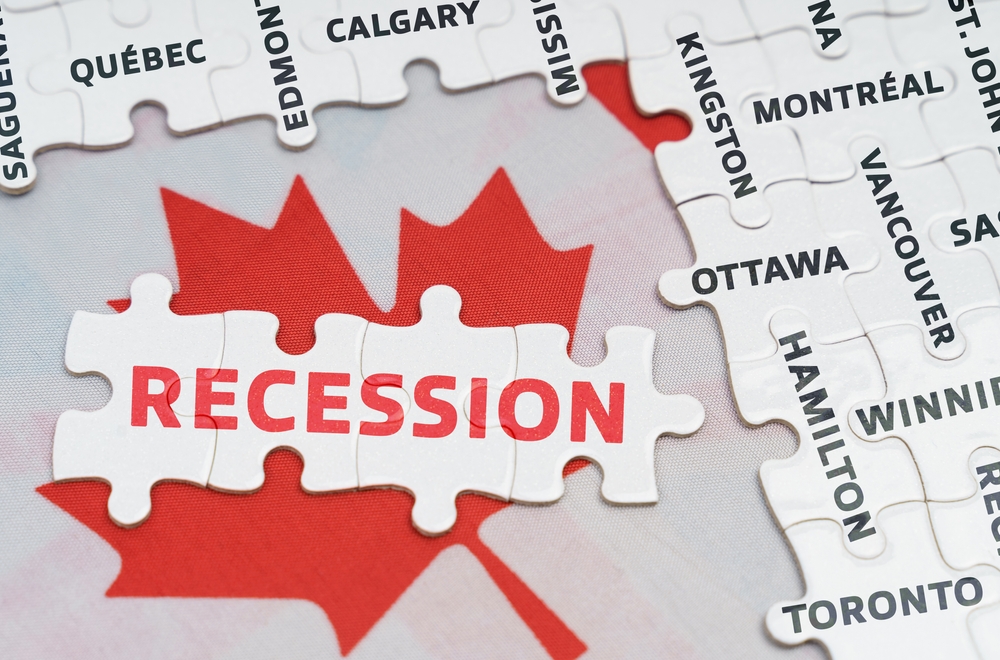
The global financial meltdown of 2008 forced many nations to rebuild from economic chaos, but Canada emerged as a model of financial prudence. The crisis prompted the modernization of Canada’s banking regulations, capital reserve requirements, and consumer protection standards. Unlike many global counterparts, Canada’s banking system remained largely stable due to proactive government oversight and conservative lending practices. The lessons from the recession reinforced the importance of financial discipline, transparency, and long-term planning. As a result, Canada’s economy rebounded quickly and continues to rank among the most resilient in the world.
Expanding Peacekeeping Roles Following International Conflicts

Canada’s identity as a global peacekeeper was reinforced through lessons learned from international conflicts. After witnessing the devastation of wars in the late 20th century, Canada redefined its military and diplomatic roles to emphasize humanitarian missions, mediation, and civilian protection. From Rwanda to the Balkans, Canadian forces adapted to complex global crises with compassion and professionalism. The government invested in peacebuilding initiatives and multilateral diplomacy, ensuring Canada remained a trusted partner in conflict resolution. These experiences solidified Canada’s reputation as a moral leader focused on peace, reconstruction, and stability rather than aggression.
Advancing Climate Action After the 2013 Alberta Floods

The 2013 Alberta floods were among the costliest natural disasters in Canadian history, forcing the nation to rethink its approach to climate resilience. Communities like Calgary and High River saw the devastating effects of extreme weather firsthand. In response, governments at all levels increased funding for flood mitigation, emergency preparedness, and climate adaptation infrastructure. Policies addressing carbon emissions and sustainable urban planning gained new urgency. What began as a regional tragedy evolved into a catalyst for stronger national climate action, shaping Canada’s ongoing transition toward a more sustainable and climate-resilient future.
Strengthening Public Health Systems After the SARS Outbreak
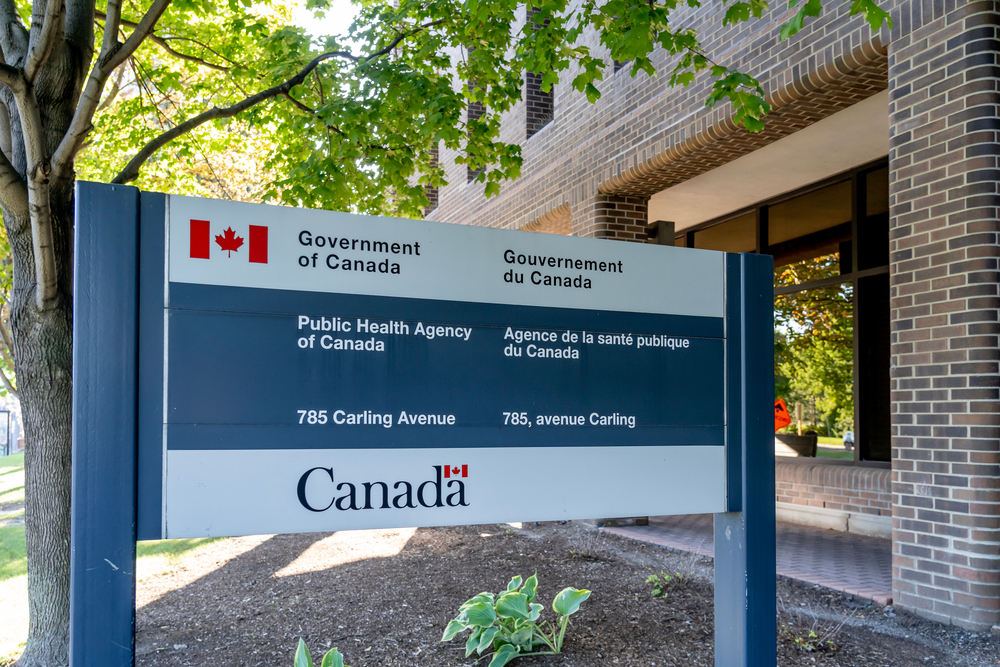
The 2003 SARS outbreak exposed vulnerabilities in Canada’s public health system, but it also became a turning point in how the nation prepares for pandemics. Hospitals and provinces struggled initially, but the crisis led to the creation of the Public Health Agency of Canada and stronger coordination among medical institutions. Investments in disease surveillance, rapid response protocols, and global health partnerships followed. These measures later proved vital during the COVID-19 pandemic. The SARS experience showed that from health crises can come innovation and resilience, establishing a more unified and science-driven public health infrastructure.
Economic Diversification in Oil-Dependent Provinces After Price Crashes

The repeated collapse of global oil prices pushed several Canadian provinces—especially Alberta and Newfoundland and Labrador—to diversify their economies. What began as economic hardship led to growth in renewable energy, technology, and clean manufacturing sectors. Governments introduced incentives for entrepreneurship and education in non-oil industries. This diversification improved economic stability and reduced reliance on volatile resource markets. The crisis ultimately encouraged Canada to invest in long-term sustainability, helping resource-rich regions transition toward greener, more adaptable economies that can withstand global market fluctuations.
Innovation in Vaccine Development During the COVID-19 Pandemic

The COVID-19 pandemic tested Canada’s healthcare and research capabilities like never before. Amid the uncertainty, Canadian scientists and biotech firms rose to the challenge, developing innovative vaccine technologies and contributing to global research efforts. The crisis accelerated funding for biomedical research, strengthened partnerships between universities and private firms, and improved public health data systems. Canada’s response not only helped protect its own citizens but also positioned the country as a leader in global health innovation. What began as a crisis of fear became a demonstration of scientific collaboration and national resilience.
Reinforcing Border and Security Policies After 9/11

The terrorist attacks of September 11, 2001, reshaped Canada’s approach to national security. With close economic and geographic ties to the United States, Canada faced immediate pressure to enhance border safety without compromising trade or civil liberties. The government introduced new security legislation, improved intelligence sharing, and modernized airport screening systems. Investments in counterterrorism and cybersecurity increased significantly. Despite challenges, Canada maintained its commitment to openness and multiculturalism while strengthening its defenses. The balance achieved between safety and freedom became a defining feature of Canada’s post-9/11 security strategy.
Enhancing Cybersecurity After National Data Breaches

A series of major data breaches affecting government agencies and private companies prompted Canada to overhaul its cybersecurity infrastructure. These incidents exposed vulnerabilities in national systems but led to swift reform and innovation. The government established the Canadian Centre for Cyber Security and implemented stricter privacy laws to protect citizens’ data. Collaboration between public institutions and tech firms accelerated the development of advanced defense technologies. What began as a wake-up call transformed into a coordinated national effort to safeguard information, ensuring that Canada remains resilient in the face of growing digital threats.
Modernizing Infrastructure Following Natural Disasters
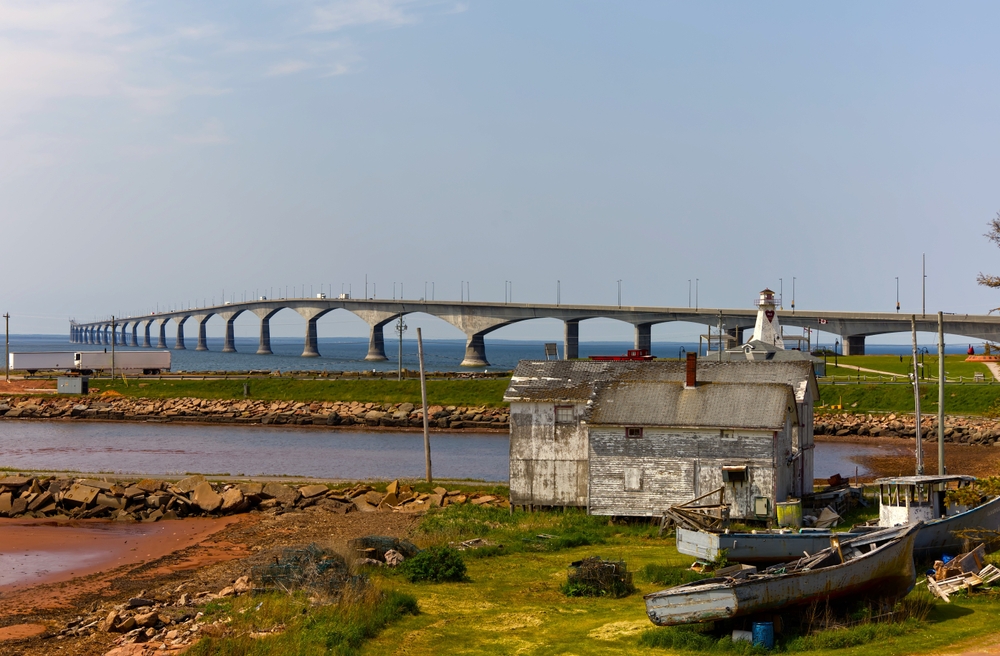
Severe floods, wildfires, and ice storms have repeatedly tested Canada’s aging infrastructure. In response, governments and communities invested heavily in rebuilding with resilience in mind. Bridges, roads, and transit systems were redesigned to withstand extreme weather, while green infrastructure projects reduced environmental impact. The use of smart technology and sustainable materials became standard practice in construction. What began as reactive recovery evolved into a forward-thinking modernization strategy, ensuring that Canada’s infrastructure could endure future natural disasters while supporting long-term economic and environmental stability.
Boosting Domestic Manufacturing During Global Supply Chain Disruptions
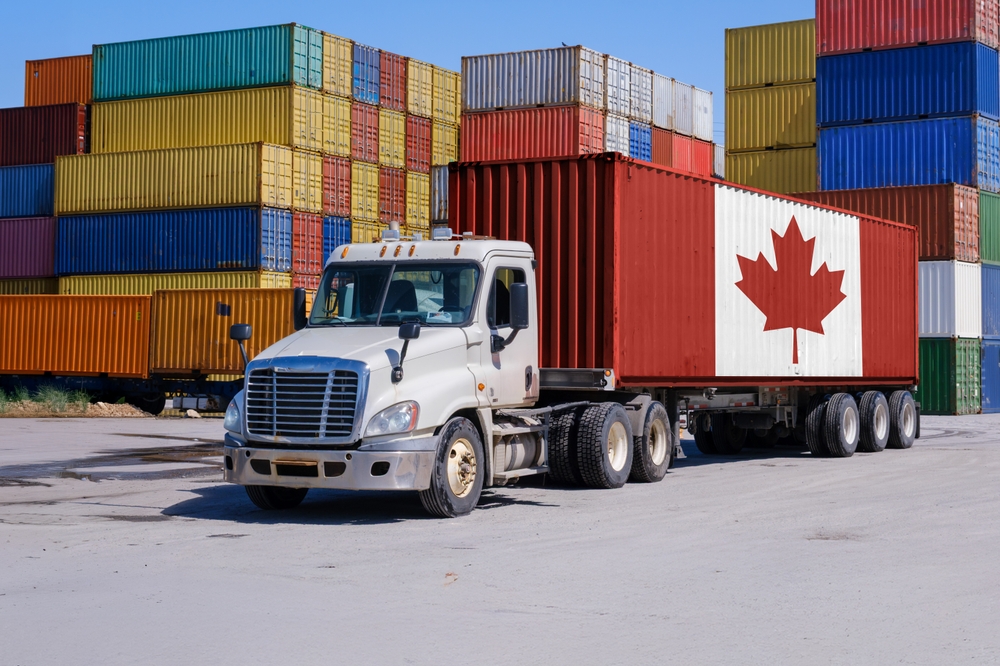
Global supply chain crises—especially during the COVID-19 pandemic—exposed Canada’s dependence on imports for essential goods. This challenge spurred a resurgence in domestic manufacturing, particularly in medical equipment, clean technology, and advanced materials. The federal government introduced incentives to encourage local production and innovation. Canadian firms expanded automation and adopted sustainable production practices, creating new jobs and strengthening national resilience. What started as a logistical problem became a turning point for industrial renewal and self-reliance across key economic sectors.
Strengthening Mental Health Awareness After National Crises

Natural disasters, pandemics, and social isolation brought mental health challenges to the forefront of national attention. Canada responded by expanding access to mental health services, funding community-based programs, and launching public awareness campaigns. Employers and schools began prioritizing psychological well-being as part of everyday policy. The destigmatization of mental health transformed it into a central pillar of public health strategy. What once was a neglected topic became a defining feature of Canada’s compassionate and inclusive approach to healthcare.
Supporting Arts and Media Recovery After Economic Downturns

Economic crises often hit the arts and media sectors hardest, threatening cultural preservation and creative livelihoods. In the aftermath of recessions and funding cuts, Canada implemented new grants, tax incentives, and partnerships to revive these industries. Independent film, broadcasting, and music sectors rebounded strongly, using digital platforms to reach global audiences. These recovery efforts reinforced Canada’s cultural identity and ensured that creative expression remained a cornerstone of national unity and pride even during difficult economic times.
Expanding Green Energy Programs After Environmental Emergencies
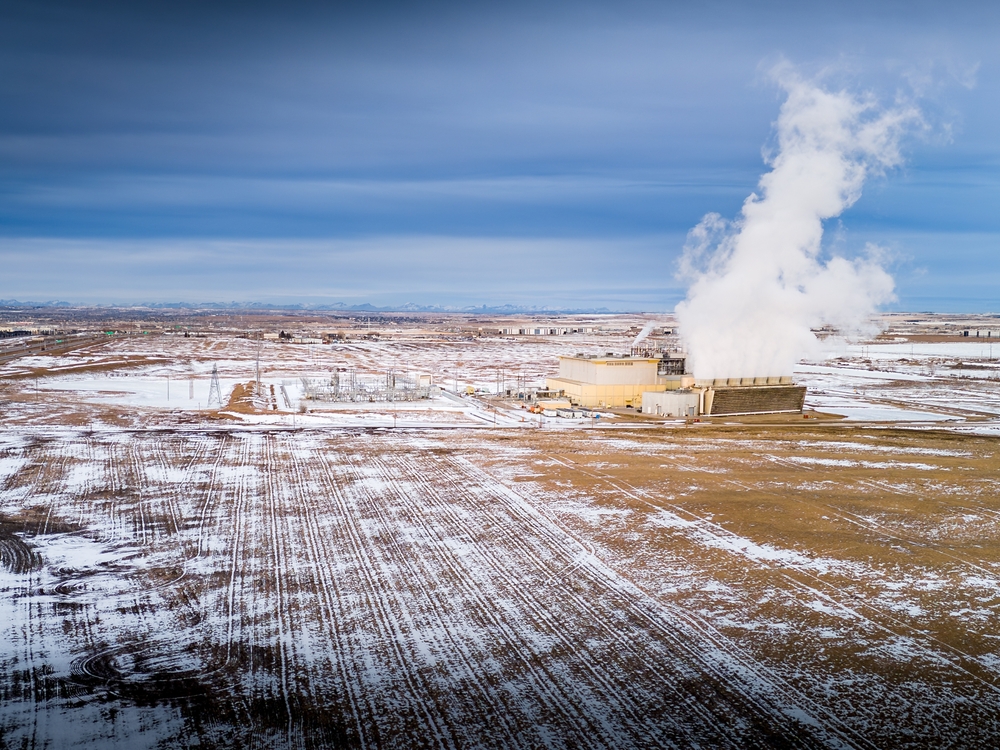
Environmental disasters and energy crises pushed Canada to accelerate its transition toward renewable power. Provinces invested in solar, wind, hydro, and geothermal projects while introducing incentives for businesses and homeowners to adopt clean energy solutions. Federal funding supported large-scale renewable infrastructure and energy storage research. This expansion not only reduced emissions but also created thousands of green jobs. By turning environmental emergencies into opportunities for innovation, Canada positioned itself as a global leader in sustainable energy development.
Investing in Affordable Housing After Urban Homelessness Surged

Rising homelessness during economic downturns prompted Canada to act decisively on housing affordability. Governments collaborated with municipalities and non-profits to expand social housing, implement rent-to-own programs, and reform zoning laws. Public investment in affordable housing became a key component of national recovery strategies. The result was more inclusive urban development and improved living conditions for vulnerable populations. This response showed how crisis-driven policy can evolve into long-term solutions for social equity and urban stability.
Promoting Local Agriculture After Global Trade Uncertainty

Global trade disruptions and food security concerns encouraged Canada to prioritize local agriculture. Farmers received new support for sustainable practices, organic farming, and direct-to-consumer models. Governments promoted regional food networks to reduce dependence on imports. These efforts boosted rural economies and improved food resilience across provinces. What began as a response to global uncertainty became a sustainable framework that empowered Canadian farmers and strengthened national food independence.
Building National Emergency Preparedness Systems After Wildfires

The increasing frequency of wildfires forced Canada to overhaul its emergency preparedness systems. Governments improved coordination between provinces, enhanced early warning systems, and invested in rapid-response equipment. Training programs for firefighters and community volunteers expanded, while national emergency plans were updated to reflect climate realities. These upgrades created a more agile, collaborative response network capable of protecting lives and ecosystems. The crisis-driven reforms ultimately made Canada one of the most proactive nations in disaster management and resilience planning.
Deepening Global Cooperation After Humanitarian Disasters

From the 2004 Indian Ocean tsunami to the Syrian refugee crisis, Canada’s humanitarian responses during global disasters have strengthened its international reputation. The nation increased foreign aid contributions, deployed rapid-response teams, and welcomed displaced individuals. Collaboration with the UN and NGOs expanded Canada’s role as a global partner in relief and reconstruction. These efforts showcased how compassion and coordination in times of crisis can enhance diplomatic influence and foster enduring global partnerships rooted in shared humanity.
Advancing Social Equity Movements in Response to Racial Injustice Crises

Moments of racial tension and injustice—both within Canada and abroad—sparked nationwide movements demanding accountability and equality. In response, governments, institutions, and citizens took meaningful action through anti-racism education, law enforcement reform, and diversity initiatives in workplaces and schools. Funding for equity-driven community programs increased, and public conversations around systemic racism deepened. These actions transformed moments of social crisis into catalysts for progress, reaffirming Canada’s commitment to fairness, inclusion, and human rights.
21 Products Canadians Should Stockpile Before Tariffs Hit

If trade tensions escalate between Canada and the U.S., everyday essentials can suddenly disappear or skyrocket in price. Products like pantry basics and tech must-haves that depend on are deeply tied to cross-border supply chains and are likely to face various kinds of disruptions
21 Products Canadians Should Stockpile Before Tariffs Hit
This Options Discord Chat is The Real Deal
While the internet is scoured with trading chat rooms, many of which even charge upwards of thousands of dollars to join, this smaller options trading discord chatroom is the real deal and actually providing valuable trade setups, education, and community without the noise and spam of the larger more expensive rooms. With a incredibly low-cost monthly fee, Options Trading Club (click here to see their reviews) requires an application to join ensuring that every member is dedicated and serious about taking their trading to the next level. If you are looking for a change in your trading strategies, then click here to apply for a membership.