
35,000+ smart investors are already getting financial news, market signals, and macro shifts in the economy that could impact their money next with our FREE weekly newsletter. Get ahead of what the crowd finds out too late. Click Here to Subscribe for FREE.
Throughout its history, Canada has repeatedly proven that putting people first can lead to lasting success. Whether through universal healthcare, environmental protection, or fair labor practices, the nation has consistently chosen social welfare and equality over quick economic gain. These decisions have not only improved the quality of life but also strengthened the economy, democracy, and sense of community across provinces. Here are 22 times Canada chose people over profit, and it worked.
Creation of Universal Healthcare for Every Citizen
22 Times Canada Chose People Over Profit—And It Worked
- Creation of Universal Healthcare for Every Citizen
- Prioritizing Public Education Over Privatized Schooling
- Expanding Affordable Housing and Co-Op Programs
- Supporting Workers with FairWagese and Labor Laws
- Funding Public Broadcasting to Strengthen National Identity
- Preserving National Parks for Environmental and Public Benefit
- Investing in Clean Energy Instead of Fossil Fuel Expansion
- Protecting Indigenous Lands and Community Rights
- Maintaining Strict Food Safety and Consumer Protection Standards
- Introducing Paid Parental Leave and Family Benefits
- Regulating Big Pharma to Keep Medicine Affordable
- Strengthening Pension Plans for Long-Term Security
- Expanding Public Transit Access in Urban and Rural Areas
- Banning Harmful Pesticides to Protect Public Health
- Supporting Mental Health and Addiction Recovery Programs
- Limiting Corporate Influence in Political Campaigns
- Funding Public Libraries and Community Learning Spaces
- Backing Local Farmers Through Agricultural Subsidies
- Enforcing Environmental Protection Laws Against Industry Pressure
- Investing in Arts, Culture, and Creative Industries
- Protecting Internet Privacy and Data Rights for Citizens
- Strengthening Labor Rights During Economic Downturns
- 21 Products Canadians Should Stockpile Before Tariffs Hit

Canada’s establishment of universal healthcare reshaped the nation’s social and economic landscape. By ensuring that every citizen could access quality medical care without financial barriers, the country placed human welfare above profit. This decision reduced poverty caused by medical costs, improved life expectancy, and strengthened trust in public systems. The publicly funded model also created cost efficiency through shared resources, setting a global example of sustainable healthcare. Instead of viewing health as a business, Canada treated it as a right. The result was a healthier, more equitable society admired around the world for its inclusive approach.
Prioritizing Public Education Over Privatized Schooling

Rather than embracing privatized education, Canada chose to build one of the world’s strongest public school systems. This approach made learning accessible to all, regardless of socioeconomic background. Public investment ensured well-trained teachers, standardized resources, and equitable opportunities for students nationwide. The outcome was a highly skilled workforce and consistent global recognition for Canada’s academic excellence. Public education also played a key role in nation-building, uniting diverse communities through shared values and equal opportunity. By choosing to fund learning for all, Canada demonstrated that prioritizing people’s knowledge pays off more sustainably than privatizing access to it.
Expanding Affordable Housing and Co-Op Programs

Canada’s expansion of affordable housing and co-operative housing programs was a direct response to rising inequality. Instead of allowing markets to dictate access to shelter, the government supported models that prioritized long-term affordability and community engagement. Co-op housing empowered residents through shared decision-making and lower rent costs, reducing homelessness and urban instability. This people-first approach ensured more inclusive cities and preserved local diversity. By investing in stable housing rather than speculative profits, Canada proved that community-oriented housing policies can produce both economic balance and social harmony. These programs continue to benefit thousands across the country today.
Supporting Workers with FairWagese and Labor Laws

Canada’s emphasis on fair wages and strong labor protections has been key to its economic resilience. By supporting collective bargaining, establishing minimum wage standards, and enforcing worker safety laws, the government prioritized livelihoods over corporate profits. These actions strengthened the middle class and maintained economic balance during global downturns. Canadian labor reforms also encouraged productivity by valuing employee well-being and workplace equity. From paid leave to anti-discrimination policies, these measures reflected a national belief that prosperity should be shared. The country’s strong labor framework remains a cornerstone of its stability and international competitiveness today.
Funding Public Broadcasting to Strengthen National Identity

When many nations shifted toward corporate-controlled media, Canada maintained robust public broadcasting through CBC and Radio-Canada. This investment preserved independent journalism and promoted cultural unity across provinces. Public broadcasting gave voice to regional stories, Indigenous perspectives, and national debates free from commercial pressure. The result was a stronger democratic dialogue and a shared understanding of Canadian identity. By valuing authenticity and accessibility in media, Canada demonstrated that informed citizens are vital to democracy. This people-over-profit decision not only enriched national culture but also protected freedom of expression from being shaped solely by market interests.
Preserving National Parks for Environmental and Public Benefit

Canada’s early decision to protect vast natural landscapes as national parks prioritized public good over industrial exploitation. By conserving millions of hectares of forests, lakes, and wildlife habitats, Canada ensured future generations would inherit thriving ecosystems. These parks became essential for tourism, education, and climate preservation, strengthening both local economies and global environmental leadership. Protecting nature as a shared resource rather than a profit venture helped balance growth with sustainability. This forward-thinking approach has made Canada a world leader in conservation and a model for how natural wealth can serve the people, not just industry.
Investing in Clean Energy Instead of Fossil Fuel Expansion

While other nations doubled down on fossil fuels, Canada began investing in clean energy technologies such as hydro, wind, and solar power. This transition aimed to protect the environment while fostering innovation and job creation. By supporting renewable energy over short-term oil profits, Canada positioned itself for long-term sustainability and global competitiveness. The strategy also reduced carbon emissions and strengthened local economies through green infrastructure projects. By putting climate and community health first, Canada proved that clean energy investment can drive both environmental progress and economic strength—an example of choosing people’s future over immediate corporate gain.
Protecting Indigenous Lands and Community Rights

Canada’s growing recognition and protection of Indigenous lands mark one of its most people-centered policy shifts. Through legal frameworks and community agreements, the country has begun to respect ancestral land rights and self-governance. These initiatives ensure that Indigenous communities have a voice in environmental decisions and access to economic opportunities rooted in cultural preservation. By prioritizing reconciliation and sustainability over corporate land exploitation, Canada has shown that long-term prosperity can coexist with respect for history and heritage. This ongoing effort reflects a deeper national understanding that justice and inclusion build stronger, more united societies.
Maintaining Strict Food Safety and Consumer Protection Standards

Canada’s commitment to stringent food safety and consumer protection standards is a testament to its people-first approach. Rather than leaving food regulation to market forces, the country implemented rigorous inspection systems and labeling transparency to protect public health. Agencies like the Canadian Food Inspection Agency ensure that products meet safety benchmarks before reaching consumers. These measures prevent major outbreaks, promote trust in local industries, and enhance Canada’s global reputation for quality. By valuing citizens’ health and well-being above profit-driven shortcuts, Canada demonstrates that consumer confidence and economic strength go hand in hand.
Introducing Paid Parental Leave and Family Benefits

Canada’s paid parental leave and family benefits programs have transformed how families balance work and life. By offering financial support for new parents, the policy reduces stress, strengthens early childhood development, and promotes gender equality in the workplace. Rather than forcing parents to choose between career and caregiving, the system supports both roles equally. This investment in family stability boosts long-term productivity and well-being, proving that compassion can be an economic advantage. The program reflects a national value: families thrive when society supports them, and that stability benefits the entire nation across generations.
Regulating Big Pharma to Keep Medicine Affordable

Unlike countries that allow unchecked pharmaceutical pricing, Canada has established strong regulations to keep essential medicines affordable. Through the Patented Medicine Prices Review Board, the government monitors and limits excessive pricing, ensuring equitable access for all citizens. These policies prevent corporate monopolies from exploiting healthcare needs and foster transparency in drug approval processes. As a result, Canadians pay significantly less for prescriptions compared to many developed nations. This balance between innovation and public responsibility shows that medical progress should not come at the cost of accessibility, protecting both health and economic fairness.
Strengthening Pension Plans for Long-Term Security

Canada’s decision to develop robust public pension plans has safeguarded generations from post-retirement poverty. Programs like the Canada Pension Plan (CPP) and Old Age Security (OAS) provide a stable income for seniors while reducing dependence on private savings or market fluctuations. By pooling contributions nationally, Canada ensured a reliable safety net that adapts to demographic and economic changes. This forward-thinking model reflects the nation’s commitment to dignity and security for its aging population. Choosing collective responsibility over private profit, Canada demonstrated how long-term planning strengthens both citizens and the economy simultaneously.
Expanding Public Transit Access in Urban and Rural Areas

Investing in public transit across cities and smaller communities highlights Canada’s dedication to equality and sustainability. By funding bus routes, light rail, and rural transportation services, the country made mobility affordable and accessible for all citizens. This approach reduces carbon emissions, supports low-income families, and connects remote populations to essential services. Rather than prioritizing profit-driven private transportation, Canada’s investment strengthens communities and fosters economic inclusivity. Efficient public transit has become a symbol of social progress, proving that when infrastructure serves people first, it builds healthier, more connected, and environmentally conscious cities.
Banning Harmful Pesticides to Protect Public Health

Canada’s ban on several harmful pesticides underscores its commitment to public health and environmental stewardship. By prioritizing science-based policies, the government acted against the influence of major chemical corporations to protect citizens and ecosystems. These restrictions have reduced contamination in food, water, and soil, safeguarding biodiversity and long-term agricultural sustainability. The decision reflected a precautionary principle—choosing human and ecological safety over corporate profit. Today, Canada’s pesticide regulations are among the most stringent globally, reinforcing its reputation as a country that values health and environmental integrity above short-term economic gain.
Supporting Mental Health and Addiction Recovery Programs

Canada’s investment in mental health and addiction recovery programs reflects a growing recognition that wellness is a collective responsibility. Rather than marginalizing those affected, the country expanded access to counseling, rehabilitation, and crisis support services. Provincial and federal initiatives work to reduce stigma and provide equitable care across communities. These programs are also integrated into schools and workplaces, emphasizing early intervention and long-term recovery. By funding mental health as a core part of public healthcare, Canada prioritized compassion and prevention over neglect, proving that supporting individuals’ well-being strengthens the entire nation.
Limiting Corporate Influence in Political Campaigns

To protect democracy from undue corporate power, Canada introduced strict campaign finance laws limiting donations and political advertising by major corporations. These reforms ensure that elections reflect the will of the people, not the influence of wealth. By capping contributions and mandating transparency, Canada reduced corruption risks and reinforced voter confidence. This system promotes fairness, accountability, and trust in governance. Choosing public integrity over financial dependence, Canada’s political framework stands as an example of how safeguarding democratic principles can lead to more balanced and people-centered policymaking.
Funding Public Libraries and Community Learning Spaces

Public libraries in Canada serve as more than book repositories—they are vital centers for education, innovation, and community building. Government funding ensures access to free learning resources, digital tools, and cultural programs across all provinces. These spaces help bridge economic divides, promote literacy, and support newcomers adjusting to life in Canada. In an age dominated by privatized digital content, Canada’s continued investment in libraries demonstrates its belief in equal access to knowledge. By choosing education and inclusion over profit, the country preserves one of its strongest democratic institutions—free public learning for all.
Backing Local Farmers Through Agricultural Subsidies

Canada’s agricultural subsidies and farm support programs help small and medium-sized farmers stay competitive in global markets. Rather than favoring large agribusiness corporations, these initiatives promote sustainable practices, food security, and rural economic stability. Grants, insurance programs, and innovation funding empower local farmers to adopt eco-friendly technologies and diversify their crops. This people-first approach ensures that communities have access to high-quality local produce and that family farms remain a cornerstone of the Canadian economy. By supporting local agriculture over mass industrialization, Canada cultivates resilience and long-term sustainability in its food systems.
Enforcing Environmental Protection Laws Against Industry Pressure

Canada has consistently upheld environmental laws even when faced with industry opposition. Through strong enforcement mechanisms and public accountability, the government ensures that corporations adhere to regulations protecting air, water, and wildlife. The Environmental Protection Act and impact assessments are central to maintaining ecological balance. These actions prioritize future generations’ well-being over short-term profits. Despite economic pressure from extractive industries, Canada’s stance reinforces its global reputation as an environmental leader, proving that a nation can balance development with responsibility by placing the planet and its people first.
Investing in Arts, Culture, and Creative Industries

Canada’s long-standing support for arts and culture underscores its belief that creativity fuels identity and unity. Through funding from institutions like the Canada Council for the Arts and Telefilm Canada, the nation invests in artists, filmmakers, and cultural entrepreneurs. This approach not only drives economic growth but also preserves Canada’s diverse heritage. By valuing creative expression over commercial uniformity, the country nurtures innovation and strengthens its global cultural influence. Investing in art as a public good has proven that creativity enriches societies and contributes to a thriving, empathetic national spirit.
Protecting Internet Privacy and Data Rights for Citizens

In an era of mass surveillance and corporate data exploitation, Canada has made deliberate choices to strengthen digital privacy protections. Legislation like the Personal Information Protection and Electronic Documents Act (PIPEDA) ensures companies handle user data responsibly. This framework protects individuals from identity theft, misuse, and unauthorized data collection. By prioritizing privacy and cybersecurity, Canada establishes digital trust and sets an international standard for ethical technology use. Choosing citizens’ rights over unchecked corporate power in the digital sphere reflects a modern extension of Canada’s people-first governance philosophy.
Strengthening Labor Rights During Economic Downturns
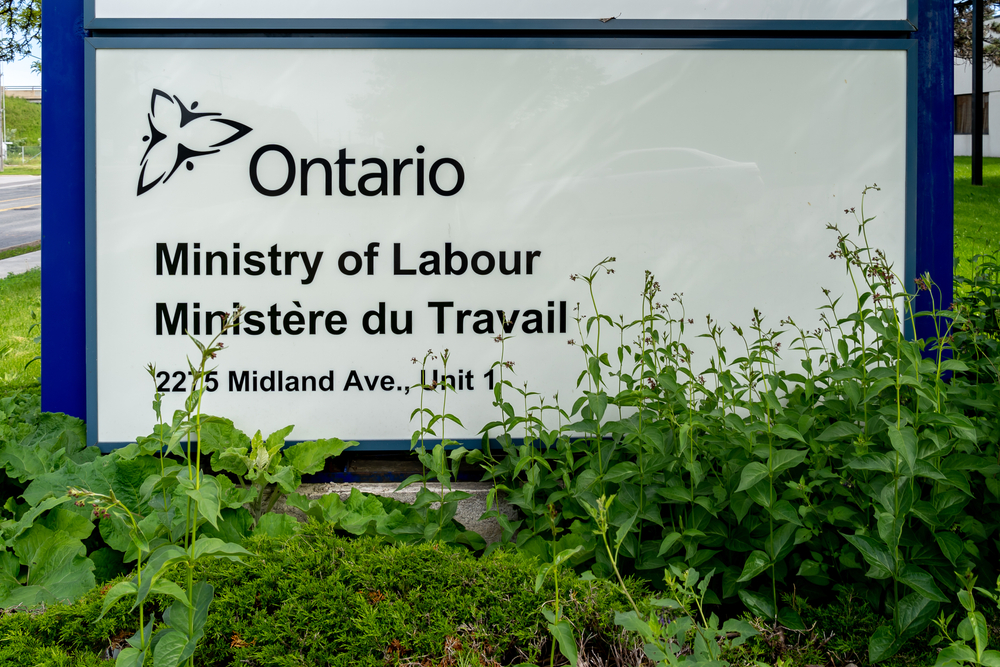
During times of economic hardship, Canada reinforced rather than weakened labor rights. Through measures such as fair wage policies, job retention programs, and improved workplace protections, the country prioritized workers’ dignity over corporate cost-cutting. These efforts not only stabilized employment but also boosted national resilience. By collaborating with unions and industries, Canada ensured recovery plans included fair treatment and safety standards. This strategy proved that valuing people’s livelihoods creates stronger economic foundations. Canada’s decision to protect workers during crises remains a defining example of long-term vision over short-term profit.
21 Products Canadians Should Stockpile Before Tariffs Hit

If trade tensions escalate between Canada and the U.S., everyday essentials can suddenly disappear or skyrocket in price. Products like pantry basics and tech must-haves that depend on are deeply tied to cross-border supply chains and are likely to face various kinds of disruptions
21 Products Canadians Should Stockpile Before Tariffs Hit
This Options Discord Chat is The Real Deal
While the internet is scoured with trading chat rooms, many of which even charge upwards of thousands of dollars to join, this smaller options trading discord chatroom is the real deal and actually providing valuable trade setups, education, and community without the noise and spam of the larger more expensive rooms. With a incredibly low-cost monthly fee, Options Trading Club (click here to see their reviews) requires an application to join ensuring that every member is dedicated and serious about taking their trading to the next level. If you are looking for a change in your trading strategies, then click here to apply for a membership.