
35,000+ smart investors are already getting financial news, market signals, and macro shifts in the economy that could impact their money next with our FREE weekly newsletter. Get ahead of what the crowd finds out too late. Click Here to Subscribe for FREE.
Across Canada, small towns are quietly shaping the world in ways that often go unnoticed. From pioneering clean energy in the North to leading breakthroughs in technology, research, and sustainability, these communities are proving that global influence doesn’t require a major metropolis. Here are 22 Canadian towns that are making a big global impact.
Stratford, Ontario
22 Canadian Towns Making Big Global Impact
- Stratford, Ontario
- Waterloo, Ontario
- Banff, Alberta
- Gander, Newfoundland
- Iqaluit, Nunavut
- Kelowna, British Columbia
- Saskatoon, Saskatchewan
- Churchill, Manitoba
- Charlottetown, Prince Edward Island
- Whistler, British Columbia
- Kingston, Ontario
- Yellowknife, Northwest Territories
- Lunenburg, Nova Scotia
- St. Albert, Alberta
- Moncton, New Brunswick
- Whitehorse, Yukon
- Rimouski, Quebec
- Prince George, British Columbia
- Corner Brook, Newfoundland
- Windsor, Ontario
- Canmore, Alberta
- Trois-Rivières, Quebec
- 21 Products Canadians Should Stockpile Before Tariffs Hit
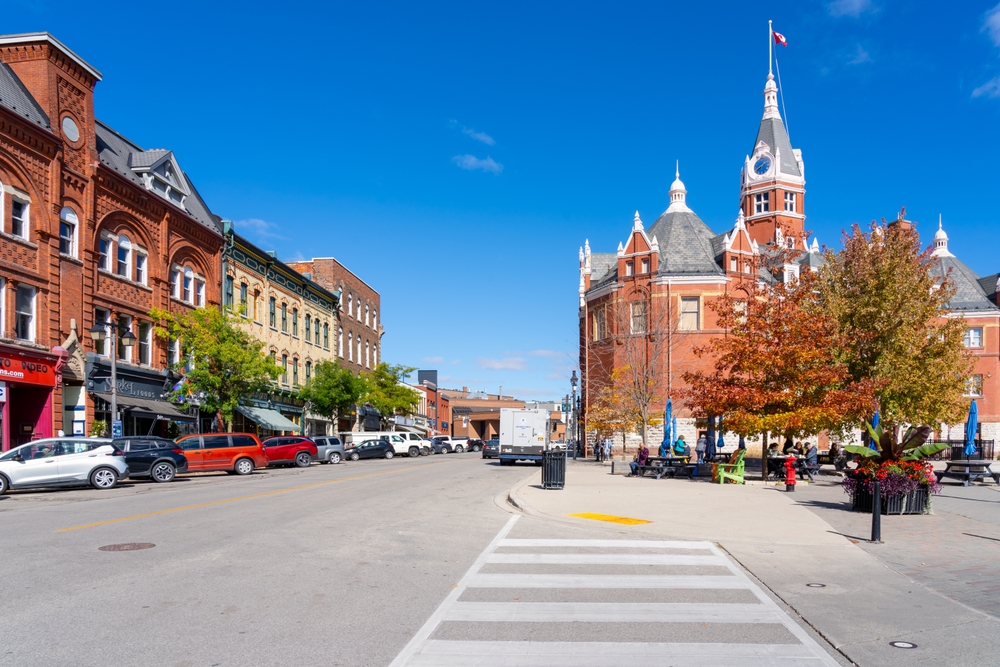
Stratford has evolved from a small Ontario town into a global cultural center. Best known for the Stratford Festival, it attracts actors, writers, and visitors from around the world, supporting Canada’s international arts reputation. The city combines heritage charm with innovation, investing in digital infrastructure, green spaces, and local sustainability projects. Stratford’s growing culinary tourism and creative economy continue to drive its global recognition. By balancing tradition with progress, Stratford has become a model for how mid-sized towns can reinvent themselves as international destinations for culture, creativity, and sustainable urban development.
Waterloo, Ontario
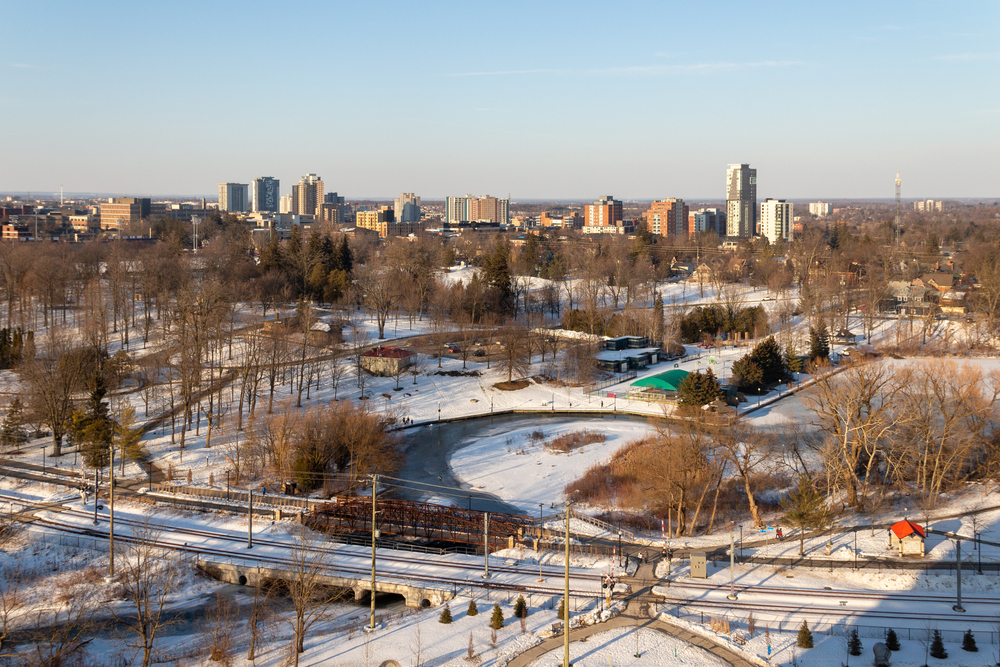
Waterloo is recognized worldwide as a hub of technological innovation and research excellence. Home to the University of Waterloo and Communitech, it has produced global tech companies like BlackBerry and OpenText. The city leads advancements in artificial intelligence, quantum computing, and cybersecurity, attracting international partnerships and startups. Its collaborative ecosystem between academia, industry, and government has created a self-sustaining innovation loop. Waterloo’s ability to maintain economic growth while nurturing entrepreneurship has positioned it as one of Canada’s most forward-thinking communities.
Banff, Alberta
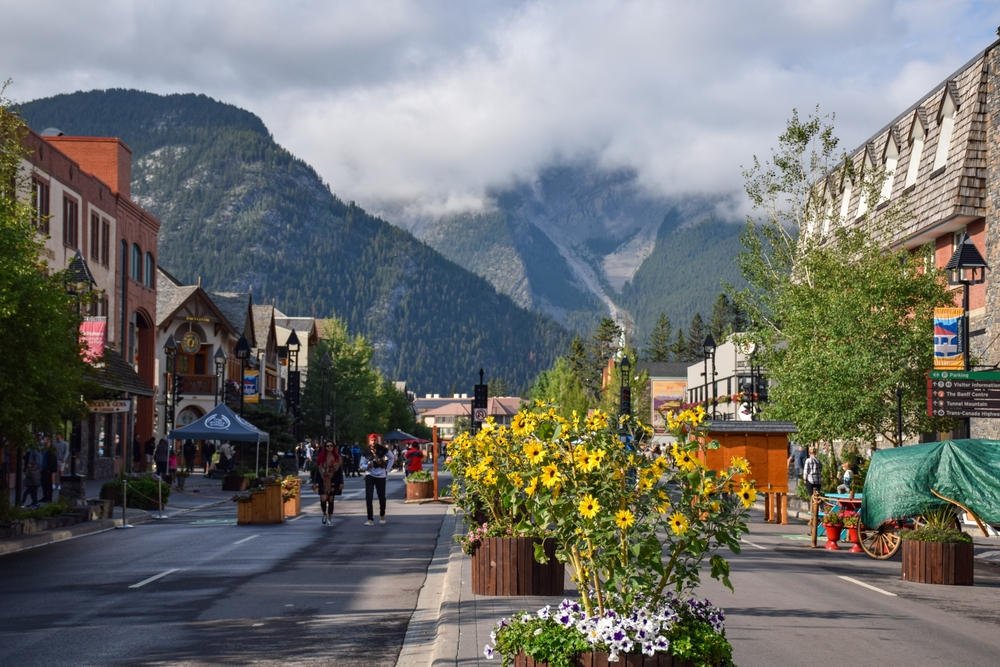
Banff, nestled in the Rocky Mountains, is one of the world’s premier destinations for sustainable tourism and natural conservation. As part of Banff National Park, a UNESCO World Heritage Site, the town attracts millions of visitors annually while maintaining a strong commitment to environmental stewardship. Banff’s local economy focuses on eco-friendly tourism, renewable energy, and wildlife protection initiatives. It has become a global example of balancing human activity with nature preservation. Through innovation in sustainable tourism and environmental education, Banff continues to inspire international standards in conservation and responsible travel.
Gander, Newfoundland

Gander gained worldwide recognition during the September 11, 2001, crisis when it welcomed over 6,500 stranded passengers with extraordinary compassion. This act of kindness became a symbol of Canadian humanity and inspired the global Broadway hit Come From Away. Today, Gander remains a key aviation hub and continues to strengthen its role in emergency management and international air travel. The town’s legacy of empathy and resilience showcases how small communities can create lasting global goodwill. Gander’s spirit endures as proof that compassion and cooperation can have a profound international impact.
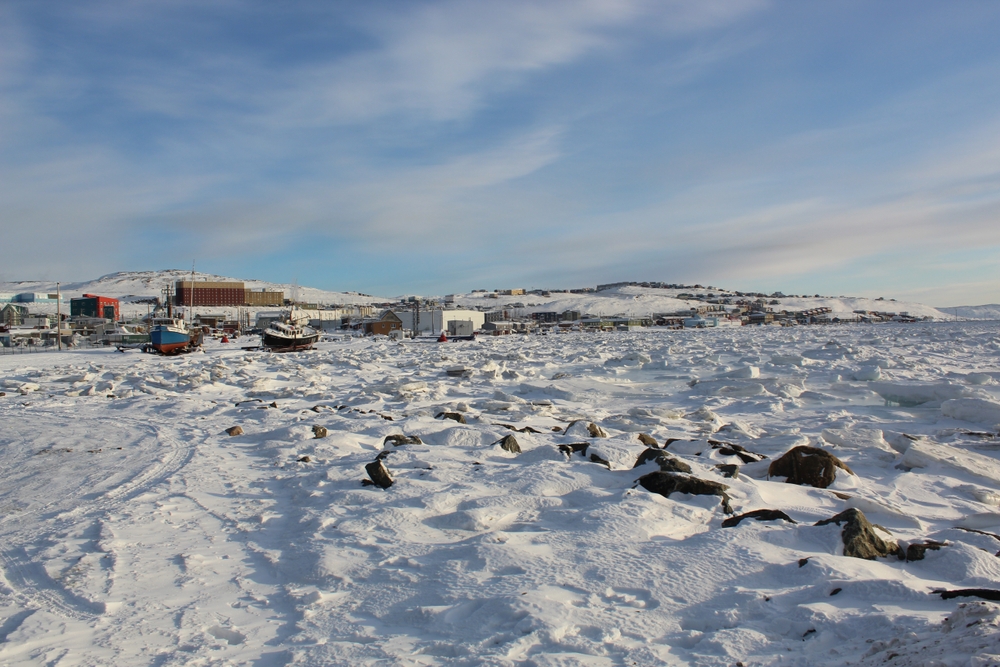
Iqaluit, the capital of Nunavut, stands at the forefront of Arctic innovation and Indigenous leadership. It plays a crucial role in climate change research, infrastructure development, and renewable energy adaptation in extreme environments. The city promotes Indigenous knowledge systems and sustainable governance models that are gaining global attention. Researchers and policymakers from around the world look to Iqaluit for insights into northern resilience and community-based solutions. By integrating cultural heritage with modern sustainability practices, Iqaluit exemplifies how Canada’s Arctic regions are shaping the global conversation on climate and Indigenous empowerment.
Kelowna, British Columbia
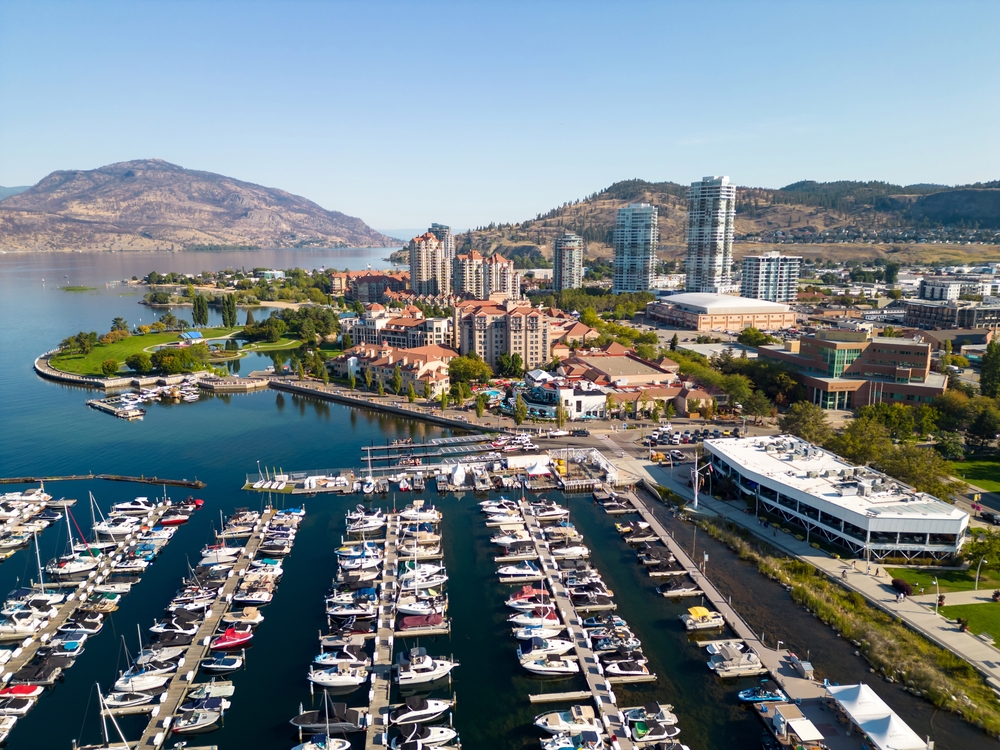
Kelowna has grown into an international hub for technology, agriculture, and sustainability. Located in the Okanagan Valley, the city has become known for its thriving tech startups, award-winning vineyards, and clean energy projects. It’s attracting investment in agritech, housing innovation, and tourism development. Kelowna’s balanced focus on economic diversity and environmental preservation makes it one of Canada’s most progressive mid-sized cities. Its approach to urban growth, sustainability, and innovation offers a model that other cities worldwide are beginning to emulate, demonstrating how local resources can drive global influence.
Saskatoon, Saskatchewan
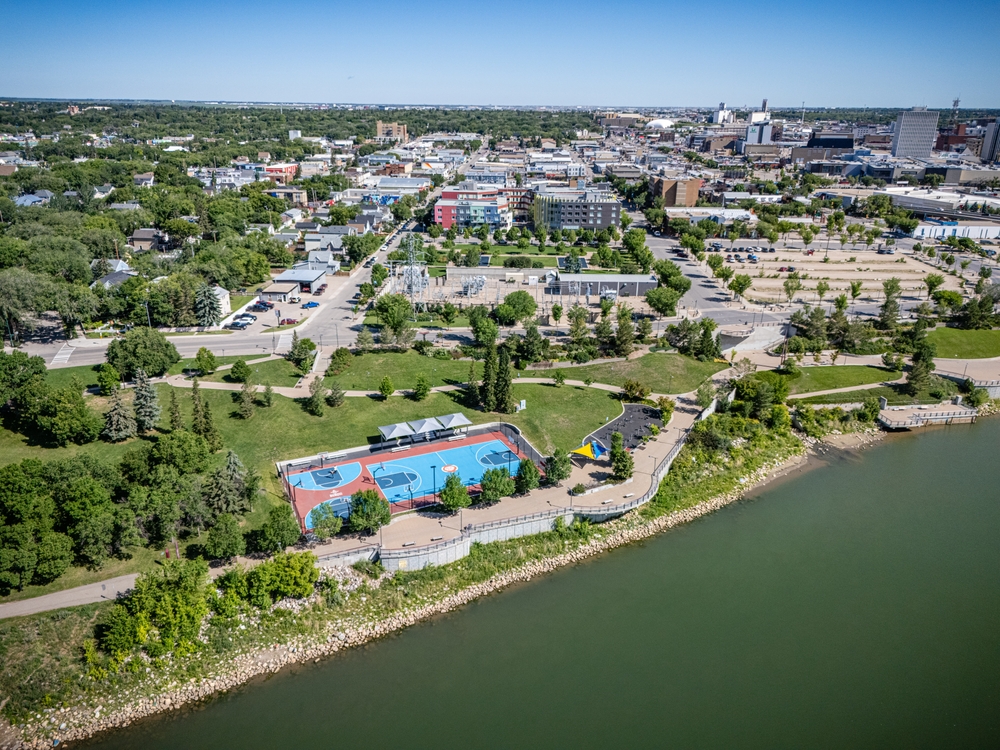
Saskatoon is increasingly recognized for its leadership in agricultural technology and biotechnology. Anchored by the University of Saskatchewan and Innovation Place, the city is home to groundbreaking research in crop science, food production, and renewable energy. Its contributions to global food security and sustainable farming have attracted attention from governments and companies worldwide. Saskatoon’s ability to combine agricultural heritage with modern science reflects its innovative spirit. The city’s long-term focus on research and sustainability positions it as a key player in advancing global agricultural solutions and environmental innovation.
Churchill, Manitoba

Churchill, located on the shores of Hudson Bay, is known globally as the “Polar Bear Capital of the World.” The town plays a critical role in Arctic research, wildlife conservation, and climate education. Scientists and tourists alike visit to study polar bears, beluga whales, and northern ecosystems. Churchill has also developed sustainable tourism practices that support conservation and community livelihoods. Despite its remote location, it has become a global symbol of resilience and environmental stewardship. Churchill’s ongoing work demonstrates how small northern communities can lead major global discussions on wildlife and climate change.
Charlottetown, Prince Edward Island
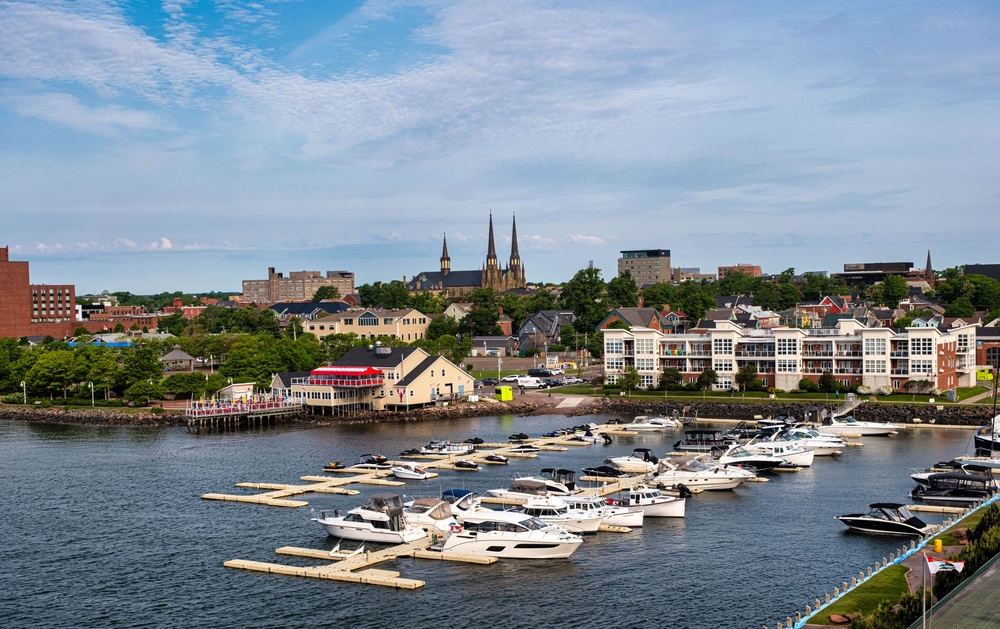
Charlottetown, known as the “Birthplace of Confederation,” holds a historic and cultural significance that extends far beyond its size. Today, it’s emerging as a leader in sustainable tourism, biosciences, and creative industries. The city blends heritage preservation with forward-looking development, attracting global attention for its innovation in marine biotechnology and green urban planning. With its growing startup ecosystem and community-driven initiatives, Charlottetown demonstrates how small cities can balance history with modernization. It continues to make a global mark through education, entrepreneurship, and environmental awareness, embodying Canada’s spirit of progress and inclusivity.
Whistler, British Columbia
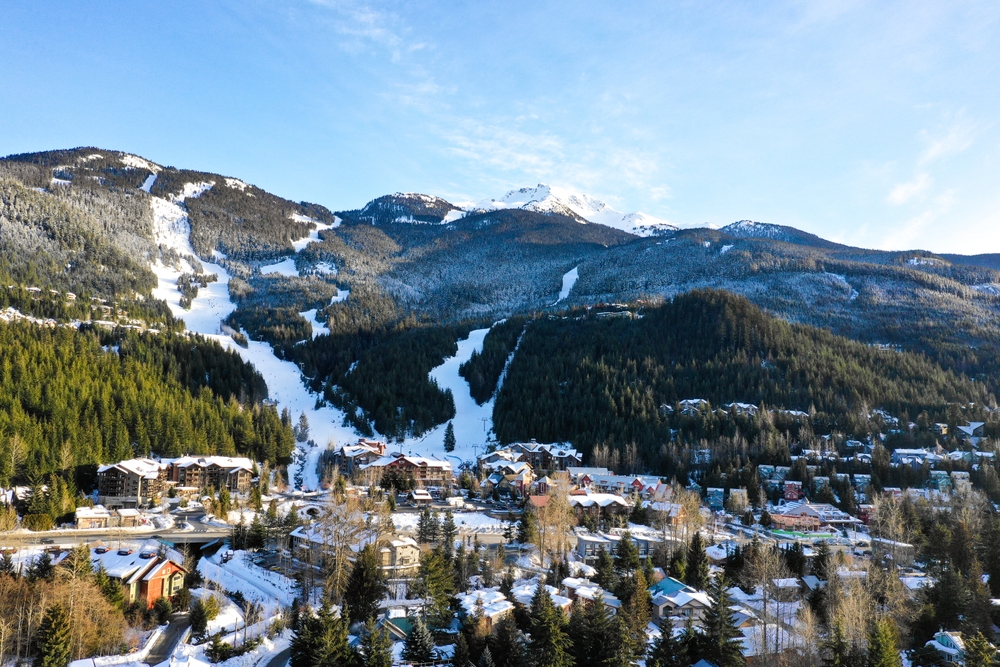
Whistler has evolved from a local ski resort to one of the world’s premier destinations for year-round sustainable tourism. Following the 2010 Winter Olympics, the town became a global model for eco-friendly recreation and resort management. Whistler emphasizes renewable energy use, sustainable transportation, and habitat protection, attracting international recognition for its environmental leadership. Beyond tourism, it has become a hub for adventure technology startups and environmental education programs. Whistler’s long-term vision of sustainability, inclusivity, and innovation has made it a benchmark for how tourism-based economies can thrive responsibly.
Kingston, Ontario
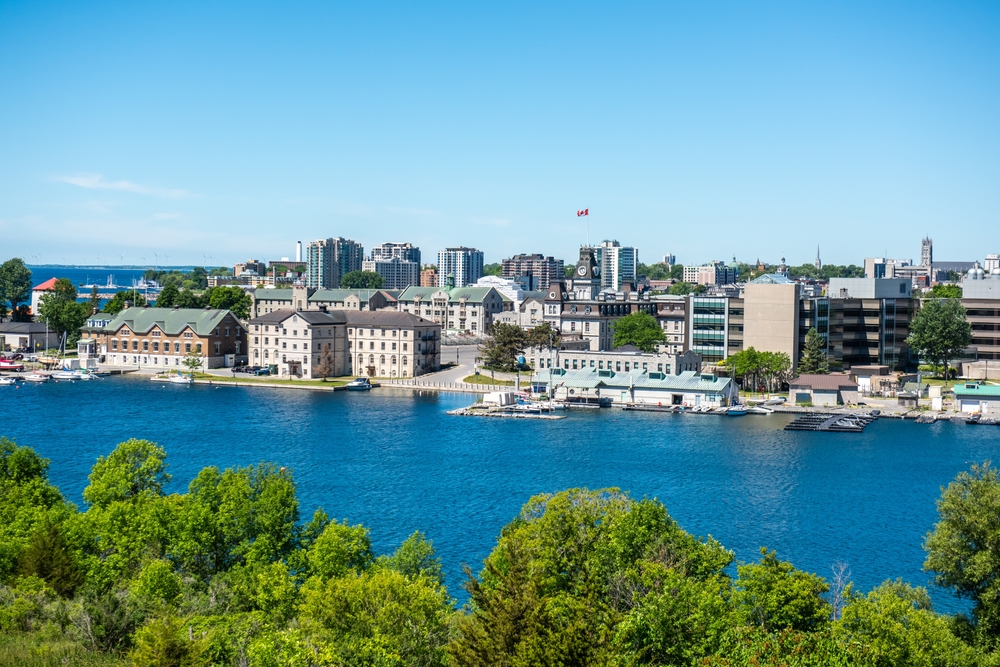
Kingston stands out as one of Canada’s most forward-thinking mid-sized cities, combining history, academia, and innovation. Home to Queen’s University and multiple research centers, it’s a leader in sustainable energy, smart city design, and climate adaptation. The city has successfully transitioned from a military and industrial past to a research and education-driven economy. Kingston’s waterfront revitalization projects and renewable energy initiatives are studied globally as examples of sustainable urban transformation. Its ability to balance growth with livability has earned it a place among the world’s most admired smaller cities.
Yellowknife, Northwest Territories
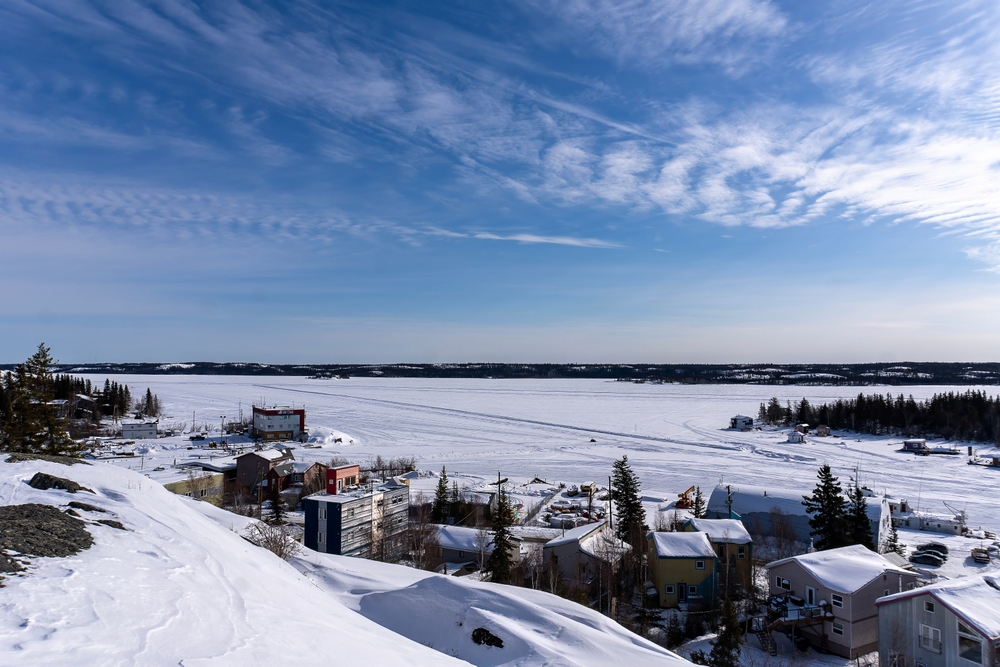
Yellowknife is at the heart of Canada’s northern resilience and resource innovation. Once primarily a mining town, it has reinvented itself as a center for Arctic policy, sustainable mining practices, and Indigenous collaboration. The city is gaining international attention for its leadership in renewable energy adaptation and cold-climate technology. Its pristine environment also makes it a leading destination for aurora tourism and climate research. Yellowknife’s focus on community-driven governance and environmental stewardship showcases how remote regions can thrive while contributing to global sustainability and northern knowledge exchange.
Lunenburg, Nova Scotia
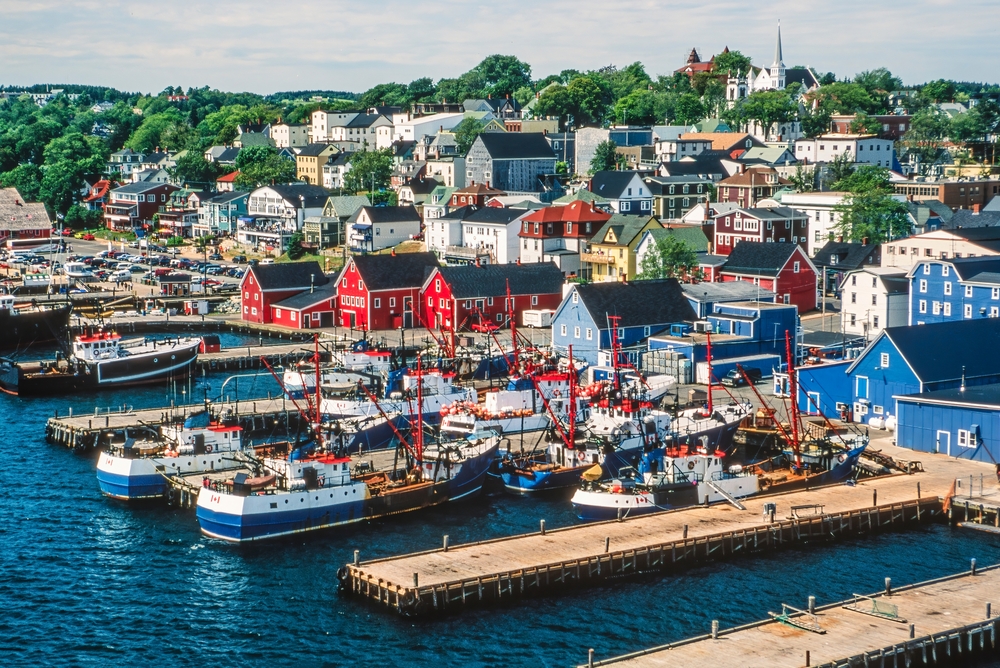
Lunenburg, a UNESCO World Heritage Site, represents the best of Canada’s coastal heritage and craftsmanship. Known for its colorful waterfront and shipbuilding legacy, it has also embraced innovation through ocean technology and sustainable fisheries. The town’s focus on marine conservation, heritage tourism, and cultural preservation has drawn worldwide admiration. It’s also home to the iconic Bluenose II, a global symbol of maritime excellence. Lunenburg’s ability to blend historic preservation with modern sustainability makes it a model for small coastal towns seeking global relevance without losing their identity.
St. Albert, Alberta

St. Albert has emerged as one of Canada’s most livable and innovative small cities, known for its strong community focus and environmental leadership. It has pioneered smart infrastructure, renewable energy integration, and sustainable urban design. The city’s investment in education, culture, and local entrepreneurship continues to attract attention across North America. St. Albert’s commitment to building a green, inclusive, and digitally connected future sets it apart as a forward-thinking community. It shows how smaller urban centers can lead to sustainability and quality of life while maintaining economic stability.
Moncton, New Brunswick
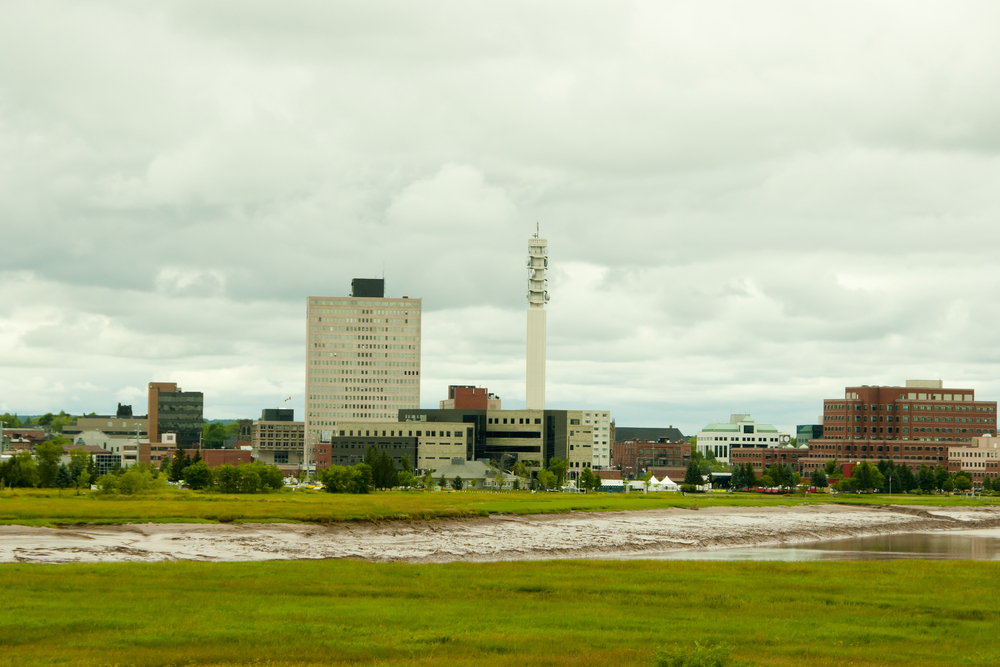
Moncton has become one of Eastern Canada’s most dynamic and economically diverse cities. Once reliant on transportation and manufacturing, it has transitioned into a hub for logistics, finance, and bilingual services. The city’s growth is driven by innovation in technology, digital marketing, and education, earning it recognition as a model for post-industrial renewal. Moncton’s affordable living, skilled workforce, and entrepreneurial ecosystem have attracted both national and international investment. Its successful reinvention demonstrates how adaptability and strategic planning can transform a regional city into a global economic player.
Whitehorse, Yukon
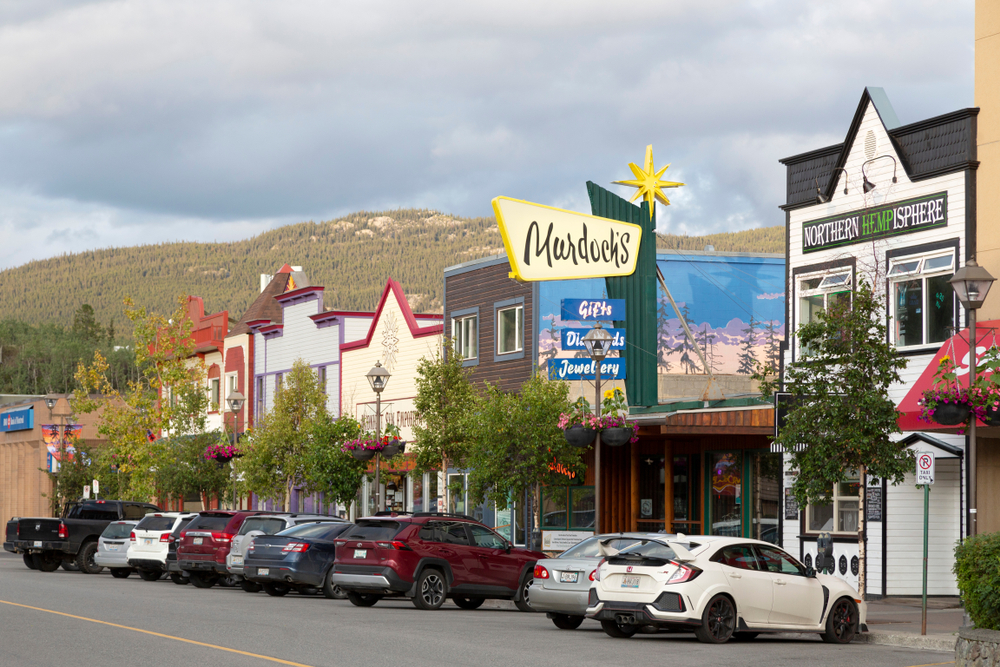
Whitehorse stands as a gateway to Canada’s North and a model of sustainable development in remote regions. The city has embraced renewable energy, eco-tourism, and Indigenous partnerships to build a resilient economy that balances growth with environmental protection. Known for its innovation in cold-climate engineering and Arctic research collaboration, Whitehorse attracts international attention from sustainability experts. It has also become a hub for outdoor recreation and cultural preservation, blending northern heritage with modern infrastructure. Whitehorse’s approach to community-driven progress makes it a leading example of northern adaptability and global-minded development.
Rimouski, Quebec
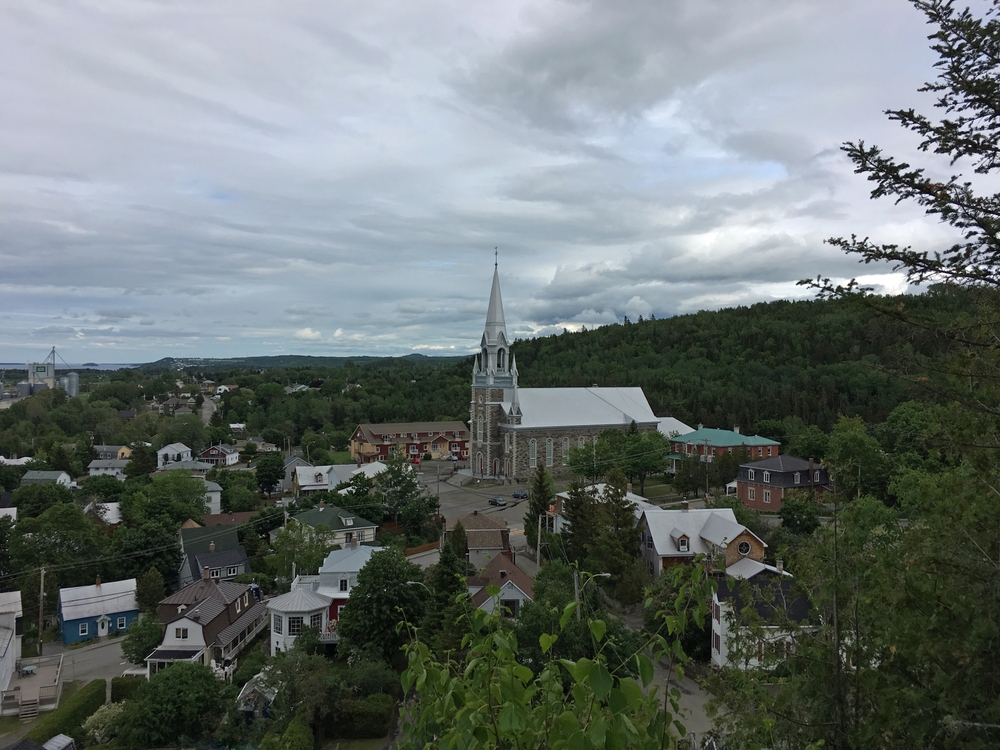
Rimouski has earned recognition as a global center for marine research and environmental sustainability. Home to the Institut des sciences de la mer, the city plays a vital role in studying ocean ecosystems and climate change. Rimouski’s commitment to green innovation extends to renewable energy and sustainable urban development, making it a model for coastal cities worldwide. With its balance of science, culture, and quality of life, Rimouski exemplifies how smaller communities can achieve global influence through focused research, education, and responsible resource management.
Prince George, British Columbia

Prince George has become a cornerstone of Western Canada’s forestry, bioeconomy, and clean energy sectors. The city’s focus on sustainable resource management and innovation in wood products has drawn international attention. It also serves as a key transportation and education hub for Northern British Columbia, anchored by the University of Northern British Columbia. Prince George’s investments in renewable energy, green infrastructure, and technology-driven manufacturing showcase how resource-based communities can diversify successfully while supporting long-term sustainability and economic strength.
Corner Brook, Newfoundland
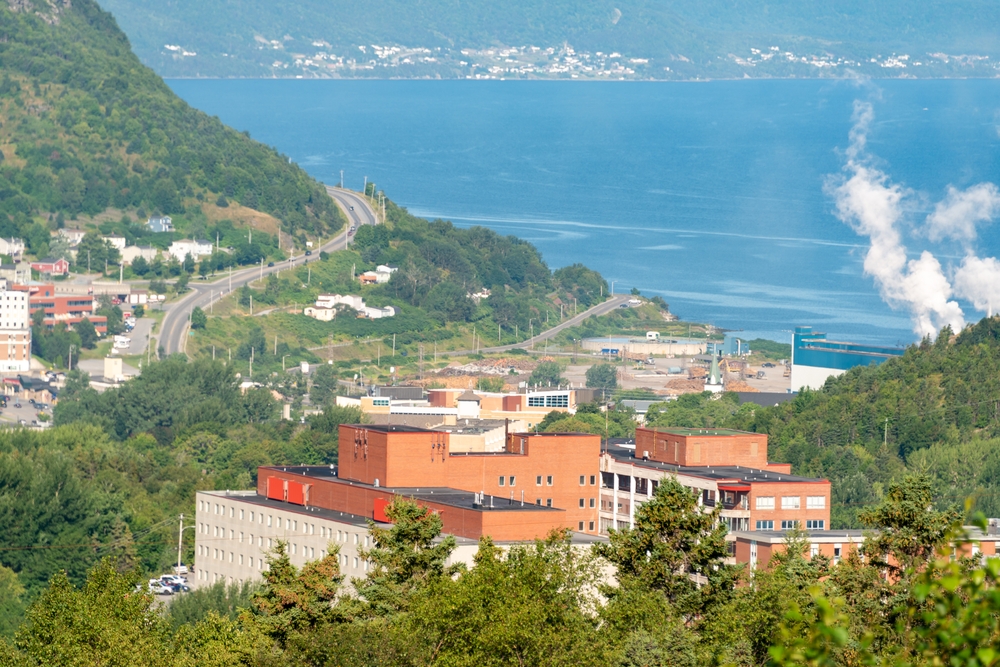
Corner Brook has transformed from a traditional paper mill town into a leader in sustainable forestry, ocean technology, and tourism. Situated on Newfoundland’s west coast, the city has embraced environmental innovation while preserving its small-town character. Memorial University’s Grenfell Campus supports local research in environmental sciences and the arts, giving Corner Brook a national reputation for academic excellence. The community’s creative industries, eco-tourism, and clean energy projects highlight its success in adapting to economic shifts while building a vibrant, future-focused economy.
Windsor, Ontario
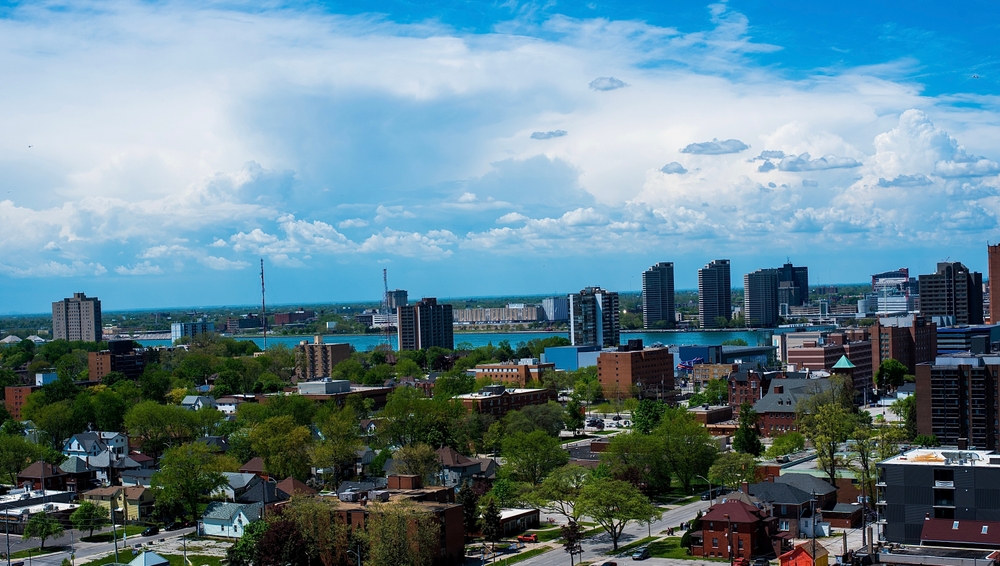
Windsor is redefining itself as the electric vehicle capital of Canada. Once heavily dependent on traditional automotive manufacturing, the city is now leading the transition to green mobility. Major investments in EV battery production and automotive technology have positioned Windsor as a cornerstone of North America’s clean transportation revolution. Its proximity to Detroit fosters cross-border innovation, while its skilled labor force ensures long-term growth. Windsor’s transformation demonstrates how industrial cities can evolve into high-tech, sustainable economic centers ready for the future.
Canmore, Alberta

Canmore has emerged as a global leader in sustainable tourism and outdoor recreation management. Located near Banff National Park, the town balances economic growth with strong environmental protection policies. Canmore’s commitment to renewable energy, eco-friendly building, and wildlife preservation has earned it recognition among sustainable community planners worldwide. Its vibrant arts scene and community-based initiatives also contribute to its growing international profile. Canmore demonstrates how small mountain towns can achieve prosperity while preserving the natural landscapes that define them.
Trois-Rivières, Quebec
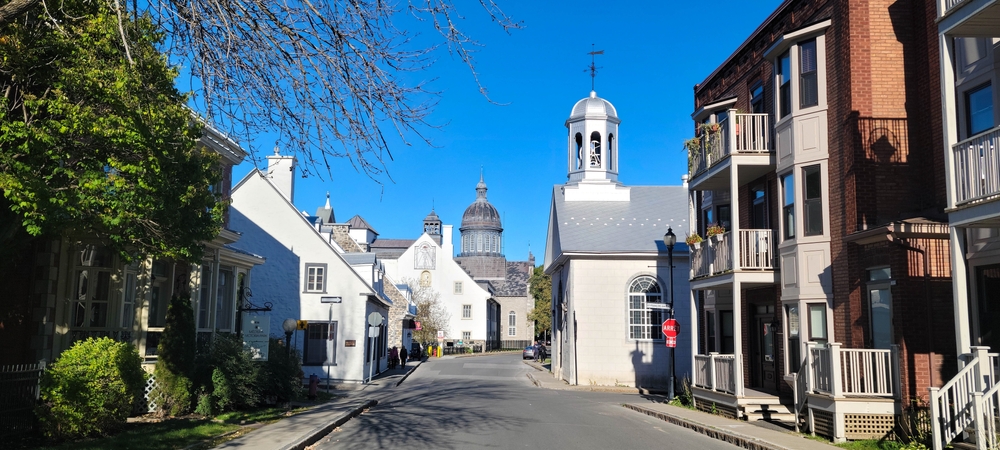
Trois-Rivières has become a model for post-industrial reinvention, transitioning from a pulp and paper hub to a center for clean technology, manufacturing, and education. The city’s waterfront revitalization and investments in renewable energy have strengthened its economy while attracting global attention. Trois-Rivières is also recognized for its dynamic cultural scene and strong university presence, which supports research and innovation. Its transformation underscores how medium-sized cities can successfully combine economic diversification with sustainability to create lasting global relevance.
21 Products Canadians Should Stockpile Before Tariffs Hit

If trade tensions escalate between Canada and the U.S., everyday essentials can suddenly disappear or skyrocket in price. Products like pantry basics and tech must-haves that depend on are deeply tied to cross-border supply chains and are likely to face various kinds of disruptions
21 Products Canadians Should Stockpile Before Tariffs Hit
This Options Discord Chat is The Real Deal
While the internet is scoured with trading chat rooms, many of which even charge upwards of thousands of dollars to join, this smaller options trading discord chatroom is the real deal and actually providing valuable trade setups, education, and community without the noise and spam of the larger more expensive rooms. With a incredibly low-cost monthly fee, Options Trading Club (click here to see their reviews) requires an application to join ensuring that every member is dedicated and serious about taking their trading to the next level. If you are looking for a change in your trading strategies, then click here to apply for a membership.