
35,000+ smart investors are already getting financial news, market signals, and macro shifts in the economy that could impact their money next with our FREE weekly newsletter. Get ahead of what the crowd finds out too late. Click Here to Subscribe for FREE.
Canada’s history is filled with defining moments that shaped not only the nation itself but also the world around it. From groundbreaking scientific discoveries and political milestones to social progress and international diplomacy, these events reflect the country’s values of equality, innovation, and cooperation. Each achievement represents a chapter in Canada’s ongoing story of resilience and leadership. Here are 20 Canadian moments that truly deserve to be in history books.
The Signing of the Canadian Constitution Act in 1982
20 Canadian Moments That Deserve to Be in History Books
- The Signing of the Canadian Constitution Act in 1982
- Canada’s Pivotal Role in Drafting the Universal Declaration of Human Rights
- The Creation of Medicare Under Tommy Douglas
- The 1972 Summit Series Victory Against the Soviet Union
- Legalization of Same-Sex Marriage Nationwide in 2005
- The Discovery of Insulin by Banting and Best
- Canada’s Peacekeeping Leadership During the Suez Crisis
- The Launch of the Canadarm on the Space Shuttle Columbia
- The Apology and Reconciliation Efforts for Residential Schools
- The Adoption of the Maple Leaf Flag in 1965
- The 1988 Free Trade Agreement Between Canada and the U.S.
- Canada’s Leadership in the Paris Climate Accord Commitments
- The Establishment of Nunavut as a Territory in 1999
- The Toronto Raptors’ 2019 NBA Championship Victory
- Canada’s Role in the Discovery of the Higgs Boson Particle
- The Implementation of Bilingualism and Multiculturalism Policies
- Canada’s Global Influence Through the G7 and NATO Alliances
- The Women’s Rights Breakthrough in the Persons Case of 1929
- Canada’s Response to the Syrian Refugee Crisis in 2015
- The Successful Hosting of the 2010 Vancouver Winter Olympics
- 21 Products Canadians Should Stockpile Before Tariffs Hit

The signing of the Constitution Act in 1982 marked Canada’s full sovereignty from Britain. Spearheaded by Prime Minister Pierre Trudeau, it introduced the Canadian Charter of Rights and Freedoms, guaranteeing equality, democratic rights, and freedom of expression for all citizens. This historic event reshaped Canada’s legal and political framework, giving the nation the authority to amend its own constitution without British approval. The act symbolized the nation’s maturity and independence, uniting Canadians under a modern vision of democracy and civil rights that continues to define the country’s identity and governance.
Canada’s Pivotal Role in Drafting the Universal Declaration of Human Rights

After World War II, Canada played a key role in shaping the Universal Declaration of Human Rights, adopted by the United Nations in 1948. Canadian diplomat John Humphrey was instrumental, drafting the declaration’s first outline, which became the foundation for global human rights law. His contribution placed Canada at the forefront of international human rights advocacy, establishing the nation’s reputation as a defender of equality and justice. This early involvement continues to influence Canada’s foreign policy and reinforces its commitment to promoting human rights worldwide through diplomacy and international cooperation.
The Creation of Medicare Under Tommy Douglas

Medicare, Canada’s universal healthcare system, began in Saskatchewan under Premier Tommy Douglas in the 1960s before becoming national policy. Douglas’s vision ensured that healthcare access would depend on need rather than income. Despite opposition from medical associations at the time, the plan succeeded and spread nationwide by 1972. His leadership established a cornerstone of Canadian identity, ensuring every citizen access to essential medical care. This moment remains one of Canada’s most defining achievements in social policy, earning Douglas recognition as “The Greatest Canadian” in a CBC national poll decades later.
The 1972 Summit Series Victory Against the Soviet Union

The 1972 Summit Series between Canada and the Soviet Union was more than a hockey tournament—it became a defining cultural and political moment. The eight-game series tested national pride during the Cold War, showcasing Canada’s passion for its national sport. Paul Henderson’s dramatic winning goal in the final game sealed Canada’s victory and unified the country in celebration. The series elevated hockey as a symbol of Canadian resilience and excellence, proving the nation’s ability to triumph under global pressure. It remains one of the most celebrated moments in Canada’s sporting history.
Legalization of Same-Sex Marriage Nationwide in 2005

In 2005, Canada became the fourth country in the world to legalize same-sex marriage nationwide. The Civil Marriage Act guaranteed marriage equality regardless of gender, reinforcing Canada’s commitment to human rights and inclusivity. This landmark decision was supported by the Supreme Court and reflected a shift toward broader acceptance and equality across the nation. Canada’s move inspired global progress, setting a benchmark for other nations to follow. Today, the 2005 legalization stands as a defining example of the country’s progressive values and dedication to protecting the rights of all its citizens.
The Discovery of Insulin by Banting and Best

In 1921, Canadian scientists Frederick Banting and Charles Best discovered insulin at the University of Toronto, revolutionizing the treatment of diabetes worldwide. Before this breakthrough, a diabetes diagnosis was nearly always fatal. Their discovery transformed the condition into a manageable illness, saving millions of lives globally. Banting and Best’s work earned them the 1923 Nobel Prize in Medicine, cementing Canada’s place in medical history. The insulin discovery remains one of the country’s most significant scientific contributions and continues to shape modern healthcare and pharmaceutical innovation.
Canada’s Peacekeeping Leadership During the Suez Crisis

During the 1956 Suez Crisis, Canadian diplomat Lester B. Pearson proposed the creation of the first United Nations peacekeeping force to de-escalate the conflict in Egypt. His diplomatic initiative helped prevent a potential world war and set a global precedent for peacekeeping missions. For his efforts, Pearson received the Nobel Peace Prize in 1957, highlighting Canada’s emerging role as a mediator on the world stage. This moment established peacekeeping as a core element of Canada’s international identity and demonstrated the country’s ability to lead with diplomacy over aggression.
The Launch of the Canadarm on the Space Shuttle Columbia

In 1981, Canada made history when the Canadarm was launched aboard NASA’s Space Shuttle Columbia. Developed by Canadian engineers, the robotic arm became an essential tool for satellite deployment, spacecraft maintenance, and later, International Space Station operations. The Canadarm showcased Canada’s engineering excellence and strengthened its reputation in advanced aerospace technology. Its success led to the creation of the Canadarm2 and continued collaboration with international space agencies. This innovation remains a symbol of Canada’s scientific capability and contribution to humanity’s exploration beyond Earth.
The Apology and Reconciliation Efforts for Residential Schools

In 2008, Prime Minister Stephen Harper formally apologized on behalf of the Canadian government for the residential school system, which forcibly separated Indigenous children from their families for over a century. This apology marked the beginning of a national effort toward truth and reconciliation. The Truth and Reconciliation Commission, established the same year, documented survivor testimonies and made recommendations for systemic reform. These actions acknowledged historical injustices and aimed to rebuild trust with Indigenous communities. While challenges remain, this commitment to healing stands as one of Canada’s most significant moral and social milestones.
The Adoption of the Maple Leaf Flag in 1965
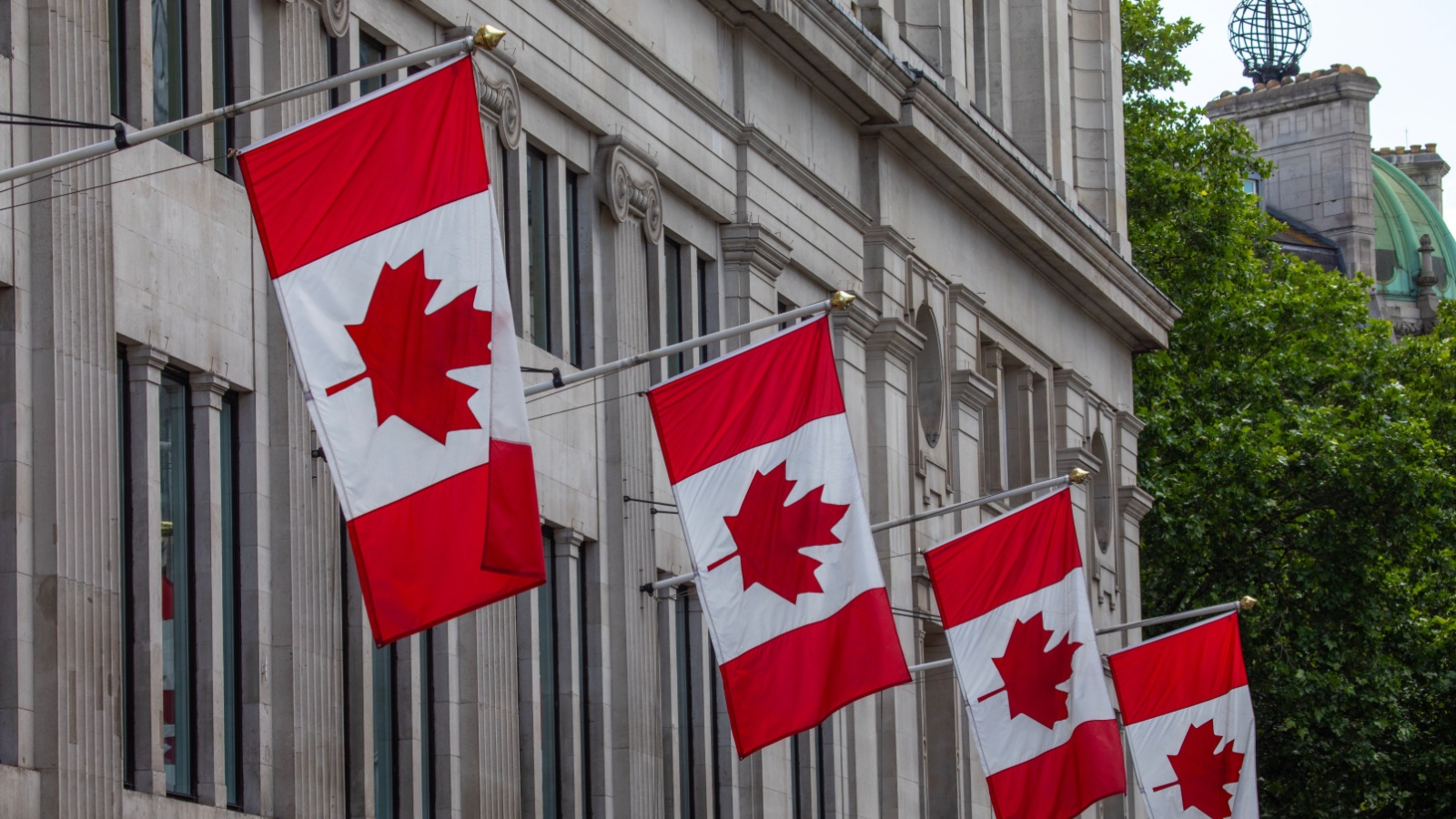
The adoption of the Maple Leaf flag in 1965 marked a unifying moment in Canadian history. Replacing the Red Ensign, the new flag symbolized independence and national pride distinct from British colonial imagery. Designed by George F. G. Stanley and John Matheson, the red maple leaf quickly became one of the world’s most recognizable national symbols. Its adoption came after extensive debate in Parliament but ultimately reflected Canada’s growing confidence and cultural identity. Today, the flag represents unity, diversity, and the shared values that define modern Canada.
The 1988 Free Trade Agreement Between Canada and the U.S.

The 1988 Free Trade Agreement (FTA) between Canada and the United States transformed the economic relationship between the two countries. Signed by Prime Minister Brian Mulroney and President Ronald Reagan, the deal eliminated many trade barriers, increasing cross-border commerce and economic integration. The agreement later evolved into NAFTA and eventually the USMCA. Despite controversy at the time, the FTA helped modernize Canada’s industries, boost exports, and attract foreign investment. It marked a turning point in Canada’s global trade strategy and reinforced its position as a key economic partner of the U.S.
Canada’s Leadership in the Paris Climate Accord Commitments

Canada’s leadership in the Paris Climate Accord, signed in 2015, demonstrated its ongoing commitment to global environmental action. The country pledged to cut greenhouse gas emissions by 30% below 2005 levels and invested heavily in clean energy technologies. Successive governments expanded climate initiatives, including carbon pricing and renewable energy incentives. Canada’s proactive role positioned it among the leading nations advocating for climate responsibility. By aligning national policies with international goals, the country reinforced its reputation as a cooperative and forward-thinking player in the global fight against climate change.

The creation of Nunavut in 1999 was a historic step in recognizing Indigenous self-governance and cultural autonomy. Formed through the Nunavut Land Claims Agreement, the territory separated from the Northwest Territories and became the homeland of the Inuit people. Covering nearly one-fifth of Canada’s landmass, Nunavut granted residents greater control over local governance, natural resources, and education. This moment marked a new chapter in Indigenous representation within the Canadian federation. It remains one of the most significant examples of reconciliation through political and territorial empowerment in modern history.
The Toronto Raptors’ 2019 NBA Championship Victory

The Toronto Raptors’ victory in the 2019 NBA Finals was a defining sports moment for Canada. Led by Kawhi Leonard, the team defeated the Golden State Warriors, becoming the first non-U.S. team to win the championship. The win united Canadians across the country, sparking nationwide celebrations and a record-breaking victory parade in Toronto. Beyond sports, the triumph represented Canada’s growing cultural influence and ability to compete at the highest international levels. The championship solidified basketball’s place in Canadian sports culture and inspired a new generation of athletes nationwide.
Canada’s Role in the Discovery of the Higgs Boson Particle

Canadian physicists played a crucial part in the discovery of the Higgs boson particle at CERN in 2012. Researchers from the University of Toronto, TRIUMF in Vancouver, and other Canadian institutions contributed to the ATLAS and CMS experiments that confirmed the existence of the so-called “God particle.” Their work helped explain how particles acquire mass, a fundamental aspect of modern physics. Canada’s involvement underscored its leadership in high-energy research and international scientific collaboration.
The Implementation of Bilingualism and Multiculturalism Policies

In the 1970s, Canada officially adopted bilingualism and multiculturalism as national policies, reshaping its social and cultural landscape. The initiatives ensured that both English and French received equal status in government institutions while recognizing and celebrating cultural diversity beyond linguistic identity. These policies, championed by Prime Minister Pierre Trudeau, reflected Canada’s evolving demographic reality and inclusive values. They helped build a society where diversity is seen as a strength rather than a division. Today, bilingualism and multiculturalism remain cornerstones of Canada’s identity.
Canada’s Global Influence Through the G7 and NATO Alliances
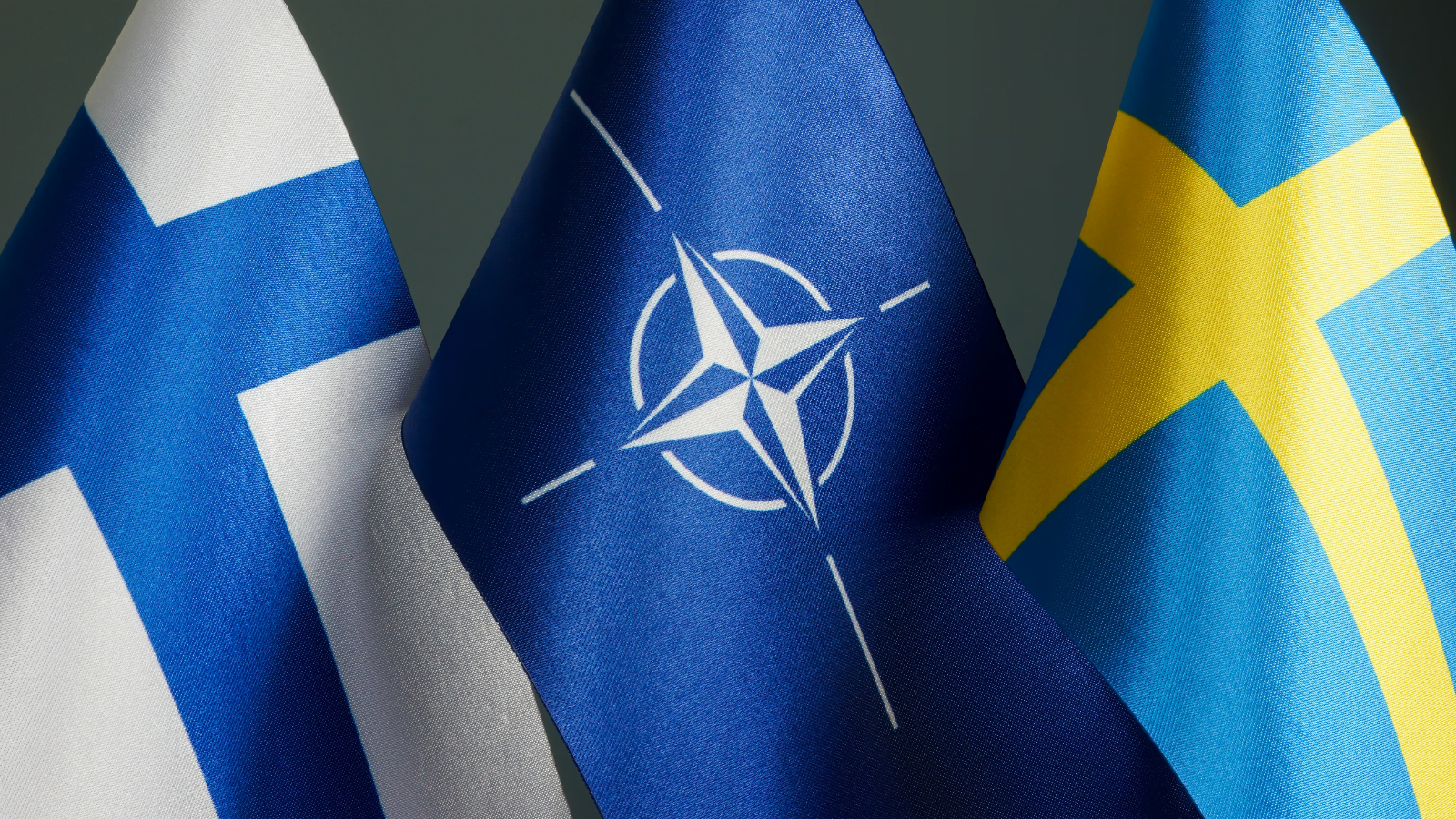
Canada has been a founding and influential member of both the G7 and NATO, helping shape global economic and security policies since the mid-20th century. Within NATO, Canada played key roles in peacekeeping missions, joint defense initiatives, and the promotion of democratic stability. As part of the G7, Canada has contributed to global discussions on trade, climate change, and economic development. Its balanced diplomacy and cooperative leadership style have earned respect from larger powers. These alliances have solidified Canada’s reputation as a trusted middle power with a consistent voice in international decision-making.
The Women’s Rights Breakthrough in the Persons Case of 1929

The 1929 Persons Case was a landmark victory for women’s rights in Canada. After years of legal struggle, the Judicial Committee of the Privy Council in Britain ruled that women were legally recognized as “persons” under Canadian law, allowing them to be appointed to the Senate. The case was led by the “Famous Five”—Emily Murphy, Nellie McClung, Irene Parlby, Louise McKinney, and Henrietta Muir Edwards—whose advocacy reshaped gender equality in Canadian politics. This decision marked a turning point in women’s participation in public life and remains a cornerstone of Canada’s human rights history.
Canada’s Response to the Syrian Refugee Crisis in 2015

In 2015, Canada became a global example of humanitarian leadership by welcoming over 25,000 Syrian refugees within a year. The initiative, led by the government of Prime Minister Justin Trudeau, combined government sponsorship with private community efforts nationwide. Canadians from all backgrounds contributed housing, employment opportunities, and support networks to help newcomers rebuild their lives. This compassionate response not only provided safety to thousands fleeing conflict but also strengthened Canada’s image as an inclusive and caring nation.
The Successful Hosting of the 2010 Vancouver Winter Olympics

The 2010 Vancouver Winter Olympics represented a moment of national pride and global recognition for Canada. The event showcased world-class organization, environmental responsibility, and outstanding athletic performance. Canadian athletes won a record 14 gold medals, the highest ever by a host nation at that time, highlighted by Sidney Crosby’s iconic “golden goal” in men’s hockey. The games boosted tourism, infrastructure, and community development while promoting Canada’s natural beauty and hospitality. The Vancouver Olympics remain a symbol of unity, excellence, and the country’s ability to deliver a world-class international event with lasting impact.
21 Products Canadians Should Stockpile Before Tariffs Hit

If trade tensions escalate between Canada and the U.S., everyday essentials can suddenly disappear or skyrocket in price. Products like pantry basics and tech must-haves that depend on are deeply tied to cross-border supply chains and are likely to face various kinds of disruptions
21 Products Canadians Should Stockpile Before Tariffs Hit
This Options Discord Chat is The Real Deal
While the internet is scoured with trading chat rooms, many of which even charge upwards of thousands of dollars to join, this smaller options trading discord chatroom is the real deal and actually providing valuable trade setups, education, and community without the noise and spam of the larger more expensive rooms. With a incredibly low-cost monthly fee, Options Trading Club (click here to see their reviews) requires an application to join ensuring that every member is dedicated and serious about taking their trading to the next level. If you are looking for a change in your trading strategies, then click here to apply for a membership.