
35,000+ smart investors are already getting financial news, market signals, and macro shifts in the economy that could impact their money next with our FREE weekly newsletter. Get ahead of what the crowd finds out too late. Click Here to Subscribe for FREE.
Canadians are used to seeing higher price tags than their American neighbors, but not always for obvious reasons. From border economics and digital licensing to sneaky retail markups and trade politics, many of these cost differences trace directly back to decisions or dynamics in the U.S. Here are 25 surprising ways Canadians pay extra because of America:
Streaming Service Prices
25 Surprising Ways Canadians Pay Extra Because of America
- Streaming Service Prices
- Technology and Electronics
- Cross-Border Shipping Fees
- Car Prices
- E-Books and Digital Downloads
- Credit Card Foreign Transaction Fees
- Prescription Drug Prices
- Cellphone and Data Plans
- Food Prices in Border Cities
- Fast Fashion Markups
- Airline Ticket Prices
- Amazon Price Differences
- Home Improvement Goods
- Book Prices
- Vehicle Maintenance and Auto Parts
- Health Supplements and Vitamins
- Fashion and Shoe Brands
- Magazine and Newspaper Subscriptions
- Mobile Apps and In-App Purchases
- Coffee Shop Chains
- Software Subscriptions
- Ride-Hailing Services
- Specialty Foods and Beverages
- Fitness Equipment
- Pet Supplies
- 21 Products Canadians Should Stockpile Before Tariffs Hit

Canadians regularly pay more for streaming services like Netflix, Disney+, and Amazon Prime, even though they often receive less content than U.S. users. Licensing restrictions and regional content deals in the U.S. limit access to popular shows and movies. Additionally, monthly fees in Canada are usually higher after currency conversion. So, not only do Canadians get less, but they also pay more for it, making it one of the most common frustrations in Canadian households.
Technology and Electronics

Despite sharing a border, Canadians often pay 10-30% more for the same tech sold in the U.S. Whether it is Apple products, gaming consoles, or laptops, U.S. manufacturers set Canadian prices based on market expectations, not actual costs, and when duties, currency fluctuations, and smaller market sizes are taken into consideration, Canadians end up overpaying for gear that’s often released later.
Cross-Border Shipping Fees

Shopping from U.S. websites can quickly become a financial trap for Canadians. What starts as a good deal often turns into sticker shock once international shipping, duties, brokerage fees, and currency conversion are added. Some retailers won’t even ship to Canada, forcing customers to use pricey third-party services. Ironically, it’s often cheaper for Americans to ship to Alaska than for Canadians to get something from New York, demonstrating a clear case of proximity offering no benefit thanks to America-centric logistics systems.
Car Prices

The same car model can cost thousands more in Canada than in the U.S., even when it’s built in North America. Automakers blame a mix of marketing costs, smaller volumes, and Canadian regulations, but most of these decisions originate from American headquarters. It is not uncommon for Canadians to cross the border to buy a vehicle and still come out ahead, even after taxes and registration fees. U.S. pricing strategies often ignore Canadian affordability, leaving local buyers with limited leverage and inflated costs.
E-Books and Digital Downloads

Canadians pay noticeably more for e-books, digital music, and software, sometimes up to 25% more, despite these products being entirely digital. U.S. companies set prices for the Canadian market based on currency conversion plus a regional adjustment, which rarely works in the customer’s favor. Additionally, there is no shipping or packaging involved to justify it, making it a case of digital discrimination masked as economics that happens constantly with no meaningful oversight.
Credit Card Foreign Transaction Fees

Canadians often encounter 2-3% foreign transaction fees when making purchases in U.S. dollars, even online. Since many e-commerce platforms, airlines, and travel companies are based in the U.S., these fees are nearly unavoidable. While American credit cards often waive these fees for global shoppers, most Canadian cards don’t offer the same perk unless you pay a premium. This means that Canadians not only pay more up front, but also again at checkout, just for crossing a digital border.
Prescription Drug Prices

Although Canada has lower overall drug prices than the U.S., the gap is shrinking, and many Canadian price hikes are directly tied to American pharmaceutical companies. When U.S. firms raise global prices or restrict generic alternatives, Canadians feel the impact. In some cases, Canadian distributors have to compete with bulk U.S. purchases, which skews domestic supply and cost. Even with Canadian public health programs, the U.S. drug industry still drives up prices north of the border.
Cellphone and Data Plans

Canada’s notoriously high cellphone rates are often influenced by American telecom equipment and licensing fees. Much of the infrastructure is tied to U.S.-based technology vendors, and Canadian carriers pass those costs down to users. Meanwhile, U.S. competition and population density keep American prices lower, which results in Canadians regularly paying more for less data and worse coverage, even when roaming in the U.S. itself. This is one of the most visible ways American telecom dominance affects Canadian wallets.
Food Prices in Border Cities

Canadians living near the U.S. border often notice massive price differences on groceries, especially American imports. Trade tariffs, cross-border transportation, and Canadian market pricing mean that the same bag of chips or carton of milk might cost 30-50% more. Many residents cross the border to shop, but not everyone has that option. Retailers blame higher operating costs, but much of it stems from American producers treating Canada as a secondary market with marked-up prices.
Fast Fashion Markups

Popular American fast fashion brands like Old Navy, Gap, and Forever 21 often charge higher prices in Canada, despite identical inventory. Stores claim the difference covers duties, distribution, and operating costs, but even online prices show discrepancies. Canadian shoppers often encounter sales advertised in U.S. dollars, only to discover that the deal isn’t nearly as attractive in CAD, which acts as a slow bleed for budget-conscious buyers, made worse by opaque pricing policies.
Airline Ticket Prices

Even on the same route, Canadians often pay significantly more than Americans for airline tickets. Flights originating in Canada are subject to higher airport fees, fuel surcharges, and security taxes, many of which are influenced by U.S.-led aviation standards or cross-border agreements. To save money, some Canadians drive to U.S. airports to fly out of Buffalo, Bellingham, or Plattsburgh. While airlines cite smaller market size, the truth is that U.S. pricing pressure and aviation partnerships often leave Canadian travelers paying the difference.
Amazon Price Differences

Amazon.ca is a staple for many Canadians, but it often lags behind its U.S. counterpart in both price and selection. Many products cost more on the Canadian site, even after adjusting for exchange rates, and delivery is often slower. Since Amazon operates primarily out of the U.S., many listings are Canadianized, with a higher price and fewer shipping perks. Prime Video content is also limited compared to the U.S. version, meaning Canadians are paying premium rates for a pared-down experience.
Home Improvement Goods

Buying tools, fixtures, or building supplies in Canada often means paying a 20-30% premium compared to U.S. prices, even from American chains like Home Depot or Lowe’s. This isn’t just about exchange rates, as U.S. manufacturers often set Canadian wholesale pricing based on outdated market assumptions and import markups. Because the Canadian construction industry is smaller, there is less leverage to negotiate better terms, which means that Canadian homeowners and contractors foot the bill for inflated costs primarily driven by U.S.-based supply chains.
Book Prices

Walk into any Canadian bookstore and you’ll likely see two prices printed on the back cover, one in USD and one in CAD. Even when the exchange rate is near par, the Canadian price can be 25% higher because many U.S. publishers set fixed Canadian prices based on worst-case exchange scenarios, then rarely adjust them. Additionally, with limited local publishing alternatives, Canadians have few options but to pay the markup. Digital editions are not much better, since regional pricing often mirrors the physical gap, which is rooted in U.S. industry standards.
Vehicle Maintenance and Auto Parts

Canadians routinely pay more for vehicle parts and repairs, especially for U.S.-made brands like Ford, GM, and Chrysler. American dealerships and suppliers often have more inventory, better deals, and faster turnaround times. In Canada, parts take longer to arrive and are marked up higher, even when coming from the same warehouse, while warranties are often less generous, too. This makes it an uphill battle for Canadians trying to maintain their vehicles affordably.
Health Supplements and Vitamins

American supplement brands dominate Canadian shelves, but they don’t sell at American prices. Health products like protein powders, vitamins, and wellness items can cost 30-40% more in Canada due to import markups and regional pricing set by U.S. parent companies. Many Canadians attempt to purchase directly from U.S. websites, only to encounter shipping delays, duties, or product restrictions. Even though Canada has its natural health product regulations, prices are ultimately dictated by American manufacturers, leaving local buyers with fewer affordable options.
Fashion and Shoe Brands
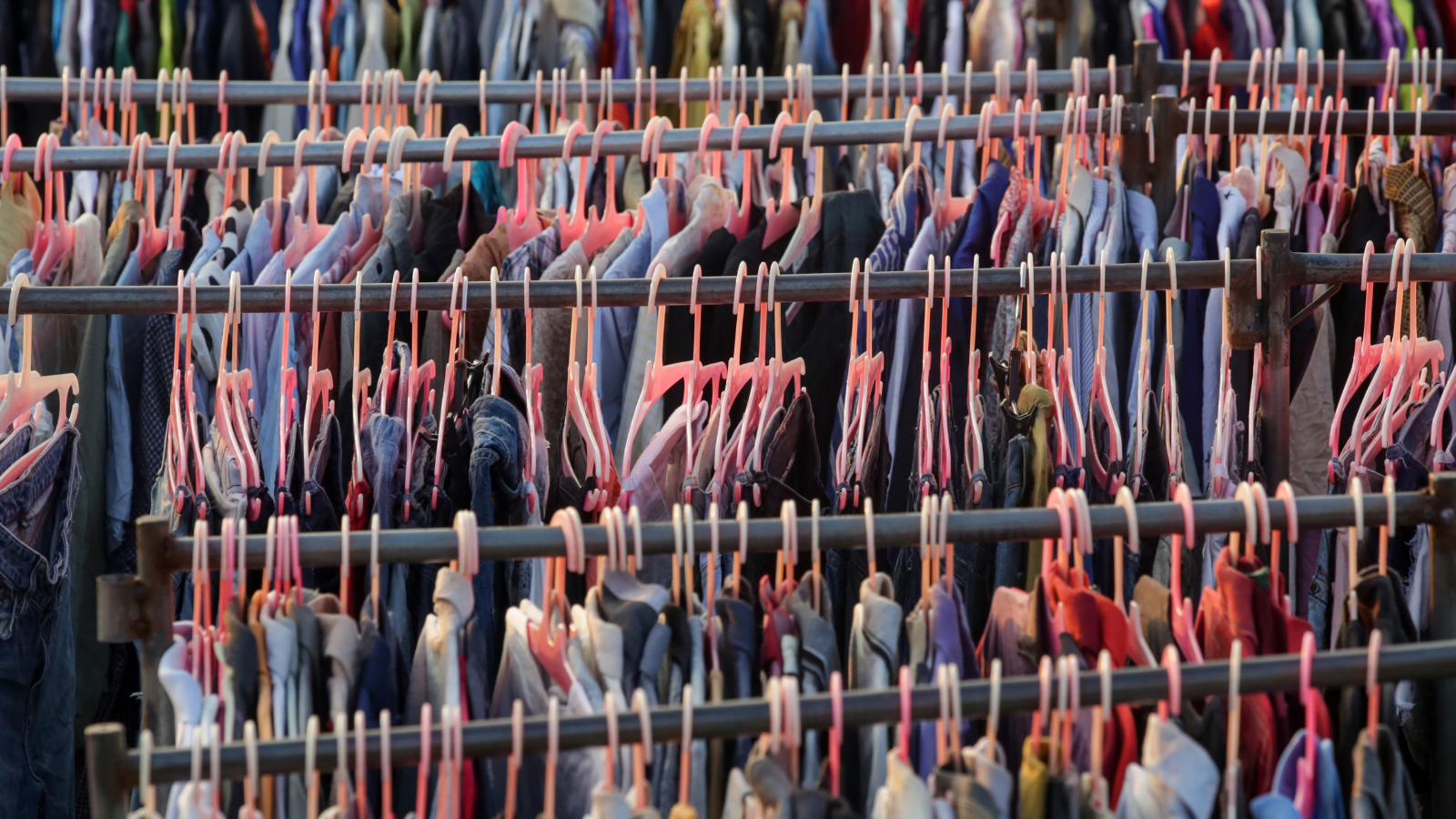
Whether it is Nike, Levi’s, or Coach, Canadians often pay more for the same clothing items sold in the U.S. American brands use suggested Canadian retail prices that rarely reflect actual currency conversions, and they also ship Canadian inventory separately, tacking on distribution and customs costs. Even when the same store operates on both sides of the border, the pricing strategy can feel like a penalty for being Canadian.
Magazine and Newspaper Subscriptions

Many American publications charge Canadian readers more for subscriptions, even digital ones. Print versions come with hefty international shipping costs. Still, online editions often carry a Canadian tax, too, despite being identical to what’s offered in the U.S. From The New Yorker to Wired, the pattern is the same, as U.S. outlets treat Canadian readers as international customers, even though their content frequently covers Canadian issues and markets.
Mobile Apps and In-App Purchases

App developers often set different pricing tiers for Canadian users, making even free-to-play games and productivity tools more expensive north of the border. These markups are sometimes subtle, at CA$1.29 instead of US$0.99, but they add up fast. Since many app developers are based in the U.S., they treat Canada as an adjacent but less important market. In-app purchases for popular games and services are also frequently more expensive, even when accessed through the same interface, demonstrating a stealthy but persistent example of American-centered digital pricing.
Coffee Shop Chains

Starbucks, Dunkin’, and other U.S.-based chains charge noticeably more for the same drinks in Canada. A standard latte can be up to 20% more expensive in Toronto than in Seattle, despite the same ingredients and branding. This is because U.S. chains often pass on import, labor, and real estate costs to their Canadian branches, but they also bake in currency buffers and Canadian market premiums. Even Canadian brands like Tim Hortons have been affected after American takeovers, changing pricing and portion sizes in ways that many blame on U.S.-style cost strategies.
Software Subscriptions

From Adobe Creative Cloud to Microsoft Office, Canadian professionals pay more for essential software licenses than their U.S. counterparts. These programs are usually developed and priced in the U.S., with Canadian versions adjusted for currency, taxes, and perceived market tolerance. However, even after exchange rates, Canadians often find themselves overpaying, while some features are even released later in Canada due to regional rollout plans. For freelancers, students, and businesses alike, this digital disadvantage creates a frustrating gap in value for money.
Ride-Hailing Services

Uber and Lyft operate in both countries, but Canadians often pay more per ride. Fare structures are adjusted for local labor costs and market density. Still, the pricing algorithms themselves are developed in the U.S. Canadian cities also face more restrictions and less competition, giving ride-hailing companies greater control. Surge pricing during peak times hits Canadians especially hard, and there is little transparency about how those prices compare to similar U.S. cities.
Specialty Foods and Beverages

U.S. specialty products, like organic snacks, niche sodas, and diet alternatives, are big hits in Canada, but often come with a hefty markup. Whether it’s due to cross-border logistics or simply Canadian pricing, shoppers routinely pay more for the same 12-pack of LaCroix or jar of peanut butter. American health food brands often treat Canada as a premium market, distributing in smaller quantities and with higher price tags, and these aren’t luxury items, but they cost like they are.
Fitness Equipment

During the pandemic, Canadians looking for dumbbells, yoga mats, or stationary bikes discovered just how inflated their prices were compared to the U.S. The situation hasn’t changed much, as American fitness brands often charge Canadians 20-40% more, citing shipping and warehousing, but many use the same North American distribution networks. Even Canadian retailers resell U.S. products at significantly higher rates.
Pet Supplies

From pet food to grooming products, Canadians pay noticeably more than Americans for the same items, especially when the brand is U.S.-based. Bulk options are fewer, prices are higher, and some brands restrict Canadian distribution entirely. Even subscription services for pet toys and treats charge more to Canadian households. While pets may not notice the difference, their owners do.
21 Products Canadians Should Stockpile Before Tariffs Hit

If trade tensions escalate between Canada and the U.S., everyday essentials can suddenly disappear or skyrocket in price. Products like pantry basics and tech must-haves that depend on are deeply tied to cross-border supply chains and are likely to face various kinds of disruptions
21 Products Canadians Should Stockpile Before Tariffs Hit
This Options Discord Chat is The Real Deal
While the internet is scoured with trading chat rooms, many of which even charge upwards of thousands of dollars to join, this smaller options trading discord chatroom is the real deal and actually providing valuable trade setups, education, and community without the noise and spam of the larger more expensive rooms. With a incredibly low-cost monthly fee, Options Trading Club (click here to see their reviews) requires an application to join ensuring that every member is dedicated and serious about taking their trading to the next level. If you are looking for a change in your trading strategies, then click here to apply for a membership.