
35,000+ smart investors are already getting financial news, market signals, and macro shifts in the economy that could impact their money next with our FREE weekly newsletter. Get ahead of what the crowd finds out too late. Click Here to Subscribe for FREE.
35,000+ smart investors are already getting financial news, market signals, and macro shifts in the economy that could impact their money next with our FREE weekly newsletter. Get ahead of what the crowd finds out too late. Click Here to Subscribe for FREE.
From groundbreaking humanitarian work and climate leadership to overlooked tech advances and global diplomacy, Canadians have helped shape a better world without making a show of it. These moments, policies, and inventions demonstrate how often Canada improves lives globally, with substance, empathy, and lasting solutions. Here are 20 ways Canadians quietly improved the world without bragging:
Inventing the Cardiac Pacemaker
20 Ways Canadians Quietly Improved the World Without Bragging
- Inventing the Cardiac Pacemaker
- Co-Founding the United Nations Peacekeeping Force
- Creating Insulin Therapy
- Launching the First Legal Safe Injection Sites
- Building the Canadarm for NASA
- Prioritizing Public Libraries and Literacy
- Advancing LGBTQ+ Rights Early On
- Offering Refuge to American Draft Dodgers
- Leading the Global Ban on Landmines
- Making Apologies Official Policy
- Promoting Bilingualism as Policy, Not Culture War
- Regulating Toxins Ahead of the Curve
- Helping Eradicate Polio in the Americas
- Founding the International Criminal Court
- Developing the IMAX Experience
- Creating Open Data Models for Pandemic Response
- Providing Civilian Oversight of Police Early On
- Revolutionizing Snow Removal Technology
- Making Vaccines More Accessible Through GAVI
- Developing One of the World’s Best Refugee Sponsorship Programs
- 21 Products Canadians Should Stockpile Before Tariffs Hit

In 1950, Canadian electrical engineer John Hopps developed the world’s first external cardiac pacemaker, a revolutionary advancement in emergency cardiac care. His invention paved the way for life-saving implantable devices used by millions today. Unlike many medical breakthroughs that came with aggressive commercialization, Hopps quietly continued his research in Ottawa, driven more by curiosity than by the pursuit of celebrity. While American medical companies profited from later models, Canada’s legacy in pacemaker development remains foundational, as it significantly improved cardiac care.
Co-Founding the United Nations Peacekeeping Force

In 1956, Canadian diplomat Lester B. Pearson helped defuse the Suez Crisis by proposing a novel solution, which included a neutral United Nations peacekeeping force. The idea was adopted, marking the birth of modern peacekeeping and earning Pearson the Nobel Peace Prize. Today, peacekeeping is a cornerstone of international conflict resolution, and while others often claimed victory through military action, Canada championed diplomacy and de-escalation. Pearson’s solution saved lives and international relationships, establishing a peaceful legacy that Canada continues to uphold in global affairs.
Creating Insulin Therapy

In 1921, Canadian researchers Frederick Banting and Charles Best discovered insulin at the University of Toronto, offering a life-saving treatment for diabetes. Rather than profiting from the discovery, they sold the patent for just $1, declaring the drug “belongs to the world”. This gesture has saved hundreds of millions of lives over the last century and also enabled Canada to establish a legacy with insulin that reflects a higher standard of medical ethics, putting people before patents and action before accolades.
Launching the First Legal Safe Injection Sites

In 2003, Vancouver became home to North America’s first legal safe injection site. The program reduced overdose deaths, curbed disease transmission, and connected vulnerable users with medical care. Despite legal challenges and public skepticism, especially from south of the border, Canada pushed forward with a health-based approach to addiction that is now emulated globally. While the U.S. continues to grapple with opioid-related stigma, Canada quietly led with compassion, evidence, and policy that saves lives without bragging about it.
Building the Canadarm for NASA

Canada made a significant space-age impact in 1981 when it delivered the Canadarm, a robotic appendage used aboard the Space Shuttle for decades. Built by Canadian company SPAR Aerospace, the arm was essential in deploying satellites and assembling the International Space Station. While NASA got the spotlight, Canada provided the precision. The Canadarm’s legacy has inspired generations of robotics engineers and has earned Canada a permanent place on the global space stage.
Prioritizing Public Libraries and Literacy

Canada has one of the most accessible public library systems in the world, with high per-capita usage and funding in even remote communities. Programs such as First Nations library initiatives, mobile book vans, and free digital access extend learning opportunities across the socioeconomic spectrum. Unlike countries that have gutted library budgets, Canada treats libraries as cultural anchors. These libraries provide books and also offer community resilience, free education, and a quiet defiance against growing digital inequality.
Advancing LGBTQ+ Rights Early On

Canada legalized same-sex marriage nationwide in 2005, ten years before the U.S. caught up. But long before that, Canadian courts and politicians worked to extend protections to LGBTQ+ people in housing, employment, and healthcare. There were no rainbow explosions or viral speeches; just determined, consistent progress through law. Today, Canada is regarded as one of the safest places for LGBTQ+ individuals to live and visit.
Offering Refuge to American Draft Dodgers

During the Vietnam War, more than 30,000 Americans fled north to avoid the draft, finding sanctuary in Canada. The government did not create a media campaign or gloat; instead, it quietly allowed conscientious objectors to settle, study, and contribute to society. Many stayed and became Canadian citizens, enriching the country’s cultural and academic life, in contrast to the political firestorm in the U.S.
Leading the Global Ban on Landmines

In 1997, Canada played a critical role in creating the Ottawa Treaty, which banned the use, production, and stockpiling of anti-personnel landmines. Led by Foreign Affairs Minister Lloyd Axworthy, Canada brought 122 countries together to sign the treaty. While major powers like the U.S., China, and Russia refused to join, Canada’s leadership helped inspire massive global reductions in landmine use. The initiative was rooted in humanitarian ideals, instead of military strategy, which enabled Canada to improve the world quietly.
Making Apologies Official Policy

Canada has made national apologies part of its political practice, from the internment of Japanese Canadians to the horrors of residential schools. Unlike many countries that resist reckoning with past wrongs, Canada has built formal processes for acknowledging harm. Action plans, compensation, and reconciliation accompany these apologies. And while some dismiss apologies as symbolic, in Canada, they represent a national commitment to accountability.
Promoting Bilingualism as Policy, Not Culture War

Canada adopted official bilingualism in 1969 with the Official Languages Act, ensuring that services, education, and government communications are available in both English and French. Instead of sparking division, it became a foundational pillar of Canadian identity. While the U.S. still debates the legitimacy of offering Spanish-language services, Canada treats linguistic duality as a strength, not a threat. This quiet commitment to inclusion has helped preserve minority languages and made cultural coexistence a national norm.
Regulating Toxins Ahead of the Curve
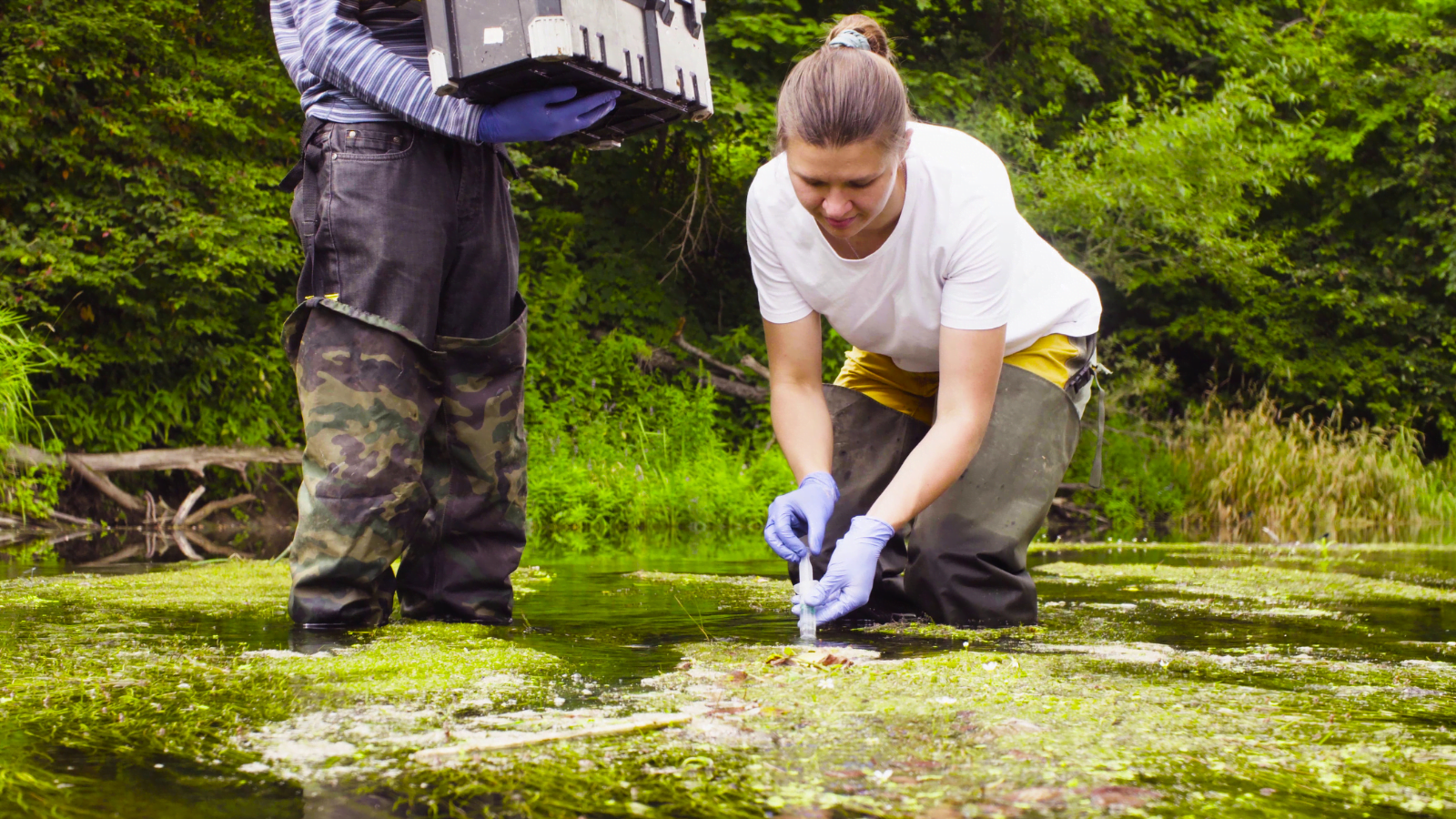
Canada banned lead in gasoline, asbestos in construction, and microbeads in cosmetics years before many other nations, including the U.S. It classifies toxic substances based on precautionary principles rather than waiting for overwhelming evidence of harm. The Canadian Environmental Protection Act has served as a model for environmental protection regulations worldwide. While other countries debate economic trade-offs, Canada often acts preemptively, quietly prioritizing public health with minimal fanfare, yet with a significant long-term impact.
Helping Eradicate Polio in the Americas

Canadian researchers, public health experts, and aid workers played a crucial role in global polio eradication efforts, particularly in Latin America and the Caribbean. Through partnerships with the World Health Organization and the Pan American Health Organization, Canadian medical teams helped deliver vaccines, establish monitoring systems, and train local professionals. Canada has demonstrated strong international health contributions that remain underappreciated but have had a profoundly influential impact on global disease control efforts.
Founding the International Criminal Court

Canada was one of the leading advocates for the creation of the International Criminal Court (ICC), helping draft the Rome Statute in 1998. The ICC is the first permanent international tribunal to prosecute war crimes, genocide, and crimes against humanity. While major powers hesitated or opted out, Canada recognized the value of international justice, pushing it forward through tireless diplomatic efforts. The court now holds the powerful accountable in ways that have drastically improved the world.
Developing the IMAX Experience

The larger-than-life IMAX experience was invented by a team of Canadians in the 1960s. With revolutionary projection systems and screen technology, IMAX revolutionized the global film industry, establishing itself as the gold standard for immersive viewing. Unlike many flashy tech unveilings, IMAX grew through steady engineering excellence and global licensing. While Hollywood markets the content, it’s Canada’s innovation that enables millions to experience Canadian genius in theaters.
Creating Open Data Models for Pandemic Response

During the COVID-19 pandemic, Canadian scientists and researchers shared real-time virus sequencing, vaccine trial results, and epidemiological models with the world, often ahead of government briefings. Institutions like the University of Toronto and Canadian Blood Services led transparent, open-source data collaborations that helped shape global responses to the pandemic. While some countries restricted or politicized health data, Canada made public health information truly accessible, helping individuals worldwide.
Providing Civilian Oversight of Police Early On

Canada was one of the first countries to implement independent civilian oversight bodies for police misconduct in the 1980s. These institutions, like Ontario’s Special Investigations Unit, review use-of-force incidents to ensure accountability. While not without flaws, they provided a model long before similar conversations gained traction in the U.S. or elsewhere. Canada’s early action reflected a belief in transparency and public trust over institutional protectionism.
Revolutionizing Snow Removal Technology

Canada’s engineering advancements in snow removal have improved cold-weather infrastructure globally. Innovations in heated sidewalks, salt brine application, and automated plow routing originated in Canadian municipalities dealing with extreme winters. These techniques are now used from Chicago to Scandinavia. Rather than treat snow as an inconvenience, Canada made it a solvable engineering challenge, and quietly exported solutions that keep daily life moving every winter.
Making Vaccines More Accessible Through GAVI

Canada is a founding donor of GAVI, the Vaccine Alliance, which helps vaccinate children in the world’s poorest countries. Through sustained funding and policy support, Canada has helped immunize over 1 billion children and prevent more than 17 million deaths. Unlike countries that pledge without taking action, Canada consistently shows up without needing credit.
Developing One of the World’s Best Refugee Sponsorship Programs

Canada’s private refugee sponsorship model allows community groups to directly support newcomers, from housing to employment to emotional integration. This innovative system has been adopted or studied by several other countries, including the U.K. and Germany. It works because it reflects both policy and culture, where generosity is built into the process. While many nations debate immigration, Canada quietly opens its doors, offering structure, support, and dignity, which improves the lives of many individuals.
21 Products Canadians Should Stockpile Before Tariffs Hit

If trade tensions escalate between Canada and the U.S., everyday essentials can suddenly disappear or skyrocket in price. Products like pantry basics and tech must-haves that depend on are deeply tied to cross-border supply chains and are likely to face various kinds of disruptions
21 Products Canadians Should Stockpile Before Tariffs Hit
This Options Discord Chat is The Real Deal
While the internet is scoured with trading chat rooms, many of which even charge upwards of thousands of dollars to join, this smaller options trading discord chatroom is the real deal and actually providing valuable trade setups, education, and community without the noise and spam of the larger more expensive rooms. With a incredibly low-cost monthly fee, Options Trading Club (click here to see their reviews) requires an application to join ensuring that every member is dedicated and serious about taking their trading to the next level. If you are looking for a change in your trading strategies, then click here to apply for a membership.