
35,000+ smart investors are already getting financial news, market signals, and macro shifts in the economy that could impact their money next with our FREE weekly newsletter. Get ahead of what the crowd finds out too late. Click Here to Subscribe for FREE.
In an increasingly diverse and interconnected world, schools play a pivotal role in shaping the minds of our future generations. The primary goal of education is to impart knowledge, encourage critical thinking, and foster open-mindedness. However, concerns have arisen over whether some schools are inadvertently or intentionally manipulating children’s beliefs rather than providing a well-rounded education. In this blog, we’ll explore 17 ways in which schools may influence students’ beliefs and the potential consequences of these actions.
Curriculum Bias
Education or Indoctrination? 17 Ways Schools Are Shaping Your Children’s Beliefs
- Curriculum Bias
- Political Agendas
- Censorship
- Indoctrination through Pledge of Allegiance
- Incomplete History
- Teacher Biases
- Groupthink
- School Uniforms
- Stereotyping
- Religious Education
- Standardized Testing Pressure
- Lack of Media Literacy
- Peer-Selected Topics
- Identity Politics
- Environmental Education
- Social Justice Movements
- Silencing of Dissenting Views
- Conclusion
- Don’t Toss It Yet: 12 Overlooked Antiques In Your Home That Could Make You An Overnight Millionaire
- Profitable Stock Traders are Using This Tool to “Hack” the Markets
- 10 Industries That Will Make The Most Millionaires In The Next 5 Years
- 8 Cryptos Set to Shoot to the Moon in 2023 – One Small Investment, One Giant Leap for Your Wallet
- 10 Stocks in Bill Gates Stock Portfolio Smart Investors are Buying
- The 27 Unexpected Habits Of The Wealthy: Secrets To Maximize Your Money

One of the most significant concerns is curriculum bias. Some educational materials and textbooks may present information with a particular slant, potentially skewing students’ perspectives on historical events or societal issues.
When history or science textbooks favor one viewpoint over another, students may unknowingly adopt a one-sided perspective. This bias can limit their ability to think critically and engage in well-rounded discussions.
To combat this, it’s essential for schools to encourage a diverse range of perspectives in their curriculum, fostering critical thinking and open-mindedness. The books included should not be based on any agendas
Political Agendas

In some cases, schools may adopt political agendas, either subtly or overtly, by promoting specific ideologies or parties. Such actions can influence students’ political beliefs, sometimes in a manipulative way.
This can be problematic, as it narrows the scope of political discourse and stifles the development of independent, well-informed opinions.
Schools should aim to create an environment where students are exposed to various political views, encouraging critical thinking and political engagement. Everyone has personal biases, but they should not be forced onto the children.
Censorship

Censorship of certain topics or books can limit students’ exposure to diverse ideas and perspectives, ultimately stifling critical thinking. This may be done to follow a certain ideology and may be politically motivated.
When schools choose to censor materials, they risk denying students the opportunity to explore a wide range of thoughts and opinions. While it’s important to ensure age-appropriate content, censorship should be carefully considered, with an emphasis on fostering open dialogue and the development of critical thinking skills among students.
Indoctrination through Pledge of Allegiance

The mandatory recitation of the Pledge of Allegiance in some schools has sparked debates about whether it instills nationalistic sentiments in students. The Pledge can be seen as a tool of indoctrination when its recitation is compulsory and not a matter of personal choice.
While patriotism is a valuable sentiment, it should ideally be nurtured through understanding and appreciation rather than mandated recitation. Schools should aim to promote patriotism through education about the nation’s history, values, and the importance of civic participation.
Incomplete History

The omission of certain historical events or perspectives can lead to an incomplete understanding of the past, potentially distorting students’ views of society. History lessons that whitewash or ignore significant events, such as civil rights movements or atrocities, can deprive students of valuable context and historical empathy.
A comprehensive historical curriculum should strive to include diverse perspectives and acknowledge the complexities of the past to foster a well-rounded understanding of history. The books should be approved by historians so that they can offer materials with a comprehensive view.
Teacher Biases

Teachers, like anyone else, may have personal biases that unintentionally influence classroom discussions and lesson plans. These biases can manifest as favoritism, exclusion, or subtly shaping classroom discourse.
While educators strive to be objective, it’s crucial for them to be self-aware and mindful of their potential biases.
Teachers and school administrators should encourage an inclusive and diverse learning environment where students feel comfortable expressing their views and where teachers actively seek to present information without personal bias.
Groupthink

Peer pressure and the desire to fit in can lead to groupthink, where students conform to popular beliefs rather than critically examining them. Students may avoid expressing unpopular opinions or challenging widely held views to avoid isolation or ridicule.
Schools must promote an atmosphere of intellectual freedom and respectful debate, where students are encouraged to think independently, challenge ideas constructively, and appreciate the value of diversity in thought. It should be ensured that no one is bullied on the basis of their opinions.
School Uniforms

Uniforms can stifle individuality and self-expression, potentially fostering conformity in students. While school uniforms have advantages like reducing peer pressure related to clothing, they can also inadvertently discourage students from expressing their unique identities.
Striking a balance between uniforms and allowing students to express themselves through personal style can contribute to a school environment that values both unity and individuality. Some leeway can always be offered in the uniform, such as colors and types and clothing you can wear instead of a single uniform for everyone.
Stereotyping

Stereotyping based on gender, race, or socio-economic status can reinforce prejudices and limit empathy and understanding. When students encounter stereotypes or biased beliefs within the school environment, it can perpetuate harmful prejudices and hinder the development of open-minded, empathetic individuals.
Schools should actively work to combat stereotypes through diversity education, inclusion, and promoting equality to help students grow into more compassionate and informed individuals. Teachers are the most important people in minimizing the spread of any kind of stereotypes.
Religious Education

Religious education in public schools can sometimes lean towards promoting specific faiths, potentially influencing students’ religious beliefs. While religious literacy is valuable, schools must ensure that any religious education offered is objective and inclusive of various belief systems.
It’s essential that students are educated about different religions in a manner that promotes understanding, respect, and tolerance rather than fostering a particular religious perspective.
Standardized Testing Pressure

The emphasis on standardized testing may result in a narrow focus on test preparation rather than a holistic education. Schools may prioritize teaching to the test, which can limit the development of critical thinking skills and a broader understanding of subjects.
To mitigate this, schools should aim to strike a balance between test preparation and providing a well-rounded education that encourages creative thinking, problem-solving, and a deeper understanding of the material. The tests should also be made in a more holistic manner to encourage deeper study.
Lack of Media Literacy

Without proper education on media literacy, students may be more susceptible to the influence of biased or false information. In an era of information overload, students need the skills to critically evaluate and discern the accuracy of the information they encounter in the media.
Schools should incorporate media literacy into the curriculum to equip students with the tools to think critically about the content they consume and to distinguish between fact and opinion. They must understand that just because something is in the media, it is not necessarily true or accurate.
Peer-Selected Topics

When students are allowed to choose research topics, they may inadvertently reinforce their existing beliefs rather than explore new perspectives. While student choice in research topics is empowering, it can also lead to intellectual stagnation if students consistently gravitate toward subjects aligned with their existing beliefs.
Schools should encourage students to explore a variety of topics, challenging them to step outside their comfort zones and broaden their intellectual horizons.
Identity Politics

The emphasis on identity politics can lead students to prioritize their own identity over broader societal issues, potentially leading to divisiveness.
While acknowledging and discussing issues related to identity and social justice is essential, it’s equally important for schools to foster an environment where students understand the intersections of various identities and recognize the importance of collective action for societal progress.
Promoting a balance between self-identity and broader community awareness can help build more inclusive and empathetic future leaders.
Environmental Education

Environmental education can sometimes carry a strong bias, potentially influencing students’ views on environmental issues. While it’s crucial to teach the importance of environmental stewardship, schools must present information objectively and explore diverse viewpoints related to environmental challenges.
Students should be encouraged to think critically about environmental issues and form their own opinions, rather than being steered towards a specific environmental ideology. In fact, they should be designated work that helps them better understand it.
Social Justice Movements
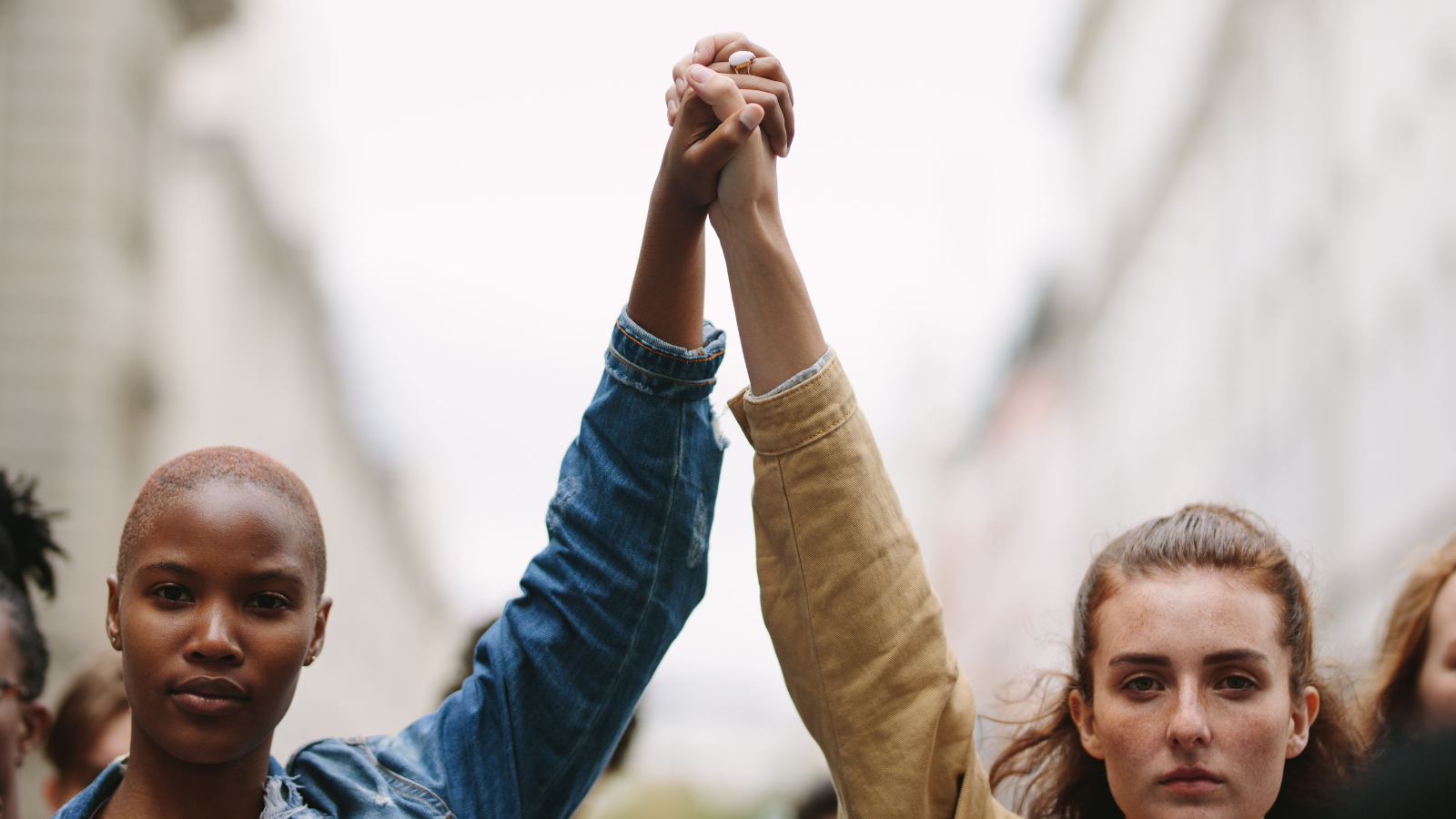
While important, some critics argue that schools can overemphasize certain social justice movements, potentially creating a narrow worldview for students. To address this concern, schools should provide a balanced perspective on social justice issues, allowing students to critically evaluate these movements while understanding their historical and contemporary significance.
An inclusive education on social justice topics should promote open dialogue and encourage students to think independently.
Silencing of Dissenting Views

In some cases, schools may silence dissenting views, hindering open dialogue and critical thinking. It’s important for schools to create an environment where respectful dissent and open debate are encouraged.
The ability to express opposing viewpoints is crucial for fostering critical thinking and ensuring that students are exposed to diverse ideas and perspectives. In the absence of debate, human brains simply cannot evolve and understand different concepts.
Conclusion

While schools should be places of open inquiry and enlightenment, it’s essential to remain vigilant and ensure that they provide a balanced education. The concerns raised about schools inadvertently or intentionally manipulating students’ beliefs highlight the importance of ongoing oversight and a commitment to unbiased, open, and diverse education.
As parents, educators, and concerned citizens, it’s our responsibility to nurture an environment that promotes critical thinking and independent thought, ultimately empowering our children to make informed decisions and shape a better future.
Don’t Toss It Yet: 12 Overlooked Antiques In Your Home That Could Make You An Overnight Millionaire

Antique items have long captured the fascination of collectors and enthusiasts, and beyond their sentimental value, they hold the potential to bring considerable wealth to their fortunate owners.
Here are the 12 Overlooked Antiques In Your Home That Could Make You An Overnight Millionaire
Profitable Stock Traders are Using This Tool to “Hack” the Markets

This tool is helping traders beat the market compared to those who have no idea what is.
Here are the Top 28 Stock Trading Discord Servers Right Now.
10 Industries That Will Make The Most Millionaires In The Next 5 Years

If you are not paying attention to these 10 industries, you are about to miss out on the next boom of millionaires.
See the 10 Industries About to Make the Most Millionaires in the Next 5 Years.
8 Cryptos Set to Shoot to the Moon in 2023 – One Small Investment, One Giant Leap for Your Wallet

These are 8 cryptocurrencies you need to know about before you miss out on the next boom.
8 Cryptos Set to Shoot to the Moon in 2023 – One Small Investment, One Giant Leap for Your Wallet
10 Stocks in Bill Gates Stock Portfolio Smart Investors are Buying

We share the top 10 stocks that Bill Gates owns that smart investors are buying right now.
10 Stocks in Bill Gates Stock Portfolio Smart Investors are Buying
The 27 Unexpected Habits Of The Wealthy: Secrets To Maximize Your Money

The wealthiest people on Earth share similarities in their habits. We break down the 27 habits you would not expect!
The 27 Unexpected Habits Of The Wealthy: Secrets To Maximize Your Money
This Options Discord Chat is The Real Deal
While the internet is scoured with trading chat rooms, many of which even charge upwards of thousands of dollars to join, this smaller options trading discord chatroom is the real deal and actually providing valuable trade setups, education, and community without the noise and spam of the larger more expensive rooms. With a incredibly low-cost monthly fee, Options Trading Club (click here to see their reviews) requires an application to join ensuring that every member is dedicated and serious about taking their trading to the next level. If you are looking for a change in your trading strategies, then click here to apply for a membership.