
35,000+ smart investors are already getting financial news, market signals, and macro shifts in the economy that could impact their money next with our FREE weekly newsletter. Get ahead of what the crowd finds out too late. Click Here to Subscribe for FREE.
For Canadians approaching retirement, the question of how much is enough looms large, but the answer isn’t one-size-fits-all. It depends on where you live, how you want to spend your golden years, and how long you expect to live. But what’s clear is that inflation, housing costs, and longer life expectancies are driving up the number. From coastal towns to urban centers, the real costs of retiring in comfort and what it takes to get there can vary. Here is how much you actually need to retire comfortably in Canada:
The Magic Number: $1.7 Million Is the New Benchmark
How Much You Actually Need to Retire Comfortably in Canada
- The Magic Number: $1.7 Million Is the New Benchmark
- Retiring in Vancouver? You’ll Need Even More
- Rural Living Can Cut Retirement Costs in Half
- Healthcare Isn’t Free—Budget for Out-of-Pocket Costs
- Inflation Could Eat 30% of Your Retirement Savings
- Downsizing Doesn’t Always Mean More Savings
- CPP and OAS Will Only Cover the Basics
- Retiring Early? You’ll Need Even More Saved
- Renting in Retirement Can Be Cheaper Than Owning
- Travel in Retirement Requires a Separate Budget
- Retirement Is Lasting Longer Than Ever
- The Role of TFSAs and RRSPs
- You’ll Likely Spend More Than You Expect
- Don’t Count on an Inheritance
- Part-Time Work Can Bridge the Gap
- Couples Need a Coordinated Plan
- The 70% Rule Explained
- The Power of Compound Growth
- 21 Products Canadians Should Stockpile Before Tariffs Hit

Gone are the days when $1 million guaranteed a stress-free retirement. Financial planners now estimate that the average Canadian needs closer to $1.7 million to retire comfortably. This figure assumes a 25- to 30-year retirement with enough to cover housing, healthcare, travel, and inflation. It also factors in modest investment returns and a buffer for unexpected costs. While daunting, this number becomes manageable with early planning, employer pensions, RRSPs, and smart investing, as it is not about hitting the number overnight, but about consistent contributions and understanding what that money needs to do for you over time.
Retiring in Vancouver? You’ll Need Even More

If you’re dreaming of retiring in Vancouver, brace for higher costs. Experts suggest a nest egg of at least $2 million to retire comfortably in B.C.’s most expensive city. The price of housing, whether renting or downsizing, is a major factor, along with elevated costs for groceries, taxes, and services. Even with CPP and OAS, many find those benefits fall short of maintaining a middle-class lifestyle. For Vancouverites, retirement planning often includes equity from selling a home, relocating to cheaper communities, or relying more heavily on personal savings and investments than in other parts of the country.
Rural Living Can Cut Retirement Costs in Half

Shifting from a major city to a rural area can drastically reduce your retirement expenses, sometimes by 50% or more. In parts of Atlantic Canada or the Prairies, retirees can live comfortably on $35,000 to $50,000 per year, compared to $70,000+ in cities like Toronto or Vancouver. Housing is often fully paid off, property taxes are lower, and daily expenses drop significantly. However, this strategy isn’t without trade-offs, as access to healthcare, transit, and social life may be more limited. For those seeking a slower pace and bigger financial cushion, rural retirement offers serious appeal.
Healthcare Isn’t Free—Budget for Out-of-Pocket Costs

While Canada’s public healthcare system covers a lot, retirees still face significant out-of-pocket expenses. Prescription drugs, dental care, vision, physiotherapy, and long-term care are not fully covered and can run into the thousands annually. Private insurance helps, but it also costs money, especially as you age. Experts recommend budgeting an additional $5,000 to $10,000 per year for health-related expenses in retirement, particularly as your needs increase. This means factoring in healthcare as a core pillar of your retirement plan, as a robust health budget is key to peace of mind in your later years.
Inflation Could Eat 30% of Your Retirement Savings

Many Canadians underestimate the long-term impact of inflation. A 2–3% annual inflation rate may seem small, but over a 25-year retirement, it can erode your savings by 30% or more. This makes it crucial to invest in assets that outpace inflation, like equities, real estate, or inflation-protected securities. If your retirement plan is based on today’s prices, you’re likely underprepared. Financial advisors now build plans that account for inflation-adjusted expenses, ensuring retirees can maintain their lifestyle in 10, 20, and 30 years. Ignoring inflation is one of the most common and dangerous retirement planning mistakes.
Downsizing Doesn’t Always Mean More Savings

Selling a large home and moving to a smaller one can free up equity, but it doesn’t always lead to huge savings. In hot real estate markets, downsized properties can still cost nearly as much, especially condos with high fees. Plus, moving comes with closing costs, land transfer taxes, and renovation expenses. For some retirees, downsizing brings lifestyle benefits more than financial ones, like less maintenance and easier mobility. Before banking on big savings, it is wise to crunch the real numbers, as sometimes renting or relocating entirely offers more financial freedom than simply going smaller.
CPP and OAS Will Only Cover the Basics

Combined, Canada Pension Plan (CPP) and Old Age Security (OAS) provide about $1,400 per month for the average retiree, which is hardly enough to fund a comfortable lifestyle. These payments help cover basics like groceries and utilities, but you’ll need additional income to travel, dine out, or handle emergencies. That is why personal savings, workplace pensions, and investment income play such a critical role. Relying solely on government benefits may work in low-cost areas, but in most urban centers, it leaves retirees short. Knowing this early helps Canadians build a retirement strategy that goes well beyond CPP and OAS.
Retiring Early? You’ll Need Even More Saved

Retiring at 55 instead of 65 might sound like a dream, but it comes with a hefty price tag. You’ll need to fund an extra 10 years of expenses without the full support of government benefits, which kick in later. This means either accumulating a significantly larger nest egg, often $2 million or more, or living on much less each year. Early retirees also face more risk from inflation and market volatility. Those who pull it off often have high savings rates, passive income sources, or inheritances, but without serious planning, early retirement can quickly turn into a financial burden.
Renting in Retirement Can Be Cheaper Than Owning

While home ownership has long been seen as key to financial stability, renting can actually make more sense in retirement, especially in cities with high property taxes or maintenance costs. Retirees who sell their homes and rent can unlock equity, avoid surprise expenses, and maintain flexibility to relocate. Monthly rent may be higher than some mortgage payments, but it also removes financial uncertainty tied to repairs and declining property values. In retirement, liquidity and predictability often matter more than asset growth, and for some Canadians, renting in their later years leads to greater peace of mind and lower stress.
Travel in Retirement Requires a Separate Budget

Many retirees plan to see the world, but few plan for how much that will actually cost. Annual travel expenses can range from $5,000 for modest road trips to $20,000+ for international adventures, while frequent flyers, snowbirds, and cruise enthusiasts may need even more. Travel insurance for seniors is also pricier and increasingly necessary. This is why financial advisors recommend creating a dedicated travel fund as part of your retirement plan, which ensures you can explore freely without dipping into your essentials budget.
Retirement Is Lasting Longer Than Ever
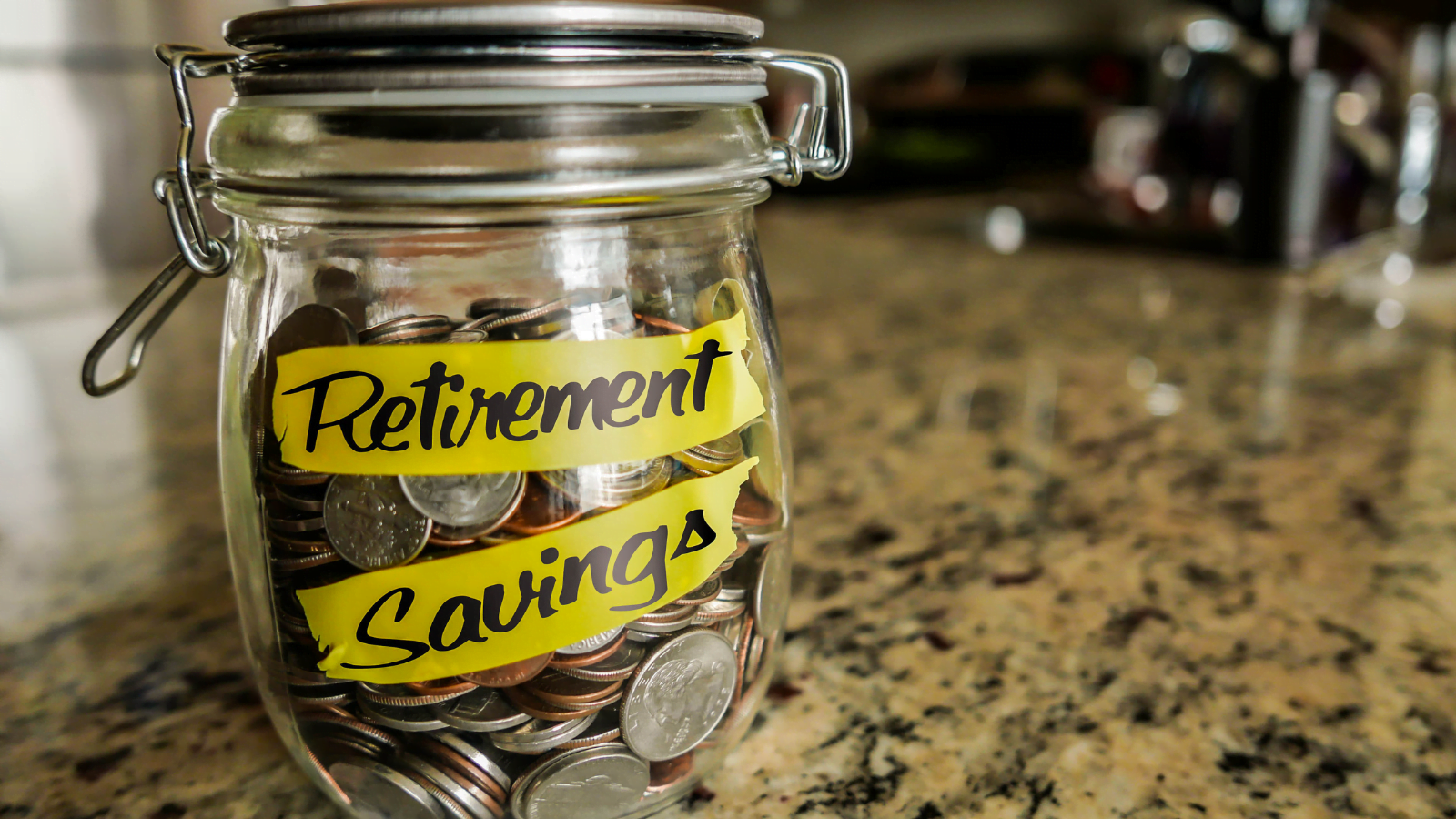
With Canadians living longer, retirement is stretching into 25-30 years or more, which is a third of your life, without employment income. Many still base retirement savings goals on a 20-year horizon, which is no longer realistic. You’ll need enough to support yourself through potential long-term care, rising health expenses, and market fluctuations. Longer retirements also mean your money must work harder for longer, meaning that planning for longevity could be the difference between thriving and just surviving.
The Role of TFSAs and RRSPs

Tax-Free Savings Accounts (TFSAs) and Registered Retirement Savings Plans (RRSPs) are essential tools for building a comfortable retirement. RRSPs provide up-front tax deductions and compound tax-deferred growth, ideal for high earners. TFSAs offer flexibility and tax-free withdrawals, which are great for low-to-mid-income earners or supplementing pensions without impacting OAS clawbacks. Maxing out both annually puts you ahead of inflation and sets you up for tax-efficient withdrawals, and the earlier you contribute, the more you gain.
You’ll Likely Spend More Than You Expect

Many Canadians underestimate their retirement expenses, believing that they will spend far less than during their working years. But in the first decade of retirement, especially with travel, hobbies, and health costs, spending can actually increase. The go-go years often require more cash than expected, and it is only later, during the slow-go and no-go phases, that spending drops. Planning for a flexible, tiered budget, with higher early retirement spending, is a smart way to avoid mid-retirement financial shocks.
Don’t Count on an Inheritance

Hoping for a future windfall from your parents or relatives can be a risky retirement strategy. Rising costs of living, health care, and long-term care mean older Canadians are spending more of their wealth themselves, and as life expectancies increase, inheritances arrive later, if at all. Financial planners advise against factoring inheritances into retirement targets, instead recommending a plan built on your own resources as a more effective strategy.
Part-Time Work Can Bridge the Gap

Retirement doesn’t have to mean quitting work entirely. Many Canadians are choosing semi-retirement with part-time jobs, consulting gigs, or passion projects that provide both income and fulfillment. Even earning $10,000-$15,000 a year can significantly reduce the strain on retirement savings, especially early on. Plus, it can delay CPP or RRSP withdrawals, letting investments grow longer. However, it is important to make sure that work aligns with your lifestyle goals and that it acts as a bridge, not a burden.
Couples Need a Coordinated Plan

Two people, two incomes, two retirement timelines can double the complexity. Couples need to align on key retirement questions like when to stop working, where to live, how to invest, and how much to spend. Coordinating RRSP and TFSA withdrawals, maximizing CPP benefits, and planning for spousal survivorship are all crucial. Without a joint plan, one partner could be left short, but a shared strategy, reviewed annually, creates long-term security for both, even if life throws a curveball.
The 70% Rule Explained

Many advisors recommend the 70% rule, which is to plan to live on 70% of your pre-retirement income. So if you’re earning $100,000 now, aim for $70,000 annually in retirement. This estimate assumes reduced commuting costs, no mortgage, and fewer dependents, and it is a good rule of thumb, but not one-size-fits-all. You might need more if you plan to travel or support adult children, or less if you live simply, but it acts as a solid benchmark for ballpark planning.
The Power of Compound Growth

Starting early with RRSPs or TFSAs can dramatically reduce the amount you need to save later. Thanks to compound interest, a 25-year-old contributing $500/month can accumulate over $1 million by 65 with an average 6% return. But if you start at 45, you would need to save more than $1,500/month to catch up. Retirement can be about how much you save, but it is also about how long that money has to grow.
21 Products Canadians Should Stockpile Before Tariffs Hit

If trade tensions escalate between Canada and the U.S., everyday essentials can suddenly disappear or skyrocket in price. Products like pantry basics and tech must-haves that depend on are deeply tied to cross-border supply chains and are likely to face various kinds of disruptions
21 Products Canadians Should Stockpile Before Tariffs Hit
This Options Discord Chat is The Real Deal
While the internet is scoured with trading chat rooms, many of which even charge upwards of thousands of dollars to join, this smaller options trading discord chatroom is the real deal and actually providing valuable trade setups, education, and community without the noise and spam of the larger more expensive rooms. With a incredibly low-cost monthly fee, Options Trading Club (click here to see their reviews) requires an application to join ensuring that every member is dedicated and serious about taking their trading to the next level. If you are looking for a change in your trading strategies, then click here to apply for a membership.