
35,000+ smart investors are already getting financial news, market signals, and macro shifts in the economy that could impact their money next with our FREE weekly newsletter. Get ahead of what the crowd finds out too late. Click Here to Subscribe for FREE.
Canada’s most defining achievements often emerged at moments when national leadership, public commitment, and global cooperation aligned to create lasting change. Before we get into each example, it is important to understand how these moments strengthened Canada’s identity at home and abroad. From major human rights advancements to international peace efforts, groundbreaking scientific contributions, and rapid humanitarian responses, these milestones reflect clear outcomes with global impact. Here are 23 Canadian moments that truly deserved a standing ovation.
Canada’s Role in Drafting the Universal Declaration of Human Rights (1948)
23 Canadian Moments That Deserve a Standing Ovation
- Canada’s Role in Drafting the Universal Declaration of Human Rights (1948)
- Lester B. Pearson’s UN Peacekeeping Proposal During the Suez Crisis (1956)
- Canada’s Leadership in Creating the UN Peacekeeping Tradition
- The Creation of Medicare Under Tommy Douglas
- Establishment of the Charter of Rights and Freedoms (1982)
- Canada’s Global Response to the Ethiopian Famine (1984–1985)
- Success of the Montreal Protocol on Ozone Protection (1987)
- Canada Hosting the 1988 Calgary Winter Olympics
- Canada’s Role in Ending Apartheid Through Sanctions (1980s–1990s)
- Establishment of Nunavut as a New Territory (1999)
- Canada’s Assistance During the 2004 Indian Ocean Tsunami
- Canada’s Leading Role in the Ottawa Treaty Banning Landmines (1997)
- The Vancouver 2010 Winter Olympics
- Canada’s Syrian Refugee Resettlement Initiative (2015 onward)
- Legalization of Same-Sex Marriage Nationwide (2005)
- Truth and Reconciliation Commission Final Report Release (2015)
- Canada’s Role in the Paris Climate Agreement Negotiations (2015)
- Discovery of HMS Erebus and HMS Terror with Inuit Collaboration (2014–2016)
- Canada’s COVID-19 Vaccination Rollout Achieving High Uptake (2021)
- Canada’s Leadership in Global Health Security Funding
- Breakthroughs in AI Through Canadian Research Institutions
- Canada’s Support for Ukraine with Military and Humanitarian Aid (2022 onward)
- International Recognition of Indigenous-Led Conservation Areas
- 21 Products Canadians Should Stockpile Before Tariffs Hit
Canada played a significant part in shaping the Universal Declaration of Human Rights through the efforts of John Humphrey, a Canadian legal scholar who served as the first Director of the UN Human Rights Division. Humphrey prepared the initial draft that became the basis of the final document adopted in 1948. His work incorporated principles of equality, freedom, and legal protection that influenced global human rights standards. Canada’s contribution demonstrated a strong commitment to international cooperation and rights-based governance at a crucial moment following the Second World War. This achievement continues to shape Canada’s global identity.
Lester B. Pearson’s UN Peacekeeping Proposal During the Suez Crisis (1956)

During the Suez Crisis in 1956, Lester B. Pearson proposed the creation of a United Nations Emergency Force to help stabilize the conflict and prevent further escalation. His diplomatic strategy offered a neutral and peaceful solution acceptable to the involved nations. The proposal led to the deployment of the first large-scale UN peacekeeping mission. Pearson’s leadership helped de-escalate one of the decade’s most dangerous international confrontations, earning him the 1957 Nobel Peace Prize. This event marked a turning point in Canada’s international role and established peacekeeping as a central part of its foreign policy identity.
Canada’s Leadership in Creating the UN Peacekeeping Tradition

Canada played a foundational role in building the peacekeeping tradition that would become a signature of the UN’s conflict-resolution approach. After the success of the Suez Crisis mission, Canada continued to support training, logistics, and policy development for peacekeeping operations. Canadian diplomats and military planners helped refine operational standards and participated in early missions across the Middle East, Africa, and Asia. These contributions strengthened the effectiveness of international monitoring and conflict prevention. Canada’s commitment during this period shaped global expectations of peacekeeping and cemented the country’s reputation as a reliable partner in international security efforts.
The Creation of Medicare Under Tommy Douglas

Medicare in Canada began in Saskatchewan under Premier Tommy Douglas, who introduced a publicly funded health insurance program to ensure that residents could access medical services regardless of income. The success of the provincial model led the federal government to adopt national cost-sharing programs, resulting in the establishment of universal Medicare across the country. This system became one of Canada’s defining social programs and significantly improved access to healthcare. Tommy Douglas is widely recognized for his leadership, and his work laid the foundation for a health system that is still central to Canada’s social policy today.
Establishment of the Charter of Rights and Freedoms (1982)

The Charter of Rights and Freedoms became part of Canada’s Constitution in 1982, ensuring legal protections for fundamental freedoms, democratic rights, mobility rights, equality rights, and language rights. The Charter strengthened the ability of Canadian courts to protect individual rights and provided citizens with clear legal remedies when those rights are violated. Its adoption was a major milestone in the patriation of the Constitution and reshaped the relationship between governments and citizens. The Charter continues to influence policy, legislation, and court decisions, making it one of the most important legal developments in modern Canadian history.
Canada’s Global Response to the Ethiopian Famine (1984–1985)
Canada played a significant humanitarian role during the Ethiopian famine of 1984–1985 by providing food aid, financial assistance, and logistical support for international relief operations. The Canadian government, non-profit organizations, and citizens contributed to large-scale efforts to deliver emergency supplies to affected regions. Canadian aircraft and personnel helped transport food to remote areas, improving the reach of global relief missions. These actions demonstrated Canada’s commitment to international humanitarian assistance during a major global crisis. The response strengthened partnerships with international agencies and showed how coordinated national efforts can support large-scale emergency operations.
Success of the Montreal Protocol on Ozone Protection (1987)

The Montreal Protocol, signed in 1987, is widely considered one of the most successful international environmental agreements. Canada played an important role in negotiating the treaty, which aimed to phase out substances that damage the ozone layer, including chlorofluorocarbons. Canada also implemented strong domestic regulations to support the agreement. The protocol led to significant reductions in ozone-depleting emissions worldwide and sets a model for future climate cooperation. Scientific assessments show that the ozone layer is recovering due to the global adoption of these measures. Canada’s leadership helped shape a landmark achievement in international environmental policy.
Canada Hosting the 1988 Calgary Winter Olympics

The 1988 Calgary Winter Olympics marked Canada’s first time hosting the Winter Games and significantly expanded the country’s international sports profile. Calgary invested in long-term infrastructure, including the Olympic Oval and Canada Olympic Park, which continue to serve athletes today. The Games brought global attention to Canadian winter sports and helped strengthen national athletic development programs. They also demonstrated Canada’s ability to manage large international events with strong organizational standards. The Calgary Olympics contributed to economic growth, tourism, and a strengthened reputation for winter sports excellence.
Canada’s Role in Ending Apartheid Through Sanctions (1980s–1990s)

Canada played a key part in the global movement against apartheid by supporting economic sanctions, diplomatic pressure, and advocacy within the Commonwealth and the United Nations. During the 1980s, Canada joined efforts to restrict trade and financial ties with South Africa to increase pressure for political change. Canadian leaders supported anti-apartheid activists and promoted coordinated international action. These measures contributed to the isolation of the South African government and encouraged negotiations that ultimately ended apartheid. Canada’s role during this period demonstrated its commitment to human rights and strengthened its reputation for supporting global justice initiatives.
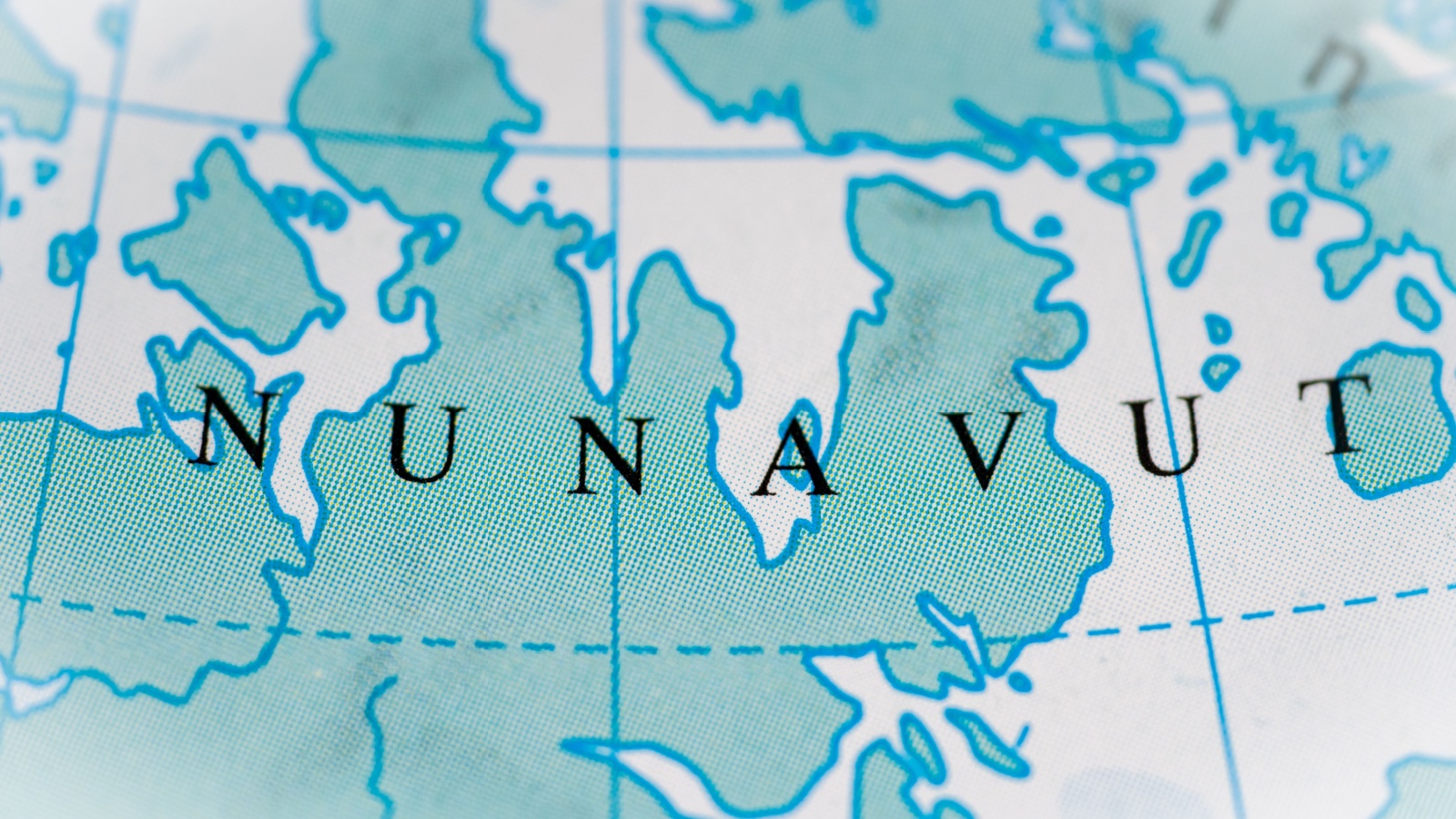
The creation of Nunavut in 1999 marked a significant milestone in Indigenous self-governance and the recognition of Inuit land rights. Formed through the Nunavut Land Claims Agreement, the new territory provided Inuit communities with greater control over local governance, land management, and cultural preservation. The establishment of Nunavut reorganized Canada’s northern administration and strengthened Canada’s acknowledgment of Indigenous rights. The territory has its own legislature and public government serving a predominantly Inuit population. This development remains one of the most important steps in advancing Indigenous leadership and autonomy within Canada’s political structure.
Canada’s Assistance During the 2004 Indian Ocean Tsunami

Following the Indian Ocean tsunami of 2004, Canada responded with humanitarian aid, financial support, and disaster relief personnel. The federal government provided hundreds of millions in emergency funding, and Canadian organizations helped deliver medical care, supplies, and reconstruction assistance across affected regions. The Disaster Assistance Response Team deployed to Sri Lanka to support water purification, medical services, and infrastructure repair. Canadian citizens also contributed significantly through charitable donations. The combined response strengthened Canada’s reputation as a reliable contributor to international disaster relief.
Canada’s Leading Role in the Ottawa Treaty Banning Landmines (1997)

Canada led the diplomatic effort that resulted in the 1997 Ottawa Treaty, which prohibited the use, production, and transfer of anti-personnel landmines. The treaty emerged from a Canadian-led initiative that brought together governments, non-governmental organizations, and international agencies in support of a comprehensive ban. Canada hosted the negotiations and encouraged states to adopt the agreement. More than 160 countries eventually joined the treaty, helping reduce civilian casualties and promote landmine clearance operations. Canada’s leadership in this process set a major precedent for humanitarian disarmament and demonstrated its ability to mobilize global cooperation on critical security issues.
The Vancouver 2010 Winter Olympics

The 2010 Vancouver Winter Olympics showcased Canada’s capacity to host large-scale international sporting events while promoting cultural inclusion and Indigenous partnerships. The Games featured record performances from Canadian athletes, including Canada’s highest-ever gold medal count at a Winter Olympics. Infrastructure projects such as the Canada Line and upgraded competition venues provided long-term benefits for the region. The participation of the Four Host First Nations marked a historic level of Indigenous involvement in an Olympic event held in Canada. The Vancouver Olympics strengthened tourism, boosted national pride, and expanded Canada’s global sporting reputation.
Canada’s Syrian Refugee Resettlement Initiative (2015 onward)

Beginning in 2015, Canada launched a large-scale effort to resettle Syrian refugees through government-assisted and privately sponsored programs. Tens of thousands of refugees were welcomed into communities across the country, supported by coordinated federal, provincial, and local initiatives. Settlement services included housing assistance, language training, healthcare access, and employment support. The initiative received international recognition for its humanitarian approach and community engagement. It also demonstrated the strength of Canada’s immigration system and the capacity of civil society to support large-scale resettlement efforts.
Legalization of Same-Sex Marriage Nationwide (2005)

In 2005, Canada became the fourth country in the world to legalize same-sex marriage nationwide through the Civil Marriage Act. The law guaranteed marriage rights to same-sex couples across all provinces and territories, following earlier provincial court rulings that recognized equality under the Charter of Rights and Freedoms. This milestone strengthened legal protections for LGBTQ2S+ Canadians and reinforced Canada’s commitment to equality and non-discrimination. The legislation was supported by constitutional principles and judicial decisions that upheld equal access to civil institutions. The national legalization of same-sex marriage remains a defining moment in Canada’s human rights progress.
Truth and Reconciliation Commission Final Report Release (2015)

The Truth and Reconciliation Commission released its final report in 2015, documenting the history and impacts of the residential school system on Indigenous children, families, and communities. The report included 94 Calls to Action aimed at addressing the legacy of residential schools and advancing reconciliation. The findings were based on testimonies from thousands of Survivors across Canada. The release of the report marked a major national milestone in acknowledging historical injustices and shaping future policy. Its recommendations continue to guide governments, institutions, and communities in developing programs that support healing, education reform, and improved Indigenous–Crown relations.
Canada’s Role in the Paris Climate Agreement Negotiations (2015)

Canada played an active role in negotiating the Paris Climate Agreement in 2015 by supporting global emissions reduction targets and advocating for strong international climate cooperation. Canadian delegates worked with partner nations to promote transparency, climate finance, and strengthened commitments from both developed and developing countries. Canada endorsed the agreement’s objective to limit global temperature increases and supported mechanisms for tracking national progress. The Paris Agreement became one of the most important frameworks for climate action.
Discovery of HMS Erebus and HMS Terror with Inuit Collaboration (2014–2016)

The discoveries of HMS Erebus in 2014 and HMS Terror in 2016 were major achievements in Arctic exploration, made possible through collaboration with Inuit communities. Inuit knowledge of local geography and historical accounts guided search teams to the areas where the ships were eventually found. Parks Canada led the expeditions, working closely with the Inuit Heritage Trust and local organizations. These findings provided important insights into the Franklin Expedition and strengthened partnerships between government researchers and Inuit experts. The discoveries also highlighted the continued value of Indigenous knowledge in scientific and historical research.
Canada’s COVID-19 Vaccination Rollout Achieving High Uptake (2021)

Canada achieved one of the highest vaccination rates in the world during the 2021 rollout of COVID-19 vaccines. The federal government secured supply agreements, coordinated distribution with provinces and territories, and supported public health campaigns to encourage participation. The vaccination program benefited from strong healthcare infrastructure and high public trust in health authorities. By late 2021, a large majority of eligible residents had received two vaccine doses, helping reduce severe illness and stabilize healthcare capacity. The rollout demonstrated effective coordination across jurisdictions and showed the importance of evidence-based public health strategies during global health emergencies.
Canada’s Leadership in Global Health Security Funding

Canada has played an important role in global health security by contributing financial support to international initiatives aimed at disease prevention, emergency response, and vaccine development. Contributions have included support for the Global Health Security Agenda, the World Health Organization, Gavi, and the Coalition for Epidemic Preparedness Innovations. Canada has promoted policies focused on early detection, rapid response, and capacity building in low-income regions. These efforts strengthen international preparedness against emerging infectious diseases. Canada’s leadership reflects long-standing commitments to global health cooperation.
Breakthroughs in AI Through Canadian Research Institutions

Canada has made major contributions to artificial intelligence through leading research institutions such as the University of Toronto, Université de Montréal, and the University of Alberta. Canadian scientists, including Geoffrey Hinton, Yoshua Bengio, and Richard Sutton, have advanced deep learning, reinforcement learning, and neural network development. Government and private-sector investment helped create research hubs like the Vector Institute, Mila, and Amii. These breakthroughs have influenced global AI applications in healthcare, transportation, and business.
Canada’s Support for Ukraine with Military and Humanitarian Aid (2022 onward)
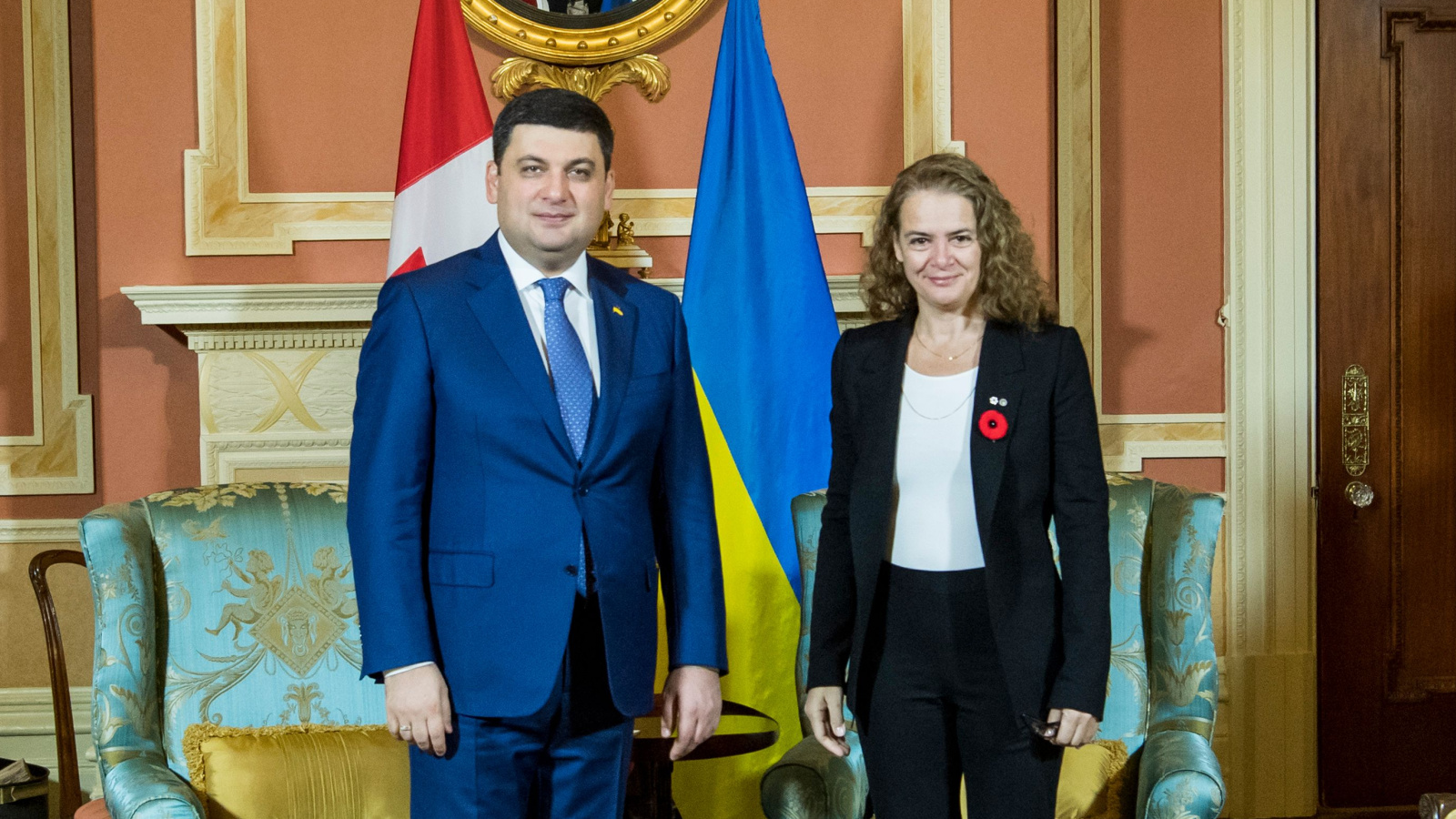
Since 2022, Canada has provided military equipment, training, financial aid, and humanitarian assistance to support Ukraine following the invasion by Russian forces. Support has included armored vehicles, artillery, drone systems, and contributions to NATO programs. Canada has also offered macroeconomic aid, refugee resettlement assistance, and sanctions targeting Russian officials and entities. These measures demonstrate Canada’s commitment to international law, European security, and democratic governance. Canada’s support continues to evolve through ongoing cooperation with allies and international partners, reinforcing its role in global security efforts.
International Recognition of Indigenous-Led Conservation Areas

Indigenous-led conservation areas in Canada have gained significant international recognition for their role in protecting biodiversity, supporting sustainable land management, and advancing Indigenous rights. Initiatives such as Indigenous Protected and Conserved Areas and Indigenous Guardians programs highlight collaborative approaches that combine ecological science with Indigenous knowledge. These areas contribute to national conservation goals and global efforts to preserve ecosystems. International organizations have acknowledged the effectiveness of Indigenous-led stewardship in maintaining environmental health and cultural continuity.
21 Products Canadians Should Stockpile Before Tariffs Hit

If trade tensions escalate between Canada and the U.S., everyday essentials can suddenly disappear or skyrocket in price. Products like pantry basics and tech must-haves that depend on are deeply tied to cross-border supply chains and are likely to face various kinds of disruptions
21 Products Canadians Should Stockpile Before Tariffs Hit
This Options Discord Chat is The Real Deal
While the internet is scoured with trading chat rooms, many of which even charge upwards of thousands of dollars to join, this smaller options trading discord chatroom is the real deal and actually providing valuable trade setups, education, and community without the noise and spam of the larger more expensive rooms. With a incredibly low-cost monthly fee, Options Trading Club (click here to see their reviews) requires an application to join ensuring that every member is dedicated and serious about taking their trading to the next level. If you are looking for a change in your trading strategies, then click here to apply for a membership.