
35,000+ smart investors are already getting financial news, market signals, and macro shifts in the economy that could impact their money next with our FREE weekly newsletter. Get ahead of what the crowd finds out too late. Click Here to Subscribe for FREE.
Canada’s most meaningful national achievements did not begin in Parliament or modern institutions—they began on Indigenous land, shaped by Indigenous knowledge, stewardship, and leadership. From transportation systems to conservation models, resource management, and governance frameworks, these wins exist because Indigenous nations built the foundation first. Here are Canadian wins that all trace back to Indigenous lands.
The Creation of the Trans-Canada Trail on Indigenous Traditional Territories
19 Canadian Wins That Started on Indigenous Land
- The Creation of the Trans-Canada Trail on Indigenous Traditional Territories
- National Parks Built on Indigenous Homelands
- Canadian Canoe Design Originating from Indigenous Technologies
- Snowshoe Engineering Developed from Indigenous Winter Travel Knowledge
- Arctic Sovereignty Strengthened Through Inuit Land Claims
- Indigenous Land Stewardship Shaping Modern Forestry Practices
- Fire-Smart Wildfire Prevention Rooted in Indigenous Burning Techniques
- Indigenous Fisheries Management Influencing National Marine Policies
- Renewable Energy Projects Launched Through Indigenous Land Partnerships
- Hydroelectric Developments Enabled by Modern Indigenous Agreements
- Wildlife Conservation Models Based on Indigenous Harvesting Traditions
- Protected Areas Co-Managed with Indigenous Nations
- Canadian Biodiversity Gains Through Indigenous Guardians Programs
- Major Resource Projects Built on Modern Treaty Frameworks
- Indigenous-Led Environmental Impact Assessments Guiding Federal Approvals
- Indigenous Language Revitalization Strengthening Canadian Cultural Identity
- Indigenous Governance Advancing Self-Government Across Canada
- Land Back Agreements Improving Long-Term Conservation Outcomes
- Truth and Reconciliation Commitments Driving National Policy Wins
- 21 Products Canadians Should Stockpile Before Tariffs Hit
The Trans-Canada Trail passes through regions that Indigenous Peoples have travelled for thousands of years. Many sections follow long-standing Indigenous pathways that connected communities, supported trade networks, and enabled seasonal movement. These routes were established through deep knowledge of geography, weather patterns, and safe travel corridors. As the trail expanded, partnerships with Indigenous Nations helped ensure that construction respected cultural sites and environmental conditions. Today, the trail highlights the importance of Indigenous stewardship in shaping Canada’s national identity.
National Parks Built on Indigenous Homelands

Canada’s national parks system was built on lands traditionally used and inhabited by Indigenous Nations. Parks such as Banff, Jasper, Riding Mountain, and Kluane were established in areas where Indigenous Peoples had lived, hunted, and practiced cultural traditions for generations. While early park policies excluded Indigenous communities, modern approaches recognize their rights and contributions. Co-management agreements and Indigenous-led conservation initiatives now guide park operations. These partnerships help protect ecosystems, preserve cultural heritage, and strengthen environmental stewardship.
Canadian Canoe Design Originating from Indigenous Technologies

The canoe, now a national symbol of Canada, originates from Indigenous innovation. Nations such as the Algonquin, Innu, Ojibwe, and Mi’kmaq developed lightweight, durable birchbark designs suited for lakes, rivers, and portage routes. These canoes enabled efficient travel, long-distance trade, and seasonal migration. European explorers and fur traders adopted Indigenous canoe technology because it outperformed European vessels in Canadian environments. The modern recreational canoe still reflects these original engineering principles. This achievement demonstrates how Indigenous knowledge directly shaped Canada’s transportation history and contributed to economic development.
Snowshoe Engineering Developed from Indigenous Winter Travel Knowledge

Snowshoes used across Canada trace back to Indigenous engineering adapted to winter landscapes. Nations such as the Cree, Algonquin, Dene, and Innu created snowshoe designs that distributed weight across deep snow, enabling efficient travel during harsh winters. Different shapes and bindings were developed for regional conditions, such as dense forest, open plains, or mountainous terrain. European settlers adopted Indigenous snowshoes because no European alternative matched their practicality. These designs supported hunting, trade, and community mobility for centuries. Today’s snowshoes still rely on the same core principles developed by Indigenous Peoples.
Arctic Sovereignty Strengthened Through Inuit Land Claims

Canada’s modern Arctic sovereignty is closely tied to Inuit land claims agreements. Documents such as the Nunavut Land Claims Agreement and the Inuvialuit Final Agreement legally establish Inuit rights, governance, and land ownership across vast northern territories. These agreements strengthen Canada’s international position by demonstrating effective control, responsible management, and partnership with Indigenous communities. Inuit presence, knowledge, and stewardship support scientific research, environmental monitoring, and national security operations. Without these agreements, Canada’s ability to assert Arctic sovereignty would be significantly weaker.
Indigenous Land Stewardship Shaping Modern Forestry Practices
Canadian forestry increasingly incorporates Indigenous stewardship principles that have guided land use for generations. Indigenous Nations developed sustainable harvesting methods, seasonal rotation practices, and ecological knowledge that maintained forest health over long periods. Modern forestry companies now partner with Indigenous governments on planning, monitoring, and environmental protection. These collaborations improve biodiversity outcomes, support reforestation, and enhance watershed protection. Indigenous guardians and resource managers provide local expertise that strengthens long-term forest sustainability. As forest ecosystems face threats such as wildfires, pests, and climate change, Indigenous-led approaches continue to influence Canada’s forestry sector.
Fire-Smart Wildfire Prevention Rooted in Indigenous Burning Techniques

Indigenous Peoples across Canada have practiced controlled burning for centuries to manage forests, renew vegetation, and reduce wildfire risks. These techniques created fire-resistant landscapes, improved wildlife habitats, and prevented the buildup of hazardous fuel loads. Today, as Canada faces increasing wildfire threats, governments and fire agencies are adopting Indigenous fire stewardship practices. Cultural burning programs in British Columbia, Alberta, and the Northwest Territories use traditional knowledge to improve safety and ecosystem health. This approach is grounded in Indigenous expertise that predates modern fire science
Indigenous Fisheries Management Influencing National Marine Policies
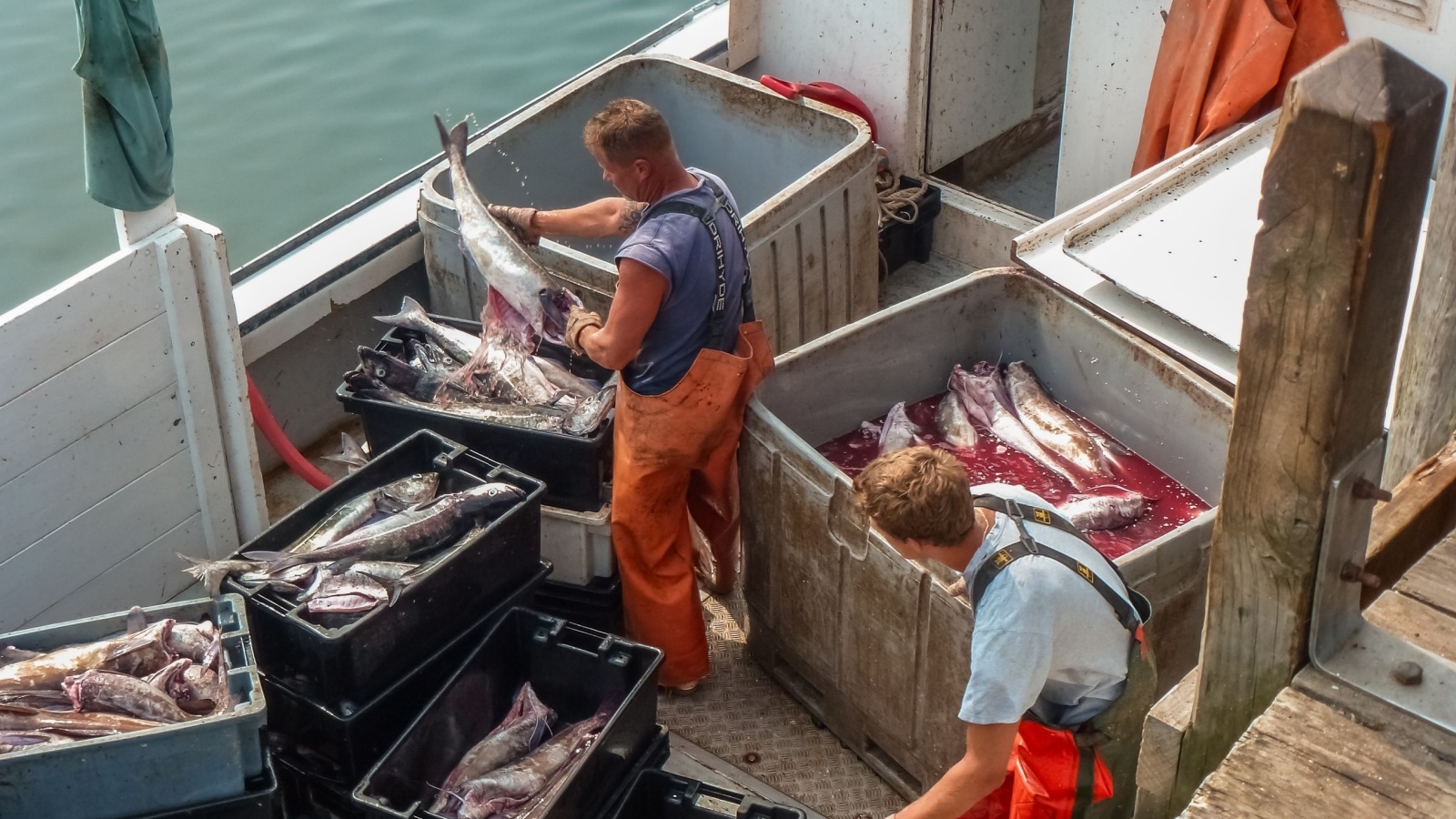
Indigenous Peoples have managed fisheries for thousands of years using systems that protected spawning cycles, controlled harvest levels, and maintained ecosystem balance. Practices such as selective harvesting, weir-based fishing, and seasonal closures informed modern federal policies after landmark court decisions recognized Indigenous fishing rights. Today, co-governance agreements guide marine planning on the West Coast, Atlantic regions, and Arctic waters. Indigenous leadership supports habitat restoration, stock monitoring, and sustainable harvesting frameworks. These contributions strengthen Canada’s long-term marine biodiversity and seafood security.
Renewable Energy Projects Launched Through Indigenous Land Partnerships

Many of Canada’s renewable energy projects began through partnerships with Indigenous Nations whose lands host wind, solar, and hydro developments. These partnerships provide economic opportunities, environmental benefits, and long-term revenue streams for communities. Indigenous governments play central roles in project planning, permitting, and environmental review. Examples include wind projects in Ontario and Quebec, solar installations in Alberta, and hydro partnerships in British Columbia and Manitoba. These collaborations ensure that renewable energy is developed responsibly and with community consent.
Hydroelectric Developments Enabled by Modern Indigenous Agreements
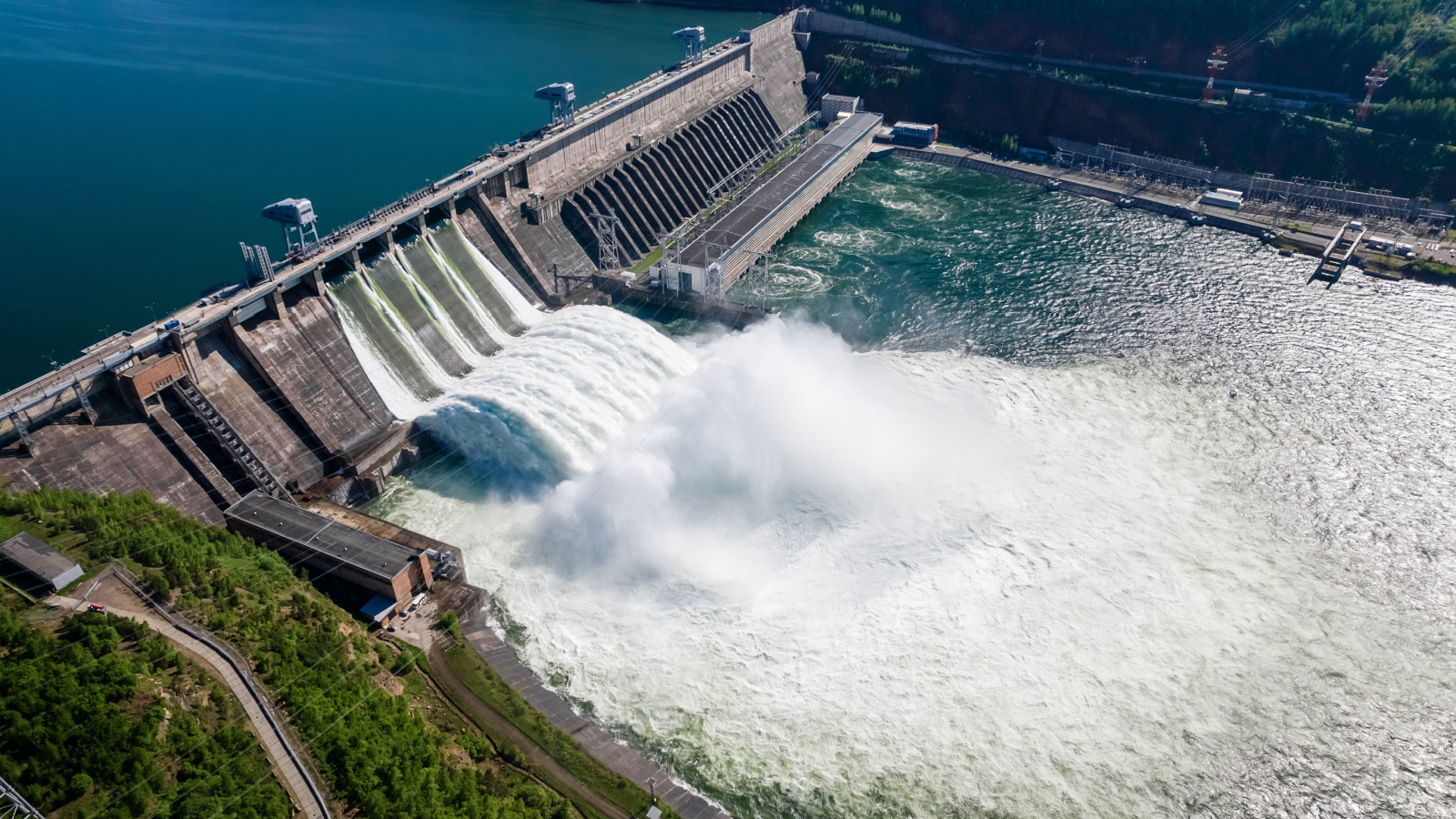
Major hydroelectric projects across Canada increasingly rely on Indigenous agreements that address land use, environmental impacts, and benefit-sharing. Modern treaties and impact-benefit agreements ensure that Indigenous Nations participate directly in planning and decision-making. Projects such as Manitoba Hydro’s Keeyask Generating Station and BC Hydro’s agreements with First Nations demonstrate how Indigenous partnerships shape national energy infrastructure. These agreements improve environmental oversight, support local employment, and ensure long-term community benefits.
Wildlife Conservation Models Based on Indigenous Harvesting Traditions

Indigenous Peoples developed wildlife management systems based on respect, seasonal rotation, and sustainable harvesting. These traditions included limits on taking breeding animals, protections for migration routes, and community-based monitoring. Modern conservation programs now incorporate these principles to improve species recovery and habitat protection. Co-management agreements guide policies for caribou, salmon, moose, and migratory birds across several provinces and territories. Indigenous knowledge provides long-term observations that help governments respond to ecological changes.
Protected Areas Co-Managed with Indigenous Nations

Canada’s growing network of protected areas increasingly relies on co-management with Indigenous Nations. This includes national parks, wildlife reserves, and marine conservation zones where Indigenous governments share authority with federal or provincial agencies. Examples include Thaidene Nëné Protected Area in the Northwest Territories and Gwaii Haanas National Park Reserve in British Columbia. Co-management incorporates Indigenous legal traditions, ecological knowledge, and cultural priorities into conservation planning. These partnerships improve ecological outcomes, respect Indigenous rights, and strengthen long-term stewardship.
Canadian Biodiversity Gains Through Indigenous Guardians Programs

Indigenous Guardians programs employ trained community members to monitor wildlife, restore ecosystems, and manage protected areas. These programs operate in regions such as the Northwest Territories, British Columbia, and the Prairies, supporting conservation through Indigenous-led approaches. Guardians conduct patrols, gather scientific data, and protect culturally significant areas. Federal funding has expanded these programs because they deliver strong environmental results and strengthen community capacity. The success of the Guardians model influences national biodiversity strategies and supports Canada’s commitments to conservation targets.
Major Resource Projects Built on Modern Treaty Frameworks

Modern treaties provide the legal and governance foundation for many large resource projects in Canada. Agreements such as the James Bay and Northern Quebec Agreement, the Nunavut Land Claims Agreement, and the Nisga’a Final Agreement outline clear rules for land use, revenue sharing, and environmental protection. These treaties support mining, infrastructure, and energy projects by creating certainty for both governments and industry. Indigenous Nations participate directly in negotiations, oversight, and long-term project benefits. Modern treaty frameworks enable responsible development while respecting Indigenous rights, helping Canada advance major national projects rooted in strong legal partnerships.
Indigenous-Led Environmental Impact Assessments Guiding Federal Approvals

Indigenous-led environmental impact assessments have become a formal part of Canada’s regulatory process. These assessments integrate traditional ecological knowledge with scientific analysis, giving federal and provincial regulators more accurate baselines and long-term forecasts. Many major infrastructure and resource projects now require Indigenous-led studies to evaluate water quality, wildlife patterns, cultural impacts, and cumulative environmental risks. This approach increases accountability, improves project design, and ensures Indigenous nations have meaningful decision-making authority.
Indigenous Language Revitalization Strengthening Canadian Cultural Identity

Indigenous language revitalization has expanded nationwide through immersion schools, community programs, cultural institutions, and digital learning platforms. These languages carry ecological knowledge, governance traditions, oral histories, and cultural frameworks that shape Canada’s broader understanding of identity. The Indigenous Languages Act provides long-term funding for instruction, documentation, and curriculum development. These investments have supported new teachers, community-led language nests, and improved access for youth. Revitalization efforts help preserve linguistic diversity and reinforce Canada’s commitment to cultural continuity.
Indigenous Governance Advancing Self-Government Across Canada

Self-government agreements continue to redefine how Indigenous nations participate in governance. These agreements outline jurisdiction over land management, education, health services, child welfare, and local economic development. They establish stable revenue-sharing arrangements and provide legal recognition for Indigenous laws and decision-making structures. Modern treaties support long-term planning, more effective service delivery, and stronger political autonomy. Canada’s constitutional and administrative systems have adapted to accommodate these evolving forms of governance, strengthening nation-to-nation relationships and improving coordination across different levels of government.
Land Back Agreements Improving Long-Term Conservation Outcomes
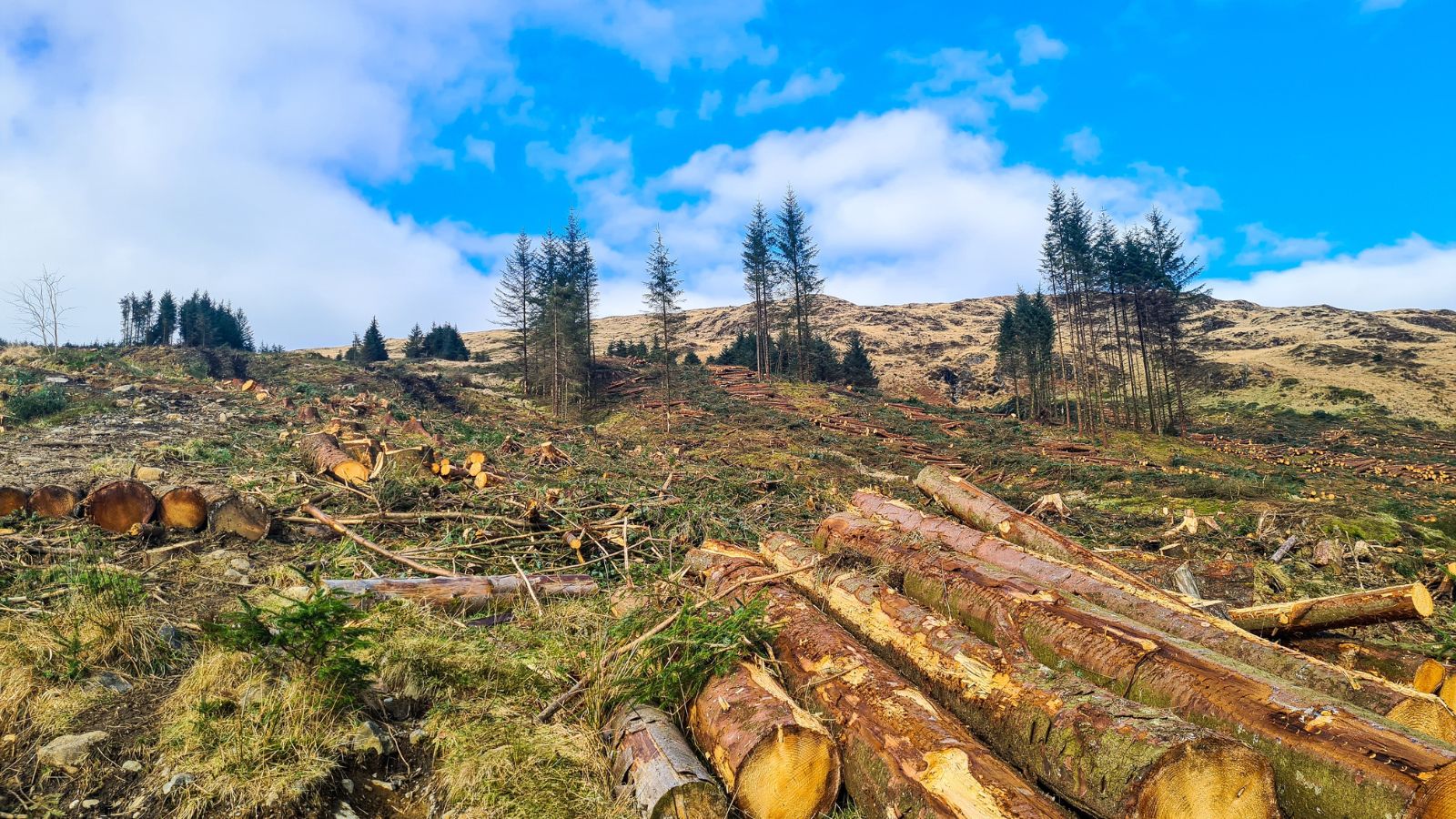
Land Back agreements have supported major conservation outcomes by returning stewardship to Indigenous nations. These arrangements often include co-management frameworks, habitat protection commitments, and long-term monitoring responsibilities. Indigenous stewardship has resulted in better biodiversity protection, improved land restoration, and decisions informed by cultural and ecological knowledge. Many regions transferred through Land Back agreements show stronger environmental outcomes, reduced overdevelopment pressures, and clearer pathways for sustainable planning.
Truth and Reconciliation Commitments Driving National Policy Wins

The Truth and Reconciliation Commission’s Calls to Action continue to guide policy change across federal, provincial, and municipal levels. They influence reforms in education, child welfare, justice, healthcare, culture, and public administration. Institutions increasingly treat the Calls to Action as a benchmark for accountability and long-term planning. Government partnerships with Indigenous nations now incorporate clearer timelines, reporting requirements, and collaborative frameworks. These commitments have produced measurable policy changes, improved public awareness, and strengthened institutional responsibility.
21 Products Canadians Should Stockpile Before Tariffs Hit

If trade tensions escalate between Canada and the U.S., everyday essentials can suddenly disappear or skyrocket in price. Products like pantry basics and tech must-haves that depend on are deeply tied to cross-border supply chains and are likely to face various kinds of disruptions
21 Products Canadians Should Stockpile Before Tariffs Hit
This Options Discord Chat is The Real Deal
While the internet is scoured with trading chat rooms, many of which even charge upwards of thousands of dollars to join, this smaller options trading discord chatroom is the real deal and actually providing valuable trade setups, education, and community without the noise and spam of the larger more expensive rooms. With a incredibly low-cost monthly fee, Options Trading Club (click here to see their reviews) requires an application to join ensuring that every member is dedicated and serious about taking their trading to the next level. If you are looking for a change in your trading strategies, then click here to apply for a membership.