
35,000+ smart investors are already getting financial news, market signals, and macro shifts in the economy that could impact their money next with our FREE weekly newsletter. Get ahead of what the crowd finds out too late. Click Here to Subscribe for FREE.
Canada may not ask for credit, but more than once, it has stepped in when the United States risked global embarrassment. Whether it was through diplomatic rescue, environmental leadership, or moral consistency, Canada has a way of softening America’s missteps without lecturing. Here are 21 times Canada quietly saved America’s reputation:
The Iranian Hostage Crisis (1979)
21 Times Canada Quietly Saved America’s Reputation
- The Iranian Hostage Crisis (1979)
- Accepting Syrian Refugees (2015–2016)
- Upholding the Paris Climate Agreement (2017)
- The Afghanistan Evacuation (2021)
- The Cuban Mediation Channel
- Protecting America’s Arctic Claims
- Reinforcing NATO Commitments
- Taking the Lead on Landmine Bans
- Balancing the U.S.–China Trade War
- Mediating Global Health Cooperation
- Leading the Charge on LGBTQ+ Rights Abroad
- Defending Journalistic Freedom Globally
- Acting as the “Good Cop” in Trade Diplomacy
- Soft Power Through Culture and Arts
- Offering a Home to Draft Dodgers
- Backing International Climate Agreements
- Preventing a Border Panic During COVID-19
- Stabilizing the Arctic Narrative
- Championing Humanitarian Migration
- Saving U.S. Tech’s Global Image on Privacy
- Standing by the U.S. After 9/11
- 21 Products Canadians Should Stockpile Before Tariffs Hit

When six American diplomats escaped the U.S. Embassy in Tehran, it wasn’t the CIA that immediately saved them, but it was Canada. Ambassador Ken Taylor and his staff sheltered them in secret, forged Canadian passports, and orchestrated their escape in what became known as the “Canadian Caper”. The mission stayed secret to protect future Canadian diplomats, and only later did the world learn Canada had risked everything to rescue American lives, quietly ensuring the U.S. didn’t suffer an even greater diplomatic disaster.
Accepting Syrian Refugees (2015–2016)

As the U.S. wrestled with border bans and political backlash over refugee resettlement, Canada took a compassionate, efficient lead. Prime Minister Justin Trudeau welcomed over 25,000 Syrian refugees in just a few months, many of whom had family in the U.S. or were rejected by American policies. This bold humanitarian move helped repair some of the West’s image in the wake of harsh U.S. rhetoric, as Canada showed the world what inclusive immigration could look like and gave America a partner who wouldn’t turn its back.
Upholding the Paris Climate Agreement (2017)

When the U.S. withdrew from the Paris Agreement under the Trump administration, the world saw it as a betrayal of global climate progress. Canada, alongside France and other allies, helped stabilize international commitments, as Ottawa doubled down on its emissions pledges, hosted international climate summits, and pushed clean tech collaboration across borders. By staying in the agreement and urging others to follow, Canada cushioned the reputational blow for its southern neighbor, proving that at least one North American voice was still in the room.
The Afghanistan Evacuation (2021)

As the U.S. exited Afghanistan amid chaos, Canada quietly pulled its weight in the rescue of civilians and interpreters. Canadian forces coordinated extractions, offered safe refuge to thousands of Afghans, and helped maintain diplomatic dialogue in a region where U.S. credibility was unraveling. Canadian aid workers and consular teams stepped into logistical gaps the U.S. couldn’t fill, making the evacuation less disastrous than it might’ve been, while offering help that preserved Western unity in a moment of crisis.
The Cuban Mediation Channel

During the Cold War, when direct U.S.-Cuba relations froze over, Canada kept the lines of communication open. Canadian diplomats acted as intermediaries, hosting quiet backchannel talks in Ottawa and Havana that helped prevent escalation during tense moments, especially during the lead-up to the Cuban Missile Crisis. While the U.S. and USSR postured, Canada helped maintain diplomacy’s pulse. These quiet conversations helped the U.S. preserve a reputation for eventual compromise instead of unchecked aggression.
Protecting America’s Arctic Claims

While American interest in the Arctic has grown, Canada has often led efforts in environmental protection, Indigenous consultation, and diplomatic engagement with other polar nations. Canada’s proactive presence in the Arctic through science missions, military patrols, and multilateral cooperation has indirectly strengthened American territorial and environmental positions. By helping ensure that Arctic disputes remained peaceful and structured, Canada prevented diplomatic chaos that would’ve damaged North America’s global standing.
Reinforcing NATO Commitments

As American leadership in NATO wavered, particularly during periods of isolationist rhetoric, Canada maintained steady participation. From sending troops to Latvia to leading training missions in Iraq, Canada filled credibility gaps when U.S. resolve was questioned. Canadian leadership reassured allies in Eastern Europe and the Middle East that the West still stood together, even if the U.S. looked distracted. It was a subtle but powerful show of alliance maintenance, helping America appear more reliable than its political headlines suggested.
Taking the Lead on Landmine Bans

While the U.S. hesitated to sign the Ottawa Treaty banning landmines, Canada pushed forward. Hosting the original 1997 conference that led to the treaty, Canada rallied over 120 countries to commit to banning these weapons, and even though the U.S. was absent from the final agreement, it benefited reputationally by being associated with a close ally championing the cause. Canada’s leadership on the issue helped shift global opinion and created pressure on holdouts like the U.S. to reconsider.
Balancing the U.S.–China Trade War

As tensions between the U.S. and China escalated into a trade war, Canada found itself caught in the diplomatic crossfire, especially following the arrest of Huawei’s Meng Wanzhou at America’s request. While dealing with economic retaliation from China, Canada still upheld its extradition treaty and global legal commitments. At the same time, it maintained communication with both superpowers, helping de-escalate a high-stakes conflict. Canada’s measured handling offered a quieter, rules-based model that helped temper global panic and reflected well on North American diplomatic maturity, which was something the U.S. sorely needed.
Mediating Global Health Cooperation

During the COVID-19 pandemic, as the U.S. clashed with international organizations and briefly withdrew funding from the WHO, Canada stepped in. Canadian officials emphasized multilateral cooperation, contributed significantly to COVAX, and championed vaccine access for developing nations. This diplomatic steadiness reassured other countries that at least one major North American player valued global public health collaboration. Canada’s voice helped salvage the continent’s credibility in health diplomacy and gave America breathing room to recalibrate its messaging without appearing completely disengaged from humanitarian leadership.
Leading the Charge on LGBTQ+ Rights Abroad
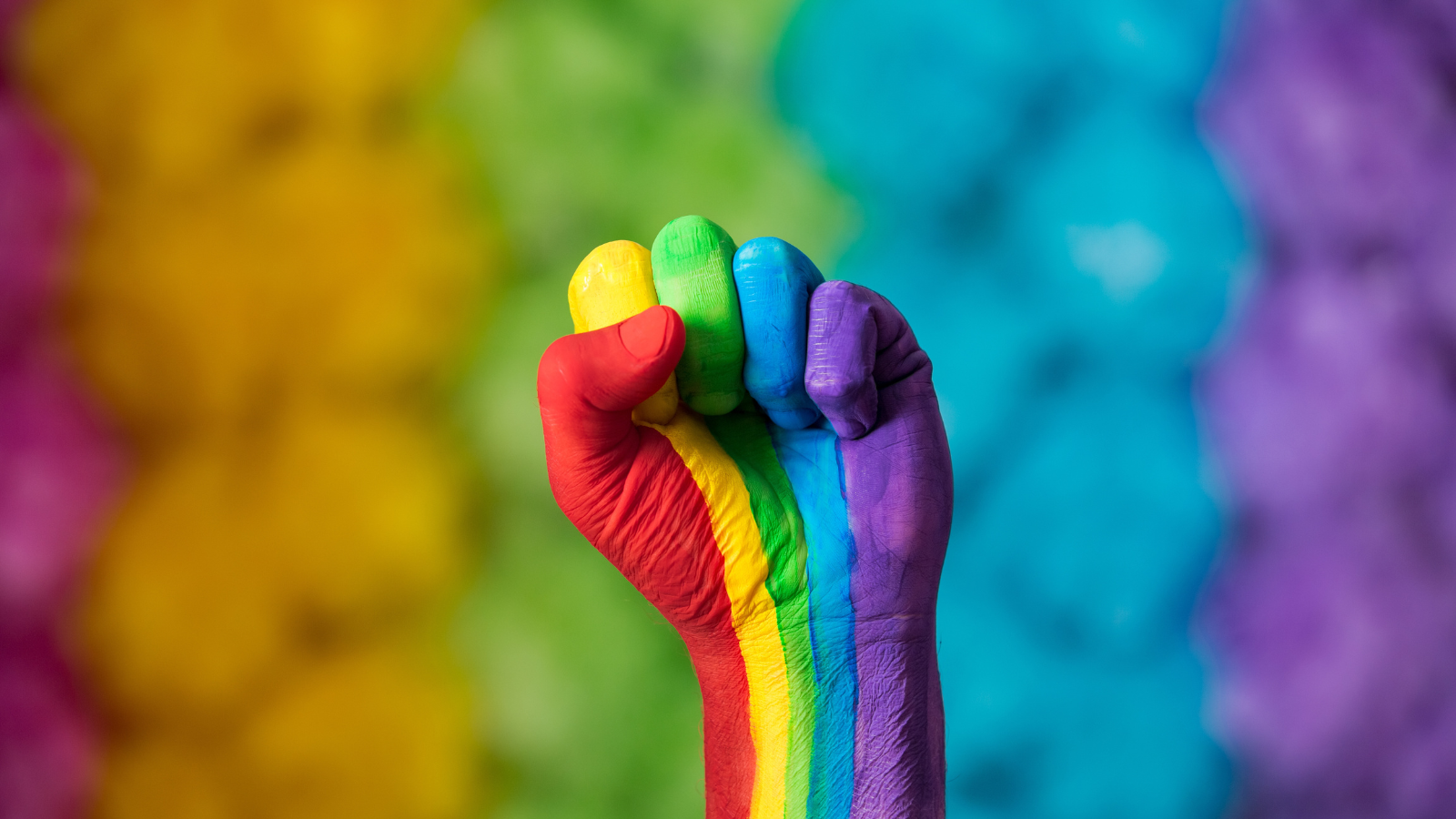
While the U.S. has experienced internal backsliding on LGBTQ+ rights, Canada’s consistent global advocacy has helped project a more inclusive North American image. Canadian diplomats have pressed for LGBTQ+ protections in the UN, offered asylum to persecuted individuals, and partnered with American NGOs abroad. In countries where U.S. influence is limited or suspect, Canada has acted as the more neutral and progressive voice, keeping regional LGBTQ+ efforts alive while indirectly allowing the U.S. to share in the moral credit without facing the direct political cost.
Defending Journalistic Freedom Globally

When American leadership on press freedom was questioned, especially amid accusations of fake news and hostility toward the media, Canada helped restore faith in democratic transparency. The Canadian government launched initiatives like the Media Freedom Coalition, co-hosted summits on journalist safety, and funded protection programs abroad. While American media giants remained influential, Canada became a trusted governmental advocate for press rights. This bolstered North America’s overall image in global democratic rankings and gave international observers a reason not to lump the U.S. in with authoritarian media antagonists.
Acting as the “Good Cop” in Trade Diplomacy

In tense negotiations like NAFTA’s renegotiation, which became USMCA, Canada consistently took the high road by pushing for labor protections, environmental standards, and transparent processes. While the U.S. played hardball with tariffs and threats, Canada’s calm professionalism reassured global trade partners that the North American bloc wasn’t purely transactional. Canadian negotiators even won praise from U.S. lawmakers for keeping talks alive. In the end, Canada helped the U.S. reach a deal that preserved its economic reputation without appearing like a bully.
Soft Power Through Culture and Arts

American pop culture dominates globally, but often carries baggage like political polarization, commercialism, and cultural imperialism. Canadian artists, however, have helped balance the scale, as Margaret Atwood’s influence in literary circles, Ryan Reynolds and Simu Liu humanizing Hollywood with humble charm, and musicians like The Weeknd and Feist have offered a cooler, gentler face of North American talent. These cultural exports give the world a more nuanced view of the continent, allowing American cultural dominance to feel less overwhelming and more relatable.
Offering a Home to Draft Dodgers

During the Vietnam War, over 30,000 American draft dodgers fled to Canada rather than serve in a conflict they opposed. Canada accepted them without criminalizing their decisions, offering a peaceful refuge that underscored democratic values and human rights. While the U.S. was seen globally as forcing a controversial war, Canada’s hospitality gave the world a contrasting view of the North American conscience and moral choice. In the long run, it helped soften perceptions of the U.S.
Backing International Climate Agreements

As the U.S. withdrew from the Paris Climate Accord under one administration, Canada doubled down on its commitment. Prime Minister Justin Trudeau vocally supported climate targets and worked with European allies to keep the momentum alive. Canada also co-chaired the Powering Past Coal Alliance, pushing clean energy adoption globally. By staying the course while the U.S. wavered, Canada helped prevent a leadership vacuum in the fight against climate change. This environmental credibility helped preserve the image of North America as a region still invested in the planet’s future.
Preventing a Border Panic During COVID-19

When COVID-19 hit, the world feared borders would slam shut for good. Still, Canada and the U.S. quickly negotiated a measured approach by closing the border to non-essential travel while allowing trade and essential workers to continue crossing. Canada’s cooperation helped avoid panic, supply chain chaos, and diplomatic embarrassment. American media praised the bilateral coordination as surprisingly calm and effective. In a crisis that could’ve fueled mistrust, Canada’s rational, science-based decisions helped stabilize the North American image and allowed the U.S. to appear like a willing team player.
Stabilizing the Arctic Narrative

As tensions rise in the Arctic over shipping routes and territorial claims, Canada has consistently promoted peace, scientific collaboration, and Indigenous stewardship. While Russia and the U.S. lean toward militarization, Canada champions diplomacy through the Arctic Council and environmental research. Its non-aggressive posture defuses fear that North America is rushing into cold war-style brinkmanship. Canada’s leadership gives the U.S. cover to engage in the region without looking like it’s pursuing conquest, and it also preserves North America’s broader image as guardians of environmental stewardship rather than exploiters of melting frontiers.
Championing Humanitarian Migration

When American refugee policies tightened dramatically, especially during periods of political upheaval, Canada opened its doors. From Syrian refugees to displaced Ukrainians, Canada accepted thousands with open arms and minimal controversy. Its Refugee Sponsorship Program drew global praise and offered a clear counterexample to U.S. hardline policies, which enabled North America to still look like a place of hope. Canada’s generosity gave the world reason to believe that humanitarian values hadn’t completely disappeared from the continent, and America quietly benefited from the goodwill.
Saving U.S. Tech’s Global Image on Privacy

When American tech giants faced global scrutiny over data privacy, especially after events like the Cambridge Analytica scandal, Canada’s regulatory agencies helped pressure Big Tech toward reform. The Canadian Office of the Privacy Commissioner launched investigations, supported international watchdogs, and enforced stricter rules at home. By keeping pressure on without being overtly hostile, Canada helped spur positive change in tech practices that ultimately benefited users in the U.S. and abroad.
Standing by the U.S. After 9/11

In the wake of the September 11 attacks, Canada stood by the U.S. in one of its darkest hours. Operation Yellow Ribbon rerouted 200+ flights to Canadian airports, with entire communities like Gander, Newfoundland, welcoming thousands of stranded passengers with food, beds, and kindness. While the U.S. struggled with grief and shock, Canada offered immediate, unflinching support that resonated worldwide. That moment of compassion became a shining example of allied solidarity and gave the U.S. a global image of being cared for, not just feared or pitied.
21 Products Canadians Should Stockpile Before Tariffs Hit

If trade tensions escalate between Canada and the U.S., everyday essentials can suddenly disappear or skyrocket in price. Products like pantry basics and tech must-haves that depend on are deeply tied to cross-border supply chains and are likely to face various kinds of disruptions
21 Products Canadians Should Stockpile Before Tariffs Hit
This Options Discord Chat is The Real Deal
While the internet is scoured with trading chat rooms, many of which even charge upwards of thousands of dollars to join, this smaller options trading discord chatroom is the real deal and actually providing valuable trade setups, education, and community without the noise and spam of the larger more expensive rooms. With a incredibly low-cost monthly fee, Options Trading Club (click here to see their reviews) requires an application to join ensuring that every member is dedicated and serious about taking their trading to the next level. If you are looking for a change in your trading strategies, then click here to apply for a membership.